Top 5 Caves around Illesheim
Caves around Illesheim offer a mix of historical sites and unique geological formations. While Illesheim itself does not feature extensive natural cave systems, the surrounding area provides several notable cave-like attractions. These sites showcase local quarrying history, serve as wildlife habitats, and offer scenic viewpoints. The region's landscape includes wooded areas and vineyards, contributing to the diverse character of these locations.
Best caves around Illesheim
- The most popular caves is Fingalshöhle Sandstone Quarry, a historical site that is an…
Last updated: November 23, 2026
Fingalshöhle Sandstone Quarry
Highlight • Historical Site
Translated by Google •
Tip by

Külsheim Stone Cave
Highlight • Structure
Look up the hill and to the left. Otherwise you can easily overlook the "cave" 😉.
Translated by Google •
Tip by

Sign up now to discover places like this
Get recommendations on the best single tracks, peaks, & plenty of other exciting outdoor places.
Höllern Gypsum Cave
Highlight • Cave
Translated by Google •
Tip by

Historic rock cellars (Felsenkeller) in Naturpark Frankenhöhe
Highlight • Historical Site
Translated by Google •
Tip by

Rock Cellar and Bat Habitat Schwarzer Adler
Highlight • Cave
Translated by Google •
Tip by

Sign up for free to discover even more caves around Illesheim.
Already have an account?
Start today with a free account
Your next adventure awaits.
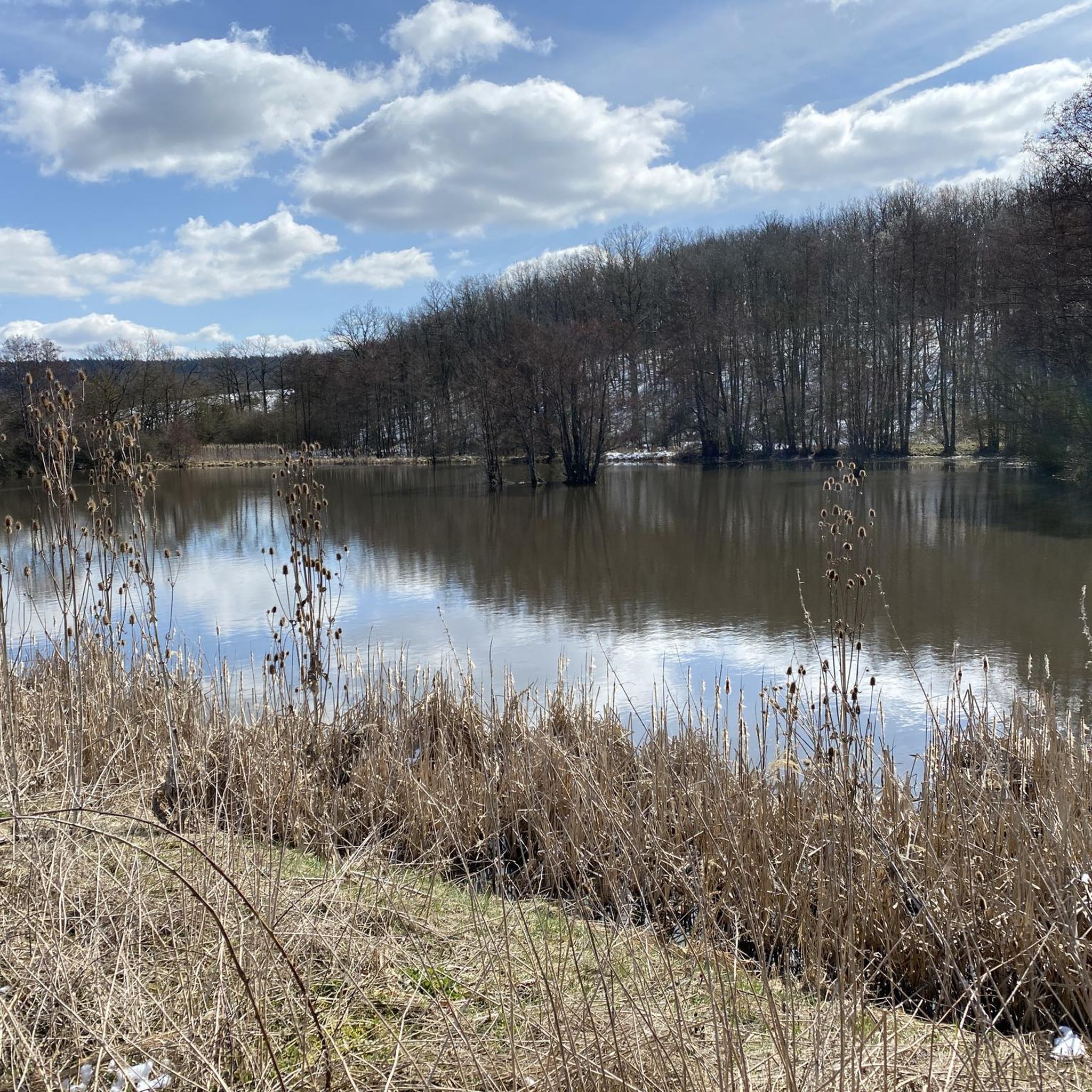
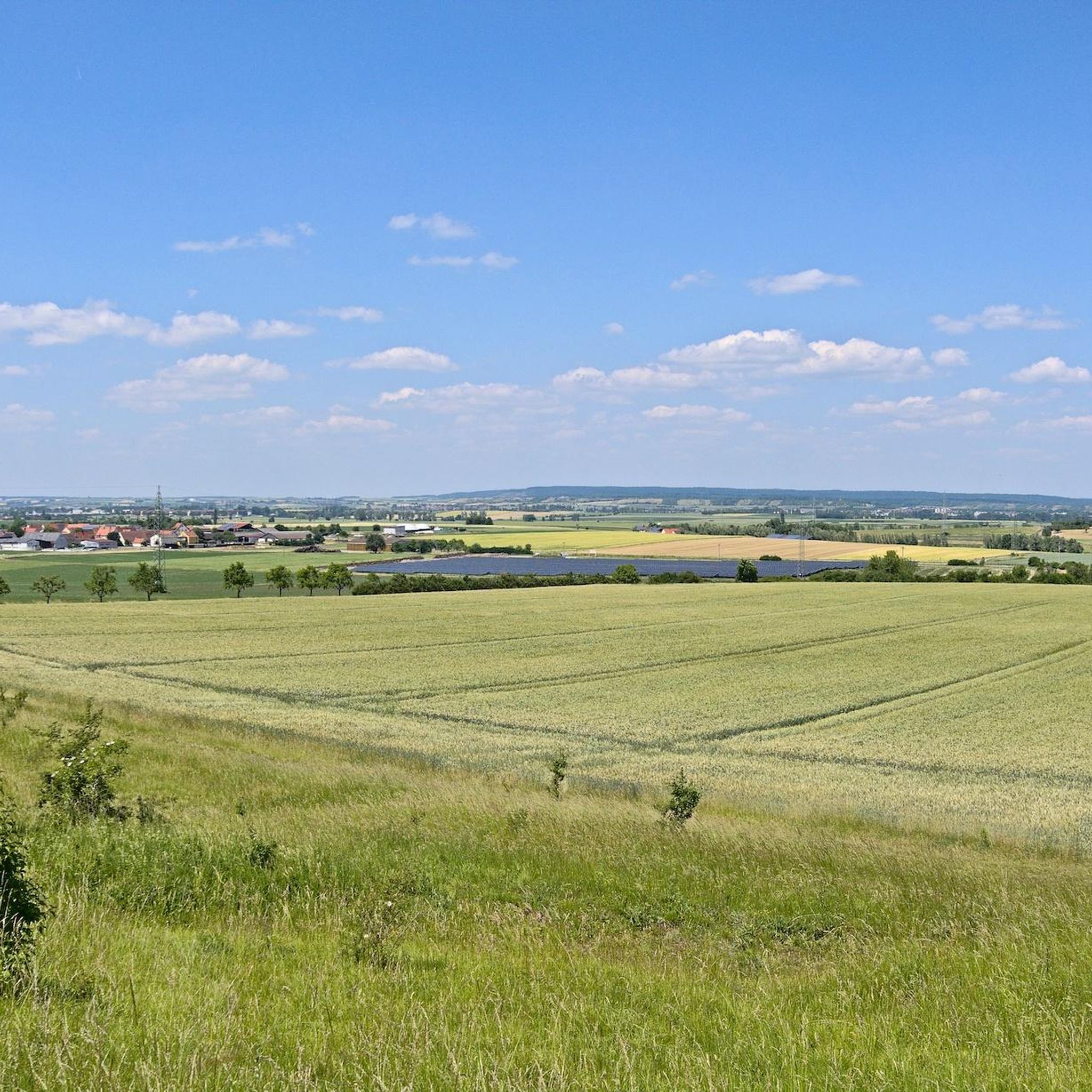
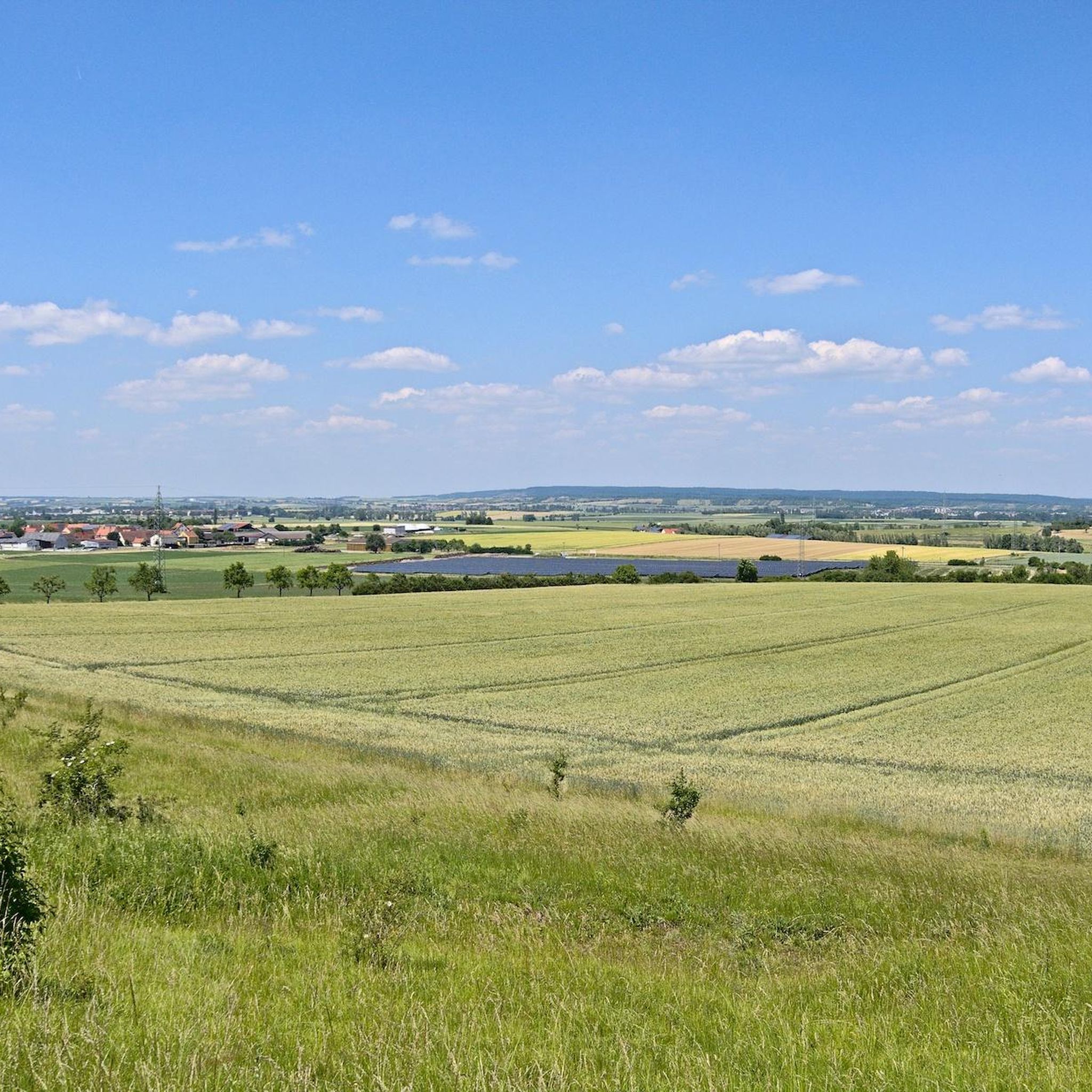
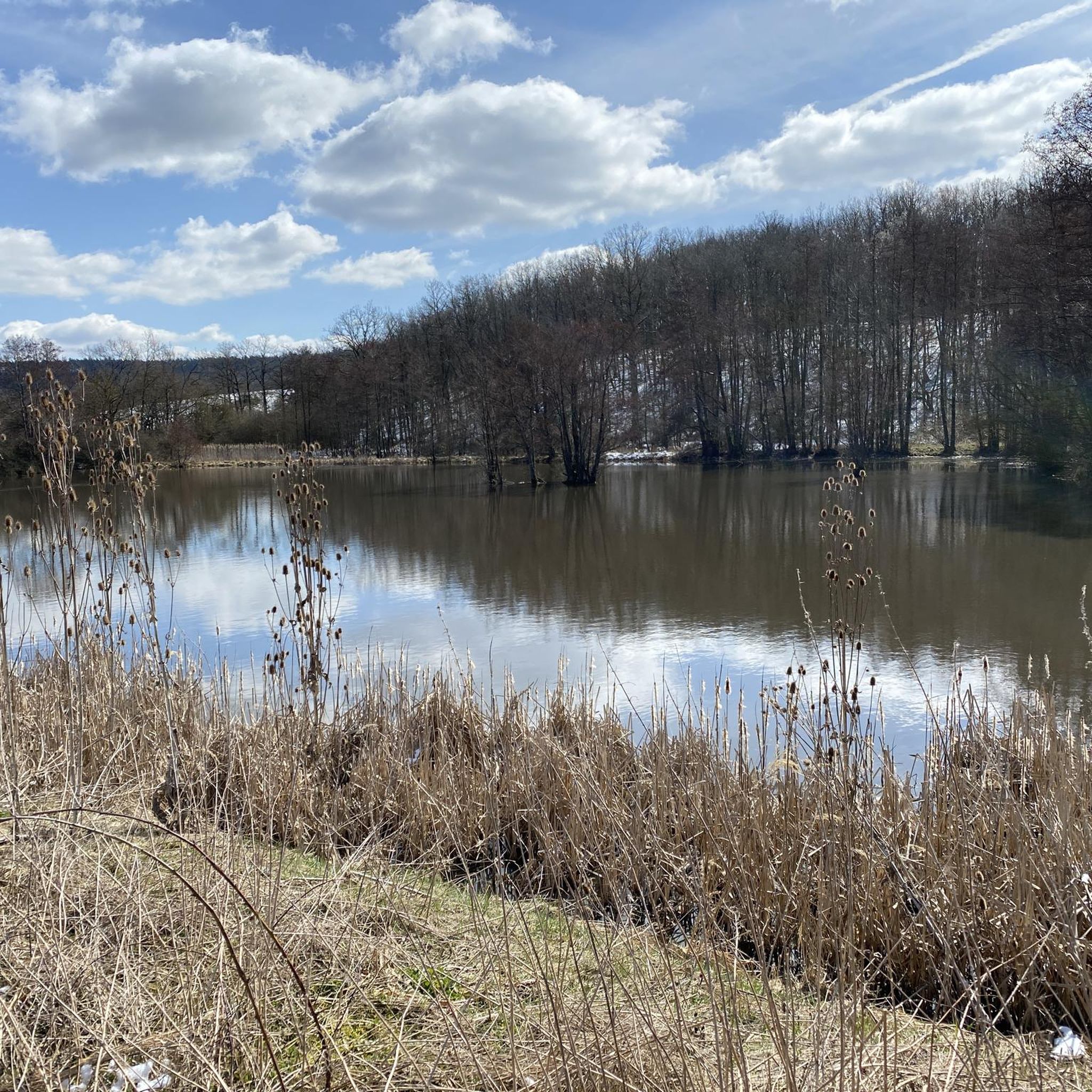
Tips from the Community

A singletrack leads to the Fingalshöhle. Either walk there briefly or ride there with trekking/MTB tires.
0
0

The beer cellars used to be open on weekends 🍺
0
0

Nice place for a break, with a wonderful view from the benches.
2
0

Carved into the rock in 1860 as a beer cellar for the Schwarzer Adler inn, it now serves as a wintering ground for bats. This ensures that this culturally and historically significant example of Franconian brewing is preserved and serves as a nature conservation site.
0
0

The Fingals Cave is an abandoned sandstone quarry near Obernzenn. The red reed sandstone from the quarry was used for numerous buildings right into the Aisch valley. Among other things, the city fortifications of Bad Windsheim were built from this stone. After sandstone was no longer mined at this point, the cut in the terrain served as a hiding place for the population during the Thirty Years' War and the Napoleonic campaigns, or as a camp for the military. In addition, the wildly romantic place developed into a popular excursion destination for 18th and 19th century society, especially for the residents of the Obernzenner castles and their guests. Numerous inscriptions scratched into the stone walls, which are up to five meters high, are reminiscent of former visitors and events. In addition to the German-language inscriptions, there are also some in French. One of them refers to the American War of Independence in the years 1776 to 1783. The commemorative inscription for Captain von Erckert, who fell in America in 1777, is probably by Adam Erckert. Captain von Erckert led a company of the subsidy troops of Margrave Alexander von Ansbach. The inscription of a French gunner from 1806, on the other hand, was created when Obernzenn was the Imperial French headquarters for several months.
2
0


If you come from Obernzenn in the direction of Sontheim on the hill to the left into the so-called "Panzerstraße" and after another 200 meters follow a narrow path into the forest, you will look in vain for a real cave. There is an abandoned sandstone quarry that tells an interesting story. The dark red reed sandstone of the quarry has provided fragments for foundations and half-timbering, ashlars for walls, door and gate posts, window frames and much more over centuries, well into the Aisch Valley. There are inscriptions in the sandstone of the Fingals Cave. Names of the Seckendorff, Guttenberg, Truchseß and others with dates from the last decades of the 18th and the first of the 19th century. Why? With the approaching period of romanticism, a sentimental turn to nature developed, for which one had hardly anything in mind before. People liked to move out to an idyllic place to go out into the country. For this, the Obernzenner castle residents and their guests were offered the romantic quarry area under the canopy of oaks, lime trees and beeches. As a memento, the name and year were engraved on the smoothed rock walls. Two French inscriptions fall out of the box. They refer to the American War of Independence 1776-83 and the French Period 1806-10. The memorial inscription for Hauptmann von Erckert was probably arranged by Adam Erckert, who was in the service of the Obernzenner Seckendorff at this time. Of course, the language of the rulers and the educated circles of the time, French, was chosen for the inscription. (Source: Heimatbuch “Leben in Obernzenn and its districts once and now” and “The Fingals Cave in Sontheimer Holz” - a contribution by the Federal Nature Conservation Association, local group Bad Windsheim, on local history)
2
0

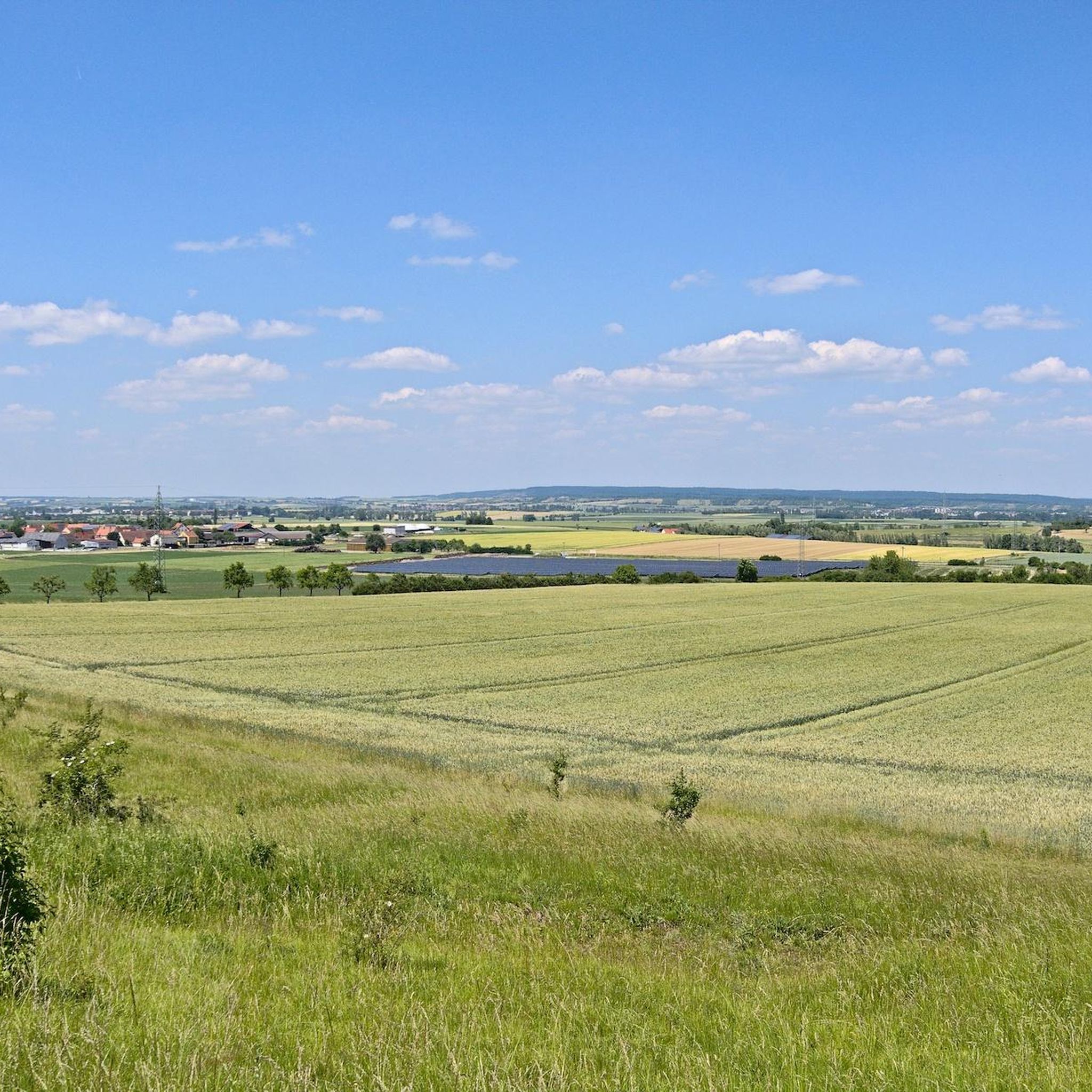
Somewhat hidden from the path, there is the former "Weinberghüterhaus", also known locally as the "stone cave". Here you can take a break, both in good and bad weather, and enjoy a wonderful view. The already dilapidated "stone cave" was restored by the Külsheim fire brigade association.
1
0
Frequently Asked Questions
What types of cave-like formations can I explore around Illesheim?
The Illesheim area offers a diverse range of cave-like formations. You can find historical sites like the Fingalshöhle Sandstone Quarry, which is an abandoned quarry with historical significance. There are also natural geological formations such as the Höllern Gypsum Cave, and shelter-like formations offering scenic views, like the Külsheim Stone Cave. Additionally, you can discover Historic rock cellars (Felsenkeller) in Naturpark Frankenhöhe, which are cultural assets now serving as bat quarters.
What is the historical significance of the cave sites near Illesheim?
Many sites around Illesheim hold historical importance. The Fingalshöhle Sandstone Quarry, for instance, is an abandoned quarry whose red sandstone was used for local buildings. During conflicts like the Thirty Years' War, it served as a hiding place or military camp. The Historic rock cellars (Felsenkeller) are also central cultural assets of the Aischgrund, reflecting local traditions and history.
Are there any natural caves with unique geological features near Illesheim?
Yes, the Höllern Gypsum Cave near Markt Nordheim is a significant natural cave system. It's part of a nature reserve known for its unique flora and fauna and is distinguished as the only known leachable cave of the Gipskeuper in southern Germany. Its formation is due to the karstification of gypsum layers.
Can I enter and explore the Höllern Gypsum Cave?
The Höllern Gypsum Cave is not open to the public. It serves as a crucial wintering ground for bats and is part of a nature reserve with significant ecological importance. Its protection is vital for the local wildlife.
Are there family-friendly cave experiences around Illesheim?
While extensive underground exploration is limited, sites like the Külsheim Stone Cave offer an accessible, shelter-like formation with rewarding views, making it suitable for families. Exploring the historical aspects of the Fingalshöhle Sandstone Quarry can also be an engaging activity for all ages.
What kind of views can I expect from these cave sites?
The Külsheim Stone Cave, though more of a shelter, offers a rewarding view over the vineyards towards Bad Windsheim. The Fingalshöhle Sandstone Quarry is situated in a wooded area, providing a glimpse into local quarrying history within a natural setting.
What wildlife can be found in or around the caves near Illesheim?
The region's cave-like structures are important habitats for wildlife. The Höllern Gypsum Cave is a significant winter quarter for bats. Similarly, the Historic rock cellars (Felsenkeller) and the Rock Cellar and Bat Habitat Schwarzer Adler have been repurposed to serve as bat quarters, highlighting their ecological role.
Are there hiking opportunities near the cave sites?
Yes, the area around Illesheim offers various hiking opportunities. For routes that might include or pass by the Fingalshöhle Sandstone Quarry, you can explore the Hiking around Illesheim guide. This guide features routes like the 'Fingalshöhle Sandstone Quarry – Neue Spinnerin Memorial loop from Obernzenn' and the 'Obernzenner See – Fingalshöhle Sandstone Quarry loop from Obernzenn'.
What other outdoor activities are available around Illesheim?
Beyond exploring the cave sites, Illesheim is a great base for various outdoor activities. You can find numerous routes for Road Cycling and Gravel biking. The region's landscape, with its wooded areas and vineyards, provides scenic backdrops for these activities.
What do visitors particularly enjoy about the cave sites in this region?
Visitors appreciate the blend of historical significance and natural interest. The Fingalshöhle Sandstone Quarry is noted for its historical inscriptions and role as a refuge. The Külsheim Stone Cave is loved for its rewarding views over the vineyards. The rock cellars are valued for their cultural heritage and their new role as bat habitats.
Is there a best time of year to visit the cave sites around Illesheim?
The cave sites around Illesheim can be visited year-round, depending on your interests. Spring and autumn offer pleasant temperatures for exploring the outdoor quarry and shelter sites. Winter might offer a unique, quiet atmosphere, but some areas could be slippery. For sites like the Höllern Gypsum Cave and the rock cellars, which are bat habitats, it's important to respect their protected status, especially during winter hibernation periods.
Are the cave sites around Illesheim dog-friendly?
Generally, outdoor sites like the Fingalshöhle Sandstone Quarry and the area around the Külsheim Stone Cave are accessible for dogs, especially if you are hiking nearby. However, for protected natural areas like the Höllern Gypsum Cave nature reserve, it's best to keep dogs on a leash and adhere to any local signage regarding wildlife protection.
How long does it typically take to explore these cave sites?
The time required varies by site. The Külsheim Stone Cave is more of a viewpoint and can be enjoyed relatively quickly. Exploring the Fingalshöhle Sandstone Quarry might take longer if you wish to delve into its historical aspects and inscriptions. For sites like the rock cellars, viewing them from the outside or understanding their significance can be part of a longer walk or hike.
Most popular routes around Illesheim
Most popular attractions around Illesheim

Get inspired with the komoot mobile app


Explore more
Extend your search for the best caves by checking out these guides of the top ones around Illesheim:
