Top 6 Caves around Buggingen
Best caves around Buggingen primarily refer to historical mining tunnels rather than natural geological formations. Buggingen, located in a region with a rich industrial heritage, is known for its former potash salt mine, the Kalisalzbergwerk Buggingen. This site, now the Kalimuseum mit Besucherstollen, offers insights into the area's mining history and significance. While natural caves are not prominent in the immediate vicinity, the region provides opportunities to explore man-made tunnels and historical mining sites.
Best caves around Buggingen
- The most…
Last updated: June 26, 2026
Alte-Mann-Felsen (Old Man's Rocks)
Highlight • Natural Monument
Translated by Google •
Tip by

Pfarrhöhle
Highlight • Cave
Translated by Google •
Tip by

Sign up now to discover places like this
Get recommendations on the best single tracks, peaks, & plenty of other exciting outdoor places.
Sign up for free
Schwärzhalde Tunnel
Highlight • Cave
Translated by Google •
Tip by

Riestergang Mining Tunnel
Highlight • Cave
Translated by Google •
Tip by

Fohrenberg Cave
Highlight • Cave
Translated by Google •
Tip by

Sign up for free to discover even more caves around Buggingen.
Sign up for free
Already have an account?
Start today with a free account
Your next adventure awaits.
Login or Signup
Tips from the Community

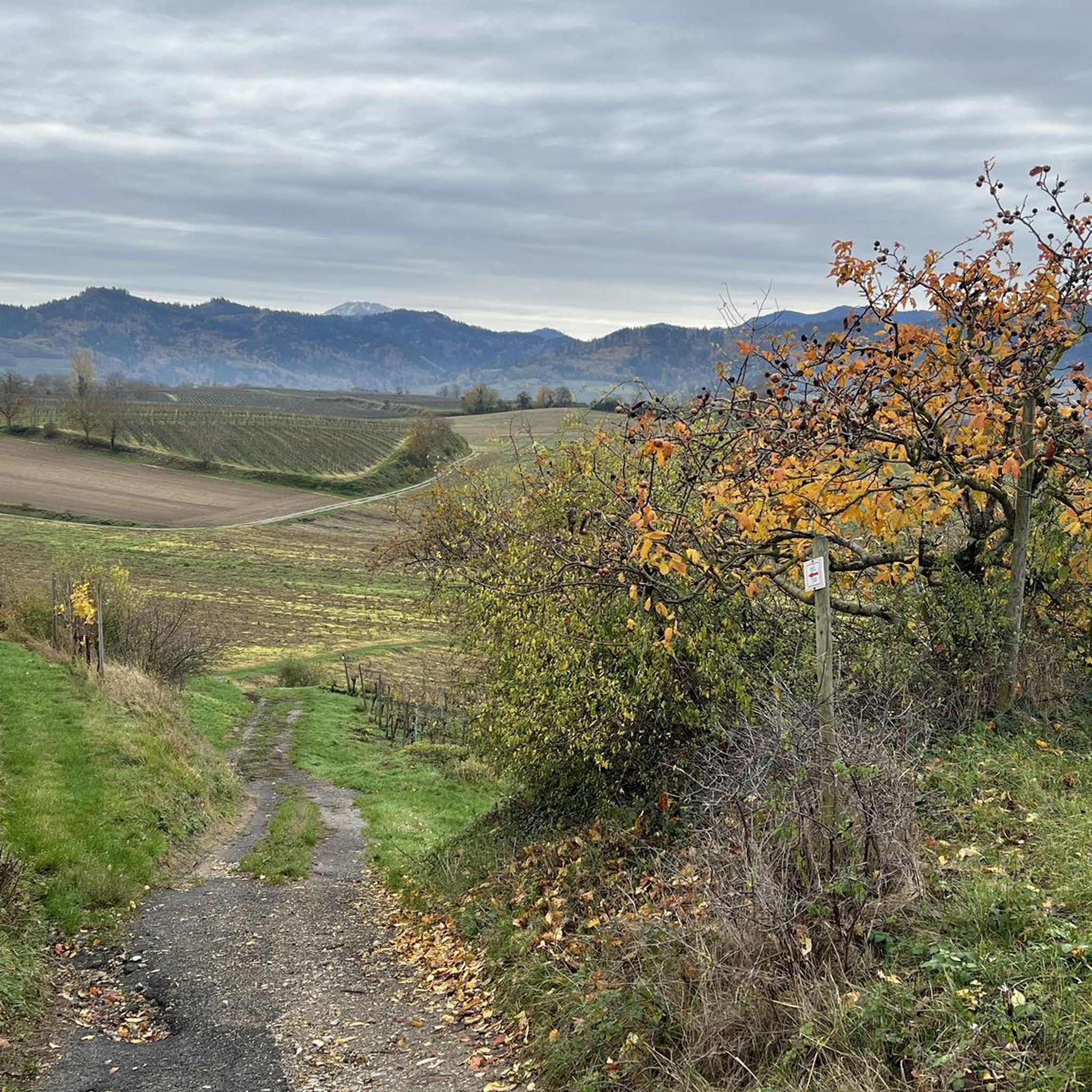
Small tunnel located on a beautiful path
3
0

Very varied hike along beautiful rock formations.
1
0

Interesting stone formations along the way 👍
2
0
Former mining area, if you look closely you can still sometimes see the traces 👍 A piece of "living" history 👌
3
0

A very great and exciting story about the parish cave 👌
0
0

The passage contains barite, quartz and iron spar or brown iron. Lead, silver and copper minerals are missing here. The exact age of the tunnel is not known, but it is one of the younger ones (beginning of the 18th century).
1
0
<< Badenweiler mining area - "Alte-Mann-Fels" >> "... + Name: old man rock + Length / thickness: the entanglements are placed directly on the quartz reef + Mining traces: deep, ravine-like entrenchments on the Alte-Mann-Fels + Minerals: quartz, barite, lead luster slugs + Find possibilities: hardly worthwhile - extremely hard quartz reef + Remarks: impressive dimensions of the empty crevice, the small bridge already existed in this form around 1900 ... " http://www.schwarzwaldmineralien.com/001_Badenweiler_Bergbau/Badenweiler_Alte-Mann-Fels-Bruecke-01.html "... << Altemannfels (Badenweiler) >> Not far above Hausbaden south of Badenweiler lies the Altemannfels, a large rock area on the western slope of the Black Forest. In addition to a viewing platform on the highest rock, there are other traces of human activities on the rocks. Caves and shafts have been dug under some of the rocks that go deep into the earth. The deepest of these holes are protected with a grille to prevent accidental falls. These grave traces are related to mining activity in Roman times. The rocks are rich in barite, which was then mined here. ... " https://www.naturpark-suedschwarzwald.de/de/freizeit-sport/details.php?id=38228
2
0

Also a nice highlight for a hike.
0
0
Frequently Asked Questions
Are the caves around Buggingen natural formations or man-made?
The 'caves' around Buggingen are primarily historical mining tunnels and former industrial sites, rather than natural geological formations. The region is known for its rich industrial heritage, particularly the former potash salt mine, the Kalisalzbergwerk Buggingen.
What is the Kalimuseum mit Besucherstollen?
The Kalimuseum mit Besucherstollen (Potash Museum with Visitor Tunnel) is a significant site in Buggingen. It's a former potash mine that operated from 1922 to 1973, offering unique insights into the region's industrial heritage and mining history. It was once the largest mine in Southern Germany.
Can I explore historical mining tunnels in Buggingen?
Yes, you can explore historical mining tunnels. For example, the Riestergang Mining Tunnel allows visitors to explore approximately 25 meters deep into the mountain with a flashlight. The Schwärzhalde Tunnel is another small tunnel on a scenic path, showcasing mineral deposits.
What kind of historical significance do the mining sites have?
The mining sites in Buggingen, such as the Kalisalzbergwerk, hold significant historical importance. They represent a major industrial era in Southern Germany, where potash salt and rock salt were extracted for fertilizers, bromine, and road salt. Mining activity in the broader area, like at Alte-Mann-Felsen (Old Man's Rocks), dates back to the Celtic and Roman eras.
Are the caves and mining tunnels around Buggingen suitable for families?
Many of the historical mining sites, like the Kalimuseum mit Besucherstollen, are designed to be informative and engaging for families. While some natural cave-like features, such as Fohrenberg Cave, might be hidden in forests, the visitor tunnels offer a controlled and educational experience.
What should I wear when visiting the mining tunnels or exploring cave-like features?
When visiting mining tunnels or exploring cave-like features, it's advisable to wear sturdy shoes with good grip, as surfaces can be uneven. A flashlight is recommended for exploring deeper sections of tunnels like the Riestergang Mining Tunnel. Temperatures underground can be cooler, so a light jacket might be comfortable.
Are there hiking trails near these historical mining sites?
Yes, there are numerous hiking trails around Buggingen that can lead you to or past these historical sites. You can find various options, including easy hikes, by exploring guides like Easy hikes around Buggingen.
What other outdoor activities can I do near the caves around Buggingen?
Beyond exploring the historical mining tunnels, Buggingen offers a variety of outdoor activities. You can find cycling routes in Cycling around Buggingen or explore mountain biking trails in MTB Trails around Buggingen. Many routes pass through scenic landscapes and offer views of the region's natural beauty.
Are dogs allowed in the mining tunnels or on nearby trails?
Policies for dogs can vary. For specific visitor attractions like the Kalimuseum mit Besucherstollen, it's best to check their official visitor information regarding dog access. On many outdoor trails around Buggingen, dogs are generally welcome, but always keep them on a leash and be mindful of local regulations.
How difficult are the cave-like features and mining tunnels to explore?
The difficulty varies. Visitor tunnels like those at the Kalimuseum are typically accessible. Other features, such as the Alte-Mann-Felsen (Old Man's Rocks), might involve walking on uneven terrain. The Plarr Cave (749 m) is noted as challenging due to steep climbs.
What geological features can be observed in the mining tunnels?
The mining tunnels offer a glimpse into the region's geological composition. For instance, the Schwärzhalde Tunnel contains deposits of barite, quartz, and iron spar. The area around Alte-Mann-Felsen is rich in barite and shows evidence of quartz reefs formed during the collapse of the Upper Rhine Trench.
Most popular routes around Buggingen
Most popular attractions around Buggingen

Get inspired with the komoot mobile app


Explore more
Extend your search for the best caves by checking out these guides of the top ones around Buggingen:
