Top 11 Caves around Wildeck
Caves around Wildeck offer insights into both natural geological formations and historical mining activities within the region. Wildeck is situated in a landscape characterized by hills and forests, providing a setting for various natural attractions. The area features several subterranean sites, including natural caves and former mining tunnels. These sites contribute to the local natural heritage and provide opportunities for exploration.
Best caves around Wildeck
- The most popular caves is Kurfürsten-Stollen Iba, a historical site that was once a…
Last updated: May 14, 2026
Hilmeser Loch Sinkhole
Highlight • Natural Monument
Translated by Google •
Tip by

Vogelherd Cave
Highlight • Cave
The cave offers shelter and sleeping space to around 20 different species of animals all year round.
Translated by Google •
Tip by

Sign up now to discover places like this
Get recommendations on the best single tracks, peaks, & plenty of other exciting outdoor places.
Sign up for free
Narrow path to the Vogelherd Cave with Goldmarie and Pechmarie
Highlight • Trail
You can avoid the paths via wide, light gravel paths (but who wants that 🙈).
Very well signposted!
Translated by Google •
Tip by
Bat Cave at Ölberg, Nentershausen
Highlight • Cave
The …
Translated by Google •
Tip by

Kurfürsten-Stollen Iba
Highlight • Historical Site
Translated by Google •
Tip by

Sign up for free to discover even more caves around Wildeck.
Sign up for free
Already have an account?
Start today with a free account
Your next adventure awaits.
Login or Signup



Tips from the Community

A small collapse cave, typical for karst areas.
0
0

Here you can really explore the karst landscape. Information boards explain the geological structure of the karst and the Vogelherd Cave. The brave can also explore a look inside the cave.
1
1

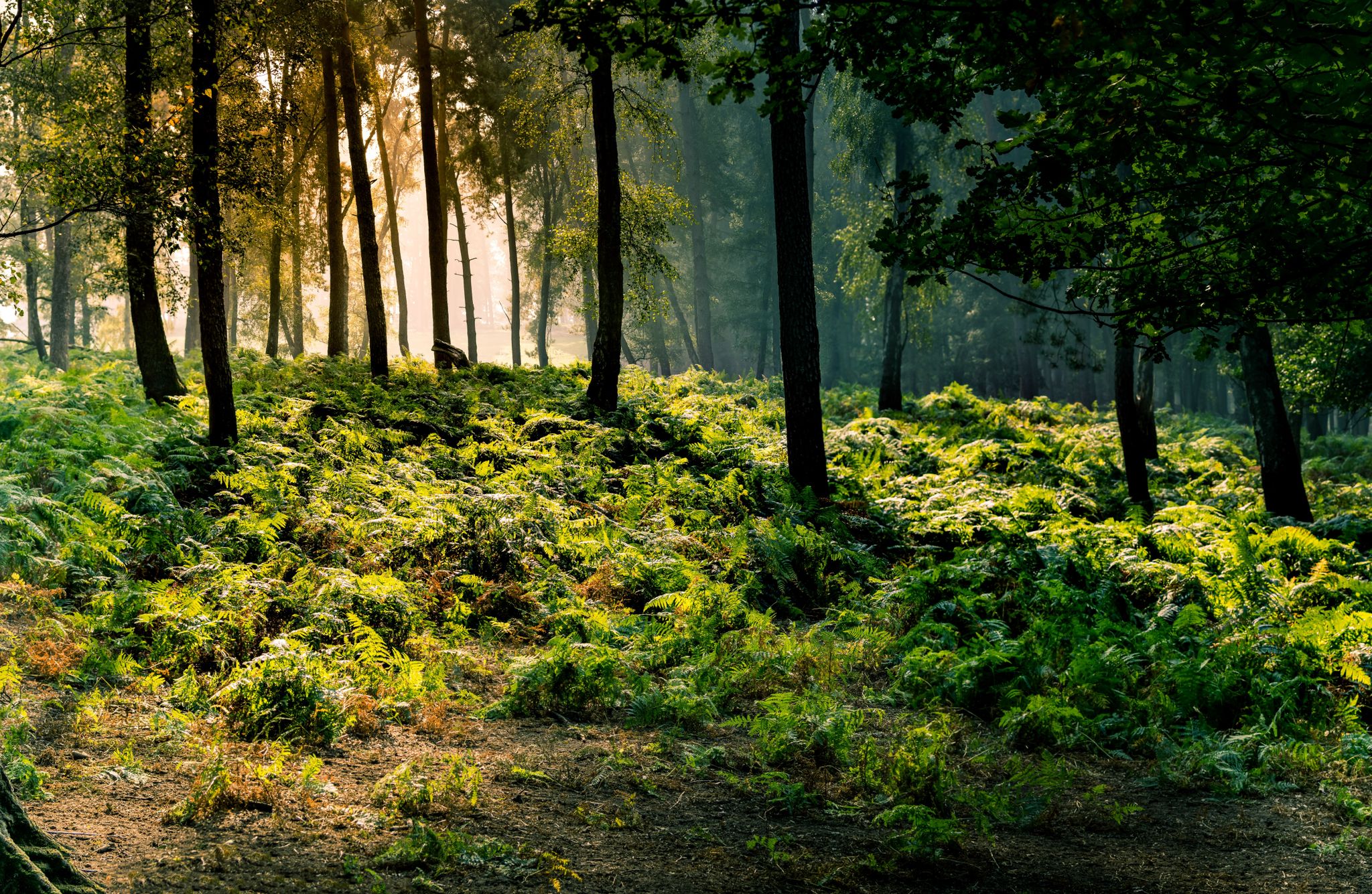
The Vogelherd cave is a long, horizontal, narrow passage. So far, around 15 m has been explored. The cave offers shelter and sleeping space to around 20 different species of animals all year round.
6
1
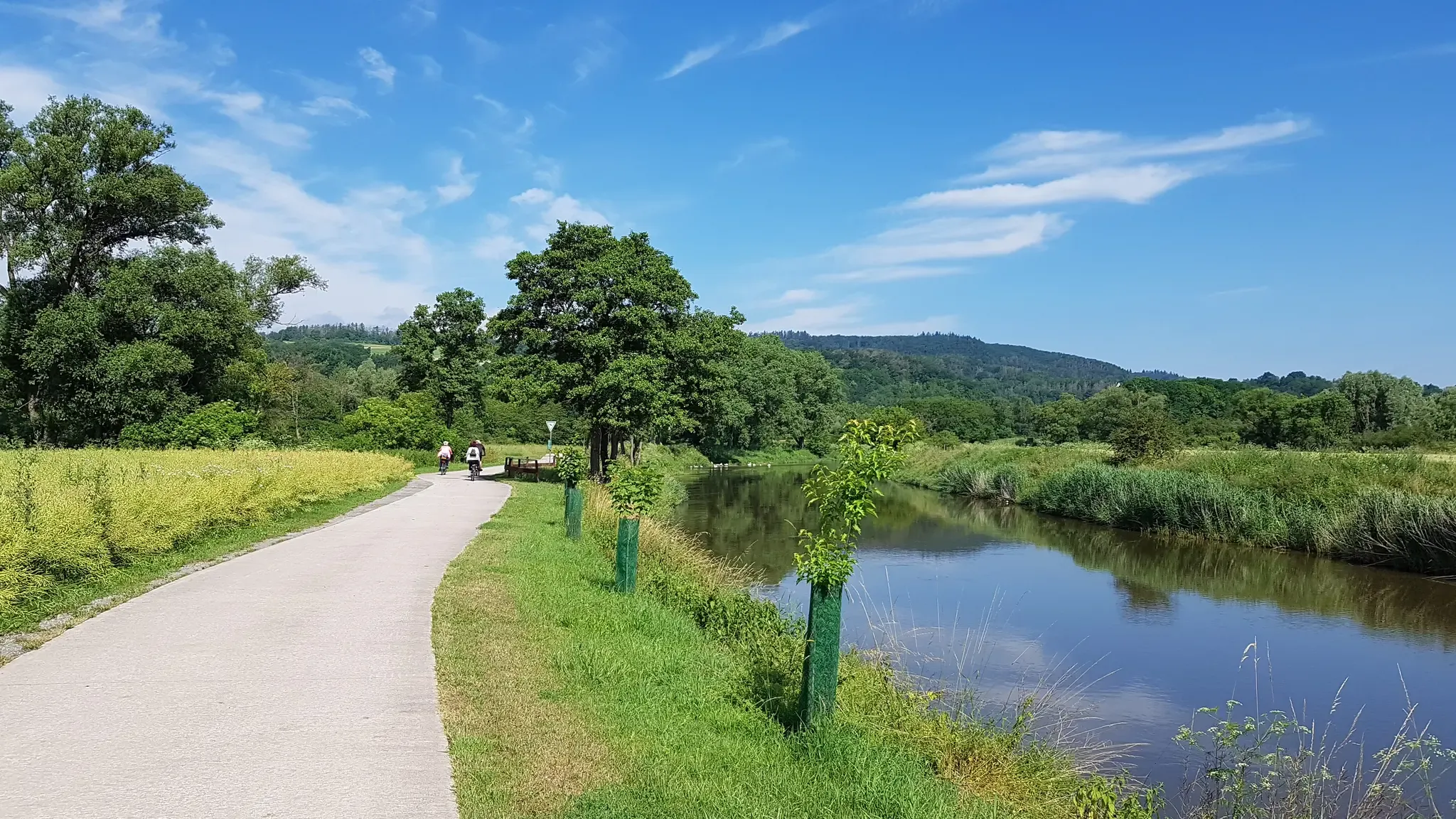
Narrow forest paths, partly short steep sections and steps to the Vogelherdhöhle with Goldmarie and Pechmarie. You can avoid the paths via wide, light gravel paths (but who wants that 🙈). Very well signposted!
5
1

Inconspicuous, with the wooden gate around it, you drive past it quickly.
0
0
Since November 2020, there have again been two hibernation quarters for rare bats (Greater mouse-eared bat and Bechstein's bat) in the former mine tunnels on the Ölberg near Nentershausen. The tunnels were fitted with bat grates and can be seen very well from the path leading past. One quarter is located directly at the junction to the Bergmannspfad, the second about 100 m above (signposted in the direction of Solz).
1
0

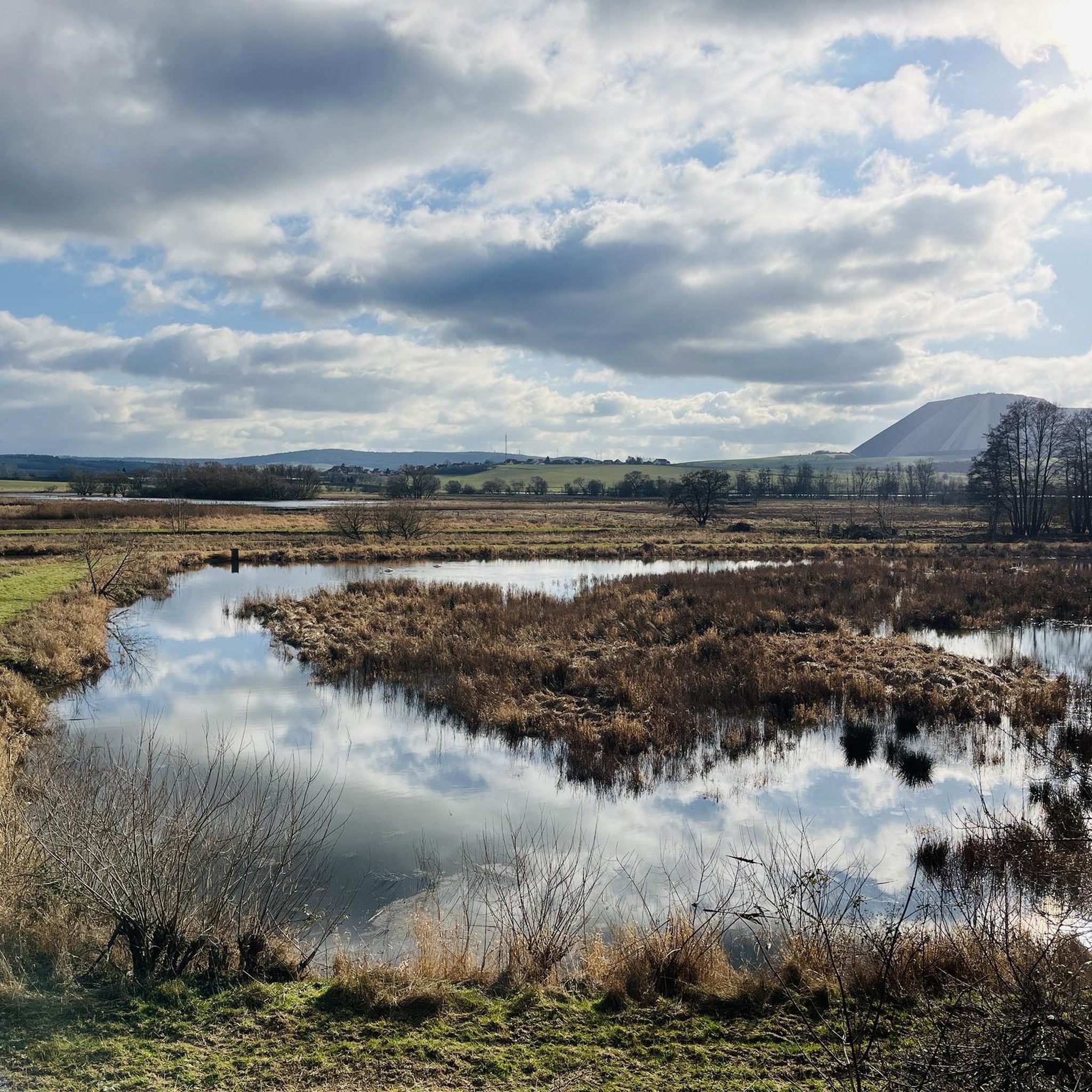
The closed hole is the natural monument "Hilmeser Loch". The last depth measured in 2018 by the Cave Research Club Bad Hersfeld e.V. was about 20 m. Reports from the 19th century by Carl Trautvetter (first explorer) spoke of a length of 100 - 150 m. Source: S.Gress
1
0

A place with many information boards that explain a lot.
4
1
Frequently Asked Questions
What types of caves can I explore around Wildeck?
The Wildeck region offers a mix of natural geological formations and historical mining tunnels. You can find natural caves like the Vogelherd Cave, sinkholes such as the Hilmeser Loch Sinkhole, and former mining tunnels like the Kurfürsten-Stollen Iba and the Bat Cave at Ölberg, Nentershausen.
Are there any family-friendly caves in the Wildeck area?
Yes, the Kurfürsten-Stollen Iba is considered family-friendly. It's a historical mining tunnel that is accessible and illuminated for about 100 meters, offering an engaging experience for visitors of all ages.
What historical insights do the caves around Wildeck offer?
The Kurfürsten-Stollen Iba is a significant historical site, once a mining tunnel where cobalt ore and barite were extracted. It provides a glimpse into the region's mining heritage, with information boards and exhibits like lorries and a miner's dummy.
Which caves are important for wildlife in Wildeck?
The Vogelherd Cave provides shelter and sleeping space for around 20 different animal species year-round. Additionally, the Bat Cave at Ölberg, Nentershausen features former mine tunnels that now serve as crucial hibernation quarters for rare bat species like the Greater mouse-eared bat and Bechstein's bat.
What are the accessibility features of the caves?
The Kurfürsten-Stollen Iba is accessible and illuminated for its first 100 meters. For the Bat Cave at Ölberg, Nentershausen, the bat quarters are visible from a nearby path, making it accessible for observation without entering the tunnels.
Are there challenging cave experiences in Wildeck?
Yes, the Hilmeser Loch Sinkhole is categorized as challenging. It is a shaft cave, approximately 20 meters deep, and is secured with a wooden railing. It's primarily a natural monument and a protected habitat.
What outdoor activities can I do near the caves around Wildeck?
Beyond cave exploration, the region offers various outdoor activities. You can find numerous cycling routes, including options for cycling, gravel biking, and road cycling. These routes often pass through scenic landscapes and connect to other natural attractions.
Are there hiking trails that lead to or near the caves?
Yes, there are hiking opportunities. For instance, the Narrow path to the Vogelherd Cave with Goldmarie and Pechmarie is a trail featuring narrow forest paths, some steep sections, and steps leading to the Vogelherd Cave. You can also find more general hiking routes in the wider Wildeck area.
What do visitors appreciate most about the caves around Wildeck?
Visitors appreciate the unique blend of natural beauty and historical significance. The Vogelherd Cave is noted as an 'extraordinary place with many resting places,' while the Kurfürsten-Stollen Iba is valued for its accessible historical insights into mining.
Is there a specific time of year that is best for visiting the caves?
While the Kurfürsten-Stollen Iba is accessible year-round due to its solar-powered illumination, some natural caves like the Bat Cave at Ölberg, Nentershausen serve as hibernation quarters for bats, making winter a sensitive period for direct access to protect the wildlife. Always check local guidelines for specific sites.
What should I wear when visiting the caves?
Given that caves maintain a cooler, consistent temperature and can be damp, it's advisable to wear layers of clothing, even in summer. Sturdy, closed-toe shoes with good grip are recommended, especially for natural caves or trails with uneven terrain like the Narrow path to the Vogelherd Cave.
Most popular routes around Wildeck
Most popular attractions around Wildeck

Get inspired with the komoot mobile app


Explore more
Extend your search for the best caves by checking out these guides of the top ones around Wildeck:
