Top 10 Castles around Uettingen
Castles around Uettingen offer insights into the region's history and architecture. Uettingen, a municipality in the district of Würzburg, Bavaria, is home to Schloss Uettingen, a notable late Classicist structure built between 1818 and 1838. This private residence is recognized for its architectural integrity, including a unique roof structure and an adjoining English landscape park. The area provides a blend of historical landmarks within a natural setting.
Best castles around Uettingen
- The most popular castles is Homburg Castle on the…
Last updated: June 26, 2026
Homburg Castle on the Main
Highlight • Castle
Translated by Google •
Tip by

Veitshöchheim Palace and Rococo Garden
Highlight • Castle
Translated by Google •
Tip by

Sign up now to discover places like this
Get recommendations on the best single tracks, peaks, & plenty of other exciting outdoor places.
Sign up for free
View of Homburg on the River Main
Highlight • Viewpoint
Translated by Google •
Tip by

Veitshöchheim Rococo Garden
Highlight • Monument
Translated by Google •
Tip by

Main Riverbank, Veitshöchheim
Highlight • River
Translated by Google •
Tip by

Sign up for free to discover even more castles around Uettingen.
Sign up for free
Already have an account?
Start today with a free account
Your next adventure awaits.
Login or Signup
Tips from the Community

Veitshöchheim is very beautiful, you have to visit it
2
0

Veitshöchheim is a municipality in the Lower Franconian district of Würzburg and is located on the Main. The town is a former summer residence of the Prince-Bishops of Würzburg, later of the Kings of Bavaria. The palace complex with its Rococo garden is well-known. Veitshöchheim was first mentioned in 779. The parish of Veitshöchheim was donated to the monastery of St. Stephan in 1097 by the Würzburg bishop Emehard. Veitshöchheim Palace was built between 1680 and 1682 under Prince-Bishop Peter Philipp von Dernbach and expanded between 1749 and 1753 by Balthasar Neumann. The construction of the court garden, which belongs to the palace, began in 1702. The parish church of St. Vitus, which still exists today, was consecrated in 1691, and the Veitshöchheim synagogue was built between 1727 and 1730. In 1814, the town finally fell to the state of Bavaria, after only nine years earlier it had become part of the Grand Duchy of Würzburg. The municipality was formed in its current form in the course of the Bavarian administrative reforms in 1818. Veitshöchheim train station with the royal pavilion was built in 1853 and 1854 under Maximilian II of Bavaria. Source: Wikipedia
4
0

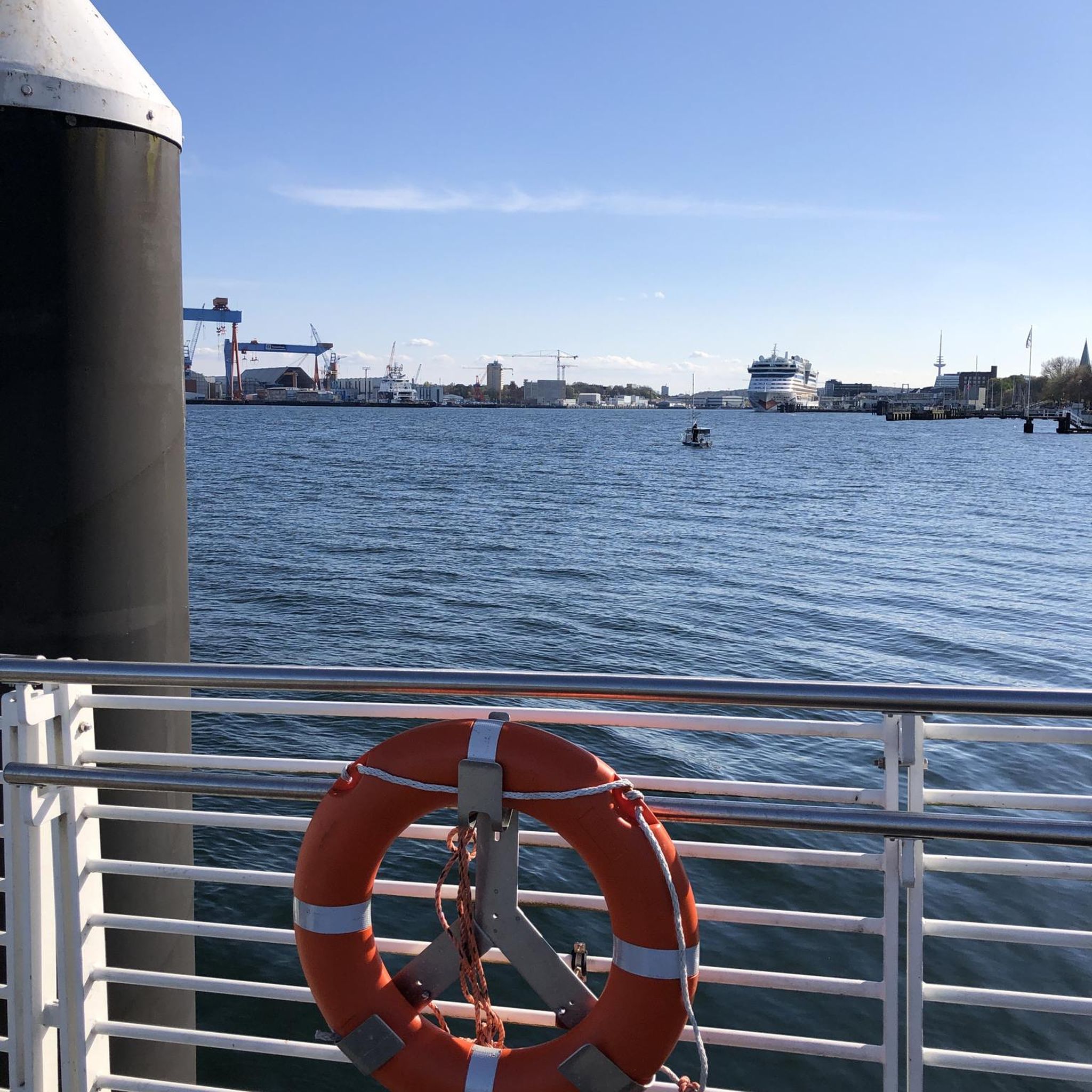
The Main river bank between Obere Maingasse and the Mainsteg is a very popular and busy place, especially in the summer months, as the excursion boats from Würzburg dock here. Sculptures by various sculptors are set up in the green areas. The "washing ship" by sculptor Heinrich Pechwitz at the end of Obere Maingasse and the "fishing couple" by sculptor Lothar Forster on Untere Maingasse point to the importance of the Main for the people of Veitshöchheim. Anyone interested in the history of the river will especially want to read the water levels at the high water marks in both Maingasses.
4
0

Simply beautiful. Pause, sit down - and enjoy. A wonderful atmosphere. I don't understand how this gem remained hidden from me all these years...
8
0

The confectioners, pastry chefs🥰🥰🥰 love the Rococo style
5
0

Very nice garden Whether by bike or hiking
1
0
Frequently Asked Questions
What kind of castles can I expect to find around Uettingen?
The Uettingen region features a diverse range of historical structures, from well-preserved palaces to medieval castle ruins. You'll find examples of late Classicist architecture, such as Schloss Uettingen, and magnificent Rococo gardens at places like Veitshöchheim Palace. There are also remnants of older fortifications, like the 12th-century Falkenberg Castle Ruins, offering a glimpse into the region's past.
Can I visit Schloss Uettingen?
Schloss Uettingen is a private residence and remains in the ownership of the Wolffskeel family. It is not generally open to the public for tours. Its significance lies in its remarkably preserved late Classicist architecture and historical importance as a family seat.
Which castles around Uettingen offer cultural events or special attractions?
Homburg Castle on the Main is primarily dedicated to art and cultural events, hosting chamber concerts and exhibitions. It's also famous for its annual wine festival, which takes place on two weekends in the last two weeks of July. Veitshöchheim Palace and Rococo Garden is renowned for its stunning Rococo garden, considered one of the most beautiful in Europe, and was a former summer residence of Prince-Bishops.
Are there castle ruins to explore near Uettingen?
Yes, you can explore the Falkenberg Castle Ruins, which are the remains of a 12th-century castle. Only the semicircular neck ditch and some wall remnants are visible today, offering historical context and views over Erlabrunn. Another site is the Ruins of Neuenburg Castle, a long-lost medieval spur castle that was destroyed in the early 13th century.
What are the best castles for families to visit around Uettingen?
Veitshöchheim Palace and Rococo Garden is an excellent choice for families. Its expansive and beautiful Rococo garden provides plenty of space for children to explore, and the palace itself offers an interesting historical experience. The village of Veitshöchheim also has a pleasant Main promenade.
Can I combine a castle visit with outdoor activities like hiking or cycling?
Absolutely! The region around Uettingen is ideal for combining historical exploration with outdoor adventures. You can find numerous routes for running, gravel biking, and cycling that pass by or are close to these historical sites. For example, many cycling routes from Uettingen lead towards the Main River, where you can easily reach Veitshöchheim Palace.
Are there good viewpoints near the castles?
Yes, several castles offer scenic viewpoints. The Falkenberg Castle Ruins provide excellent views over Erlabrunn. Homburg Castle on the Main also offers beautiful vistas, especially during its wine festival. The Rococo Garden at Veitshöchheim Palace is designed with picturesque perspectives throughout.
What is the best time of year to visit the castles around Uettingen?
The spring and summer months (April to September) are generally ideal for visiting, as the weather is pleasant for exploring gardens and ruins. This is also when many cultural events, like the Homburg Wine Festival, take place. Autumn offers beautiful foliage, especially around the landscape parks and river areas. While some sites are accessible year-round, check specific opening hours for indoor attractions during winter.
Are there dining options or cafes near the castles?
Yes, you'll find various dining options in the towns and villages near the castles. Veitshöchheim, for instance, is known for its many restaurateurs and cafes, especially along the Main promenade near Veitshöchheim Palace. Similarly, towns like Homburg am Main offer local eateries, particularly during events like the wine festival at Homburg Castle.
How can I get to the castles around Uettingen by public transport?
While Uettingen itself is a smaller municipality, public transport options are available, often connecting via Würzburg. For example, Veitshöchheim is well-connected by train and bus, making Veitshöchheim Palace easily reachable. For other castles, you might need to combine public transport with a short walk or cycle. It's advisable to check local bus routes and train schedules from Würzburg for the most up-to-date information.
What historical significance do the castles around Uettingen hold?
The castles in this region reflect centuries of Bavarian history. Schloss Uettingen, for example, showcases late Classicist architecture and served as a summer residence for the Wolffskeel family, later functioning as a military hospital and refugee housing. Veitshöchheim Palace was a significant summer residence for Prince-Bishops of Würzburg, while the ruins of Falkenberg Castle date back to the 12th century, highlighting the region's medieval past and strategic importance.
Are there any unique architectural features among the castles in the Uettingen area?
Yes, Schloss Uettingen is recognized as an "outstanding architectural monument of late Classicism in Northern Bavaria," noted for its perfectly uniform four facades and an impressively preserved original state, including a rare 'Bohlenlamellendach' (plank-lamella roof). Veitshöchheim Palace is celebrated for its exquisite Rococo garden, a masterpiece of landscape design from the 18th century.
Most popular routes around Uettingen
Most popular attractions around Uettingen

Get inspired with the komoot mobile app


Explore more
Looking for the best castles somewhere else? Discover other guides around Uettingen:
