Top 7 Gorges around Swisttal
Best canyons around Swisttal are characterized by their varied natural settings, including wooded areas and stream valleys. While Swisttal itself features pleasant hiking routes, the broader region offers geological formations often described as gorges or deep stream cuts. These areas provide opportunities to experience the local natural environment, which includes forests and open fields. The landscape around Swisttal is suitable for hiking and exploring natural features.
Best canyons around Swisttal
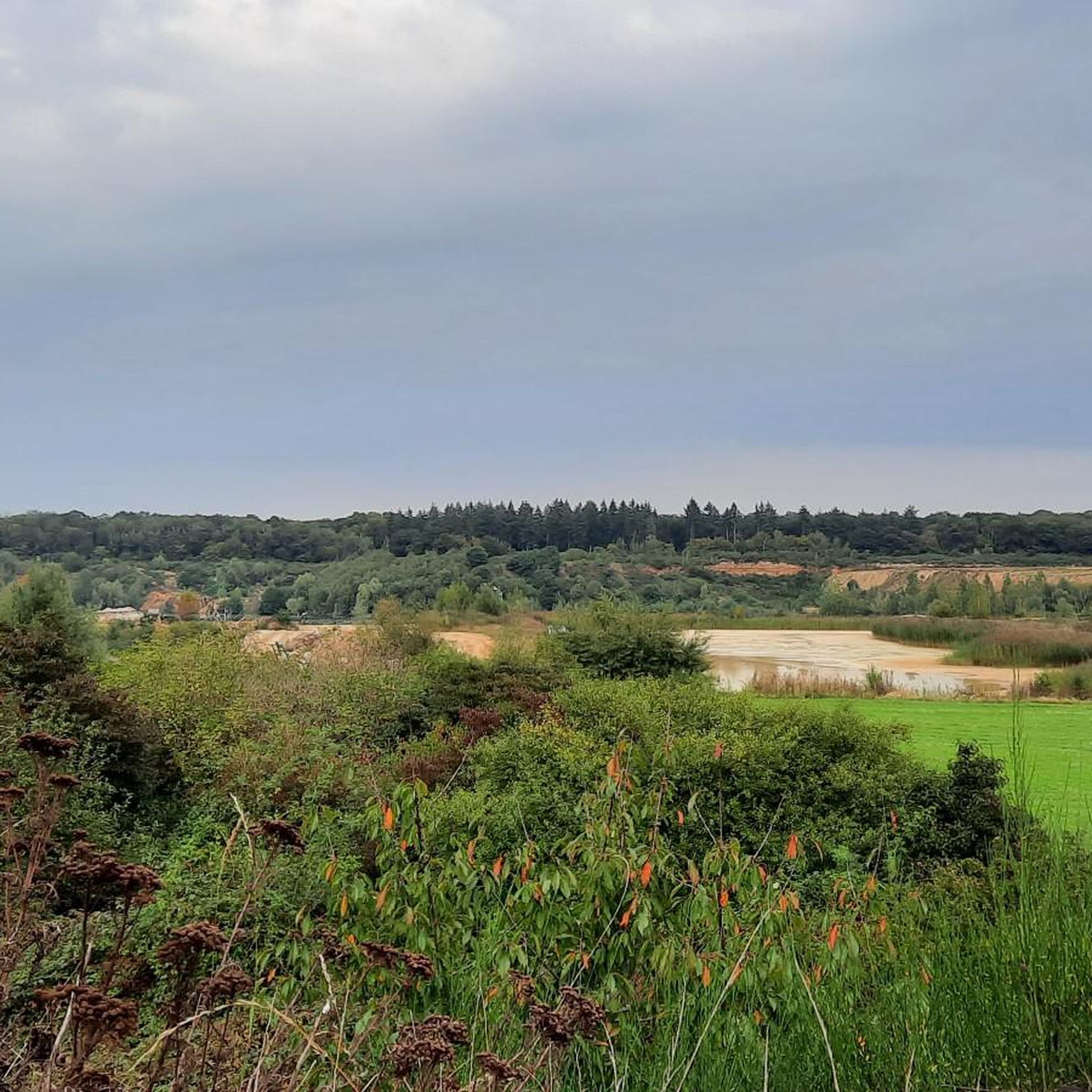
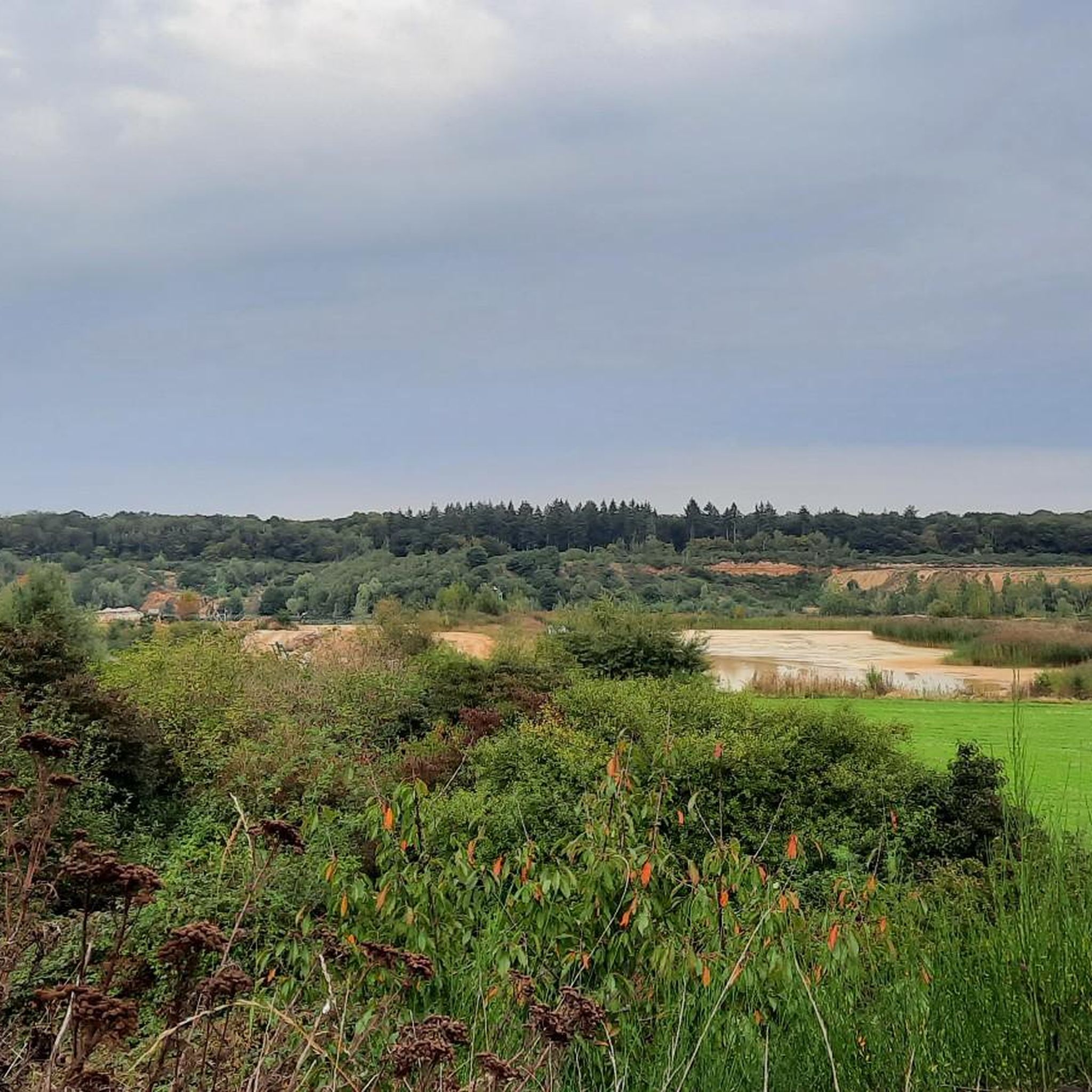
- The most popular canyons is Katzenlochbachtal Stream, a river that flows through a biotope in the nature reserve "Kottenforst." This stream valley is known for its wild character and offers an exciting exploration experience.
- Another must-see spot is Melbbach Valley, a gorge featuring the Melbbach stream and large, old trees. Visitors can expect a wild and romantic impression as the stream winds through the forest.
- Visitors also love Hollow Way with Marl Outcrop, a gorge that presents a unique natural ravine. This location is considered a beautiful and rare natural formation, offering an interesting detour for explorers.
- Swisttal is known for river valleys, deep stream cuts, and forested gorges. These areas provide a variety of natural settings to explore, from biotopes to geological formations.
- The canyons around Swisttal are appreciated by the komoot community, with 167 upvotes and 74 photos contributing to their appeal.
Last updated: May 14, 2026
Katzenlochbachtal Stream
Highlight • River
Translated by Google •
Tip by

Geological Educational Trail: Venner Graben
Highlight • Trail
Translated by Google •
Tip by

Sign up now to discover places like this
Get recommendations on the best single tracks, peaks, & plenty of other exciting outdoor places.
Sign up for free
Katzenlochbachtal
Highlight (Segment) • Gorge
Translated by Google •
Tip by

Wolfsschlucht (Bornheim-Roisdorf)
Highlight • Gorge
Translated by Google •
Tip by

Hollow Way with Marl Outcrop
Highlight • Gorge
Translated by Google •
Tip by

Sign up for free to discover even more gorges around Swisttal.
Sign up for free
Already have an account?
Start today with a free account
Your next adventure awaits.
Login or Signup
Other adventures around Swisttal

Tips from the Community

The Wolfsschlucht is closed from both directions (as of March 2025).
0
0


Due to the heavy rainfall, the route has become a bit more challenging.
1
0

CURRENT TRAIL INFORMATION: As of July 12, 2024, several trees have fallen along the side of the trail, so the Wolfsschlucht can only be accessed with climbing at best and should be avoided for safety reasons.
5
0
"The geological educational and hiking trail through the Kottenforst was set up for laypeople interested in geology. With 20 information boards, it offers an insight into the history of the region. Nature lovers can experience numerous educational and relaxing hours on the approximately nine-kilometer circular trail," the city of Bonn writes on its website. Further information on each station can be found here: https://www.bonn.de/bonn-erleben/aktiv-und-unterwegs/geologischer-lehrpfad.php
2
0

Such beautiful ravines are very rare to find today.
2
0

The Katzenlochbach stream flows through the forest in a pretty wild way. It is exciting to explore it.
2
0

Allegedly, the Katzenlochbach is the only stream in Bonn that is still in its natural state and is allowed to meander through the valley.
3
0
Frequently Asked Questions
What kind of 'canyons' can I expect to find around Swisttal?
While Swisttal doesn't feature traditional deep canyons, the region is known for its picturesque gorges, river valleys, and deep stream cuts. These areas offer varied natural settings, including dense forests and unique geological formations, providing a similar experience to exploring a canyon.
Which are the most popular gorges or stream valleys to explore near Swisttal?
Among the most appreciated natural features are the Katzenlochbachtal Stream, known for its wild character within a nature reserve, and the Melbbach Valley, which offers a wild and romantic impression with its stream and ancient trees. Another unique spot is the Hollow Way with Marl Outcrop, a rare natural ravine.
Are there any family-friendly gorges or trails suitable for all ages?
Yes, the Geological Educational Trail: Venner Graben is categorized as family-friendly. This trail features a deep ground cut for the Venner Bach stream valley and offers educational plaques about its formation.
What natural features can I observe in these stream valleys?
You can observe diverse natural settings, including biotopes, dense forests with large, old trees, and unique geological formations like the marl outcrop in the Hollow Way. The Katzenlochbachtal Stream, for instance, flows through a biotope in the Kottenforst nature reserve, showcasing a wild stream environment.
What outdoor activities can I do near these gorges and stream valleys?
The area around Swisttal is excellent for various outdoor activities. You can find numerous hiking trails, including easy options like those listed in the Easy hikes around Swisttal guide. For cyclists, there are routes for touring bicycles in the Cycling around Swisttal guide, and mountain biking enthusiasts can explore trails mentioned in the MTB Trails around Swisttal guide.
Are there any historical or cultural points of interest near the gorges?
Yes, near the Wolfsschlucht (Bornheim-Roisdorf), you can find the 'Wolfsburg', one of three former knightly castles in Bornheim-Roisdorf. The narrow path through the gorge is also part of the Bornheimer Quellenweg, which features information boards.
What do visitors particularly enjoy about the natural areas around Swisttal?
Visitors appreciate the wild and romantic impressions, especially in places like the Melbbach Valley with its giant old trees and winding stream. The unique geological formations and the opportunity for exciting exploration in areas like the Katzenlochbachtal Stream are also highly valued.
What is the best time of year to visit the gorges and stream valleys?
The natural areas around Swisttal are generally pleasant to visit during spring, summer, and autumn. Spring brings lush greenery and blooming flora, while autumn offers vibrant foliage. Summer is ideal for longer explorations. Winter conditions can make some trails more challenging, especially after heavy rainfall, as noted for the Hollow Way with Marl Outcrop.
Are there any specific challenges or safety considerations for exploring these areas?
Some paths can become more challenging after heavy rainfall, as observed at the Hollow Way with Marl Outcrop. It's always advisable to check local conditions. For instance, the Wolfsschlucht (Bornheim-Roisdorf) has experienced fallen trees, making it difficult or unsafe to access at times, so current trail information should be sought before visiting.
Can I find circular walks that include these natural features?
Yes, many hiking routes in the Swisttal area are designed as circular walks, allowing you to experience the natural features, including stream valleys and forested gorges, as part of a loop. You can find various options in the Easy hikes around Swisttal guide and other komoot guides for the region.
What is the geological significance of the Venner Graben?
The Geological Educational Trail: Venner Graben highlights a deeply incised stream valley that was formed over a vast period, specifically in the Quaternary, Pleistocene, and Holocene epochs, dating back 800,000 years. Information plaques along the trail explain its geological history.
Most popular routes around Swisttal
Most popular attractions around Swisttal

Get inspired with the komoot mobile app


Explore more
Already discovered everything in this region? See additional gorges around Swisttal for your next adventure:
