Top 14 Caves around Hürtgenwald
Best caves around Hürtgenwald include a variety of natural rock formations and historical underground structures. The region is characterized by dense forests and its historical significance, featuring unique geological formations shaped by natural processes. While traditional deep cave systems are less common, the area offers numerous sites of interest for exploration. These locations provide insights into local history, geological features, and wildlife habitats.
Best caves around Hürtgenwald
- The most popular caves is Bat Cave, a cave and natural monument.…
Last updated: June 26, 2026
Bat Cave
Highlight • Cave
Translated by Google •
Tip by

Rock Walls and Cave on the Slope
Highlight • Cave
Translated by Google •
Tip by

Sign up now to discover places like this
Get recommendations on the best single tracks, peaks, & plenty of other exciting outdoor places.
Sign up for free
Bat Cave
Highlight • Cave
Translated by Google •
Tip by

Kroley Marian Grotto
Highlight • Religious Site
Translated by Google •
Tip by

Marian grotto in the rock
Highlight • Religious Site
Translated by Google •
Tip by

Sign up for free to discover even more caves around Hürtgenwald.
Sign up for free
Already have an account?
Start today with a free account
Your next adventure awaits.
Login or Signup
Popular around Hürtgenwald
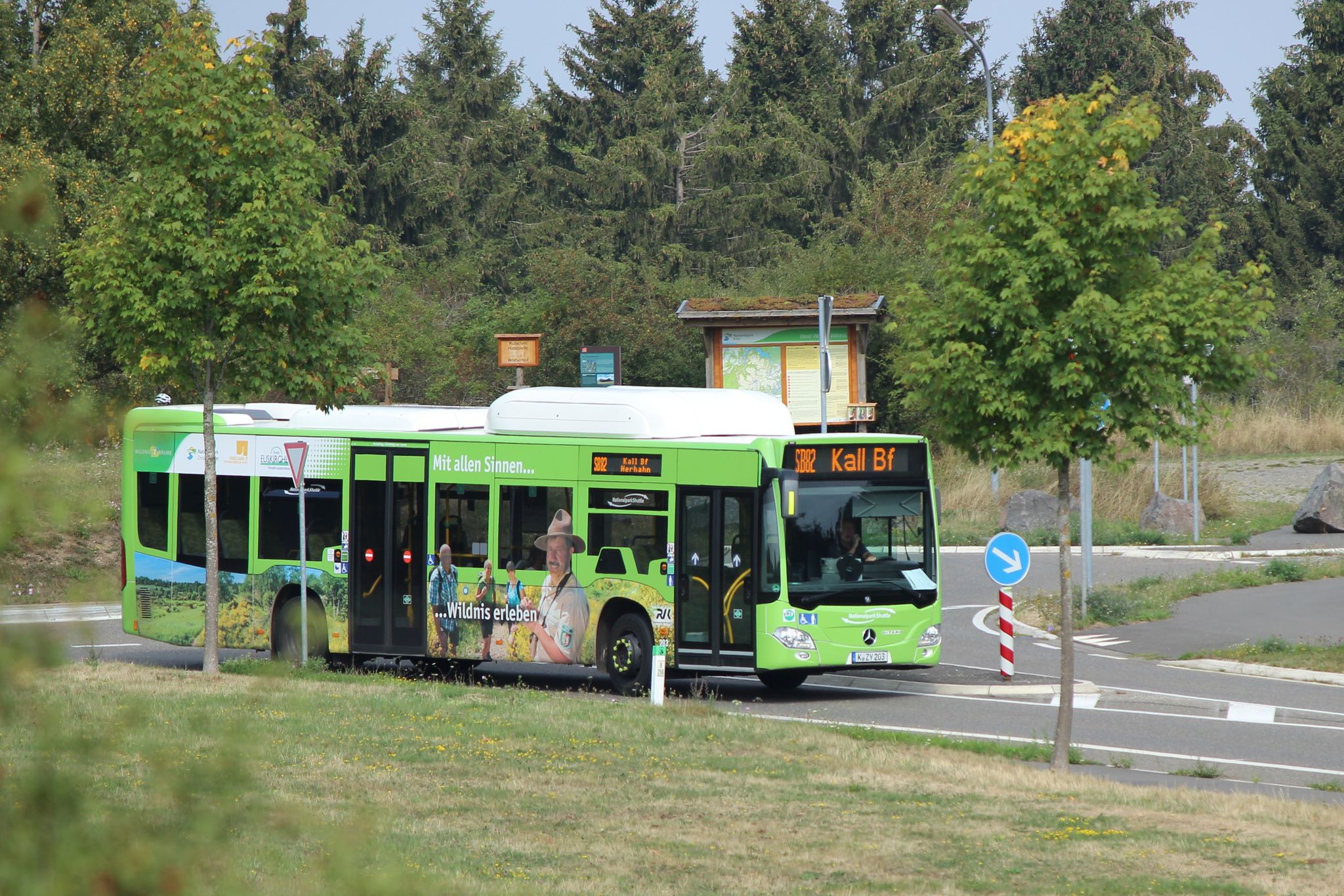
Next stop: Wilderness! – Germany’s Eifel National Park by public transport
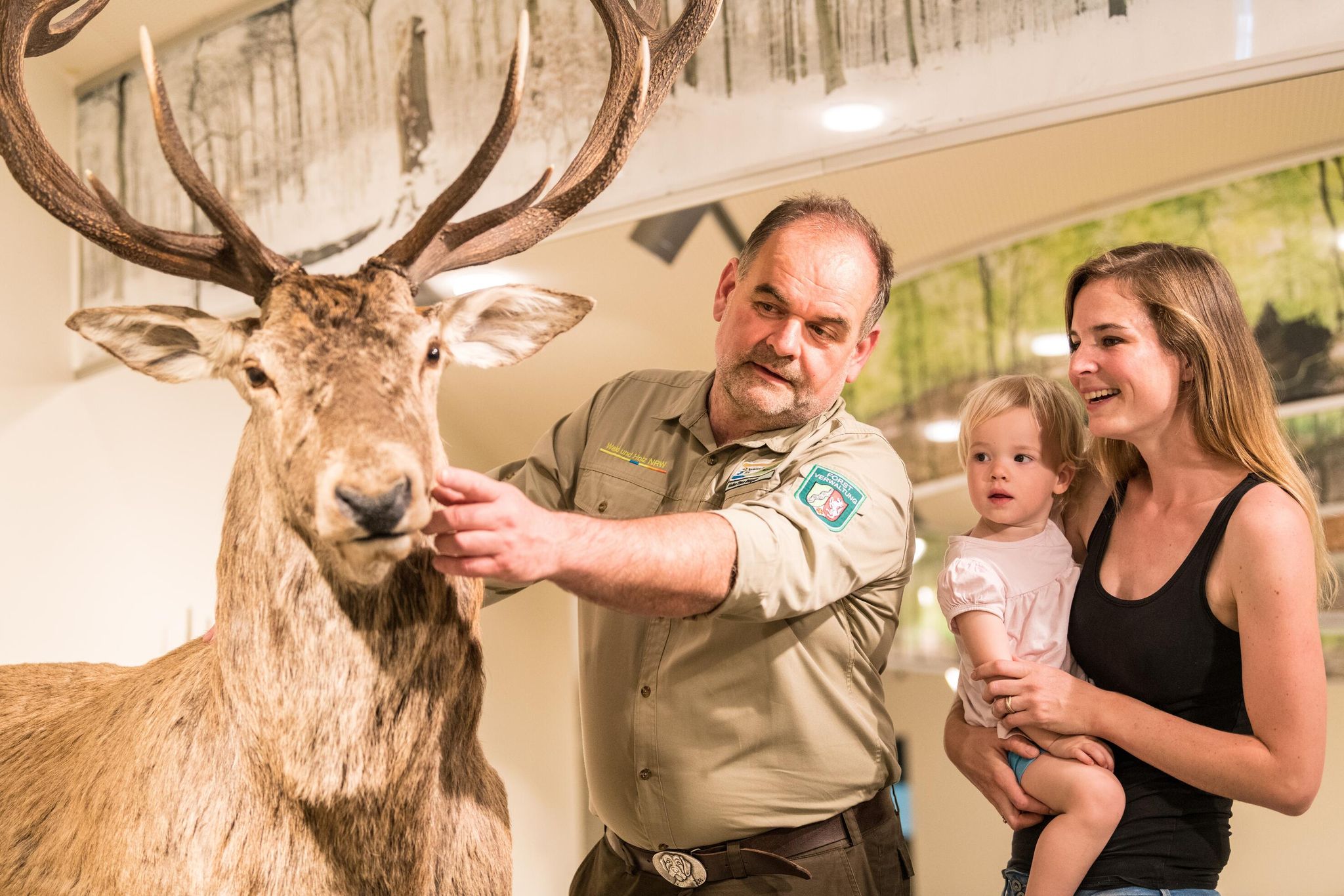
Eifel National Park information centres and facilities
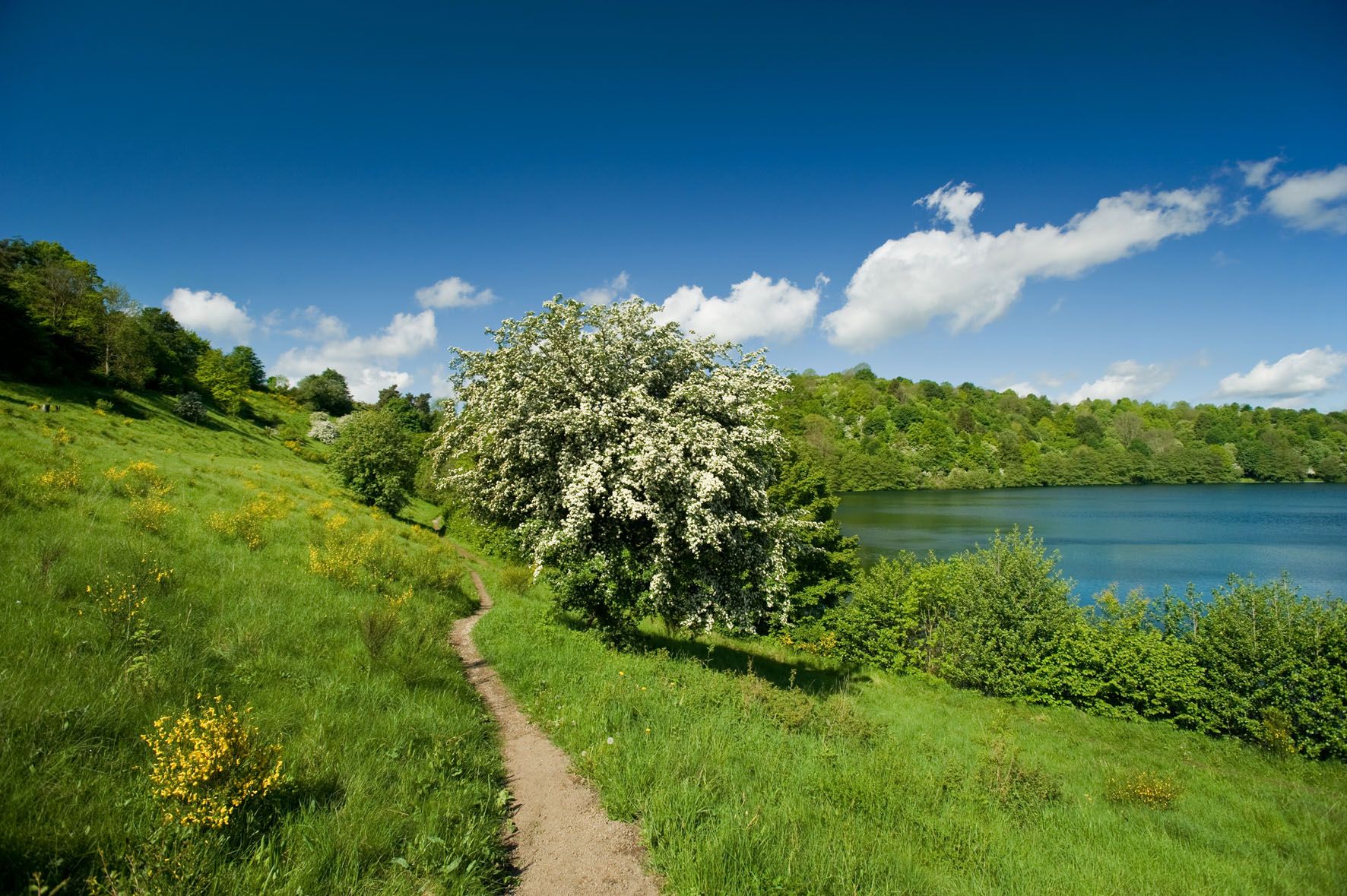
A long trail weekend in the Northern Eifel
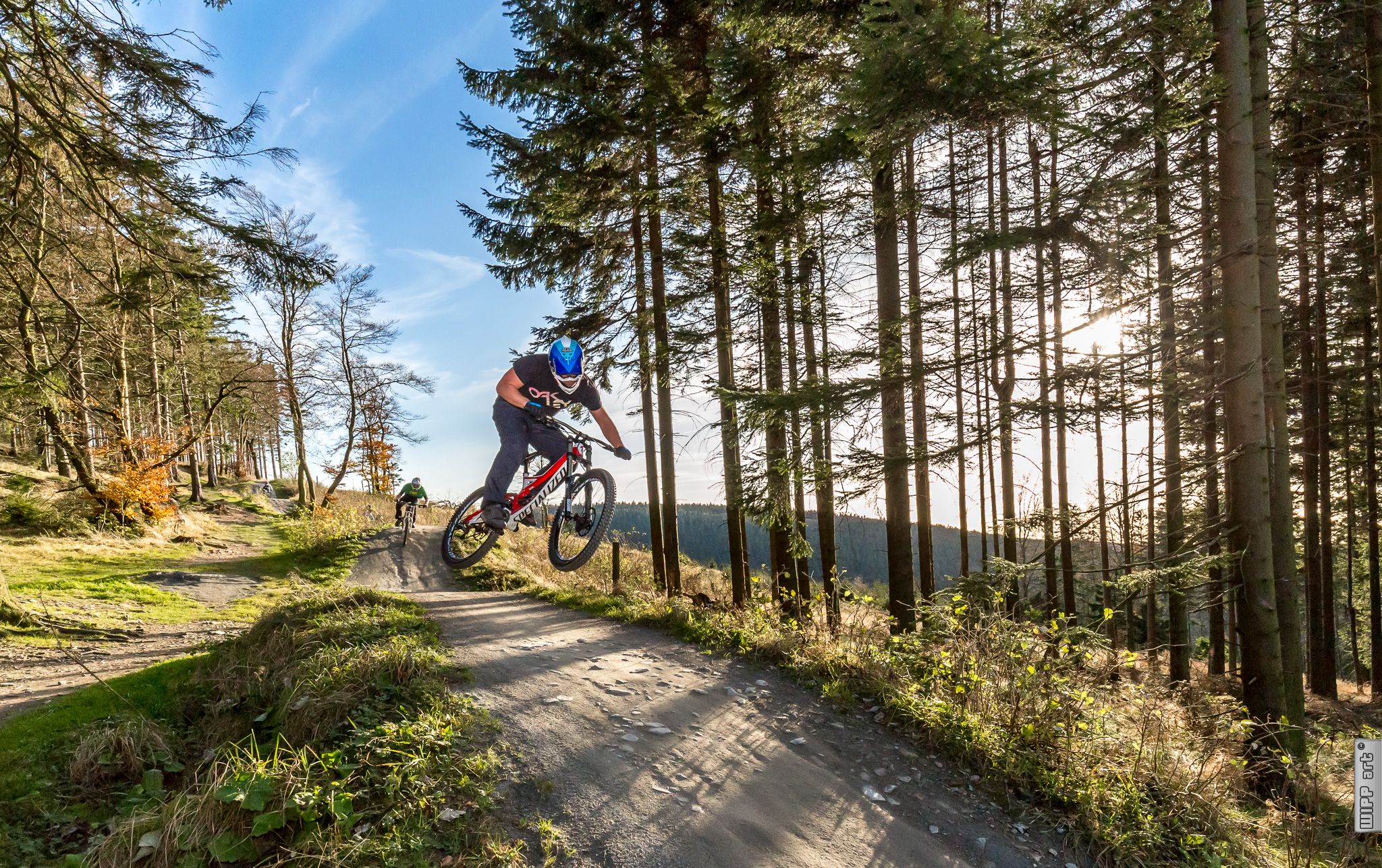
Bike parks in Western Germany
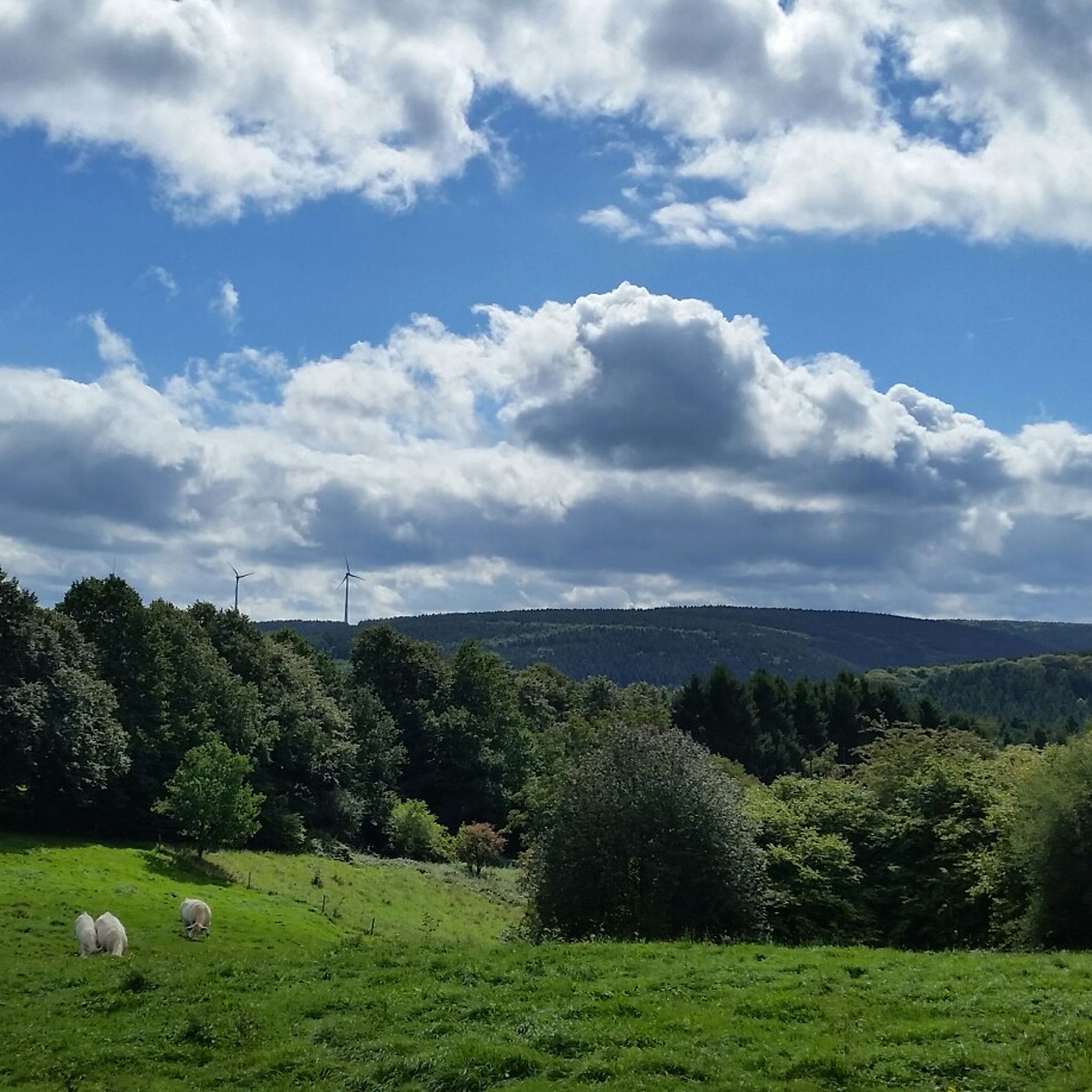
Hiking around Hürtgenwald
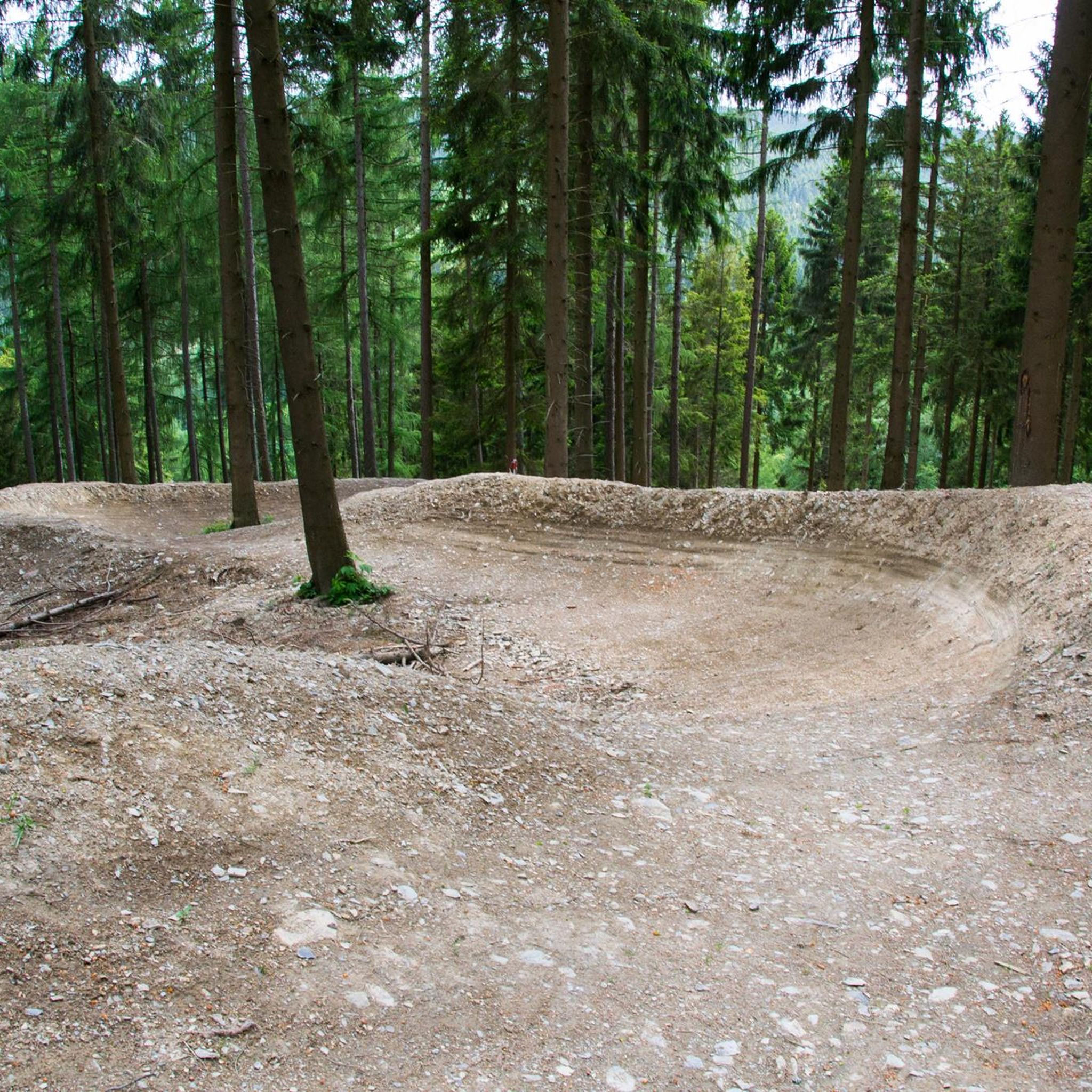
MTB Trails around Hürtgenwald
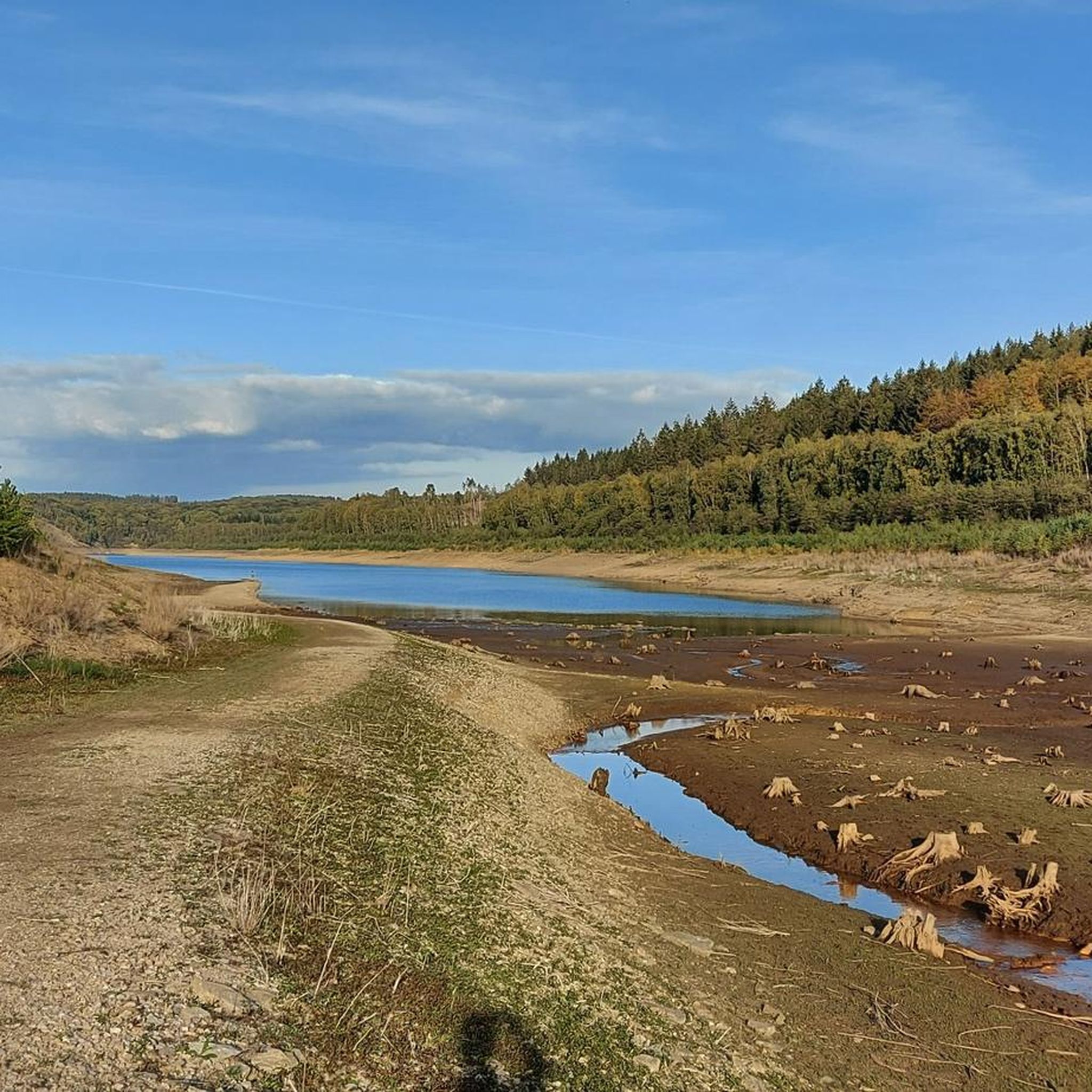
Cycling around Hürtgenwald
Road Cycling Routes around Hürtgenwald
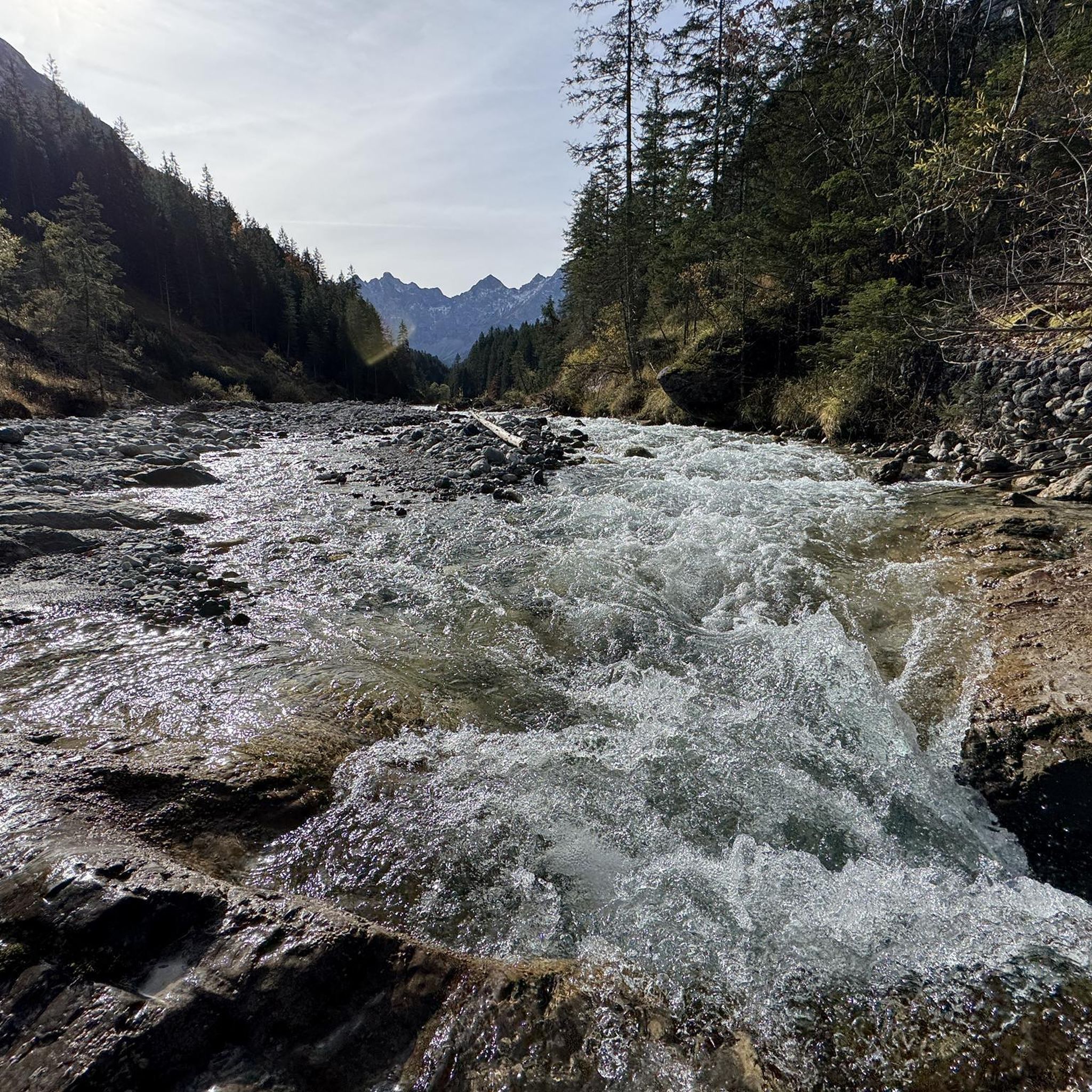
Gravel biking around Hürtgenwald
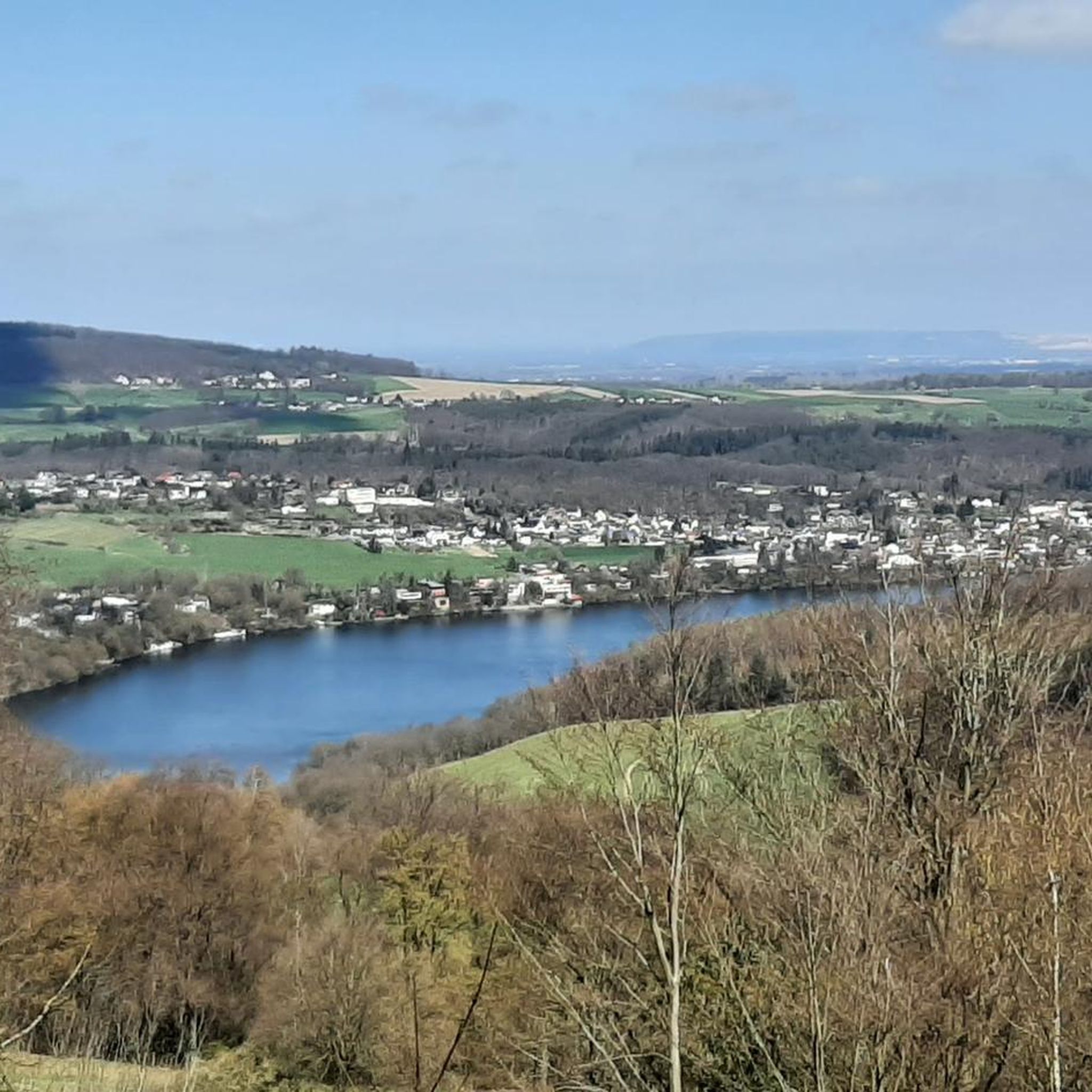
Running Trails around Hürtgenwald
Other adventures around Hürtgenwald


Tips from the Community

Former slate quarry, now used by bats as a winter roost.
0
0

Rugged rock faces and a small cave rise up along the slope, revealing the landscape's raw, untouched character. The exposed rocks tell a story that goes back far beyond human history: formed by geological processes, worn away by water and weather, and slowly exposed by erosion. The cave itself feels like a natural shelter, cool and sheltered, evoking images of a time when such places served as refuge, storage, or simple shelter.
1
0
Bats hibernate from approximately November to March. During hibernation, their body temperature, heart rate, and respiration rates are drastically reduced to conserve energy. It's important not to disturb hibernating bats, as waking up is energy-consuming and can be life-threatening.
2
0

In my opinion, it's more practical. If you park at the foot of the Schlangenberg, you'll have the Schlangenberg behind you at the beginning of the hike and can walk past it on the way back. Theoretically, you could walk past the Schlangenberg both times, but that's not recommended.
0
0

It is nice to have a cave with decoration in the rock
0
0
Best used when going down from the Schlangenberg
1
0

Steep 700m climb, test climb with photos
0
0
Frequently Asked Questions
What kind of natural features are considered 'caves' in the Hürtgenwald region?
The Hürtgenwald region primarily features natural rock formations, shelters, and historical man-made underground structures rather than traditional deep cave systems with stalactites and stalagmites. These sites offer insights into local geology, folklore, and history.
Are there any historical 'caves' or underground structures to explore?
Yes, you can explore historical sites like the Westwall Bunker Ruins and Cave (Münsterbachtal). This is a blown-up bunker that visitors can carefully enter, offering a glimpse into the region's past.
Which 'caves' are important for wildlife in Hürtgenwald?
The Bat Cave is a significant ecological site, serving as a habitat for bats, especially during their hibernation period from November to March. To protect these animals, the cave is often cordoned off or closed during winter.
Are there any 'caves' or rock formations with local legends?
Absolutely. The Teufelstritt Rock Formation is a prominent natural monument associated with local legends, specifically about the devil leaving footprints in the rock while attempting to jump across a gorge.
What is the best time of year to visit the 'caves' and rock formations in Hürtgenwald?
The best time to visit is generally from spring to autumn (April to October) when the weather is milder and hiking conditions are favorable. If you plan to visit sites like the Bat Cave, be aware that access may be restricted during winter (November to March) to protect hibernating wildlife.
Are there family-friendly options among the 'caves' and rock formations?
Yes, some sites are suitable for families. For example, the Westwall Bunker Ruins and Cave (Münsterbachtal) is listed as family-friendly, though caution is advised due to sharp edges inside the bunker. Natural rock formations are generally accessible for families, but always consider the terrain and your children's abilities.
What kind of outdoor activities can I combine with visiting these 'caves'?
The 'caves' and rock formations are often integrated into hiking and cycling routes. You can find various options for cycling, mountain hikes, and road cycling around Hürtgenwald, allowing you to explore the dense forests and scenic landscapes.
What should I wear or bring when exploring the 'caves' and rock formations?
Comfortable hiking shoes with good grip are recommended, as paths can be winding or uneven. Depending on the weather, layers of clothing are advisable. A flashlight can be useful for exploring darker sections of man-made structures or small natural shelters.
What do visitors enjoy most about the 'caves' and rock formations in Hürtgenwald?
Visitors appreciate the unique blend of natural beauty, historical significance, and local folklore. The rugged rock faces, geological stories, and the sense of natural shelter are often highlighted. The integration of these sites into scenic hiking routes is also a popular aspect.
Are there any viewpoints near the 'caves' or rock formations?
Yes, the Rock Walls and Cave on the Slope is also categorized as a viewpoint, offering scenic perspectives of the landscape. Many of the rock formations themselves provide elevated positions or are part of trails with good views.
How difficult are the trails leading to these 'caves' and rock formations?
Most of the highlighted sites, such as the Teufelstritt Rock Formation and the Rock Walls and Cave on the Slope, are rated as 'intermediate' difficulty. This means trails may involve some winding paths, uneven terrain, or moderate ascents, suitable for those with a reasonable level of fitness.
Can I bring my dog to the 'caves' and rock formations?
Generally, dogs are welcome on hiking trails in the Hürtgenwald region. However, specific restrictions might apply to certain sensitive ecological sites like the Bat Cave, especially during hibernation periods. Always keep your dog on a leash and respect local signage.
Most popular routes around Hürtgenwald
Most popular attractions around Hürtgenwald

Get inspired with the komoot mobile app


Explore more
Extend your search for the best caves by checking out these guides of the top ones around Hürtgenwald:
