Top 4 Caves around Fröndenberg/Ruhr
Caves around Fröndenberg/Ruhr are found in a region known for its natural landscapes and proximity to the Sauerland, which features impressive karst formations. Fröndenberg/Ruhr itself is situated along the Ruhr river, offering a mix of riverine and forested environments. The area provides access to geological sites that showcase millions of years of natural history. These locations offer insights into subterranean worlds and ancient geological processes.
Best caves around Fröndenberg/Ruhr
- The most popular caves is Felsenmeer (Hemer), a natural monument…
Last updated: May 14, 2026
Felsenmeer (Hemer)
Highlight • Natural Monument
Translated by Google •
Tip by

Echsenschacht, Laubschacht and Bärenhöhle
Highlight • Cave
Translated by Google •
Tip by

Sign up now to discover places like this
Get recommendations on the best single tracks, peaks, & plenty of other exciting outdoor places.
Sign up for free
Caroliner Heritage Adit
Highlight • Historical Site
The tunnel, which was already built in 1735, was restored a few years ago and is easy to reach. …
Translated by Google •
Tip by

Mystery tunnel entrance 🍙 Aplerbecker Mark
Highlight • Structure
Tip by

Old Mine Tunnel Entrance in Bemberg
Highlight • Structure
Translated by Google •
Tip by

Start today with a free account
Your next adventure awaits.
Login or Signup
Popular around Fröndenberg/Ruhr
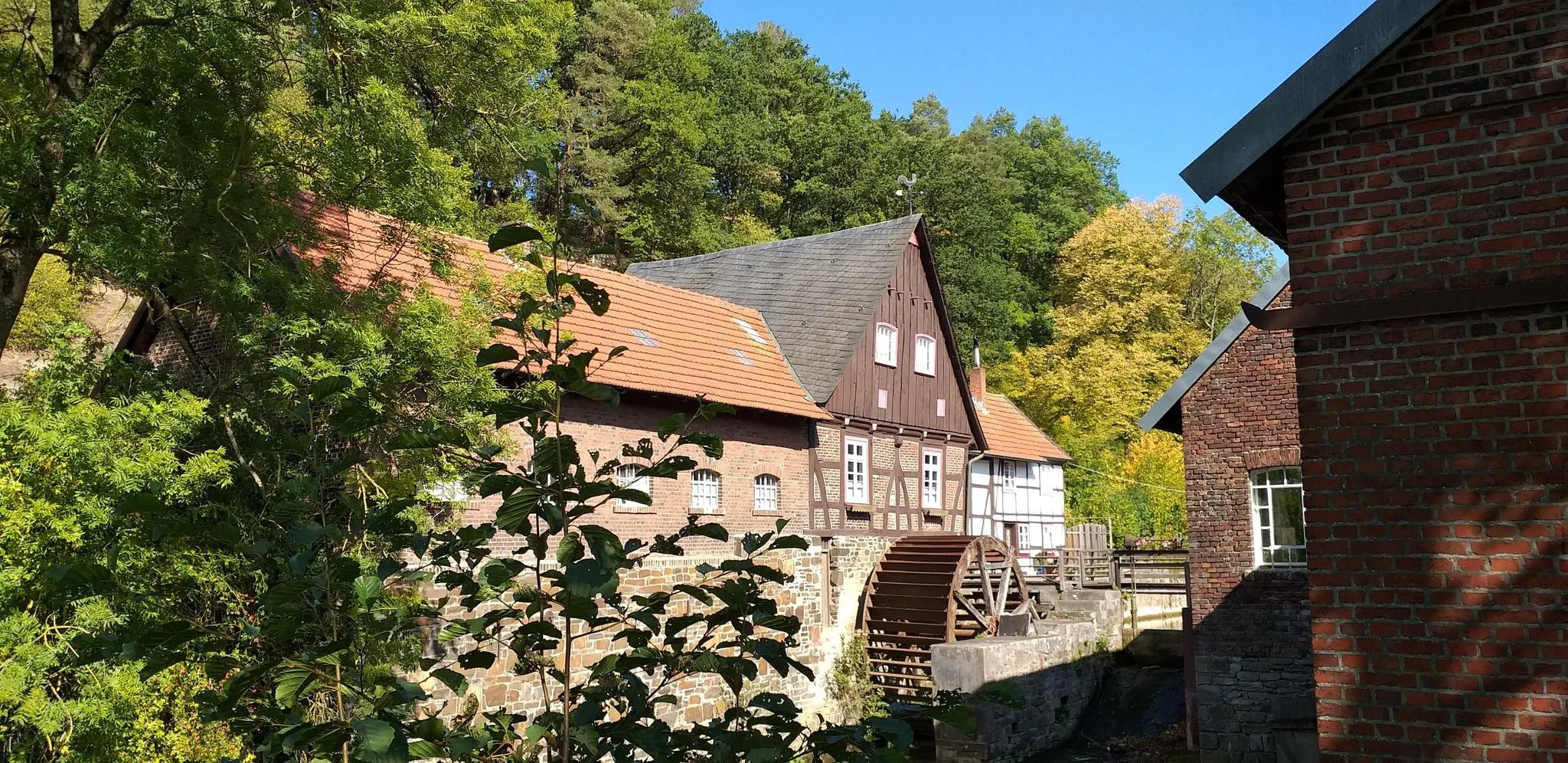
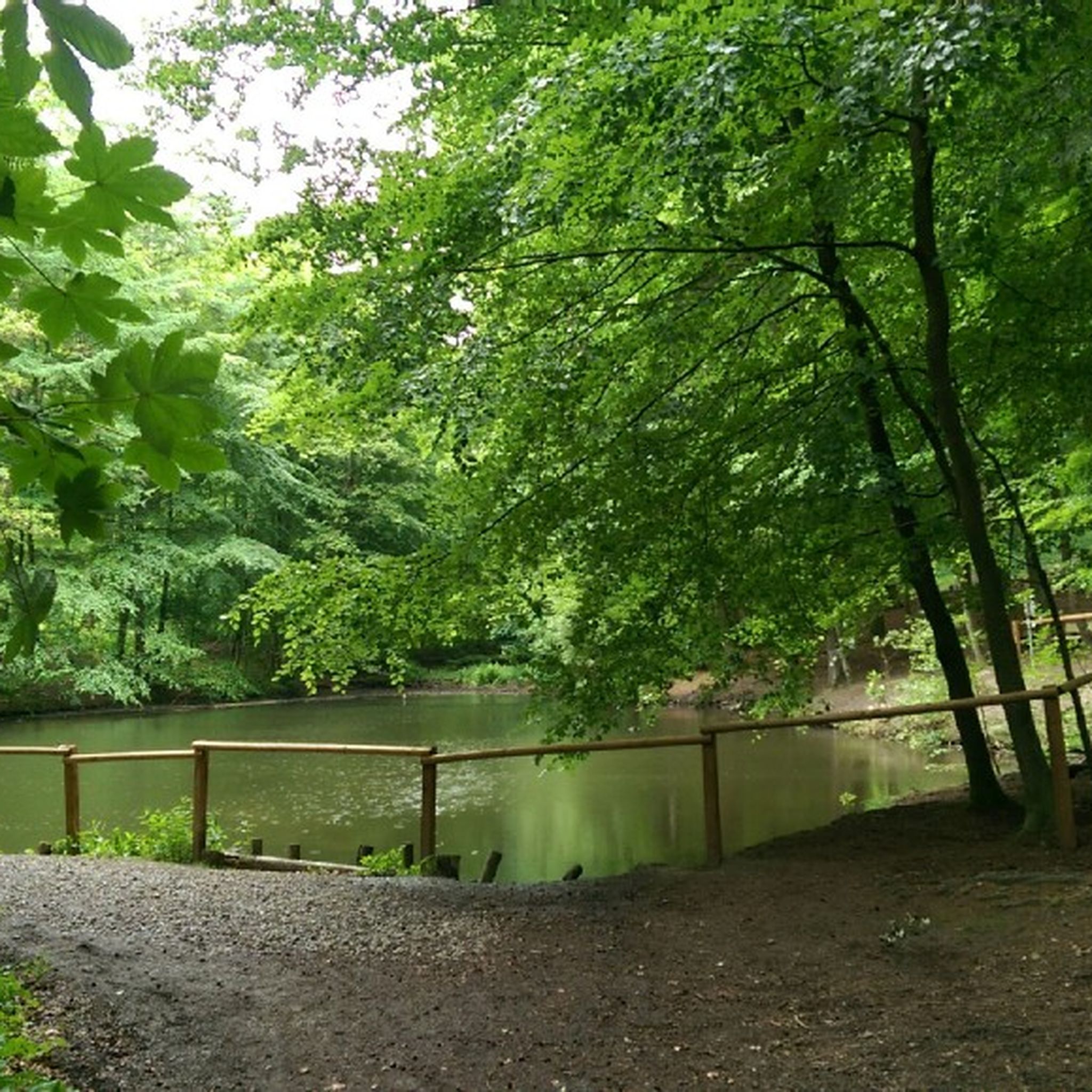
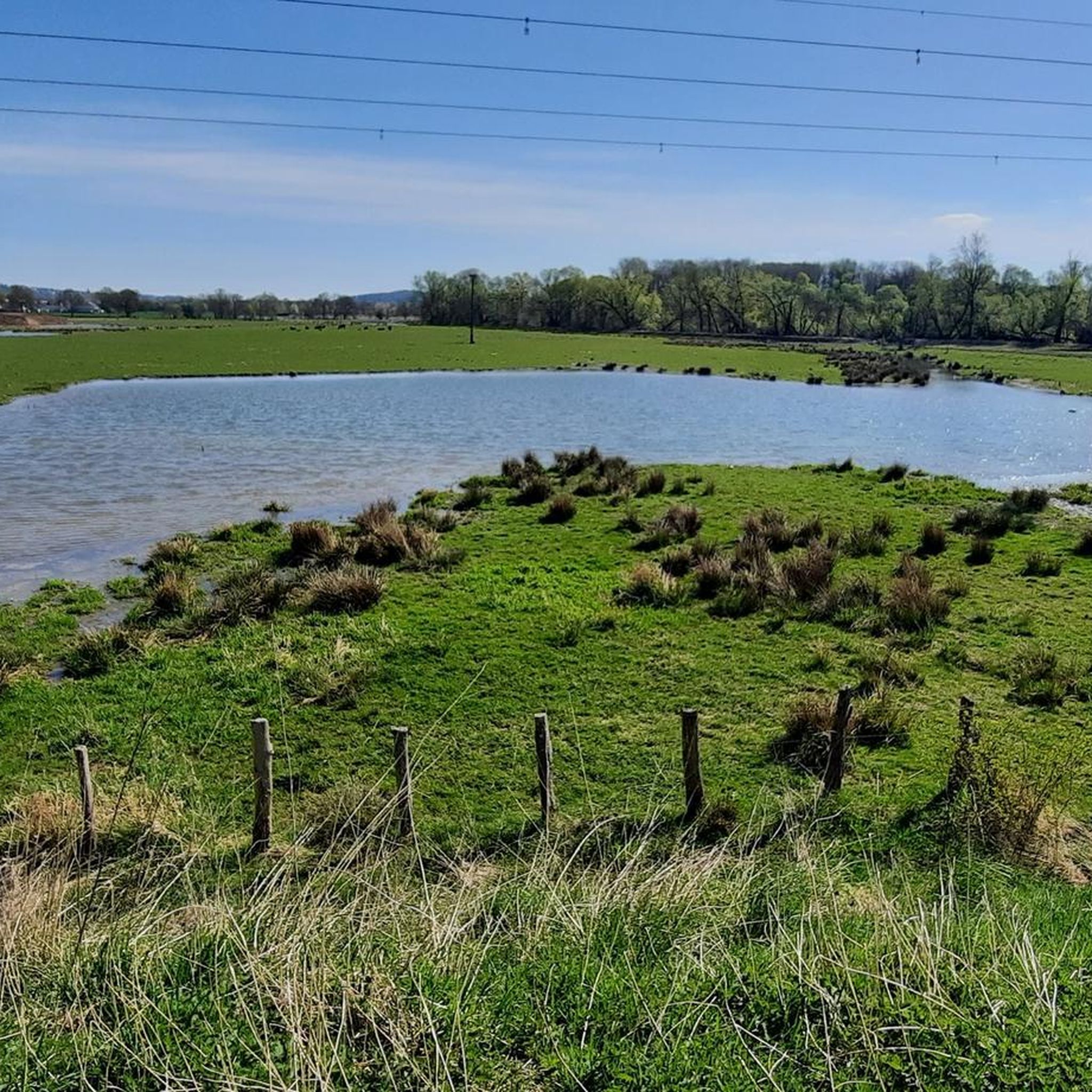
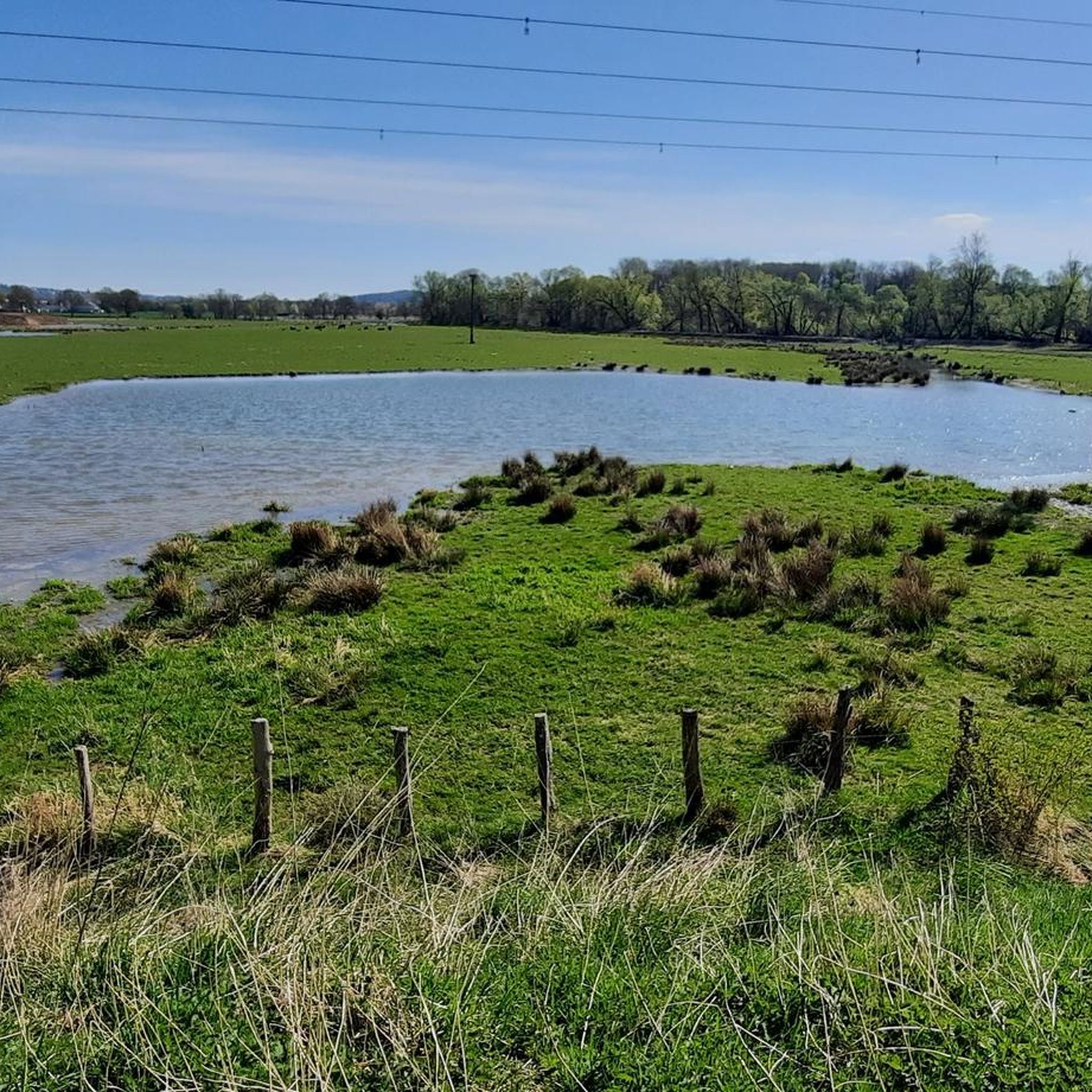
Other adventures around Fröndenberg/Ruhr

Tips from the Community

It's slowly growing over, but you can still see the tunnel entrance. Actually a bit creepy. I'd love to know what this is....AI says "railway ventilation access", but is that so?
0
0

Medieval mining area in spectacular scenery, very well explained on the information boards along the way!
0
0

Great karst and mining landscape. Best viewed when the trees have little or no leaves.
0
0

The Caroliner Erbstollen in Holzwickede-Natorp is an important relic of early Ruhr mining. Its history begins in 1735 with the prospecting and subsequent excavation of the tunnel, the mouth of which is located on the Stuckenberg, about 200 meters east of the Natorper mill.  Originally, the tunnel was driven southwards as a crosscut and later mainly driven westwards in the side seam. On August 18, 1767, the tunnel received approval from the mining authorities to mine coal, and on October 2 of the same year it was granted the right to use the tunnel under the name “Carolien Erbstollen”.  Over the years, the tunnel was continuously expanded. In 1830, it reached a length of 3,913 meters and reached the boundary line to the Schwarze Adler mine in the area of the Cranefeld Siepen, today's Reuterstrasse. The tunnel was further advanced by the Schwarze Adler mine until 1843, so that the tunnel finally reached a total length of 5,184 meters, making it one of the longest tunnels in the Ruhr area.  Today, the entrance to the Caroliner tunnel is a visible testimony to mining history and part of the Holzwickede Historical Mining Trail. Visitors can gain an insight into the beginnings of coal mining in the region and understand the importance of the tunnel for the industrial development of the Ruhr area. 
1
0

With such a low and narrow tunnel, it must have been a very tough slog.
1
0

A lovingly designed memorial to the mining history of the 18th and 19th centuries.
4
0

In the extreme southeast of the GeoPark lies the Felsenmeer Hemer, a bizarre karst landscape that can be explored free of charge via a circular path with viewing platforms and panoramic bridges. Information boards provide the geological background.
2
0
The Felsenmeer in Hemer, a unique natural monument in the Sauerland, combines natural history and cultural aspects in a fascinating way. The geological formation of this remarkable geotope dates back millions of years and is the result of the weathering of limestone through dissolution processes. Rainwater, enriched with carbon dioxide from the atmosphere, turns into a weak acid that dissolves limestone, forming the characteristic rock formations of the Felsenmeer. Over geological periods, the impressive landforms that are now known as the Sea of Rocks emerged. This nature reserve is not only a prime example of the dynamic forces of earth's history, but also a place full of legends. One of the stories is about dwarves who searched for precious metals under the rocks and about giants who wanted to steal these treasures. The legendary dwarven king Alberich is said to have used a magic spell to cause the ceiling of the rock hall to collapse, which buried the giants under the rocks and created the sea of rocks. Visitors can explore the Sea of Rocks on various paths, including a wooden walkway that leads directly over the cliffs and rocks. There is also a viewing platform and an upper bridge that are barrier-free, allowing visitors with limited mobility to enjoy the nature reserve. Dogs are allowed on a leash, and there is a large, free parking lot at the neighboring Sauerland Park. The Felsenmeer Hemer is a special experience in every season, be it snowy, in the colorful autumn forest or in the lush green of summer. The cliffs and caves of the Felsenmeer are part of the impressive karst landscape, which visitors can explore in more detail on display boards. The recognition as a "Significant Geological Monument of Germany" and as a "National Geotope" underlines the unique significance of this natural monument and its position as one of Germany's outstanding natural wonders.
1
1
Frequently Asked Questions
What kind of geological formations can I expect to see in the caves near Fröndenberg/Ruhr?
The region, particularly the nearby Sauerland, is known for its impressive karst landscapes. You can expect to see diverse geological features such as stalactites, stalagmites, river cave profiles carved into ancient limestone, and unique rock formations. The Felsenmeer (Hemer), for instance, is a protected rock sea with impressive boulders, ravines, and faults formed by collapsed ancient caves.
Are there any natural caves with impressive dripstone formations?
Yes, the **Heinrichshöhle** in Hemer, easily accessible from Fröndenberg/Ruhr, is a fascinating stalactite cave adorned with diverse and fantastic dripstone formations. It offers guided tours to showcase its natural beauty.
What historical discoveries have been made in the caves of the region?
The **Heinrichshöhle** in Hemer is significant for its abundance of Ice Age animal bone finds, including those of cave bears, mammoths, giant deer, and woolly rhinoceroses, some dating back approximately 30,000 years. A complete 2.35-meter-long cave bear skeleton and a lifelike replica are on display.
Are there any historical mining sites to explore?
Yes, the Caroliner Heritage Adit is a historical site from the Holzwickeder mining era. This tunnel, originally built in 1735, has been restored and serves as a memorial to the region's mining history. You can also find the Old Mine Tunnel Entrance in Bemberg, which was once an ore mine.
Are there family-friendly options for visiting caves?
The **Heinrichshöhle** in Hemer offers special educational programs and children's tours, making it a great option for families. Additionally, the Echsenschacht, Laubschacht and Bärenhöhle system can be explored via a circular path with viewing platforms, which is suitable for families.
Are any of the cave sites accessible for visitors with limited mobility?
The Echsenschacht, Laubschacht and Bärenhöhle system within the Felsenmeer in Hemer features a wooden walkway and an upper bridge that are barrier-free, allowing visitors with limited mobility to enjoy the natural reserve.
What is the best time of year to visit the caves near Fröndenberg/Ruhr?
Cave visits are generally possible year-round, as the temperature inside caves remains relatively constant. However, the Felsenmeer Hemer is described as a special experience in every season, whether snowy, in the colorful autumn forest, or in the lush green of summer. For the **Heinrichshöhle**, it's best to check their specific opening hours, which might vary seasonally.
Can I combine a cave visit with hiking?
Absolutely. The region around Fröndenberg/Ruhr offers numerous hiking opportunities. For example, you can find easy hikes around Fröndenberg/Ruhr, with routes like the "Forest Path – Dellwig Memorial loop" or "Ostholzbachtal – Forest trail near the Ruhr region loop." You can explore more options on the Easy hikes around Fröndenberg/Ruhr guide.
What other outdoor activities are available near the caves?
Beyond hiking, the area offers various outdoor activities. You can find several running trails, such as the "Fröndenberg Silo – Metal Sculpture 'Männchen' loop," detailed in the Running Trails around Fröndenberg/Ruhr guide. Mountain biking is also popular, with routes like "Gravel path in Bahnwald – Gutshof Wellenbad on the Ruhr loop" available in the MTB Trails around Fröndenberg/Ruhr guide.
What do visitors particularly enjoy about the cave sites around Fröndenberg/Ruhr?
Visitors appreciate the unique combination of natural history and geological wonders, especially at sites like the Felsenmeer (Hemer) with its impressive rock formations and the historical significance of the **Heinrichshöhle** with its Ice Age finds. The restored Caroliner Heritage Adit is valued as a lovingly designed memorial to the region's mining past.
How long does it typically take to explore the caves?
Guided tours at the **Heinrichshöhle** typically last about 40 minutes. For sites like the Felsenmeer (Hemer) or the Echsenschacht, Laubschacht and Bärenhöhle, the exploration time can vary depending on how much of the circular paths and viewing platforms you wish to experience, but generally, a visit can range from 1 to 2 hours.
Are dogs allowed at the cave attractions?
At the Felsenmeer Hemer, dogs are allowed on a leash, making it a good option for visitors with pets. For other specific cave attractions like the **Heinrichshöhle**, it's advisable to check their individual policies regarding pets before your visit.
Most popular routes around Fröndenberg/Ruhr
Most popular attractions around Fröndenberg/Ruhr

Get inspired with the komoot mobile app


Explore more
Extend your search for the best caves by checking out these guides of the top ones around Fröndenberg/Ruhr:
