Top 8 Caves around Eichstetten
Caves around Eichstetten are primarily found within the Kaiserstuhl region, characterized by its volcanic landscape and deep loess ravines. This area features unique geological formations, including natural loess caves formed by wind erosion over centuries. Additionally, the region contains man-made tunnels that served historical purposes. These formations offer insights into the area's geological history and provide distinct exploration opportunities.
Best caves around Eichstetten
- The most popular caves is Löss Cave Tunnel, a natural cave that is a large chamber…
Last updated: June 26, 2026
Erleloch Tunnel
Highlight • Cave
Translated by Google •
Tip by

Löss Cave Tunnel
Highlight • Cave
Translated by Google •
Tip by

Sign up now to discover places like this
Get recommendations on the best single tracks, peaks, & plenty of other exciting outdoor places.
Sign up for free
Loess cellar
Highlight • Cave
Translated by Google •
Tip by

Loess Cave in Kaiserstuhl
Highlight • Cave
Translated by Google •
Tip by
Grüsselisloch Cave
Highlight • Cave
Translated by Google •
Tip by

Sign up for free to discover even more caves around Eichstetten.
Sign up for free
Already have an account?
Start today with a free account
Your next adventure awaits.
Login or Signup
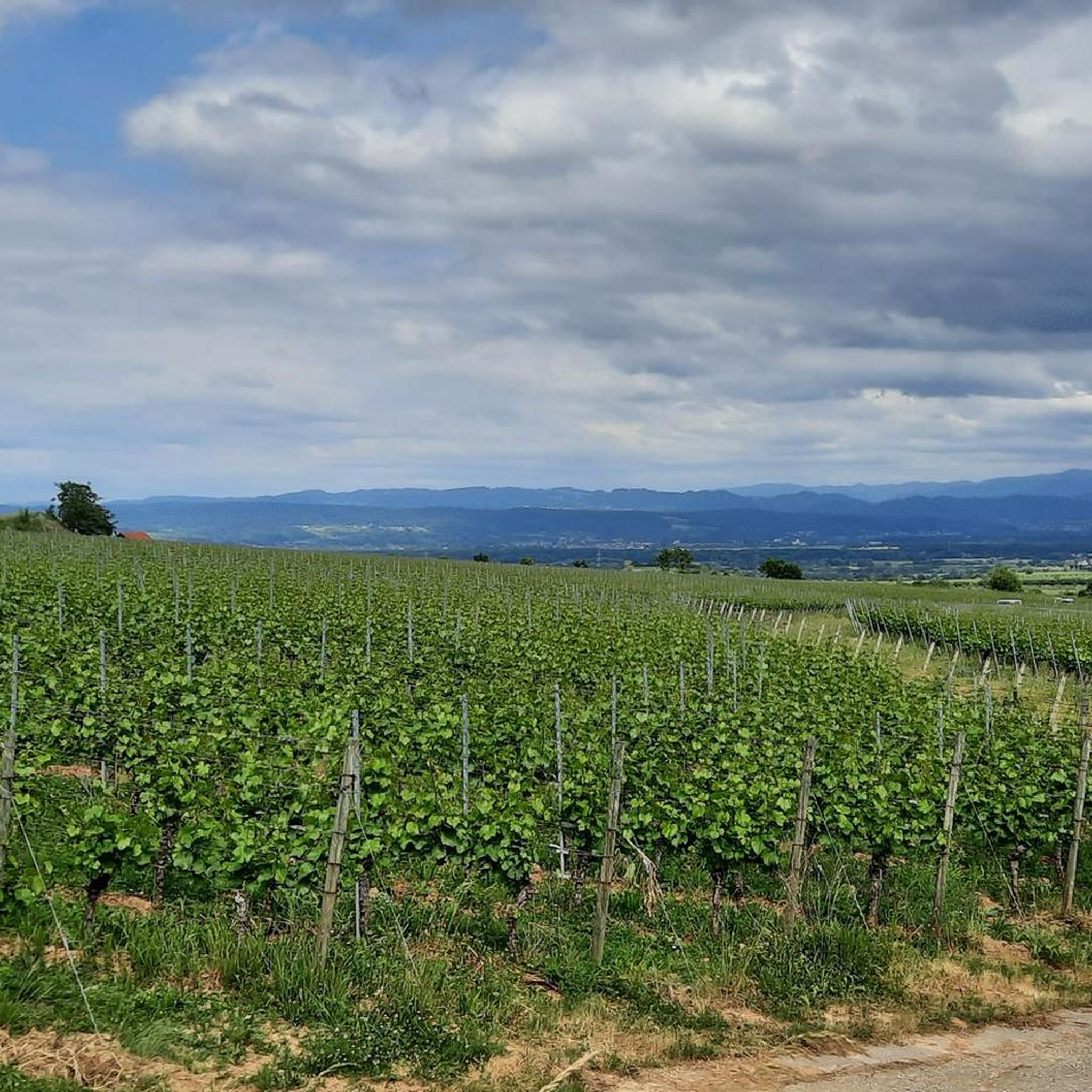
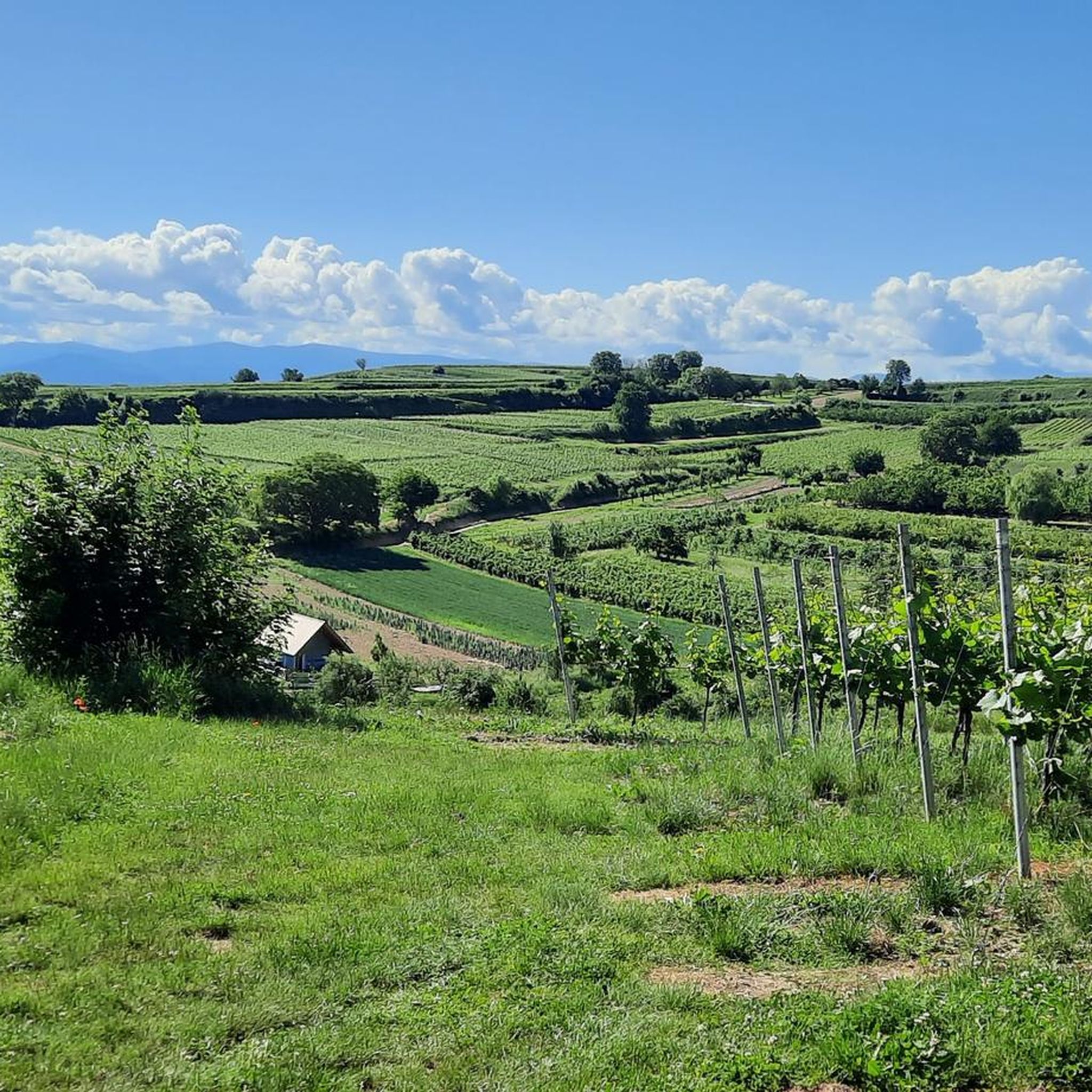
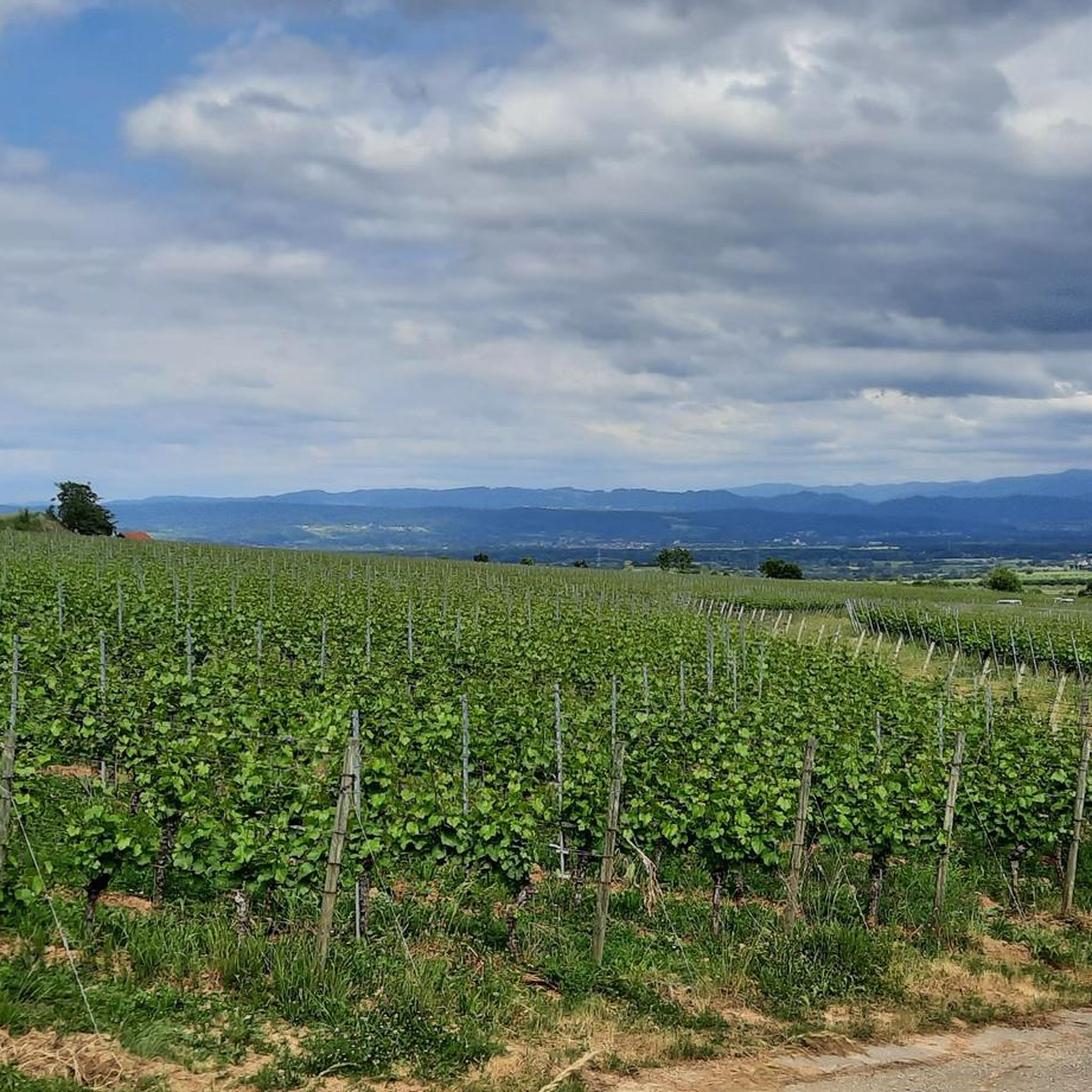
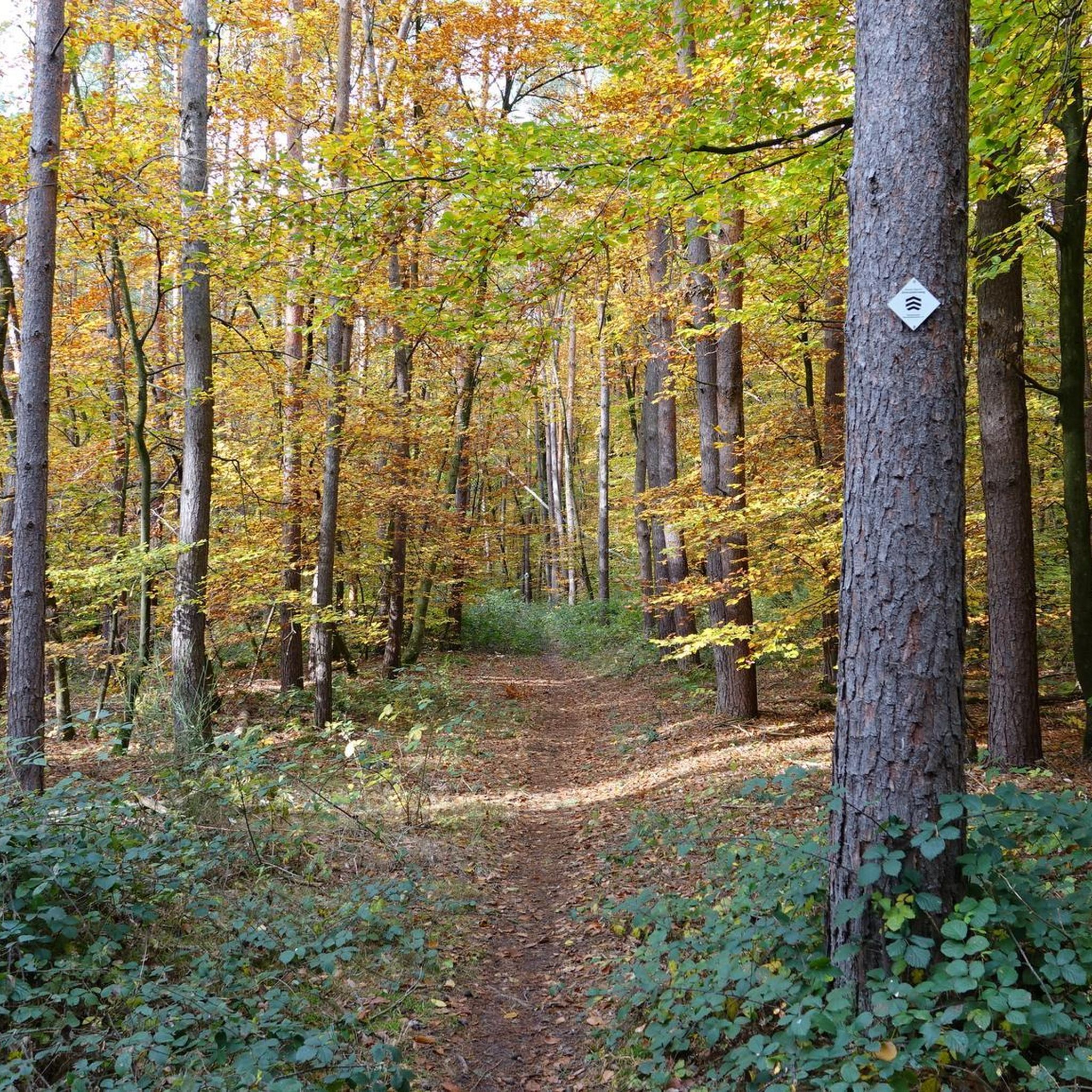
Tips from the Community

No idea where it was, I'll check next time 🤔
0
0

You can walk upright into the Loss Cave. It's a wonderful experience.
0
0

A cave with a bench inside - there would easily be room for a football team.
0
0


"The Hole" is an experience even without children. With children it is a must. It is pitch black at times, but with a "cell phone flashlight" it is possible in a pinch.
1
0
"The Hole" is definitely worth a visit, even if you don't have children with you. A must with children.
1
0

It is a large cave or chamber in the loess in a loess hollow way. These hollow ways in the thick loess layers in the Kaiserstuhl were created by constant use as a path (especially with heavy carts). The resulting depressions were made worse by erosion in wind and weather (especially rain). In many places, holes were dug into the loess walls for various purposes (storage of material, "cooling chamber"). Loess is a calcareous, silty sediment, i.e. rock powder with lime components. The lime structure gives loess a high level of stability. This means that stable caves can easily be dug into them. Here, two such holes are connected by a tunnel that can also be easily walked through.
1
0
It is a large cave or chamber in the loess in a loess hollow way. These hollow ways in the thick loess layers in the Kaiserstuhl were created by constant use as a path (especially with heavy carts). The resulting depressions were made worse by erosion in wind and weather (especially rain). In many places, holes were dug into the loess walls for various purposes (storage of material, "cooling chamber"). Loess is a calcareous, silty sediment, i.e. rock powder with lime components. The lime structure gives loess a high level of stability. This means that stable caves can easily be dug into them. Here, two such holes are connected by a tunnel that can also be easily walked through.
2
0
Frequently Asked Questions
What types of caves can I explore around Eichstetten?
The Eichstetten area, within the Kaiserstuhl region, offers a mix of unique geological formations. You'll find natural loess caves, which are deep, winding gulleys formed by wind erosion in the soft loess soil. Additionally, there are man-made tunnels with historical significance, such as the Erleloch Tunnel.
Are there any family-friendly caves or tunnels to visit?
Yes, the Erleloch Tunnel is particularly exciting for children. It's a man-made, brick-lined tunnel that curves, preventing light from being seen from the other end, which creates a sense of adventure. Visitors can walk through it, making it a fun experience for families.
What are the unique geological features of the caves in this region?
The Kaiserstuhl region is characterized by its volcanic rocks and deep loess ravines. Many 'caves' here are actually loess caves, which are natural formations created by wind carving into the soft loess soil over centuries. These offer a unique insight into the geological history of the area, distinct from traditional subterranean caves with stalactites.
Can I find any historical sites related to the caves?
Yes, the Erleloch Tunnel is a historical man-made structure, originally built in 1788 to improve the drinking water supply for the town of Endingen. Another historical site is the Loess cellar, which was used as a hiding place during WWII and later for storage.
Are there hiking trails that incorporate these caves?
Yes, the loess ravines and caves are often integrated into hiking trails throughout the Kaiserstuhl. For instance, the Loess cellar is accessible via marked hiking and nature trails. You can find various routes, including easy hikes, around Eichstetten that explore these unique landscapes. Check out the Easy hikes around Eichstetten guide for options.
What is the <a href="https://www.komoot.com/highlight/4361175" target="_blank" rel="noopener">Löss Cave Tunnel</a> like?
The Löss Cave Tunnel is a natural cave, essentially a large chamber within a loess hollow way. It features two connected holes forming a walkable tunnel, allowing visitors to walk upright inside. It's a great example of the unique loess formations in the Kaiserstuhl.
Is there a cave large enough for a group to gather in?
The Grüsselisloch Cave is noted for its size. It is described as being large enough to accommodate a football team and even features a bench inside, making it suitable for a group to gather.
Are there any picnic areas near the caves?
Yes, there is a dedicated Picnic Area at Gruselis-Loch Cave. It features two picnic sets in the forest, offering a pleasant spot to rest and eat near the Grüsselisloch Cave.
What is the best time of year to explore the caves around Eichstetten?
The loess caves and ravines are accessible year-round. Spring and autumn offer pleasant temperatures for hiking and exploring the outdoor formations. While the tunnels can be visited in winter, be mindful of potentially muddy conditions on surrounding trails.
What other outdoor activities can I do near the caves?
Beyond exploring the caves, the Eichstetten area offers various outdoor activities. You can enjoy mountain hikes, with routes like the 'Texas Pass' loop, or opt for easier hikes through vineyards and forests. There are also running trails available. For more details, refer to the Mountain Hikes around Eichstetten and Running Trails around Eichstetten guides.
Are the caves around Eichstetten suitable for all difficulty levels?
The listed caves and tunnels generally range from intermediate to challenging in terms of the surrounding terrain or access. For example, the Erleloch Tunnel is considered intermediate, while the Grüsselisloch Cave is listed as challenging. Always check the specific highlight details for difficulty ratings and tips.
Most popular routes around Eichstetten
Most popular attractions around Eichstetten

Get inspired with the komoot mobile app


Explore more
Extend your search for the best caves by checking out these guides of the top ones around Eichstetten:
