Top 8 Caves around Münster, Kufstein
Best caves around Münster, Kufstein covers a diverse range of subterranean experiences across two distinct regions. The Kufstein region in Tyrol, Austria, offers natural caves and historic mining tunnels within the Kaisergebirge mountains. While Münster, Germany, is not known for caves directly within its city limits, the broader North Rhine-Westphalia state, particularly the Sauerland region, features notable cave systems. This guide focuses on the varied underground attractions found in the vicinity of these areas.
Top caves around Münster, Kufstein
- The…
Last updated: September 2, 2026
Schwaz Silver Mine
Highlight • Historical Site
The Schwaz Silver Mine – Following in the Footsteps of the Miners
"The mother of all mines," the largest silver mine of the late Middle Ages, is …
Translated by Google •
Tip by

Parish Church of St. Virgil and St. Catherine, Rattenberg
Highlight • Religious Site
Translated by Google •
Tip by

Sign up now to discover places like this
Get recommendations on the best single tracks, peaks, & plenty of other exciting outdoor places.
Sign up for free
Historic Mining Tunnel on Gratlspitze
Highlight • Cave
Translated by Google •
Tip by

Alpbach Show Mine
Highlight • Cave
Translated by Google •
Tip by
Cave Near Seekarspitze
Highlight • Cave
Translated by Google •
Tip by

Sign up for free to discover even more caves around Münster, Kufstein.
Sign up for free
Already have an account?
Start today with a free account
Your next adventure awaits.
Login or Signup
Popular around Münster, Kufstein
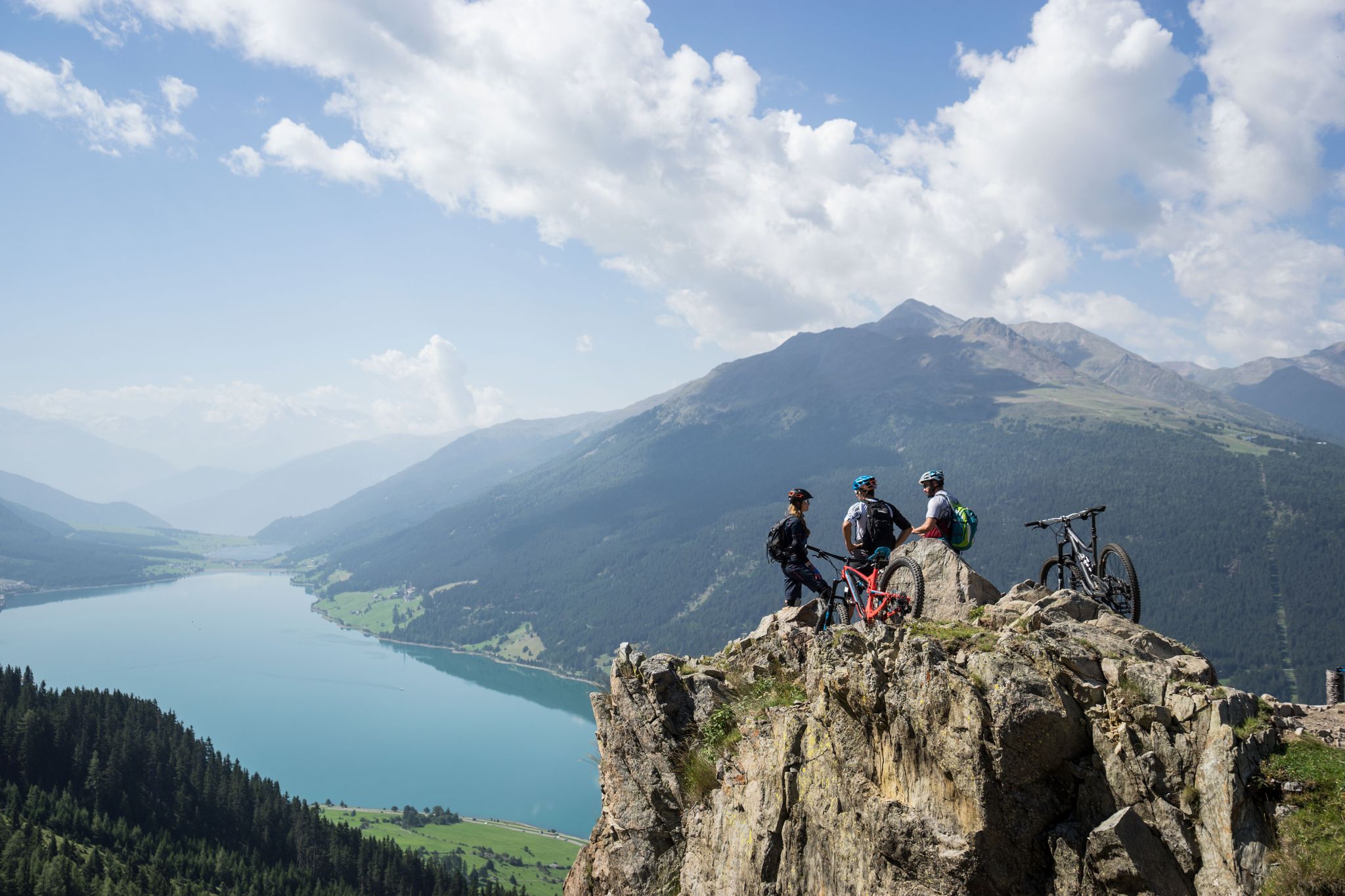
High into the Tyrolean mountain world – mountain biking in Tyrol
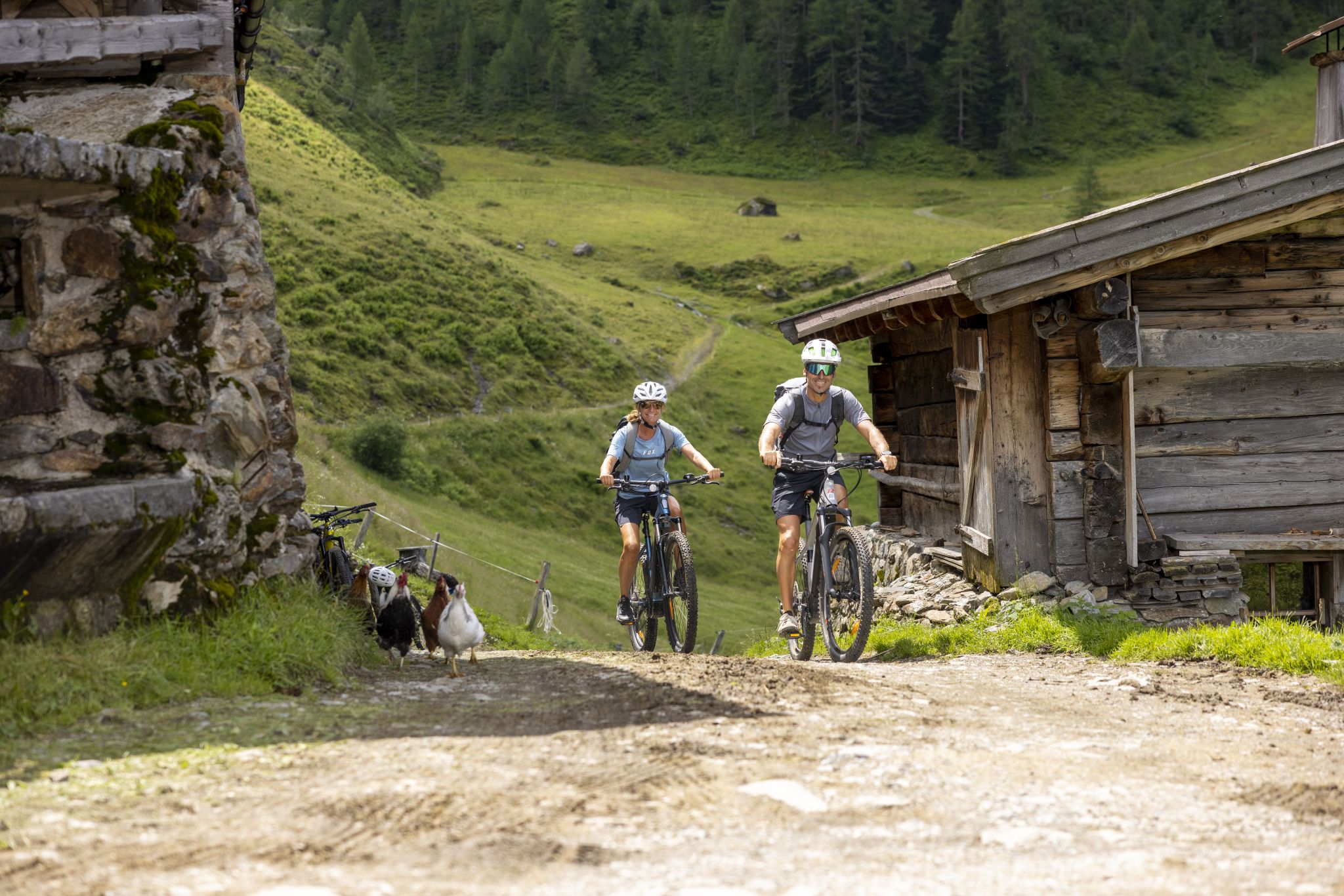
E-Biking in Austria’s Alpbachtal – discovering Tyrol on two wheels
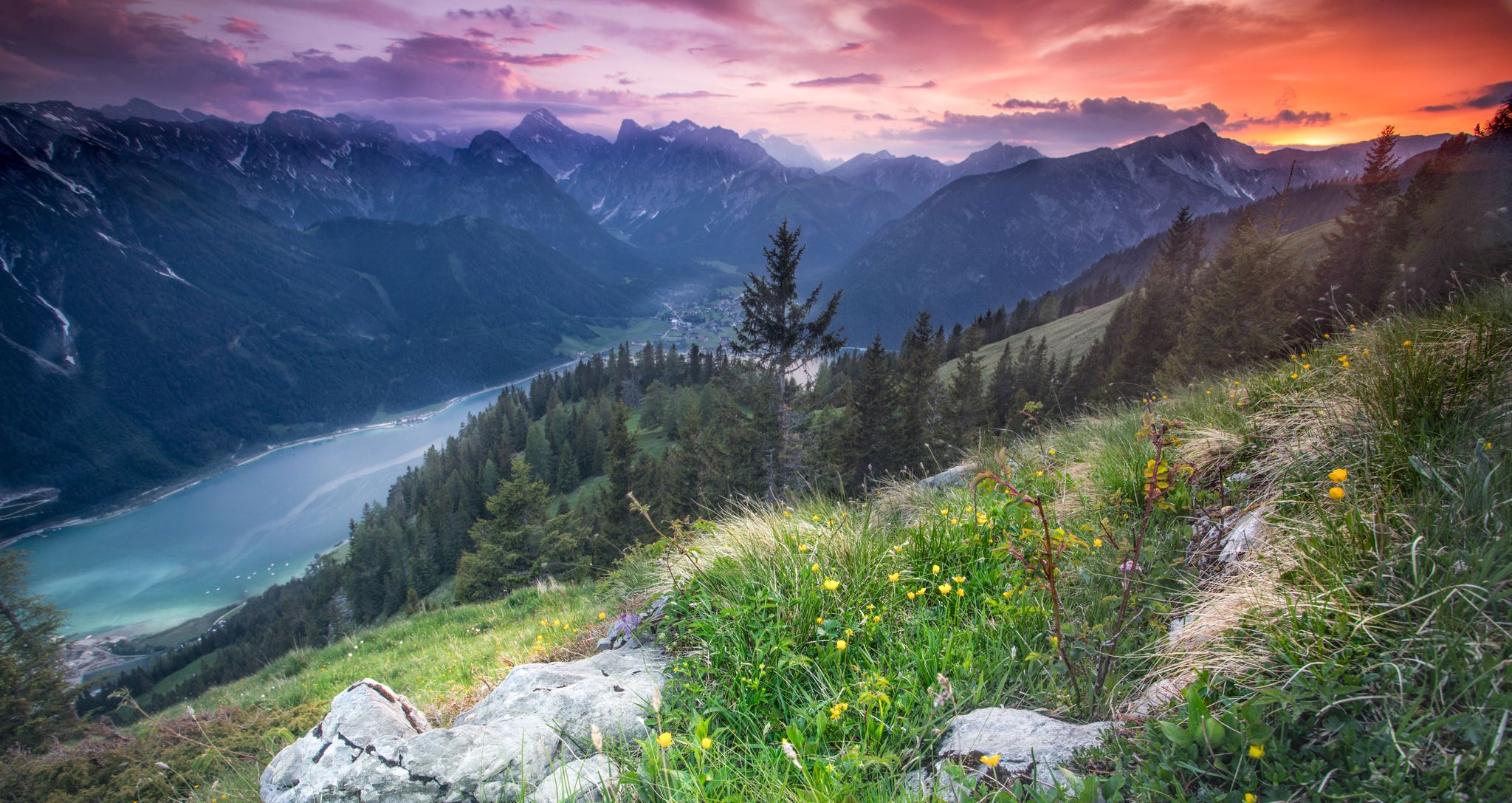
The Rofan circuit in four stages – hiking on the Achensee
MTB Trails around Münster, Kufstein
Hiking around Münster, Kufstein
Mountain Hikes around Münster, Kufstein
Road Cycling Routes around Münster, Kufstein
Cycling around Münster, Kufstein
Running Trails around Münster, Kufstein

Gravel biking around Münster, Kufstein
Other adventures around Münster, Kufstein


Tips from the Community

Following in the Miners' Footsteps / Schwaz Silver Mine The silver mine is "the must-see attraction in Tyrol." 85% of the world's mined silver came from this mine, which extends deep into the mountain. After descending 800 meters on the mine train, a breathtaking underground world awaits you. You'll follow in the footsteps of the miners and experience the hardships they endured 500 years ago to extract copper and silver. One of the highlights is the famous Schwaz waterwheel, installed in 1556 to pump out the mine water – it was considered a true marvel of engineering at the time. Text / Source: Schwaz Silver Mine, Alte Landstraße 3a, Schwaz https://www.silberbergwerk.at/
14
0
Schwaz Silver Mine The Schwaz Silver Mine – Following in the Footsteps of the Miners "The mother of all mines," the largest silver mine of the late Middle Ages, is located in Schwaz, Tyrol. Up to 10,000 miners searched for and found silver and copper here 500 years ago, making the town of Schwaz the largest mining metropolis in the world! Discover breathtaking insights into bygone eras – the silver mine will be an unforgettable excursion! Text / Source: Schwaz Silver Mine, Alte Landstraße 3a, Schwaz https://www.silberbergwerk.at/
16
0

"The mother of all mines," the largest silver mine of the late Middle Ages, is located in Schwaz in Tyrol. Up to 10,000 miners searched for and found silver and copper here 500 years ago, turning the town of Schwaz into the largest mining metropolis in the world!
5
0

One of Rattenberg's special sights is the parish church of St. Virgil and St. Catherine. This Gothic building has two naves. Once, it was a separate church for citizens and miners. Important artists redesigned the building in the Baroque style. A chapel commemorates Saint Notburga, who was born in Rattenberg. Noteworthy: an elevator leads from the Painter's Corner to the church portal. 😉
10
0

A hand-dug tunnel about 10m long in the Gratlspitze mountain range. On the back of the mountain there are numerous other former tunnels that indicate mining.
1
0

You just have to see this one!
2
0

The immediate proximity of the steeply sloping Schlossberg site and the spatial limitations of the building site meant that the church building itself showed some special features. The origins of the church are Gothic. It was built between 1473 and 1506 and acquired its current Baroque architectural style in the 18th century. The main artistic features are the so-called "Annenaltar" in the southern choir stalls with its statues, the vault frescoes by SB Faistenerger and Matthäus Günther and the Lourdes Shrine.
9
0
In the Middle Ages, Schwaz was the mining center of Europe. About 85% of the world's silver produced came from Schwaz, making the city the world's largest mining metropolis around 1500 and making Tyrol one of the richest countries in Europe. The great trading families became so influential that they used the Schwaz silver to dictate the politics of Europe and the discoveries of the new world. https://www.silberbergwerk.at/
10
0
Frequently Asked Questions
What are the most notable caves and underground experiences in the Kufstein region?
The Kufstein region offers a variety of underground experiences. The Schwaz Silver Mine is a significant historical site, once the largest silver mine of the late Middle Ages, offering insights into 500-year-old mining life. Other notable sites include the ancient Tischofer Cave, known for its archaeological importance and geological formations, the Hundalm Ice and Stalactite Cave with its unique ice formations, and various historic mining tunnels like the Historic Mining Tunnel on Gratlspitze and the Alpbach Show Mine.
Are there any natural caves to explore in the Kufstein area?
Yes, the Kufstein region features natural caves. The Tischofer Cave in the Kaisertal valley is a significant natural cave with historical and geological importance. For those seeking a more adventurous experience, there's also the Cave Near Seekarspitze, which is a walk-in cave for explorers.
What is the historical significance of the caves around Kufstein?
The caves in the Kufstein region are rich in history. The Schwaz Silver Mine was a major European silver producer 500 years ago. The Tischofer Cave holds evidence of Paleolithic human occupation and Bronze Age copper smelting, and was used during the Tyrolean Rebellion. Historic mining tunnels, such as the Alpbach Show Mine, also offer a glimpse into the region's mining past.
Are there family-friendly cave experiences in the Kufstein region?
Yes, the Schwaz Silver Mine is considered a real highlight for young and old, offering an engaging journey into mining history via a mine train. The Hundalm Ice and Stalactite Cave also offers guided tours suitable for families, providing a fascinating underground ice world experience.
What should I wear when visiting the Hundalm Ice and Stalactite Cave?
When visiting the Hundalm Ice and Stalactite Cave, it's advisable to wear warm clothing. The temperatures inside the cave are consistently cold, around 0° Celsius, even during summer months.
What kind of geological features can I expect to see in the Kufstein caves?
The caves in the Kufstein region showcase diverse geological features. The Tischofer Cave features natural geological formations, while the Hundalm Ice and Stalactite Cave is renowned for its impressive ice formations and stalactites. The mining tunnels offer insights into the rock structures and mineral deposits that were historically exploited.
Are there any caves near Münster, Germany?
While Münster itself is not known for prominent natural caves, the broader North Rhine-Westphalia state, particularly the Sauerland region southeast of Münster, features significant cave systems. Examples include the Dechenhöhle in Iserlohn, Heinrichshöhle in Hemer, Bilsteinhöhle in Warstein, and Balver Höhle in Balve, all known for their impressive stalactite formations and historical significance.
What outdoor activities can I combine with a visit to the caves in the Kufstein area?
The Kufstein region, particularly around the Kaisergebirge mountains, is excellent for hiking. You can find various hiking trails, from easy to difficult. For example, you can explore easy hikes or more challenging mountain hikes. The Tischofer Cave, for instance, is reached via a scenic hike through the Kaisertal valley.
What do visitors enjoy most about the caves around Kufstein?
Visitors appreciate the diverse experiences offered by the caves. Many enjoy the historical immersion at the Schwaz Silver Mine, describing it as an unforgettable excursion. The unique natural beauty of the ice and stalactite caves, and the opportunity for adventurous exploration in natural caves like the Cave Near Seekarspitze, are also highly valued.
Is the Tischofer Cave easily accessible?
Accessing the Tischofer Cave involves a scenic hike through the Kaisertal valley, which includes approximately 307 steps on the Kaiser Path. While the hike is rewarding, it requires a moderate level of physical fitness.
Are there any permits or specific entry requirements for the caves?
For commercial show caves like the Schwaz Silver Mine and the Hundalm Ice and Stalactite Cave, guided tours and tickets are required. It's recommended to check their official websites for booking information and current opening hours. For natural, unmanaged caves like the Cave Near Seekarspitze, no permits are typically needed, but caution and appropriate gear are essential.
Can I visit the caves in the Kufstein region during winter?
Some caves, particularly show mines like the Schwaz Silver Mine, may have specific winter operating hours or be closed. Ice caves like Hundalm might be accessible, but conditions can vary. Natural caves might be harder to reach due to snow and ice on trails. It's best to check the specific cave's operating schedule before planning a winter visit.
Most popular routes around Münster, Kufstein
Most popular attractions around Münster, Kufstein

Get inspired with the komoot mobile app


Explore more
Extend your search for the best caves by checking out these guides of the top ones around Münster, Kufstein:
