Top 3 Castles around Bad Großpertholz
Castles around Bad Großpertholz are situated in the idyllic landscape of the Gratzener Bergland, characterized by forests and granite formations. The region holds historical significance with its long-standing aristocratic seats. The area offers insights into architectural evolution from fortified origins to Baroque and neoclassical transformations. Visitors can explore a variety of historical sites that reflect centuries of local history.
Best castles around Bad Großpertholz
- The most popular castles is Weitra Castle, a castle that was built between 1201 and 1208 and later rebuilt into a Renaissance palace. It served as a central military and administrative hub, and now features a border museum.
- Another must-see spot is Rosenhof Castle, a two-storey castle built in 1773. Owned by the Czernin-Kinsky family, it is a horseshoe-shaped complex set within a park.
- Visitors also love Großpertholz Castle, a Baroque building with origins tracing back to a 12th-century fortified house. Its exterior was significantly shaped by 19th-century renovations, showcasing architectural evolution.
- Bad Großpertholz is known for historical castles, including fortified origins, Baroque structures, and Renaissance palaces. These sites offer a variety of architectural styles and historical contexts to explore.
- The castles around Bad Großpertholz are appreciated by the komoot community, with more than 140 upvotes and over 70 photos shared by visitors.
Last updated: July 10, 2026
Weitra Castle
Highlight • Castle
Translated by Google •
Tip by

Rosenhof Castle
Highlight • Castle
Translated by Google •
Tip by

Sign up now to discover places like this
Get recommendations on the best single tracks, peaks, & plenty of other exciting outdoor places.
Sign up for free
Großpertholz Castle
Highlight • Castle
Story:
burgen-austria.com/archive.php?id=995
Translated by Google •
Tip by

Harruck Castle
Highlight • Castle
Translated by Google •
Tip by

Engelstein Castle
Highlight • Castle
From 1964, it was privately owned by the Meinl family and can therefore only be viewed from the outside.
More about the history: burgen-austria.com/archive.php?id=961
Translated by Google •
Tip by
Sign up for free to discover even more castles around Bad Großpertholz.
Sign up for free
Already have an account?
Start today with a free account
Your next adventure awaits.
Login or Signup
Popular around Bad Großpertholz
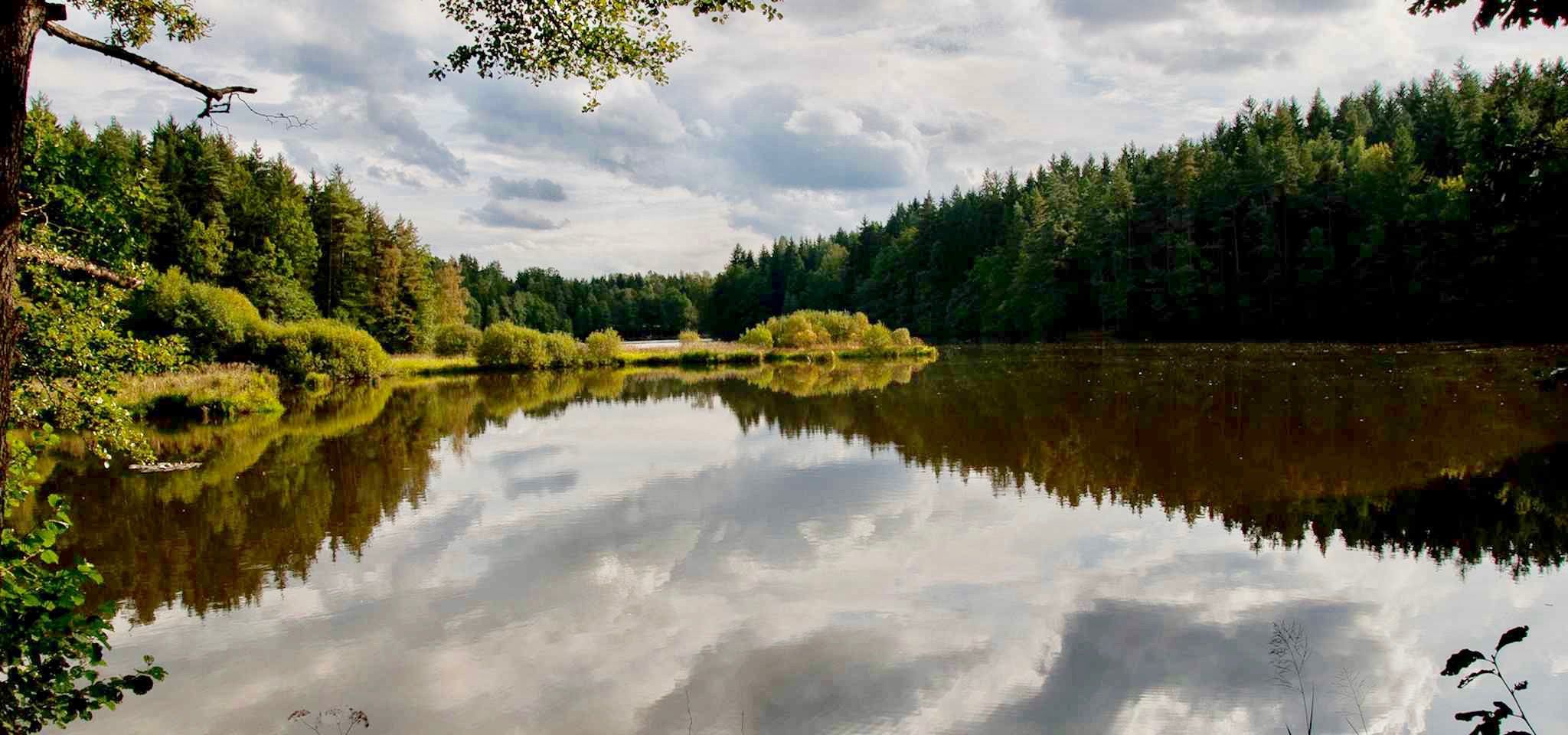
Where history meets nature at its finest – trekking along the river Lainsitz
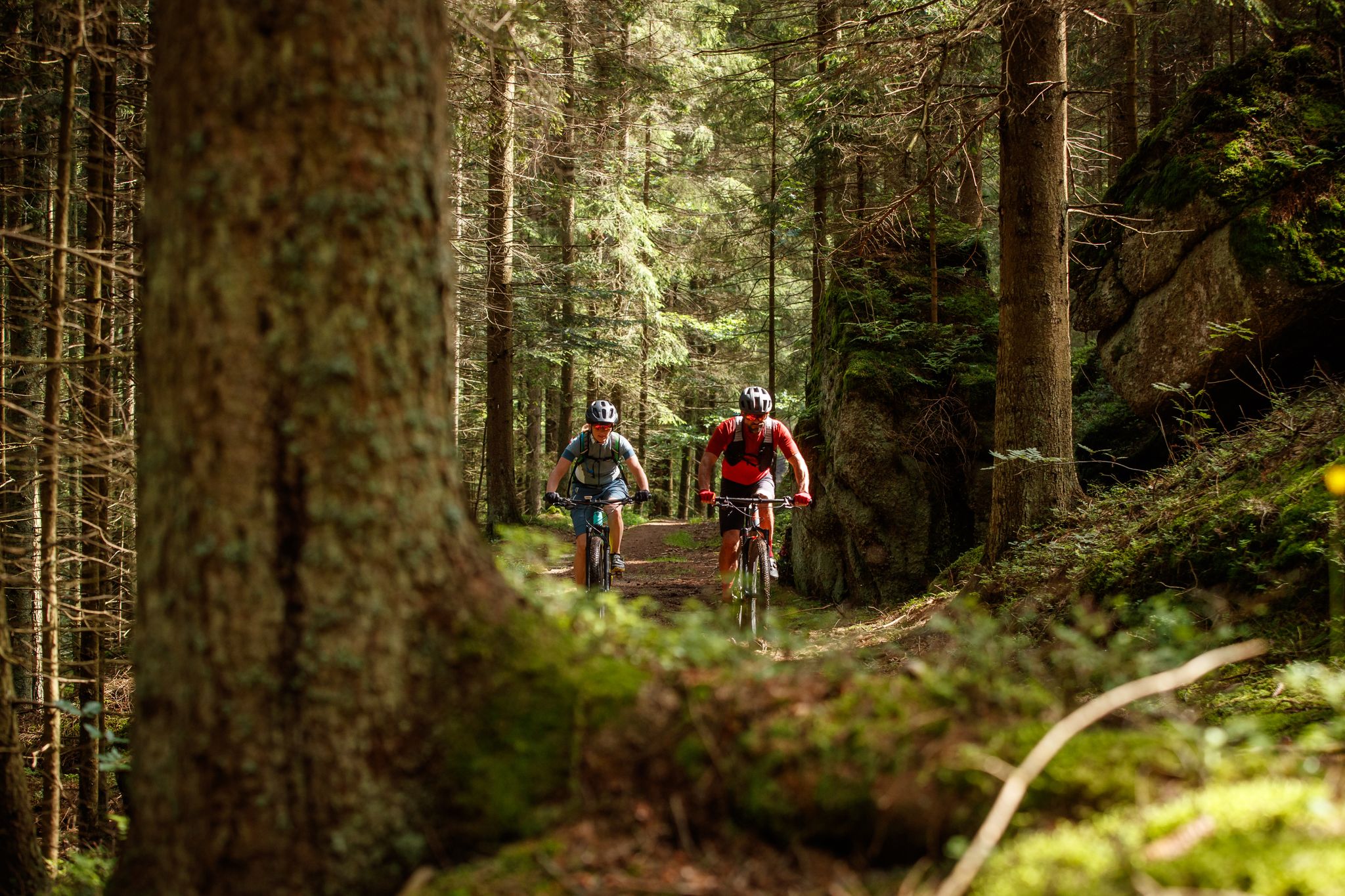
Between bizarre rocks and pristine forests – MTB in the Waldviertel
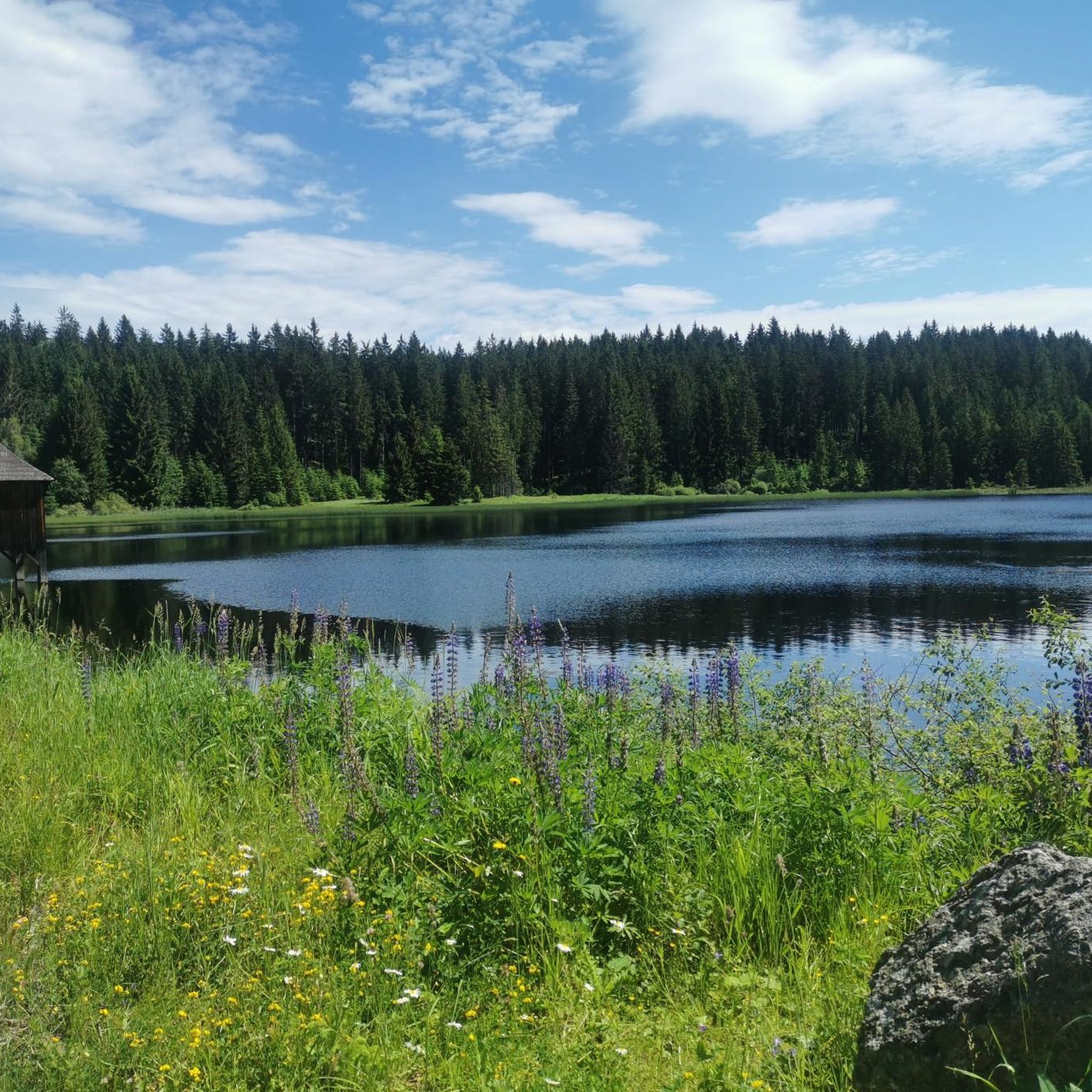
Hiking around Bad Großpertholz
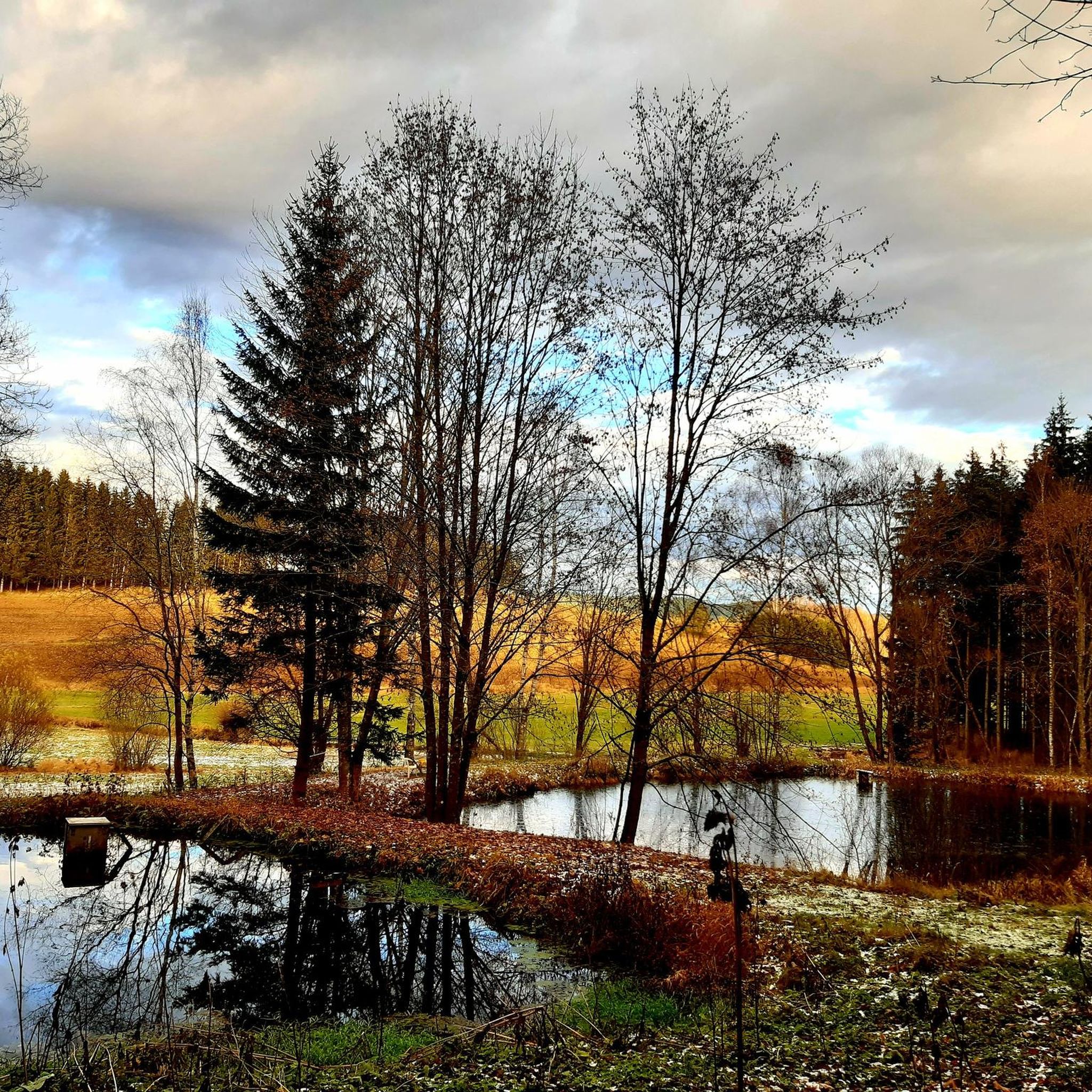
MTB Trails around Bad Großpertholz
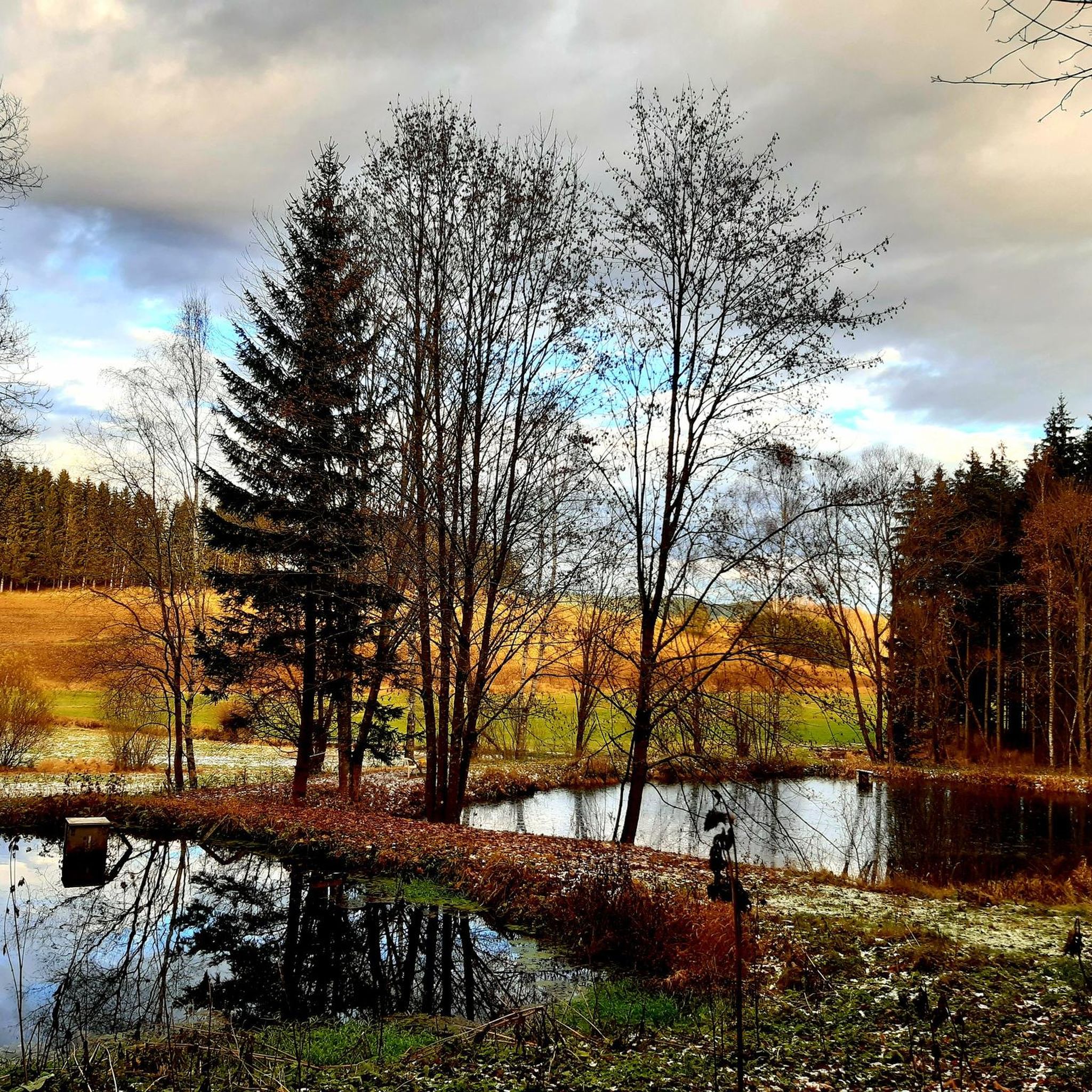
Cycling around Bad Großpertholz
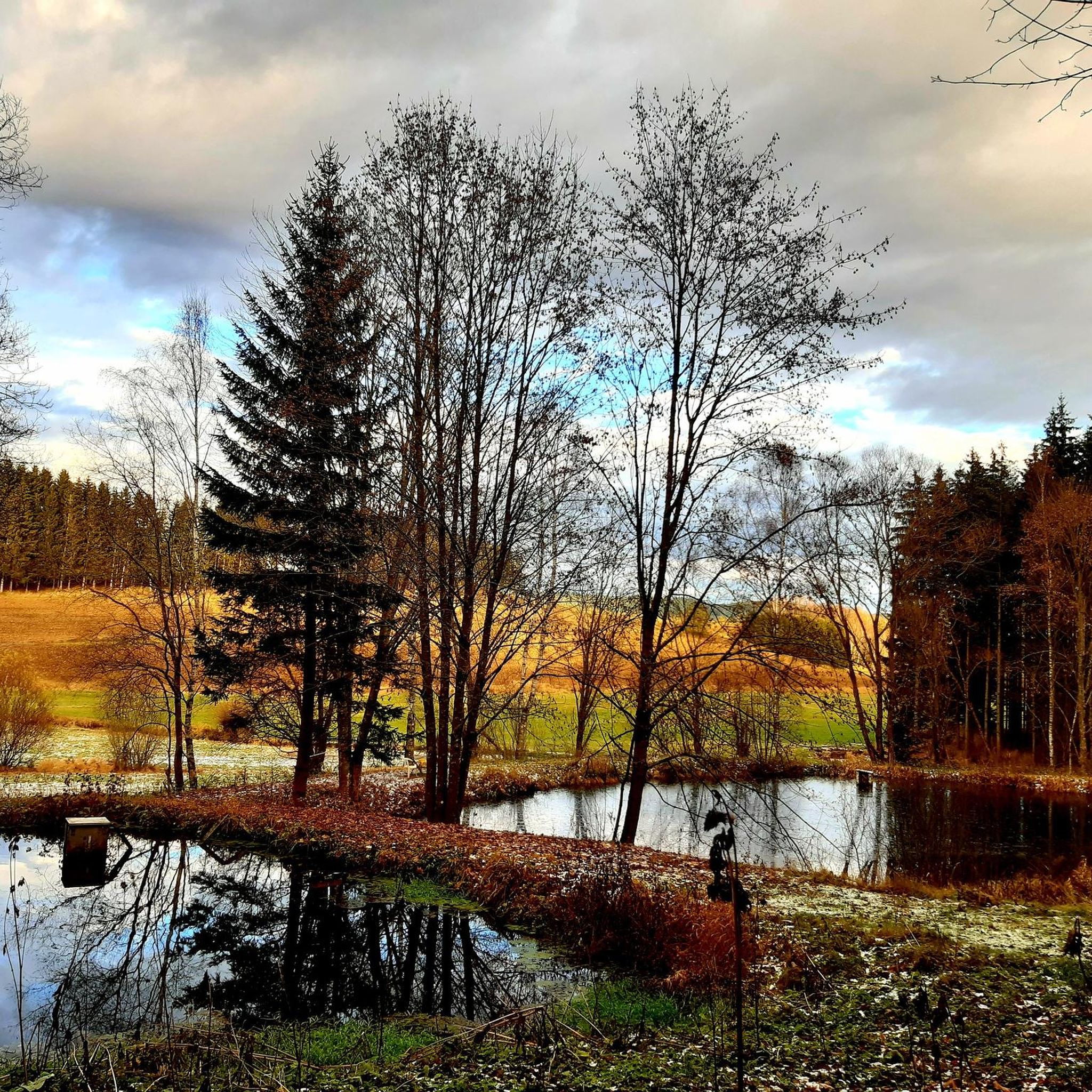
Road Cycling Routes around Bad Großpertholz
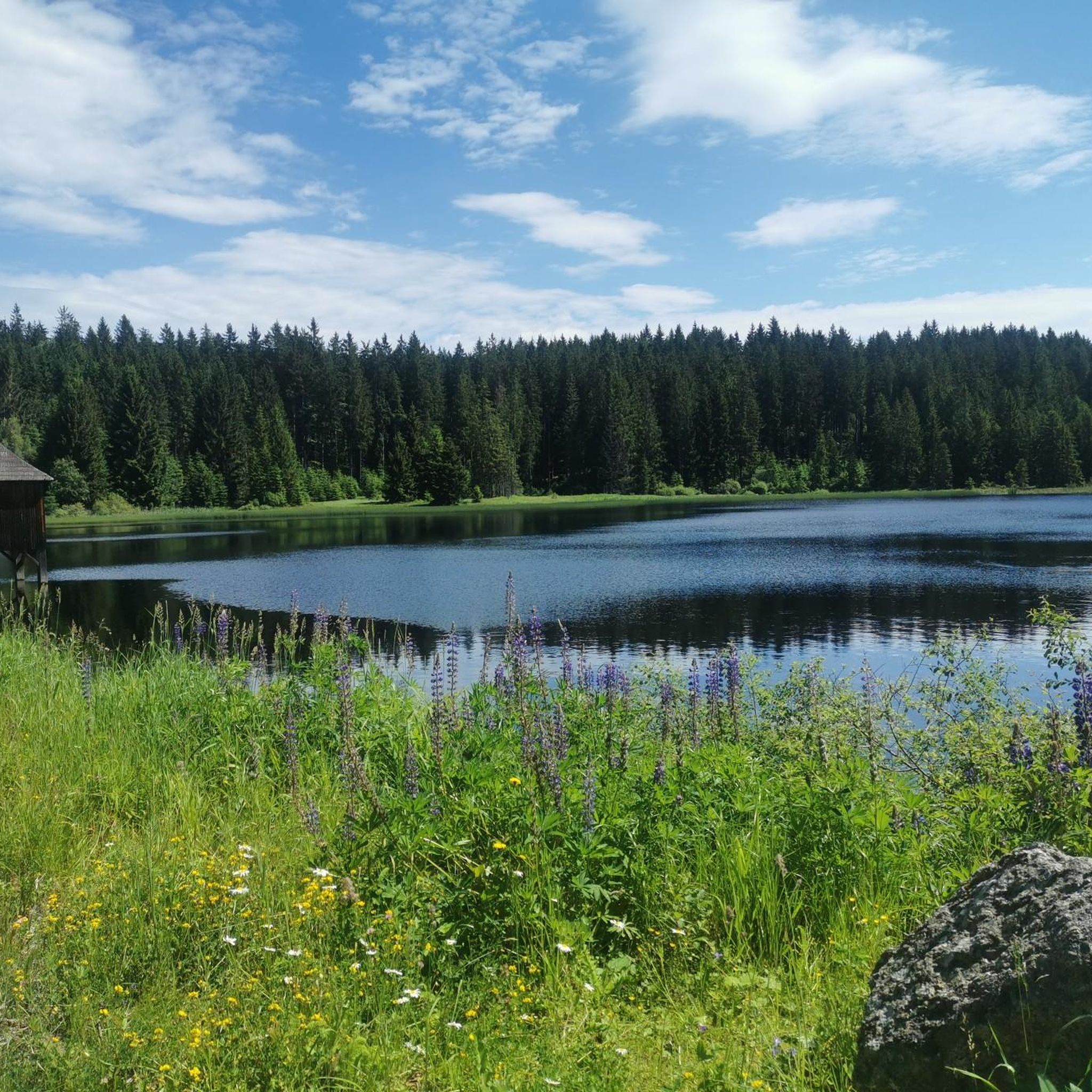
Running Trails around Bad Großpertholz
Gravel biking around Bad Großpertholz


Tips from the Community

The settlement of "Engelgoz" (Engelstein) was first mentioned in 1234. The castle itself is first documented by mentions of its owners in 1417 or 1420/21. Engelstein possibly replaced the destroyed Hadmarstein Castle (see above) on the Johannesberg, whose castle ruins passed to the Zwettl Abbey in 1319. In 1417, Georg von Klingen is mentioned as the first owner. From 1420/21, the castle was owned by the Schaller (von Purkenhof), Burgener of Weitra. In 1442, the knightly Kaspar Schaller was enfeoffed with Engelstein by Reinprecht von Wallsee, successor to the Kuenringer family. From the end of the Middle Ages, a rapid change of ownership began. In 1492, the castle passed to Hans Zeller, in 1531 to Benedikt Schaul, in 1544 to Ladislaus, Hans and Andreas von Prag, Frhn. von Windhag, in 1616 to Hans Kalchgruber, and in 1618 to Nikolaus von Gurland. In 1619, the castle was stormed and plundered by imperial troops. The next owners were Lazarus Parfuß in 1630, Georg Adam and Hans Ernst von Mühlwang in 1656, and Gf. Adam von Grundemann in 1681. From 1806, Josef von Koller was recorded as the owner, then Frh. von Geusau until 1916. From 1916 to 1938, Adolf Lewin was the owner, then Baron Kloss. From 1964, it was privately owned by the Meinl family and can therefore only be viewed from the outside. More about the history: https://www.burgen-austria.com/archive.php?id=961
1
0
At the beginning of the 13th century, Hadmar II of Kuenring had the castle town of Weitra built. Since its founding, Weitra held the central military, administrative, judicial, and ecclesiastical functions in the so-called "Districtus Witrensis" (District of Witrensis). It was also a central market town and refuge in times of war. In the 16th century, the castle was rebuilt into a magnificent Renaissance palace according to plans by Pietro Ferrabosco. In 1994, the palace was renovated by Prince Johannes zu Fürstenberg and opened to the public. More on the history: https://de.wikipedia.org/wiki/Schloss_Weitra
1
0

The imposing Weitra Castle sits atop a hill above the equally beautiful old town and is a sight to behold from all directions. Current information on history and events is available at https://schloss-weitra.at/
0
0

beautiful castle with interesting border museum
0
0
beautiful castle in Weitra with interesting border museum
0
0

Rosenhof Castle was built in 1760. Unfortunately, the beautiful castle complex can only be viewed from the outside.
0
0

Between 1201 and 1208, Hadmar II of Kuenring had the castle town of Weitra built. The castle stood in the south, at the highest point of the sloping granite plateau. Since its foundation, Weitra had the central military, administrative, judicial and ecclesiastical function in the so-called "Districtus Witrensis", and the castle town was also a central market town and place of refuge in times of war. [schloss-weitra.at/]
1
0
In 1926 the castle and estate were sold to the brothers Adolf and Paul Pfleiderer. Their descendants are still in possession of the former estate today. Story: http://www.burgen-austria.com/archive.php?id=995
0
0
Frequently Asked Questions
Which castles around Bad Großpertholz are publicly accessible for visitors?
While many castles in the region are private residences, Weitra Castle is a notable exception. It was rebuilt into a magnificent Renaissance palace and is open to the public, featuring a museum. Großpertholz Castle, Rosenhof Castle, and Engelstein Castle are private and can generally only be viewed from the outside.
What is the best time of year to visit the castles near Bad Großpertholz?
The best time to visit is typically between May and October. During this period, Weitra Castle, the main publicly accessible castle, is open for tours from Wednesday to Monday, 10:00 to 17:00. The warmer months also provide ideal conditions for exploring the surrounding landscapes and outdoor activities.
Are there family-friendly activities at the castles in this region?
Yes, Weitra Castle is considered family-friendly. Its historical significance and museum offer an engaging experience for all ages. While Rosenhof Castle is also tagged as family-friendly, it is a private property, so activities would be limited to viewing the exterior and enjoying the surrounding park.
What kind of historical insights can I gain from visiting these castles?
The castles in the Bad Großpertholz region offer a deep dive into centuries of local history. Weitra Castle, for instance, was a central military, administrative, and market hub from the 13th century, later rebuilt into a Renaissance palace. Großpertholz Castle showcases architectural evolution from a 12th-century fortified house to Baroque and neoclassical transformations, reflecting the changing hands of powerful families over time.
Are there hiking opportunities near the castles?
Absolutely! The region around Bad Großpertholz offers various hiking trails. You can find easy hikes, such as the "Moor Spa Bad Großpertholz – Wackelsteine loop," or more challenging routes like the "Nebelstein Hut – Nebelstein loop." For a comprehensive list of trails, check out the Easy hikes around Bad Großpertholz guide or the Dog-friendly hikes around Bad Großpertholz guide.
Can I bring my dog to the castles or on nearby trails?
While specific castle interiors might have restrictions, the surrounding areas and many trails are dog-friendly. For instance, there's a dedicated Dog-friendly hikes around Bad Großpertholz guide that includes routes like the "Nebelstein Hut – Nebelstein loop," perfect for exploring with your canine companion.
Are there any viewpoints or scenic spots near the castles?
Yes, the castles are often situated in picturesque locations. Weitra Castle itself offers great views and can be seen from afar. The broader region, known as the Gratzener Bergland, is characterized by forests and granite formations, providing beautiful backdrops and scenic viewpoints, especially along the hiking and cycling routes.
What cycling routes are available near the castles?
There are several cycling routes in the vicinity. For example, you can find the "Moor Spa Bad Großpertholz – Großpertholz Castle loop" which is an easy route, or more challenging options like the "Pohořský Pond – Stierhübelteich in Karlstift loop." Explore these and more in the Traffic-free bike rides around Bad Großpertholz guide.
Is there parking available at the castles?
For publicly accessible sites like Weitra Castle, parking facilities are typically available nearby. For private castles like Großpertholz Castle or Rosenhof Castle, you would generally park in the nearest village or designated public parking areas and approach the castle on foot to view its exterior.
What makes <a href="https://www.komoot.com/highlight/3706185" target="_blank" rel="noopener">Harruck Castle</a> unique?
Harruck Castle is described as a nice little castle located away from the main road. It's particularly notable for being situated directly on a beautiful bike route between Gross-Grungs and Langschlag, offering a pleasant stop for cyclists exploring the Lower Austrian countryside.
Are there any cafes or restaurants near the castles?
Yes, especially near the more prominent and publicly accessible castles. Weitra Castle, for example, has restaurant facilities. In the towns and villages surrounding the castles, such as Bad Großpertholz and Weitra, you will find local cafes and restaurants to enjoy refreshments and meals.
Most popular routes around Bad Großpertholz
Most popular attractions around Bad Großpertholz

Get inspired with the komoot mobile app


Explore more
Looking for the best castles somewhere else? Discover other guides around Bad Großpertholz:
