Top 4 Caves around Tarrenz
Caves around Tarrenz are located in the Tyrol region of Austria, an area characterized by diverse natural landscapes. The village is known for its hiking trails and historical sites, with the surrounding region featuring various underground formations. These include natural caves, historical mine tunnels, and ice caves, offering opportunities for exploring geological features and historical sites within a mountainous environment.
Best caves around Tarrenz
- The most popular caves is Blue Grotto in Rosengarten Gorge, a cave that was formed…
Last updated: May 14, 2026
Blue Grotto in Rosengarten Gorge
Highlight • Cave
Translated by Google •
Tip by

Old Mine Tunnel
Highlight • Cave
Sign up now to discover places like this
Get recommendations on the best single tracks, peaks, & plenty of other exciting outdoor places.
Sign up for free
Ice Cellar in the Achstürze-Piburger See Conservation Area
Highlight • Cave
Translated by Google •
Tip by

Tschirgant Caves
Highlight • Cave
Translated by Google •
Tip by

Start today with a free account
Your next adventure awaits.
Login or Signup
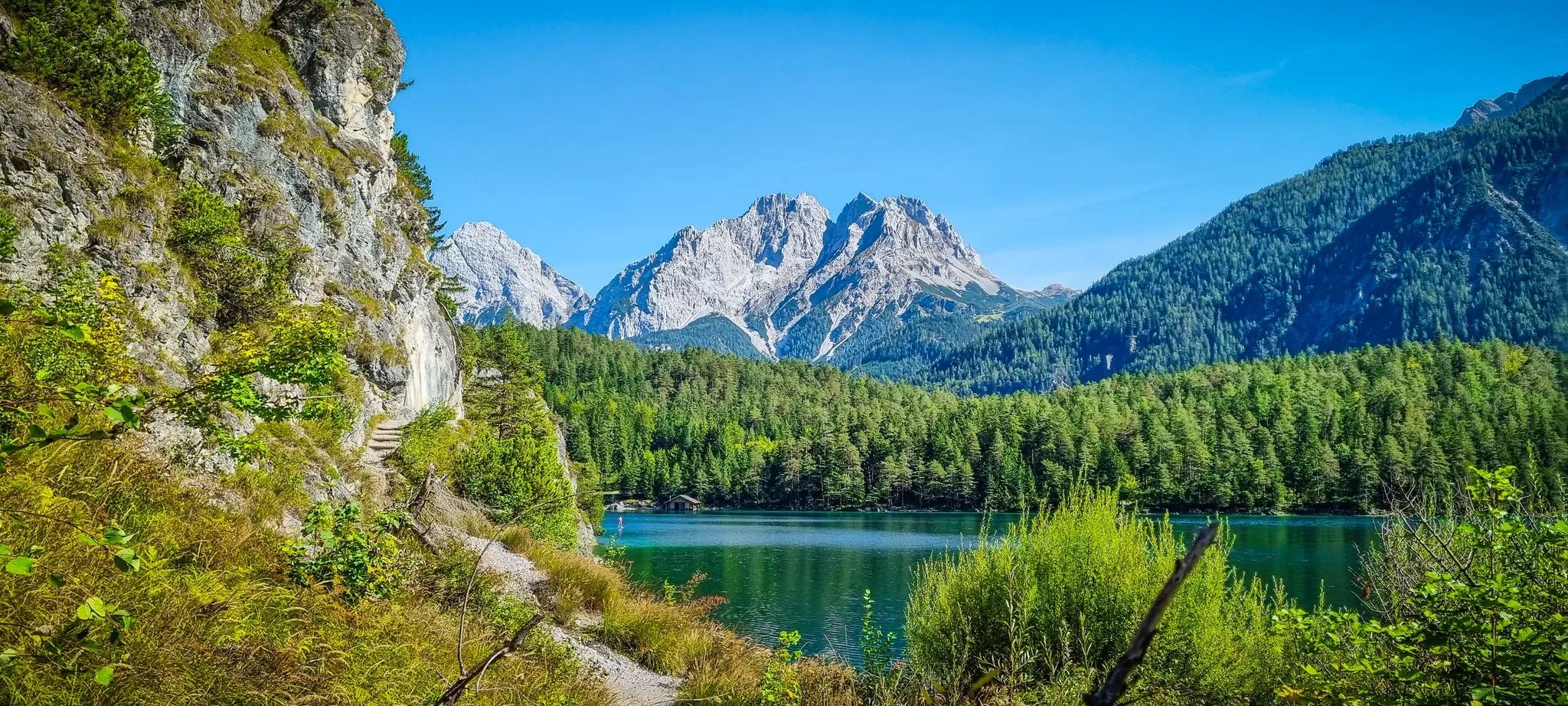
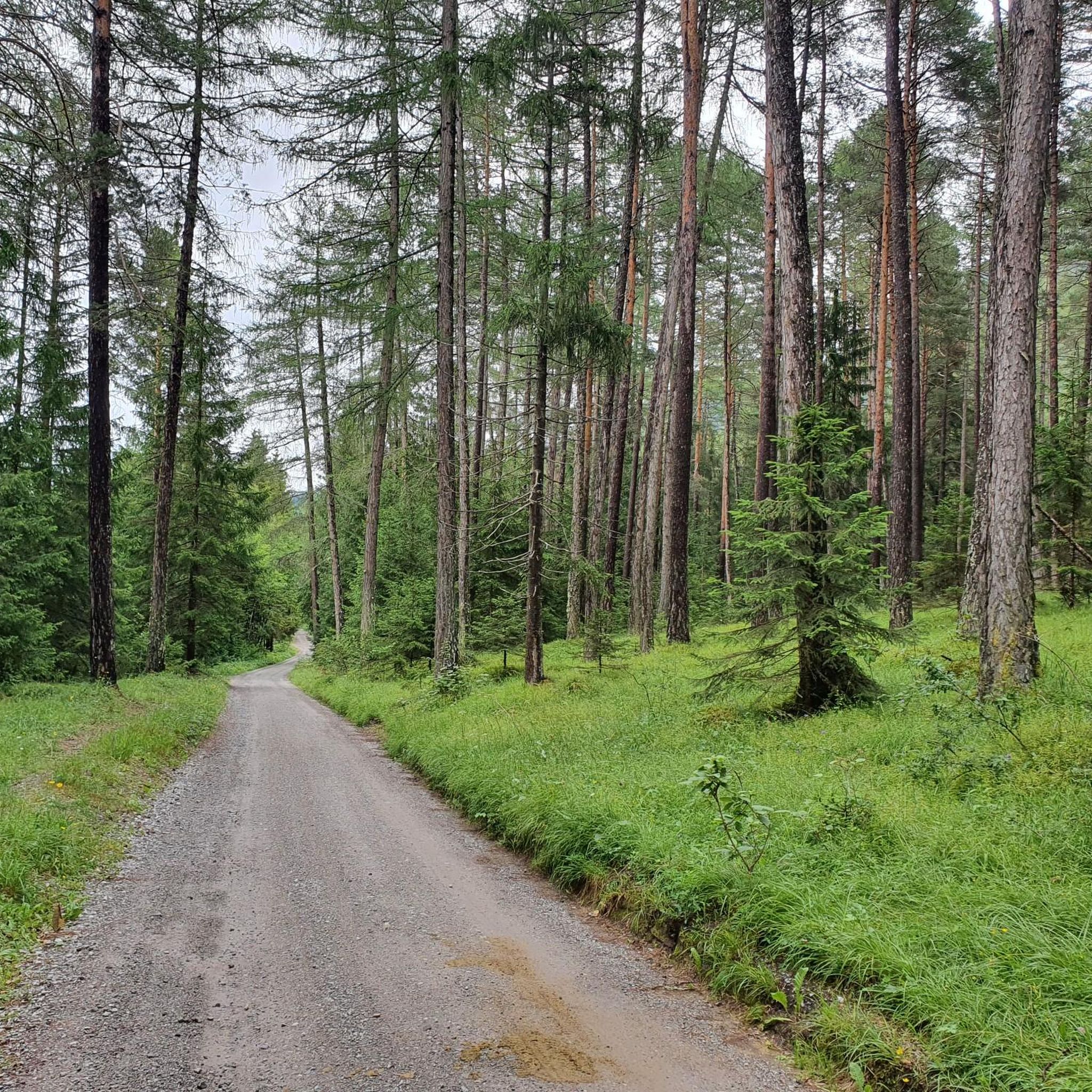
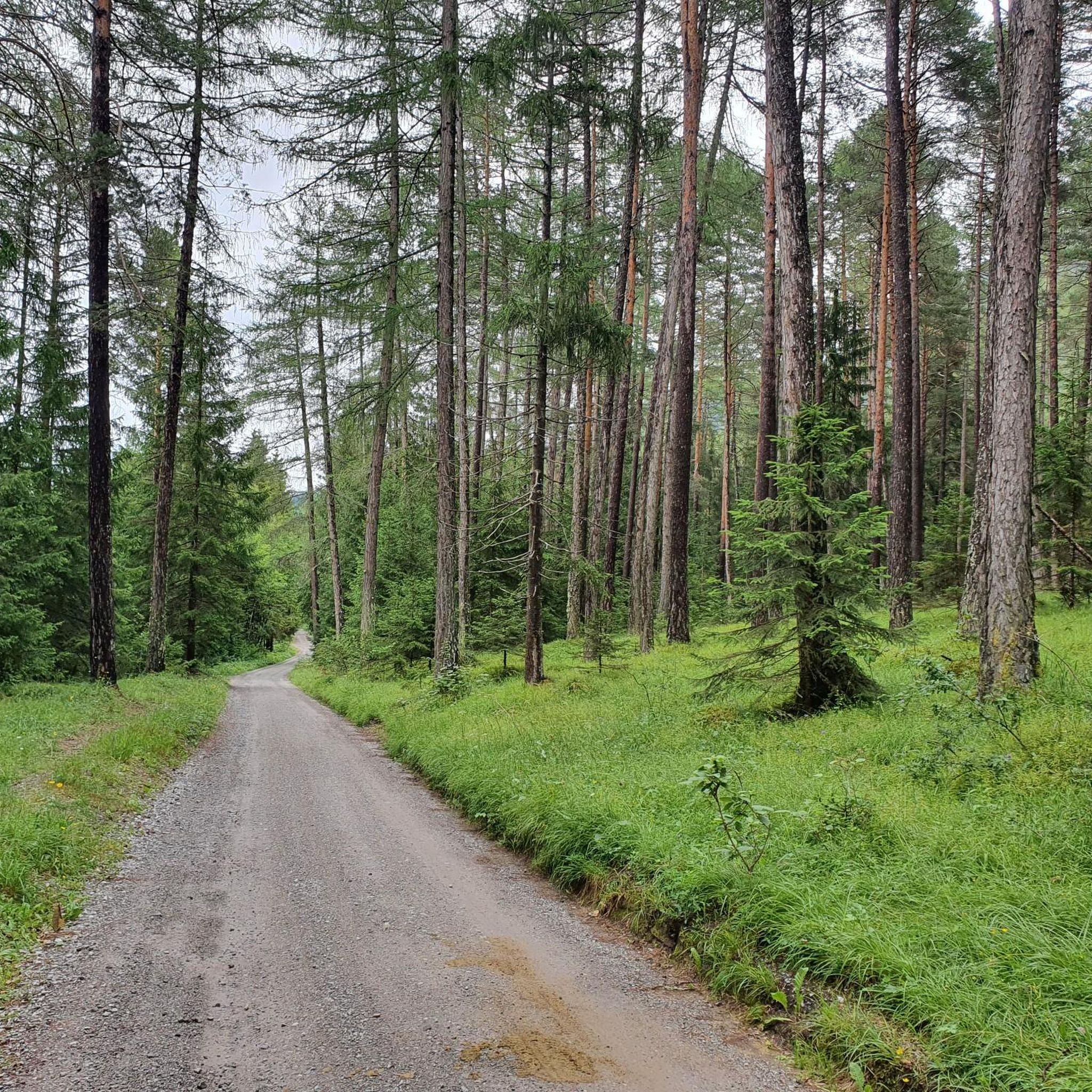
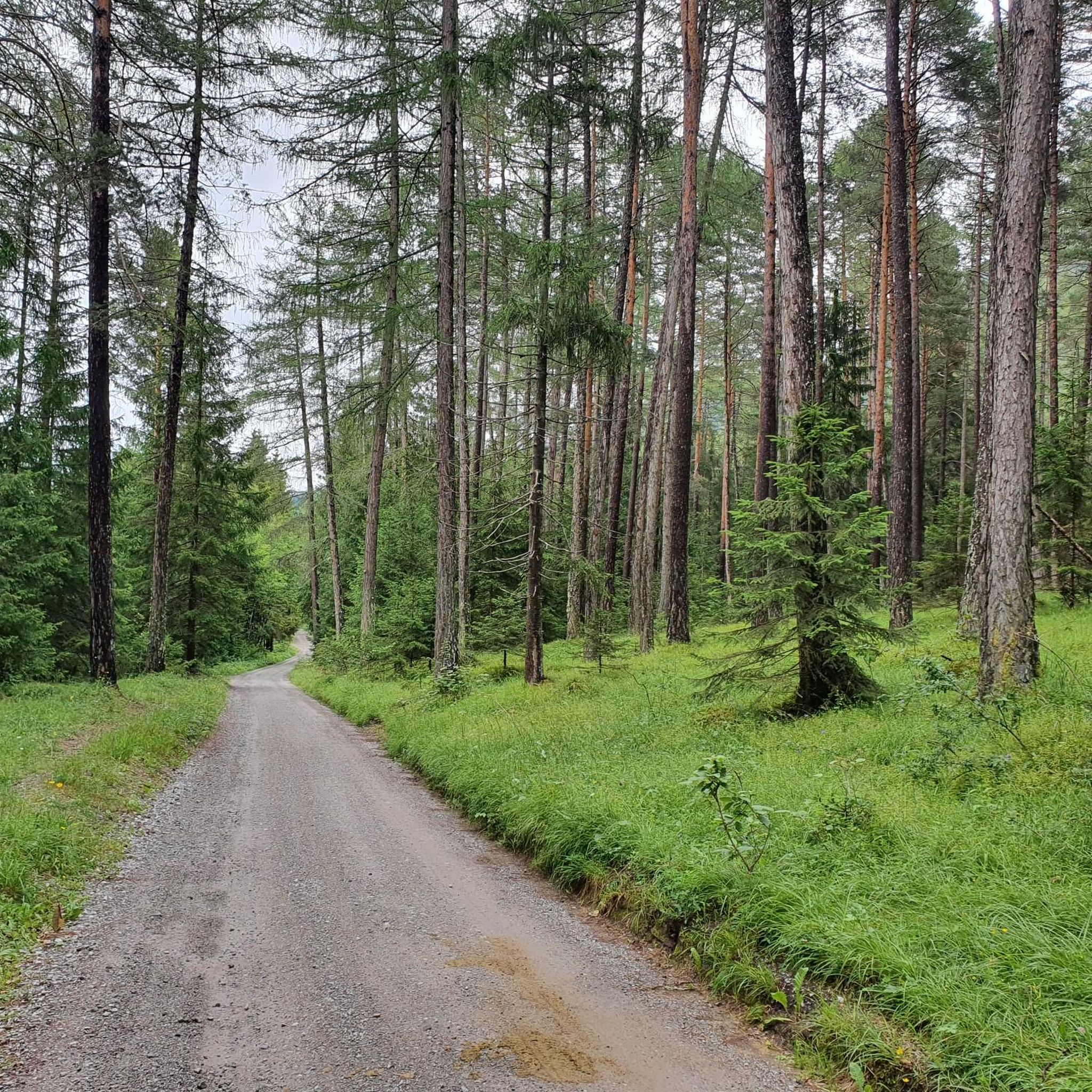
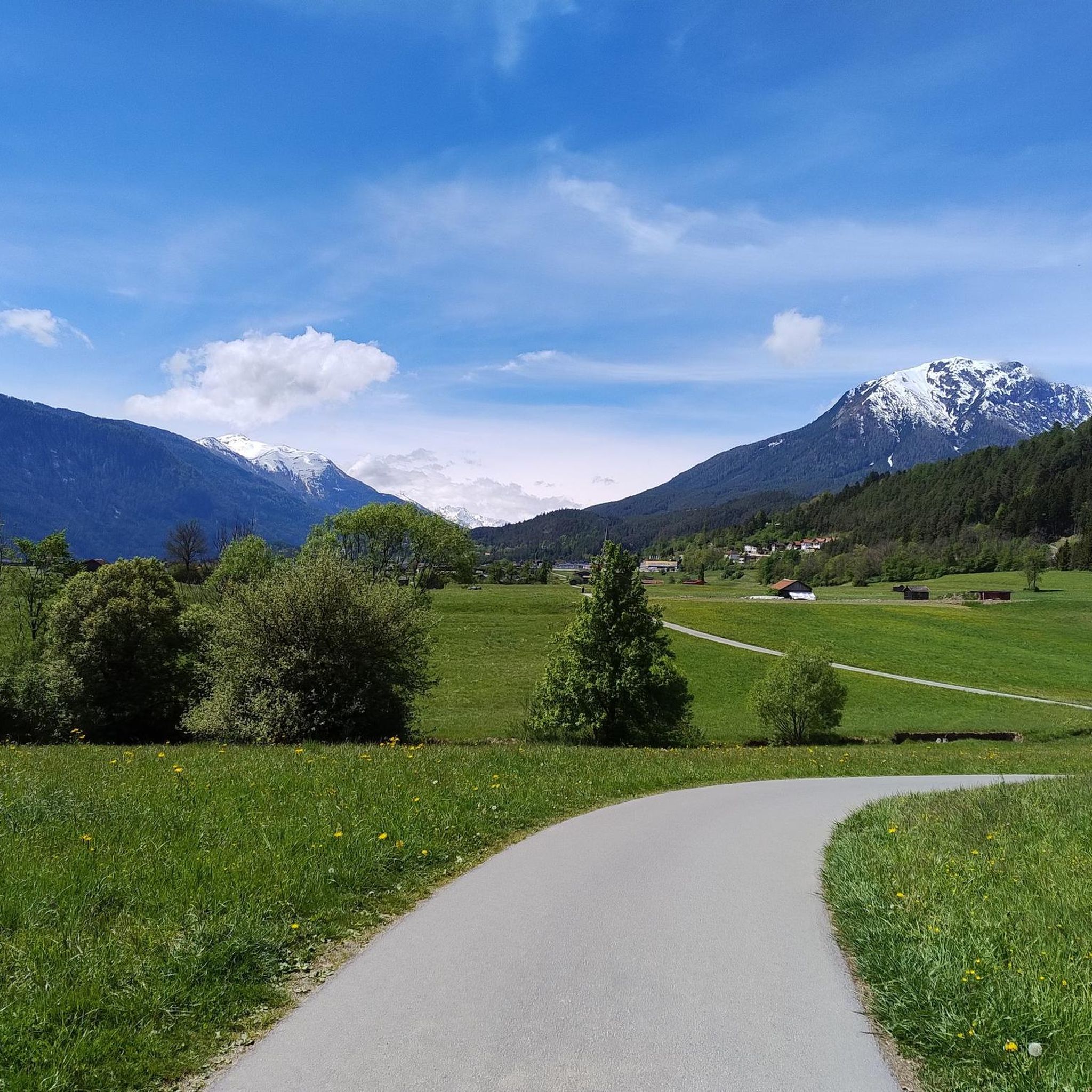
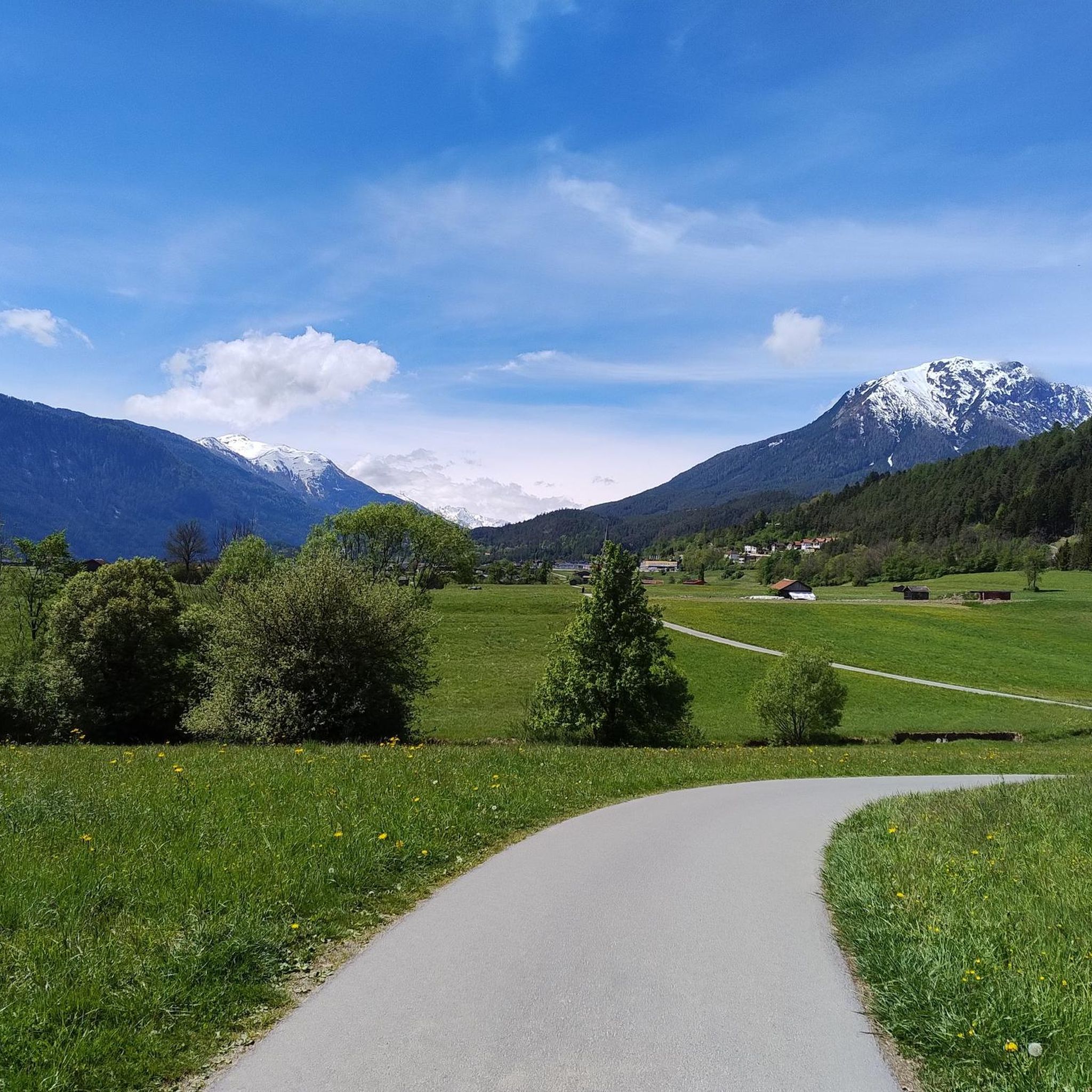
Other adventures around Tarrenz

Tips from the Community

If it's too hot in summer, put it in the fridge ;)
0
0

The special thing about the Blue Grotto is the story of its creation: 2000 years ago, in Roman times, people were working diligently here and searching for silver-containing galena. The geologist Peter Gstrein suspects that the fire-setting method was already being used for mining in the first centuries after the birth of Christ; The rock's rock became brittle due to the heating and could therefore be chipped away more easily. This is how the Blue Grotto was created, which is probably unique in Tyrol. The blue grotto is located at the end of the Rosengartenschlucht just before the hiking trail arrives in Hoch-Imst. In the opposite direction from Hoch-Imst, the Blue Grotto can be reached in less than 10 minutes. Imst.at
5
0

Really great in the summer
0
0

The name is program
1
0

On the way to the Karröster Alm, you will pass small caves on the wooded mountain slope of the Tschirgant. Don't forget the flashlight!
2
0

A little above the gorge - almost a bit hidden. Duck your head!
5
0

A cool little cave, with a partially low ceiling, which can only be passed through in the duck alley.
4
0

Frequently Asked Questions
What types of caves can I explore around Tarrenz?
The region around Tarrenz offers a variety of underground experiences, including natural caves, historical mine tunnels, and ice caves. You can find everything from ancient archaeological sites to impressive ice formations and accessible tunnels.
Are there any historical caves or tunnels near Tarrenz?
Yes, the area has significant historical sites. The Blue Grotto in Rosengarten Gorge was formed by Roman mining activities in search of silver-containing galena. Additionally, the Old Mine Tunnel provides insights into past mining operations. Further afield, the Tischofer Cave near Kufstein is historically significant for its Stone Age bone finds and served as a hideaway during the Napoleonic Wars.
Which caves are suitable for families with children?
The Blue Grotto in Rosengarten Gorge is often described as exciting for children. For an interactive experience, the Hexenhöhle (Witch's Cave) in the Ötztaler Alpen is part of a Geo and Animal Educational Trail, offering a fun puzzle and information walk designed for kids.
Are there any ice caves in the Tyrol region near Tarrenz?
Yes, the region features several ice caves. The Ice Cellar in the Achstürze-Piburger See Conservation Area maintains a consistently cold temperature, offering a cool environment even in summer. Other notable ice caves include the Obstans Ice Cave in the Hochpustertal valley and the Hundalm Ice Cave near Angerberg, both known for their unique ice formations.
What is the best time to visit the caves around Tarrenz?
Many caves, especially ice caves like the Obstans Ice Cave, are best explored during summer with guided tours, offering a refreshing experience on hot days. The Ice Cellar is also particularly pleasant when it's warm outside. For other caves, check specific opening times, as some may be seasonal.
What should I wear or bring when exploring caves in the area?
Even in summer, caves can be cold and wet. It's advisable to bring warm clothing and sturdy, waterproof shoes. For tunnels like the Gallruth Tunnel Entrance or the Tschirgant Caves, a flashlight is essential as it can be dark inside.
Are there any show caves or guided tours available?
The Spannagel Cave, located on the Hintertux Glacier, is recognized as the highest show cave in Europe. It offers guided tours, with some sections allowing visitors to explore parts usually reserved for speleologists. For other caves, accessibility varies, and some may require self-exploration.
What outdoor activities can I combine with a visit to the caves?
The Tarrenz area is excellent for hiking. You can find various routes, from easy walks to challenging mountain hikes. For example, the easy hikes around Tarrenz include routes like the Salvesen Gorge. For more challenging options, explore the mountain hikes around Tarrenz, which might lead you past features like the Tschirgant Caves.
Are there any easily accessible caves or tunnels for beginners?
The Gallruth Tunnel Entrance in the Ötztaler Alpen is described as a 'real adventure' that is easy to walk, though it requires a flashlight and good shoes due to potential wetness. The Tischofer Cave near Kufstein is also freely accessible, offering a straightforward visit.
Do I need permits for caving or exploring tunnels in the Tarrenz region?
For general public access caves and tunnels mentioned, specific permits are typically not required. However, for more advanced or restricted caving activities, especially in undeveloped systems, it's always best to check with local authorities or guided tour operators for any necessary regulations or permits.
What unique geological features can be found in the caves around Tarrenz?
The Spannagel Cave is distinguished by its unique marble vein, a geological rarity in the Alps. Ice caves like the Obstans Ice Cave and Hundalm Ice Cave showcase various ice formations and dripstones, offering insights into unique ice geology. Other caves, like the Blue Grotto, highlight the impact of historical human activity on geological formations.
Most popular routes around Tarrenz
Most popular attractions around Tarrenz

Get inspired with the komoot mobile app


Explore more
Extend your search for the best caves by checking out these guides of the top ones around Tarrenz:
