Top 8 Castles around Ruden
Castles around Ruden, a municipality in Carinthia, Austria, offer glimpses into the region's rich past. This area is known for its historical castles, many of which are situated on prominent natural features like rocky outcrops or overlooking river confluences. The landscape provides a backdrop for exploring medieval architecture and understanding the historical significance of these strongholds. Ruden's location in Carinthia makes it a point of interest for those seeking historical sites within a natural setting.
Best castles around Ruden
- The…
Last updated: September 29, 2026
Neudenstein Castle
Highlight • Castle
wehrbauten.at/ktn/kaernten.html?/ktn/neudenstein/neudenstein.html
Translated by Google •
Tip by

Schloss Elberstein
Highlight • Castle
Showing Translation
Tip by

Sign up now to discover places like this
Get recommendations on the best single tracks, peaks, & plenty of other exciting outdoor places.
Rabenstein Castle Ruins
Highlight • Castle
Translated by Google •
Tip by

Weißenegg Castle
Highlight • Castle
Translated by Google •
Tip by

Griffen Castle Ruins
Highlight • Castle
Translated by Google •
Tip by

Sign up for free to discover even more castles around Ruden.
Already have an account?
Start today with a free account
Your next adventure awaits.
Tips from the Community


Beautiful view over Griffen and the surrounding area.
1
0

Schloss Elberstein Fairy-tale castle built by oneself: Some build a house, others a castle. Ludmilla and Johann Elbe from Globasnitz show how to get a sweet castle with a coat of arms and a resounding name, even without millions in the bank.
2
0

Rabenstein Castle was built in the 12th century to protect the St. Paul Monastery in the Lavanttal. After a fire in 1636 it fell into disrepair, so that today only ruins can be seen.
4
0
At the entrance to the stalactite cave you will find a sign describing all three ascent options to Griffen Castle
1
0
There were a total of four castles with the name Weißenegg in the Austrian provinces, of which the castle near Ruden was probably the ancestral castle of the Weißeneggers. The oldest known descendant of the Weißenegger family is said to have been Wülfing von Wizzeneck, who is said to have lived around 1120. The castle was first mentioned in a document in 1243 as dominus de Wizenekke. Dietmar von Weißenegg, a ministerial of the diocese of Bamberg, appears several times in documents between 1244 and 1263. In the 13th and 14th centuries, the Weißeneggers were an important noble family in Carinthia, they provided several bishops and were also active in the military. From the year 1300 Weißenegg was the seat of a district court, which also included Ruden. In 1332 the property was sold to the Lords of Walsee. Eberhard von Walsee († 1363), who had no descendants, inherited the castle and dominion from his cousins Ulrich and Hermann I von Cilli. The Counts of Cilli stayed on Weißenegg until 1425, then Hermann II von Cilli exchanged Weißenegg and Hartneidstein with the bishopric of Bamberg for the lordship of Mauthenberg (Hohenmauthen/Muta). Weißenegg remained in Bamberg until 1759, when the diocese sold its estates in Carinthia to the Austrian Empire. The castle was already deserted at this point. In 1775 Maximilian Thaddäus Freiherr von Egger acquired the castle, which from then on remained in the possession of his descendants for over a century. In 1885 the barons Ferdinand and Karl Helldorf bought the property, and in 1936 the extensive forests with the ruins passed to the Leitgeb family of industrialists from Kühnsdorf, who are still the owners today.
6
0
Fairytale castle, built by Ludmilla and carpenter Johann Elbe, in the middle of Globasnitz
1
0
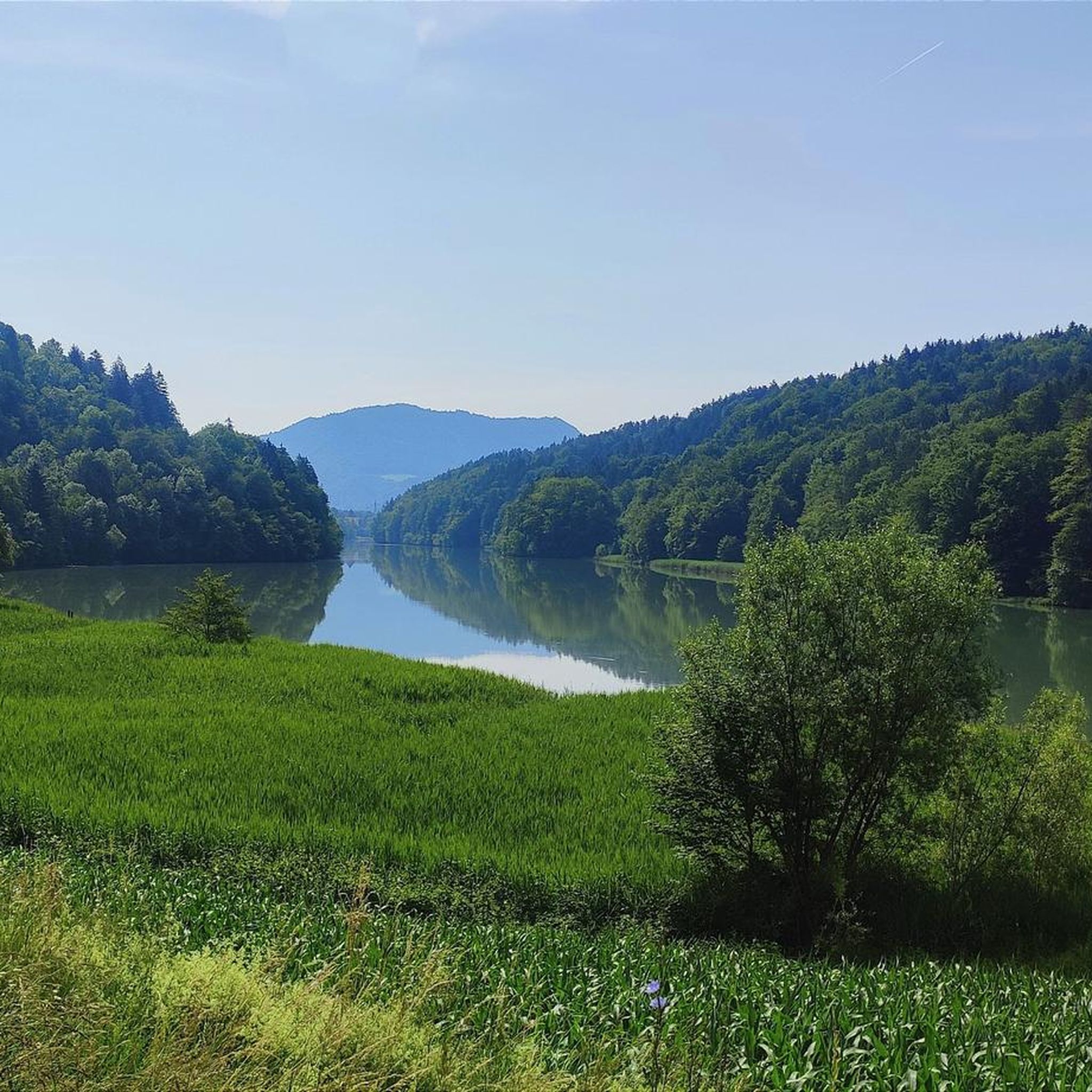
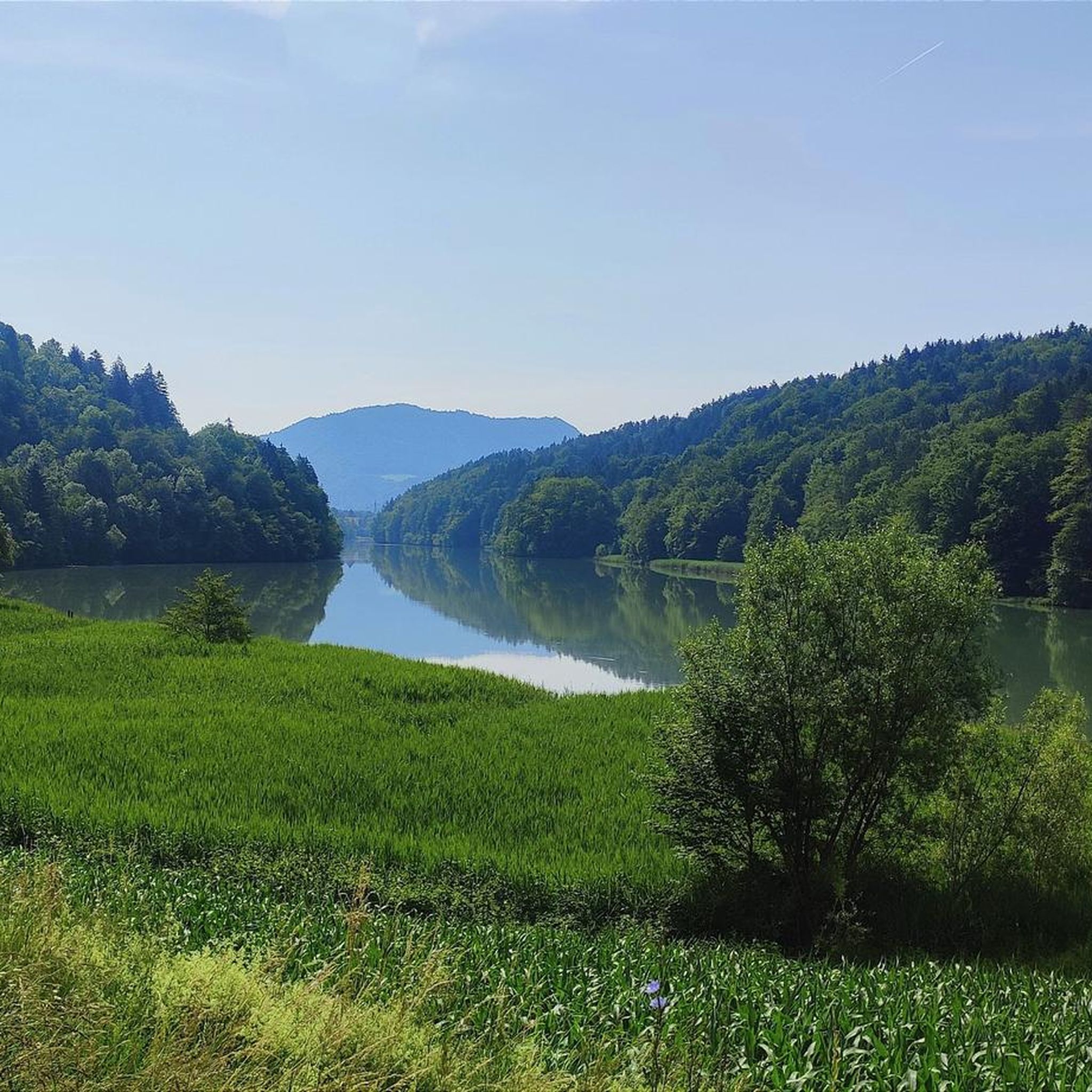
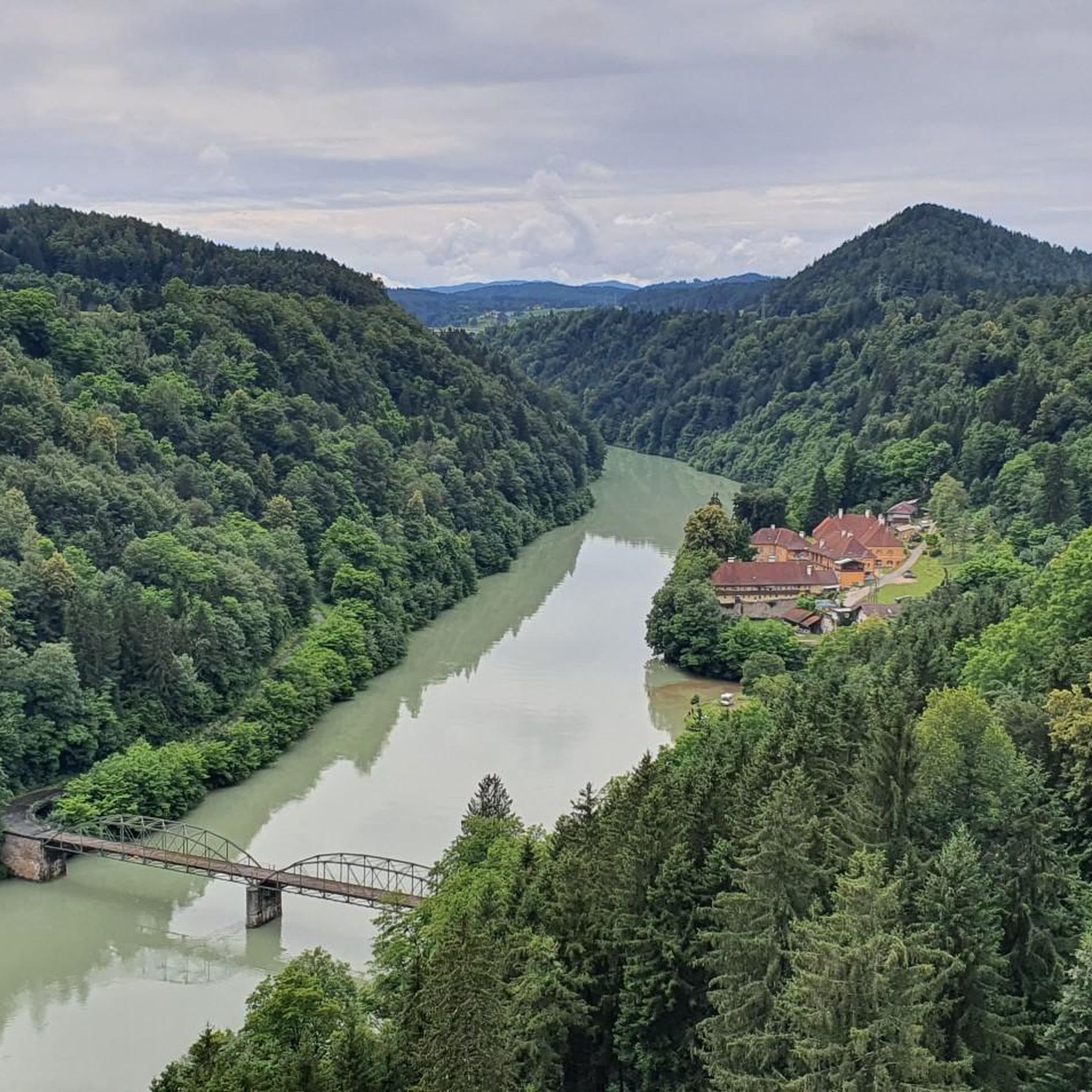
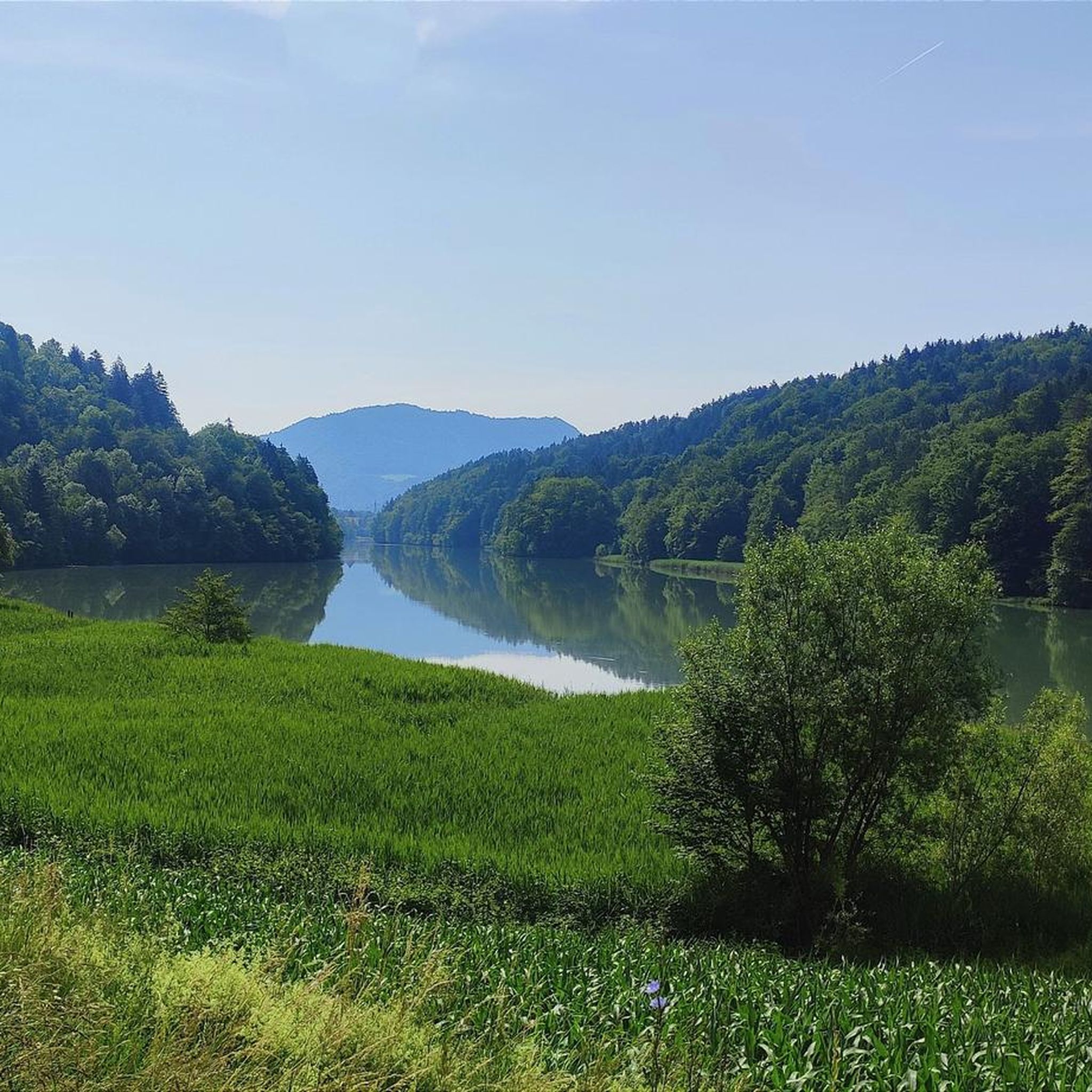
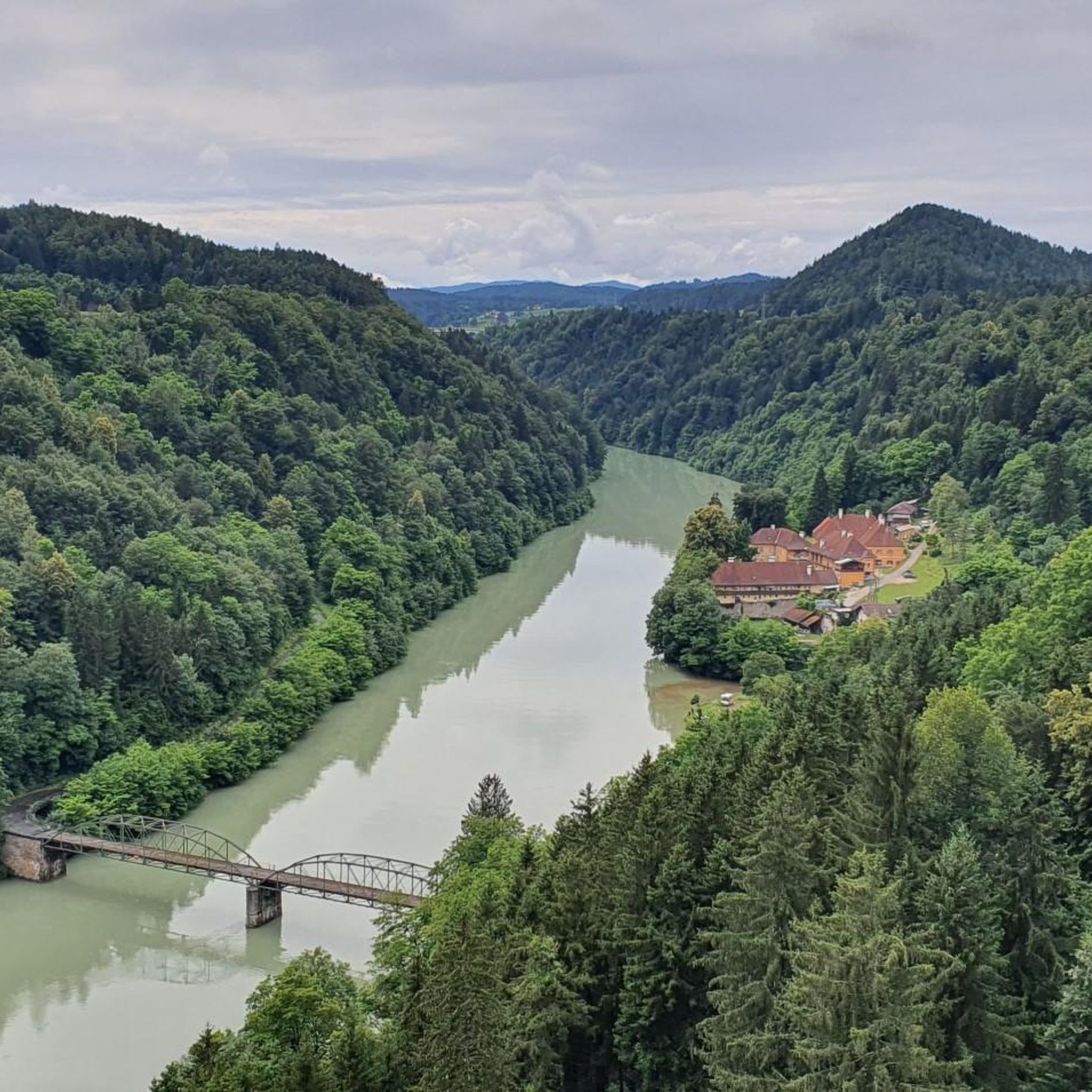
This castle is located high above the Drau - west of Völkermarkt - and allows a magnificent view of the immediate surroundings and the Karawanken. King Duke Heinrich allowed the Land Marshal Konrad von Aufenstein to build a castle in 1329, which was called "Neydenstein Castle" in old documents. It was later converted into a chateau on the spot, renovated in the 16th century and given a Baroque touch in the 17th century. The arcaded courtyard also dates from this period.
3
0
Frequently Asked Questions
What types of castles can I explore around Ruden?
The Ruden area offers a diverse range of castles, from medieval ruins like Rabenstein Castle Ruins and Burg Weißenegg, which provide insights into the region's historical significance, to unique, artist-built creations such as Schloss Elberstein. You can also find well-preserved structures with Baroque and Biedermeier influences, like Schloss Lippitzbach.
Which castles around Ruden are suitable for families?
Schloss Elberstein is particularly family-friendly. This 'fairytale castle,' built by a local artist, offers a unique and engaging experience for visitors of all ages with its elaborate design and numerous paintings.
Are there castles around Ruden that offer scenic views?
Yes, several castles provide excellent views. Rabenstein Castle Ruins offers unique views from its walls. Neudenstein Castle, known as the 'Black Castle,' stands on a rock cone above the Völkermarkt reservoir, providing a historical landmark above the Drau cycle path. Burg Weißenegg, a partially ruined spur castle, also offers scenic views over the Griffener Tal.
What outdoor activities can I do near these castles?
The area around Ruden's castles is great for outdoor enthusiasts. You can find numerous hiking trails, such as easy hikes around Griffen Castle Ruins, or explore the region by mountain bike or road bike. For more details on routes, you can check out the easy hikes around Ruden, MTB trails around Ruden, and road cycling routes around Ruden guides.
Which castles offer a good introduction to the region's history?
For a deep dive into the region's past, Rabenstein Castle Ruins, built in the 12th century to protect St. Paul Monastery, is an excellent choice. Burg Weißenegg, with its origins in the 12th century and its role as the ancestral seat of the influential Weißenegger family, also provides a fascinating historical experience. Schloss Lippitzbach showcases a blend of Baroque and Biedermeier styles, reflecting different historical periods.
When is the best time to visit the castles around Ruden?
While many castles can be visited year-round, exploring ruins like Burg Weißenegg might be more comfortable outside of peak summer months, as access can become overgrown. Spring and autumn generally offer pleasant weather for exploring both indoor and outdoor castle sites.
Are there any unique or 'hidden gem' castles in the Ruden area?
Schloss Elberstein stands out as a unique 'fairytale castle' that was elaborately designed and self-built by a local artist over decades. It's a true hidden gem showcasing an individual's passion and creativity.
Can I find food or accommodation near the castles?
Near Rabenstein Castle Ruins, you'll find the Rabensteiner Inn, where you can dine and even stay overnight. Schloss Lippitzbach has also served as an accommodation, known for its attentive service and historic setting, and hosts cultural events.
What are the main historical features of Burg Weißenegg?
Burg Weißenegg, first mentioned in 1243, was the ancestral seat of the powerful Weißenegger family. Significant parts of the complex remain, including a 13th-century round tower with thick walls and a 16th-century main castle. It also served as a district court seat from 1300, offering a glimpse into medieval Carinthian life.
What makes Schloss Lippitzbach architecturally interesting?
Schloss Lippitzbach is notable for its blend of Baroque and Classicist-Biedermeier architectural styles, with its facade remaining unchanged since around 1820. Inside, it features a historicist wooden ceiling and stained-glass windows displaying coats of arms. A chapel and a neo-Gothic burial chapel further add to its architectural and historical appeal.
What is the significance of <a href="https://www.komoot.com/highlight/2571984" target="_blank" rel="noopener">Griffen Castle Ruins</a>?
Griffen Castle Ruins, built between 1124 and 1146 by the Bamberg prince-bishops, is a historical site located on a 130-meter high Schlossberg. Interestingly, inside this castle hill, you can also find the Griffener stalactite cave, making it a unique combination of history and natural wonder.
How many castles are highlighted in the Ruden area by the komoot community?
The komoot community has appreciated the castles around Ruden, with 147 upvotes and 24 photos shared by visitors across various castle highlights in the region.
Most popular routes around Ruden
Most popular attractions around Ruden

Get inspired with the komoot mobile app


Explore more
Looking for the best castles somewhere else? Discover other guides around Ruden:
