Top 4 Caves around Klausen-Leopoldsdorf
Best caves near Klausen-Leopoldsdorf are found within the broader Lower Austria region, as the immediate vicinity of Klausen-Leopoldsdorf primarily features landscapes suitable for hiking rather than extensive cave systems. The area is characterized by varied geological formations, with some parts having low sandstone content and others higher, which does not typically support large, publicly accessible karst caves. While the term "Klause" in the local context refers to historical dams, the surrounding region offers notable underground attractions. These natural features provide…
Last updated: May 13, 2026
Arnstein Cave
Highlight • Cave
Translated by Google •
Tip by

Arnstein Castle Ruins
Highlight • Castle
Translated by Google •
Tip by

Sign up now to discover places like this
Get recommendations on the best single tracks, peaks, & plenty of other exciting outdoor places.
Sign up for free
Lourdes Grotto
Highlight • Religious Site
The Lourdes Grotto next to the Schüttkasten is becoming more and more a popular place of …
Translated by Google •
Tip by

Alland Stalactite Cave
Highlight • Cave
Translated by Google •
Tip by

Start today with a free account
Your next adventure awaits.
Login or Signup
Popular around Klausen-Leopoldsdorf
Tips from the Community

The Arnstein Castle was first mentioned in writing in 1170. The first castellan and builder of the complex was Wichard von Arnstein, who was the feudal lord of Hohen Lindkogel and Peilstein at that time. The von Arnstein family owned the castle until the 14th century.
1
0
Where Mary is venerated and prayed to, faith takes root and becomes alive and strong. Where Mary is loved, the Church is also loved.
0
0


Near the ruins of Arnstein Castle on a steep rock there are several caves such as the Burghöhle and the Schnattihöhle.
5
1


The stalactite cave is closed until further notice!!!
0
0

On the 561 meter high Arnstein, in the dense forest, you can discover the remains of Arnstein Castle, which was built in the 12th century. After it was destroyed during the Turkish siege in 1529, the complex was partially rebuilt and changed hands several times. Since 1955, the ruins have been managed by the Austrian Federal Forests. A detour to the Arnsteinnadel rock formation is also worthwhile.
1
0

Frequently Asked Questions
What types of caves can I explore near Klausen-Leopoldsdorf?
Near Klausen-Leopoldsdorf, you can find a variety of underground formations. These include dripstone caves with impressive formations, historical caves with archaeological significance, and grottoes that serve as places for reflection. The region offers diverse experiences for exploration.
Are there any caves with historical or archaeological significance?
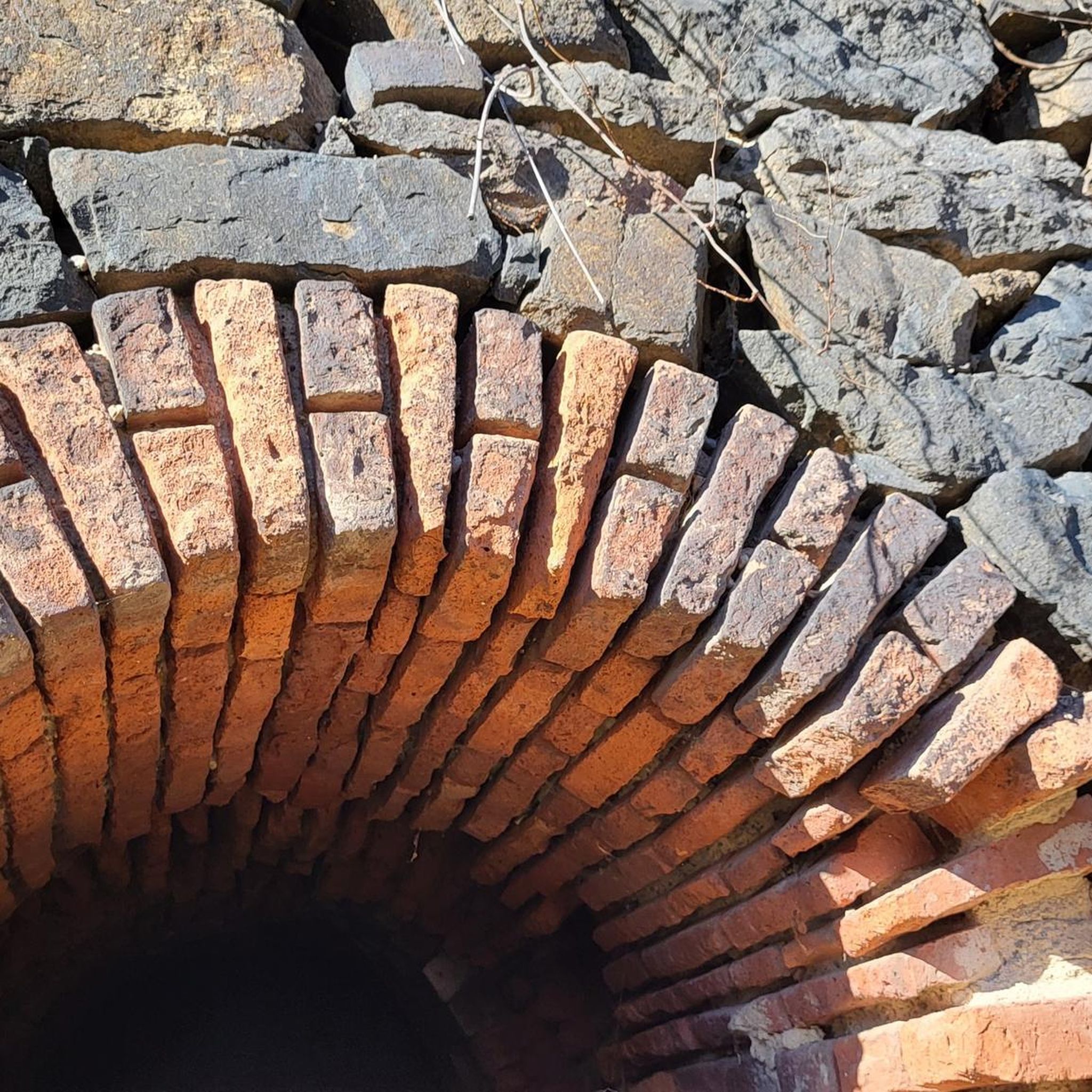
Yes, the Arnstein Cave is a notable example. Located below castle ruins, this 128-meter-long cave was historically used as stables and has yielded archaeological finds, including bones of cave bears and hyenas. Remnants of former masonry can still be seen at its entrance.
Which caves feature impressive stalactite and stalagmite formations?
The Alland Stalactite Cave is a natural monument known for its impressive formations. In the wider Lower Austria region, the Ötscher Tropfsteinhöhle also offers a more accessible experience with its stalactites and stalagmites, featuring creatively named passages like 'Lachmonster' and 'Planet der Affen'.
Are there any family-friendly caves to visit?
The Lourdes Grotto is considered family-friendly, offering a quiet place for reflection. For other caves, it's advisable to check specific visitor information regarding accessibility and tour difficulty, as some may involve more challenging terrain.
What are the most popular caves in the broader Lower Austria region?
Beyond the immediate vicinity of Klausen-Leopoldsdorf, the broader Lower Austria region boasts several impressive caves. These include the extensive Ötscher-Höhlensystem, the Nixhöhle in Frankenfels, the Hermannshöhle in Kirchberg am Wechsel, and the Einhorn-Tropfsteinhöhle in Dreistetten. Each offers unique features and experiences.
What should I wear when visiting caves in this region?
When visiting caves, it's generally recommended to wear sturdy footwear suitable for uneven terrain and clothing that can keep you warm, as cave temperatures are often cool regardless of the outside weather. A helmet and flashlight are also recommended for some cave explorations, such as the Arnstein Cave.
Can I combine a cave visit with other outdoor activities?
Absolutely. The area around Klausen-Leopoldsdorf is known for its outdoor opportunities. You can find various MTB trails, running trails, and cycling routes. Many of these routes pass through natural landscapes, offering a chance to enjoy the region's beauty before or after exploring a cave.
What is the best time of year to visit caves near Klausen-Leopoldsdorf?
Caves generally maintain a consistent temperature year-round, making them suitable for visits in most seasons. However, access roads or surrounding hiking trails might be more pleasant during spring, summer, or autumn. Always check specific cave opening hours, as some may have seasonal closures.
Are there any religious or spiritual sites among the caves?
Yes, the Lourdes Grotto is a cave-like formation that serves as a quiet place for reflection and has become a popular pilgrimage site. It offers a spiritual experience distinct from other natural caves.
What do visitors appreciate most about the caves in this region?
Visitors frequently appreciate the unique natural beauty and geological formations, such as those found in the Alland Stalactite Cave. The historical significance of places like the Arnstein Cave and the peaceful atmosphere of the Lourdes Grotto are also highly valued. The komoot community has contributed 262 photos and 237 upvotes, highlighting the appeal of these sites.
Are there any caves that are particularly challenging for exploration?
While the Ötscher-Höhlensystem is the longest and deepest in Lower Austria, much of its system, particularly the Geldloch and Taubenloch entrances, is restricted to scientific exploration. For publicly accessible caves, the level of challenge varies, with some requiring more strenuous hiking to reach or navigate. The Arnstein Cave, for instance, is located below castle ruins and its surrounding area is used as a climbing training ground.
Most popular routes around Klausen-Leopoldsdorf
Most popular attractions around Klausen-Leopoldsdorf

Get inspired with the komoot mobile app


Explore more
Extend your search for the best caves by checking out these guides of the top ones around Klausen-Leopoldsdorf:
