Top 7 Castles around Wilfersdorf
Best castles around Wilfersdorf are situated in the Weinviertel region of Lower Austria. The area is characterized by rolling hills and historical estates. Wilfersdorf is home to Schloss Wilfersdorf, a significant historical site continuously owned by the Princely Family of Liechtenstein since 1436. The region offers a blend of historical architecture, cultural centers, and natural landscapes.
Best castles around Wilfersdorf
- The most popular castles is MAMUZ Castle Asparn/Zaya, a castle that offers interactive exhibitions and an archaeological open-air area. It presents 40,000 years of human history with original finds and replicas of past living environments.
- Another must-see spot is Wilfersdorf Castle, a historical site and museum. Visitors can learn about the history of the Liechtenstein family and explore the princely wine cellars.
- Visitors also love Nexing Castle and Muschelberg, a castle with a landscape garden and geological features. It features the Nexing Shell Hill, a collection of 12.5 to 13.5 million-year-old shells from the Sarmatian period.
- Wilfersdorf is known for historical castles, cultural exhibition centers, and estates with unique natural features. The region offers a variety of castles to see and explore, from ancient fortifications to renovated Baroque structures.
- The castles around Wilfersdorf are appreciated by the komoot community, with more than 80 upvotes and 65 photos shared.
Last updated: May 13, 2026
MAMUZ Castle Asparn/Zaya
Highlight • Castle
Translated by Google •
Tip by

Nexing Castle and Muschelberg
Highlight • Castle
Nexing Castle, built in the English Tudor style, is located in the middle of the rolling hills of the Weinviertel. Right behind it is a romantic landscape garden that was built in 1802. When the garden was created, there was an orangery and numerous flowers, shrubs and fruit. Since the interwar period, the complex has increasingly fallen into disrepair until the Urani family made the garden accessible to the public again. "You could still see the paths, but they were completely overgrown," remembers Peter Urani. Grotto-like rock parts and a bridge made of roughly hewn boulders are still preserved from the decorative structures.
The real attraction is the Nexing Shell Hill: a huge, approx. 12.5 to 13.5 million year old collection of shells from the Sarmatian period. "Geologists from faraway countries don't know Austria, but they do know Nexing," says Mr. Urani about the uniqueness. “A fossil wonder from a scientific point of view and worth seeing for all visitors!”
The dried-out pond landscape has also been revitalized and is now managed by Mr. Urani as a carp farm. Visitors can enjoy their specialties in the “Oase am Teich” inn. Pretty double rooms or camping options invite you to stay longer.
Attractions
Nexinger Muschelberg
Fish pond
Wildlife enclosure
“Oase am Teich” inn
Overnight accommodation
Duration of visit: as desired
Admission and prices: free
Translated by Google •
Tip by

Sign up now to discover places like this
Get recommendations on the best single tracks, peaks, & plenty of other exciting outdoor places.
Sign up for free
Hauskirchen Castle
Highlight • Castle
Story:
House churches were probably founded around 1100 by Hugo of Liechtenstein under the name "Hugeschirichen". It originally only consisted of a fortified building and a small church. In 1110 he also founded the associated parish. After 1142, Wichard von Stronsdorf from the Chadolde clan handed over the “Hugeschirchen” estate to Klosterneuburg Abbey. According to Dopsch, the name "Hugo" contained in the place name could be identical to Hugo I of Liechtenstein, who was wealthy in the area and appears in documents several times between 1120 and 1243.
Around 1200, Gerbirgis von Eibesthal gave the monastery new ownership of house churches in the form of three and a half peasant fiefs. In 1312 Hermann von Eibesthal sold local property to the duke. In 1319 a “Frewe von Hauskirchen” appeared. In 1590, splinter ownership of various noble families can already be identified, including: Liechtenstein, Fünfkirchen and Joseph Gröbl. Hans Nußkircher named himself after the place in 1590. In 1599 the property passed to Hans Reinhard Ehrenreiter, who probably built the castle around 1602/03. The castle can probably only be seen as an indirect successor to the older seat. In 1838 Hauskirchen belonged to the Knights of Gyra, and in 1846 it belonged to Liechtenstein again.
Translated by Google •
Tip by

Walterskirchen Castle
Highlight • Castle
Translated by Google •
Tip by
Wilfersdorf Castle
Highlight • Castle
Translated by Google •
Tip by

Sign up for free to discover even more castles around Wilfersdorf.
Sign up for free
Already have an account?
Start today with a free account
Your next adventure awaits.
Login or Signup
Tips from the Community

A beautiful historical building
0
0

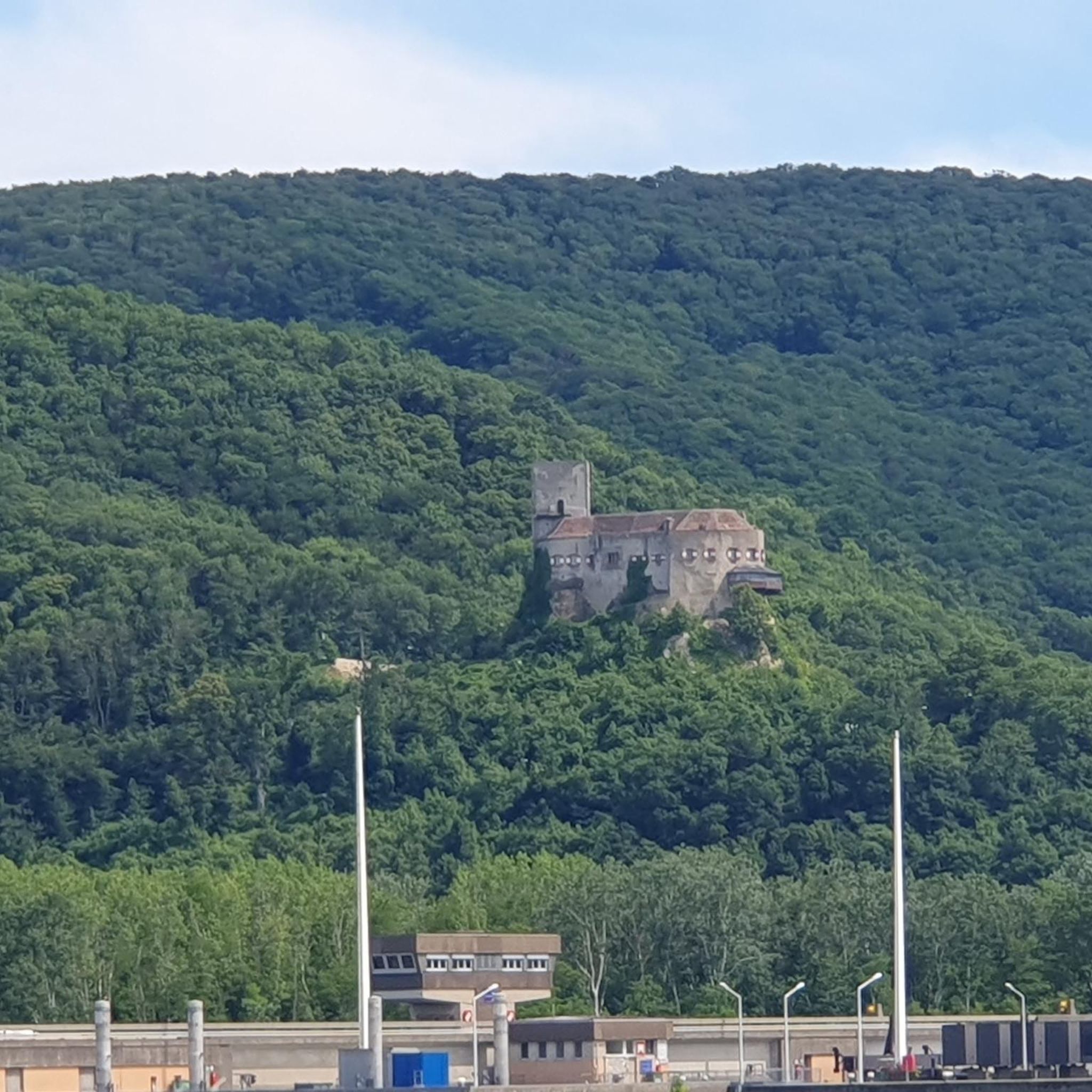
Hauskirchen Castle: This early Baroque castle, significantly altered over the centuries, originally formed a fortified complex together with the Hauskirchen parish church. Franz Anton Pilgram was involved in the planning of the elongated Baroque building of Prinzendorf Castle.
0
0

The community bought the castle in 1960 and sold it in 1967. The castle is now owned by several families. Story: House churches were probably founded around 1100 by Hugo of Liechtenstein under the name "Hugeschirichen". It originally only consisted of a fortified building and a small church. In 1110 he also founded the associated parish. After 1142, Wichard von Stronsdorf from the Chadolde clan handed over the “Hugeschirchen” estate to Klosterneuburg Abbey. According to Dopsch, the name "Hugo" contained in the place name could be identical to Hugo I of Liechtenstein, who was wealthy in the area and appears in documents several times between 1120 and 1243. Around 1200, Gerbirgis von Eibesthal gave the monastery new ownership of house churches in the form of three and a half peasant fiefs. In 1312 Hermann von Eibesthal sold local property to the duke. In 1319 a “Frewe von Hauskirchen” appeared. In 1590, splinter ownership of various noble families can already be identified, including: Liechtenstein, Fünfkirchen and Joseph Gröbl. Hans Nußkircher named himself after the place in 1590. In 1599 the property passed to Hans Reinhard Ehrenreiter, who probably built the castle around 1602/03. The castle can probably only be seen as an indirect successor to the older seat. In 1838 Hauskirchen belonged to the Knights of Gyra, and in 1846 it belonged to Liechtenstein again.
0
0

The castle has been in the possession of the Liechtenstein family since 1436 and is used to administer the princely estates in Lower Austria.
2
0
The castle is still owned by the Saxe-Coburg-Koháry family.
0
0
It is still owned by the Saxe-Coburg-Koháry family today.
0
0
The Mamuz is always worth a visit.
2
0
In the ancestral seat of the ruling family line, you will learn everything about the history of the Liechtenstein people and their origins in the Weinviertel.
2
0
Frequently Asked Questions
What is unique about Wilfersdorf Castle?
Wilfersdorf Castle has been continuously owned by the Princely Family of Liechtenstein since 1436. It serves as a cultural and exhibition center, housing a permanent multimedia exhibition on the Liechtenstein family's history. The castle is also known for its princely wine cellars, a vinotheque, and a traditional Austrian wine tavern.
Are there family-friendly activities at the castles around Wilfersdorf?
Yes, several castles offer family-friendly experiences. MAMUZ Castle Asparn/Zaya features interactive exhibitions and an archaeological open-air area with workshops. Wilfersdorf Castle has a spacious children's playground in the former moat and offers knight adventure programs for children's birthday parties. Nexing Castle and Muschelberg includes a wildlife enclosure.
Can I learn about the Liechtenstein family at Wilfersdorf Castle?
Absolutely. Wilfersdorf Castle, the ancestral seat of the ruling family line, hosts a permanent multimedia exhibition detailing the history of the Liechtenstein family and their origins in the Weinviertel region. You can explore their economic and cultural development through valuable exhibits.
Are there museums or exhibitions at the castles?
Yes, there are. MAMUZ Castle Asparn/Zaya offers interactive exhibitions and an archaeological open-air area showcasing 40,000 years of human history. Wilfersdorf Castle features a multimedia exhibition on the Liechtenstein family's history, and an adjoining building houses the Wilfersdorf National History Museum, covering local and regional history from the Cenozoic Era to the present.
What kind of natural or geological features can be found near the castles?
Near Nexing Castle and Muschelberg, you can discover the Nexing Shell Hill, a significant geological site with a collection of 12.5 to 13.5 million-year-old shells from the Sarmatian period. The castle also features a romantic landscape garden and a revitalized pond landscape.
Can I taste local wine at Wilfersdorf Castle?
Yes, Wilfersdorf Castle is home to princely wine cellars where a renowned white wine is produced. Visitors can explore the castle cellar, which includes a vinotheque and a traditional Austrian wine tavern ('Schlossheuriger') operating on weekends during the summer season, offering selections from local wineries and the Prince of Liechtenstein's court winery.
Are there hiking trails near the castles in Wilfersdorf?
Yes, there are several hiking opportunities around Wilfersdorf. You can find routes like the 'Hiking loop from Wilfersdorf' or the 'Schloss Wilfersdorf – Wilfersdorf Castle loop from Wilfersdorf'. For more options, explore the Hiking around Wilfersdorf guide.
What outdoor activities can I do near these castles?
Beyond visiting the castles, the region offers various outdoor activities. You can enjoy hiking on trails like the 'Kettlasbrunn Kellergasse – Baumkreis Cellar Kettlasbrunn loop'. For cycling enthusiasts, there are MTB trails and gravel biking routes available. Check out the Hiking around Wilfersdorf, MTB Trails around Wilfersdorf, and Gravel biking around Wilfersdorf guides for detailed routes.
Which castles offer interactive historical experiences?
MAMUZ Castle Asparn/Zaya is particularly known for its interactive approach to history. It features exhibitions and an archaeological open-air area with faithful replicas of past living environments and workshops where visitors can experience old craft techniques like spear throwing, archery, and pottery.
Can I rent spaces for events at Wilfersdorf Castle?
Yes, Wilfersdorf Castle offers its ballroom for rent, making it a suitable venue for weddings, seminars, and other celebrations. The ground floor also features a multi-purpose social hall for seminars and presentations.
What is the history of Hauskirchen Castle?
Hauskirchen Castle, an early Baroque structure, has a long history dating back to around 1100. Originally a fortified building, it was founded by Hugo of Liechtenstein. Over centuries, it changed ownership among various noble families, including the Liechtensteins again in 1846, and has been significantly altered.
Are there any castles with notable gardens or parks?
Yes, Nexing Castle and Muschelberg is set within a romantic landscape garden that was originally created in 1802. While it fell into disrepair, it has since been made accessible to the public again, featuring grotto-like rock parts and a bridge.
Most popular routes around Wilfersdorf
Most popular attractions around Wilfersdorf

Get inspired with the komoot mobile app


Explore more
Looking for the best castles somewhere else? Discover other guides around Wilfersdorf:
