Top 5 Lakes around Ravelsbach
Best lakes around Ravelsbach are found in a region primarily known for its wine culture and extensive hiking and cycling trails within the Schmidatal valley. Ravelsbach, a market town in Lower Austria, features a landscape characterized by vineyards and cultural heritage sites. While prominent natural lakes are not its primary feature, the area offers unique water bodies that complement the natural features and hiking trails. The region provides opportunities to explore its viticulture, landscapes, and cultural heritage.
Best lakes around…
Last updated: June 26, 2026
Libellenteich and Alte Kuh Boulder
Highlight • Natural Monument
Translated by Google •
Tip by

Forest Ponds
Highlight • Lake
Translated by Google •
Tip by

Sign up now to discover places like this
Get recommendations on the best single tracks, peaks, & plenty of other exciting outdoor places.
Sign up for free
Meeresauge
Highlight • Lake
According to legend, it is a remnant of …
Translated by Google •
Tip by

Felser Lake
Highlight • Lake
Translated by Google •
Tip by

Start today with a free account
Your next adventure awaits.
Login or Signup
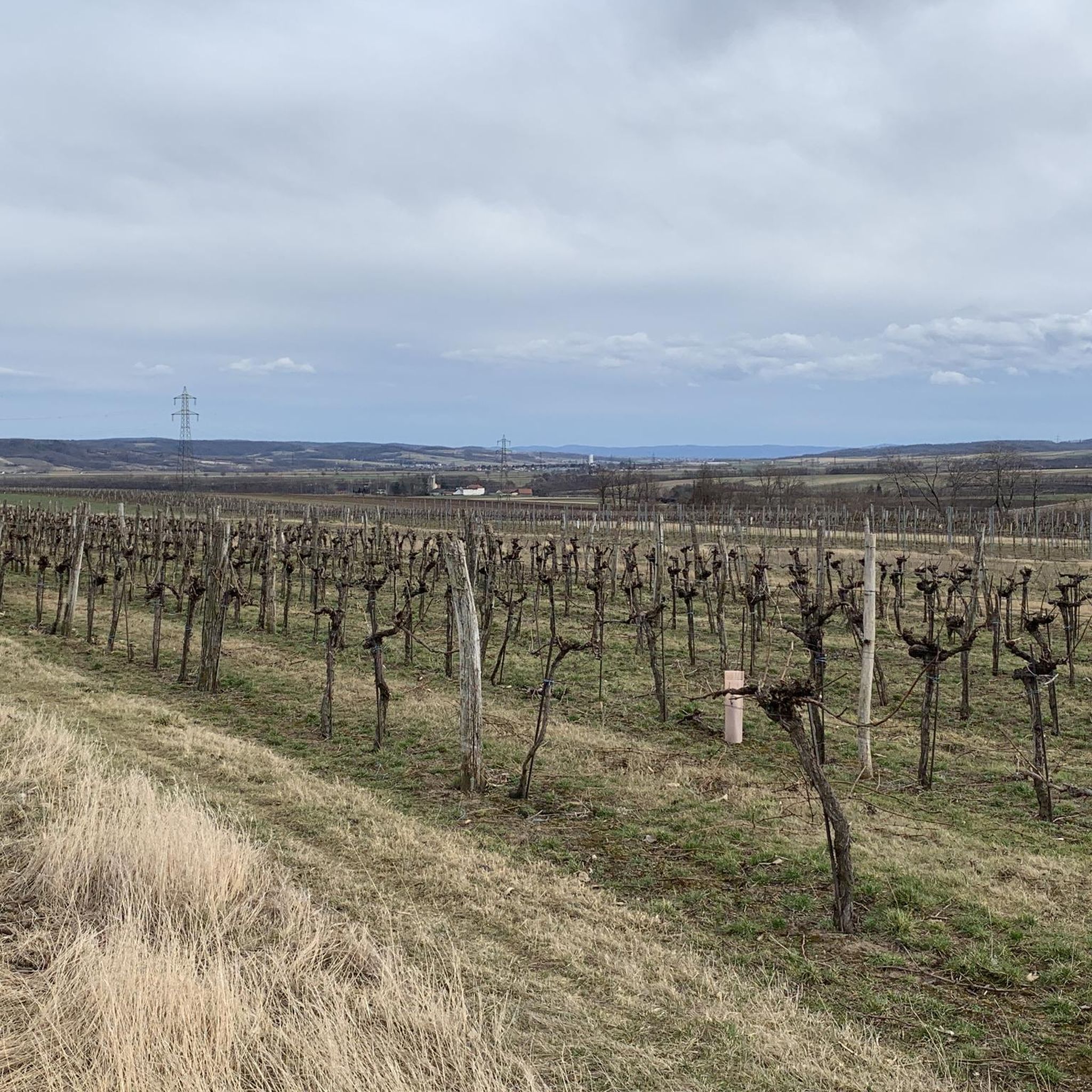
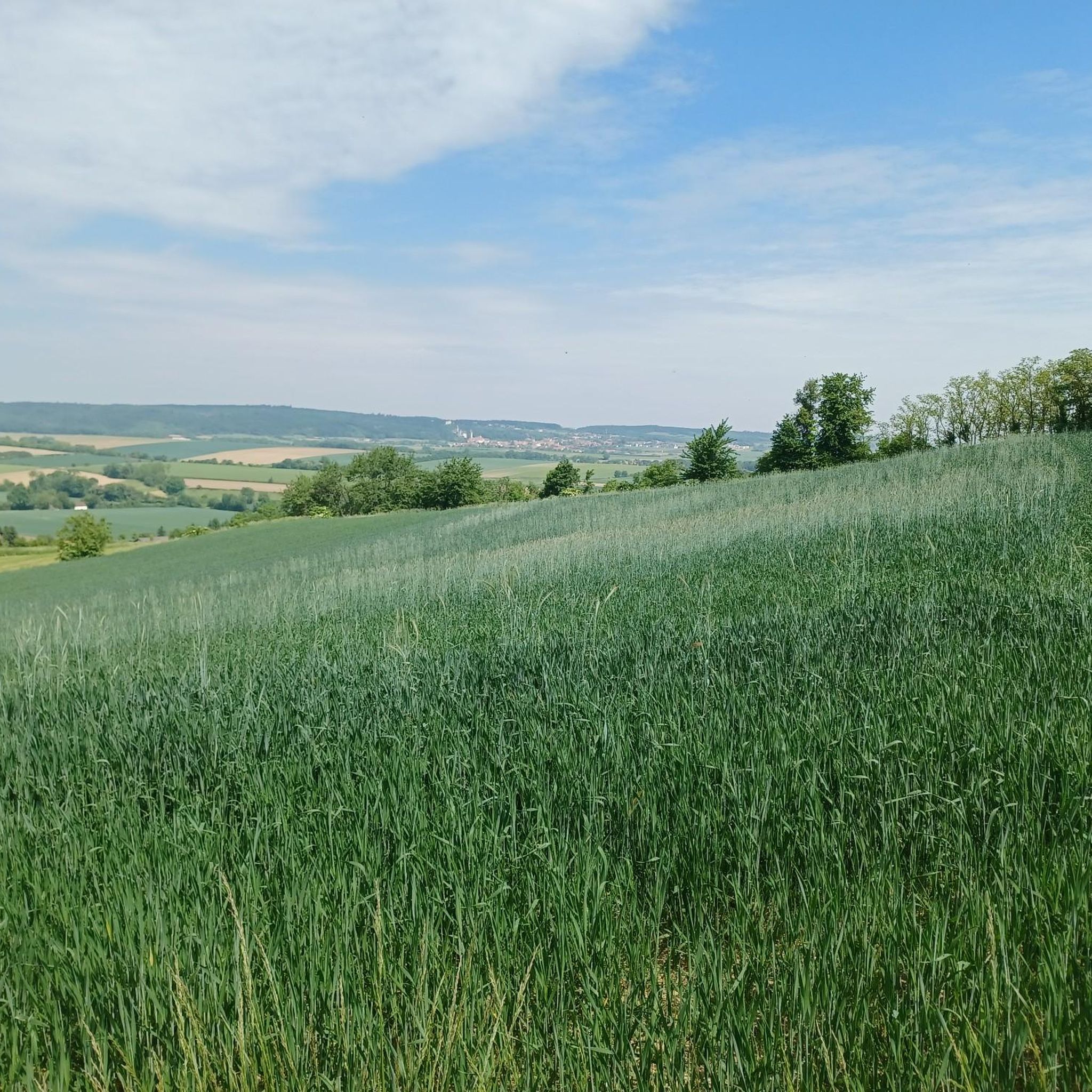
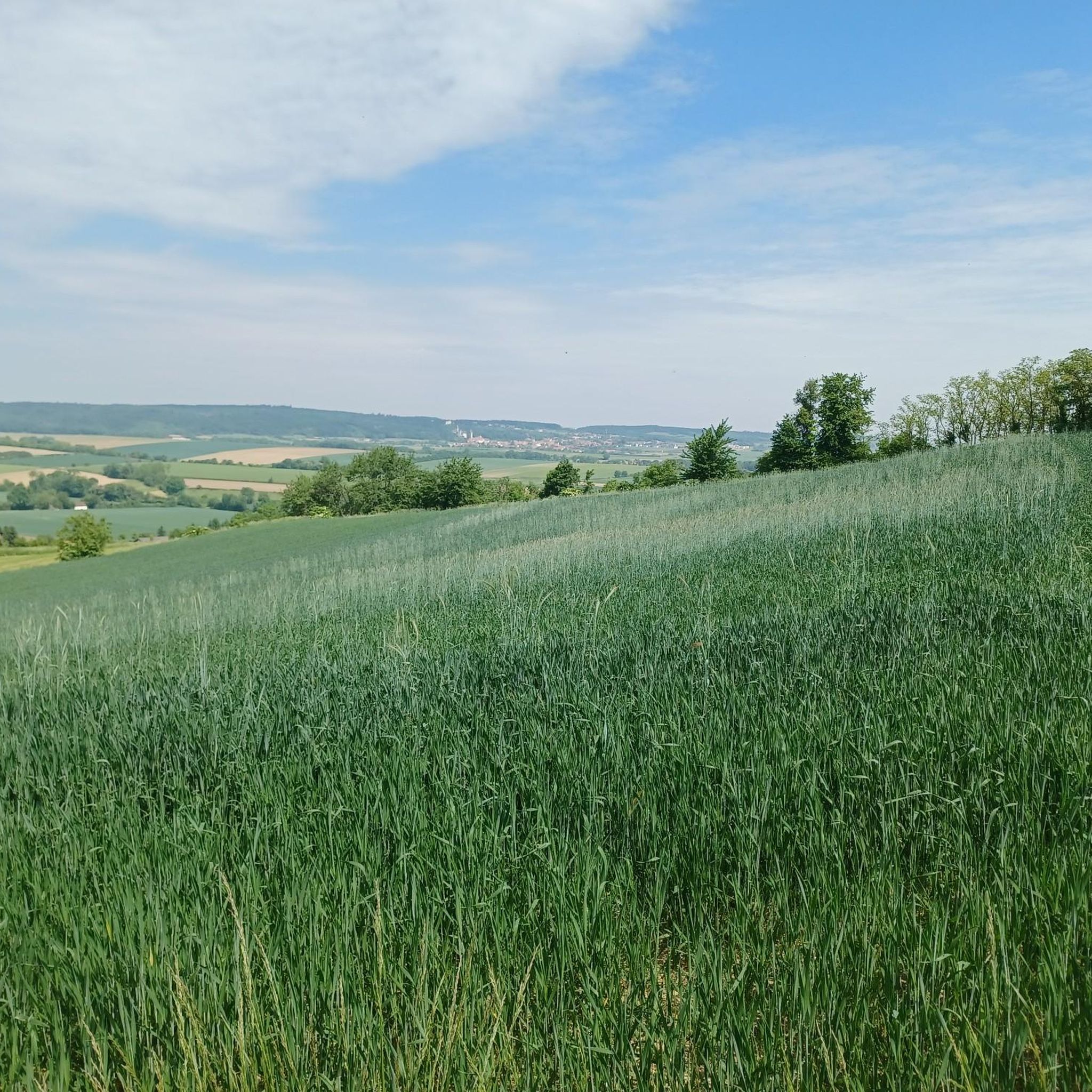
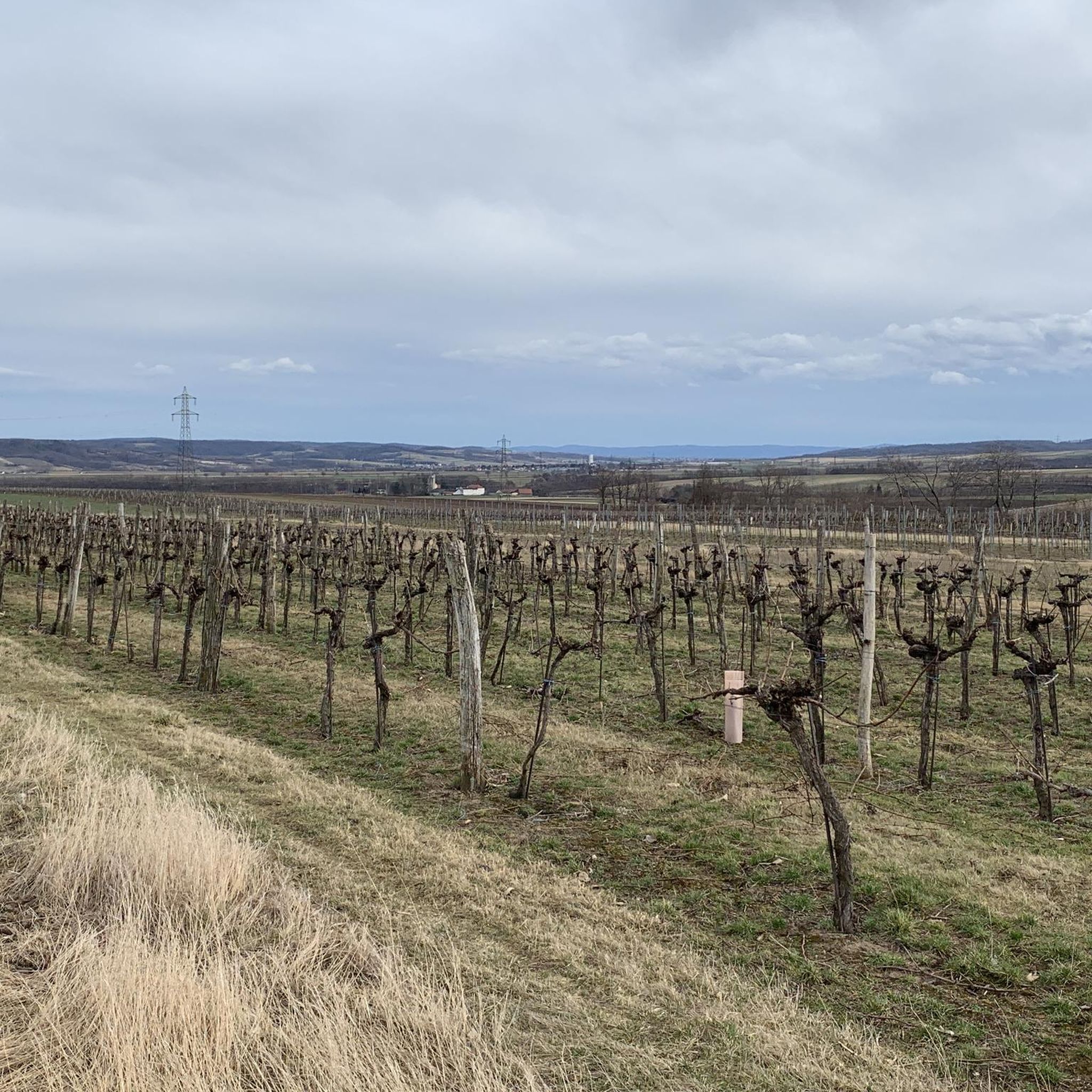

Tips from the Community

Beautiful ponds in the middle of the forest.
4
0

A very idyllic place!
0
0
The quarry pond is fed by a small inflow that dries up just before the lake. After gravel mining ended, it was used for fish farming. With the Seepark Thürnthal project, the neighboring properties around the lake were developed for private residential development in the 2000s. All of the shores are privately owned, which means that the lake has not been open to the public since then.
2
0

The Meeresauge is a watering hole embedded in a hollow in a steep rock cut. It is fed by a small spring. According to legend, it is a remnant of the primeval sea that covered the land here around 20 million years ago. (Source: information board on site) The nice little village can be reached via the Libellenteichweg - one of the hiking trails from Limberg.
0
0
The nature conservation project “Libellenteich” was built in 2003 by the Hengl company around the old rocking stone “Alte Kuh”. In 2004, the Hengl company received the nature conservation award for this.
0
0

Unfortunately, these ponds are next to forest roads and cycling is therefore prohibited
3
0

Two idyllic forest ponds that invite you to linger
2
0

The dragonfly pond was created in 2004 by the HENGL company as part of a nature conservation project called "Triangulum petrosum" as a place of power, local recreation area and retreat for endangered animal species at the natural monument "Alte Kuh". This complex is constantly being expanded, for example in 2010 with the statue of St. Thomas, in 2011 with a spacious stone table with benches and a reptile wall, in 2013 with afforestation. On the mystical area on the border between Weinviertel, Waldviertel and the municipal boundaries of Limberg, Staning and Burgschleinitz there is also the natural monument "Alte Kuh" - a mighty granite structure (Restling), which not only represents the border point of three municipalities, but also has energetic properties become.
1
0
Frequently Asked Questions
What kind of natural water features can I expect to find around Ravelsbach?
Ravelsbach is primarily known for its wine culture and landscapes, rather than large natural lakes. The region features unique water bodies such as natural ponds, forest ponds, and watering holes. These are often integrated into local hiking trails and serve as natural monuments or retreats for wildlife.
What are some of the most popular natural water features near Ravelsbach?
Among the most appreciated natural features are Libellenteich and Alte Kuh Boulder, a natural monument created as part of a nature conservation project. Another popular spot is Forest Ponds, offering two idyllic ponds in a natural setting. Visitors also enjoy Meeresauge, a watering hole fed by a small spring, accessible via hiking trails.
Are there any natural monuments or unique water features to explore?
Yes, the Libellenteich and Alte Kuh Boulder is a significant natural monument. The Libellenteich (dragonfly pond) was created as a local recreation area and a retreat for endangered animal species, constantly being expanded with features like a stone table and a reptile wall. The 'Alte Kuh' is a mighty granite structure with energetic properties, marking the border of three municipalities.
Can I swim in the natural water features around Ravelsbach?
The natural water features around Ravelsbach, such as the Libellenteich, Forest Ponds, and Meeresauge, are generally not designated for swimming. They are primarily valued for their natural beauty, ecological importance, and as part of hiking experiences. For swimming, you would need to look outside the immediate vicinity of Ravelsbach, as the region's focus is on viticulture and cultural landscapes.
Are the natural water features around Ravelsbach suitable for families?
Yes, some natural water features are considered family-friendly. For example, Libellenteich and Alte Kuh Boulder and the Forest Ponds are noted as family-friendly. They offer pleasant natural settings for walks and exploration, making them suitable for outings with children.
Are there hiking trails near these natural water features?
Yes, the natural water features are often integrated into the local trail network. For instance, the Meeresauge is accessible via hiking trails from Limberg. You can find various hiking opportunities in the region, including easy hikes around Ravelsbach, which can be explored further at Easy hikes around Ravelsbach.
Can I go cycling near the natural water features in Ravelsbach?
While some forest roads near the Forest Ponds prohibit cycling, the broader Ravelsbach region is well-known for its extensive cycling trails, including stages of the Riesling Wine Cycle Route. For mountain biking, you can explore trails around Ravelsbach, which are detailed in the guide MTB Trails around Ravelsbach.
What other outdoor activities are popular in the Ravelsbach region?
Beyond exploring the unique water features, the Ravelsbach region offers a rich array of outdoor activities. These include exploring picturesque wine cellar lanes, visiting traditional wineries, and enjoying extensive networks of hiking and cycling trails. The area's cultural heritage can also be discovered by following the Ravelsbach cultural trail.
What is the best time of year to visit the natural water features around Ravelsbach?
The Ravelsbach region, with its vineyards and natural features, is enjoyable throughout the warmer months. Spring and autumn are particularly pleasant for hiking and cycling, offering mild weather and beautiful scenery, especially during the grape harvest season. Summer provides lush greenery, though specific water activities are limited.
Are there any cultural or historical sites near these natural water features?
Yes, the region around Ravelsbach is rich in cultural and historical sites. The Ravelsbach Parish Church, built by Jakob Prandtauer, is a significant landmark. The area's wine culture, with its charming cellar lanes and traditional taverns, also offers a unique cultural experience. These cultural elements are often intertwined with the natural landscapes and trails.
What do visitors enjoy most about the natural water features in Ravelsbach?
Visitors particularly appreciate the tranquil and idyllic settings of these natural features. The Libellenteich is praised as a 'very idyllic place' and a 'place of power.' The Forest Ponds are described as 'beautiful ponds in the middle of the forest' that 'invite you to linger.' The unique geological formation of the Meeresauge also captivates visitors with its legend of a primeval sea.
Most popular attractions around Ravelsbach

Get inspired with the komoot mobile app


Explore more
Still not found your perfect lake around Ravelsbach? Check out the guides of these regions to see even more beautiful places.
