Top 6 Caves around Trausdorf an der Wulka
Caves around Trausdorf an der Wulka offer a blend of natural exploration and historical significance within the broader Burgenland region. The area, particularly the Leithagebirge mountains, features unique geological formations. These sites provide insights into both natural processes and local heritage, making them notable things to do in Trausdorf an der Wulka nature. Visitors can explore various cave types, often found within abandoned quarries, showcasing the region's distinct landscape.
Best caves around Trausdorf an der Wulka
- The most popular caves…
Last updated: June 26, 2026
Kürschnergrube Cave and Quarry
Highlight • Cave
Translated by Google •
Tip by

Teufelsloch
Highlight • Cave
Translated by Google •
Tip by

Sign up now to discover places like this
Get recommendations on the best single tracks, peaks, & plenty of other exciting outdoor places.
Sign up for free
Fertőrákos Quarry and Cave Theater
Highlight • Cave
Translated by Google •
Tip by
Mithras Grotto
Highlight • Cave
Showing Translation
Tip by

Johannesgrotte
Highlight • Cave
Translated by Google •
Tip by
Sign up for free to discover even more caves around Trausdorf an der Wulka.
Sign up for free
Already have an account?
Start today with a free account
Your next adventure awaits.
Login or Signup


Tips from the Community

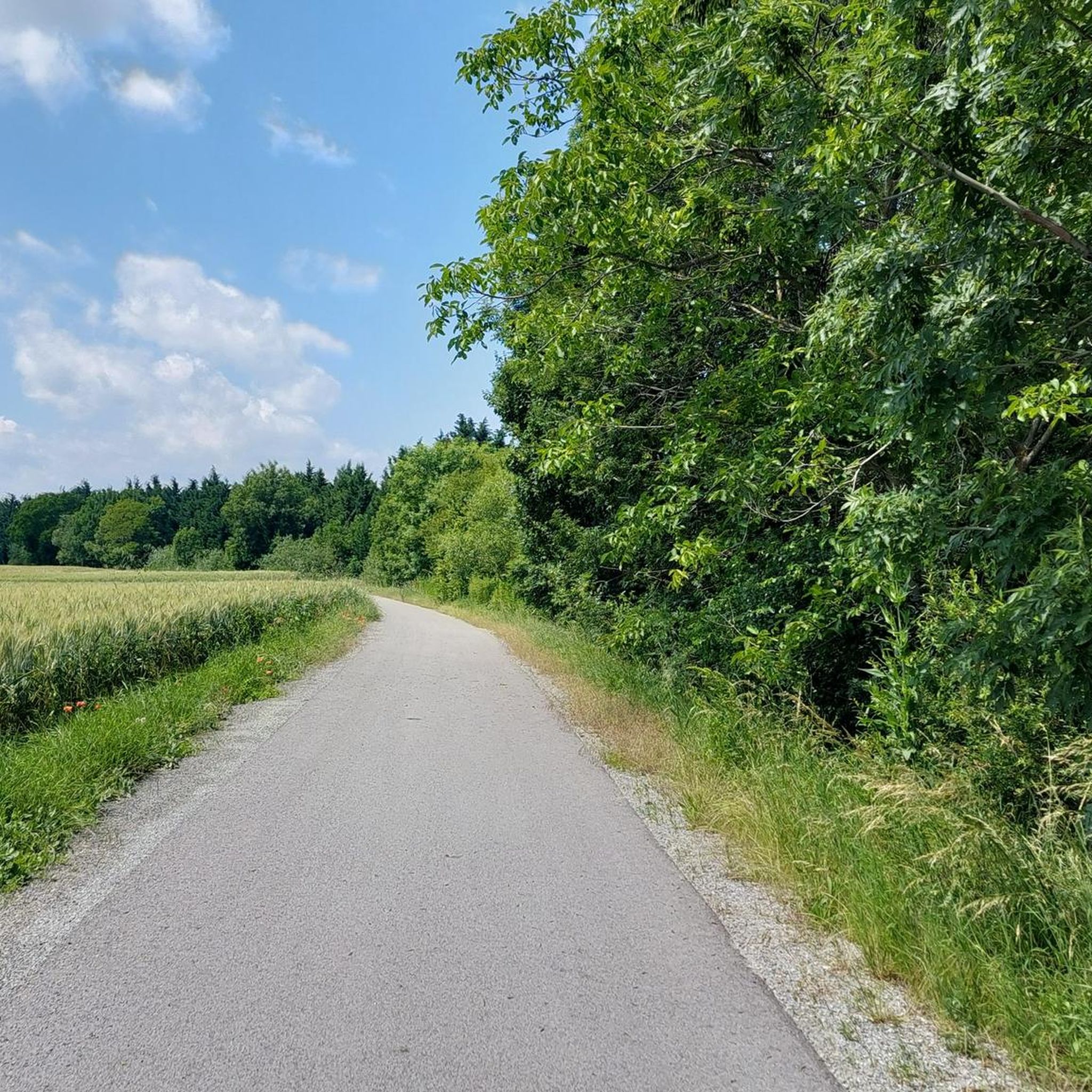
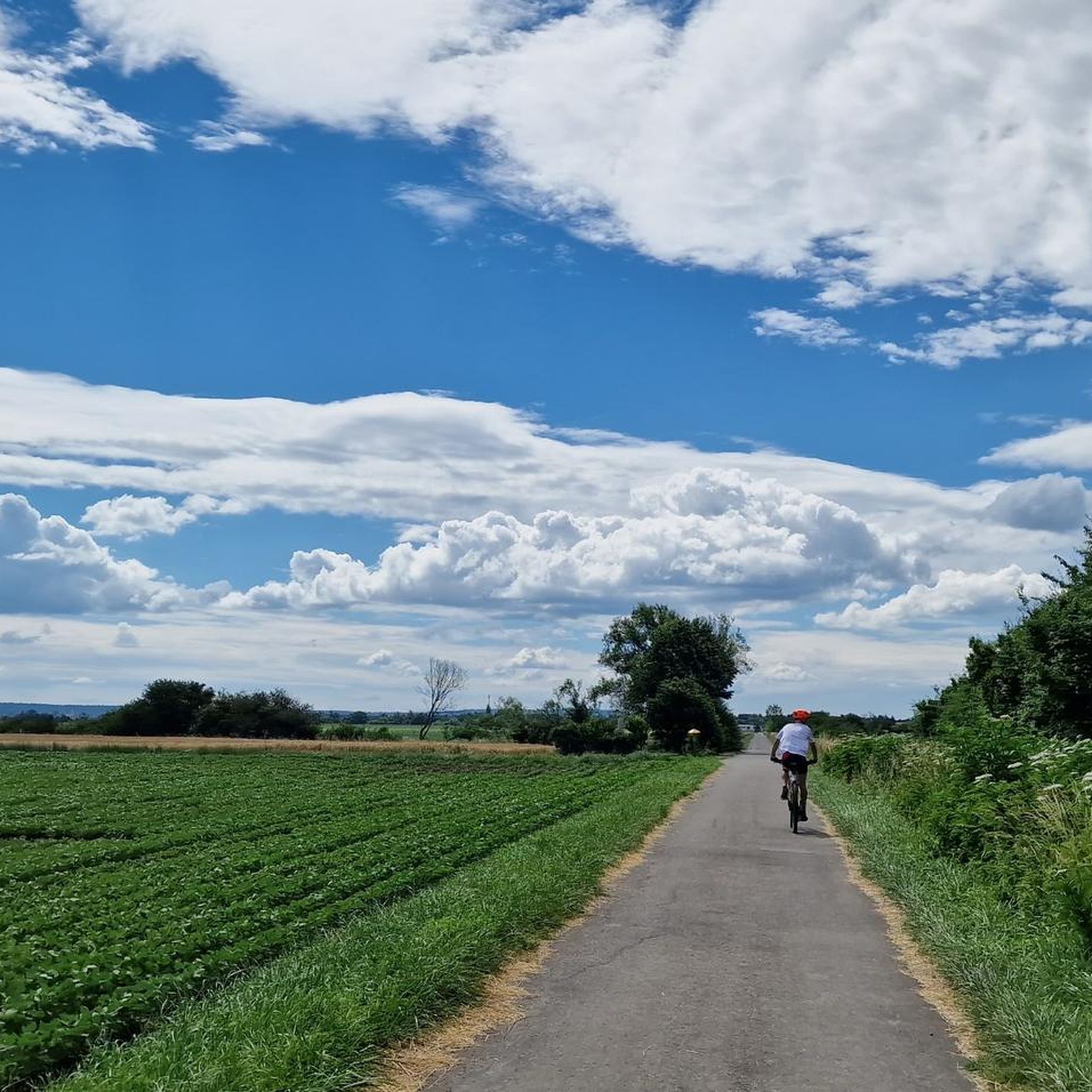
Beautiful landscape around the lake
3
0
Beautiful landscape around the lake
3
0

The cave in the Kürschnergrube (120m x 40m x 6m) is about 23 m long and 11 m deep.
2
0
The limestone cave is 17 meters long and is located about a 30-minute walk north of Eisenstadt.
0
0


The Kürschnergrube is a long-abandoned quarry with an adjoining cave. Experience prehistory and enjoy the peace and quiet Special feature Abandoned quarry with rock grotto. Cave, fossils, Leitha limestone
5
1

An abandoned quarry in the middle of the Leitha Mountains, which has become a wonderful place to take a break.
5
1

The Roman border guards who served here brought the Eastern mystery beliefs with them and built a rock chapel for the Persian sun god almost two thousand years ago, in which they built an altar to Mithras, who was born from the rock.
2
0
Frequently Asked Questions
What types of caves can I explore around Trausdorf an der Wulka?
The region offers a variety of cave experiences, including natural caves, historical sites, and quarry caves. You can find examples like the Kürschnergrube Cave and Quarry, which is both a natural monument and a former limestone quarry, or the Teufelsloch, a historical site within an abandoned quarry.
Are there any caves with historical significance near Trausdorf an der Wulka?
Yes, the region features caves with notable historical backgrounds. The Teufelsloch, for instance, served as a hiding place for the local population during the Russian occupation. Additionally, the Mithras Grotto is a Roman historical site where border guards built a rock chapel for the Persian sun god almost two thousand years ago.
What is unique about the <a>Kürschnergrube Cave and Quarry</a>?
The Kürschnergrube Cave and Quarry is notable for its dimensions, measuring approximately 120 meters long, 40 meters wide, and 6 meters deep. Located on the crest of the Leithagebirge, it is a significant natural monument that was once an active limestone quarry.
Can I visit the <a>Fertőrákos Quarry and Cave Theater</a>?
Yes, the Fertőrákos Quarry and Cave Theater is accessible and offers a unique experience. It features an exhibition about its geological history and a concert hall carved into the stone. It's located about 20 kilometers from Eisenstadt and 7 kilometers from Sopron.
Are there family-friendly activities related to caves in the area?
The Fertőrákos Quarry and Cave Theater is listed as family-friendly, offering an exhibition and a unique setting that can be interesting for all ages. While specific family activities for other caves are not detailed, exploring the natural settings of places like Johannesgrotte can be a pleasant outdoor experience for families.
What outdoor activities can I do near these caves?
Beyond exploring the caves, the area around Trausdorf an der Wulka offers various outdoor activities. You can find numerous easy hiking trails, MTB trails, and cycling routes. These routes often pass through scenic landscapes, including the Leithagebirge mountains.
What should I wear when exploring caves in this region?
When exploring caves, it's advisable to wear sturdy, closed-toe shoes with good grip, as surfaces can be uneven or damp. Layered clothing is also recommended, as cave temperatures can be cooler than outside, even in summer. A headlamp or flashlight is always useful for better visibility.
Is there parking available near the caves?
While specific parking details for each cave are not always provided, many natural sites and quarries in the region, especially those popular for hiking, typically have designated or informal parking areas nearby. It's often best to check local signage or maps for the specific cave you plan to visit.
What is the best time of year to visit the caves around Trausdorf an der Wulka?
The caves can generally be visited year-round, but the surrounding natural areas, especially the Leithagebirge, are particularly pleasant for outdoor activities like hiking during spring, summer, and autumn. During these seasons, the weather is milder, making the approach to the caves and any associated trails more enjoyable.
Are there any natural resting areas or quiet spots near the caves?
Yes, the Johannesgrotte is specifically described as a fascinating and quiet natural cave that offers a peaceful resting area within a forest setting. Many of the caves are situated in natural environments, providing opportunities for quiet contemplation.
What kind of geological features can be observed in the caves?
The caves in this region, particularly within the Leithagebirge mountains, are often formed in Leitha limestone. You can observe the results of targeted mining in former quarries, as seen in the Teufelsloch, which was created by breaking down porous Leitha limestone. The Kürschnergrube Cave and Quarry also showcases the geological history of limestone extraction.
Are dogs allowed in or near the caves?
While specific rules for each cave regarding dogs are not detailed, many outdoor areas and hiking trails in the Burgenland region are dog-friendly. If visiting a cave that is part of a managed site or a historical monument, it's best to check their specific pet policies beforehand. For natural, unmanaged caves, dogs are generally permitted on leash.
What do visitors appreciate most about the caves in this area?
Visitors appreciate the blend of natural exploration and historical significance offered by the caves. The unique geological formations, the stories behind historical sites like the Teufelsloch and Mithras Grotto, and the peaceful natural settings, such as that of the Johannesgrotte, are frequently highlighted. The komoot community has shared over 190 photos and given more than 150 upvotes, reflecting a strong positive sentiment.
Most popular routes around Trausdorf an der Wulka
Most popular attractions around Trausdorf an der Wulka

Get inspired with the komoot mobile app


Explore more
Extend your search for the best caves by checking out these guides of the top ones around Trausdorf an der Wulka:
