Top 6 Castles around Gries am Brenner
Best castles around Gries am Brenner are situated in a region known for its historical significance as a transit point through the Brenner Pass. The area, part of the Wipptal valley, features a landscape shaped by its position on an ancient trade route. While Gries am Brenner itself is primarily a natural beauty spot, the broader region offers access to various historical fortifications. These sites provide insights into medieval architecture and the strategic importance of the area.
Best castles around…
Last updated: May 13, 2026
Ruins Near the Olperer Hut
Highlight • Historical Site
Translated by Google •
Tip by

Schloss Moos-Wiesheim
Highlight • Castle
Translated by Google •
Tip by

Sign up now to discover places like this
Get recommendations on the best single tracks, peaks, & plenty of other exciting outdoor places.
Sign up for free
Arnholz Castle
Highlight • Castle
Translated by Google •
Tip by

Schneeberg Castle
Highlight • Castle
Translated by Google •
Tip by

Straßberg Castle Ruins
Highlight • Castle
Translated by Google •
Tip by

Start today with a free account
Your next adventure awaits.
Login or Signup
Popular around Gries am Brenner
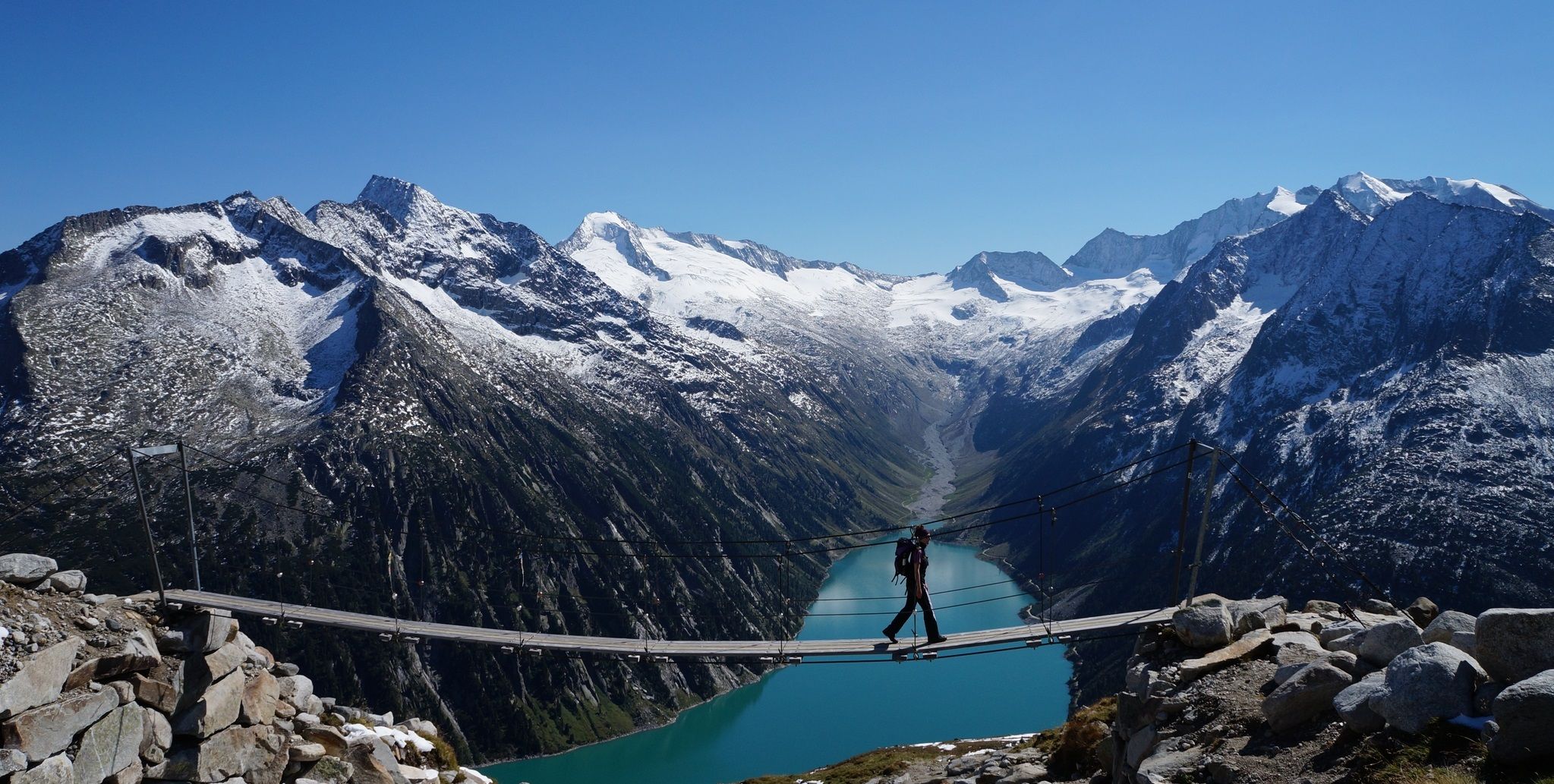
The Peter Habeler loop — an alpine trail around the Olperer
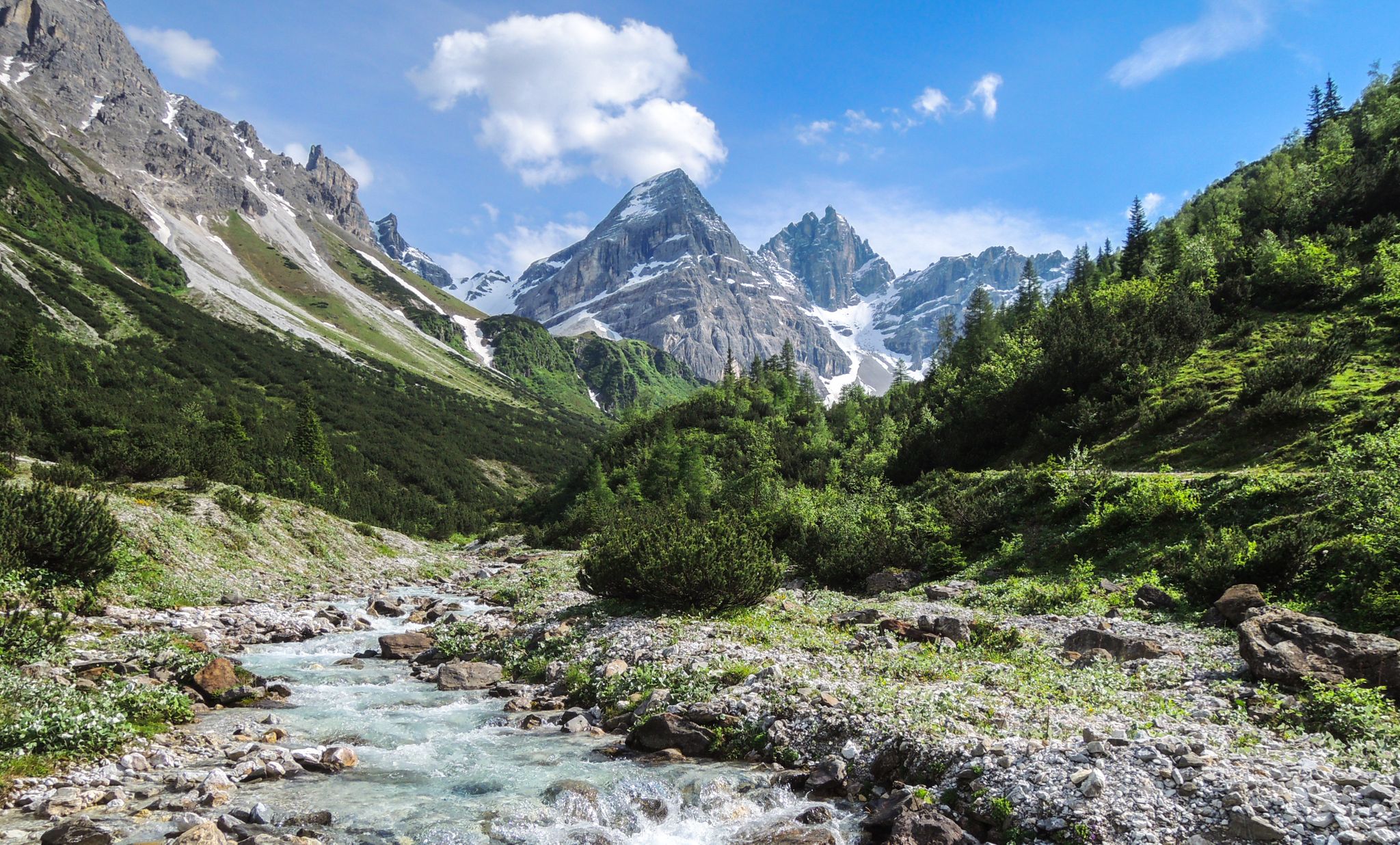
A journey of discovery in Tyrol – hidden places in the Wipptal Valley
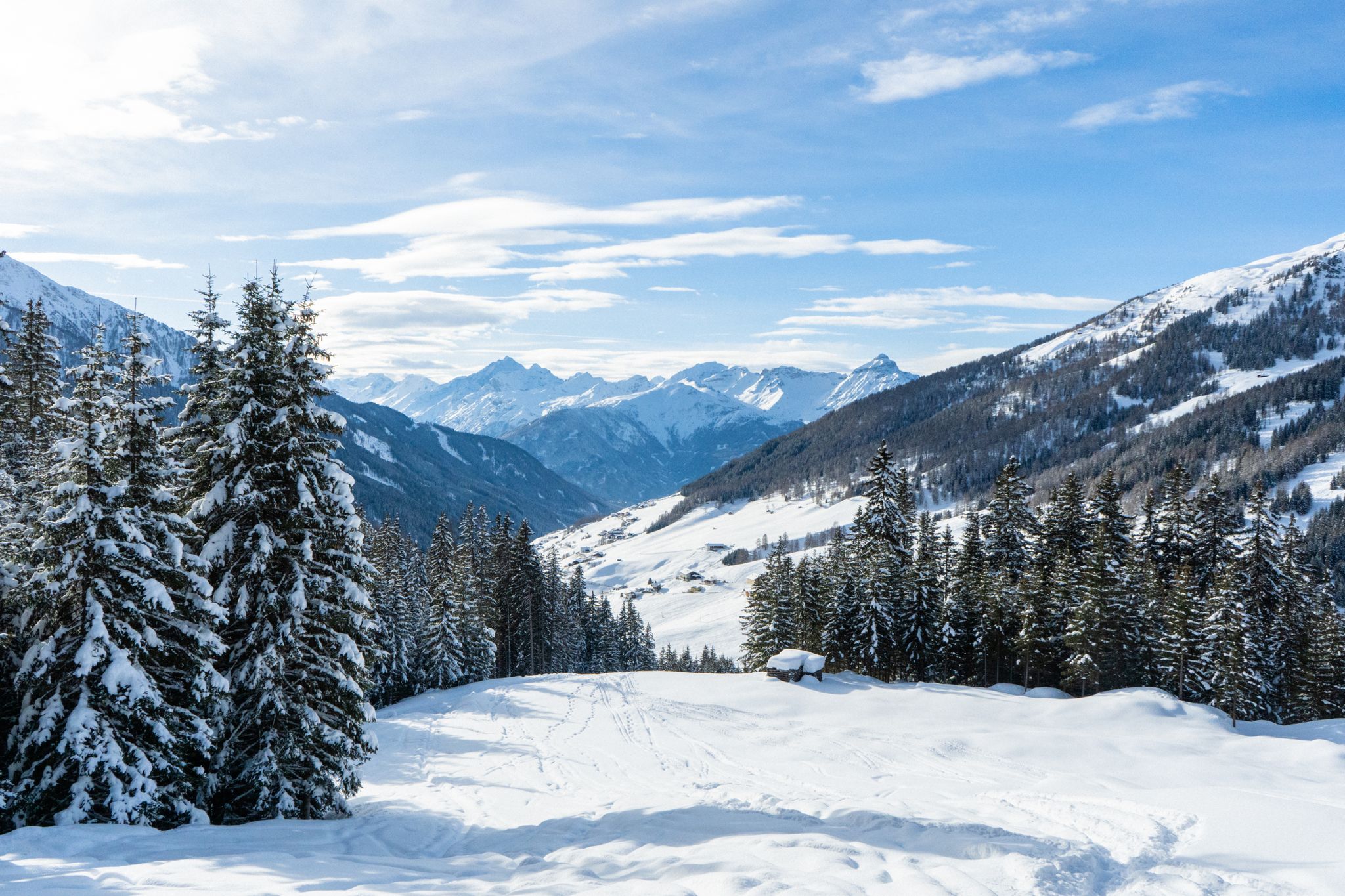
Your winter in Austria’s Wipptal Valley: 10 tips for adventuring in the snow
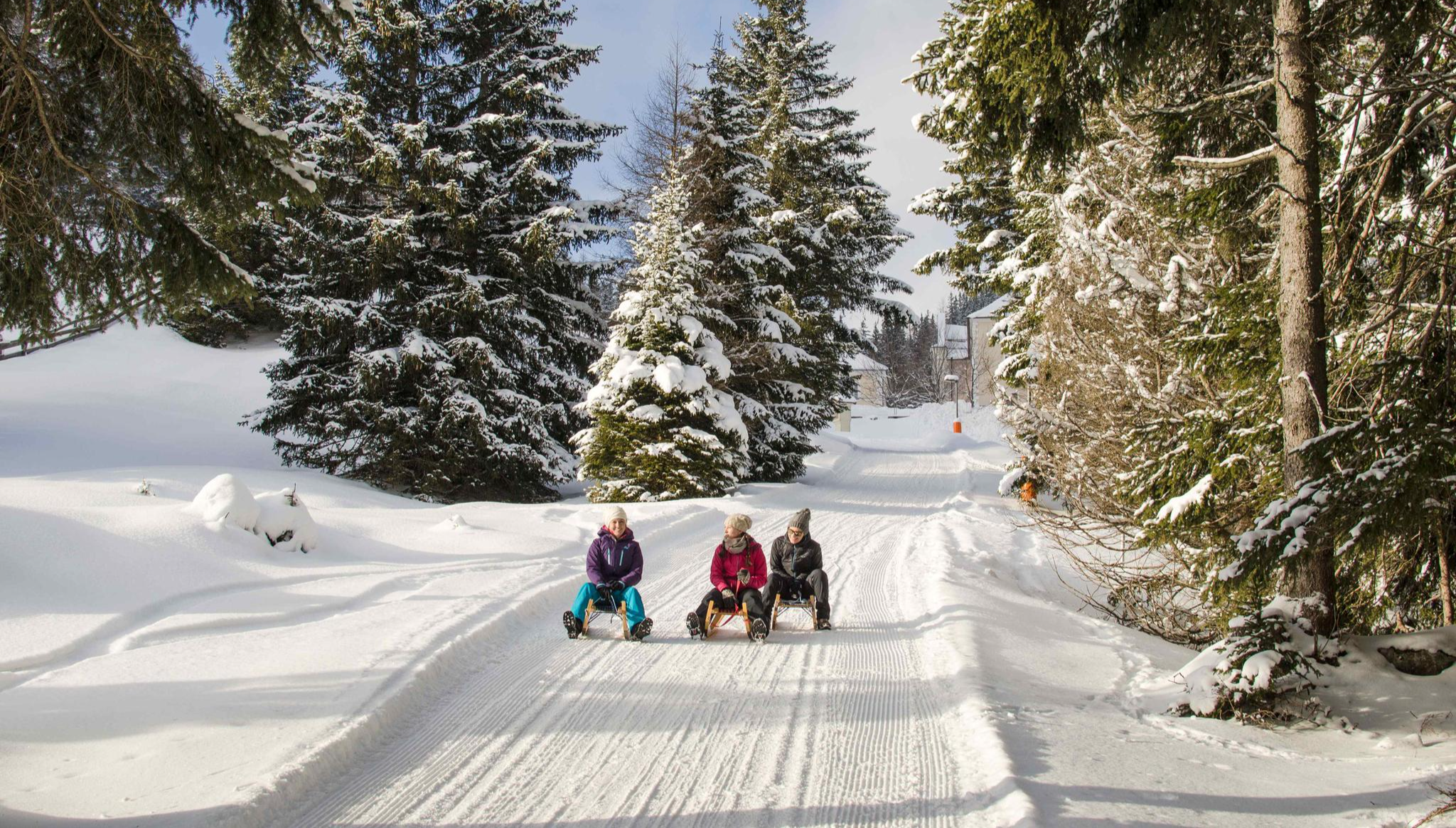
Rodelspaß und urige Hütten – Winterzauber Wipptal
Hiking around Gries am Brenner
Cycling around Gries am Brenner
Road Cycling Routes around Gries am Brenner
MTB Trails around Gries am Brenner
Mountain Hikes around Gries am Brenner
Running Trails around Gries am Brenner
Other adventures around Gries am Brenner


Tips from the Community

The castle was built in the 13th century. The oldest part is the tower. Around 1600 it was expanded into a stately Renaissance palace. The castle has been used as a retirement home since 1950 and has been protected as a monument since 1951. A little further down is the "Ansitz Wies(en)heim" with its distinctive tower. It probably once served as a customs collector.
0
0

A wonderful view from here.
2
0

Schneeberg Castle was first mentioned in documents in 1297. Parts of the defensive wall and the striking round tower still exist from this period. In 1571, the medieval complex was converted into a Renaissance castle. A devastating fire destroyed it in 1771, and the ruins were then converted into a castle-like residence. Today it is privately owned and can only be viewed from the outside.
2
0

Almost at the top, if you look around you will find some small ruins
4
0

Beautiful path to the Olperer Hütte and always the Schlegeissee in view
3
0

Arnholz Castle consists of the built-up remains of a hilltop castle, which was first mentioned in 1257. In the eastern part of the building there are therefore almost two meter thick walls made of the old substance. There is a three-story bastion tower below the current house. The facility is one of the so-called Tyrolean fortifications. It is privately owned and can only be viewed from the outside.
0
0

A simple and quite lonely path that also leads to the Olpererhütte. Nice to run.
3
0

Those who do not shy away from the short detour will be rewarded with a beautiful view. The castle is not accessible and is used by a farm.
1
1
Frequently Asked Questions
What are some of the most notable castles and historical sites near Gries am Brenner?
While Gries am Brenner itself is known for its natural beauty, the broader region, particularly nearby South Tyrol, Italy, offers several significant historical sites. These include Schloss Moos-Wiesheim, a 13th-century castle expanded into a Renaissance palace, and Schneeberg Castle, which retains parts of its medieval defensive wall and a striking round tower. Further afield, Reifenstein Castle (Castel Tasso) near Sterzing is renowned for its well-preserved medieval interior, offering a rare glimpse into noble life.
Are there any family-friendly castles or historical sites to visit in the region?
Yes, Wolfsthurn Castle in South Tyrol is highly recommended for families. It houses the South Tyrol Museum of Hunting and Fishing and features a 'forest and water' theme path right at the castle, making it an engaging destination for all ages.
What is the best time to visit the castles and historical sites around Gries am Brenner?
The best time to visit is generally from spring through autumn when the weather is mild and conducive for exploring both the castles and the surrounding natural landscapes. Many sites, especially those with outdoor elements or nearby trails, are most enjoyable during these seasons. Some castles may have limited winter hours, so it's advisable to check specific opening times.
What kind of historical significance do these castles hold?
The castles in this region often highlight its strategic importance as a historical transit point through the Brenner Pass. Sites like Reifenstein Castle and Sprechenstein Castle were crucial for controlling trade routes between Germany and Italy. Others, like Arnholz Castle, are examples of Tyrolean fortifications, showcasing centuries of architectural evolution and defensive strategies.
Can I find any castle ruins or less-preserved historical sites?
Yes, the region offers several ruins. For example, you can explore the Ruins Near the Olperer Hut, which are small, dilapidated houses located along a path leading to the Olpererhütte. Additionally, the Straßberg Castle Ruins offer a beautiful view for those who don't mind a short detour, though the castle itself is not accessible.
What outdoor activities can I combine with a visit to these castles?
The Gries am Brenner region is excellent for outdoor activities. You can combine castle visits with hiking or cycling. For instance, there are numerous hiking trails, including the 'Wipptal High Trail to Sattelberg' or easier loops like 'Sattelbergalm loop from Gries am Brenner'. Cyclists can explore routes like 'Ein kulturelles Erlebnis in den faszinierenden Städten Sterzing und Brixen entlang der Brennerradroute'. You can find more details on these activities in the Hiking around Gries am Brenner and Cycling around Gries am Brenner guides.
Are there any castles that offer viewpoints or scenic vistas?
Yes, the Straßberg Castle Ruins are known for rewarding visitors with a beautiful view. Many castles, due to their strategic hilltop locations, naturally offer panoramic views of the surrounding valleys and mountains.
What do visitors enjoy most about the castles and historical sites in this area?
Visitors appreciate the blend of historical exploration and natural beauty. The komoot community has given the castles around Gries am Brenner more than 290 upvotes and shared over 35 photos, highlighting the unique experience of discovering well-preserved structures, ruins, and the stunning alpine scenery. The intact medieval interior of Reifenstein Castle, for example, is often cited as a major draw.
Are there any castles that are privately owned and can only be viewed from the outside?
Yes, several castles in the region are privately owned. Arnholz Castle and Schneeberg Castle are examples of sites that can only be viewed from the outside. Sprechenstein Castle, near Sterzing, is also privately owned and not open for visits, but its imposing presence is a notable landmark.
How accessible are these castles, and is parking available?
Accessibility varies by castle. Many historical sites, especially those on hilltops, may involve some walking or uneven terrain. For specific castles like Wolfsthurn Castle, there is often dedicated parking available, and the site itself is designed to be engaging for visitors. For others, like the Straßberg Castle Ruins, access might be more limited, requiring a short detour on foot. Public transport options to the general areas are available, but reaching individual castle sites often requires a car or a walk.
Are there any castles that have been repurposed or house museums?
Yes, Wolfsthurn Castle now houses the South Tyrol Museum of Hunting and Fishing, offering an interactive experience. Further south, near Bolzano, Firmiano Castle (Schloss Sigmundskron) is one of the largest castle complexes in the region and hosts the Messner Mountain Museum Firmian, dedicated to the history and art of mountains.
Most popular routes around Gries am Brenner
Most popular attractions around Gries am Brenner

Get inspired with the komoot mobile app


Explore more
Looking for the best castles somewhere else? Discover other guides around Gries am Brenner:
