Top 9 Caves around Viktorsberg
Caves around Viktorsberg offer insights into the region's geological history and natural landscape within the Austrian state of Vorarlberg. The area features various natural monuments and historical sites, often integrated into hiking routes. These subterranean formations provide a tangible connection to the region's past, including those formed by ancient Lake Constance. Viktorsberg's terrain presents opportunities for exploration for those interested in natural history and outdoor activity.
Best caves around Viktorsberg
- The most popular caves is Kirchle Rock Cathedral, a…
Last updated: June 26, 2026
Kirchle Rock Cathedral
Highlight • Cave
Translated by Google •
Tip by

Gorge and waterfalls near Kirchele Cave
Highlight • Gorge
Translated by Google •
Tip by

Sign up now to discover places like this
Get recommendations on the best single tracks, peaks, & plenty of other exciting outdoor places.
Sign up for free
Witeleloch Cave
Highlight • Cave
Translated by Google •
Tip by

Kalkofenhöhle Cave
Highlight • Cave
Translated by Google •
Tip by

Caves at the Luchsfalle
Highlight • Cave
Translated by Google •
Tip by

Sign up for free to discover even more caves around Viktorsberg.
Sign up for free
Already have an account?
Start today with a free account
Your next adventure awaits.
Login or Signup
Popular around Viktorsberg
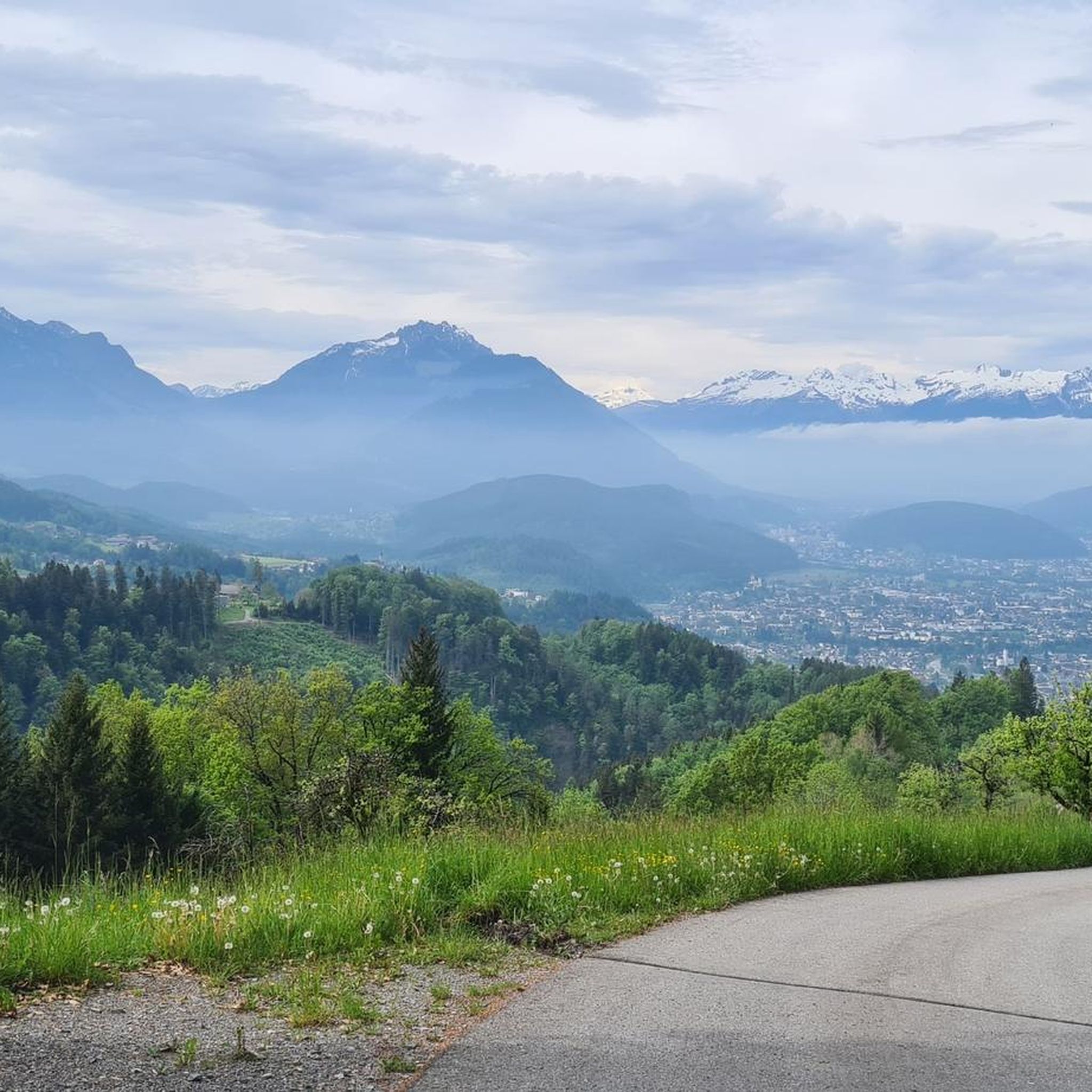
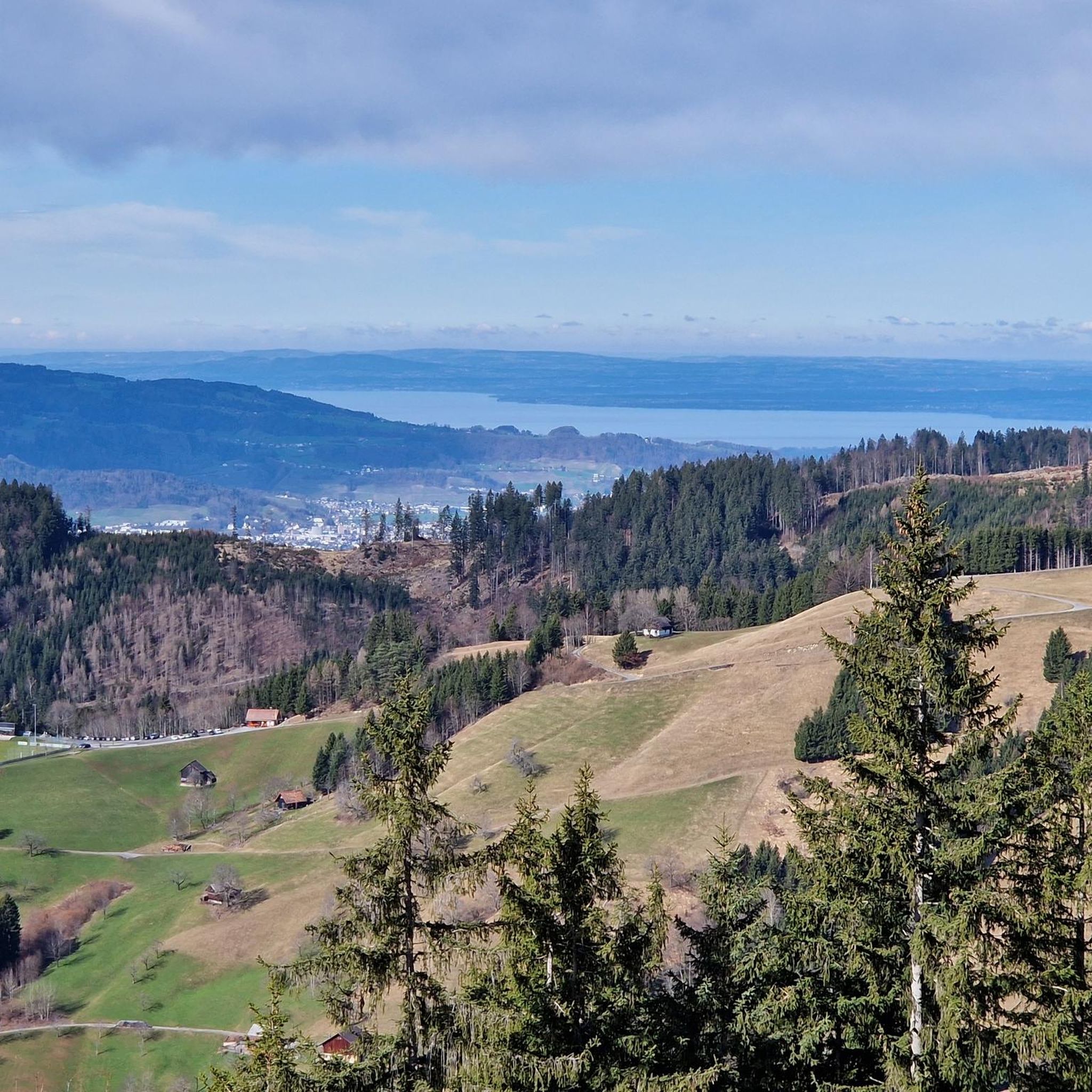
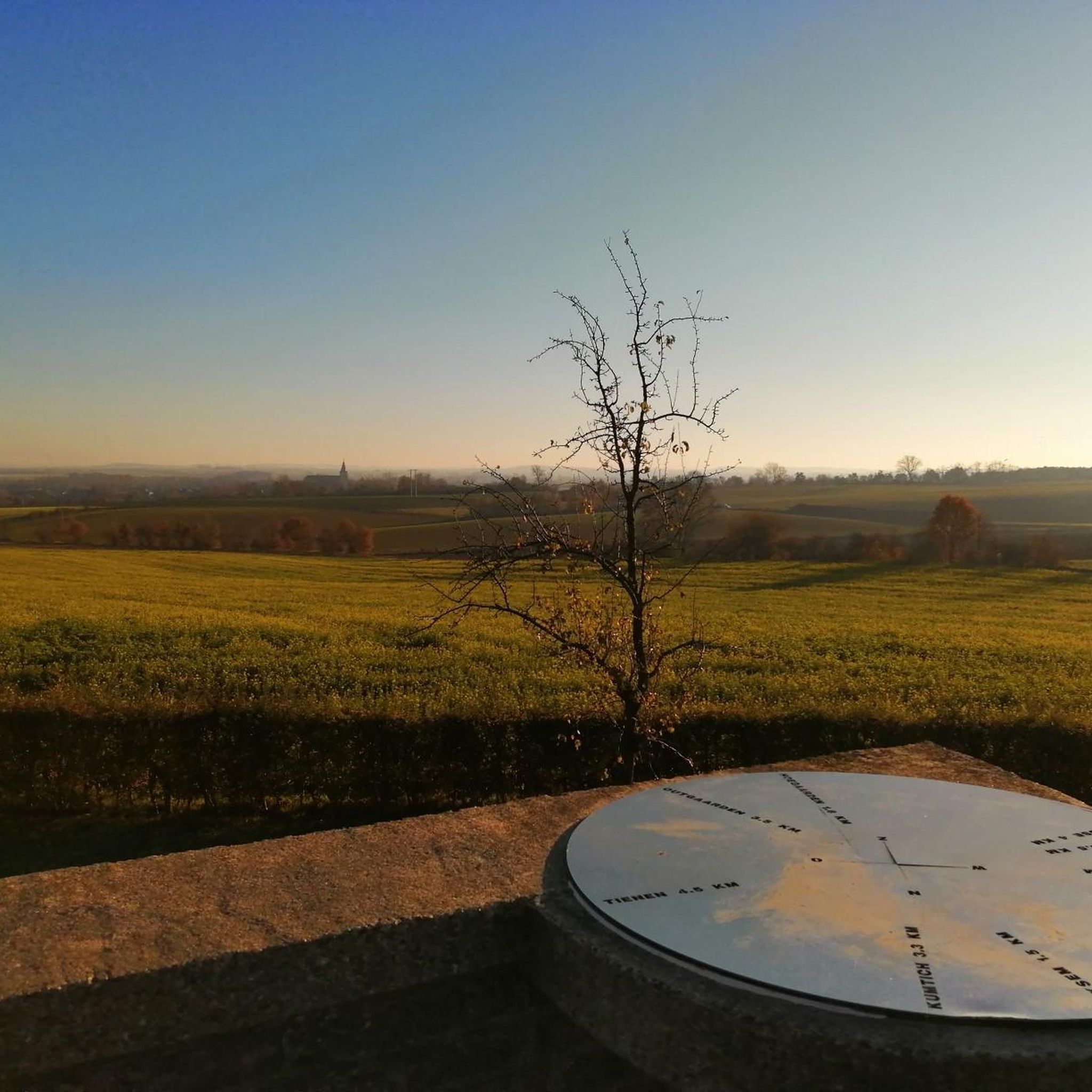
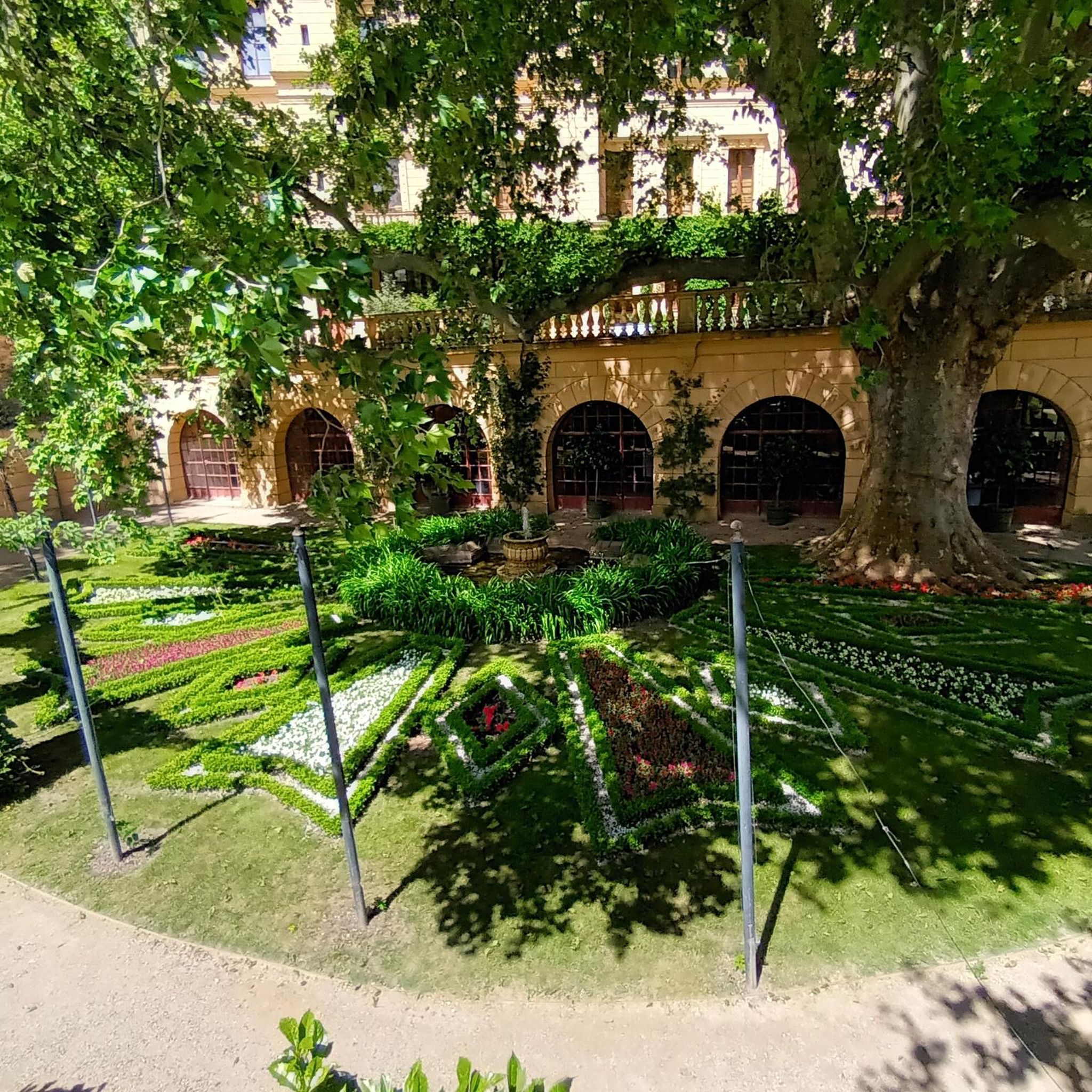
Other adventures around Viktorsberg

Tips from the Community

Hiking trails may be closed from time to time due to landslides, sometimes with lengthy detours.
0
0

In summer a refreshing round with great corners
0
0

At about the highest point and almost halfway through the tour, the Kobelalpe invites you to linger, with a great view! Overall, a very nice tour.
0
0

The Witeleloch was first described in a newspaper article around 1907 by archaeologist and amateur geologist Gero von Merhart, who used the name Elisabethhöhle. In 1922, the cave was described by Josef Blumrich, a teacher from Bregenz. The cave has been designated a geological natural monument since April 1979. Source: https://de.m.wikipedia.org/wiki/Witeleloch
8
0

A beautiful place in the middle of nature
7
0

It's very beautiful here
0
0

Very nice view of this area.
0
0

Really worthwhile, the detour to the church. ☺️
7
0
Frequently Asked Questions
What are some unique geological features of the caves around Viktorsberg?
The caves in the Viktorsberg region offer diverse geological insights. For example, the Kalkofenhöhle Cave was formed approximately 10,000 years ago by the waters of the original Lake Constance, showcasing a direct connection to the region's ancient geological past. The area is also known for its limestone caves, which contribute to the unique formations found, such as those in Kirchle Rock Cathedral.
Are there any historical sites or cave castle ruins to explore near Viktorsberg?
Yes, the region features historical sites integrated with its natural caves. A notable example is the Wichenstein Cave Castle Ruin. This site allows visitors to explore the impressive remains of a former four-story castle built directly into a cave, complete with a preserved shield wall.
What kind of hiking trails can I find near the caves in Viktorsberg?
The caves around Viktorsberg are often part of various hiking routes, ranging in difficulty. For instance, the Kalkofenhöhle Cave is incorporated into moderate hikes requiring good fitness and sure-footedness. You can find a variety of trails, including mountain hikes and easy walks, that pass by these natural landmarks. Explore more options on the Mountain Hikes around Viktorsberg or Easy Hikes around Viktorsberg guides.
Are the caves around Viktorsberg suitable for families or beginners?
While some caves, like Witeleloch Cave, require good caving equipment and surefootedness for deeper exploration, many are accessible as part of hiking routes. The Kalkofenhöhle Cave, for example, can be visited as part of moderate hikes. For families, exploring the exterior and accessible parts of these natural landmarks along easier trails is a good option. Always check specific trail descriptions for difficulty and accessibility.
What do visitors enjoy most about the caves and natural features in the Viktorsberg area?
Visitors frequently appreciate the unique atmosphere and geological formations. The Kirchle Rock Cathedral is highly praised for its great atmosphere, unique stone grain, and acoustics. The imposing nature of sites like the Wichenstein Cave Castle Ruin also leaves a lasting impression, offering a blend of history and natural beauty.
Is the Kalkofenhöhle Cave easily accessible, and what should I expect when visiting?
The entrance to Kalkofenhöhle Cave is currently concealed behind a small pile of gravel, but it is still visitable. It is often incorporated into moderate hiking routes in the region. While it no longer has its original stalactites due to historical damage, it remains significant for its geological history and as a natural landmark along scenic trails. Expect a natural, less developed cave experience.
Are there any permits required to visit caves or hike in the Viktorsberg region?
Generally, permits are not required for visiting the publicly accessible caves or hiking on established trails in the Viktorsberg region. However, some areas, especially those with more challenging terrain like the path to Witeleloch Cave, may require surefootedness and a head for heights. Always respect local regulations and signage.
Can I bring my dog to the caves or on hiking trails around Viktorsberg?
Many hiking trails around Viktorsberg are dog-friendly, allowing you to explore the natural landscape with your pet. When visiting specific cave entrances or sensitive natural areas, it's advisable to keep dogs on a leash and follow any posted rules. Always ensure your dog is well-behaved and that you clean up after them.
What other outdoor activities can I do near the caves in Viktorsberg?
Beyond exploring caves, the Viktorsberg region offers a variety of outdoor activities. You can enjoy mountain hikes, easy walks, and running trails. Guides like Mountain Hikes around Viktorsberg and Running Trails around Viktorsberg provide numerous options for different sports and difficulty levels.
What should I wear for caving or hiking near Viktorsberg?
For hiking, wear appropriate footwear with good grip, as some trails can be steep or uneven. Layers of clothing are recommended to adapt to changing weather conditions. If you plan to enter any caves, even partially, a headlamp or flashlight is essential. For deeper cave exploration, as suggested for Witeleloch Cave, specialized caving equipment is necessary.
Are there any viewpoints or natural monuments near the caves?
Yes, the region is rich in natural monuments and offers several viewpoints. The Kirchle Rock Cathedral itself is considered a natural monument and offers a unique atmosphere. Additionally, the Gorge and waterfalls near Kirchele Cave provide interesting rock formations and scenic views as part of a circular path.
Most popular routes around Viktorsberg
Most popular attractions around Viktorsberg

Get inspired with the komoot mobile app


Explore more
Extend your search for the best caves by checking out these guides of the top ones around Viktorsberg:
