Top 20 Lakes in Nepal
Lakes in Nepal are found across a diverse landscape, from high-altitude glacial formations to serene freshwater bodies. The country's geography, dominated by the Himalayas, contributes to the unique characteristics of these aquatic features. These lakes serve as significant natural landmarks, attracting trekkers, pilgrims, and nature enthusiasts. They are integral to the region's natural environment and cultural heritage.
Best lakes in Nepal
- The most popular lakes is View of Phewa Lake and the Himalayas from the World Peace Pagoda, a viewpoint that offers clear views towards the Himalaya mountains. This spot is notable for its panoramic vistas, especially early in the day.
- Another must-see spot is Gokyo Village and Gokyo Lake, a lake and settlement located at an altitude of 4,750 meters. Visitors can find guest rooms for hikers and enjoy views of the Himalayas from Gokyo Ri.
- Visitors also love Birendra Lake, a glacial lake. Its bright turquoise color is a striking feature, even on cloudy days.
- Nepal is known for glacial lakes, high-altitude lakes, and freshwater lakes. The variety of lakes to see and explore ranges from those nestled in the Everest region to those in the Annapurna area.
- The lakes in Nepal are appreciated by the komoot community. There are more than 20 highlights and over 60 photos shared by users, reflecting the appeal of these natural sites.
Last updated: June 26, 2026
Tilicho Lake
Highlight • Lake
Translated by Google •
Tip by

Gokyo Village and Gokyo Lake
Highlight • Lake
Translated by Google •
Tip by
Sign up now to discover places like this
Get recommendations on the best single tracks, peaks, & plenty of other exciting outdoor places.
Sign up for free
Phewa Lake, Lakeside
Highlight • Lake
We were told that not so long ago many things were made of wood and other materials that rot quickly. Therefore, over generations, the Nepalese have become accustomed to simply throwing everything anywhere, believing that it will rot.
Translated by Google •
Tip by

Ice Lake (Kicho Tal)
Highlight • Lake
• great acclimatization sidetrek with view (see photo) on Annapurna III, Gangapurna, and - if you're lucky - even on Annapurna I - so the Ice Lake is also the only place where the top of Annapurna on the trek of the Annapurna circuit can be seen ;-)
• best from Braga - only with daypack - there are about 1100Hm to cope ...
Translated by Google •
Tip by

Birendra Lake
Highlight • Lake
Translated by Google •
Tip by

Gokyo Third Lake (Dudh Pokhari)
Highlight • Lake
Translated by Google •
Tip by

Pokhara Lakeside at Night
Highlight • Lake
Translated by Google •
Tip by

Chola Lake
Highlight • Lake
Translated by Google •
Tip by
Panoramic view of Gokyo and the lake
Highlight • Viewpoint
Translated by Google •
Tip by
View of Phewa Lake and the Himalayas from the World Peace Pagoda
Highlight • Viewpoint
Translated by Google •
Tip by
Sign up for free to discover even more lakes in Nepal.
Sign up for free
Already have an account?
Start today with a free account
Your next adventure awaits.
Login or Signup
Popular around Nepal
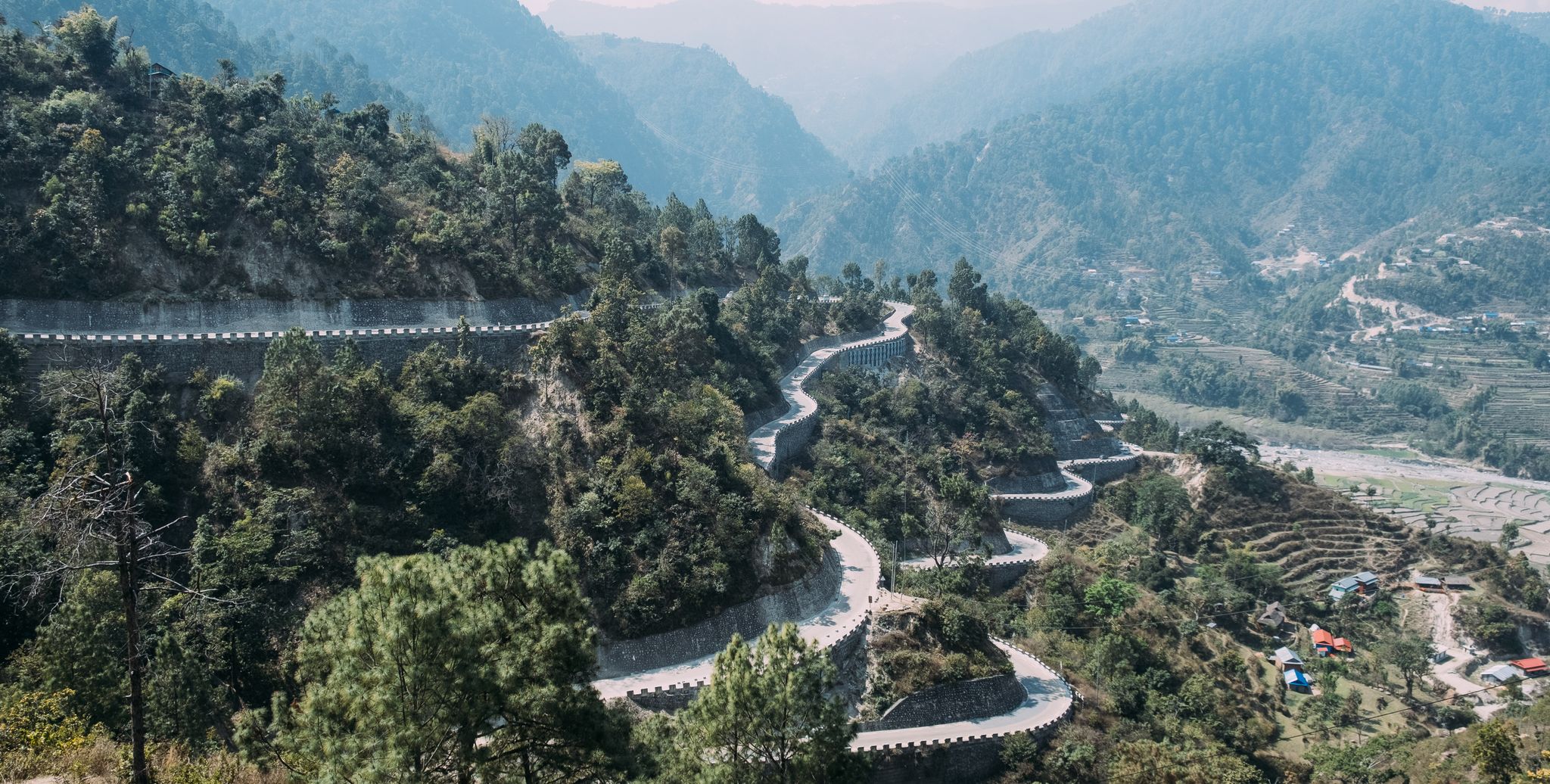
An unforeseen incredible journey – cycling from India to Nepal
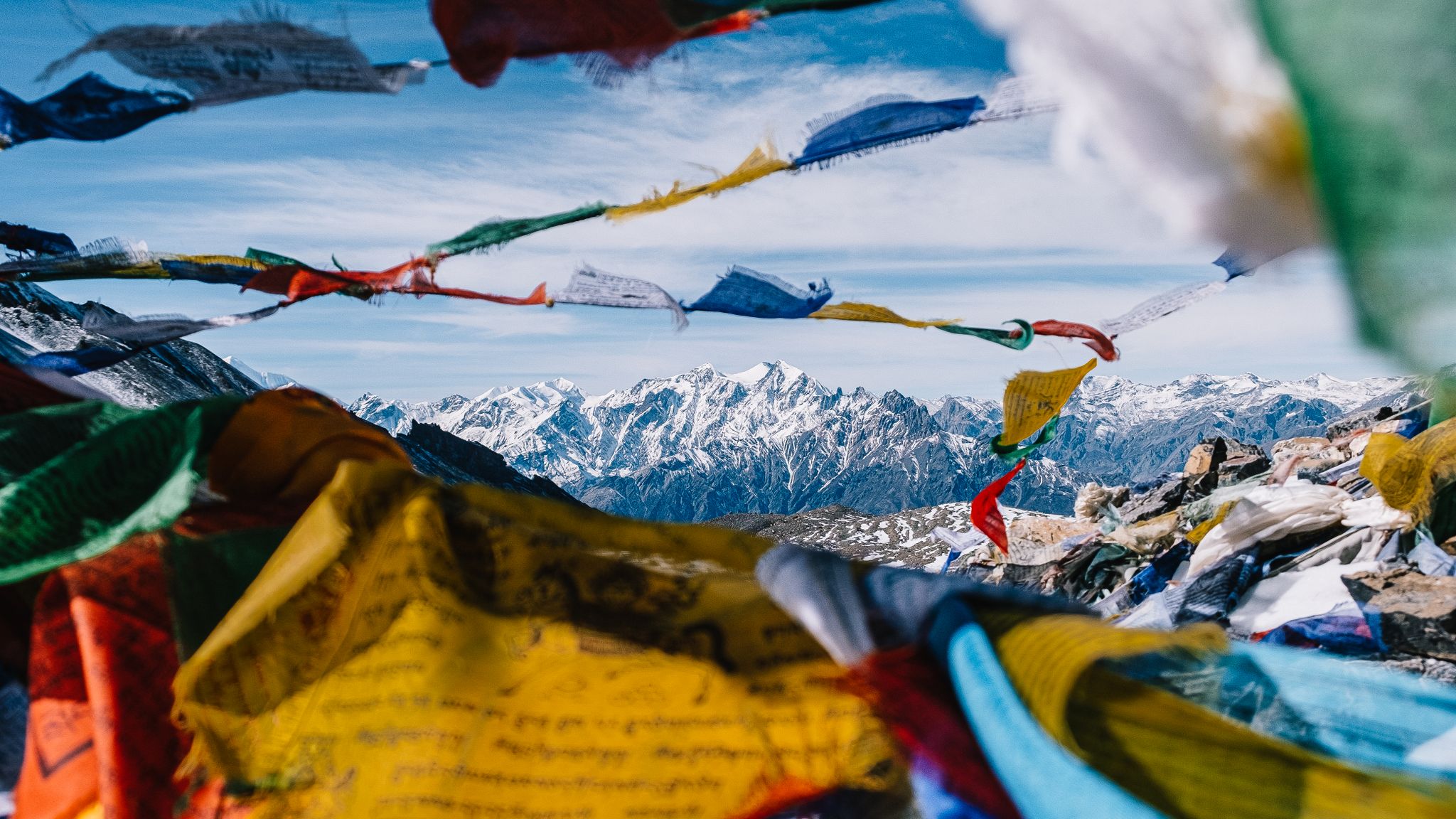
Annapurna Circuit in Nepal – Bikepacking the roof of the world
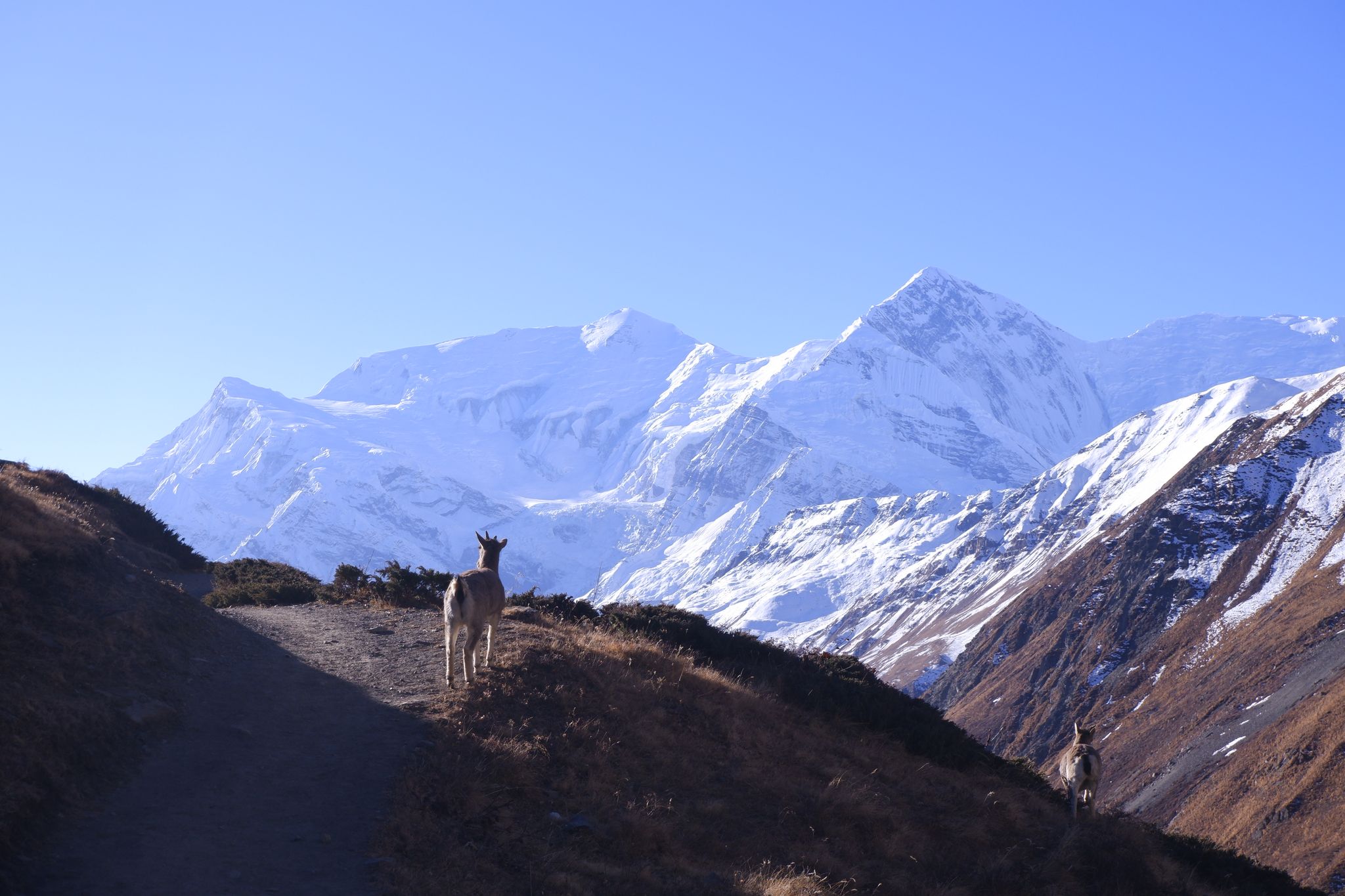
Annapurna Circuit – History and culture at high altitude in Nepal
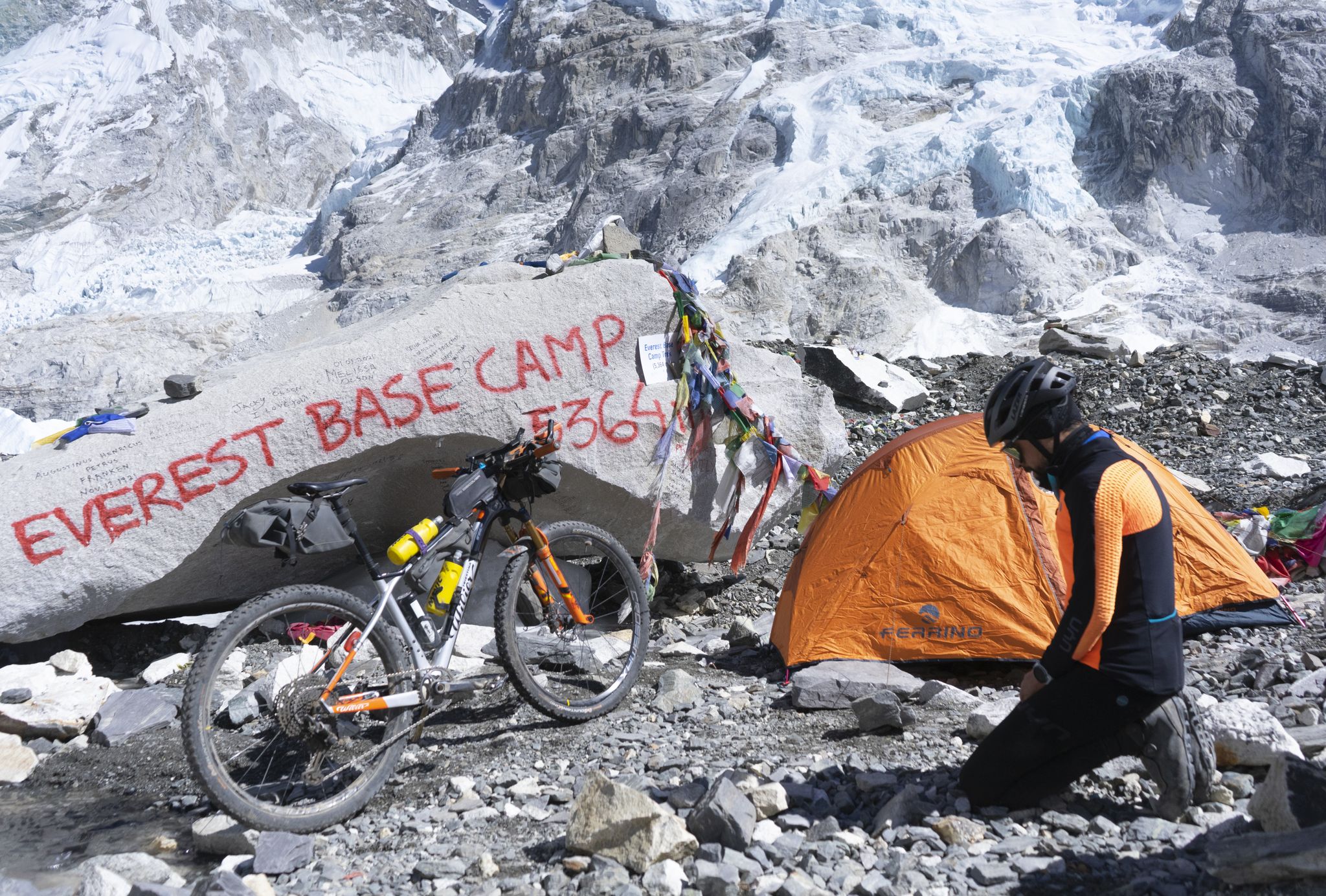
Winter Himalaya: My road to Everest Base Camp at 5364 meters
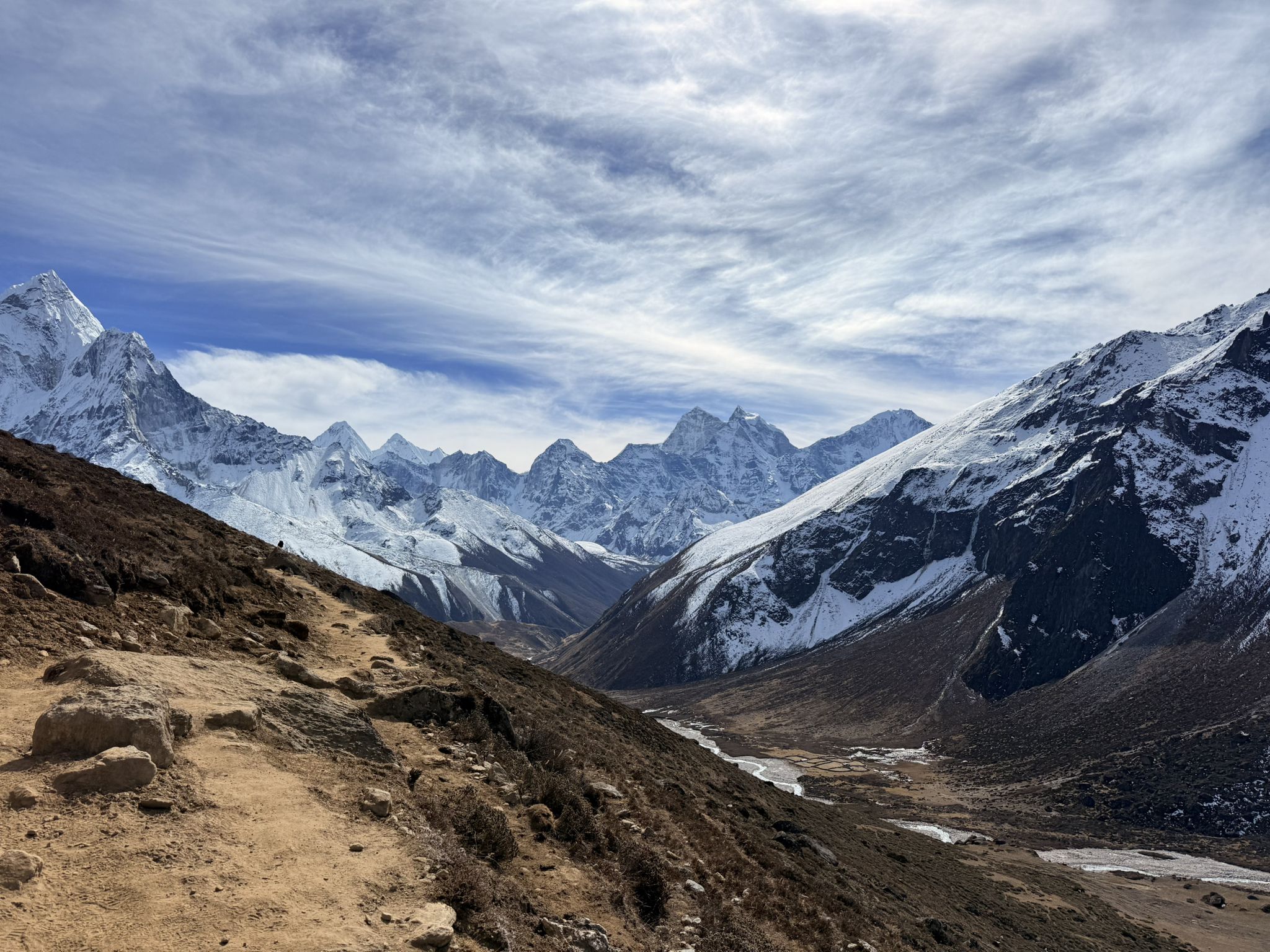
Beneath mighty Everest – fastpacking and running passes in the Khumbu
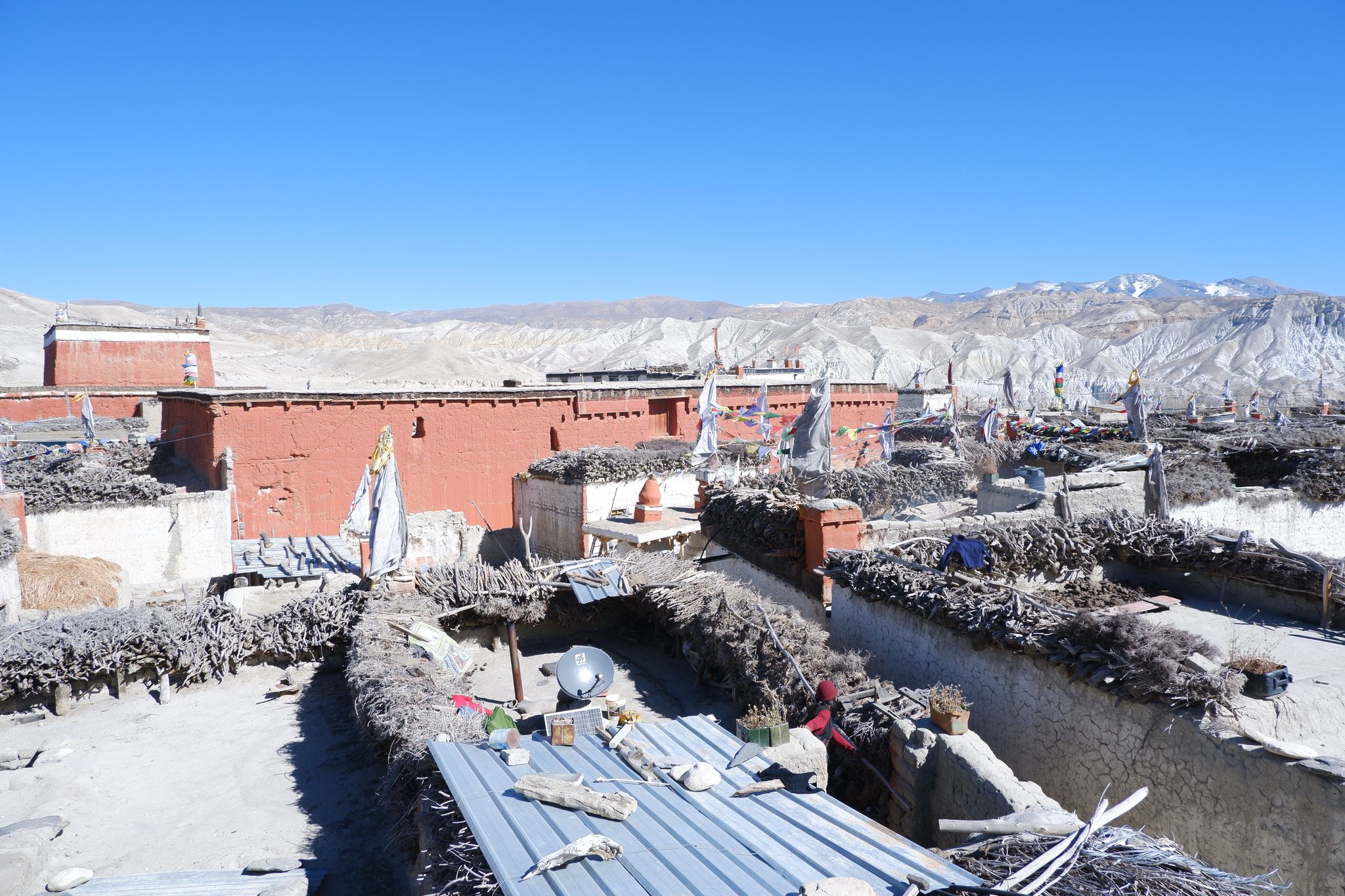
Authentic Nepal – trekking in the history of Mustang
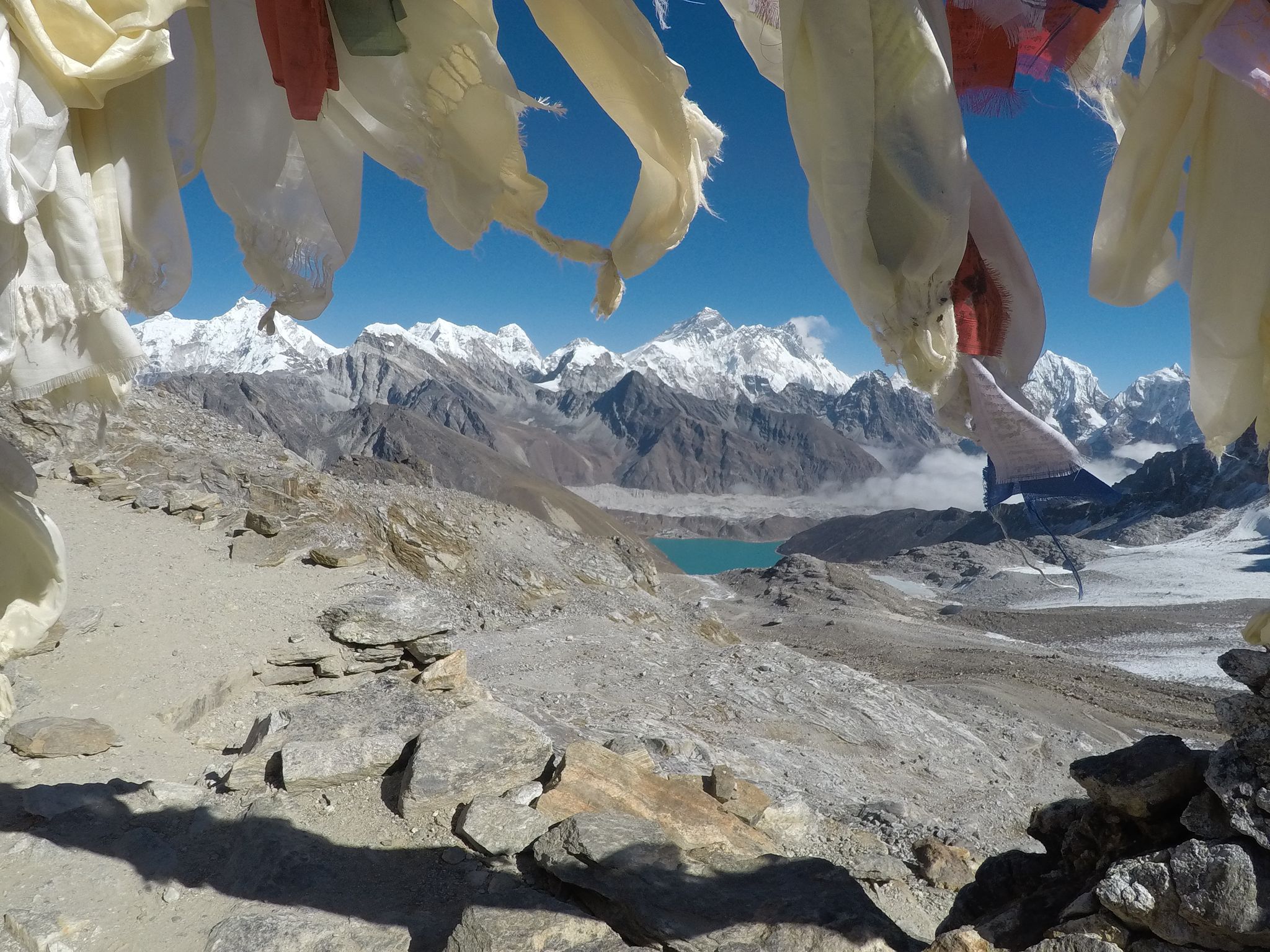
At the foot of Everest – Everest Base Camp with the three passes
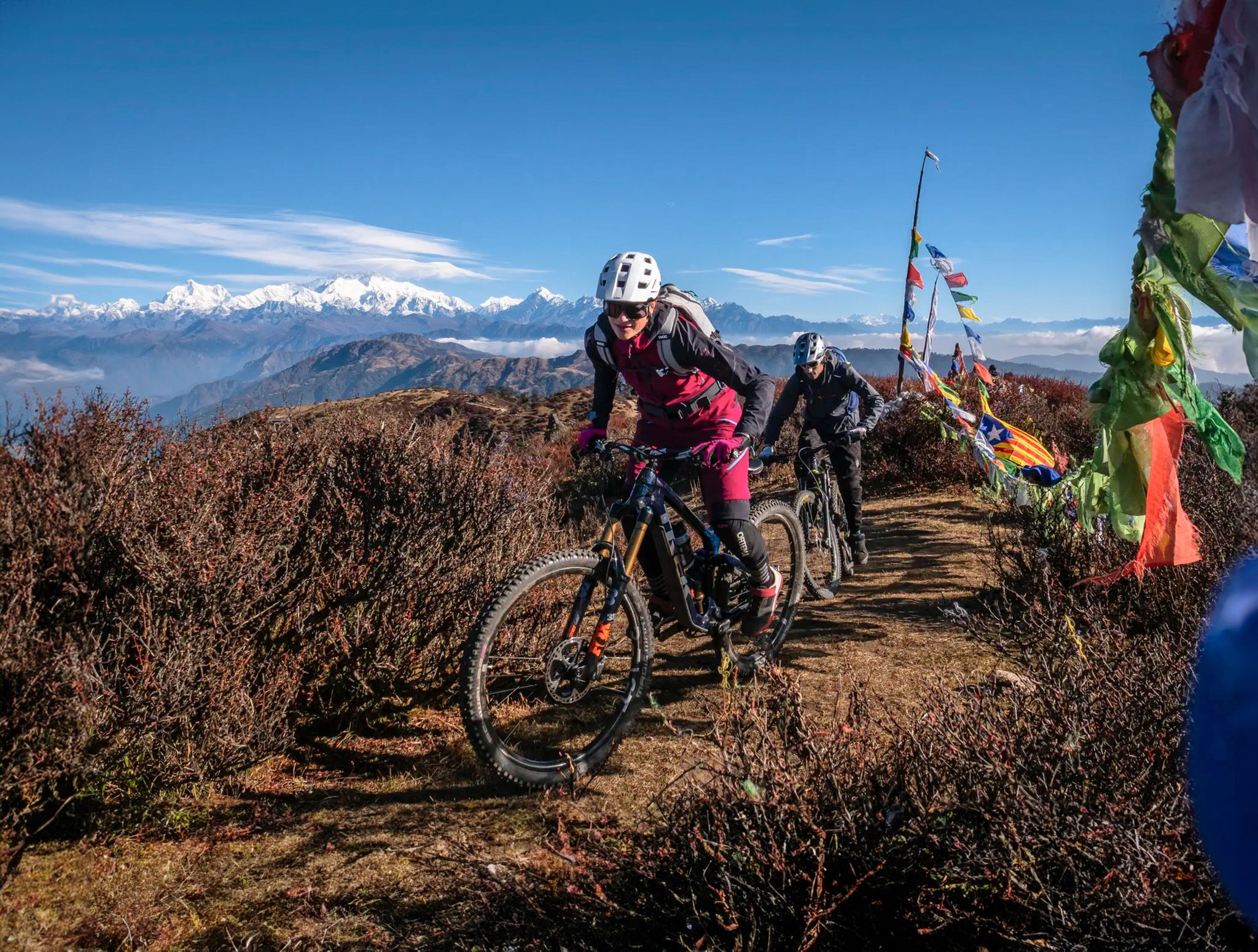
Discover India – an MTB adventure with Steffi Marth
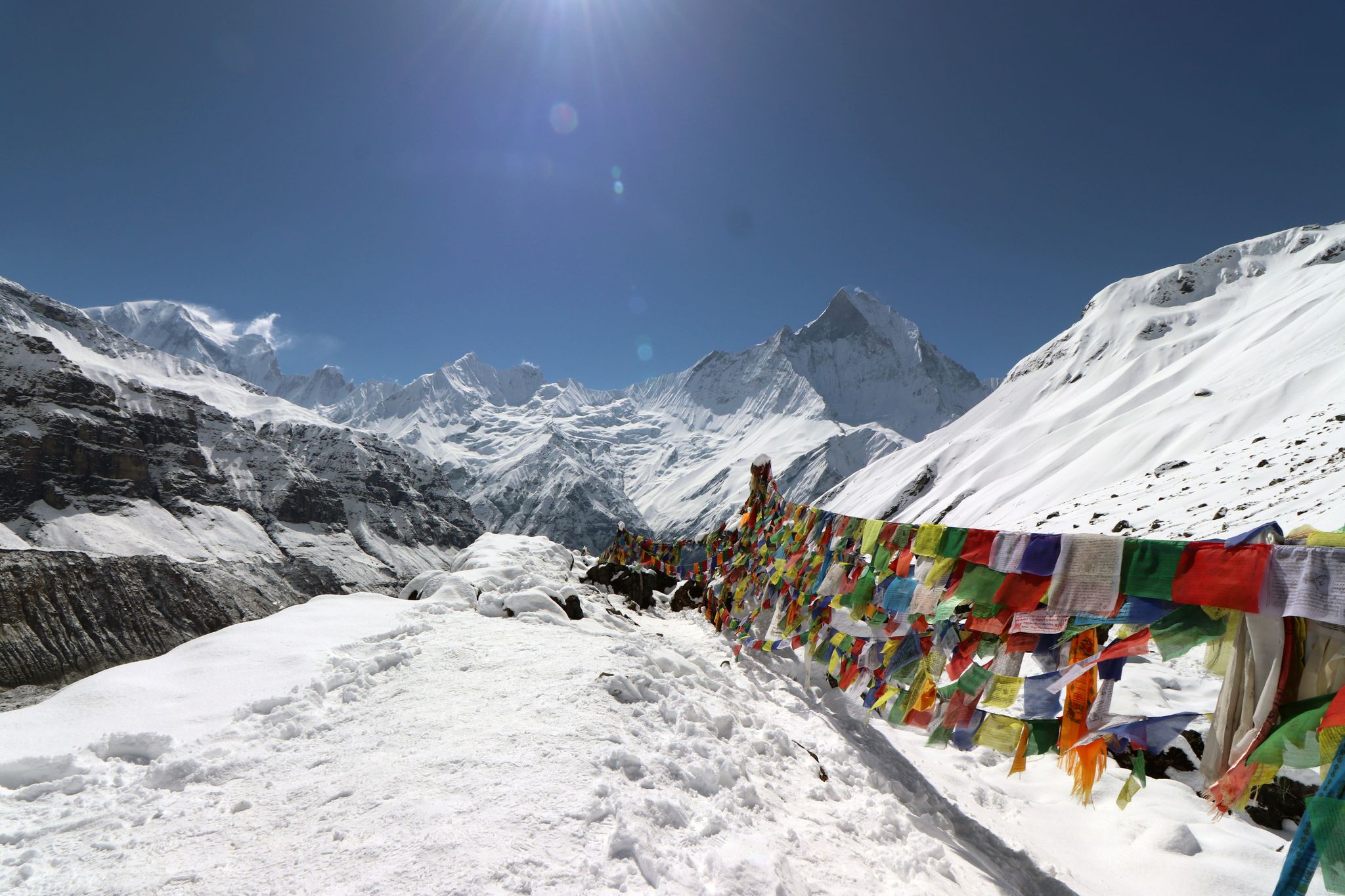
The stairway to heaven – Mardi Himal and Annapurna base camp
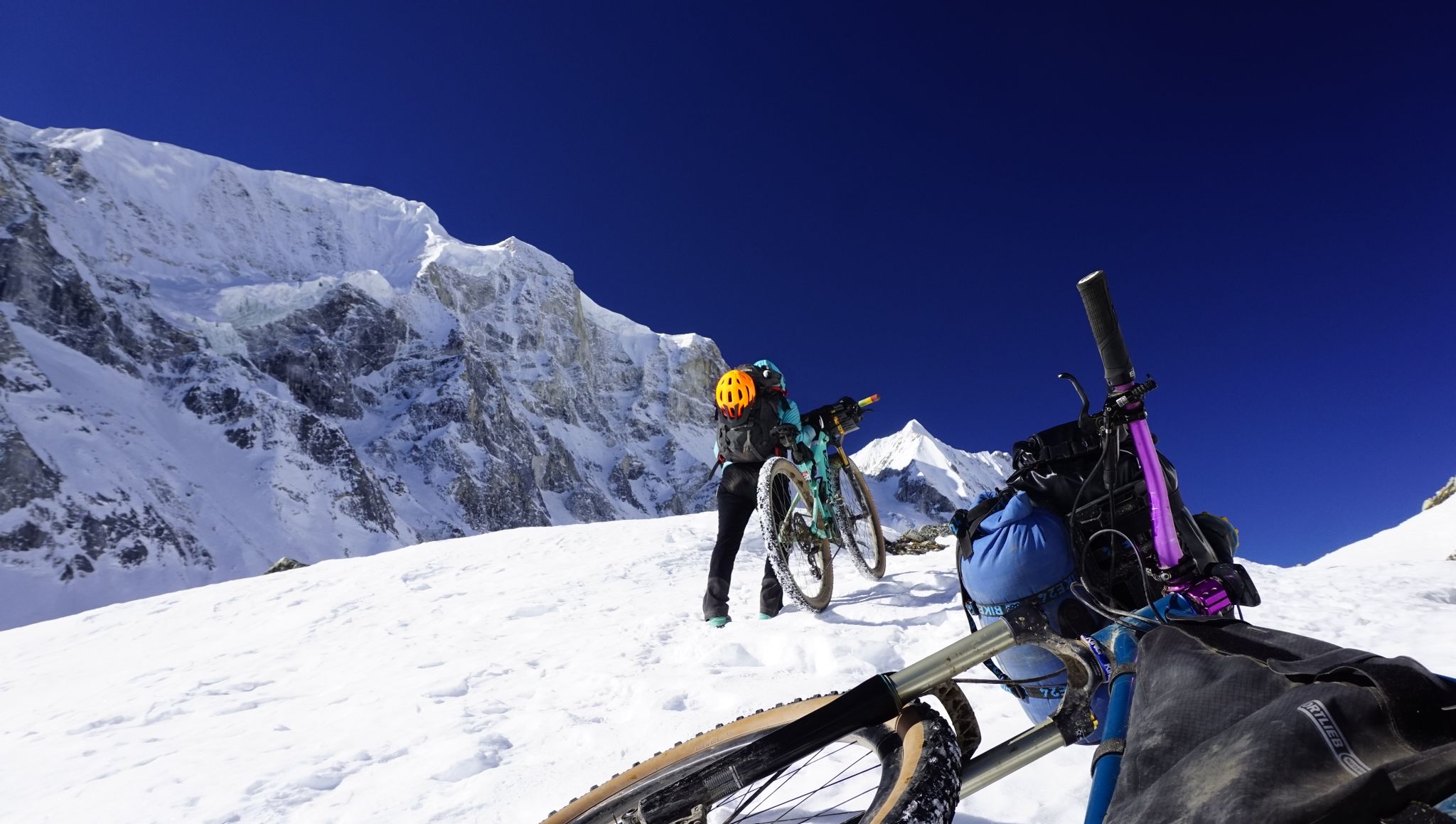
Adventure in Nepal: Part 1 – Manaslu Circuit Trek
Other adventures in Nepal


Tips from the Community

Once you’ve crossed the glacier you’ll come across Gokyo, a cool town to chill out in which has a stunning lake (not frozen due to depth), if you like cold water swimming this could be for you.
0
0

You can't exactly call the place beautiful. But the location on the lake and right at the foot of Gokyo Ri is first class.
0
0

If you're in Pokhara, you probably won't be able to avoid taking a walk along the lake - it's really beautiful. Pollution in Nepal can be shocking at times, with trash and packaging lying around. This was the first time I consciously noticed that there were signs and trash cans set up. I think this is important to create greater awareness among both locals and tourists. We were told that not so long ago many things were made of wood and other materials that rot quickly. Therefore, over generations, the Nepalese have become accustomed to simply throwing everything anywhere, believing that it will rot.
0
0

Tilicho Lake is located at an altitude of 4,919 meters. Despite not being part of the classic Annapurna circuit, Tilicho Lake is one of the most beautiful places in the entire Annapurna region.
1
1

Quite a steep climb, but especially important for someone who wants to better acclimatize to such heights.
0
0
Gokyo is a small Nepalese village located at an altitude of 4,750 meters. Its location is fantastic: Gokyo is in fact located on the shores of Tsho Gokyo Lake. From Gokyo you can reach the summit of Gokyo Ri, from where you can admire beautiful views of the Himalayas.
2
0
From this point it is possible to appreciate Gokyo in all its beauty. In fact, from here it is possible to admire the small town, the lake and, in the end, the Cho Oyu.
2
0
Chola Lake takes its name from the nearby mountain, the famous Cholatse. The turquoise color of the lake is unforgettable: furthermore, the lake is surrounded by historic mountains such as Ama Dablam and, indeed, Cholatse.
2
0
Frequently Asked Questions
What are some of the most popular lakes for trekking in Nepal?
Nepal offers several stunning lakes accessible via trekking. Among the most popular are Tilicho Lake, known as one of the highest lakes in the world, and the Gokyo Lakes, a series of glacial lakes in the Everest region. Rara Lake in Mugu District also offers a unique trekking experience in a remote part of Nepal.
Are there any family-friendly lakes to visit in Nepal?
Yes, Phewa Lake in Pokhara is highly recommended for families. It offers boating, lakeside walks, and birdwatching. The area around Pokhara Lakeside at Night is vibrant with cafes and restaurants, providing a relaxed atmosphere for all ages.
What natural features can I expect to see around Nepal's lakes?
Nepal's lakes are renowned for their diverse natural beauty. You can expect to see crystal-clear waters, often with striking colors like the turquoise of Birendra Lake or the deep blue of Shey Phoksundo Lake. Many lakes are surrounded by majestic Himalayan peaks, glaciers, and diverse flora and fauna, including rare species like the snow leopard near Shey Phoksundo Lake.
What is the best time to visit the lakes in Nepal?
The best time to visit Nepal's lakes generally depends on their altitude. For high-altitude glacial lakes like Tilicho and Gokyo, the spring (March to May) and autumn (September to November) seasons offer stable weather, clear skies, and moderate temperatures, making trekking more enjoyable. For lower-altitude lakes like Phewa, these seasons are also ideal, though they can be visited year-round with varying experiences.
What outdoor activities can I do near the lakes in Nepal?
Near many of Nepal's lakes, you can enjoy a variety of outdoor activities. Trekking is a primary activity, with routes leading to high-altitude lakes like Tilicho and Gokyo. Boating is popular on lakes such as Phewa Lake. You can also find cycling routes, such as the Path to World Peace Pagoda – Lakeside view loop from Phewa Lake, and numerous hiking trails throughout the region.
Are there any lakes in Nepal that hold cultural or religious significance?
Yes, many lakes in Nepal hold significant cultural and religious importance. Tilicho Lake is believed to be the ancient Kak Bhusundi Lake mentioned in the Ramayana, making it a pilgrimage site for Hindus. The Gokyo Lakes are sacred to both Hindus and Buddhists, with pilgrims visiting during festivals. Phewa Lake features the Tal Barahi Temple on an island, a revered Hindu site.
What are the highest lakes in Nepal?
Nepal is home to some of the world's highest lakes. Tilicho Lake, located at an astonishing altitude of 4,919 meters (16,138 feet) in the Annapurna region, is recognized as one of the highest. The Gokyo Lakes, situated in the Everest region, also form one of the world's highest freshwater lake systems, with altitudes ranging from 4,700 to 5,000 meters.
Can I find accommodation near the lakes in Nepal?
Accommodation options vary by lake. Near Gokyo Village and Gokyo Lake, you can find guest rooms in family-run teahouses. Phewa Lake in Pokhara has a wide range of hotels, guesthouses, and resorts along its lakeside. For more remote lakes like Rara or Shey Phoksundo, accommodation might be more basic, often in local lodges or teahouses along trekking routes.
What makes Rara Lake unique among Nepal's lakes?
Rara Lake, often called the 'Queen of Lakes,' is Nepal's largest freshwater lake. It is unique for its ability to display different colors—blue, brown, purple, and crimson—at various times of the day. Located within Rara National Park, it offers a tranquil, off-the-beaten-path adventure with breathtaking views of surrounding mountains and rich biodiversity.
Are there any challenging treks to lakes in Nepal?
Yes, many of Nepal's lake treks are considered challenging due to high altitudes and rugged terrain. The trek to Tilicho Lake involves a tough climb up to nearly 5,000 meters. Similarly, reaching the Gokyo Lakes and climbing Gokyo Ri for panoramic views is a demanding but rewarding experience.
What kind of wildlife can be seen around Nepal's lakes?
The lakes and their surrounding national parks are home to diverse wildlife. Around Shey Phoksundo Lake, you might spot endangered species like the snow leopard and musk deer. Rara National Park, encompassing Rara Lake, is known for various bird species and mammals. The Everest region around the Gokyo Lakes also hosts unique Himalayan wildlife.
Are permits required for trekking to lakes in Nepal?
Yes, permits are typically required for trekking to many of Nepal's lakes, especially those located within national parks or conservation areas. For instance, treks to Tilicho Lake (Annapurna Conservation Area) and the Gokyo Lakes (Sagarmatha National Park) require specific permits like the ACAP (Annapurna Conservation Area Permit) and TIMS (Trekkers' Information Management System) card, or Sagarmatha National Park entry permits.
Most popular attractions in Nepal

Get inspired with the komoot mobile app


Explore more
Still not found your perfect lake in Nepal? Check out the guides of these regions to see even more beautiful places.
