The 20 Most Amazing Peaks in Nepal
Best mountain peaks in Nepal are located within the Himalayas, offering diverse trekking and climbing experiences. This region is characterized by its towering peaks, deep valleys, and varied ecosystems, ranging from subtropical forests to high-altitude deserts. Nepal's mountains are also rich in cultural significance, home to indigenous communities and ancient traditions. The landscape features snow-capped summits, glaciers, and rugged terrain, attracting adventurers seeking natural beauty and challenging ascents.
Best mountain peaks in Nepal
- The most popular mountain peaks is Thorong…
Last updated: June 26, 2026
Poon Hill Viewpoint
Highlight • Viewpoint
Translated by Google •
Tip by

Thorong La Pass
Highlight • Mountain Pass
Tip by

Sign up now to discover places like this
Get recommendations on the best single tracks, peaks, & plenty of other exciting outdoor places.
Sign up for free
Path through the mountain ridge
Highlight • Trail
Translated by Google •
Tip by

Kongma La Pass
Highlight • Mountain Pass
Translated by Google •
Tip by
Pumori Peak
Highlight • Summit
Tip by

Thapla Pass (3,165 m)
Highlight • Mountain Pass
Translated by Google •
Tip by

Annapurna Base Camp
Highlight • Summit
I highly recommend witnessing the fiery sunrise over the surrounding peaks and Annapurna.
Translated by Google •
Tip by

Everest Base Camp
Highlight • Summit
Translated by Google •
Tip by
Mountain Scenery Near Lukla
Highlight • Viewpoint
Translated by Google •
Tip by

View of Annapurna and Dhaulagiri from Ghorepani village
Highlight • Viewpoint
Translated by Google •
Tip by

Sign up for free to discover even more peaks in Nepal.
Sign up for free
Already have an account?
Start today with a free account
Your next adventure awaits.
Login or Signup
Popular around Nepal
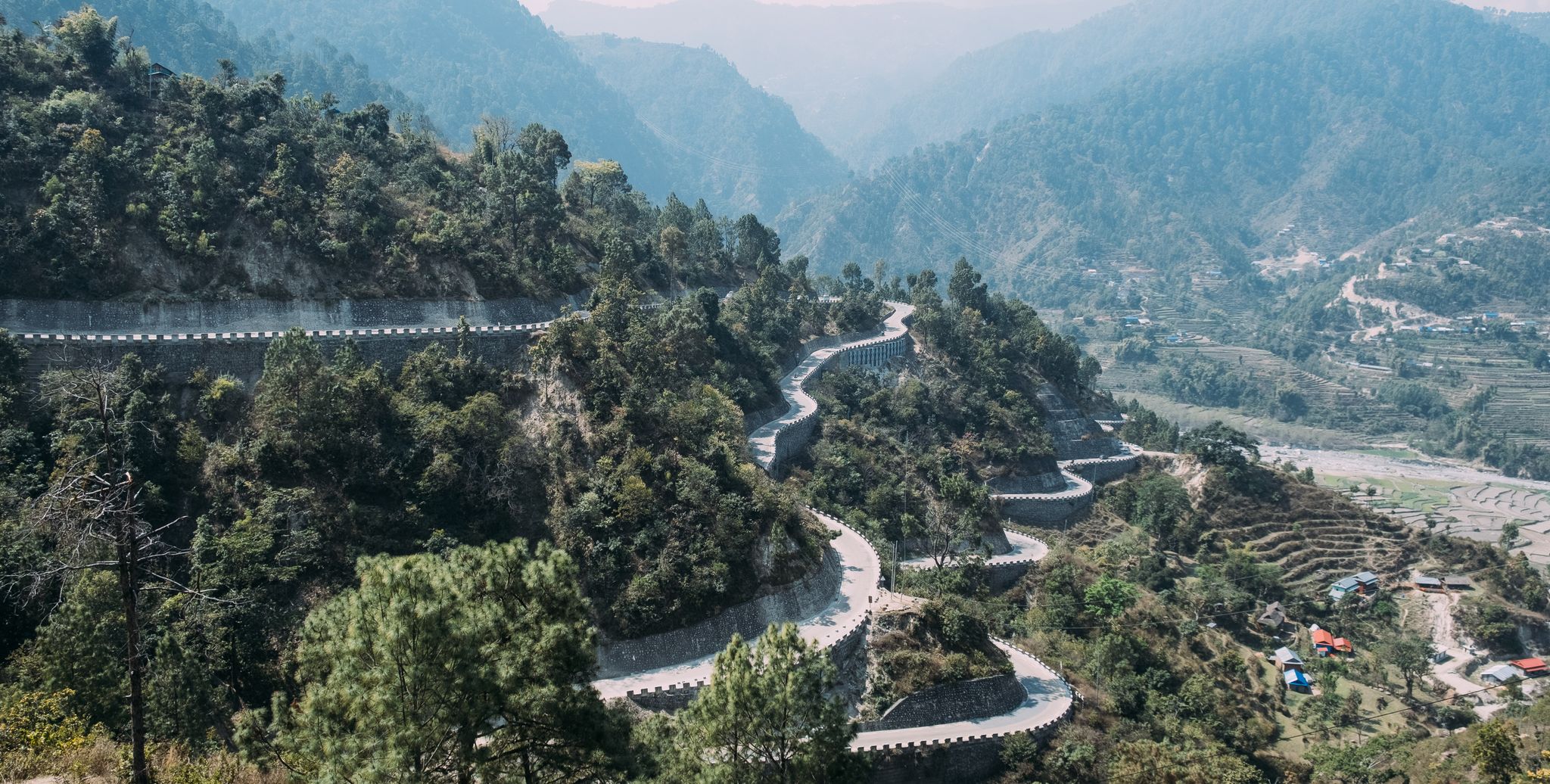
An unforeseen incredible journey – cycling from India to Nepal
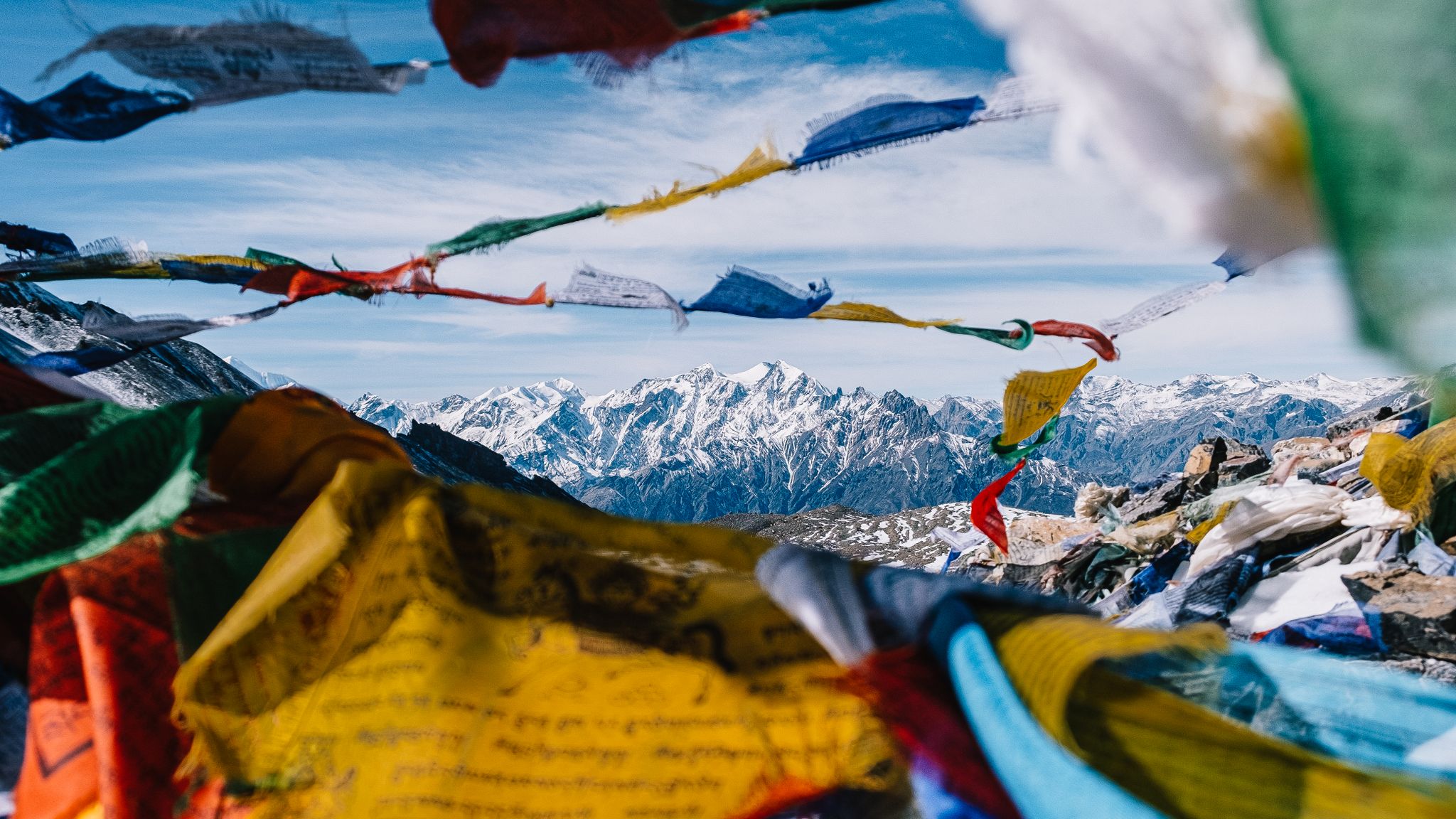
Annapurna Circuit in Nepal – Bikepacking the roof of the world
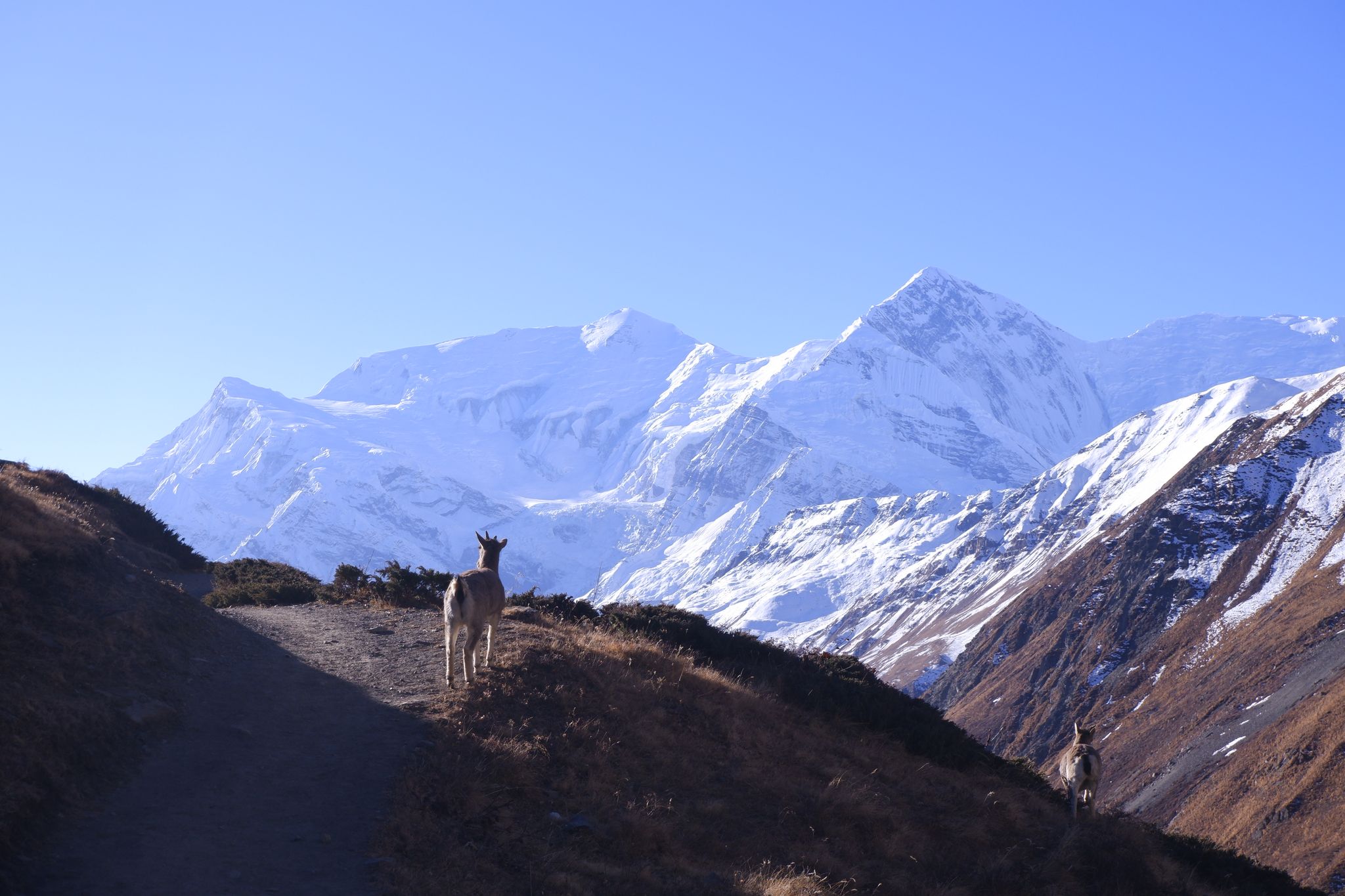
Annapurna Circuit – History and culture at high altitude in Nepal
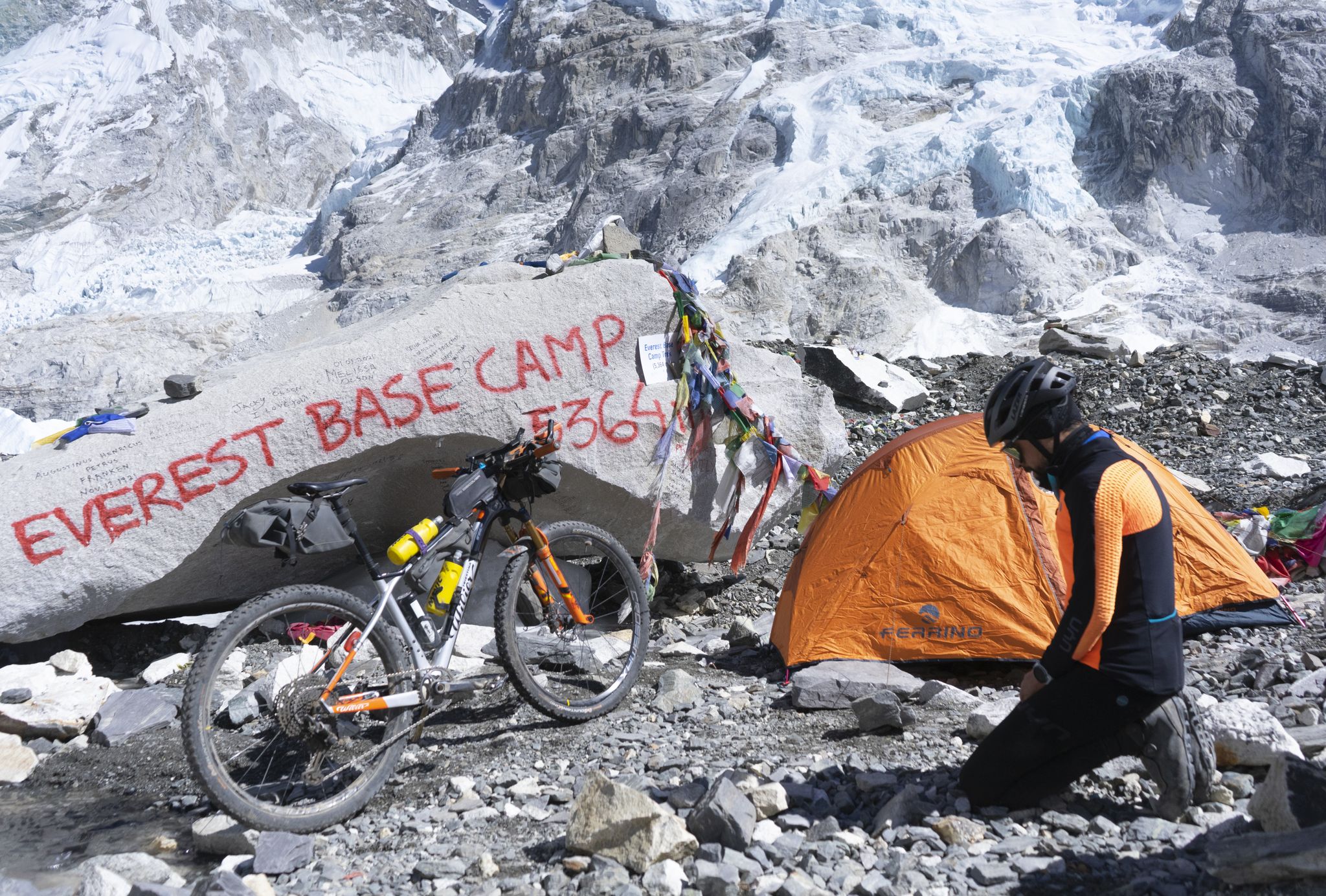
Winter Himalaya: My road to Everest Base Camp at 5364 meters
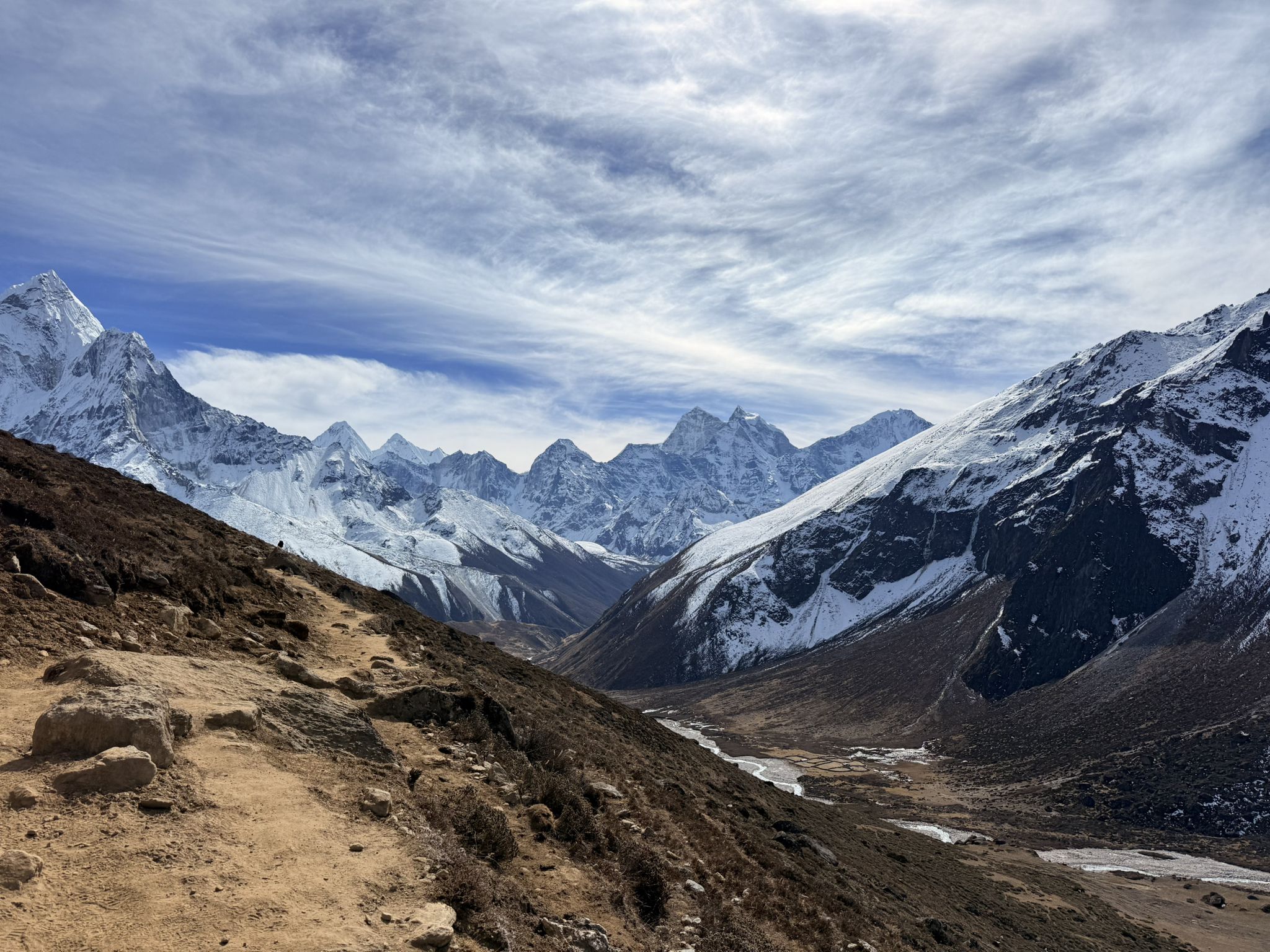
Beneath mighty Everest – fastpacking and running passes in the Khumbu
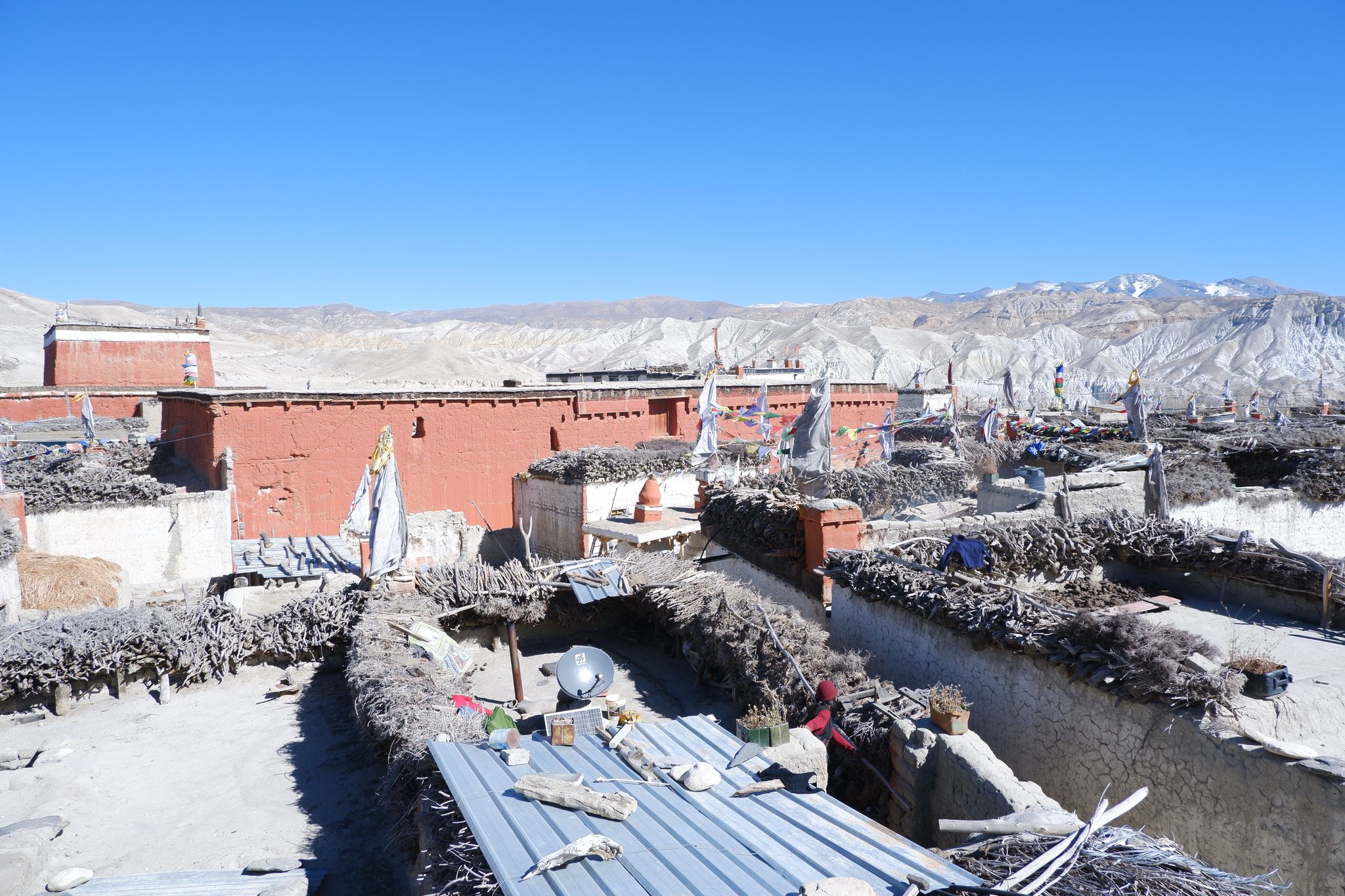
Authentic Nepal – trekking in the history of Mustang
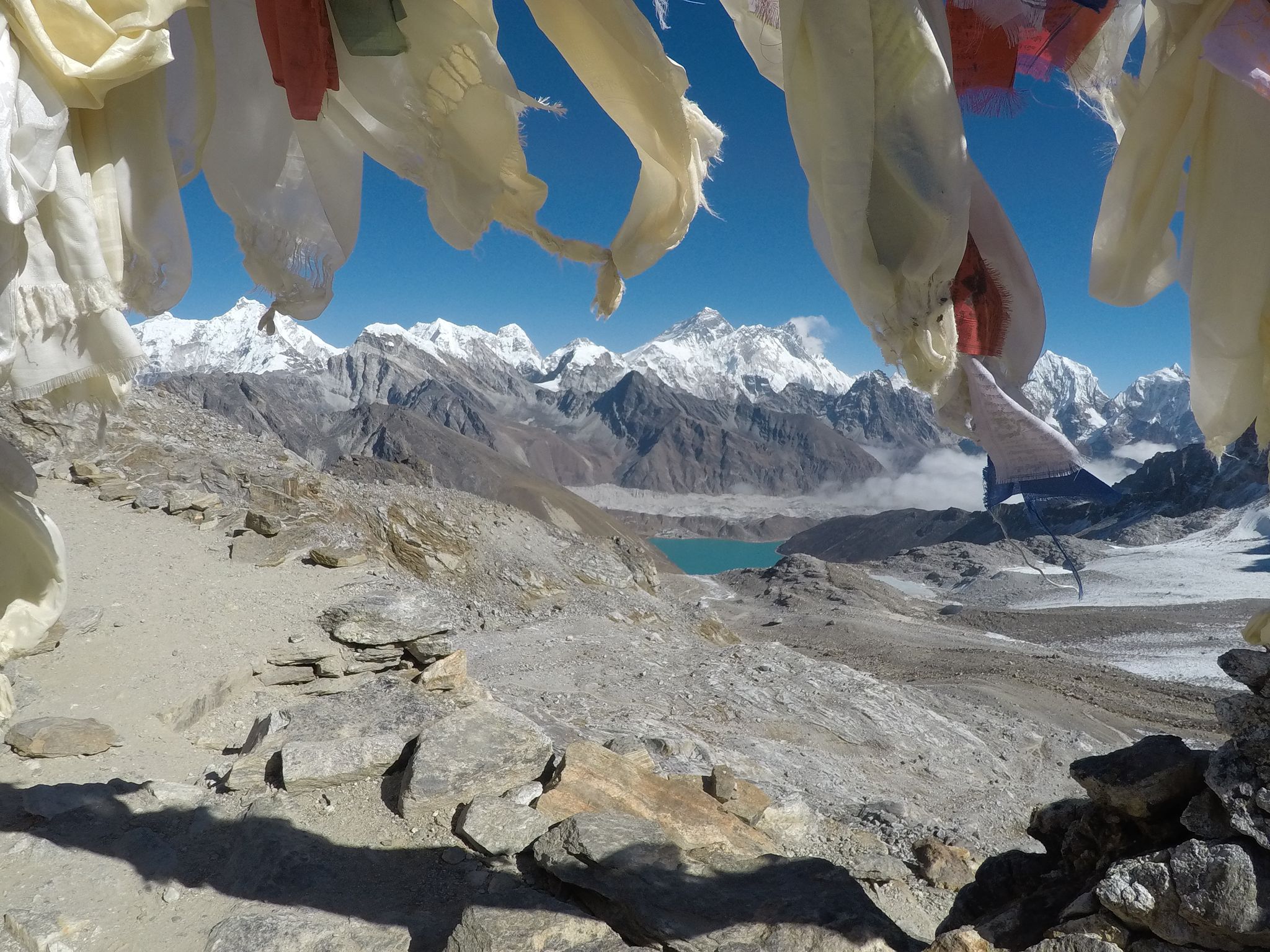
At the foot of Everest – Everest Base Camp with the three passes
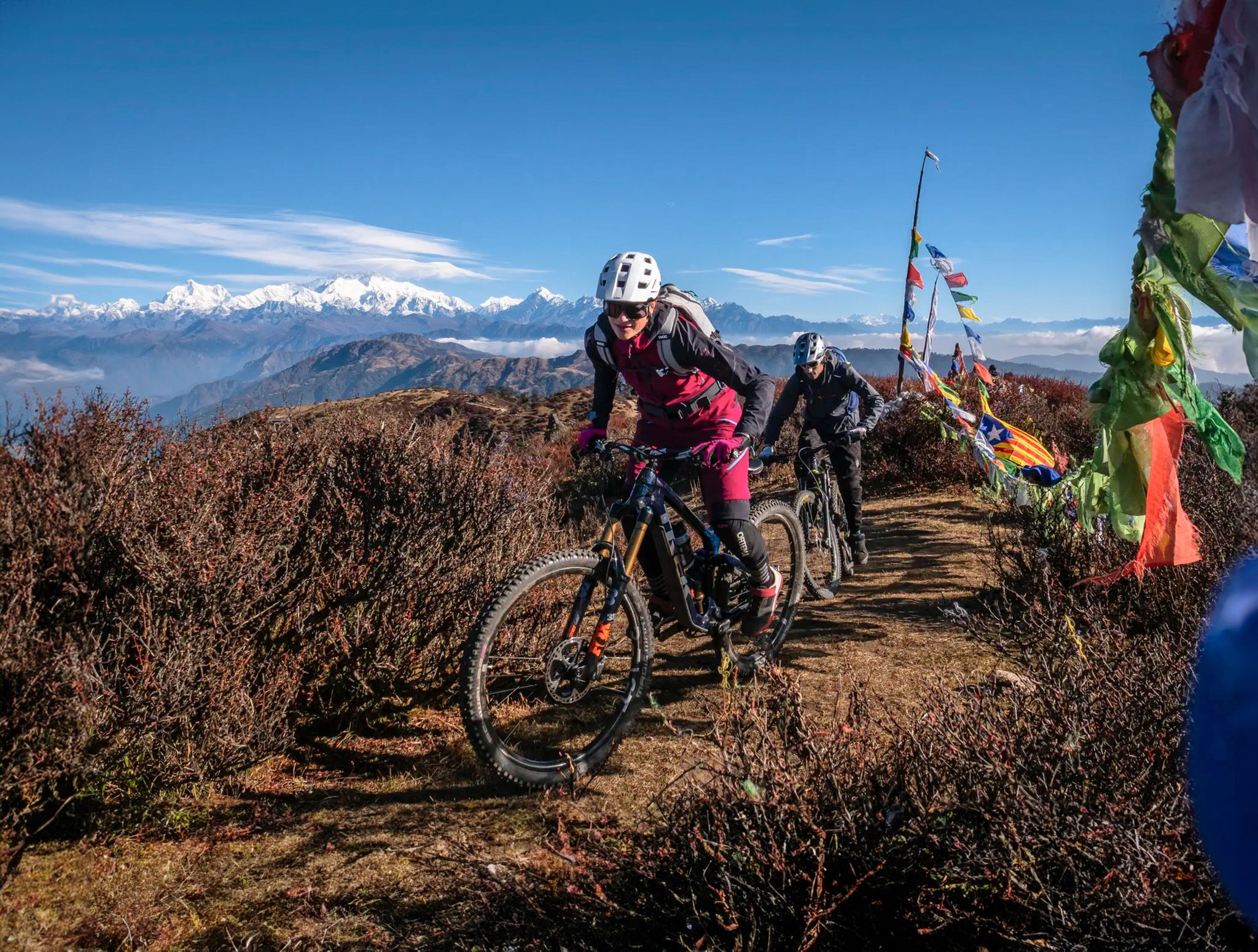
Discover India – an MTB adventure with Steffi Marth
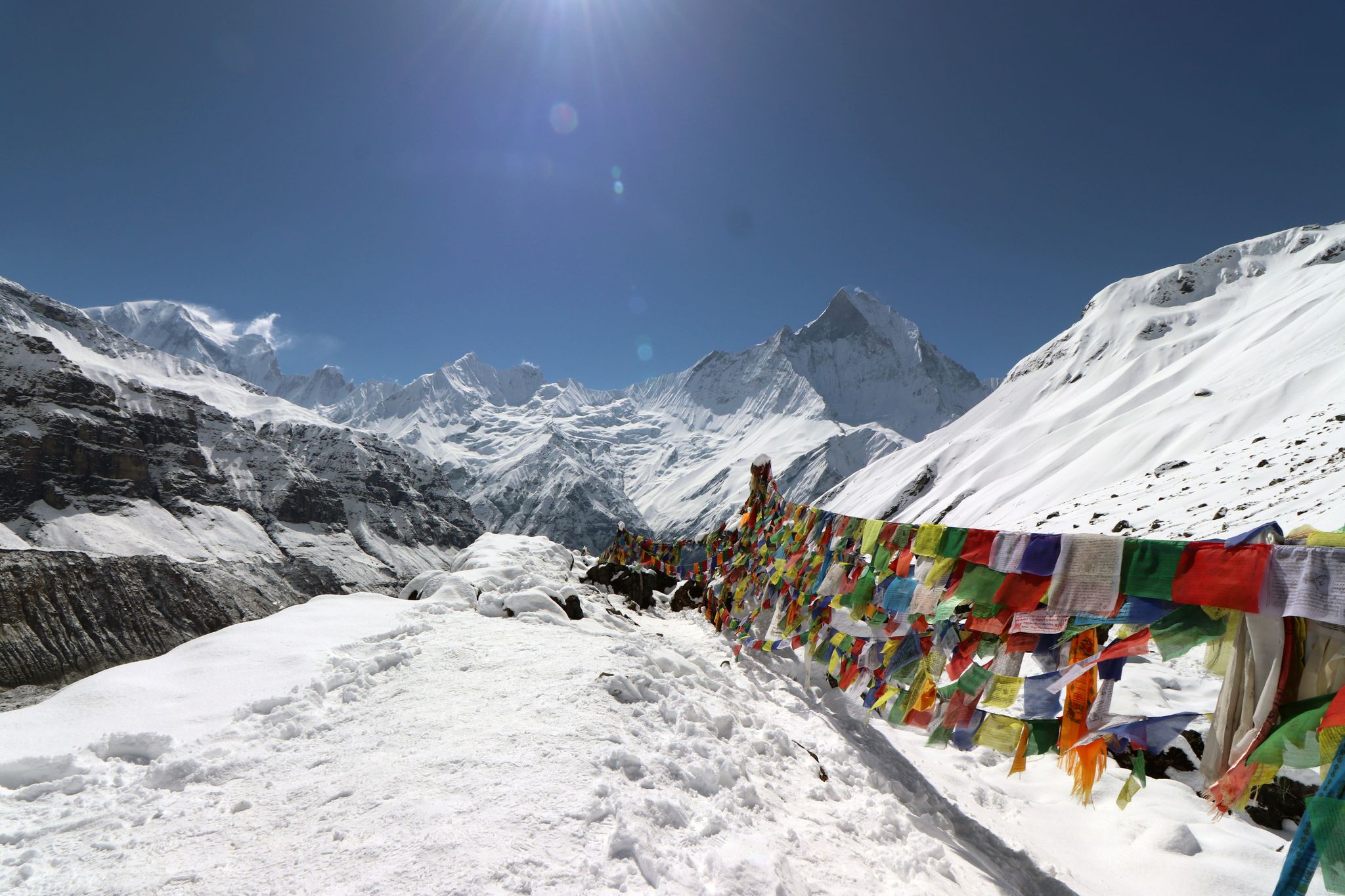
The stairway to heaven – Mardi Himal and Annapurna base camp
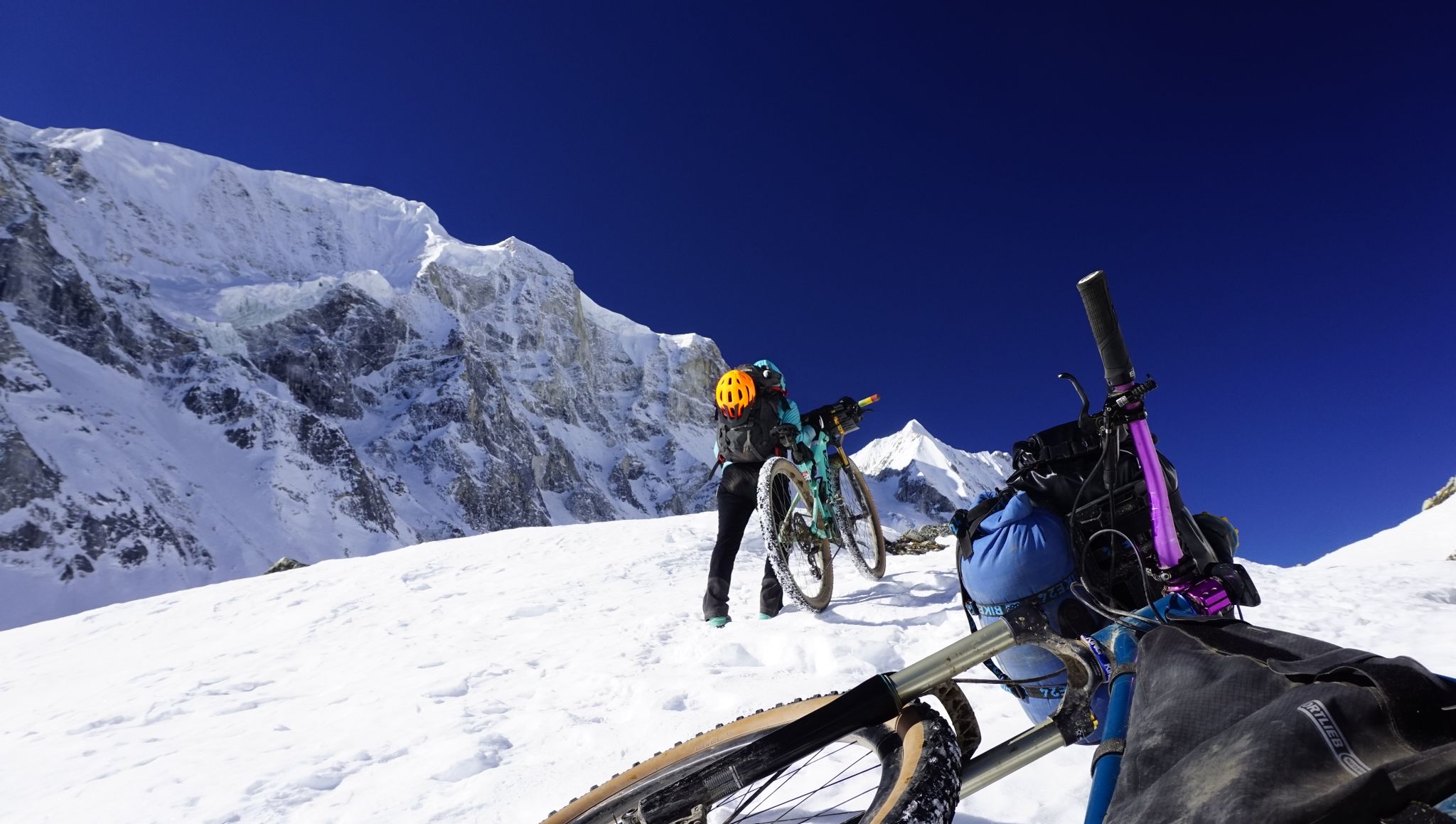
Adventure in Nepal: Part 1 – Manaslu Circuit Trek
Other adventures in Nepal


Tips from the Community

The highest pass that can be crossed in the world. It is an experience that will not be forgotten anytime soon.
1
0

Beautiful viewpoint 🤩, the climb from Ghorepani is worth it 👍🏻.
18
0
It's very, very strenuous to hike up there, especially because of the cold, the thin air, and the altitude. But the view is worth it 🤩.
12
0


The view from Ghorepani is a true highlight for any trekker – even before climbing the famous Poon Hill viewpoint, the village of Ghorepani offers impressive views and a very special atmosphere. 🌄 What can you see from Ghorepani? Although Ghorepani lies slightly below Poon Hill, even from the village you have a sweeping view of: Machhapuchhre (Fishtail Mountain) – with its striking shape, particularly beautiful at sunrise or sunset. Annapurna South – one of the dominant peaks in the panorama. Dhaulagiri – visible on clear days, appears mighty and snow-capped in the background. Tukuche Peak – often shrouded in clouds, but impressive. Added to this is the view over the gently rising hill ranges, which range in various shades of green and glow golden-orange in the evening hours. 🌿 The atmosphere in the village Ghorepani lies at an altitude of about 2,850 meters, nestled in dense rhododendron forests that bloom spectacularly, especially in spring (March–April). In the morning hours, the valleys are often shrouded in fog, while the peaks already glisten in the sun – an almost mystical scene. In the evening, the sun slowly sinks behind the mountains, and the village appears like a balcony overlooking the Himalayas. 📷 Tip for photography or quiet moments Those who prefer a cozy atmosphere can take dreamy pictures from the lodge terrace. Many travelers report that Ghorepani itself is one of the most beautiful places in the region – not just because of the view, but also because of the peaceful atmosphere, the hospitality, and the connection between nature and culture.
0
0

An indescribable feeling to reach the pass.
1
0
The highest point of the Annapurna Circuit and also the highest point that can be reached without climbing and without spending a lot of money. We were traveling without a porter or guide. It was a unique experience to cross the pass under our own steam and without assistance.
2
0
Frequently Asked Questions
What are some of the most popular trekking trails and routes in the Nepal mountain peaks region?
Nepal offers numerous popular trekking routes. The Thorong La Pass is a highlight of the Annapurna Circuit Trek, connecting the Manang area to Mustang. Another highly regarded route leads to Annapurna Base Camp, offering majestic 360-degree views of the Annapurna range. For those seeking iconic views, the trek to Everest Base Camp is a dream for many hikers and the starting point for Everest expeditions.
What are the difficulty levels for mountain trekking in Nepal?
Nepal's mountain peaks offer a range of difficulty levels. Peaks like Mount Everest, Makalu, and Ama Dablam present significant technical challenges, suitable for experienced mountaineers. However, there are also more accessible 8,000-meter peaks like Cho Oyu, known for its relatively straightforward climbing route. For trekkers, routes to Thorong La Pass and Annapurna Base Camp are considered challenging due to altitude and terrain, while the Langtang Valley trek is often recommended for both experienced and novice trekkers due to its gradual acclimatization pace.
What notable landmarks, viewpoints, and natural features can I see in the Nepal mountains?
The Nepal mountains are rich in natural beauty and iconic landmarks. Poon Hill Viewpoint offers magnificent dawn views of the Annapurna range, Dhaulagiri, and Machapuchare. The Everest region boasts breathtaking panoramas of snow-capped peaks, shimmering glaciers, and rugged Himalayan landscapes, including the dramatic Khumbu Icefall and the pristine Gokyo Lakes. The Annapurna region features the Kali Gandaki Gorge, the world's deepest gorge, and the Manaslu region is home to diverse landscapes from subtropical forests to high-altitude deserts, with lush rhododendron forests and glacial rivers.
What is the best time to visit the Nepal mountains for trekking?
While the guide doesn't specify exact seasons, generally, the autumn (September to November) and spring (March to May) seasons are considered the best for trekking in the Nepal Himalayas. These periods offer stable weather, clear skies, and moderate temperatures, providing optimal conditions for mountain views and comfortable trekking.
Are there less crowded mountain treks in Nepal compared to Everest or Annapurna?
Yes, for those seeking a more peaceful experience, the Manaslu region offers a less crowded trekking experience compared to Everest or Annapurna. The Makalu region also provides a unique and intimate trekking experience with fewer crowds, allowing for solitude and a deeper connection with nature. The Langtang Valley trek is another option that is relatively accessible from Kathmandu and can be less frequented than the major routes.
What kind of flora and fauna can be found in the Everest region?
The Everest region, part of the Mahalangur Himal range, features rugged Himalayan landscapes. While specific flora and fauna details for Everest are not extensively covered, the broader Himalayan ecosystem is known for its diverse biodiversity. For example, the Makalu region, which is part of the Makalu Barun National Park, boasts over 3,128 species of flowering plants, including 25 rhododendron species, and is home to diverse wildlife. The Manaslu Conservation Area also protects diverse flora and fauna, including endangered red pandas and snow leopards.
What cultural experiences can I expect while visiting Nepal's mountain peaks?
Visiting Nepal's mountain peaks offers rich cultural immersion. The Everest expedition allows interaction with the Sherpa community and exposure to Tibetan-Buddhist traditions, ancient monasteries, and Himalayan lifestyles in villages like Namche Bazaar. The Manaslu trek passes through remote villages inhabited by Tibetan Buddhist, Gurung, and other ethnic communities, where you can see monasteries, stupas, and prayer flags. Similarly, the Annapurna region offers an authentic Himalayan experience with interactions in villages inhabited by Gurung, Thakali, and Manangi communities, and the Langtang Valley trek allows for cultural immersion in traditional Tamang villages and visits to ancient monasteries like Kyanjin Gompa.
What outdoor activities can I do near the mountain peaks in Nepal?
Beyond trekking to the peaks themselves, Nepal offers a variety of outdoor activities. You can find numerous running trails, such as the Lakeside Boulevard loop from Phewa Lake. For more challenging adventures, there are many mountain hikes, including the Gokyo Village and Gokyo Lake loop from Gokyo, or the panoramic view from Kala Patthar Summit. Mountain biking is also popular, with MTB trails like the Himalayan Single Track near Kathmandu.
Which mountain peaks in Nepal are considered highly challenging for mountaineers?
Several peaks in Nepal are renowned for their extreme challenge. Mount Everest, the highest peak, represents the pinnacle of mountaineering success. Makalu, the world's fifth-tallest peak, is considered one of the most difficult and technical eight-thousanders to summit due to its steep slopes and knife-edged ridges. Ama Dablam, known as the 'Matterhorn of the Himalayas,' presents significant technical challenges with steep rock and snow pitches and narrow ridges, making it a sought-after climb for experienced mountaineers.
Are there any specific peaks known for their unique shapes or features?
Yes, several peaks in Nepal are distinctive for their unique forms. Makalu is known for its classic pyramid shape with four sharp ridges. Ama Dablam, often called the 'Matterhorn of the Himalayas,' is renowned for its striking beauty, dramatic profile, sharp ridges, and prominent hanging glacier, with its name translating to 'Mother's Necklace' due to its unique shape. Mount Everest itself is described as a 'colossus of rock and ice' forming a pyramid-shaped peak.
What do visitors enjoy most about the mountain peaks in Nepal?
Visitors to Nepal's mountain peaks often express a great sense of achievement and joy. For instance, arriving at Annapurna Base Camp is described as an immense emotion, with many recommending witnessing the fiery sunrise over the surrounding peaks. The views from places like Poon Hill Viewpoint are consistently praised as magnificent. The challenging yet rewarding nature of treks, the breathtaking panoramas, and the rich cultural interactions with local communities are frequently highlighted as the most enjoyable aspects.
What is the significance of Annapurna I in mountaineering history?
Annapurna I holds a special place in mountaineering history as the first 8,000-meter peak ever successfully climbed. This historic ascent took place in 1950, marking a significant milestone in high-altitude mountaineering. The Annapurna massif, of which Annapurna I is the main summit, is a geologically diverse region with dramatic elevation changes.
Most popular attractions in Nepal

Get inspired with the komoot mobile app


Explore more
See even more amazing summits in Nepal with these guides:
