Top 20 Castles in India
Castles in India showcase a rich heritage of diverse architectural styles and historical significance. These structures, often found on hills, riverbanks, or within cities, offer insights into the opulent past of various dynasties. Many provide panoramic views of the surrounding landscapes, reflecting their strategic importance and grandeur. The country's varied terrain hosts numerous forts and palaces, each with unique features.
Best castles in India
- The most popular castles is City Palace Udaipur, a historical site that reflects the splendor…
Last updated: June 26, 2026
Amer Fort
Highlight • Castle
Built in1592
Built by Raja Man singh
Materials = Sand Stone and Marble
Tip by

City Palace Udaipur
Highlight • Historical Site
Translated by Google •
Tip by

Sign up now to discover places like this
Get recommendations on the best single tracks, peaks, & plenty of other exciting outdoor places.
Sign up for free
Mehrangarh Fort
Highlight • Historical Site
Translated by Google •
Tip by
Red Fort
Highlight • Historical Site
Inside the fortress there …
Translated by Google •
Tip by

Entrance to City Palace Udaipur
Highlight • Historical Site
Translated by Google •
Tip by

Agra Fort
Highlight • Historical Site
Translated by Google •
Tip by

Red Fort Complex
Highlight • Historical Site
Tip by

Sinhagad Fort
Highlight • Castle
Translated by Google •
Tip by

Junagarh Fort
Highlight • Castle
Built:- 1589-1594
Built by Karan Chand
Materials :- Red sandstones & marble
Tip by
Royal Palace Jaisalmer India
Highlight • Historical Site
Translated by Google •
Tip by

Sign up for free to discover even more castles in India.
Sign up for free
Already have an account?
Start today with a free account
Your next adventure awaits.
Login or Signup
Popular around India
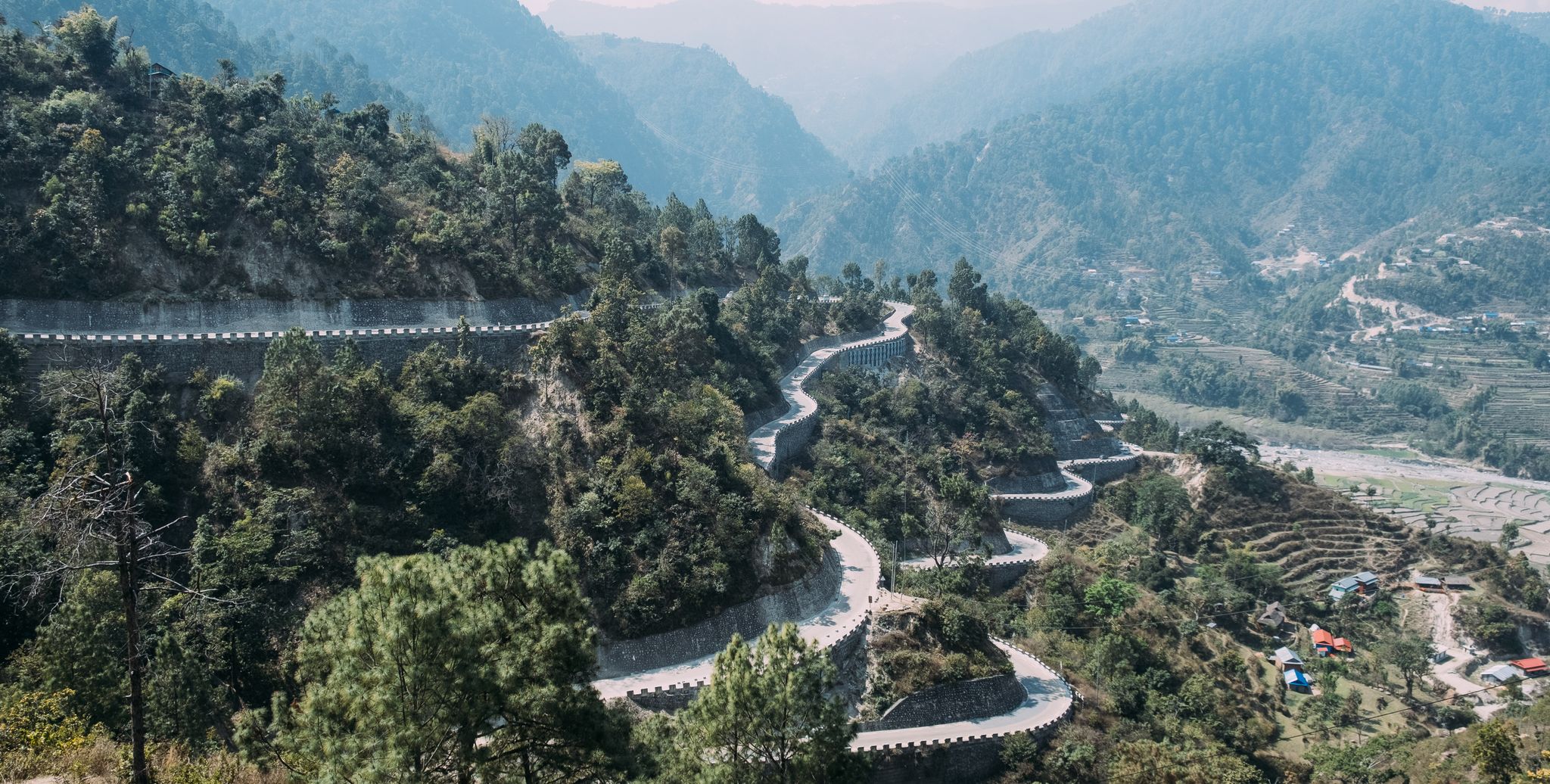
An unforeseen incredible journey – cycling from India to Nepal
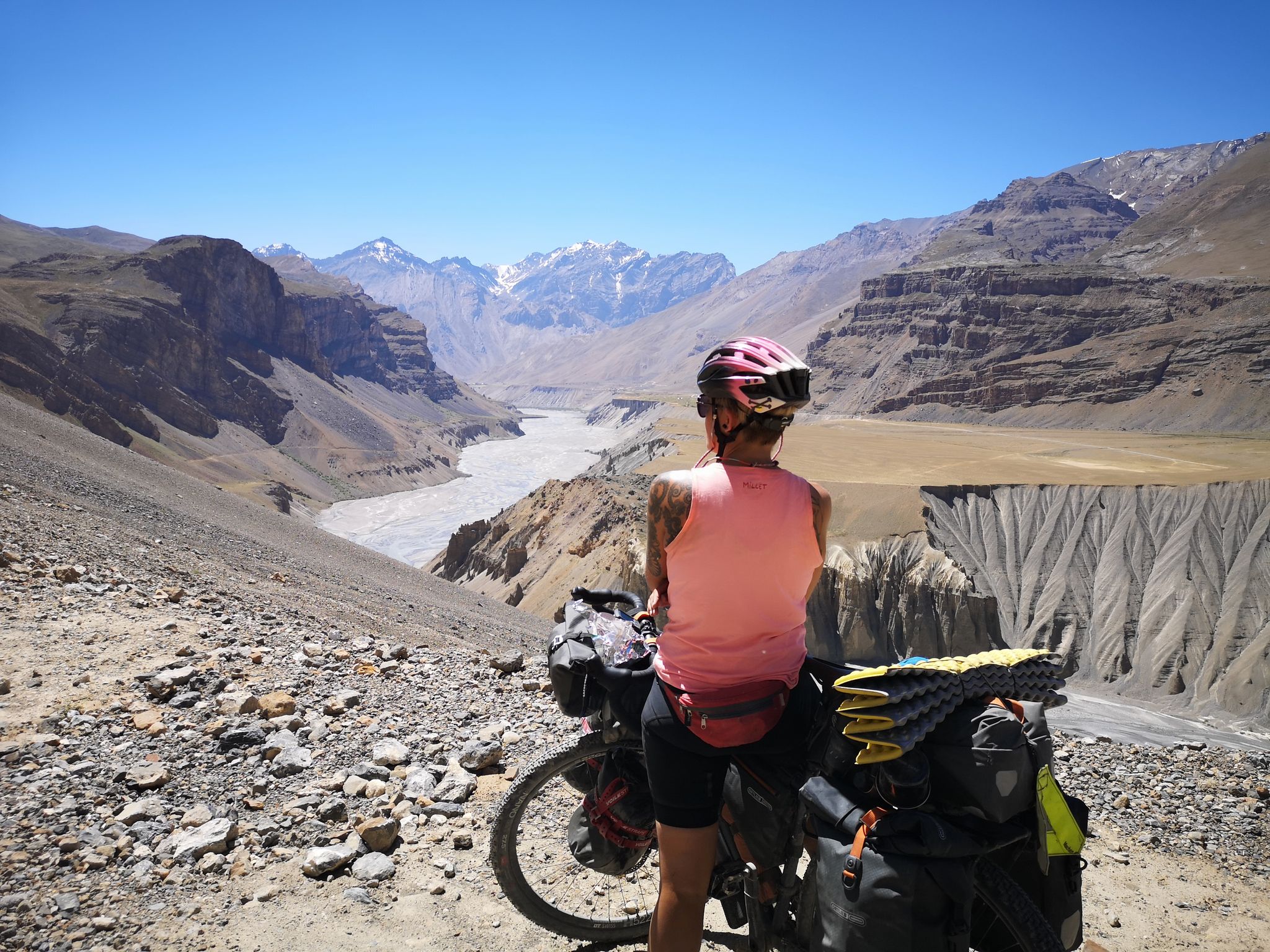
The Spiti Valley – Bikepacking in India
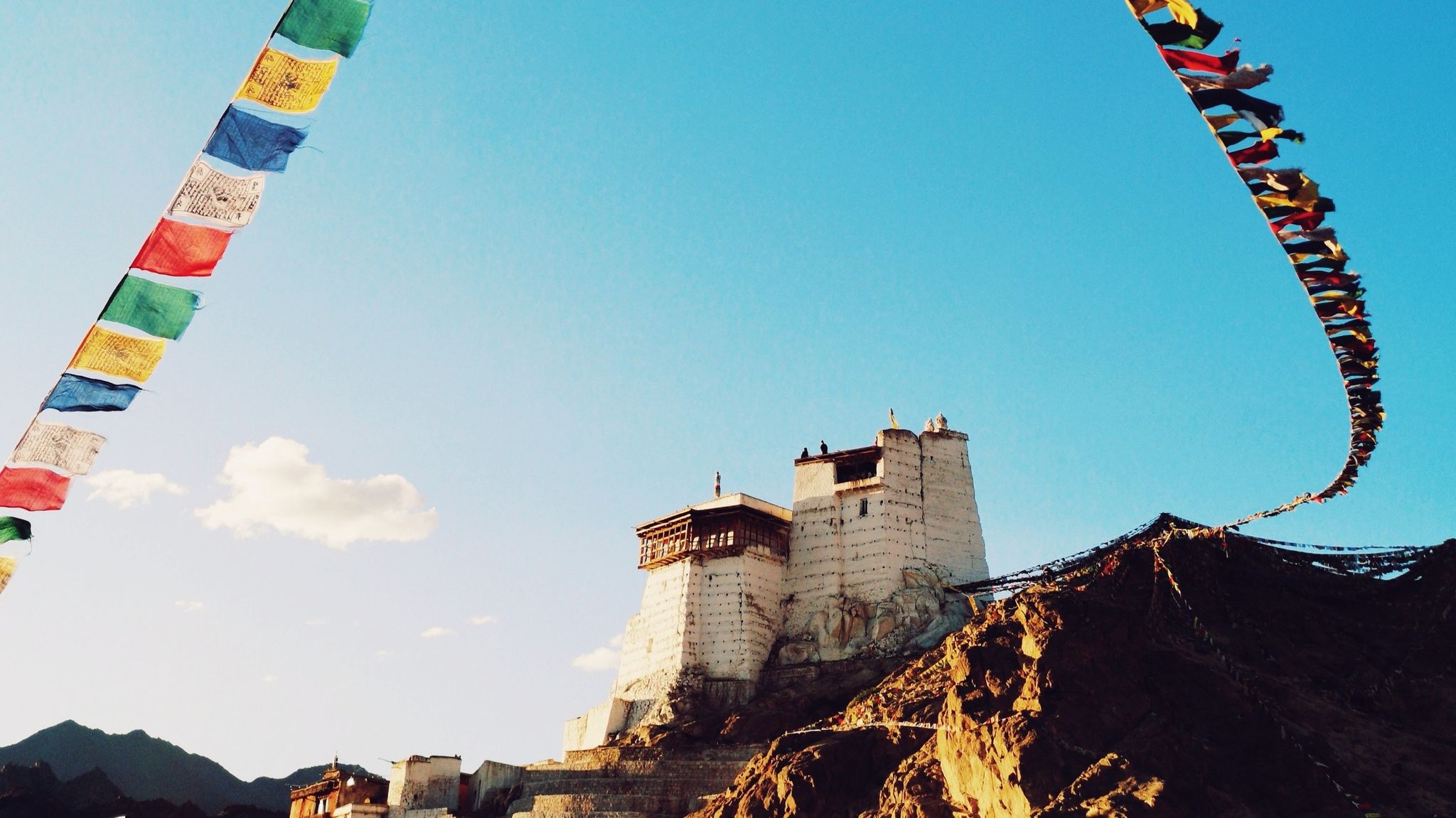
The Leh-Manali Highway – Cycling India

Discover India – an MTB adventure with Steffi Marth

India – Darjeeling: Riding between tea gardens, India & Nepal
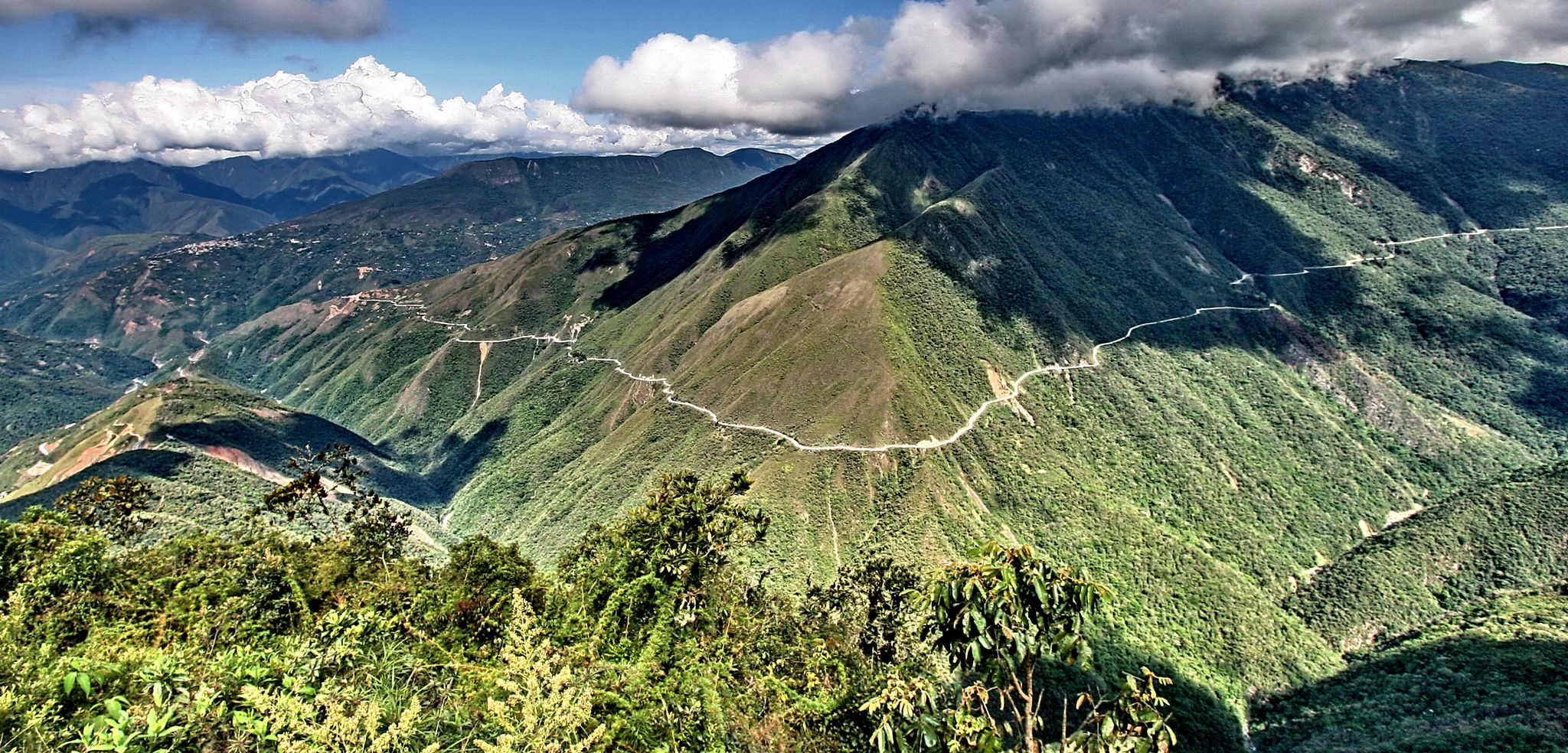
The world's most adventurous cycling passes
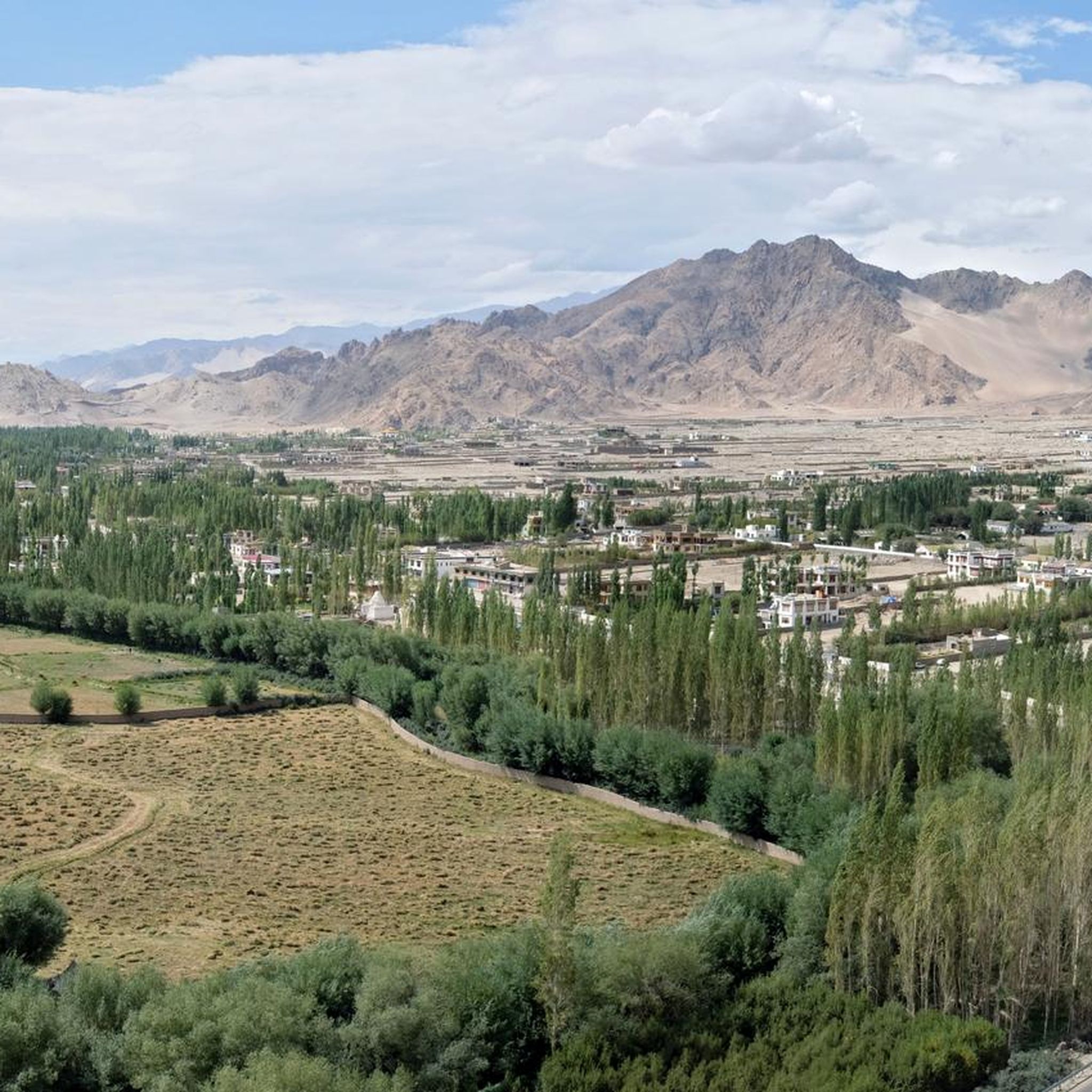
Running Trails in India
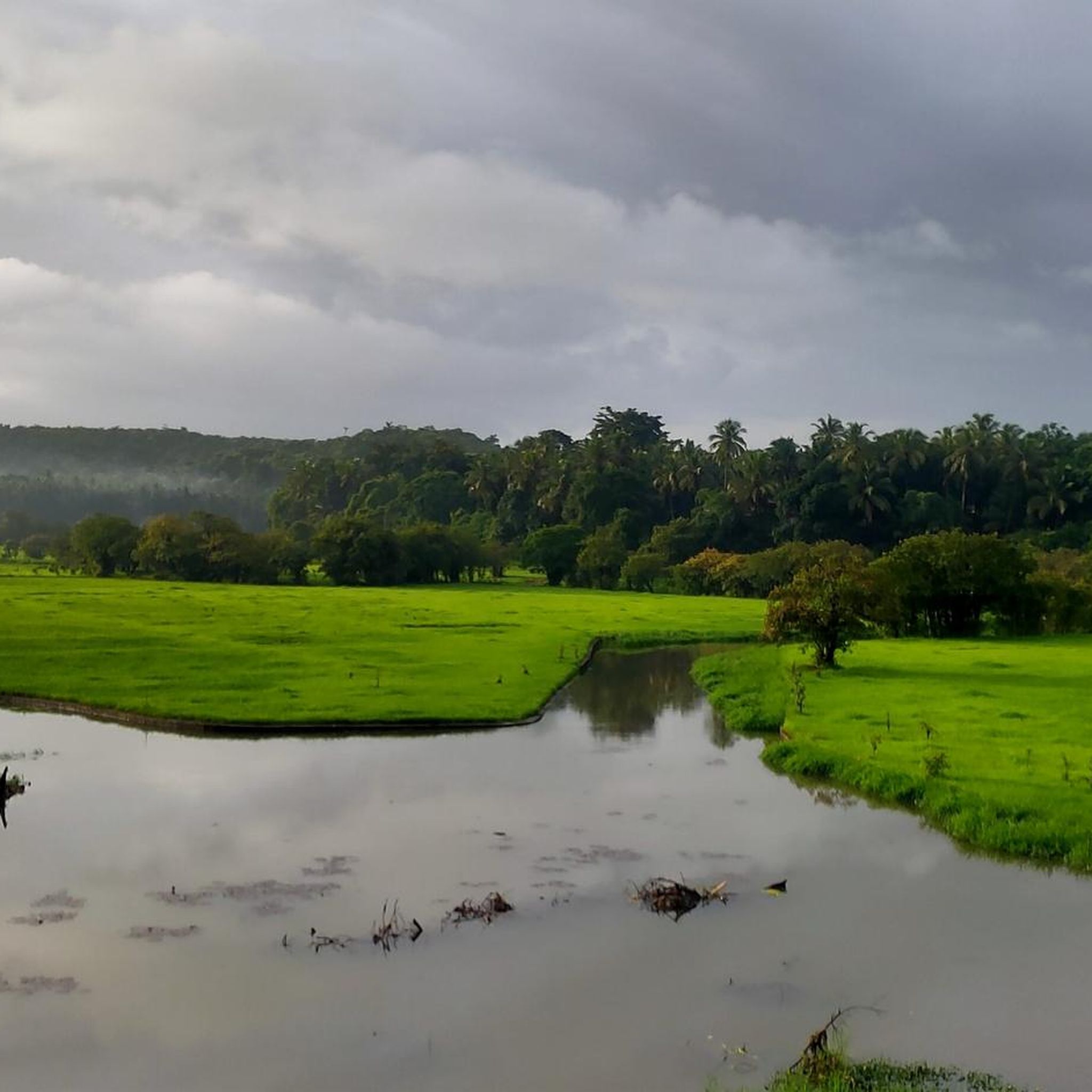
Hiking in India
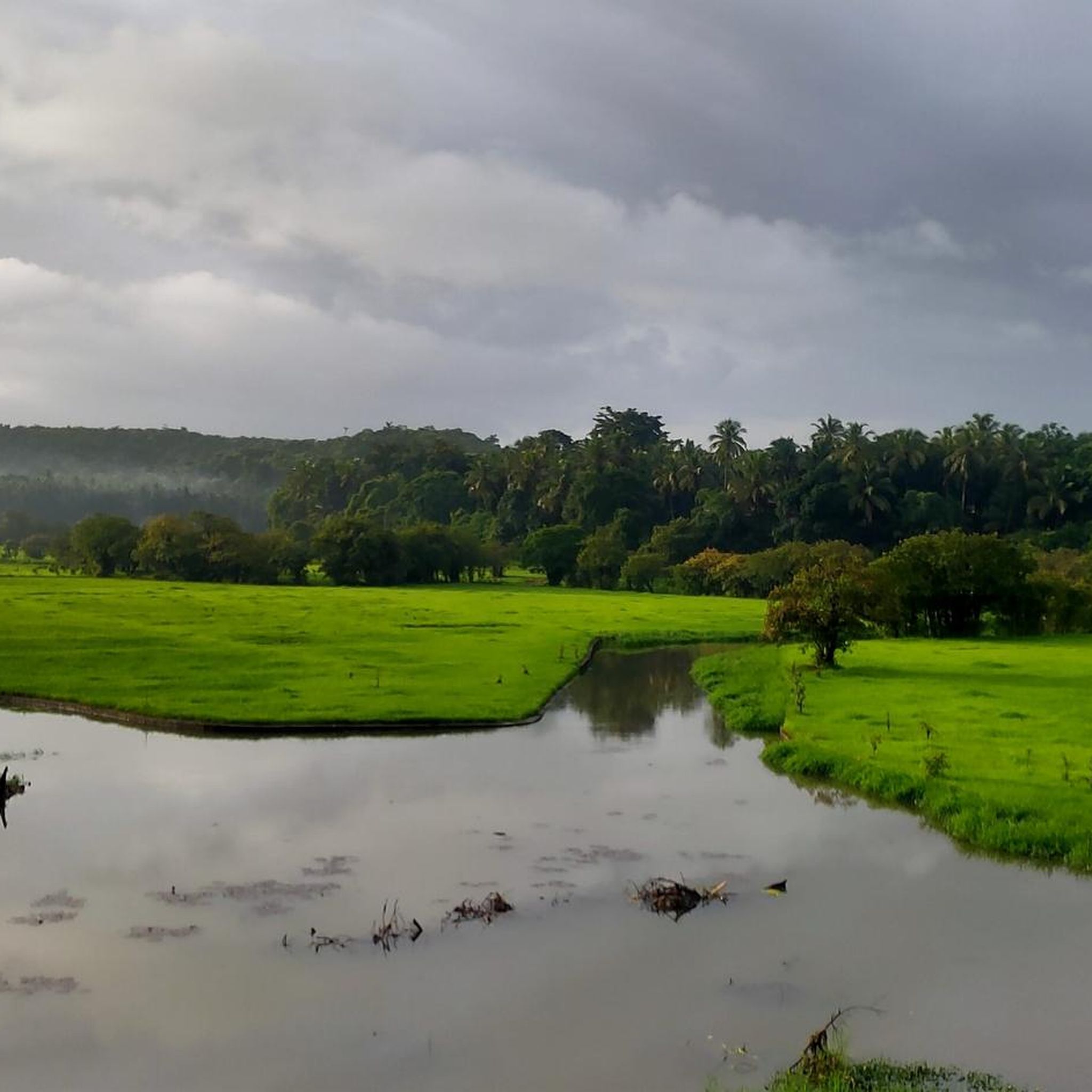
Road Cycling Routes in India
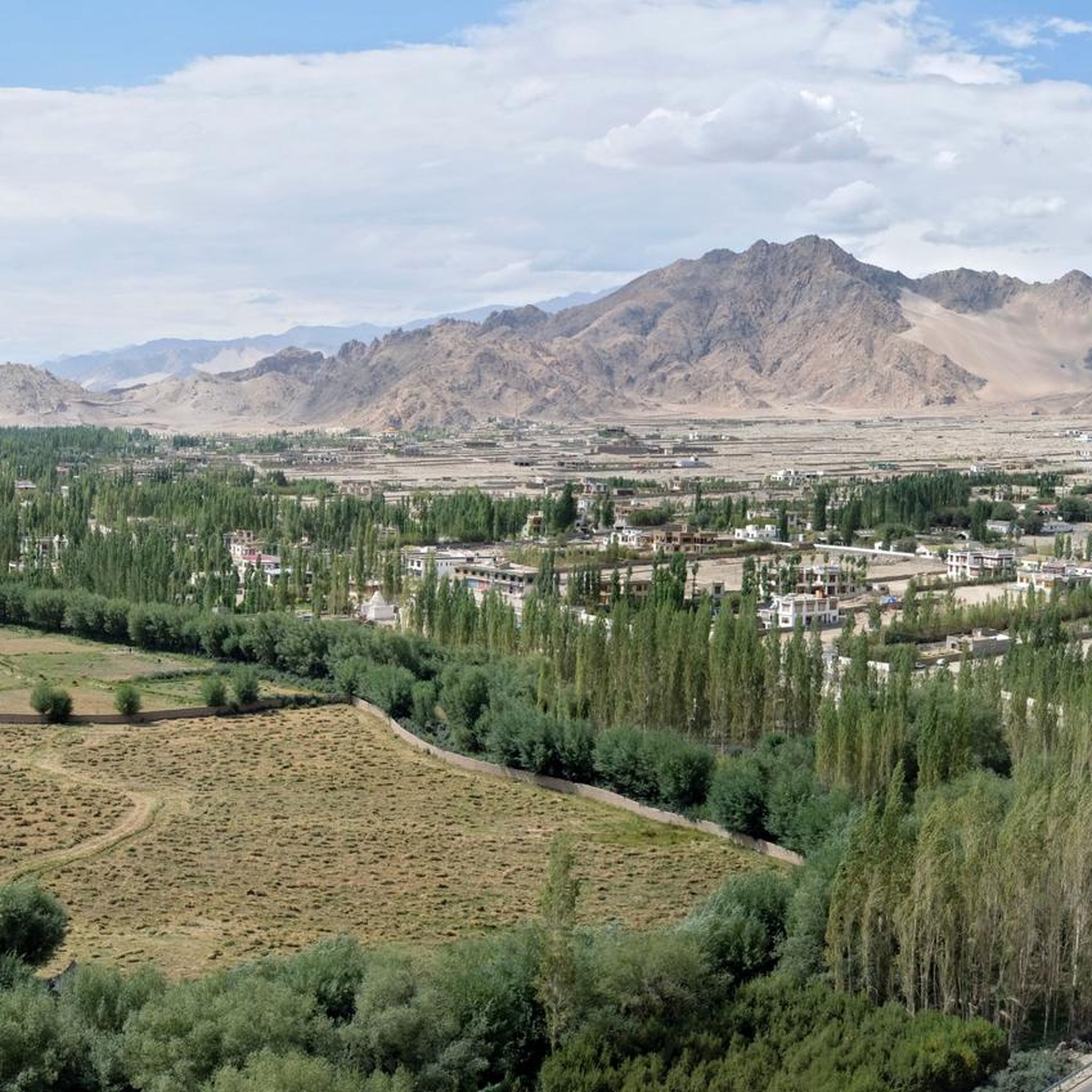
Cycling in India
Other adventures in India


Tips from the Community

Not far from the gardens of the Taj Mahal rises the important 16th-century Mughal monument, the Red Fort of Agra. This imposing fortress, built of red sandstone, encloses the former imperial city of the Mughal rulers within its 2.5 km long walls. It houses numerous magnificent palaces, such as the Jahangir Palace and the Khas Mahal, built by Shah Jahan, audience halls like the Diwan-i-Khas, and two beautiful mosques. Source: https://whc.unesco.org/en/list/251/
1
0
Not far from the gardens of the Taj Mahal rises the important 16th-century Mughal monument, the Red Fort of Agra. This imposing fortress, built of red sandstone, encloses the former imperial city of the Mughal rulers within its 2.5 km long walls. It houses numerous magnificent palaces, such as the Jahangir Palace and the Khas Mahal, built by Shah Jahan, audience halls like the Diwan-i-Khas, and two beautiful mosques. Source: https://whc.unesco.org/en/list/251/
2
0

The Red Fort is a fortress and palace complex from the Mughal Empire. Built between 1639 and 1648, it has been a UNESCO World Heritage Site since 2007. It stretches almost one kilometer from north to south and approximately 500 meters from east to west. The Red Fort is surrounded by a crenellated wall, 2.4 km long, ranging in height from 18 meters on the river side to 34 meters on the city side, and a moat. Opening hours are from 9:30 a.m. to 4:30 p.m., except Mondays. The sprawling complex is located on the Yamuna River in Old Delhi, covers approximately 254 hectares, and has stood for nearly four centuries.
2
0
The Red Fort complex was built as the palace fortress of Shahjahanabad, the new capital of the fifth Mughal emperor of India, Shah Jahan. Named for its massive red sandstone walls, it adjoins the older Salimgarh Fort, built in 1546 by Islam Shah Suri, with which it forms the Red Fort complex. The private apartments consist of a series of pavilions connected by a continuous water channel, the Nahr-i-Behisht (Paradise Stream). The Red Fort is considered the pinnacle of Mughal architecture, which reached a new level of refinement under Shah Jahan. While the palace's layout is based on Islamic models, each pavilion reveals architectural elements typical of Mughal architecture, reflecting a fusion of Persian, Timurid, and Hindu traditions. Source: https://whc.unesco.org/en/list/231/
2
0

Frequently Asked Questions
What are some of the most historically significant castles in India?
India is home to numerous castles with deep historical roots. The Amer Fort, built in 1592, is a prime example of Rajput architecture blending Islamic and Hindu design. The Agra Fort served as the primary residence for Mughal emperors, showcasing Islamic architectural splendor. Another significant site is Mehrangarh Fort, which took 500 years to complete and dominates the Jodhpur skyline.
Which castles in India are particularly family-friendly?
Several castles in India are great for families. The Red Fort in Agra and the Red Fort Complex in Delhi are both listed as family-friendly. Agra Fort also offers an engaging experience for all ages, as does Junagarh Fort.
What is the best time of year to visit castles in India?
The best time to visit most castles in India, especially those in North India like Rajasthan, is during the cooler, dry months from October to March. This avoids the intense heat of summer and the heavy monsoon rains, making exploration more comfortable. However, some regions might have different ideal visiting periods.
Are there any castles in India known for their unique architectural features?
Absolutely. The Amer Fort is famous for its Sheesh Mahal (Palace of Mirrors) adorned with countless glass pieces. Mysore Palace, while newer, is celebrated for its intricate stained glass and ivory inlay work. The Mehrangarh Fort features fabulously ornamented mahals like Sheesh Mahal and Phool Mahal, decorated with pure gold.
What kind of outdoor activities can I find near castles in India?
Many castles are situated in areas offering various outdoor activities. For instance, near some castles, you can find running trails, mountain biking routes, and easy hikes. You can explore options like the 'Cubbon Gate loop' for running or the 'Aravalli Loop' for mountain biking. For more details on routes, check out the Running Trails in India, MTB Trails in India, and Easy hikes in India guides.
Which castles offer the best panoramic views of the surrounding landscape?
Several castles provide breathtaking panoramic views. Amer Fort offers stunning views of Maota Lake. Mehrangarh Fort, perched on a 125-meter high hill, provides an expansive vista of Jodhpur's old town. Sinhagad Fort and Kumbhalgarh Fort are also known for their impressive viewpoints.
Are there guided tours available for castles in Jaipur and other regions?
Yes, guided tours are generally available for popular castles, especially in regions like Jaipur. For example, at City Palace Udaipur, it's recommended to take a guide to fully appreciate the museum and hear additional stories. Many sites offer official guides at the entrance, and some can be pre-booked.
What are the accessibility considerations for visiting Indian forts, especially for seniors or those with mobility issues?
Accessibility varies greatly among Indian forts. Many, like Mehrangarh Fort, are built on hills and involve winding roads or numerous steps. While some modern sites might have ramps or elevators, older forts often do not. It's advisable to check specific fort details beforehand. For example, elephant rides are an option to reach Amer Fort, which might assist with the ascent.
Can you recommend any castles in South India?
While many prominent castles are in North India, South India also has notable structures. Mysore Palace in Karnataka is a magnificent example, known for its opulent interiors and blend of architectural styles. Golconda Fort in Hyderabad, Telangana, originally built in the 13th century, is another significant historical site in the south.
What are the parking options like at major Indian castles?
Parking availability varies by location. Major tourist attractions like the Red Fort in Delhi and Amer Fort in Jaipur typically have designated parking areas, though they can get crowded. It's often recommended to use local transport or taxis, especially in bustling city centers, to avoid parking hassles.
What can visitors expect to see inside the <a href="https://www.komoot.com/highlight/1102764" target="_blank" rel="noopener">City Palace Udaipur</a>?
The City Palace Udaipur reflects the splendor of princely rule. Inside, you can explore various palaces, some of which still serve as residences for the Maharana. The complex grew in size and shape over several construction phases, offering a glimpse into the opulent lifestyle of the Mewar royal family through its architecture and collections.
What is the significance of the gates at <a href="https://www.komoot.com/highlight/5592525" target="_blank" rel="noopener">Mehrangarh Fort</a>?
The Mehrangarh Fort features seven gates, each commemorating significant victories. For instance, the Jayapol was built by Maharaja Man Singh after defeating armies from Jaipur and Bikaner, while the Fatehpol commemorates Maharaja Ajit Singh's victory over the Mughals. The Lahapol, or Iron Gate, is notable for the 15 handprints next to it, indicating the Sati (cremation death) of Maharaja Man Singh's widows.
Are there any castles in India that are less commonly visited but still worth exploring?
While the guide focuses on popular sites, India has many lesser-known forts. For example, Sinhagad Fort in Maharashtra offers historical significance and great views, and Kumbhalgarh Fort is known for its impressive wall. Exploring these can offer a more unique and less crowded experience of India's rich history.
Most popular attractions in India

Get inspired with the komoot mobile app


Explore more
Looking for the best castles somewhere else? Discover other guides in India:
