Top 9 Castles in China
Castles in China encompass a variety of architectural types, including imperial palaces, military fortresses, and fortified residences. These structures offer a glimpse into the country's imperial past, defensive strategies, and cultural heritage. China's diverse landscapes provide unique settings for these historical sites.
Best castles in China
- The most popular castles is Forbidden City, Beijing, a historical site that spans 720,000 square meters and boasts over 9,000 rooms. Its architecture features distinct red walls, golden roofs, and intricate decorations.
- Another must-see spot is Mount Fortress (Fortaleza do Monte), a castle built from 1617 to 1626 on 52-meter high Mount Hill. It was the city's main military defense structure and offers views over the city, now housing the Macau Museum.
- Visitors also love Guia Fortress and Lighthouse, a historical site on Guia Hill, the highest hill in Macau. It is a UNESCO World Heritage Site and includes the 1865 built "Farol da Guia," the first modern lighthouse on the Chinese coast.
- China is known for imperial palaces, military fortresses, and fortified residences. These structures offer insight into the country's imperial past, defensive strategies, and cultural heritage.
- The castles in China are appreciated by the komoot community, with more than 40 upvotes and over 260 photos shared.
Last updated: June 26, 2026
Forbidden City, Beijing
Highlight • Historical Site
Translated by Google •
Tip by

Mount Fortress (Fortaleza do Monte)
Highlight • Castle
Today is the Macau Museum.
Translated by Google •
Tip by

Sign up now to discover places like this
Get recommendations on the best single tracks, peaks, & plenty of other exciting outdoor places.
Sign up for free
Guia Fortress and Lighthouse
Highlight • Historical Site
Here is also the 1865 built "Farol da Guia", the first modern lighthouse on the Chinese coast.
Translated by Google •
Tip by
End of the Pinewood Battery
Highlight • Historical Site
The Pinewood Battery Heritage Trail leads through the facility and explains the functions of the buildings and facilities on information boards.
Translated by Google •
Tip by
Palace of the Empress, Forbidden City
Highlight • Historical Site
Translated by Google •
Tip by

Guangzhou Museum, Zhenhai Tower
Highlight • Historical Site
Today it forms part of the Guangzhou Museum.
Tip by

Fort San Domingo
Highlight • Historical Site
The ticket is also valid for "Customs Officer's Residence" and "Hobe Fort".
Translated by Google •
Tip by
Former British Consulate at Fort San Domingo
Highlight • Historical Site
Translated by Google •
Tip by
Huangsiqiao Ancient City Wall
Highlight • Historical Site
Showing Translation
Tip by

Shigatse Dzong
Highlight • Castle
Translated by Google •
Tip by

Start today with a free account
Your next adventure awaits.
Login or Signup
Popular around China
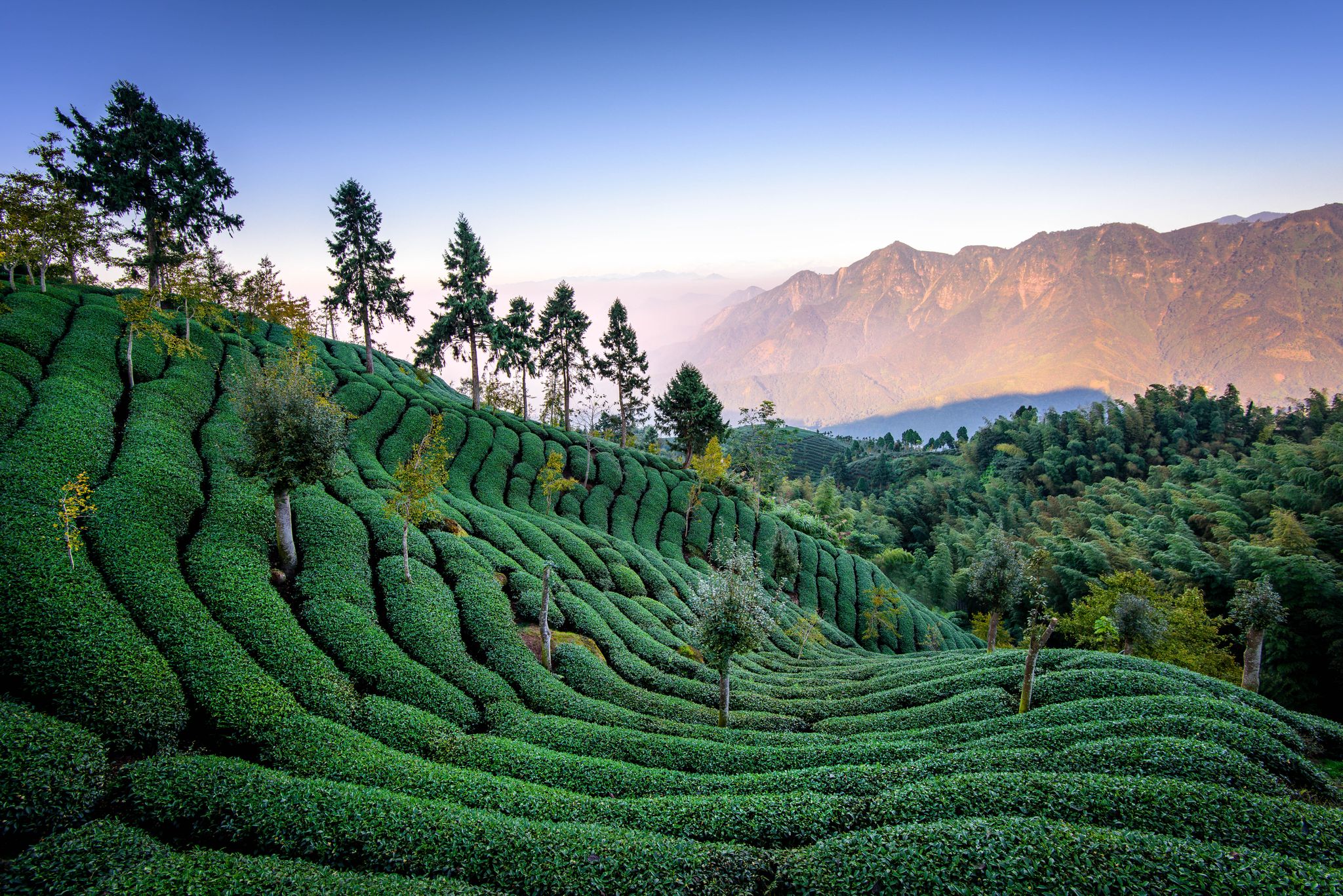
Nature at its best – hiking holidays in Taiwan

Around the World in 80 Days

Kailash — trekking on the Path of the Enlightened
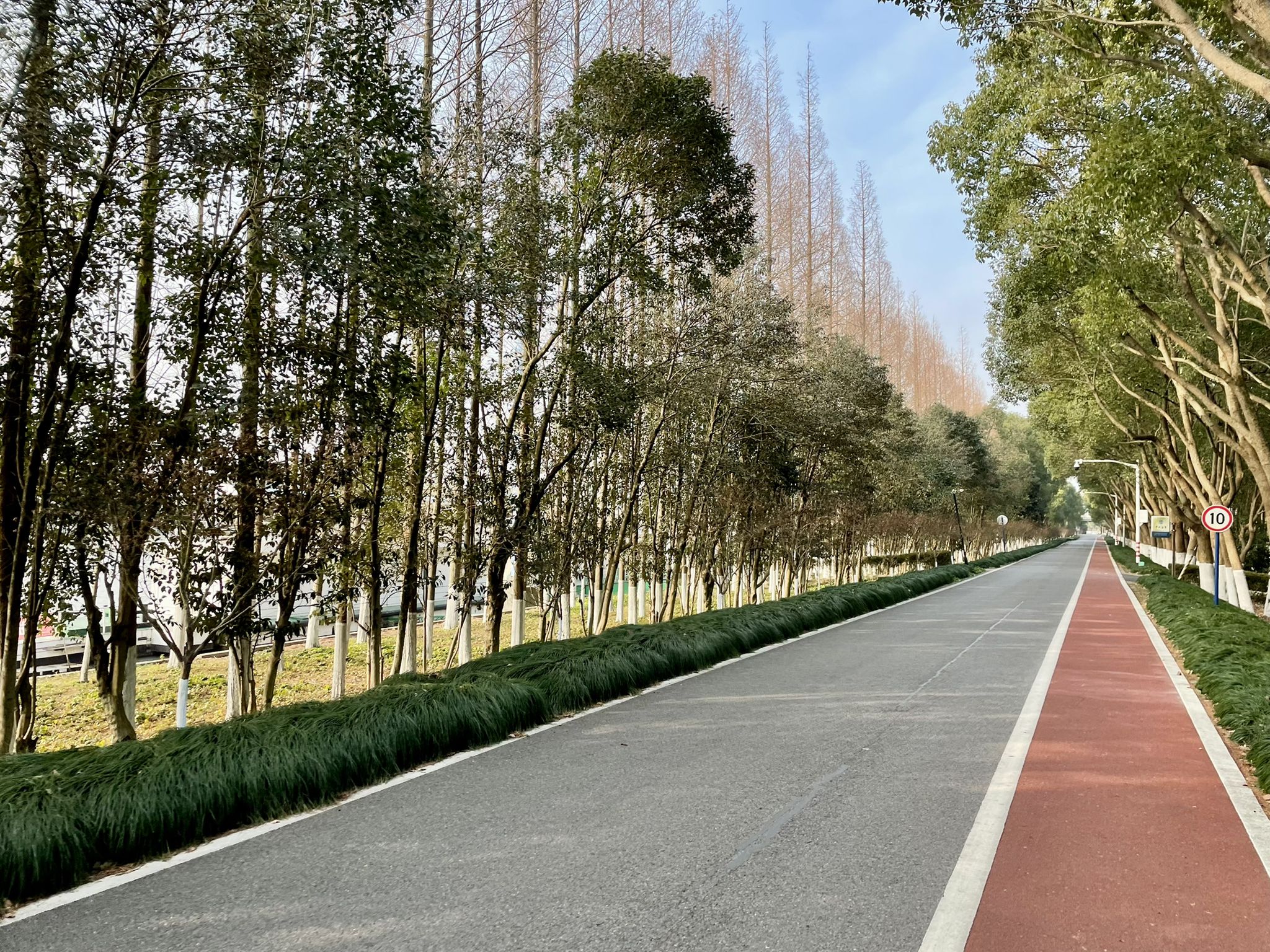
Downtown riding and day tripping — Shanghai's cycling essentials

At the roof of the world — mountain biking in China's Yunnan province

The world's most epic cycling roads
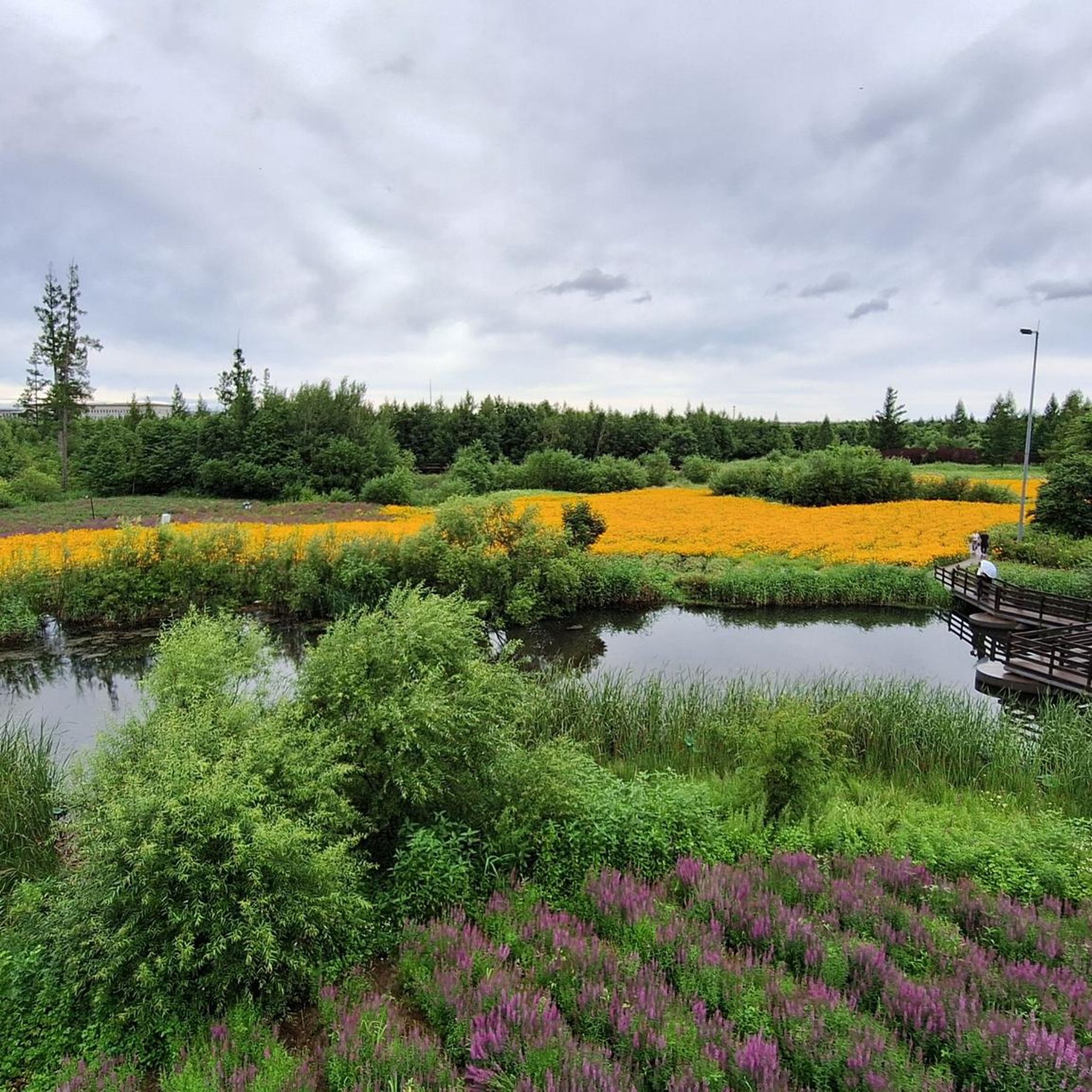
Running Trails in China
Road Cycling Routes in China
Cycling in China
Mountain Hikes in China
Other adventures in China


Tips from the Community

Not usual tourism. But an approximately 1000-year-old wall. Only about 2 km away a large aqueduct. Would be a tourist magnet in Germany, in China with its long history and objects only little known.
0
0

In the women's area, the animal statues are larger than in the emperor's area. Inside the building, you can even see the interior (only by looking through the window; entry is not permitted).
1
0

Zhenhai Tower was originally built in 1380, during the early years of the Ming Dynasty. For many centuries the tower marked the highest spot in Guangzhou and allowed to oversee ships coming up the Pearl River from the sea. Also it was the first merchant ships arriving would see from Guangzhou and ensured they arrived where intended. Today it forms part of the Guangzhou Museum.
0
0

Very worth seeing, you have to see it
0
0

Plan enough time if you want to explore some of the side palaces with special exhibitions (the Treasures and the Timepieces ones need extra tickets, but you can buy those on location as well). The palace area is huge and there is lots to explore. Just resting in one of the gardens is also very nice. Currently you need to buy the tickets several days in advance online (google is your friend)!
2
0

A visit to the Forbidden City is exciting and fascinating! A must for all travelers to Beijing. You have to put up with security checks and long lines. But once you're inside, you'll also find quiet places.
3
0

It is unforgettable! Buy your ticket online before you visit. Be patient with the many security checks and don't be afraid of too many people spreading out inside the city.👍🤩
3
0
Buy your ticket before you visit and get there early 😅 it's worth it even though there are a lot of people.
3
0
Frequently Asked Questions
What types of fortified structures are considered 'castles' in China?
In China, the term 'castles' encompasses a diverse range of fortified structures, including imperial palaces, military fortresses, and fortified residences. These sites offer a glimpse into the country's imperial past, defensive strategies, and rich cultural heritage.
Which castles are particularly good for history buffs?
For history buffs, several sites stand out. The Forbidden City, Beijing, served as the imperial palace for 24 emperors, offering unparalleled insight into imperial Chinese life. The Potala Palace in Tibet is a significant landmark representing Tibetan Buddhism and art. The Shenyang Imperial Palace provides valuable insight into the founding of the Qing dynasty, while Hailongtun and Diaoyu Fortress are crucial for understanding ancient military architecture and strategic defense.
Are there family-friendly castles to visit in China?
Yes, several castles are suitable for families. The Forbidden City, Beijing, is listed as family-friendly, offering a vast complex to explore. Fort San Domingo, Guangzhou Museum, Zhenhai Tower, and the Former British Consulate at Fort San Domingo are also categorized as family-friendly.
What is the best time of year to visit castles in China?
The best time to visit Chinese castles generally depends on the region. Spring (April-May) and Autumn (September-October) often offer pleasant weather across much of China, with comfortable temperatures for exploring. Summers can be hot and humid, especially in southern regions, while winters can be very cold, particularly in the north and Tibet.
What kind of views can I expect from these historical sites?
Many castles offer impressive panoramic views. For instance, Mount Fortress (Fortaleza do Monte) and Guia Fortress and Lighthouse in Macau provide great views over the city. The Potala Palace in Lhasa, Tibet, is perched atop a hill, offering majestic vistas. End of the Pinewood Battery and Shigatse Dzong are also noted for their viewpoints.
Are there any unique architectural features to look out for?
Absolutely. The Forbidden City is known for its distinct red walls, golden roofs, and intricate decorations. The Potala Palace features a blend of palace, monastery, and fortress architecture with symbolic red, white, yellow, and gold colors. The Shenyang Imperial Palace showcases a unique blend of Tibetan and Manchu architectural styles.
What outdoor activities can I do near castles in China?
While exploring castles, you can also find opportunities for outdoor activities. China offers various routes for different sports. For hiking, you might explore areas with waterfalls, such as those mentioned in the Waterfall hikes in China guide. There are also numerous running trails and cycling routes across the country, allowing you to combine historical exploration with physical activity.
What should I know about visiting the Forbidden City?
The Forbidden City is a massive complex. It's advisable to get an audio guide for a richer experience. Remember to bring your passport for security checks. You can explore the first courtyard without an entrance ticket, but a ticket is required for the full experience. It's a top highlight in China, offering centuries of imperial history.
Are there any castles in Macau?
Yes, Macau features several notable fortified sites. The Mount Fortress (Fortaleza do Monte), built between 1617 and 1626, was Macau's main military defense structure and now houses the Macau Museum. The Guia Fortress and Lighthouse, a UNESCO World Heritage Site, is located on Guia Hill and includes the first modern lighthouse on the Chinese coast.
What is the significance of Diaoyu Fortress?
Diaoyu Fortress, located in Chongqing, holds immense historical military significance. It famously resisted the Mongol army for 36 years in the 13th century, a remarkable feat in military history. It stands as a testament to ancient Chinese military engineering and strategic defense.
Can I see the interior of the palaces in the Forbidden City?
While you can explore many courtyards and exteriors, direct entry into all interior rooms, such as the Palace of the Empress, is often not permitted. However, you can frequently view the interiors by looking through windows, offering a glimpse into the historical settings.
What is the Pinewood Battery?
The Pinewood Battery is a military facility located on a 307-meter high hill, built by British colonialists between 1901 and 1905 to protect Hong Kong's port. Today, the Pinewood Battery Heritage Trail allows visitors to explore the facility and learn about its historical functions through information boards.
Most popular routes in China
Most popular attractions in China

Get inspired with the komoot mobile app


Didn’t find what you were looking for?
Explore China’s best castles region by region:
Explore more
Looking for the best castles somewhere else? Discover other guides in China:
