Top 15 Caves in China
Caves in China offer diverse subterranean experiences, from geological marvels to historical and cultural sites. The country features extensive karst landscapes, home to numerous natural cave systems with unique formations. Additionally, China is known for its ancient, intricately carved Buddhist grottoes, which provide significant historical and artistic insights. These sites collectively showcase a wide range of natural beauty and human endeavor beneath the surface.
Best caves in China
- The most popular caves is Yinhe Waterfall and Yinhe Cave Temple, a waterfall and religious building that features a small temple carved into the mountain next to the waterfall. This hidden treasure is noted for its special atmosphere.
- Another must-see spot is Motian Waterfall, a waterfall with an overhang that allows passage behind the water. It is the second of three waterfalls on the Sandiaoling Waterfall Trail.
- Visitors also love Tongfu Cave, a dark and mysterious cave. It is recommended to bring a flashlight for exploration.
- China is known for its natural karst caves, water-filled caves, and ancient Buddhist grottoes. Visitors can explore geological formations, historical sites, and unique subterranean environments.
- The caves in China are appreciated by the komoot community, with 42 upvotes and 29 photos shared across various highlights.
Last updated: June 26, 2026
Yinhe Waterfall and Yinhe Cave Temple
Highlight • Waterfall
Translated by Google •
Tip by

Motian Waterfall
Highlight • Waterfall
Translated by Google •
Tip by
Sign up now to discover places like this
Get recommendations on the best single tracks, peaks, & plenty of other exciting outdoor places.
Sign up for free
Open Stalactite Gorge
Highlight • Gorge
Translated by Google •
Tip by

Yangshuo Butterfly Spring Scenic Area
Highlight • Natural Monument
Tip by

Tongfu Cave
Highlight • Cave
Tip by

Linwu Caves (Linwu Dong)
Highlight • Cave
This is a series of six caves open to public. They are located in a park that is now also famous for its plum blossom.
Tip by

Zhoukoudian Peking Man Site
Highlight • Historical Site
Translated by Google •
Tip by

Songlong Rock Waterfall
Highlight • Waterfall
Translated by Google •
Tip by

Medicine Buddha (Yaoshi Fo)
Highlight • Monument
If you come from the Leshan Great Buddha this is likely the first one you encounter.
From this cave, on the right of this huge statue, is the entrance to the cave network that will take you through the mountain, instead over it ;-)
If you choose to get to the same level as the head of this Buddha statue, you will have to climb many stairs though.
Tip by
Yuhuang Hill (Yuhuangshan)
Highlight • Summit
Tip by
Sign up for free to discover even more caves in China.
Sign up for free
Already have an account?
Start today with a free account
Your next adventure awaits.
Login or Signup
Popular around China
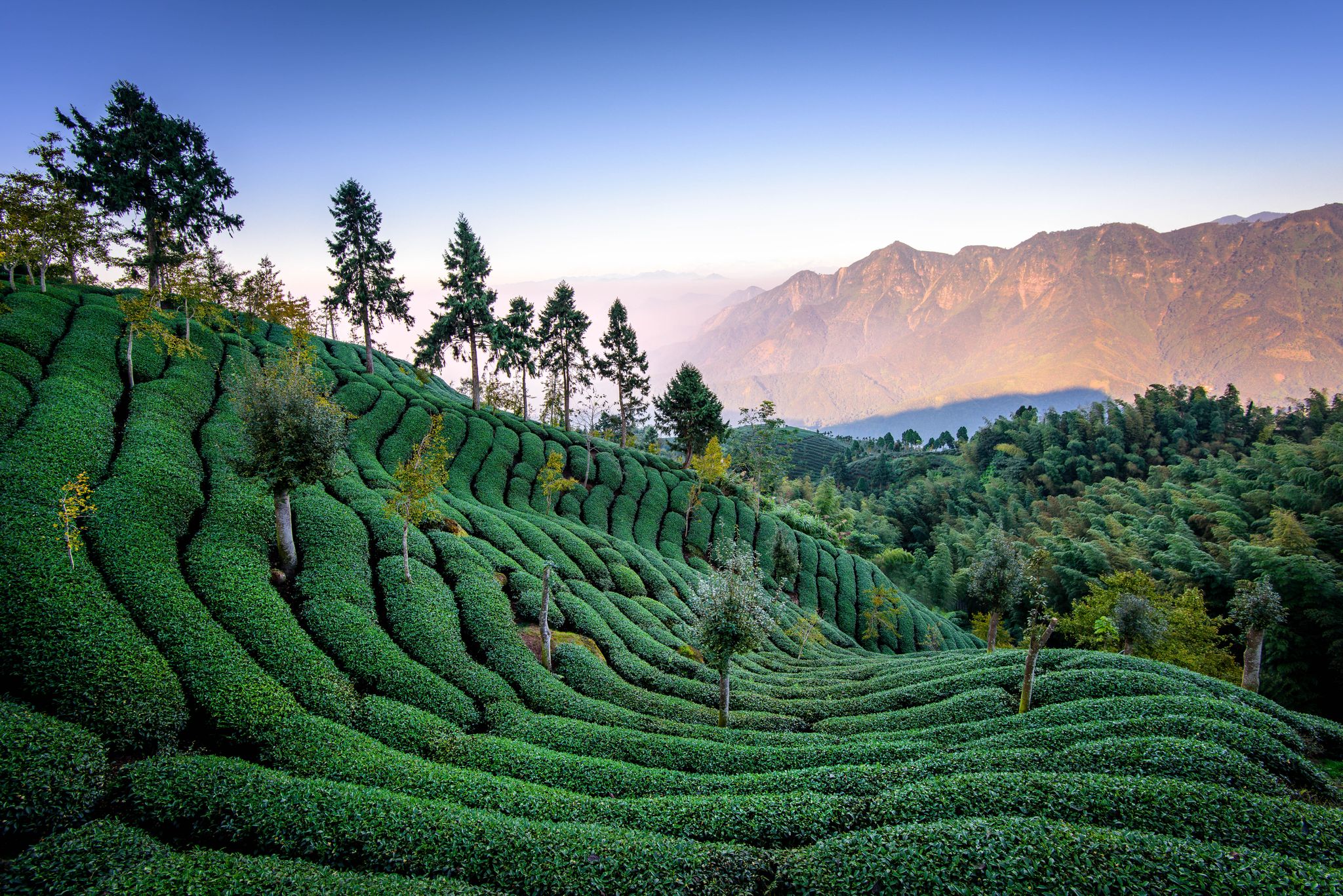
Nature at its best – hiking holidays in Taiwan

Around the World in 80 Days
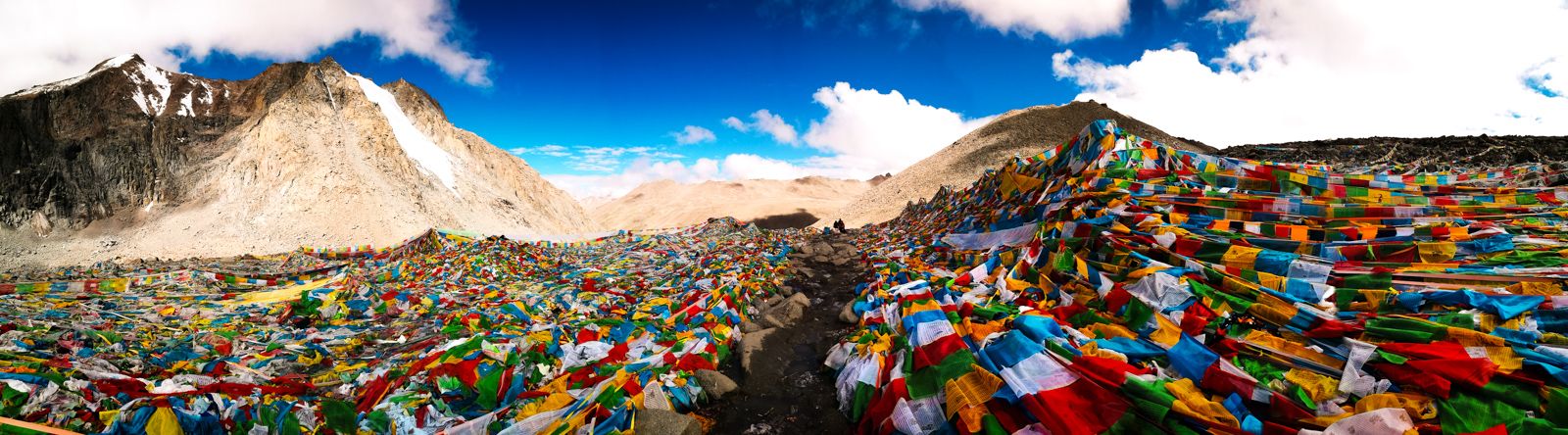
Kailash — trekking on the Path of the Enlightened
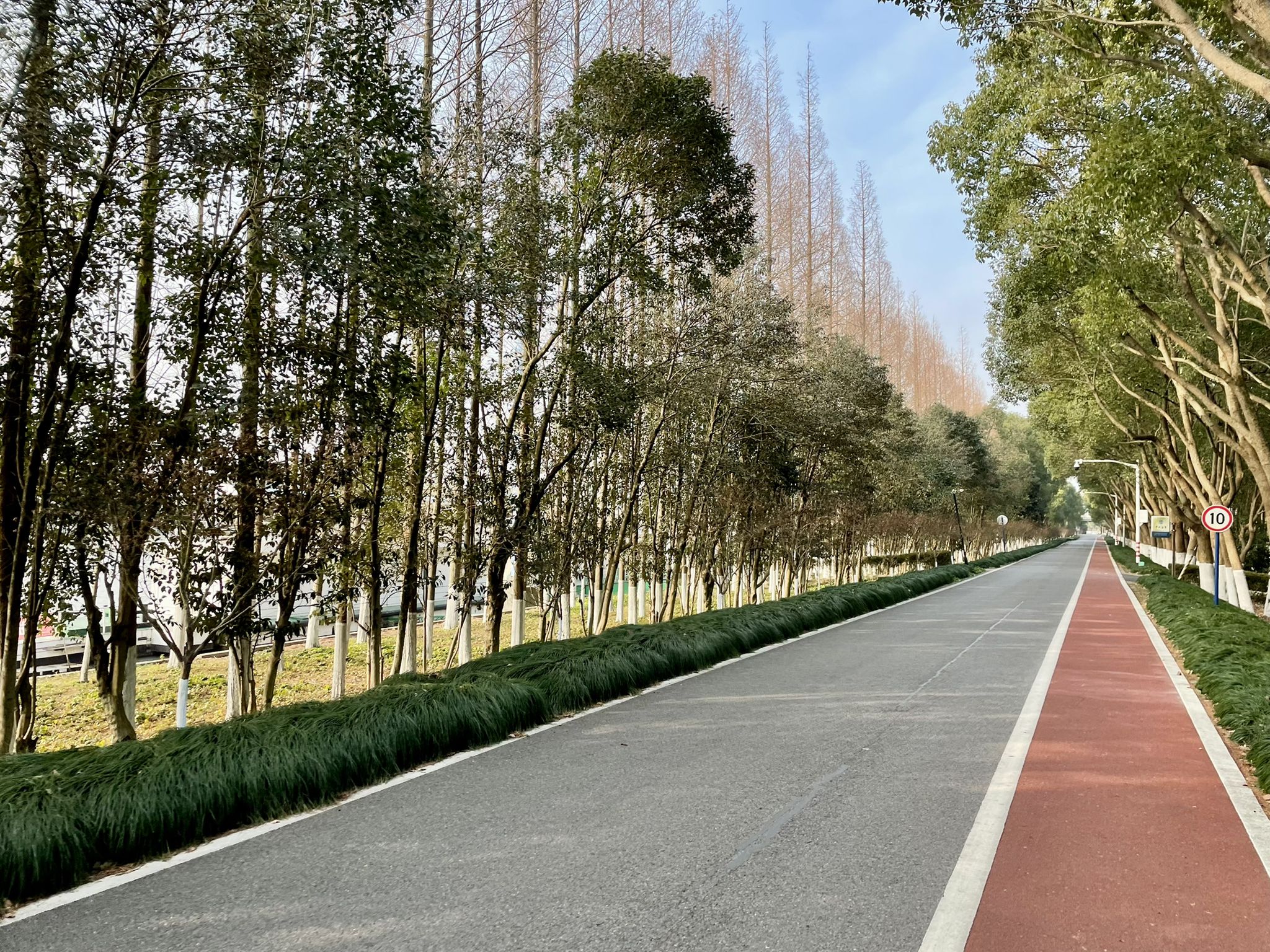
Downtown riding and day tripping — Shanghai's cycling essentials

At the roof of the world — mountain biking in China's Yunnan province
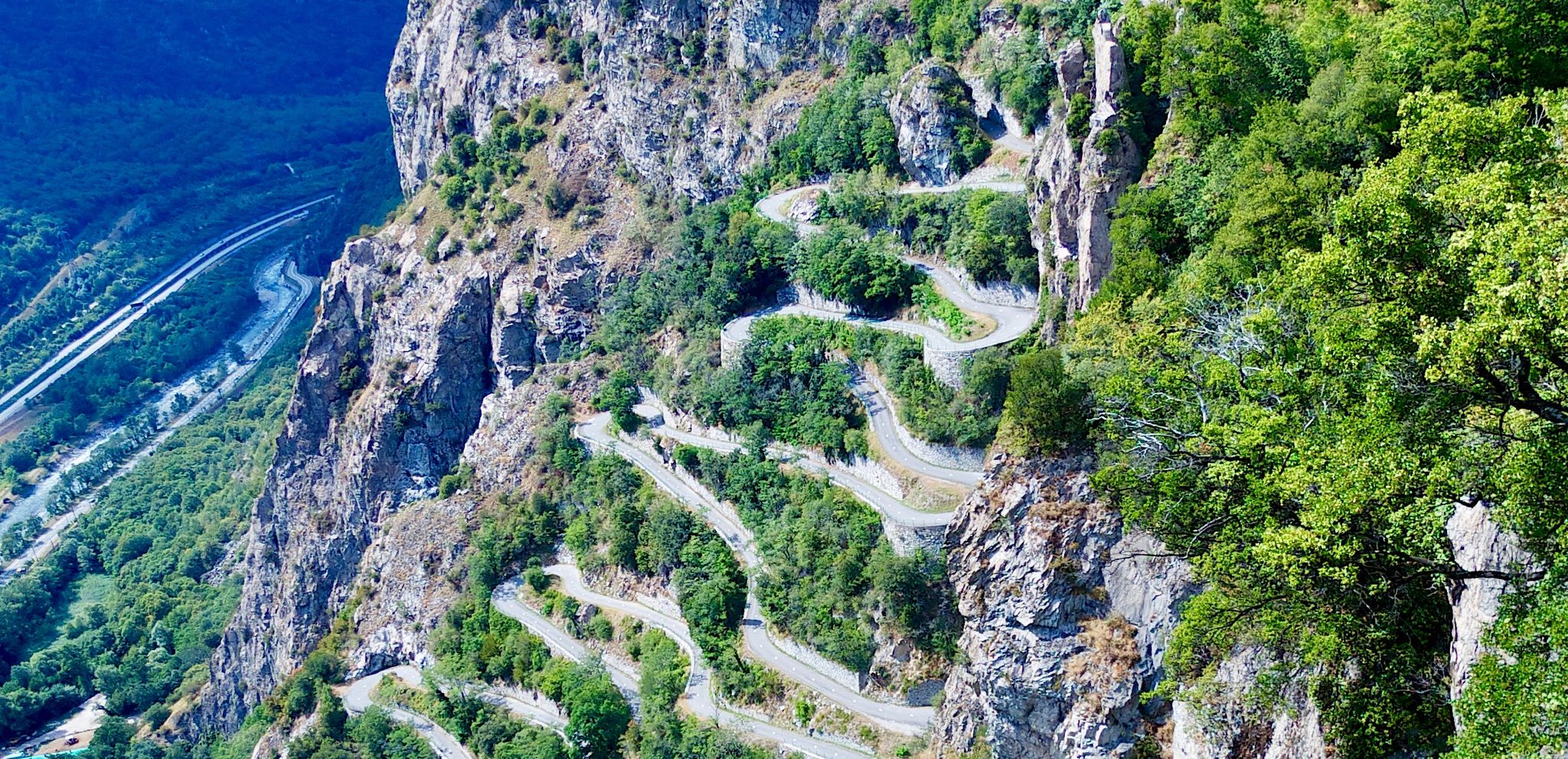
The world's most epic cycling roads
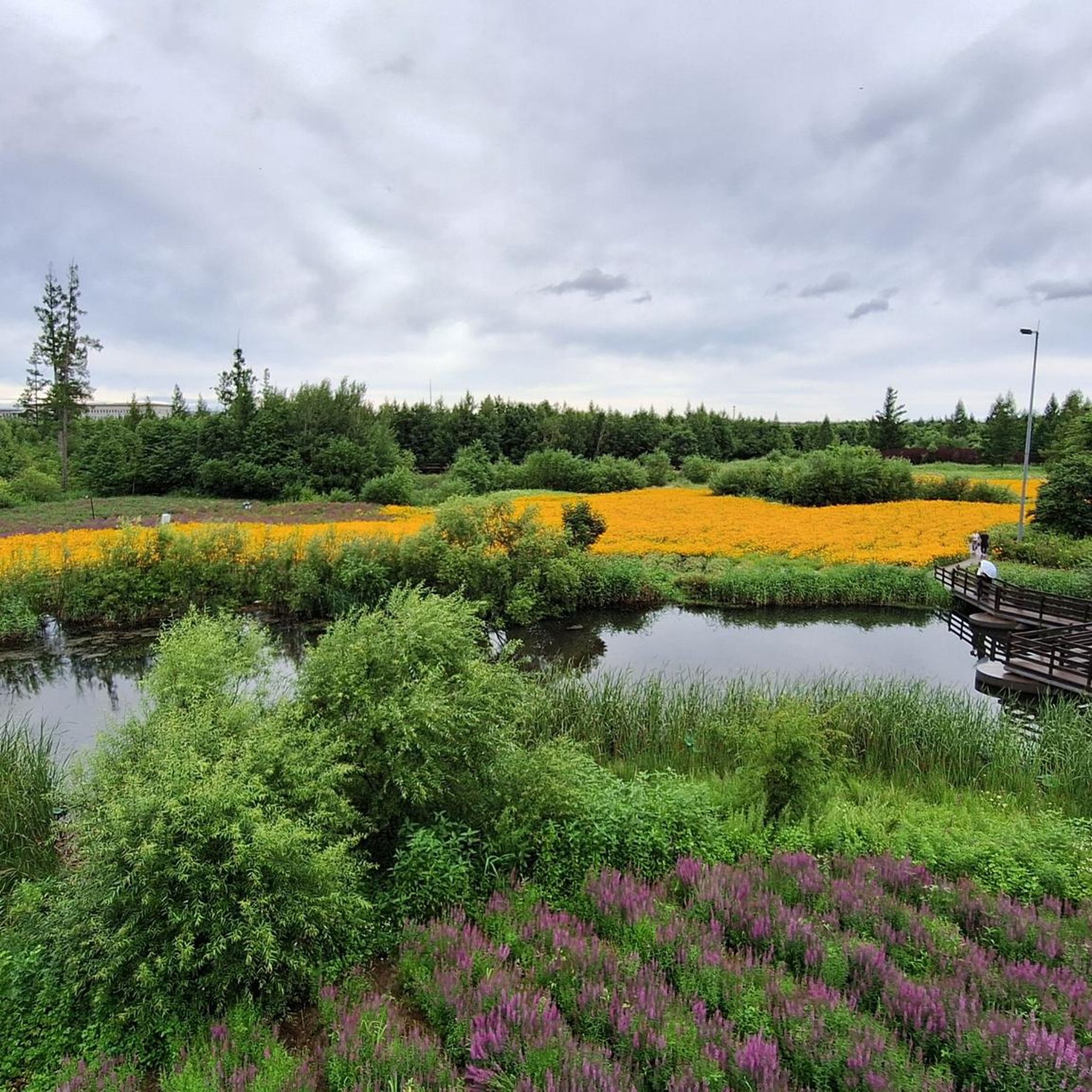
Running Trails in China
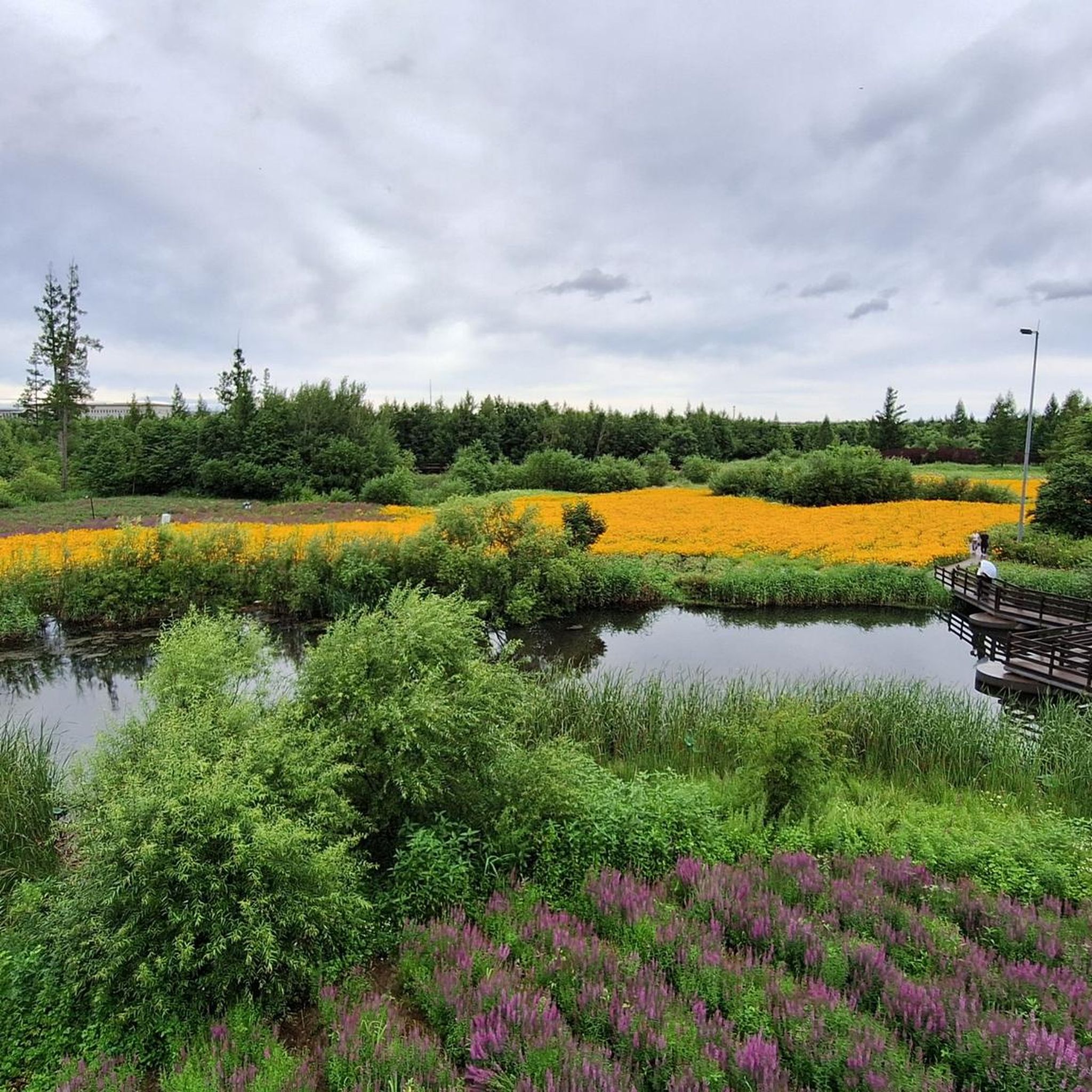
Road Cycling Routes in China
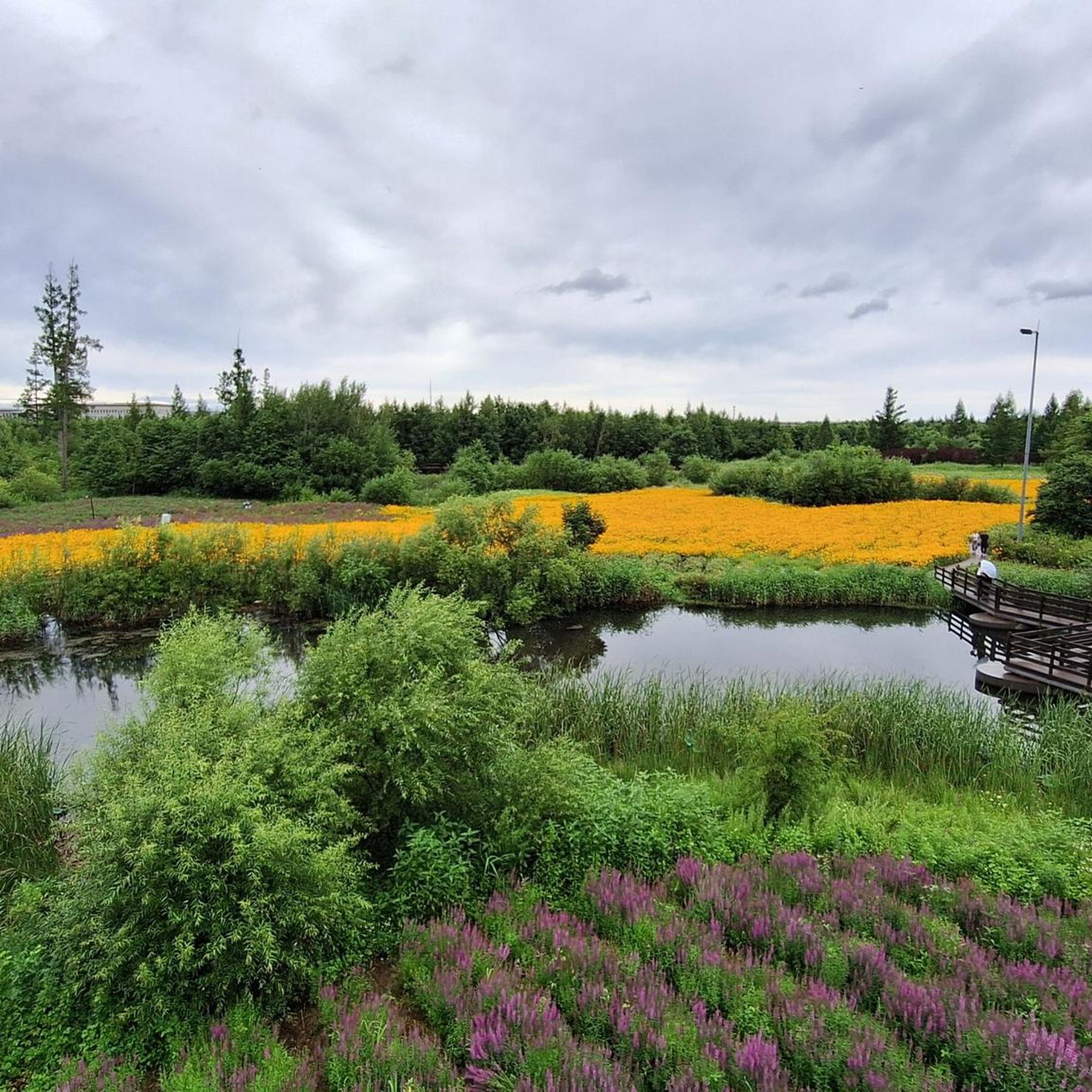
Cycling in China
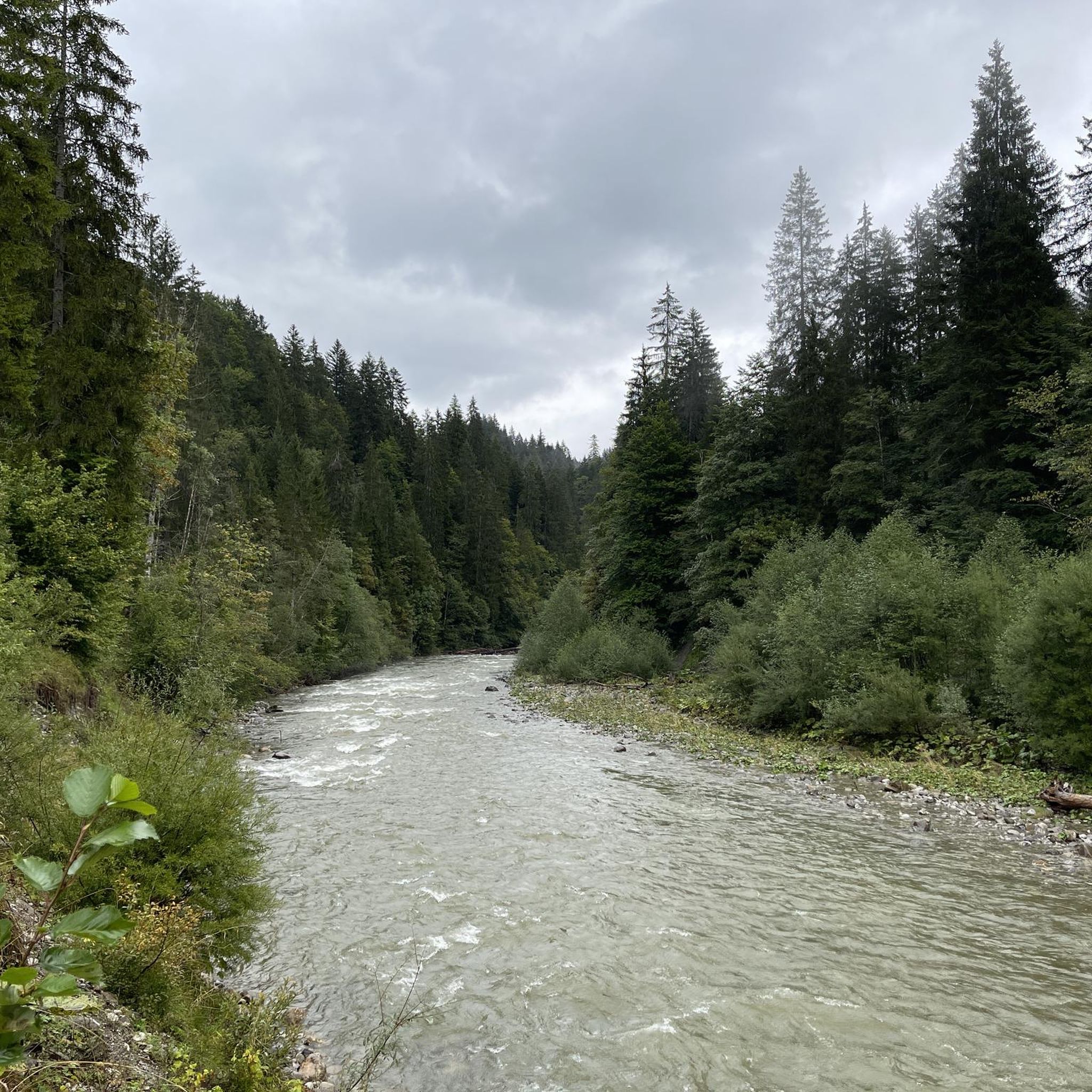
Mountain Hikes in China
Other adventures in China


Tips from the Community

If you climb up and down the stairs over the mountain (instead of walking through the caves with all the statues and reliefs underneath the mountain), then you should seek out this viewpoint that will allow you to see the Medicine Buddha (药师佛) from the top. You are basically looking him straight into the eye.
0
0
Located inside the Oriental Buddha Park (东方佛都) is a network of caves with hundred of carvings, reliefs and statues, the largest being this 51m tall Medicine Buddha (药师佛). If you come from the Leshan Great Buddha this is likely the first one you encounter. From this cave, on the right of this huge statue, is the entrance to the cave network that will take you through the mountain, instead over it ;-) If you choose to get to the same level as the head of this Buddha statue, you will have to climb many stairs though.
0
0


The Songlong Rock Waterfall is situated in a truly idyllic location near a large cave. Nearby hiking trails invite you to linger for a while!
0
0
Yuhuang Hill is located half way between the West Lake and the river. 239m at its peak it offers a nice hike (mainly stairs) with a temple or two to visit and the famous Zilai Cave.
0
0
Highlight marks the main entrance to the park that also includes the caves. The park is popular in spring for its plum trees blooming. The caves are limestone karst caves and open to the public. The caves are illuminated with colorful lights - maybe a little bit kitsch ;-)
0
0
Frequently Asked Questions
What types of caves can I explore in China?
China offers a diverse range of subterranean experiences. You can explore spectacular natural karst formations, such as the immense Open Stalactite Gorge, or the dark and mysterious Tongfu Cave. Additionally, there are ancient, intricately carved Buddhist grottoes and unique man-made caverns, providing both geological marvels and profound historical insights.
Are there any family-friendly caves in China?
Yes, several caves in China are suitable for families. The Yangshuo Butterfly Spring Scenic Area includes a cave that is considered family-friendly. The Linwu Caves (Linwu Dong) are also noted as family-friendly and offer both natural beauty and historical significance.
Which caves offer unique natural formations?
China is home to many caves with unique natural formations. Zhijin Cave in Guizhou is known as the 'King of the Caves' for its immense scale and over 120 different crystalline formations. Furong Cave in Chongqing is celebrated for its more than 70 types of secondary chemical sediments, creating a 'colorful brilliant underground art palace'. Silver Cave near Yangshuo is visually stunning with glittering, snow-white calcite crystal formations that sparkle like silver.
Can I visit historical or cultural cave sites in China?
Absolutely. China has numerous historical and cultural cave sites. The Yinhe Cave Temple is a small, humble temple carved into the mountain next to a waterfall, radiating a special atmosphere. The Zhoukoudian Peking Man Site is a significant historical location. Additionally, the Xumishan Grottoes are historical cave sites. Beyond these, the Mogao Grottoes, Longmen Grottoes, and Yungang Grottoes are UNESCO World Heritage sites housing extraordinary collections of Buddhist art and statues.
Are there any water-filled caves or caves with waterfalls?
Yes, China features impressive water-related cave experiences. The Benxi Water Cave in Liaoning is the longest water-filled cave in the world, offering boat tours through its underground river. You can also visit the Yinhe Waterfall and Yinhe Cave Temple, where a temple is carved next to a waterfall. The Motian Waterfall even has an overhang allowing passage behind the water, almost like a cave.
What is the best time of year to visit caves in China?
Many caves in China, especially natural karst caves like Yellow Dragon Cave in Hunan, maintain a consistent temperature year-round, being cool in summer and warm in winter. This makes them suitable for visiting in any season. However, for caves with waterfalls, visiting after heavy rains can offer a more spectacular view, as noted for the Yinhe Waterfall.
What outdoor activities can I do near caves in China?
Near many cave systems, you can find various outdoor activities. For example, the Songlong Rock Waterfall, situated near a large cave, has nearby hiking trails. If you're interested in cycling, you can find routes like the 'Sha Tin Rowing Centre – Lung Mei Bathing Beach loop' or the 'West Gate of Xi'an City Wall – City Wall Bike Loop' in the wider region. For mountain hikes, options include trails near Wufengchi Waterfalls or around Ma'an Dam. You can find more details on these activities in the Cycling in China and Mountain Hikes in China guides.
Are there any mysterious man-made caves in China?
Yes, the Longyou Caves in Zhejiang Province are a series of 24 massive, artificial sandstone caverns dating back over 2,000 years. Their construction remains a historical enigma, with uniform chisel marks and remarkable structural integrity. Only one cave, featuring stone carvings of a horse, fish, and bird, is open for tourism. You can learn more about their mystery on HeritageDaily.
What should I bring when exploring caves in China?
For exploring darker caves like Tongfu Cave, it is recommended to bring a flashlight. Generally, comfortable walking shoes are advisable, and layers of clothing can be useful due to potentially cooler temperatures inside caves, even if the outside weather is warm.
Are there caves in China that are well-lit and easy to navigate?
Yes, some caves are well-developed for tourism. Yellow Dragon Cave in Zhangjiajie is known for its well-lit, paved routes, making it accessible for visitors. Reed Flute Cave in Guilin is also popular for its vibrant, colorful lighting that illuminates its formations, making it an ideal choice for first-time cave visitors.
What do visitors enjoy most about the caves in China?
Visitors appreciate the diverse experiences offered by China's caves. Many are drawn to the special atmosphere of hidden treasures like the Yinhe Waterfall and Yinhe Cave Temple. The sheer scale and unique geological formations of natural karst caves, along with the profound historical and cultural insights provided by ancient grottoes, are also highly valued. The komoot community has shared 29 photos and given 42 upvotes across various cave highlights, reflecting broad enjoyment.
Most popular routes in China
Most popular attractions in China

Get inspired with the komoot mobile app


Didn’t find what you were looking for?
Discover more caves in China region by region:
Explore more
Extend your search for the best caves by checking out these guides of the top ones in China:
