Top 11 Lakes in the Dominican Republic
Best lakes in the Dominican Republic offer diverse natural beauty and unique ecosystems. The region, known for its pristine beaches, also features a collection of lakes and lagoons, including the largest saltwater lake in the Caribbean. These bodies of water provide habitats for various wildlife and opportunities for exploration. The landscapes range from arid surroundings to lush vegetation and limestone cliffs, showcasing the island's varied geography.
Best lakes in the Dominican Republic
- The most popular lakes is Los Tres Ojos Caves and Lagoons, a national park featuring cave lakes. It contains a series of 10,000-year-old cave lakes with turquoise waters, colored by calcium and minerals. Visitors can explore these ancient caves and lakes, which were historically used by the Taíno people for rituals.
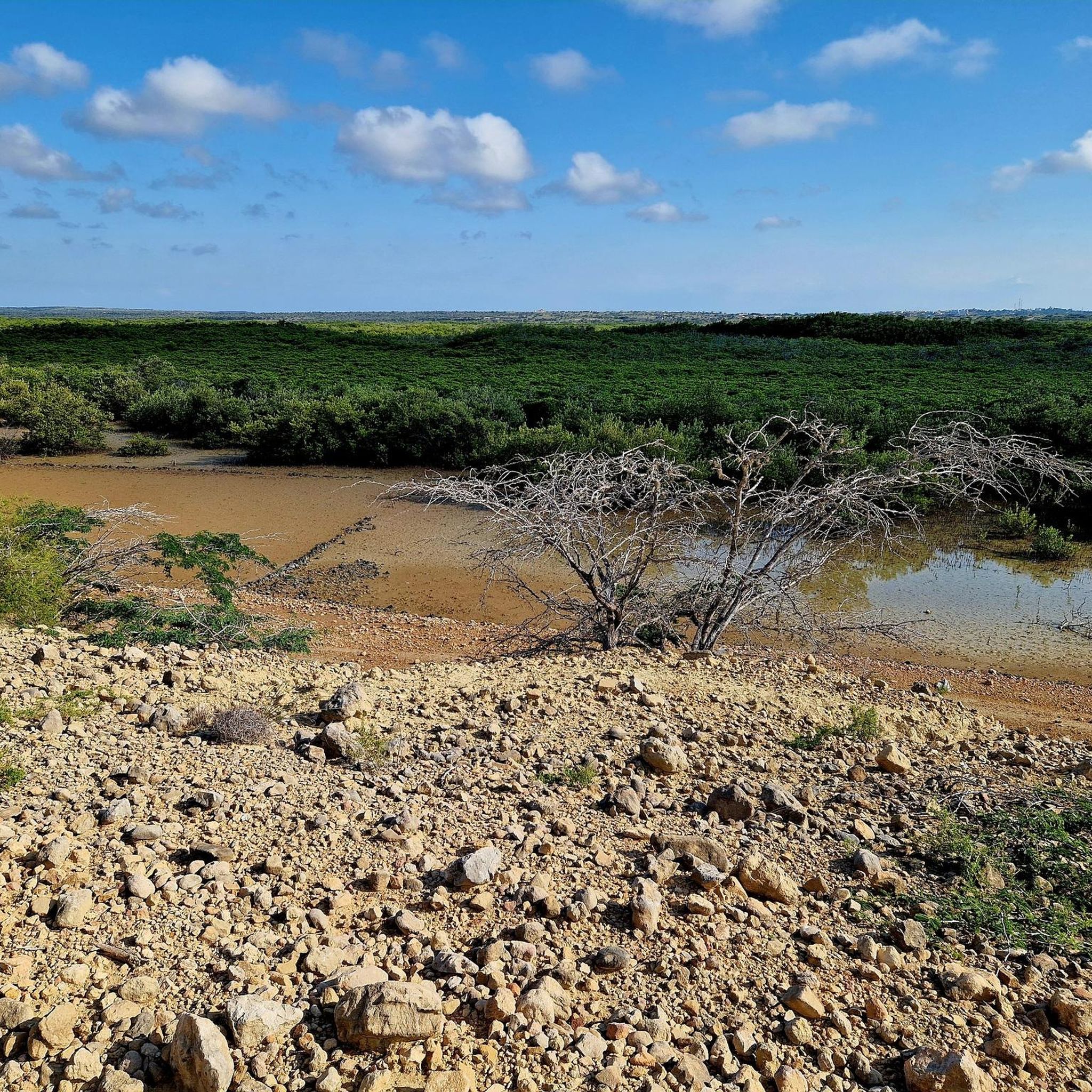
- Another must-see spot is Lago Enriquillo and Isla Cabritos National Park, a lake that is the largest saltwater lake in the Caribbean and a UNESCO Biosphere Reserve. This lake is a haven for wildlife, including American crocodiles, Hispaniolan slider turtles, and various bird species.
- Visitors also love La Nevera Cave Lake, one of the cave lakes within Tres Ojos National Park. This lake owes its name to the fact that direct sunlight never reaches it, resulting in a comparatively low temperature of 15 °C-21 °C.
- Dominican Republic is known for saltwater lakes, freshwater cave lakes, and tidal lagoons. These bodies of water offer a variety of experiences, from wildlife observation to exploring geological formations.
- The lakes in the Dominican Republic are appreciated by the komoot community, with 12 highlights and 66 photos shared by visitors.
Last updated: July 9, 2026
Chicho II Cave
Highlight • Cave
Translated by Google •
Tip by

Madame Beach
Highlight • Beach
Translated by Google •
Tip by

Sign up now to discover places like this
Get recommendations on the best single tracks, peaks, & plenty of other exciting outdoor places.
Sign up for free
Los Tres Ojos Caves and Lagoons
Highlight (Segment) • Cave
Correctly, it's not one lagoon, but three. Eyes, ojos, they were called by the indigenous peoples because of their oval shape.
Parking right in front of the door.
Translated by Google •
Tip by

Taíno Cave Pool
Highlight • Cave
Translated by Google •
Tip by

La Nevera Cave Lake
Highlight • Cave
Translated by Google •
Tip by
Balneario Mata de Maíz
Highlight • River
Behind the artificial pool there is a natural pool with a mini-waterfall, which you can also climb up (there are more cascades with mini-pools behind). You MUST go at least to the natural pool, otherwise you will miss the best!
For the lazy, there is a guarded car park (created with German tools) at the top at the beginning of the descent, where you can park for a good €3. Motorcyclists and riders offer to take you down or up. But the cultural landscape above (everything organic) and the jungle are really beautiful, rather park and walk on the outskirts of Polo!
Translated by Google •
Tip by

Lago de Azufre (Parque Nacional Los Tres Ojos)
Highlight • Lake
Still a super beautiful lake.
Why the GPS coordinate has slipped so ... I have no idea.
Translated by Google •
Tip by
Lake of the Ladies
Highlight • Lake
Translated by Google •
Tip by
Japanese Garden in the National Botanical Garden Santo Domingo
Highlight • Structure
Translated by Google •
Tip by
Lago Enriquillo and Isla Cabritos National Park
Highlight • Lake
Translated by Google •
Tip by
Sign up for free to discover even more lakes in the Dominican Republic.
Sign up for free
Already have an account?
Start today with a free account
Your next adventure awaits.
Login or Signup
Tips from the Community

Super route. Breathtaking views. Impossible to do without an app though as it's difficult to find your way. Access to the banana plantation is blocked by a barrier, so we went under the barrier to continue. Then a technical section in the rocks, but it's worth the detour. Algae on the beach prevented us from swimming.
0
0

Really cool hike. Especially if you take the footpath from the end of the first parking space (there are two large signs)
0
0

The official German tour guide said that you should definitely not take the "gasoline barrel boat" to the back cave. He didn't give us any time to do that either... We went back later on our own and of course visited the back cave :D It was a bit shaky and adventurous, but it was definitely worth it. An absolute MUST! We felt like Indiana Jones. You have to see it!!
1
0

A beautifully landscaped Japanese garden. Woody plants, a lake, a small bridge and water turtles. Everything is there.
0
0

The Cueva del Chicho is one of the most important underground caves in the country. Located in the Cotubanamá National Park, the crystal clear aquamarine waters draw many visitors. There are also numerous petroglyphs attesting to the Taino presence at this site. You can dive in the fresh blue waters that resemble a lake. If you are a certified cave diver, you can go deep diving with licensed operators in Bayahibe or La Romana.
0
0


A very special place. You should definitely take the rope boat. There you come to another hidden lake. So there are even 4 lakes ☺️
3
0
Frequently Asked Questions
What unique natural features can I explore among the lakes in the Dominican Republic?
The Dominican Republic's lakes offer a diverse range of natural wonders. You can visit Lago Enriquillo, the Caribbean's largest saltwater lake and a UNESCO Biosphere Reserve, known for its arid surroundings. Explore the crystal-clear, emerald waters of Laguna El Dudú, a natural cenote lake with fascinating cave systems. Discover the unique tidal ecosystem of Laguna Gri Gri, fringed with mangroves, or the ancient cave lakes of Los Tres Ojos Caves and Lagoons, formed over 10,000 years ago.
What kind of wildlife can I expect to see around the lakes?
The lakes are rich in biodiversity. Lago Enriquillo is a haven for American crocodiles, Hispaniolan slider turtles, and various bird species like Caribbean flamingos. Lago de Oviedo, within Jaragua National Park, is a sanctuary for birdwatchers, offering sightings of pink spoonbills and rare West Indian whistling ducks, as well as endangered iguanas. Laguna Limón is also excellent for birdwatching, with herons, egrets, and migratory birds.
Are there family-friendly lakes or activities suitable for children?
Yes, several lakes offer family-friendly experiences. Los Tres Ojos Caves and Lagoons is a popular choice, where families can explore ancient caves and lakes. Laguna El Dudú features refreshing waters for swimming, swings, and an on-site restaurant. The Japanese Garden in the National Botanical Garden Santo Domingo also includes a lake and is a pleasant spot for families.
What historical or cultural significance do some of these lakes hold?
Many lakes have deep historical roots. Lago Enriquillo is named after the Taíno chief Enriquillo, who led a revolt against Spanish colonizers. The cave lakes of Los Tres Ojos Caves and Lagoons were historically used by the Taíno people for rituals, offering a glimpse into the island's ancient past.
What outdoor activities can I do near the lakes?
Beyond exploring the lakes themselves, the surrounding areas offer various outdoor activities. You can find numerous hiking trails, such as the easy 'Lower El Limón Falls – El Limón Waterfall loop' or the moderate 'El Mogote loop'. For runners, there are routes like the 'Playa Magallanes loop'. Cyclists can enjoy road cycling routes, including the 'Mirador Sur Cycling Route'. You can find more details on these activities in the Hiking in the Dominican Republic, Running Trails in the Dominican Republic, and Road Cycling Routes in the Dominican Republic guides.
Can I go swimming or kayaking in any of the lakes?
Yes, several lakes are suitable for swimming and kayaking. Laguna El Dudú offers refreshing waters for a swim, and you can explore its underwater caves. Laguna Limón is a top spot for eco-tourism with kayaking and zip-lining opportunities. Lago de Oviedo also allows for swimming and kayaking, often as part of guided tours. For a unique experience, Chicho II Cave offers a cave lake with bathing possibilities, though the water is quite cold.
How can I access the more secluded or unique lakes?
Some lakes require specific access methods. For Lago Enriquillo, boat trips are available to Isla Cabritos for wildlife observation. Lago de Oviedo is primarily accessible by guided tours due to its location within Jaragua National Park. For Los Tres Ojos Caves and Lagoons, a rope boat can take you to a fourth, more secluded lake within the park.
What is the best time to visit the lakes in the Dominican Republic?
The Dominican Republic generally enjoys a tropical climate. The dry season, from December to April, is often considered the best time to visit, offering pleasant weather for exploring the lakes and engaging in outdoor activities. During this period, you'll experience less rain and comfortable temperatures, ideal for wildlife viewing and boat tours.
Are there any 'hidden gem' lakes worth discovering?
Laguna Limón is often described as a hidden paradise, encompassing clear turquoise waters surrounded by dense vegetation and towering coconut palms. Laguna Gri Gri, a tidal lagoon formed by an earthquake, offers unique boat tours through its winding mangrove channels and is sometimes noted for bioluminescence at night, making it a truly special experience.
What makes the cave lakes at Los Tres Ojos unique?
The cave lakes at Los Tres Ojos Caves and Lagoons are unique for their geological formation and historical significance. These 10,000-year-old lakes feature striking turquoise waters, colored by calcium and minerals. One of them, La Nevera Cave Lake, is notably cooler due to lack of direct sunlight, maintaining temperatures between 15°C-21°C. Another, Lago de Azufre, was once thought to contain sulfur due to a whitish substance at its bottom, but scientific research has confirmed it's primarily calcium and other minerals.
What should I wear when visiting the lakes, especially for hiking or cave exploration?
For hiking near the lakes, comfortable walking shoes or hiking boots are recommended, especially if trails are uneven or slippery. If you plan to explore caves like Chicho II Cave or Los Tres Ojos, bring a headlamp and bathing shoes to navigate potentially dark and rocky areas. Swimwear is advisable if you intend to take a dip in the refreshing waters. Light, breathable clothing is generally suitable for the tropical climate.
Are there any lakes known for their unique colors?
Yes, beyond the turquoise and emerald hues of many natural lakes, the Dominican Republic also features the unique Pink Lakes at Salinas de Baní. While not natural lakes, these salt evaporation ponds offer a stunning visual spectacle with their vibrant pink color, providing a habitat for various bird species, including flamingos.
Most popular routes in the Dominican Republic
Most popular attractions in the Dominican Republic

Get inspired with the komoot mobile app


Explore more
Still not found your perfect lake in the Dominican Republic? Check out the guides of these regions to see even more beautiful places.
