Top 6 Castles around Hemberg
Castles around Hemberg are situated in the Toggenburg region of Switzerland, an area recognized for its natural beauty and outdoor activities. While Hemberg itself is known for mountain peaks, waterfalls, and hiking routes, the surrounding area features historical castle ruins. These sites offer insights into the region's past, often strategically located on hilltops or near natural features. The Toggenburg region provides a backdrop of diverse landscapes for exploring these historical structures.
Best castles around Hemberg
- The most popular castles is…
Last updated: June 26, 2026
Helfenberg Castle Ruins
Highlight • Castle
The castle was probably built in the first half of the 13th century. It was a residence of the Gielen von Glattbrugg family. …
Translated by Google •
Tip by

Neutoggenburg Castle Ruins
Highlight • Castle
Translated by Google •
Tip by

Sign up now to discover places like this
Get recommendations on the best single tracks, peaks, & plenty of other exciting outdoor places.
Sign up for free
Iberg Castle (or Yburg) above Wattwil
Highlight • Castle
Translated by Google •
Tip by

Rosenburg Castle Ruins
Highlight • Castle
Translated by Google •
Tip by

Iberg Castle
Highlight • Castle
Translated by Google •
Tip by

Start today with a free account
Your next adventure awaits.
Login or Signup
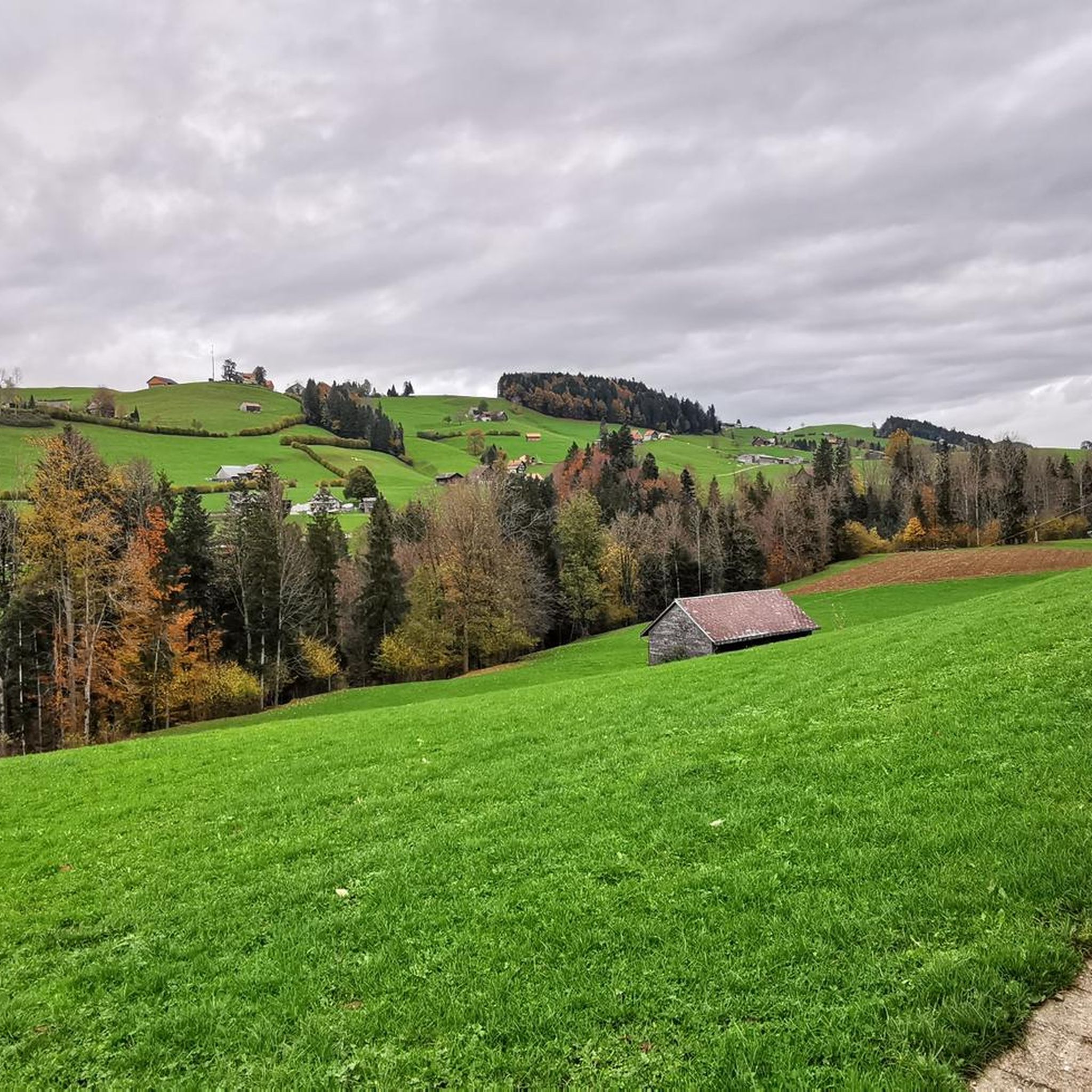
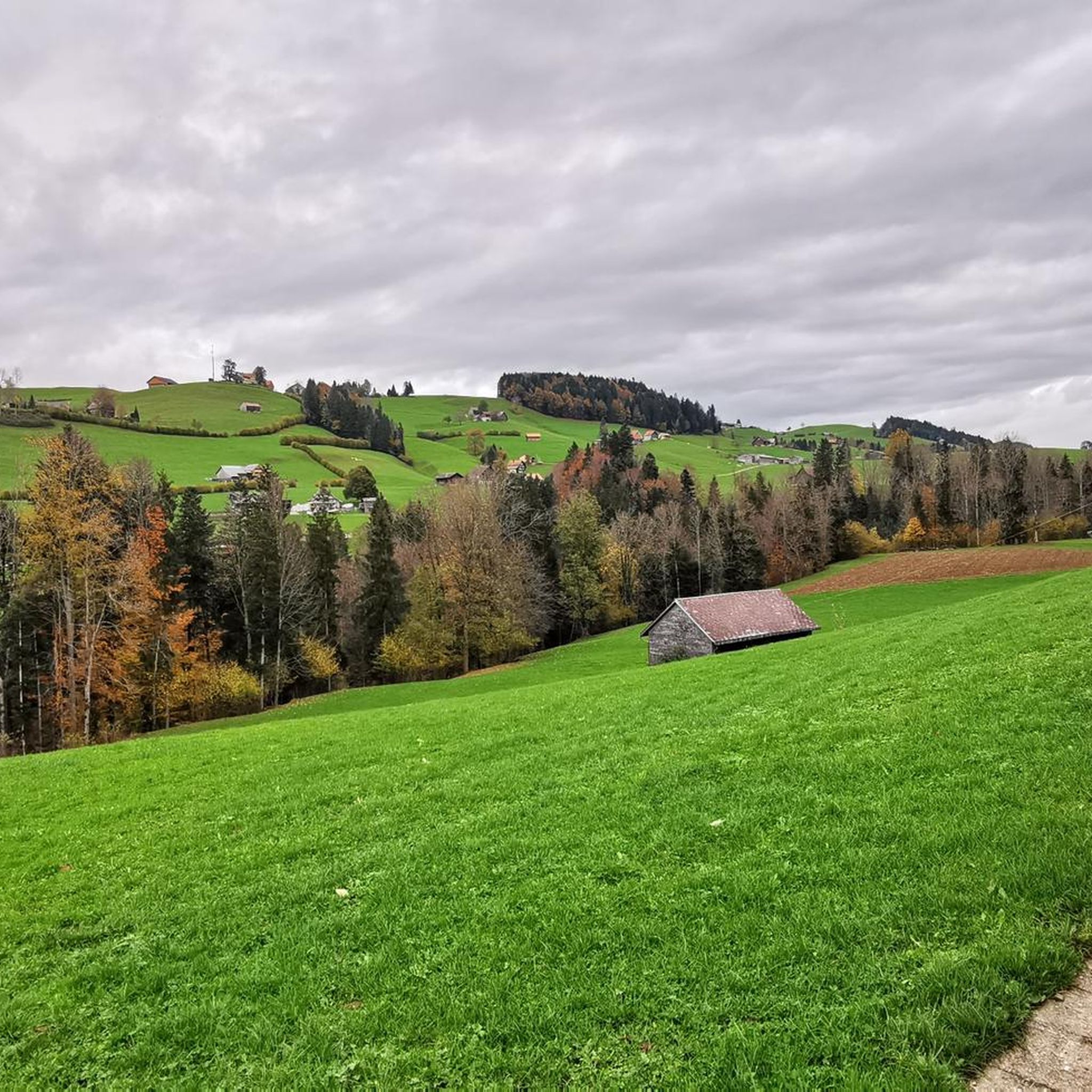
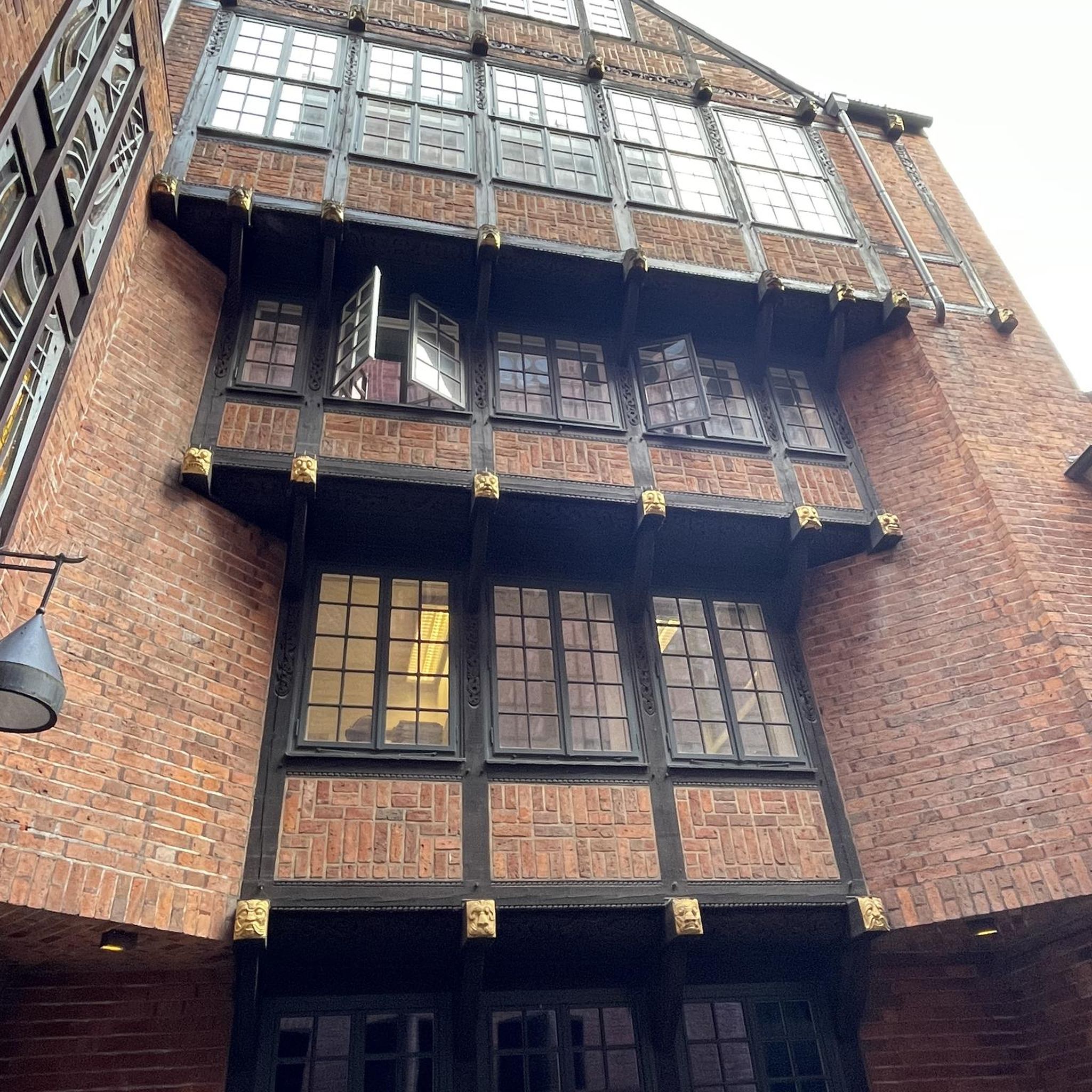
Other adventures around Hemberg

Tips from the Community

Steep ascent with MTB from Herisau, first on a meadow path and then on a forest path. Inside the castle walls, a rather large rest area with a fireplace.
0
0

The detour is steep but worthwhile.
0
0

from the highest point an extremely spectacular MTB descent 😃
0
0

Built after 1200 by the Counts of Toggenburg, it began to decay in 1468. The preserved foundation walls cover a fairly large area.
1
0

Castle / Castle ruins Helfenberg, Gossau SG The castle was probably built in the first half of the 13th century. It was a residence of the Gielen von Glattbrugg family. In 1244, the castle was part of the foundation of the knight Rudolf Giel von Glattbrugg for the Magdenau monastery. The family continued to manage the castle - probably as a fief - and in 1341 the castle was rebuilt by the family. For knight Rudolf II Giel von Glattbrugg in 1244, who had founded the Magdenau monastery, the estate on which the previous building, the "castrum Helfinberc", had once stood, was part of his foundation. The castle was apparently already dilapidated at that time. From then on, the imperial monastery had servants manage Helfenberg. By 1388 at the latest, the Princely Abbey of St. Gallen was the owner of the castle complex. In 1401 it was besieged by the surrounding farmers, which ultimately led to the Appenzell Wars, in which the castle was completely destroyed in 1407. The complex fell into disrepair and then largely slid into the Glatt ravine. This was their last act after the Appenzell Wars. The castle complex, destroyed by the rebellious farmers, was then left to decay. The first excavations were carried out between 1935 and 1937. In 1939 the ruins came into the possession of the Oberberg cooperative in Gossau. Since 1964/1965 the ruins have been secured and preserved to their current state. The ruins are located not far from the Glatt gorge and not far from the Kolumbanshöhle. Access is only recommended on foot and with hiking equipment. Text / Source: Wikipedia https://de.wikipedia.org/wiki/Burg_Helfenberg_(St._Gallen)
13
0

Very interesting ruin, as Tanja and Heloks already described. But the sight and the view must be earned, the ascent and descent are quite steep.
1
0

Looks really great, a shame that it is not accessible in winter (November and great sunshine)
0
0
Frequently Asked Questions
What kind of castles can I expect to find around Hemberg?
The castles around Hemberg are primarily historical ruins, often strategically located on hilltops within the Toggenburg region. They offer insights into the area's past, with some featuring well-preserved towers or remnants of walls. For example, you can explore the ruins of Helfenberg Castle Ruins, which was destroyed during the Appenzell Wars, or the Neutoggenburg Castle Ruins, which still features several levels of wall.
Are there any castles with accessible interiors or towers to explore?
Yes, Iberg Castle in Wattwil features a striking tower with five levels that can be visited. It is typically open during the summer months, from the last Sunday in March to the last Sunday in October, between 10 a.m. and 7 p.m.
What historical significance do the castles around Hemberg hold?
The castles in this region, such as Helfenberg Castle Ruins and Rosenburg Castle Ruins, played roles in medieval conflicts like the Appenzell Wars, during which many were destroyed. Neutoggenburg Castle Ruins marks a central place in the reign of the Counts of Toggenburg, who once controlled much of the St. Gallen canton.
Are there any castles that offer good views of the Toggenburg region?
Absolutely. Neutoggenburg Castle Ruins is known for offering great views of the Toggenburg landscape. Many of the castle ruins are strategically located on hilltops, providing scenic vistas of the surrounding natural beauty.
What outdoor activities can I combine with a visit to these castles?
The Toggenburg region, where these castles are located, is known for its natural beauty and outdoor activities. You can combine castle visits with various routes, including running trails, mountain hikes, and gravel biking. Many castle ruins, like Helfenberg Castle Ruins, are best accessed on foot with hiking equipment.
Are there hiking trails that lead to or past these castle ruins?
Yes, many of the castle ruins are integrated into hiking paths. For instance, the path leading to Helfenberg Castle Ruins is described as a very nice, narrow forest path. Access to these ruins is generally recommended on foot, making them ideal destinations for hikers.
Can I find facilities like barbecue areas near any of the castle ruins?
Yes, Neutoggenburg Castle Ruins offers two barbecue areas, making it a great spot for a picnic or a break during your exploration. Rosenburg Castle Ruins also has a fireplace with a grill.
What is the best time of year to visit the castles around Hemberg?
The summer months, typically from late March to late October, are ideal for visiting, especially if you wish to explore the interior of Iberg Castle's tower. The region's natural beauty is also at its peak during these warmer months, enhancing the experience of hiking to the ruins.
Are there any other historical sites or attractions near the castles?
While Hemberg itself is known for natural attractions, the broader Toggenburg region offers historical and cultural experiences. Beyond the castles, you can find museums in nearby towns, such as the Museum für Toggenburger Hauskultur in Ebnat-Kappel and the Toggenburger Museum in Lichtensteig.
What do visitors particularly enjoy about the castles in this area?
Visitors appreciate the historical insights these ruins offer, their strategic locations with scenic views, and the opportunity to combine castle exploration with outdoor activities. The well-preserved nature of some ruins, like the keep at Rosenburg Castle Ruins, and the visitable tower of Iberg Castle, are also frequently highlighted.
How can I reach the castle ruins around Hemberg?
Access to many of the castle ruins, such as Helfenberg Castle Ruins, is primarily on foot. It's recommended to wear appropriate hiking equipment. While Hemberg has public transport connections, reaching specific ruins often involves a hike from the nearest village or road.
Most popular routes around Hemberg
Most popular attractions around Hemberg

Get inspired with the komoot mobile app


Explore more
Looking for the best castles somewhere else? Discover other guides around Hemberg:
