Top 4 Castles around Ilanz
Best castles around Ilanz are located in this historic town in the Canton of Graubünden, Switzerland. Ilanz features historical structures, including ruined hill castles and remnants of town fortifications. The region offers insights into medieval life and defensive architecture.
Best castles around Ilanz
- The most popular castles is Jörgenberg Castle Ruins, a castle that offers a great area for exploration and features fire pits. The climb to the ruins is considered worthwhile by visitors.
- Another must-see spot is Kropfenstein…
Last updated: May 13, 2026
Kropfenstein Castle Ruins (Casti Grotta)
Highlight • Castle
Translated by Google •
Tip by

Jörgenberg Castle Ruins
Highlight • Castle
Translated by Google •
Tip by

Sign up now to discover places like this
Get recommendations on the best single tracks, peaks, & plenty of other exciting outdoor places.
Sign up for free
Turn-off to the Schiedberg Ruin
Highlight • Historical Site
Translated by Google •
Tip by

Jörgenberg Castle (Casti Munt Sogn Gieri), Waltensburg/Vuorz
Highlight • Castle
Translated by Google •
Tip by

Start today with a free account
Your next adventure awaits.
Login or Signup
Popular around Ilanz
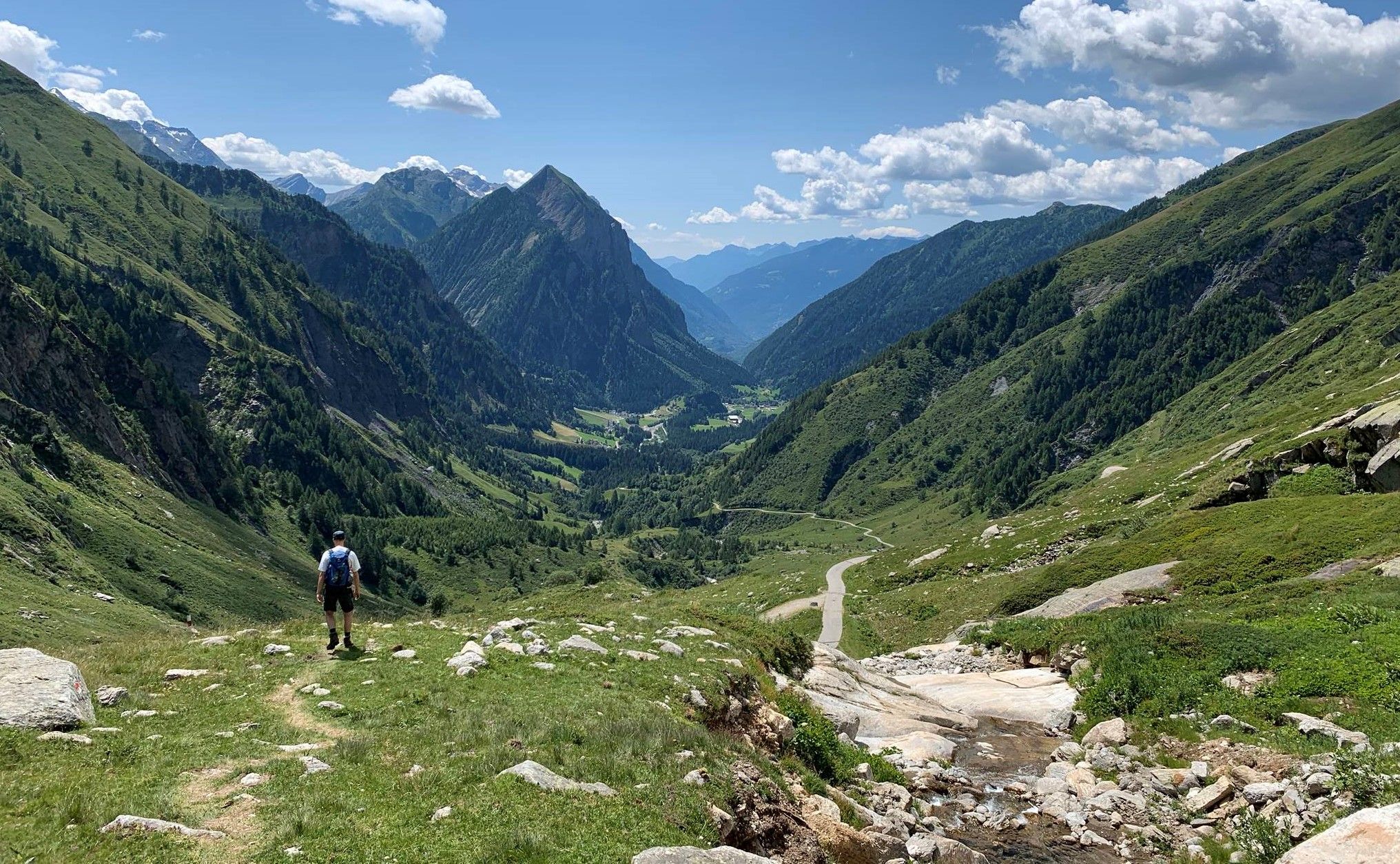
Alpine Passes Trail in Switzerland – 34 stages of pure mountain fun
The most beautiful cross country e-bike Tours in Flims Laax Falera
The most beautiful cross country Tours in Flims Laax Falera
Experience the great adventure of the Glacier Bike Tour

100% Women: on smooth asphalt above the clouds
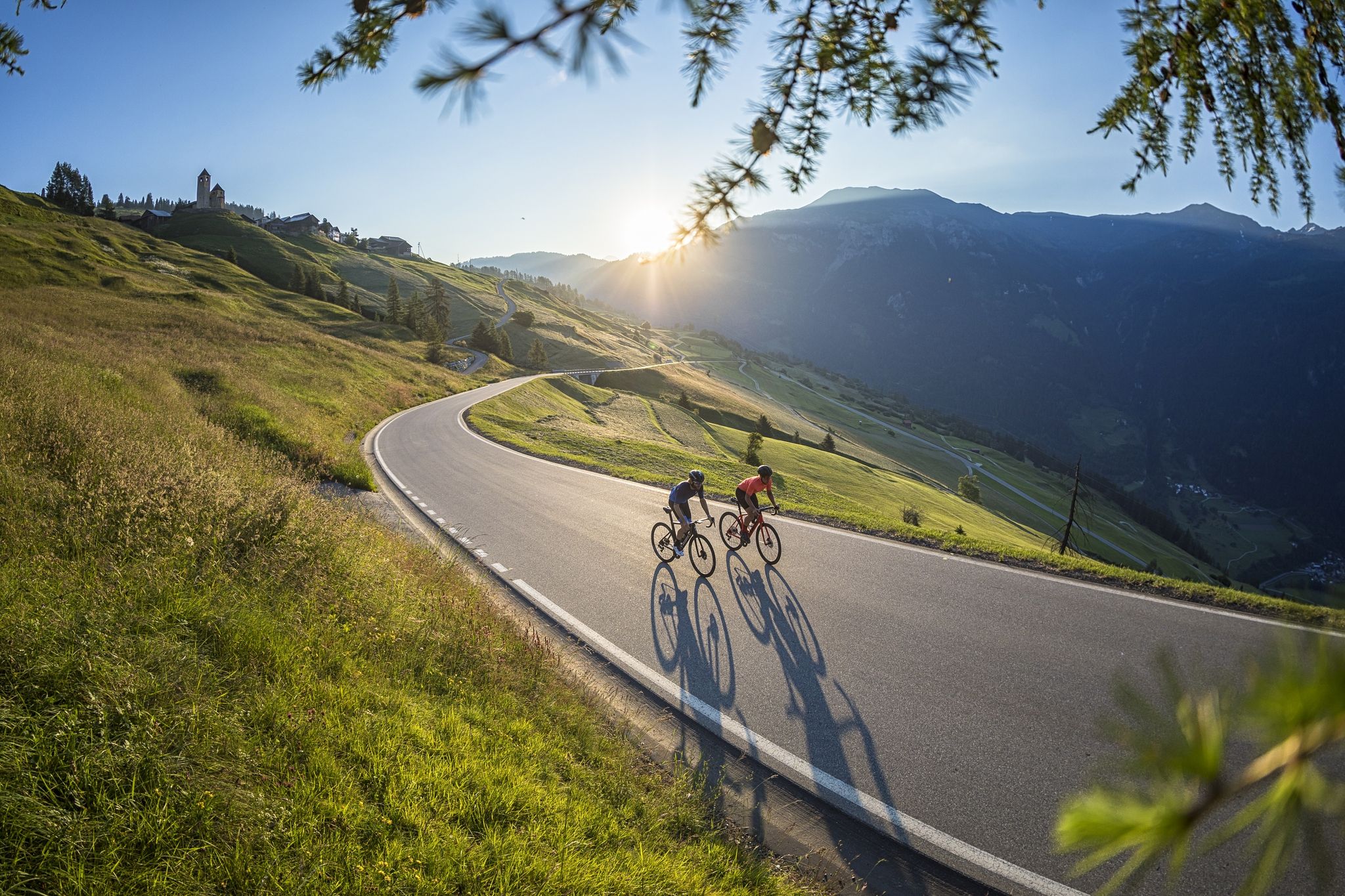
A cyclists’ menu – road cycling in Switzerland’s Grisons
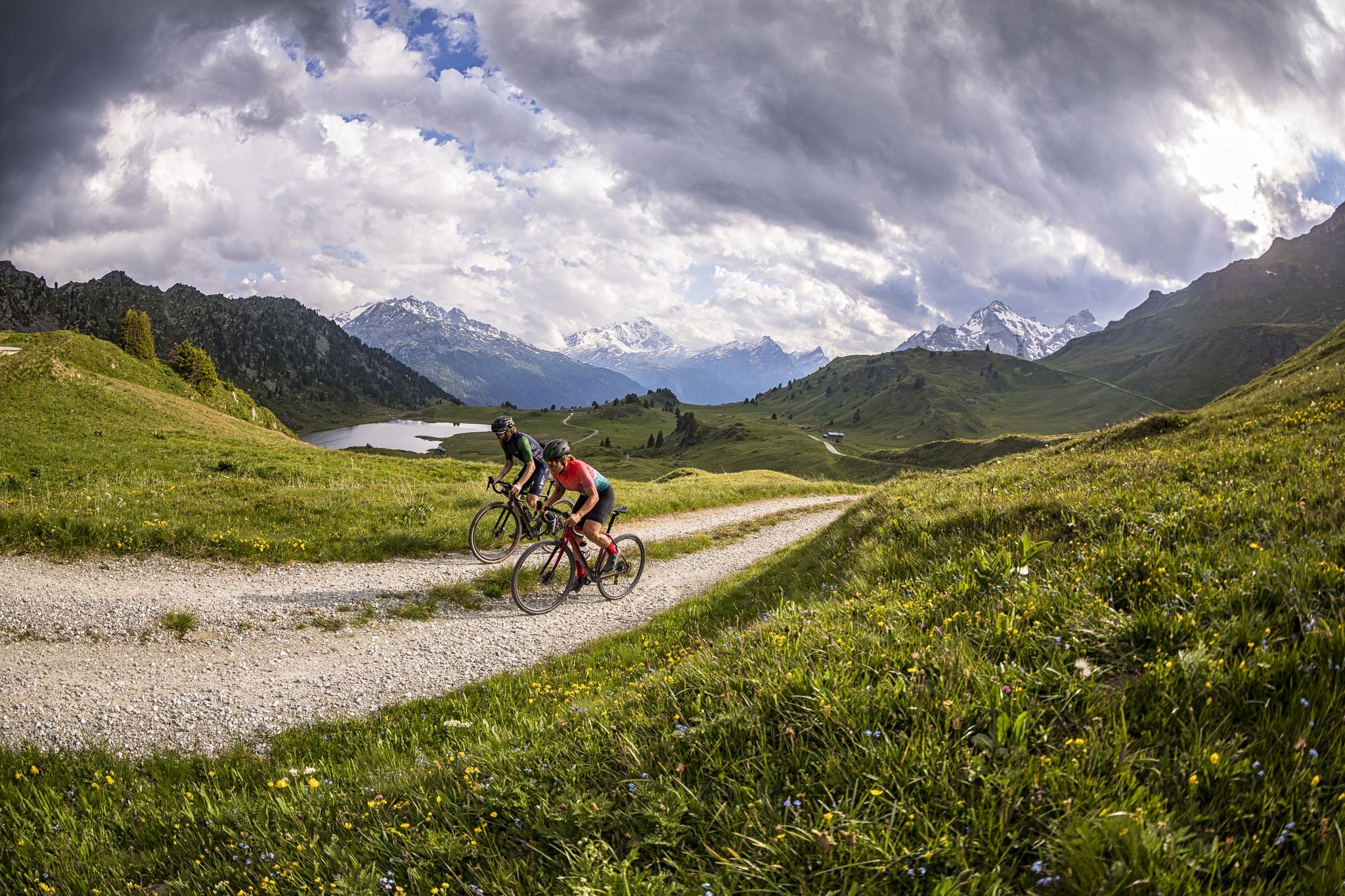
A gravel biking Menu for Switzerland’s Grisons
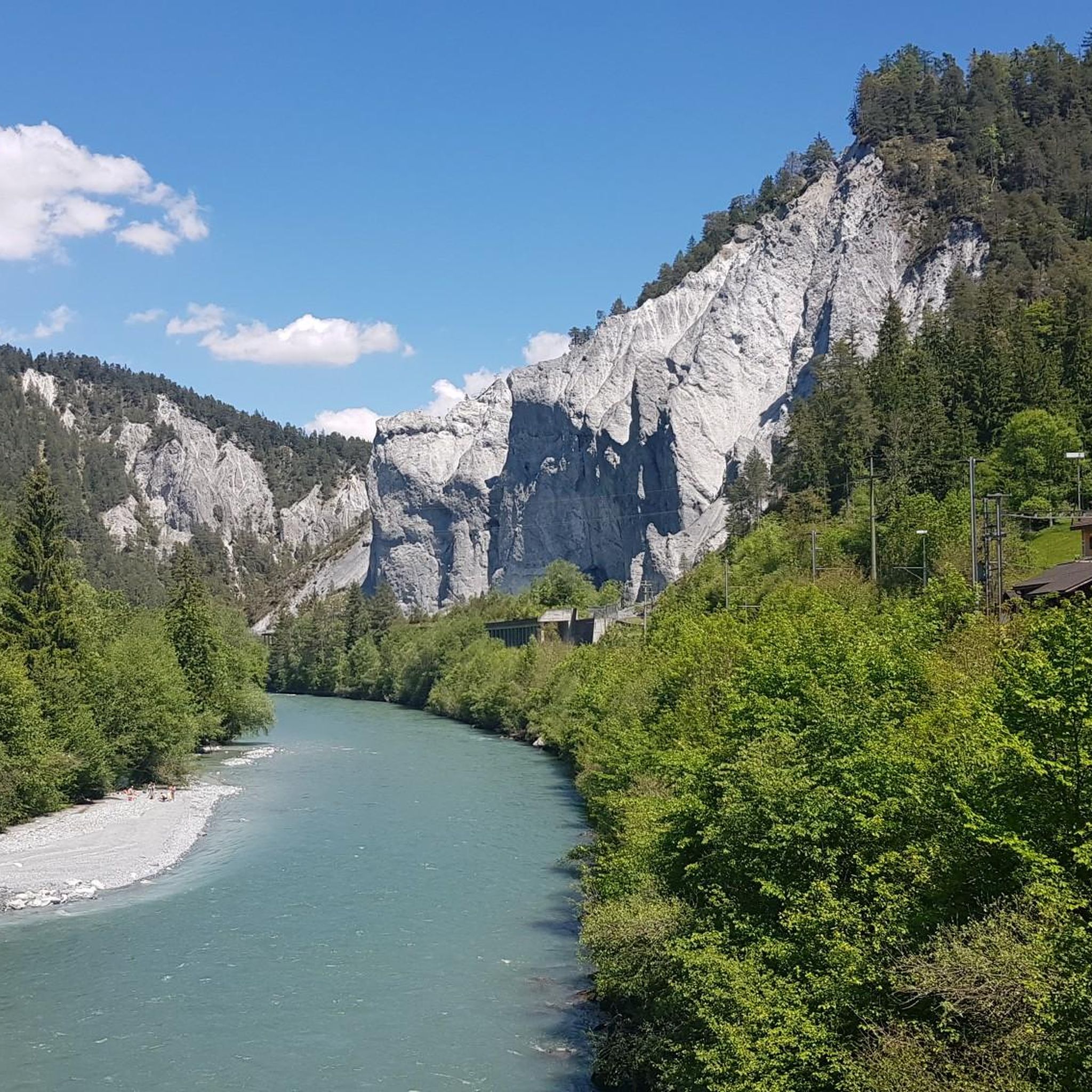
Cycling around Ilanz
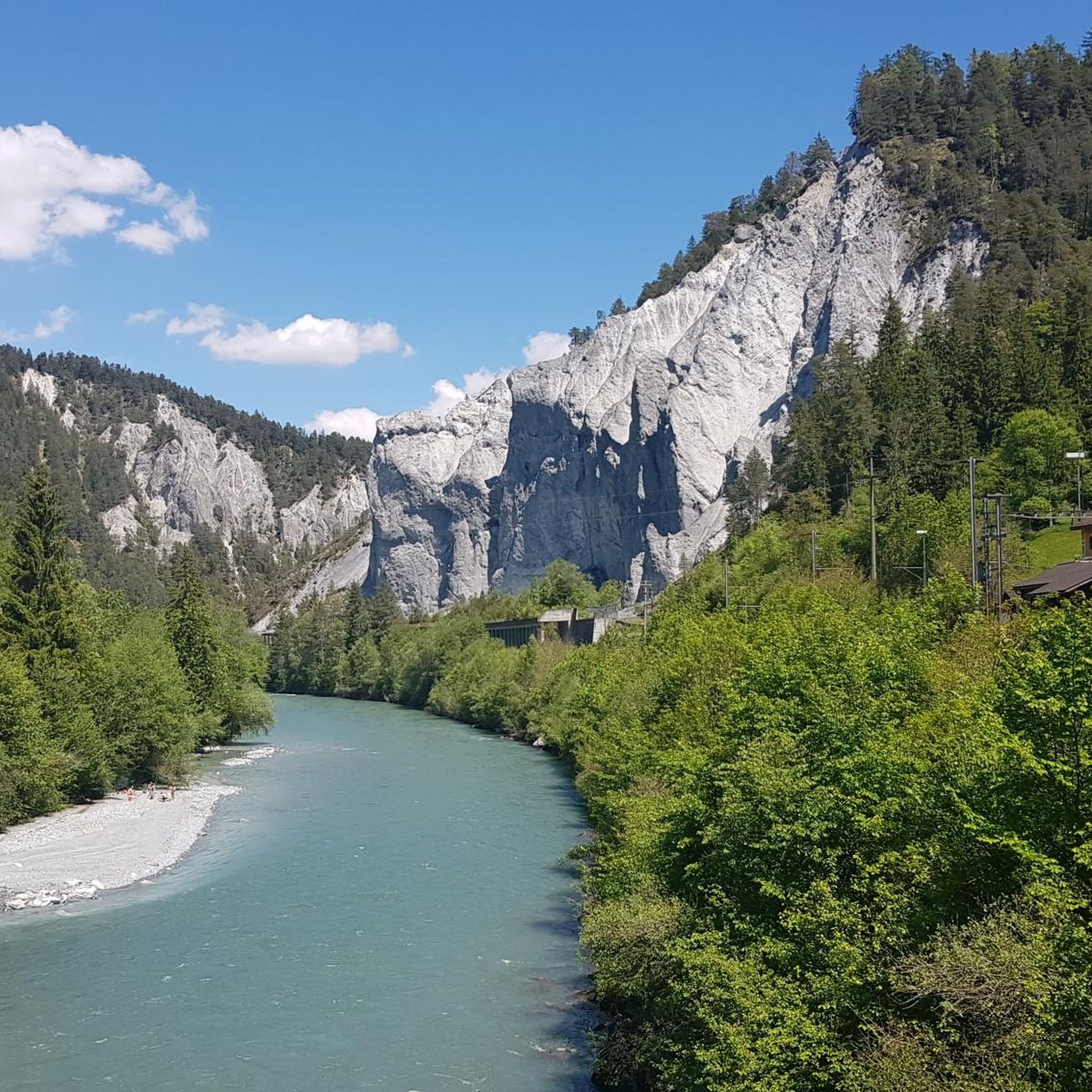
MTB Trails around Ilanz
Road Cycling Routes around Ilanz
Other adventures around Ilanz


Tips from the Community

The Schiedberg ruins are located above the former Val Casti landfill
0
0

Here a short path branches off up to the Schiedberg ruins. The detour is worthwhile not only because of the old walls, but also because of the wonderful view.
1
0

The Jörgenberg ruins are the largest castle complex in Surselva.
0
0

Very special ruin, built like a swallow's nest on the rock - the short detour from the wide path onto a narrow, well-secured path is very worthwhile.
0
0

Located directly on the rock face
0
0

Kropfenstein/Casti Grotta, Waltensburg. It is a grotto castle that is difficult to access in a south-facing location. Access is from the east via a narrow ledge around a ledge. Today it is widened and secured by railings, but would leave the bike up there.
0
0

The small path down to the castle ruins doesn't do much with the bike, I would definitely leave the bike up on the gravel road and walk the two or three minutes.
1
0
Worth seeing facility, about 700 years old. There is no direct documentary evidence of the castle or its builders. Kropfenstein, however, is one of the few grotto castles that were not built in a dark hole as a refuge in times of need, but served as a residence for a respected family, which among other things provided bailiffs and magistrates. Possibly the von Kropfenstein family of lower nobility based in Luven (Maschieras) built or acquired the Kropfenstein Castle or named themselves after it, while a branch of this family continued to reside in Luven. On November 28 or 29, 1328, during a procession in Rueun, a Jocobus de Strotznstein was killed. Whether this was an early owner of Kropfenstein or an as yet unidentified Stotznstein Castle in the Waltensburg area is uncertain. A Bürklin von Cropfenstein is mentioned in 1335, who worked several times as a judge, and in 1396 Albrecht von Kropfenstein, episcopal judge in Ilanz. His name will be mentioned several times in the years to come. 1401 Florin von Kropfenstein is mentioned. In 1433 Clara von Kropfenstein sold some goods to a donate from Kadunau. In the same year and again in 1437 Junker Hans von Kropfenstein is mentioned, who was nicknamed "Muschieras", which in turn indicates a connection to Luven. Close relationships with the barons of Rhäzüns can be proven. A feuding letter from Ulrich von Rhäzüns and Hans von Kropfenstein to the castellan of Freudenberg has been preserved from May 3, 1437. The best-known Kropfensteiner was Marquart von Kropfenstein, who was a judge of the Gray League in 1438/39 and 1442/43. Junker Jörg von Kropfenstein is mentioned in 1473, who at that time attached his seal to a contract of sale from a Waltensburger. Towards the end of the 15th century, perhaps with Junker Jörg, the von Kropfenstein family must have died out and the castle began to crumble.
1
0
Frequently Asked Questions
What are the main historical castles and fortifications to explore in Ilanz?
Ilanz offers a rich historical experience with several notable sites. You can explore the ruins of Castelberg Castle, a 13th-century hill castle that provides insight into medieval defensive architecture. The town's historic center, known as "Städtli," features remnants of its former city walls, including the preserved Rote Tor (Red Gate) and Obertor (Upper Gate). Additionally, the Jörgenberg Castle Ruins and the unique Kropfenstein Castle Ruins (Casti Grotta) are popular choices.
Which castles offer the best views of the surrounding landscape?
For stunning views, the Jörgenberg Castle Ruins are highly recommended, with visitors noting the climb is always worth it. The Kropfenstein Castle Ruins (Casti Grotta) also provide a very beautiful view, despite their adventurous access. A short detour to the Turn-off to the Schiedberg Ruin offers wonderful vistas alongside its old walls.
Are there family-friendly castles or historical sites suitable for children around Ilanz?
While many castle ruins require some walking, the Jörgenberg Castle Ruins are a great area for exploration and even feature two fire pits, making it an enjoyable spot for families to relax and picnic. The historic Ilanzer Altstadt, with its preserved gates and old town charm, is also pleasant for a family stroll.
Are there hiking trails that incorporate castle visits near Ilanz?
Yes, the region around Ilanz is excellent for combining hiking with historical exploration. Many routes lead past or to these ancient sites. You can find various hiking trails, including easy to moderate options, in the Hiking around Ilanz guide, which can help you plan a route that includes castle ruins.
What other outdoor activities can I do near the castles in Ilanz?
Beyond hiking, the Ilanz region offers diverse outdoor activities. For those seeking more challenging adventures, there are numerous Mountain Hikes around Ilanz. Cyclists can explore a variety of routes, including scenic options like the 'Tour de Obersaxen' or the 'Valendas Wooden Fountain – Versam Curves loop', detailed in the Road Cycling Routes around Ilanz guide.
What is the best time of year to visit the castles around Ilanz?
The best time to visit is generally during the spring, summer, and autumn months (April to October) when the weather is mild and the trails are clear. This allows for comfortable exploration of the outdoor castle ruins and the historic town. The vibrant colors of autumn can also add to the scenic beauty.
Can I visit the castles around Ilanz in winter?
Visiting in winter is possible, but conditions can be challenging due to snow and ice, especially for hill castles like Castelberg or Kropfenstein. Access paths may be slippery or closed. The Ilanzer Altstadt and its fortifications are generally more accessible in winter, offering a charming, snow-dusted historical experience. Always check local conditions before heading out.
How accessible are the castles around Ilanz by public transport?
Ilanz itself is well-connected by public transport. From the town, local buses or short walks can take you to the Ilanzer Altstadt and its gates. For more remote castle ruins like Castelberg or Kropfenstein, you might need to combine public transport with a hike, as direct access might not always be available. Planning your route in advance using local transport schedules is advisable.
Is parking available near the castle ruins?
Parking availability varies by site. For the Ilanzer Altstadt, public parking is available within or near the town center. For hill castles like Kropfenstein Castle Ruins, visitors often park their vehicles at the start of the hiking trail leading to the ruins. For example, for Kropfenstein, it's recommended to leave your bike or car on the gravel road above and walk the final, narrow path.
What should I bring for a visit to the castle ruins?
When visiting the castle ruins around Ilanz, especially those requiring a hike, it's advisable to wear sturdy hiking shoes. Bring water, snacks, and appropriate clothing for the weather. If you plan to use the fire pits at Jörgenberg Castle Ruins, consider bringing kindling or food for grilling. A camera is also a must to capture the historical sites and scenic views.
What do visitors particularly enjoy about the castles around Ilanz?
Visitors appreciate the historical depth and the opportunity for exploration. The Jörgenberg Castle Ruins are loved for their great area and fire pits, making them ideal for a break. The adventurous access and beautiful views from Kropfenstein Castle Ruins (Casti Grotta) are also frequently highlighted. Overall, the blend of ancient history with natural beauty is a major draw.
Beyond castles, what other historical sites can I visit in Ilanz?
In addition to the castle ruins and town fortifications, Ilanz boasts other significant historical buildings. Casa Gronda, built in 1677, is a notable architectural example reflecting the political importance of the Schmid von Grüneck family. A stroll through the Ilanzer Altstadt will also reveal historic churches like the late Gothic church of St. Margarethen and charming 16th and 17th-century Baroque buildings.
Most popular routes around Ilanz
Most popular attractions around Ilanz

Get inspired with the komoot mobile app


Explore more
Looking for the best castles somewhere else? Discover other guides around Ilanz:
