Top 10 Castles around Kaiserstuhl
Best castles around Kaiserstuhl are found in a region known for its volcanic origins and picturesque landscapes in southwestern Germany. This area offers a glimpse into a rich past, with historical sites ranging from ancient Roman forts to medieval castles. The Kaiserstuhl is also a renowned wine-growing area, providing scenic views of the surrounding landscape. Exploring these historical structures offers insights into the region's history, from Roman times to the Middle Ages.
Best castles around Kaiserstuhl
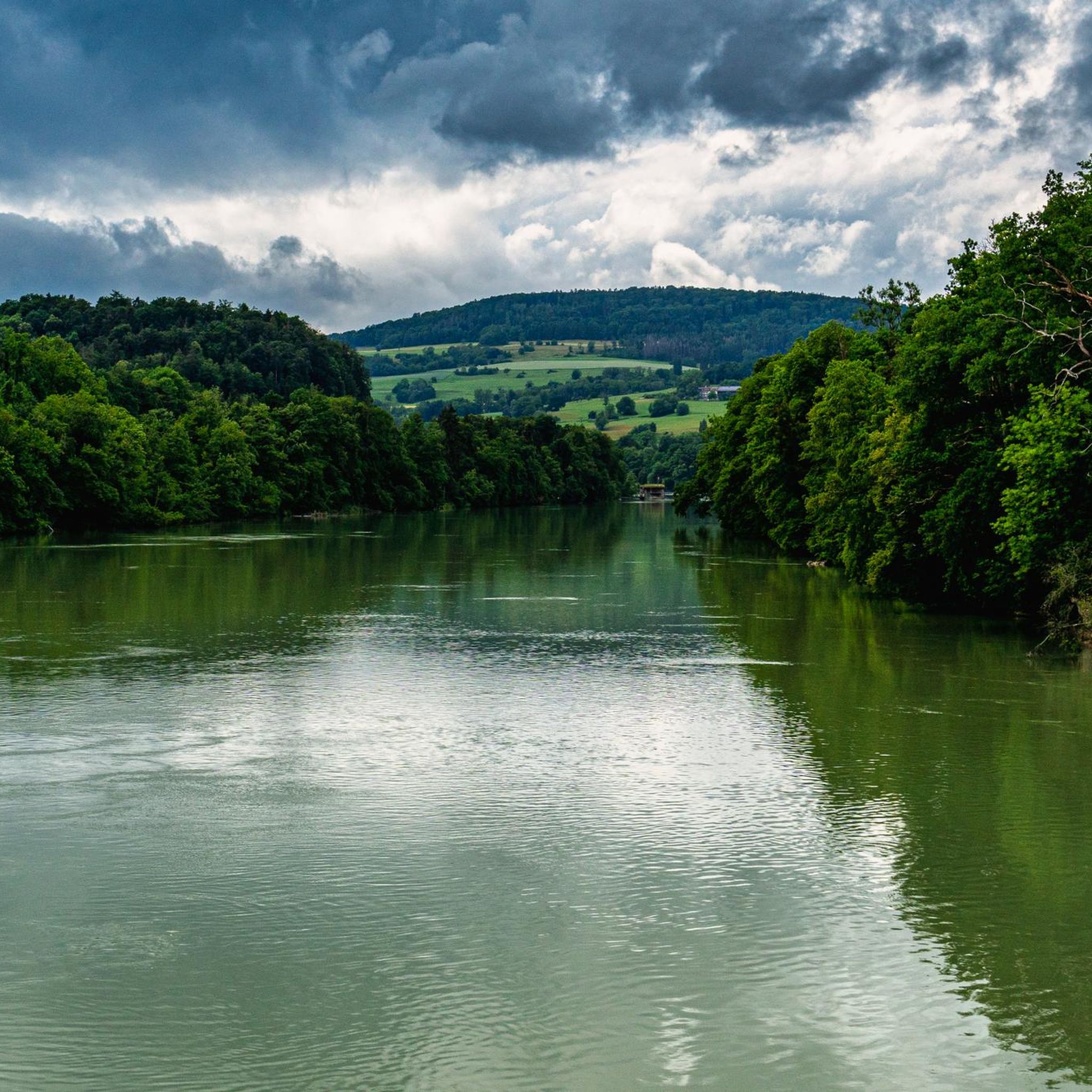
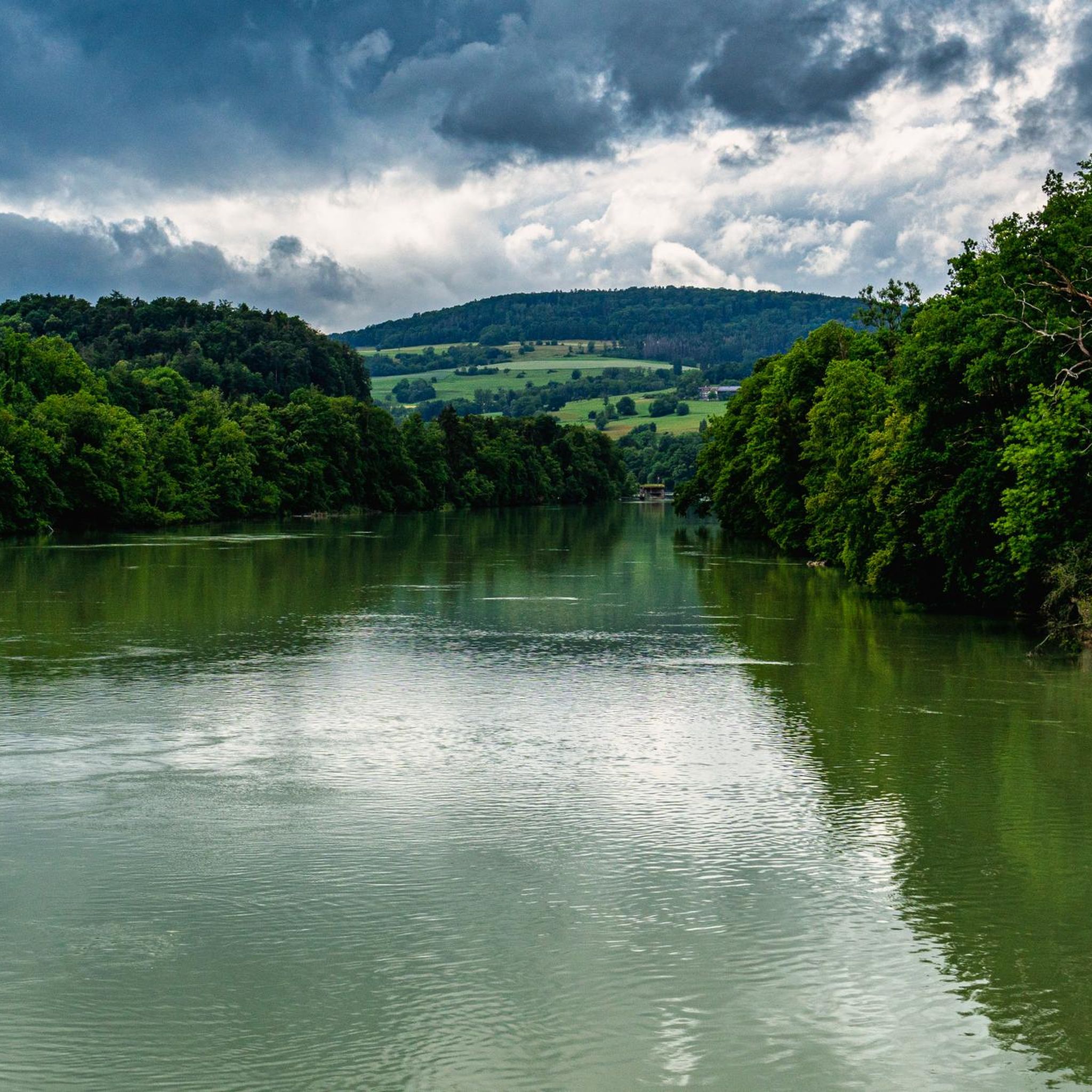
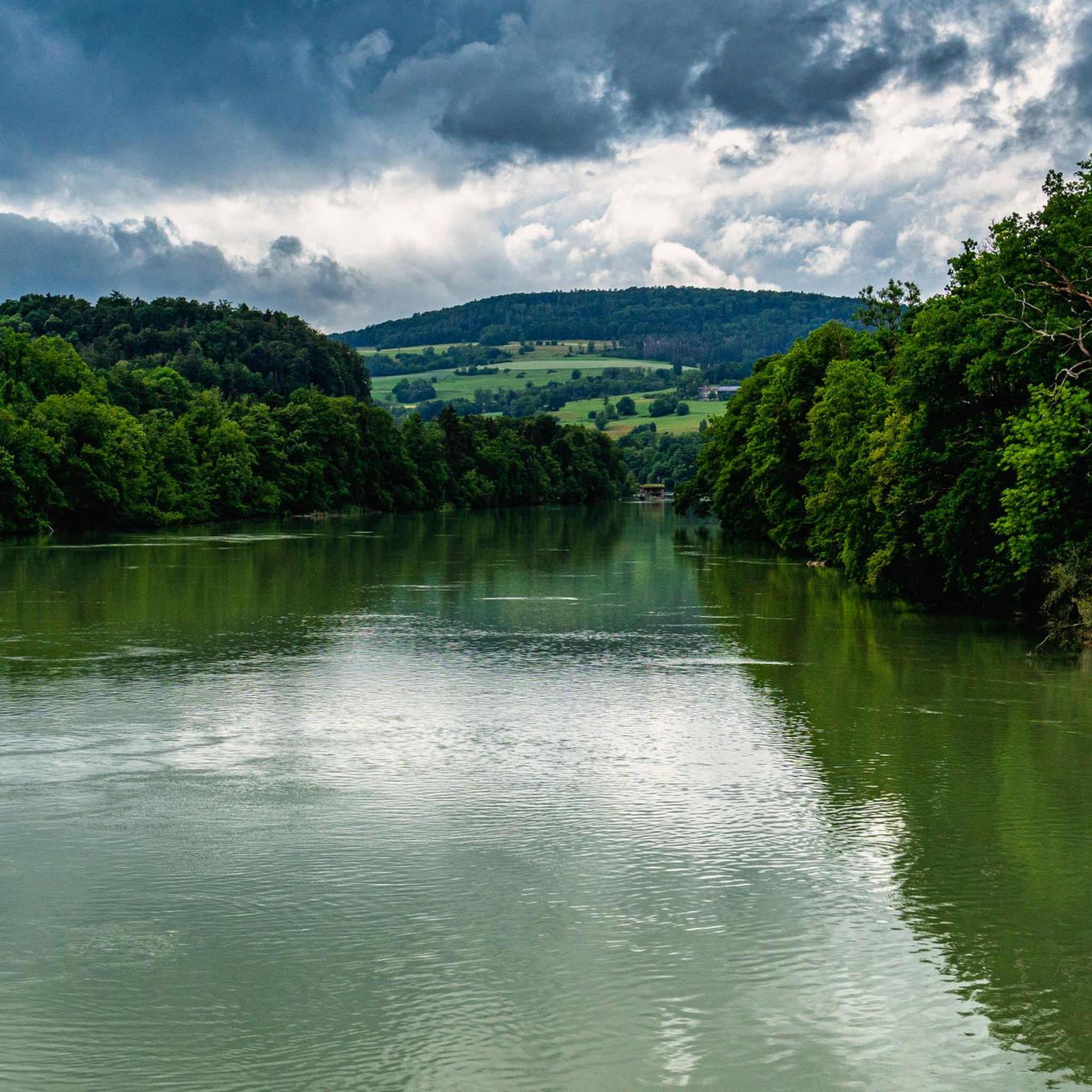
- The most popular castles is Kaiserstuhl Castle and Bridge, a castle that offers a great backdrop along the Rhine. It is located near one of the most famous and beautiful villages on the Upper Rhine.
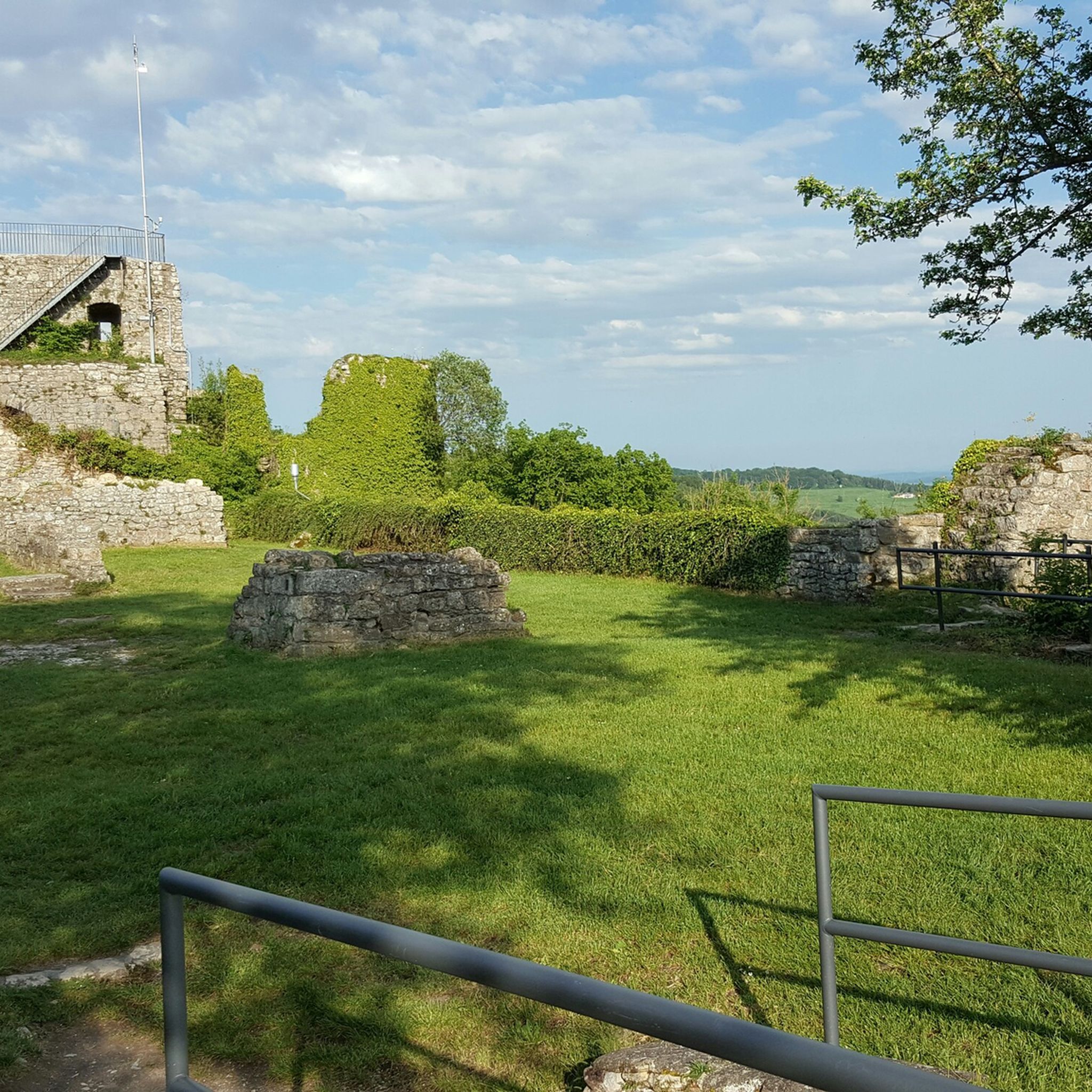
- Another must-see spot is Küssaburg Castle Ruins, a castle. This Höhenburg is one of the most important historic monuments on the Upper Rhine and a popular tourist destination, offering wide views of the Black Forest and Switzerland.
- Visitors also love Rotwasserstelz Castle, a castle. This charming building is located at the bridgehead of the Rhine crossing to Switzerland across from Kaiserstuhl, though it is privately owned and cannot be viewed from the inside.
- Kaiserstuhl is known for its variety of historical structures, including well-preserved castles, romantic ruins, and remnants of ancient Roman forts. These sites provide insights into the region's diverse history and offer scenic viewpoints.
- The castles around Kaiserstuhl are appreciated by the komoot community, with 673 upvotes and 221 photos shared by visitors.
Last updated: September 29, 2026
Kaiserstuhl Castle and Bridge
Highlight • Castle
Translated by Google •
Tip by

Küssaburg Castle Ruins
Highlight • Castle
Their first construction is suspected between the years 1125 and 1141. The previous castle was owned by the Counts of Küssenberg, the diocese of Constance and the Counts of Sulz.
The castle, which later became a fortress, was destroyed by a fire set by the occupation on March 8, 1634, at the approach of the Swedish army in the Thirty Years' War, and by a landslide on December 25, 1664.
In the 19th century, the excavation of the castle ruins began, which has since become a popular tourist destination in the region.
de.wikipedia.org/wiki/K%C3%BCssaburg
Translated by Google •
Tip by

Sign up now to discover places like this
Get recommendations on the best single tracks, peaks, & plenty of other exciting outdoor places.
Rotwasserstelz Castle
Highlight • Castle
Before the Baden expansion it was part of the Bishopric of Constance, today the castle is in the municipality of Hohentengen.
Translated by Google •
Tip by

Pflasterbach Pilgrimage Site
Highlight • Religious Site
Translated by Google •
Tip by

Late Roman Fort Tenedo/Zurzach
Highlight • Historical Site
After the withdrawal of the Roman troops (401), the thick fort walls offered protection for the local civilian population. Even before the year 1000, a new settlement gradually arose west of the fort, near the grave church of St. Verena in the Roman cemetery, the core of what is now Zurzach. The fort buildings gradually fell into disrepair, and only some of the walls of the larger of the two forts (Kirchlibuck) were able to withstand the ravages of time; the surrounding walls on the slope side are likely to have fallen into the Rheinnn in the course of time.
Translated by Google •
Tip by

Sign up for free to discover even more castles around Kaiserstuhl.
Already have an account?
Start today with a free account
Your next adventure awaits.
Tips from the Community

The first thing you notice when coming from Kaiserstuhl and crossing the bridge into Germany.
1
0

Shade, picnic and breaks go well together.
0
0

Mighty walls on the border between Switzerland and Germany.
2
0
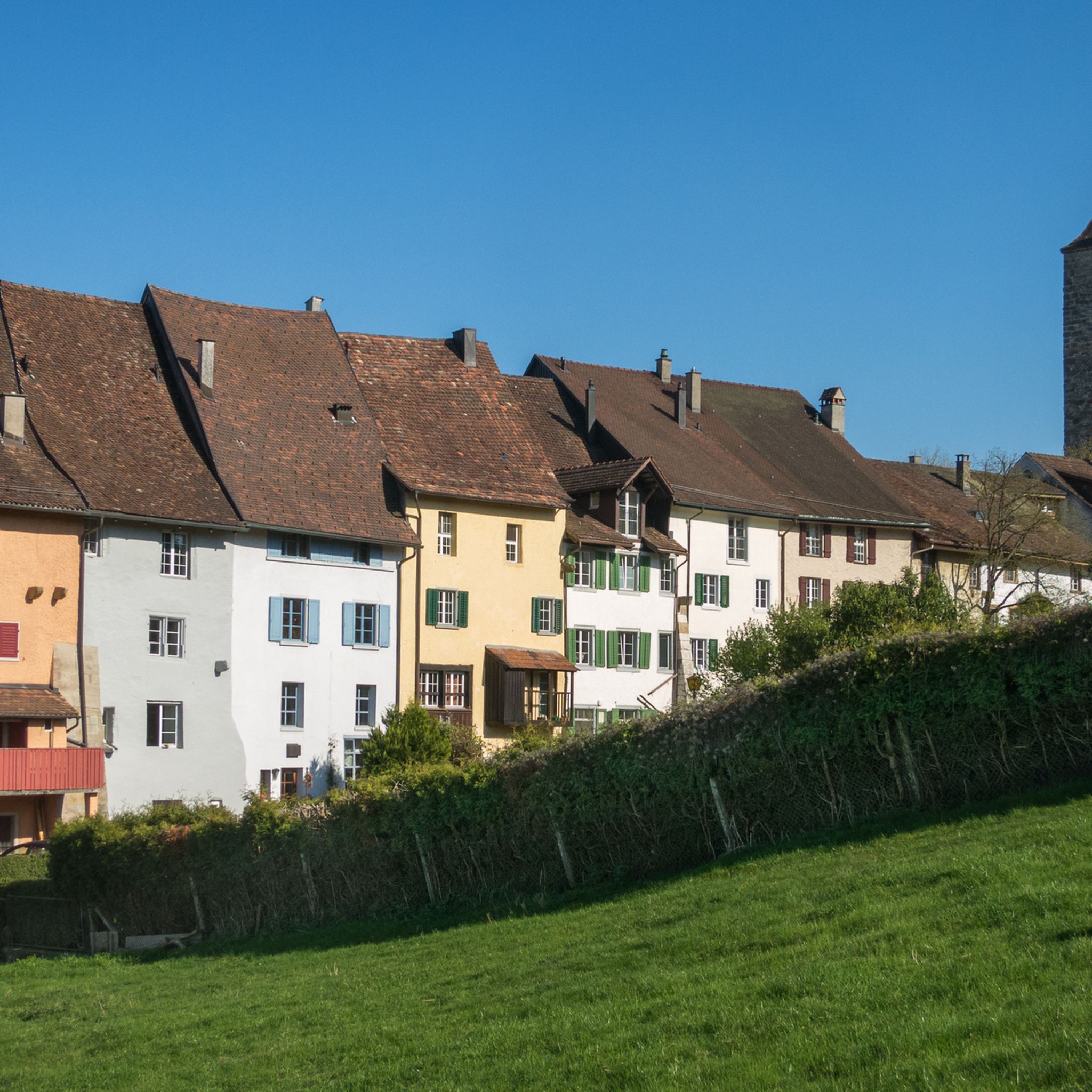
Kaiserstuhl, a beautiful town on the Swiss side.
2
0

Rotwasserstelz Castle, also called Rötteln Castle, Röteln or Kaiserstuhl Castle, is a rock castle in the municipality of Hohentengen and is privately owned
0
0

Rotwasserstelz Castle cannot be visited.
1
0

The romantic town of Kaiserstuhl is always worth a visit. Beautiful beer gardens 🍻 of course invite you to do so. You can also hike well on both sides of the Rhine.
2
0

A trip to Küssaburg is always possible, no matter what the season.
1
0
Frequently Asked Questions
Which castles around Kaiserstuhl are most popular with visitors?
Visitors frequently appreciate Kaiserstuhl Castle and Bridge for its scenic backdrop along the Rhine. Another highly regarded site is Küssaburg Castle Ruins, known for its historical significance and expansive views of the Black Forest and Switzerland. Rotwasserstelz Castle is also a charming spot, though it's privately owned and can only be admired from the outside.
Are there family-friendly castles or historical sites to visit in the Kaiserstuhl region?
Yes, several sites are suitable for families. Kaiserstuhl Castle and Bridge and Küssaburg Castle Ruins are both categorized as family-friendly. Additionally, the Pflasterbach Pilgrimage Site, which includes castle remains, offers facilities like a barbecue area, making it a pleasant stop for families.
What kind of historical insights do the castles of Kaiserstuhl offer?
The castles and historical sites in Kaiserstuhl provide a journey through time, from the late Roman Empire to the Middle Ages. Sites like Late Roman Fort Tenedo/Zurzach showcase the region's Roman past, while medieval structures such as Küssaburg Castle Ruins offer glimpses into later periods. Many are ruins, but they tell stories of ancient defenses, noble families, and strategic locations along the Rhine.
Can I combine a castle visit with outdoor activities like hiking or cycling?
Absolutely. The Kaiserstuhl region is ideal for combining historical exploration with outdoor activities. Many castles are situated along scenic routes. For hiking, you can explore trails like the 'Weißwasserstelz Castle Ruins – View of the Rhine Valley loop' or 'Kaiserstuhl – Kaiserstuhl Castle and Bridge loop'. Cyclists can enjoy routes such as 'Hohentengens Grenztreter – Die Süffige' or 'Kaiserstuhl Castle and Bridge – Kaiserstuhl loop'. You can find more details on these and other routes in the Hiking around Kaiserstuhl and Cycling around Kaiserstuhl guides.
Are there any castles with notable viewpoints or scenic surroundings?
Yes, the Kaiserstuhl region is known for its picturesque landscapes. Küssaburg Castle Ruins offers wide views of the Black Forest and Switzerland. The site of Höhingen Castle Ruins, though with few remaining walls, features a pavilion with forest sofas that provides an inviting spot to enjoy great views. Many castles are set amidst the region's renowned wine-growing areas, offering beautiful vistas.
What is the best season to visit the castles in Kaiserstuhl?
The Kaiserstuhl region is beautiful year-round, but spring and autumn are particularly pleasant for visiting castles. In spring, the vineyards are lush, and temperatures are mild for outdoor activities. Autumn brings vibrant colors to the landscape and is also harvest season in the wine region. Summer is also popular, though it can be warmer, while winter offers a quieter, often snow-dusted, charm.
Are there any castles that are privately owned or have limited access?
Yes, some castles in the region are privately owned. For example, Rotwasserstelz Castle is privately owned and cannot be viewed from the inside, though it's beautiful to admire from the exterior. Sponeck Castle is also privately owned, with its garden and Roman fort remains generally accessible, but the castle itself is typically open only a few times a year.
What natural features can I expect to see near the castles?
The castles are often nestled within the Kaiserstuhl's unique volcanic landscape, characterized by rolling hills, vineyards, and proximity to the Rhine River. You'll find scenic river views, especially near Kaiserstuhl Castle and Bridge. The region's volcanic soil contributes to its rich biodiversity and famous wine production, making for a beautiful natural backdrop to these historical sites.
Are there any Roman-era historical sites among the castles?
Yes, the region has a deep history stretching back to Roman times. The Late Roman Fort Tenedo/Zurzach is a significant site, representing a fort built to secure the Rhine crossing. Sponeck Castle also has origins as an important Roman fort, with remains still visible in its garden.
What do visitors say about their experience at Kaiserstuhl's castles?
Visitors frequently highlight the historical significance and the stunning views offered by the castles. Many appreciate the opportunity to combine castle visits with hiking or cycling through the picturesque wine region. The romantic ruins and the blend of ancient history with natural beauty are often mentioned as key attractions, making these sites popular destinations for both history buffs and outdoor enthusiasts.
Are there any castles that are particularly suitable for photography?
Many castles in the Kaiserstuhl region offer excellent photographic opportunities due to their historical architecture and scenic locations. Kaiserstuhl Castle and Bridge provides a great backdrop along the Rhine. The romantic setting of Schwendi Castle Ruins (Burkheim) and the panoramic views from Küssaburg Castle Ruins are also highly photogenic, especially during sunrise or sunset.
Can I find facilities like cafes or restaurants near the castles?
While not every castle ruin will have direct facilities, the Kaiserstuhl region is well-equipped with amenities. Many castles are located near charming villages or towns that offer cafes, restaurants, and accommodation. For example, Kaiserstuhl Castle and Bridge is near one of the most famous villages on the Upper Rhine, which would have dining options.
Most popular routes around Kaiserstuhl
Most popular attractions around Kaiserstuhl

Get inspired with the komoot mobile app


Explore more
Looking for the best castles somewhere else? Discover other guides around Kaiserstuhl:
