Top 6 Caves around Spital am Pyhrn
Best caves around Spital am Pyhrn offer diverse natural experiences in the Upper Austrian landscape. This region is characterized by its mountainous terrain and significant karst formations, leading to unique underground and water-related geological features. Visitors can explore various natural monuments that showcase the power of water and ice in shaping the environment. The area provides opportunities to observe distinct cave types and natural springs.
Best caves around Spital am Pyhrn
- The most popular caves include Pießling Spring (karst spring)…
Last updated: May 13, 2026
Pießling Spring (karst spring)
Highlight • Natural Monument
Translated by Google •
Tip by

Snow Oven (Snow Cave)
Highlight • Cave
Translated by Google •
Tip by

Sign up now to discover places like this
Get recommendations on the best single tracks, peaks, & plenty of other exciting outdoor places.
Sign up for free
Ice Chapel (Eiskapelle) in Nationalpark Kalkalpen
Highlight • Cave
In the spring, the meltwater seeps through the rock and freezes in the cave, which is still cold in winter. With rising temperatures in early summer, the magic is over.
Translated by Google •
Tip by

View benches at Schneeofen
Highlight (Segment) • Viewpoint
Translated by Google •
Tip by

View of Wildfrauenhöhle
Highlight • Cave
Translated by Google •
Tip by

Sign up for free to discover even more caves around Spital am Pyhrn.
Sign up for free
Already have an account?
Start today with a free account
Your next adventure awaits.
Login or Signup
Popular around Spital am Pyhrn
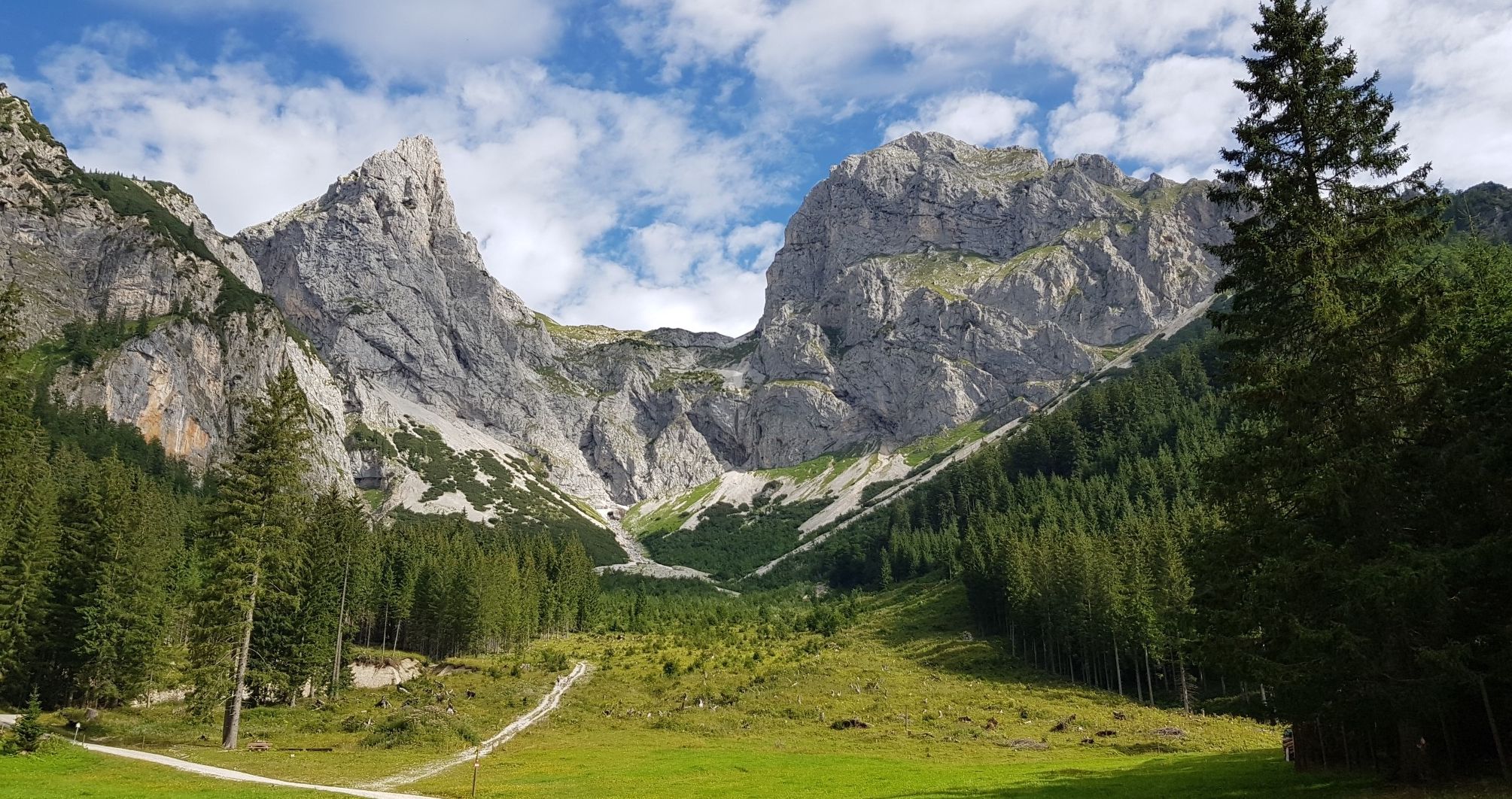
North Alpine Trail 01 – Hike across Austria in 49 days
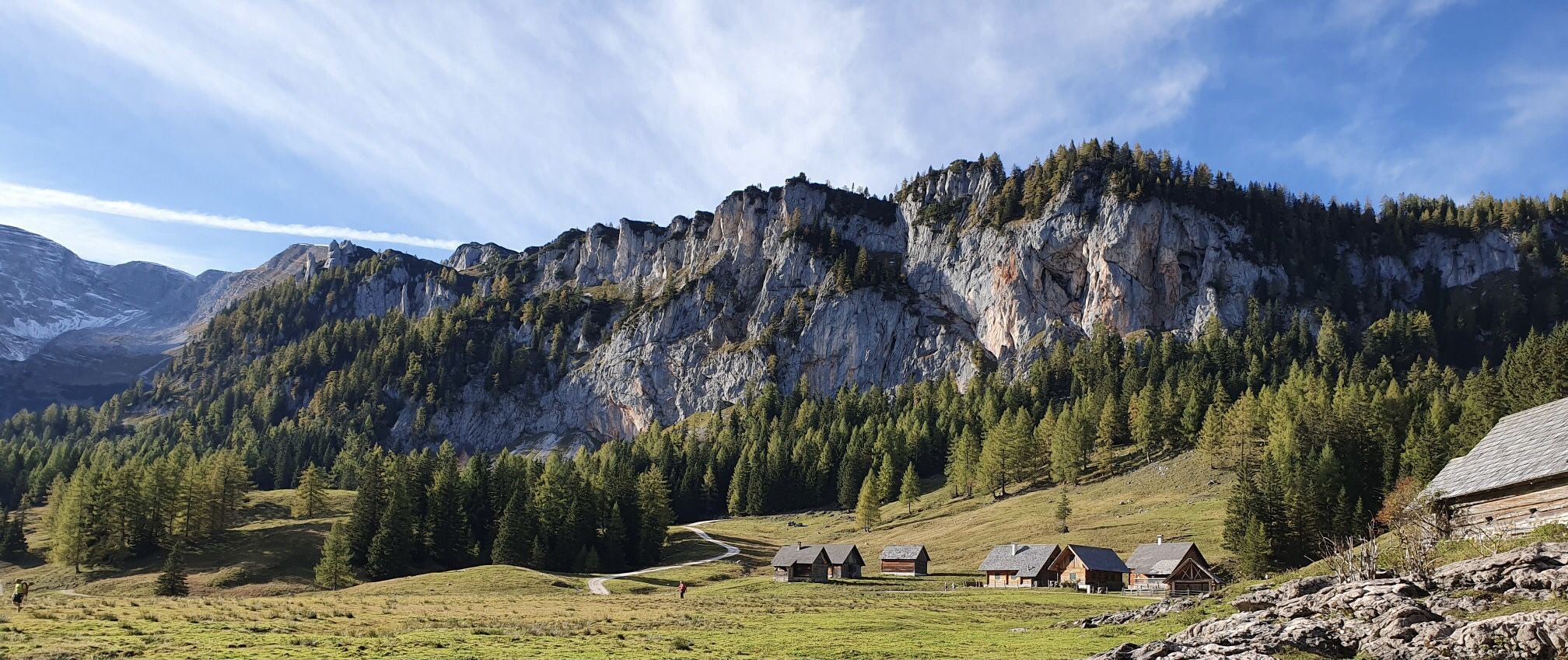
Austria's Kalkalpen Trail – Giant rocks & alpine meadows
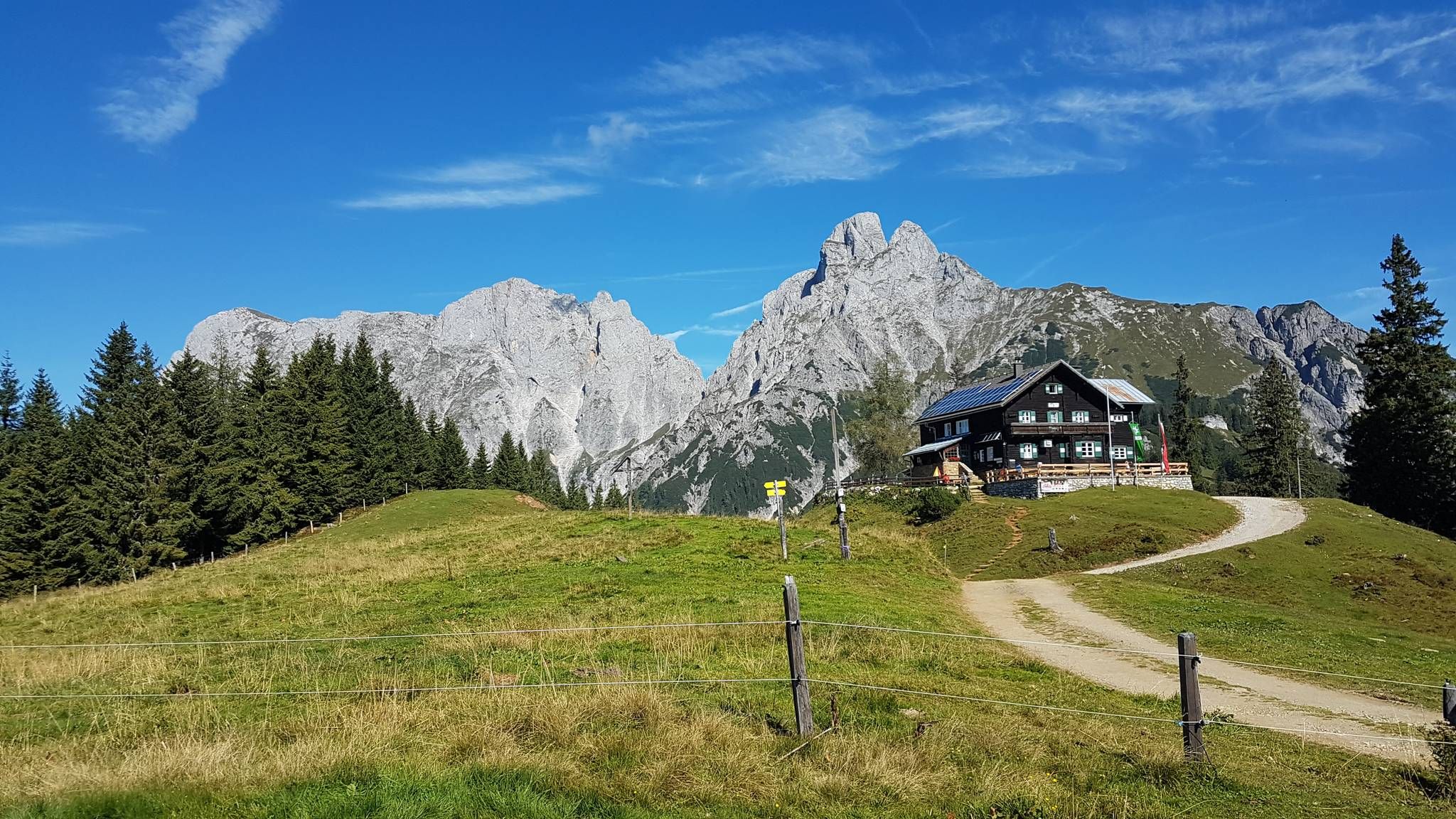
Gesäuse Hut Tour — Exploring the stunning Styria National Park
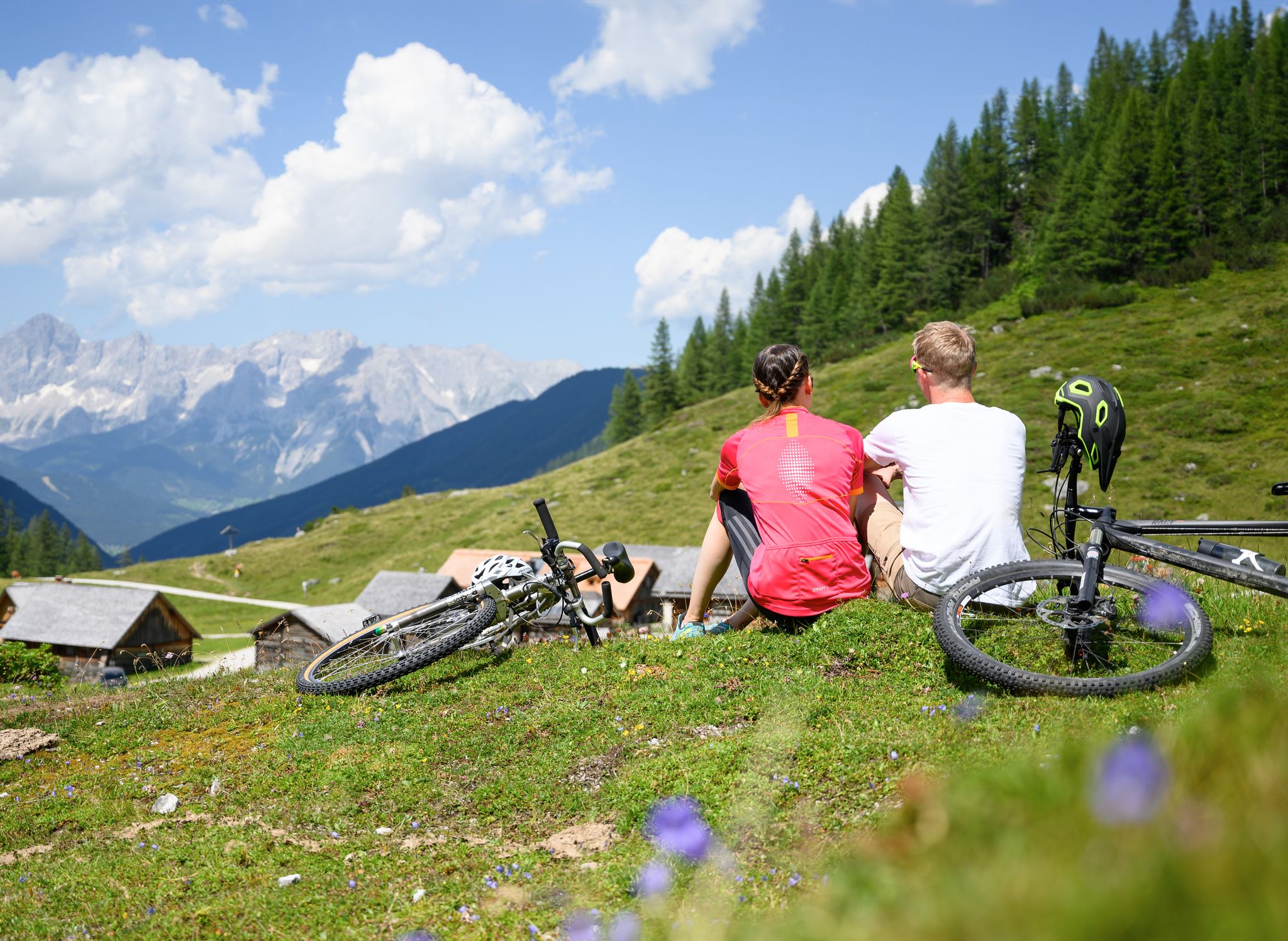
Magnificent mountain biking on Austria's alpine pastures
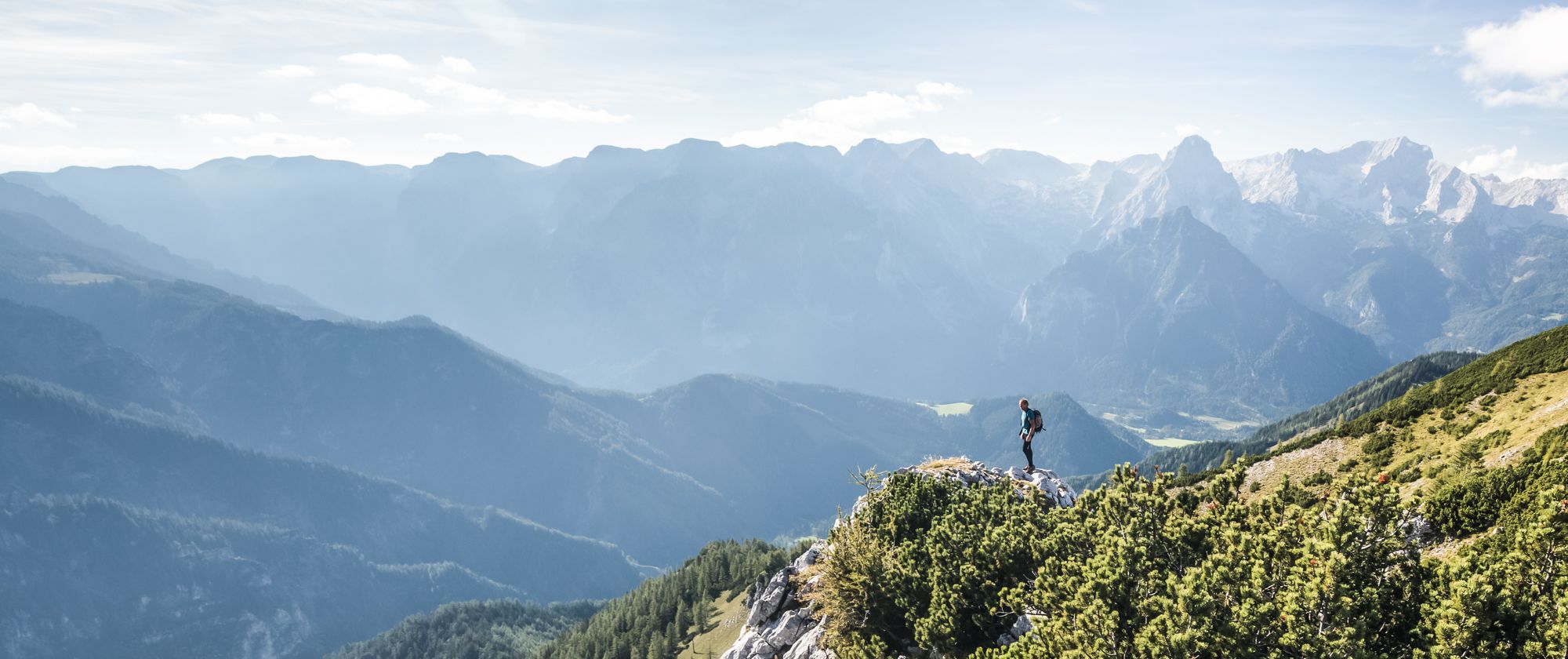
From a family hike to a summit climb – hiking in Pyhrn-Priel
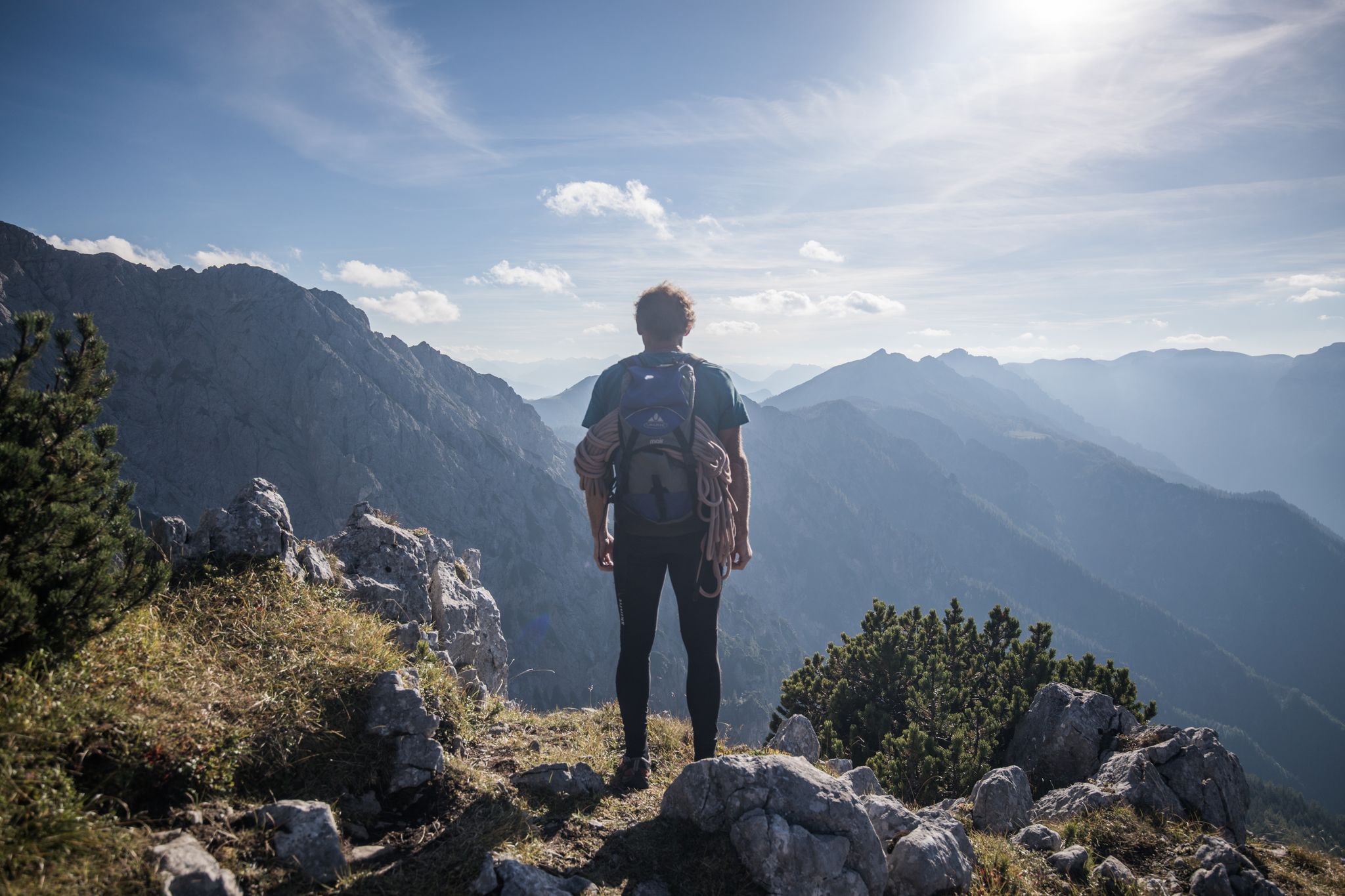
From a family hike to a via ferrata – hiking in Pyhrn-Priel

Where biker hearts beat faster — the Limestone Alps in Pyhrn-Priel
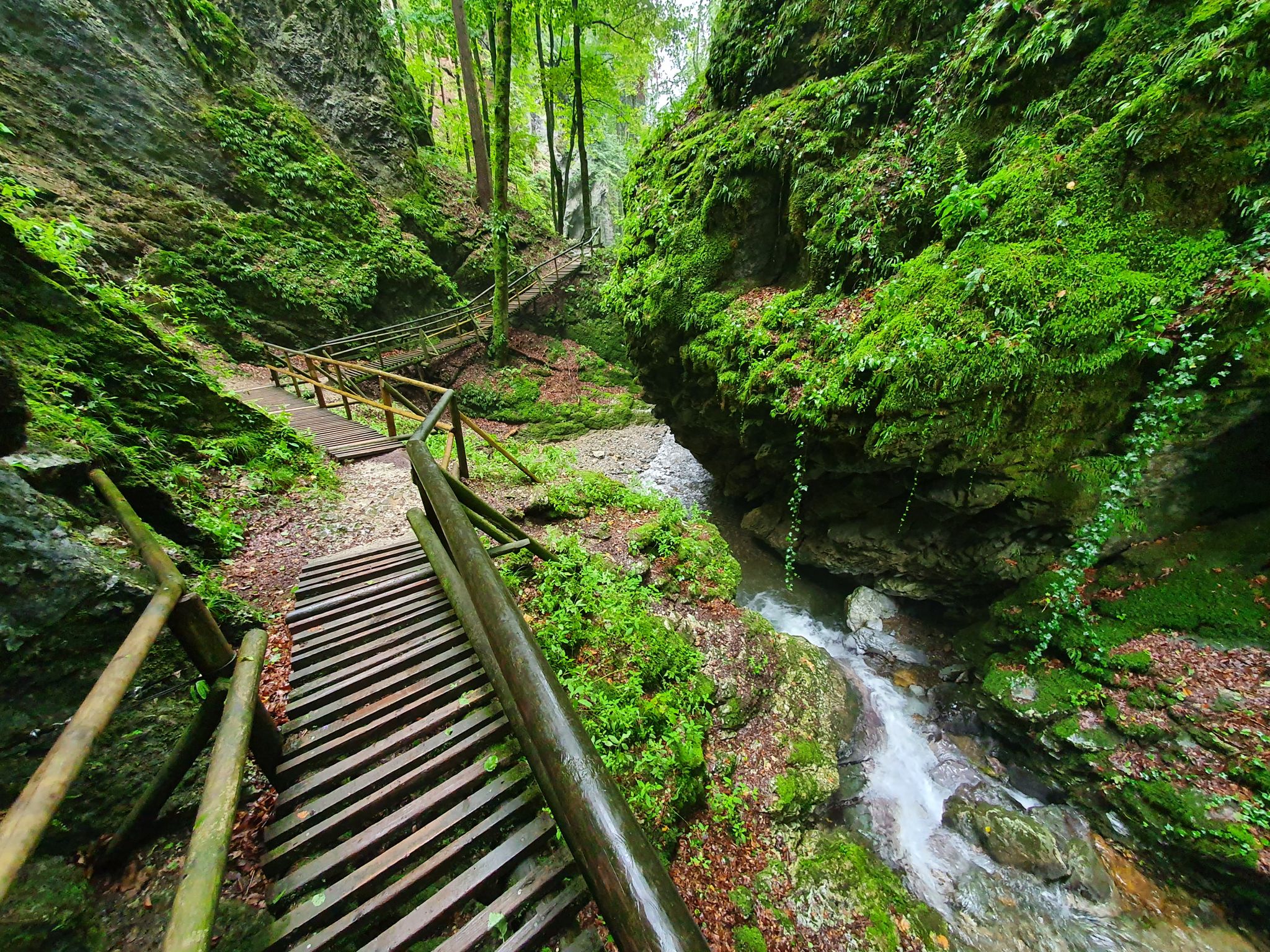
The most beautiful gorges in eastern Austria
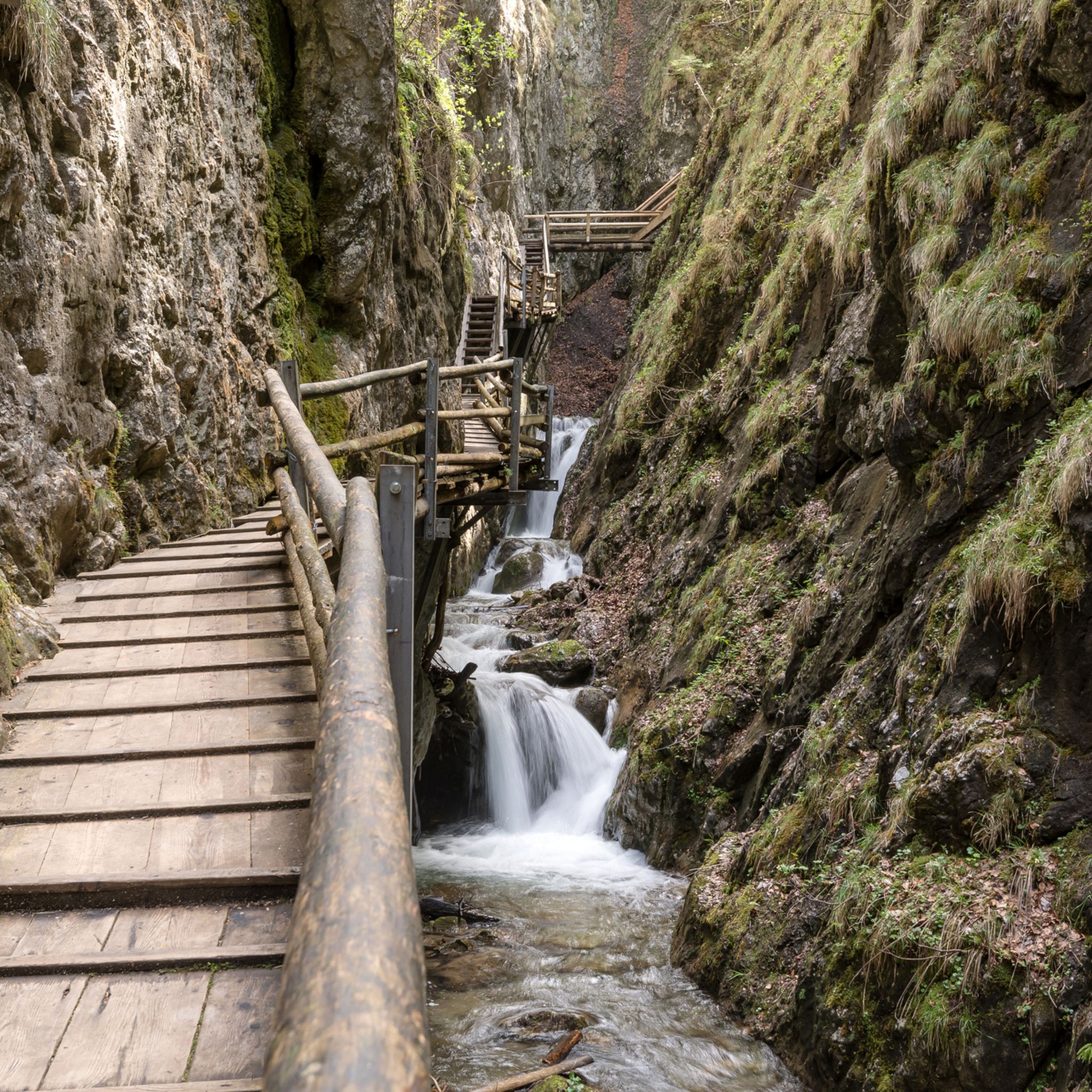
Hiking around Spital am Pyhrn
Mountain Hikes around Spital am Pyhrn
Other adventures around Spital am Pyhrn


Tips from the Community

Water droplets form the snow. Very beautiful!
2
0

This "snow hole" got its name because people used to melt snow there in large copper kettles to water the cows. Most alpine pastures in the Totes Gebirge (hence the name) don't have their own water sources, and the dairymaids used to help themselves by collecting rainwater in large tubs. In dry summers, they melted snow and used mountain pines as firewood. The last time snow was melted this way was in 1937. http://stodertalfreunde.blogspot.com/2013/06/schneeofen-auf-der-ho.html
0
0

Temporary beauty. In the spring, the meltwater seeps through the rock and freezes in the cave, which is still cold in winter. With rising temperatures in early summer, the magic is over.
3
1

Beautiful - but the passage is still closed due to falling rocks.
1
0
About 150m southwest (- 60m height+) you have to look for the safe entrance - NOT down the path from the snow oven - the path leads to ruin, or to extremely dangerous terrain
0
0

An imposing karst spring that you simply have to see!
4
0

This "snow hole" got its name because people used to melt snow there in large copper kettles to water the cows.
0
0

High up in the Bosruck rocks is the entrance to the Wildfrauenhöhle (only accessible via a via ferrata).
0
0
Frequently Asked Questions
What unique natural features can I explore around Spital am Pyhrn?
The region is rich in diverse natural features shaped by water and ice. You can visit the Pießling Spring (karst spring), one of Austria's strongest karst springs, or experience the temporary ice formations at the Ice Chapel (Eiskapelle) in Nationalpark Kalkalpen. The Snow Oven (Snow Cave) offers a unique sight where water droplets sculpt the snow.
Are there any family-friendly natural attractions near Spital am Pyhrn?
Yes, the Pießling Spring (karst spring) is considered family-friendly and offers an impressive natural spectacle. While not a cave, the Dr. Vogelgesang-Klamm (Dr. Vogelgesang Gorge) is also a popular option for families with older children who enjoy hiking, featuring wooden steps and walkways through dramatic rock formations.
What is the Dr. Vogelgesang-Klamm and how challenging is it?
The Dr. Vogelgesang-Klamm (Dr. Vogelgesang Gorge) is the longest gorge in Upper Austria, stretching over 1.5 km with approximately 500 wooden and stone steps. It's considered a wild romantic gorge and is suitable for visitors with a good fitness level and hiking experience. After the ascent, it connects to an international long-distance hiking trail, offering options for a circular hike.
What is the best time to visit the Ice Chapel (Eiskapelle)?
The Ice Chapel (Eiskapelle) is a temporary formation. Meltwater seeps through the rock and freezes in the cave during spring. The best time to witness its beauty is in early summer before rising temperatures cause the ice to melt away.
Can I swim in the Pießling Spring (karst spring)?
No, swimming in the Pießling Spring (karst spring) is dangerous and life-threatening due to strong currents, despite the water appearing calm. It is best appreciated from a safe distance.
What is the historical significance of the Snow Oven (Snow Cave)?
Historically, the Snow Oven (Snow Cave) was used by local farmers to melt snow in large copper kettles. This provided water for cows in alpine pastures that lacked their own water sources, especially during dry summers. The last recorded use for this purpose was in 1937.
Are there any challenging cave explorations or via ferratas in the area?
Yes, for those seeking a challenge, the View of Wildfrauenhöhle is located high up in the Bosruck rocks and is only accessible via a via ferrata. This offers a more demanding experience for experienced climbers.
What outdoor activities can I do near the caves around Spital am Pyhrn?
The region offers a variety of outdoor activities. You can explore numerous MTB trails, enjoy gravel biking routes, or go cycling through the scenic landscapes. Many routes offer stunning views of the mountains and valleys.
What do visitors appreciate most about the caves and natural features in Spital am Pyhrn?
Visitors frequently highlight the impressive natural beauty and the unique geological formations. The sheer power of the Pießling Spring and the temporary, artistic ice sculptures of the Ice Chapel are often mentioned. The historical context of the Snow Oven also adds to the appeal.
Are there viewpoints near the natural attractions?
Yes, near the Snow Oven, you can find view benches that offer a beautiful spot to take a break and enjoy panoramic views towards Warscheneck.
What kind of geological formations characterize the Spital am Pyhrn region?
The Spital am Pyhrn region is characterized by its mountainous terrain and significant karst formations. This geological makeup leads to a variety of unique underground and water-related features, including powerful karst springs, ice caves, and snow caves, all showcasing the impact of water and ice on the landscape.
Most popular routes around Spital am Pyhrn
Most popular attractions around Spital am Pyhrn

Get inspired with the komoot mobile app


Explore more
Extend your search for the best caves by checking out these guides of the top ones around Spital am Pyhrn:
