Top 10 Caves around Söll
Caves around Söll offer diverse geological features and historical insights within the broader Tyrol region. The area provides access to various cave types, from ice formations to ancient rock shelters. These natural landmarks are often integrated into hiking routes, allowing for exploration of the surrounding alpine landscape. The region's caves present opportunities to observe unique geological formations and learn about past human and animal habitation.
Best caves around Söll
- The most popular caves is Diebsöfen, a cave that features…
Last updated: April 27, 2026
Historic Mining Tunnel
Highlight • Cave
Translated by Google •
Tip by

St. Anna Grotto
Highlight • Religious Site
Translated by Google •
Tip by

Sign up now to discover places like this
Get recommendations on the best single tracks, peaks, & plenty of other exciting outdoor places.
Sign up for free
Tischofer Cave
Highlight • Cave
Translated by Google •
Tip by

Diebsöfen
Highlight • Cave
Translated by Google •
Tip by

Sparchenklamm Gorge
Highlight (Segment) • Gorge
Translated by Google •
Tip by

Sign up for free to discover even more caves around Söll.
Sign up for free
Already have an account?
Start today with a free account
Your next adventure awaits.
Login or Signup
Popular around Söll
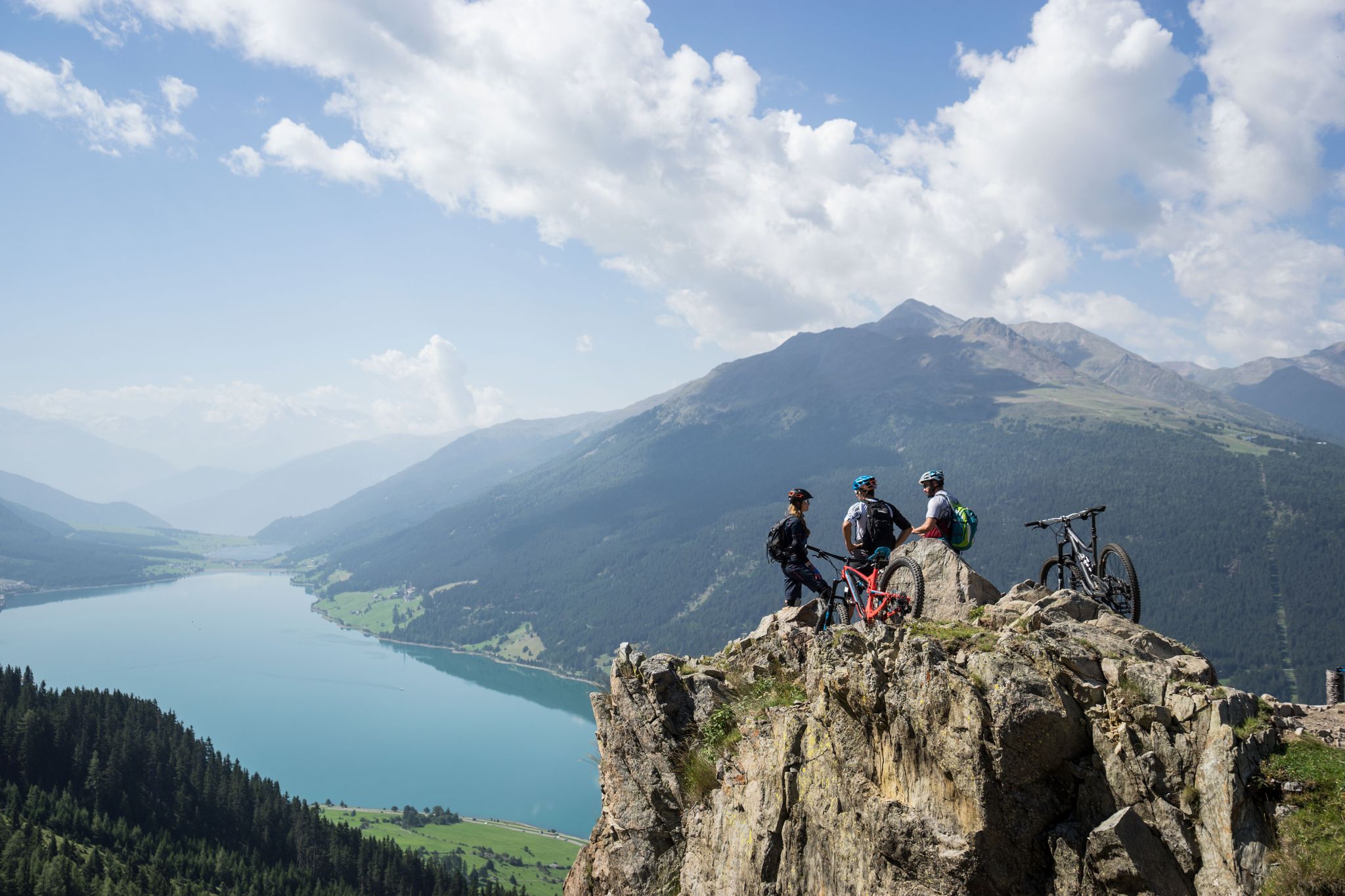
High into the Tyrolean mountain world – mountain biking in Tyrol
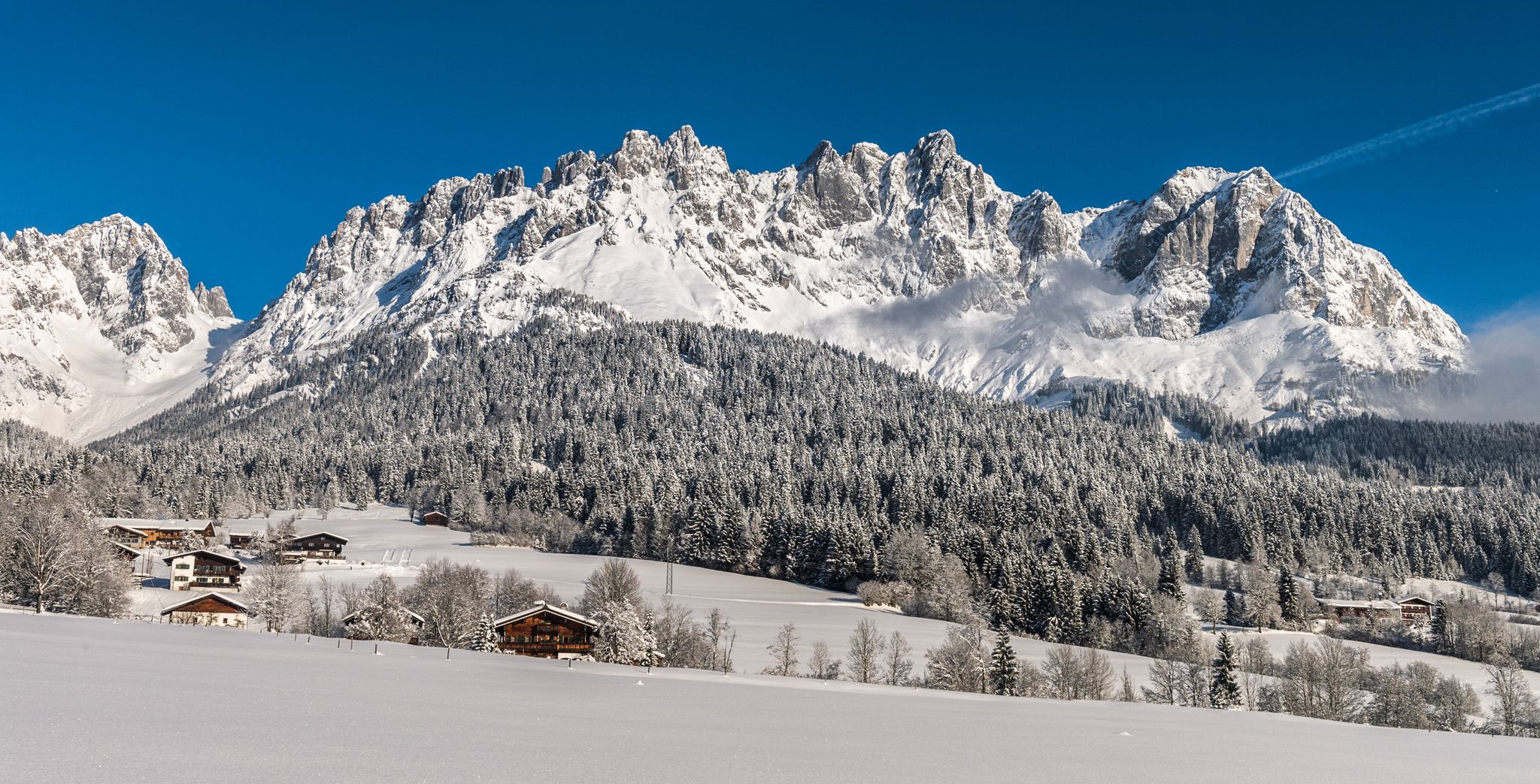
Fall in love with snow landscapes – winter Tours in Austria’s Kaiser Mountains

Bike Tours around the Wilder Kaiser in Austria – sporty rides through the Alps
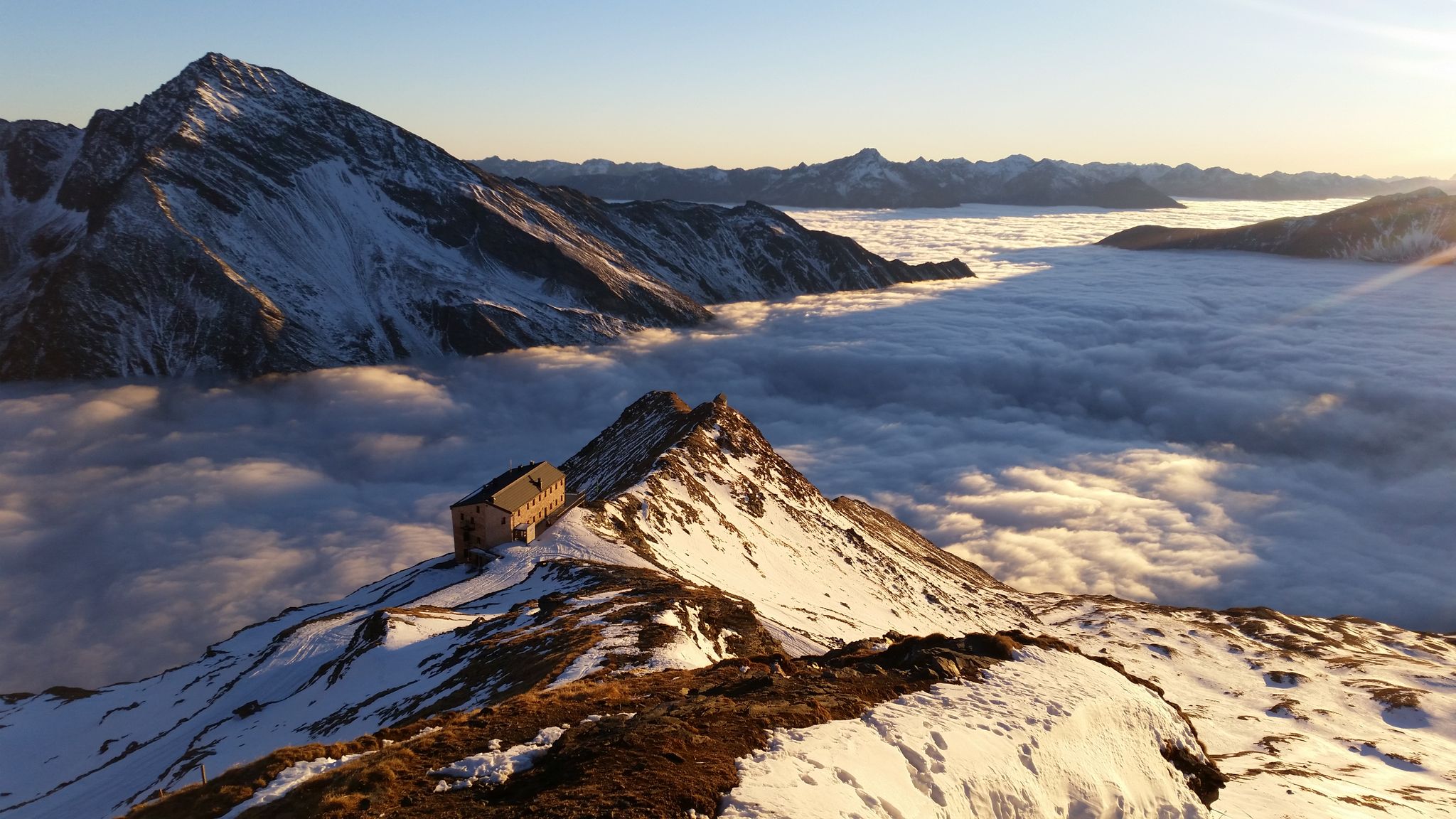
The greatest views of the Alps
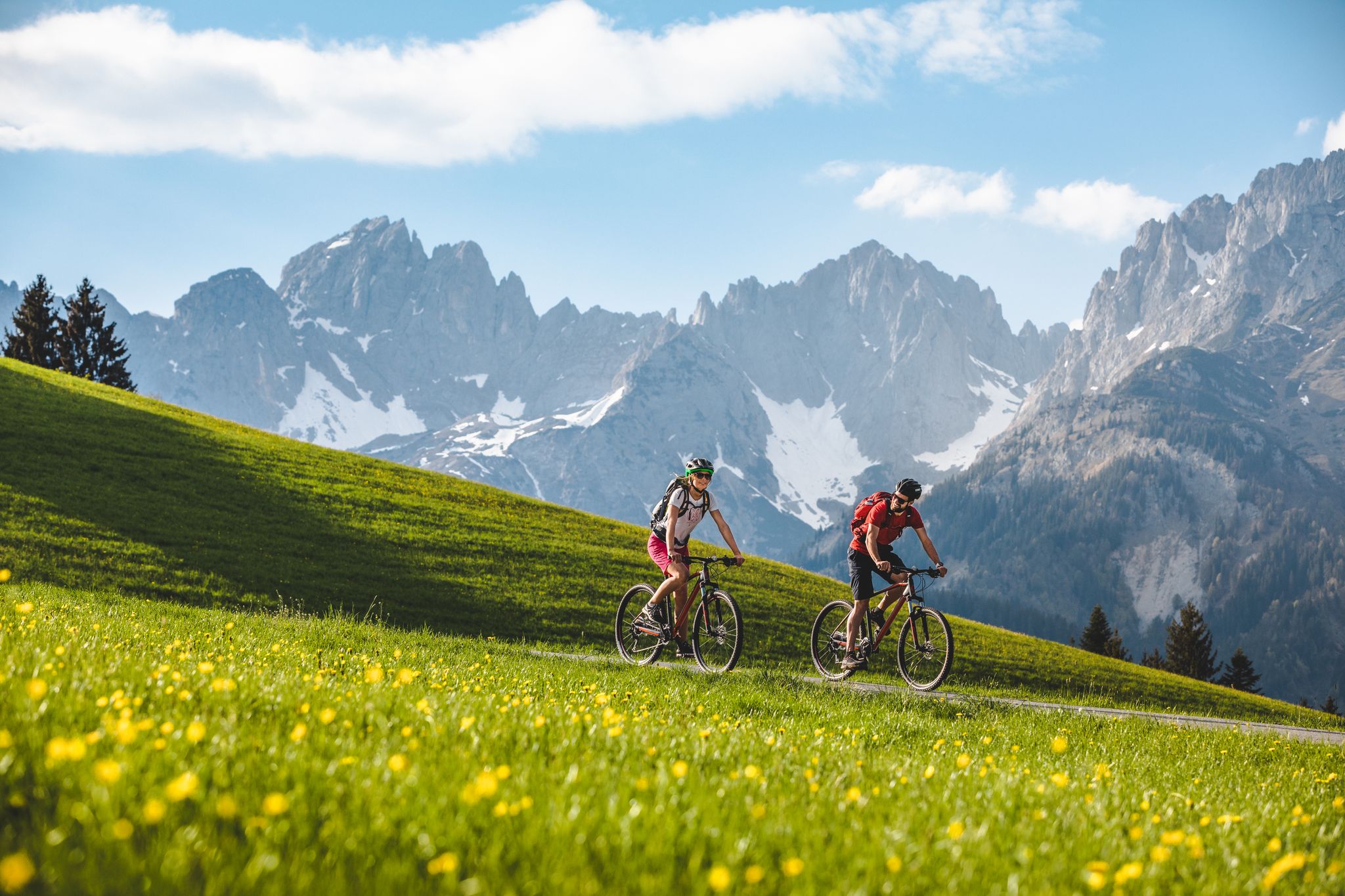
Mountainbike-Touren in der Region Wilder Kaiser
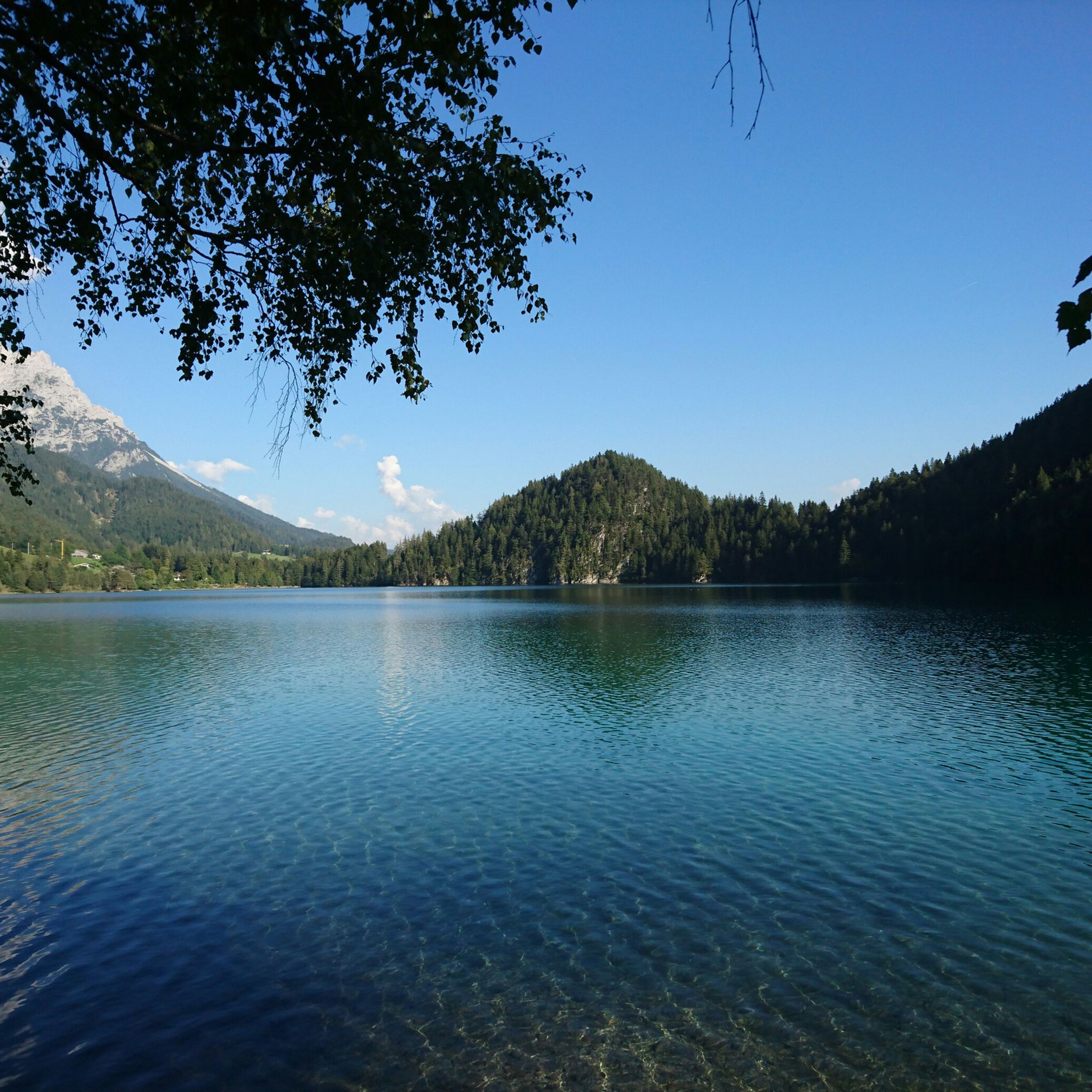
Hiking around Söll
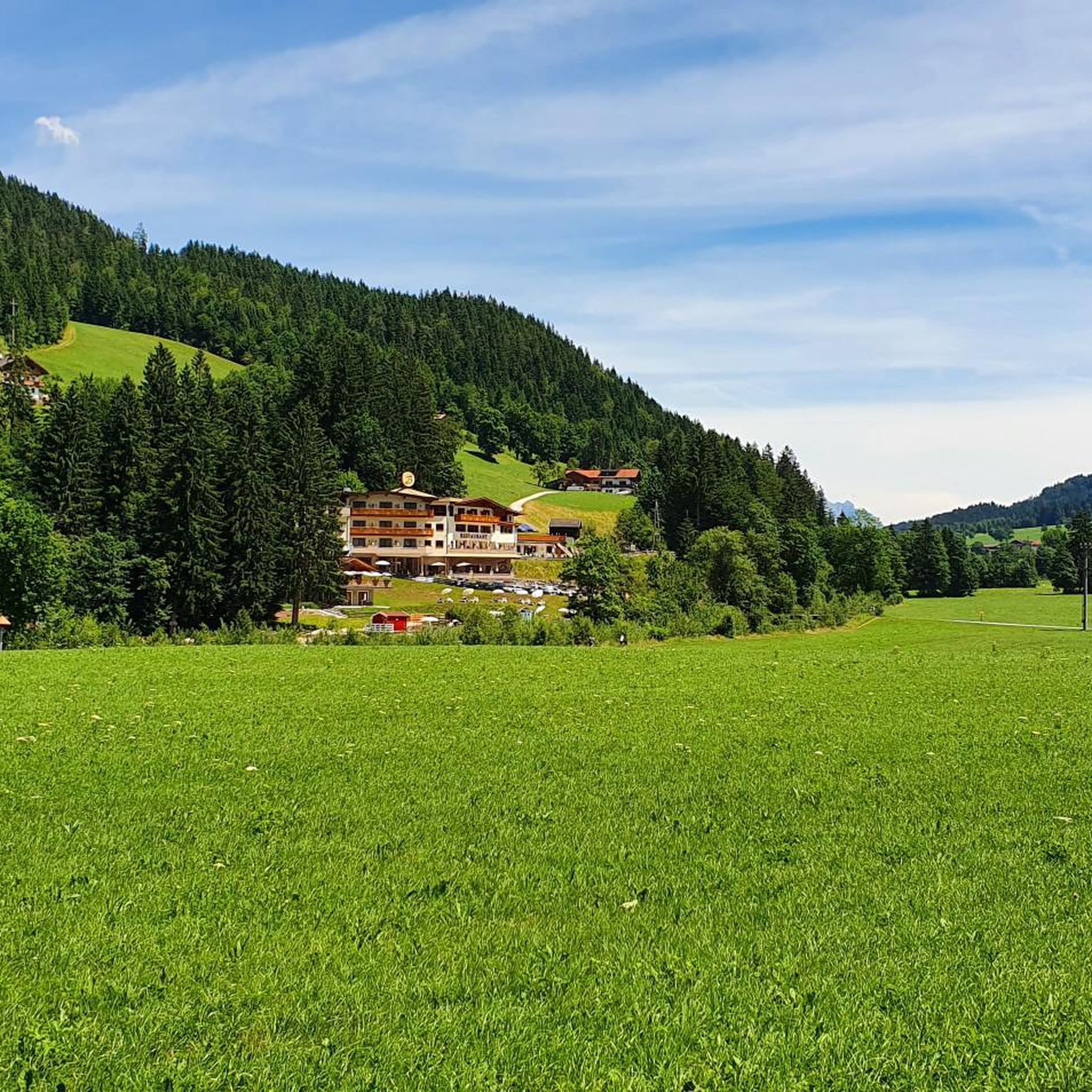
Cycling around Söll
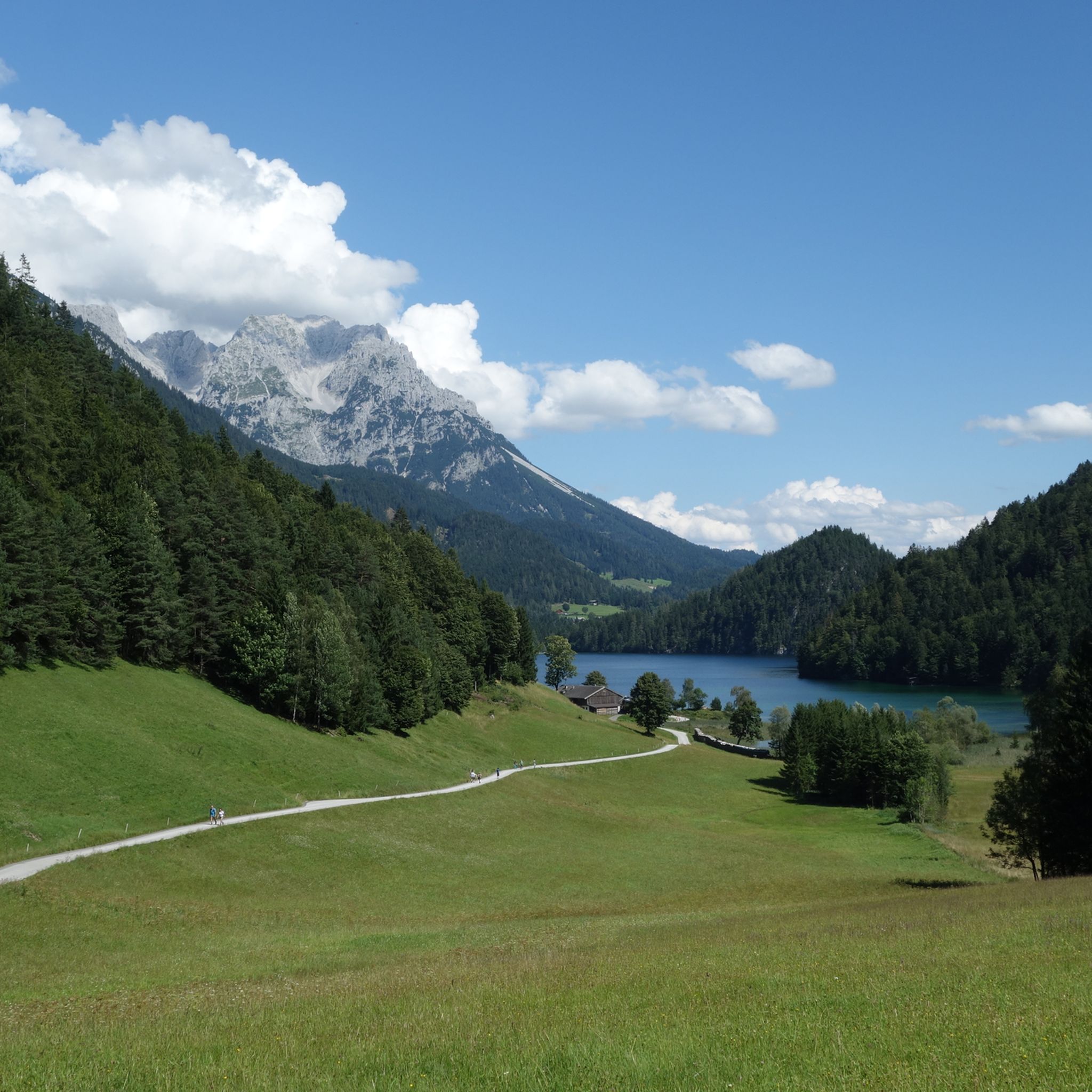
MTB Trails around Söll
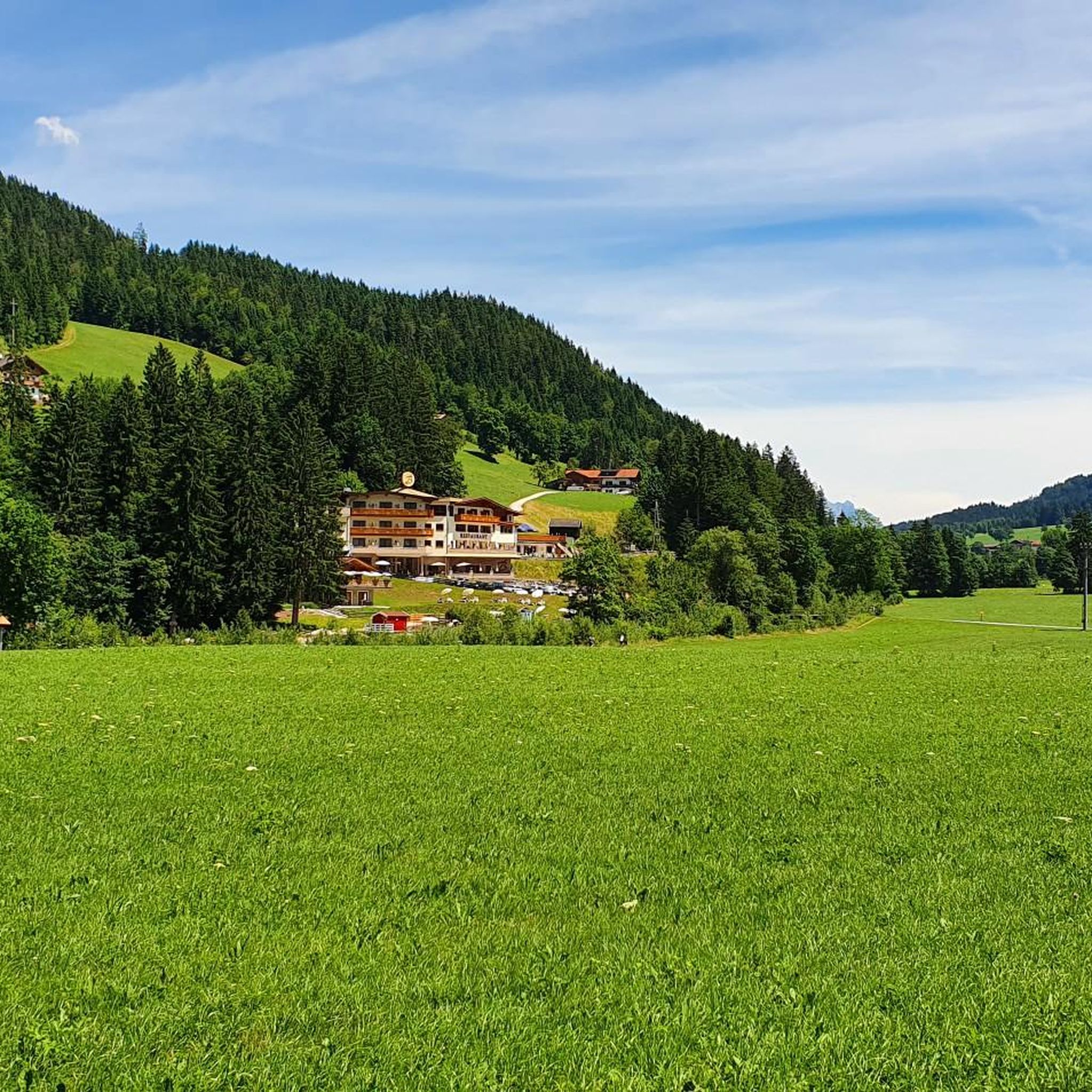
Running Trails around Söll
Road Cycling Routes around Söll
Other adventures around Söll


Tips from the Community

The Kaisertal stretches eastwards from Kufstein in the Lower Inn Valley and separates the Wilder Kaiser in the south from the Zahmer Kaiser in the north.
1
0
Somewhat hidden between the Kaisertal valley and Kufstein's city mountain lies a cave, the Tischofer Cave. This moderately difficult hike covers approximately 250 meters of elevation gain on some narrow trails. You can take a circular hike from Kufstein, which takes about 1.5 hours, or you can combine the hike with the path to the Kaisertal valley, from where there's a branch. This is what we did: From Kufstein, we climbed the Kaiseraufstieg trail and, on the way back from our Kaisertal hike, we descended to the Tischofer Cave. Scientists have found the remains of 380 bears here. They lived in the cave above Kufstein. The cave, which is approximately 40 meters long, 20 meters wide at the entrance, and 8.5 meters high, was used by animals in the Stone Age, as excavated bone remains attest. Cave bear bones predominate, with 380 specimens, while foxes (12), ibex (9), wolves (6), reindeer (3), cave hyenas (2), and cave lions (1), chamois, and marmots (1) each are represented. Some animals were hunted by humans. The finds of tools from The cave can be reached on foot from the Kaiseraufstieg in the Kaisertal valley via a path secured with a wire railing. It is registered in the Tyrolean cave register under number 1312/001. Simply impressive
1
0

Nice little Stollen. Comes with timer (max. 15min).
4
0


Old mining tunnel from the 16th century says a sign in front of the entrance. With a timer, you can even turn on the light and nothing stands in the way of a little exploration. If you are not claustrophobic, you should definitely go in. Waterproof shoes or even boots are recommended. But be careful, the tunnel is getting smaller and smaller. 😬
2
0

The Thieves' Ovens in St. Johann am Wilden Kaiser are not only a historical relic, but also a fascinating reminder of times gone by. A captivating story tells of a brave group of thieves who once used the Thieves' Ovens as a hiding place to conceal stolen treasures. Under the cover of the dark night and camouflaged by the dense undergrowth, they secretly sneaked to the ovens where they safely hid their loot. But one night they were surprised by the local guards and had to flee hastily without leaving their precious treasures behind. Centuries later, the Thieves' Ovens are now explored by curious visitors attracted by their history and unique atmosphere. Today, the ruins of the Thieves' Ovens tell not only of theft and secrets, but also of
1
0

The grotto itself is a bit tacky, but the path is nice.
2
0
The cave is also a setting for science. Scientists took a closer look at the cave 400 years ago. It was found that humans left 37,000-year-old bone tips here that were processed. Skeletons of 380 bears that lived here in the cave were also found. If you want to know more about it, you can view the finds as exhibits at Kufstein Fortress. Take some time to marvel at the Tischofer Cave! There is also a bench in the sun in front of the cave. Good for a break. (https://www.kufstein-altstadt.com/tischofer-hoehle/)
2
0
Frequently Asked Questions
What types of caves can I explore near Söll?
The region around Söll offers a variety of caves, including natural rock shelters, historical mining tunnels, and even ice caves further afield. You can find sites with unique geological formations and those with significant historical importance.
Are there any ice caves accessible from Söll?
Yes, while not directly in Söll, you can visit the Hundalm Ice and Stalactite Cave in Angerberg, which features both ice formations and stalactites. Further away on the Hintertux Glacier, the Nature Ice Palace offers a unique experience with frozen waterfalls and an underground glacial lake, and the Spannagel Cave is Europe's highest show cave and Austria's only marble cave.
Which caves near Söll have historical significance?
The Tischofer Cave is well-known for its Stone Age bone finds and artifacts, which can be seen in the Kufstein Museum. Additionally, the Historic Mining Tunnel offers a glimpse into the region's past mining activities.
Are there family-friendly caves around Söll?
Yes, the Tischofer Cave is considered family-friendly and is freely accessible. The St. Anna Grotto is also noted as family-friendly and offers a nice viewpoint.
What should I wear when visiting caves near Söll?
It's advisable to wear warm clothing and sturdy shoes, especially when visiting ice caves like Hundalm, Nature Ice Palace, or Spannagel Cave, as temperatures inside can be very low (around 0° Celsius). For caves accessible by hike, good hiking weather and appropriate gear are recommended.
Can I explore caves on my own, or are guided tours required?
Some caves, like the Tischofer Cave, are freely accessible for self-exploration. For others, such as the Hundalm Ice and Stalactite Cave or the Spannagel Cave, guided tours are available and often required to ensure safety and provide information.
What are some unique geological features I can expect to see?
You can encounter a range of features, from the small stream-carved caves of Diebsöfen to the impressive ice formations and stalactites in the Hundalm Ice and Stalactite Cave. The Spannagel Cave is particularly unique as Austria's only marble cave.
What outdoor activities can I combine with a cave visit near Söll?
Many caves are integrated into hiking routes. You can find various mountain hikes, running trails, and MTB trails around Söll that allow you to explore the alpine landscape before or after visiting a cave.
Is there a cave near Söll known for climbing opportunities?
Yes, Diebsöfen features small caves created by a stream and offers climbing possibilities with predetermined hooks on the ceiling.
What is the best time to visit the ice caves?
The Nature Ice Palace on the Hintertux Glacier is open year-round, making it accessible in any season. For other ice caves or those requiring a hike, visiting during warmer months with good hiking weather is generally recommended, though the constant 0°C inside means they offer a refreshing escape on hot summer days.
Are there any caves that are easy to access or freely accessible?
The Tischofer Cave near Kufstein is freely accessible to visitors. For other caves, accessibility can vary, with some requiring a hike or specific transportation like the Glacier Bus for the Nature Ice Palace.
Most popular routes around Söll
Most popular attractions around Söll

Get inspired with the komoot mobile app


Explore more
Extend your search for the best caves by checking out these guides of the top ones around Söll:
