Top 8 Caves around Mittelberg
Best caves around Mittelberg are located within the Kleinwalsertal region, known for its natural beauty and karst landscapes. This area, part of the wider Vorarlberg state in Austria, features various underground formations. Visitors can explore natural caves and unique rock formations with cave-like passages. The region offers diverse opportunities for underground exploration.
Best caves around Mittelberg
- The most popular caves is Breitenbachklamm Cave Entrance, a cave that marks the entrance to the deepest rocky gorge in Central Europe. This…
Last updated: June 26, 2026
Breitenbachklamm Cave Entrance
Highlight • Cave
Translated by Google •
Tip by

Sturmanns Cave
Highlight • Cave
Translated by Google •
Tip by

Sign up now to discover places like this
Get recommendations on the best single tracks, peaks, & plenty of other exciting outdoor places.
Sign up for free
Hölloch Cave Entrance
Highlight • Cave
Translated by Google •
Tip by

Stone Age Cave
Highlight • Cave
Translated by Google •
Tip by
Snow Cave on the Way to Kemptner Hütte
Highlight • Cave
Translated by Google •
Tip by

Sign up for free to discover even more caves around Mittelberg.
Sign up for free
Already have an account?
Start today with a free account
Your next adventure awaits.
Login or Signup
Popular around Mittelberg
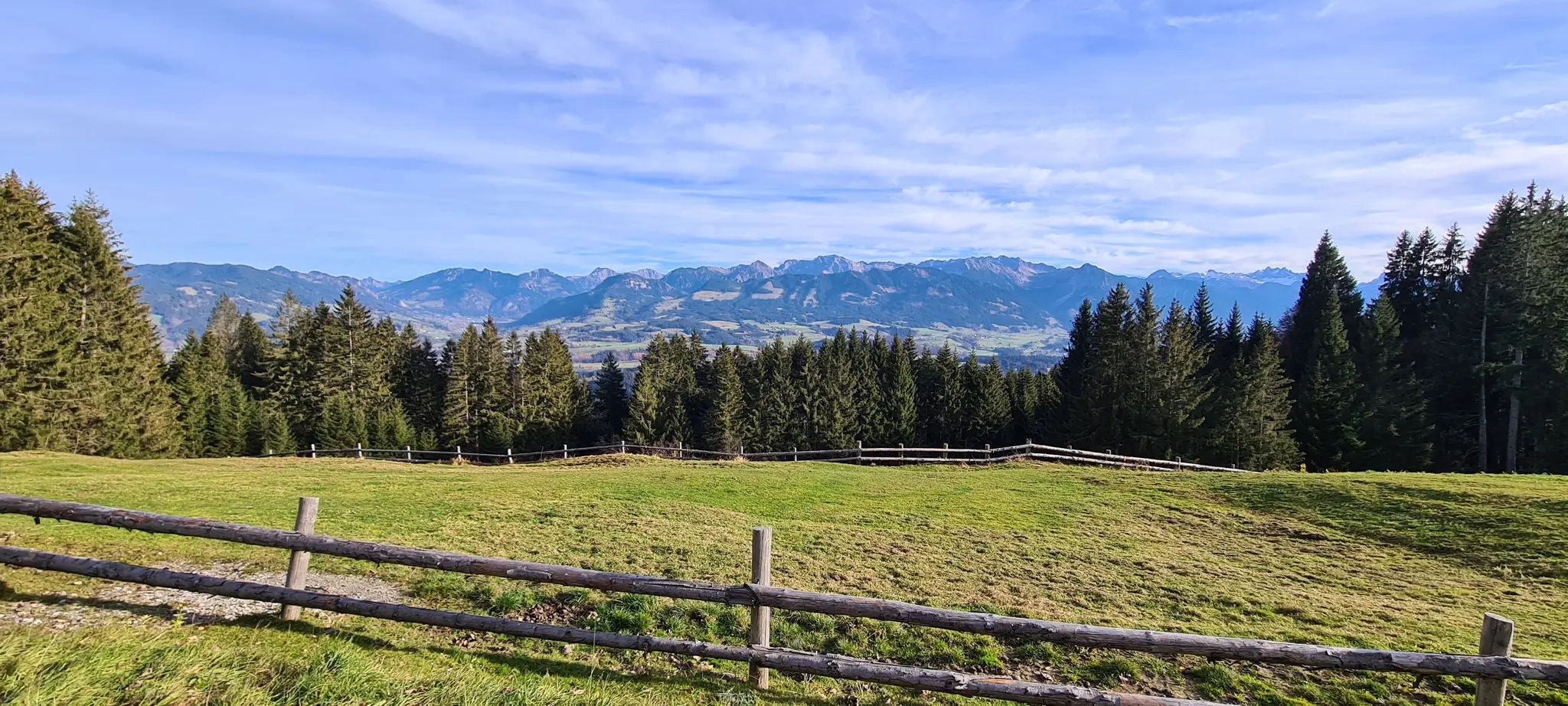
Allgäu Panorama Marathon – Ultra: Two Days Trailrunning-Adventure
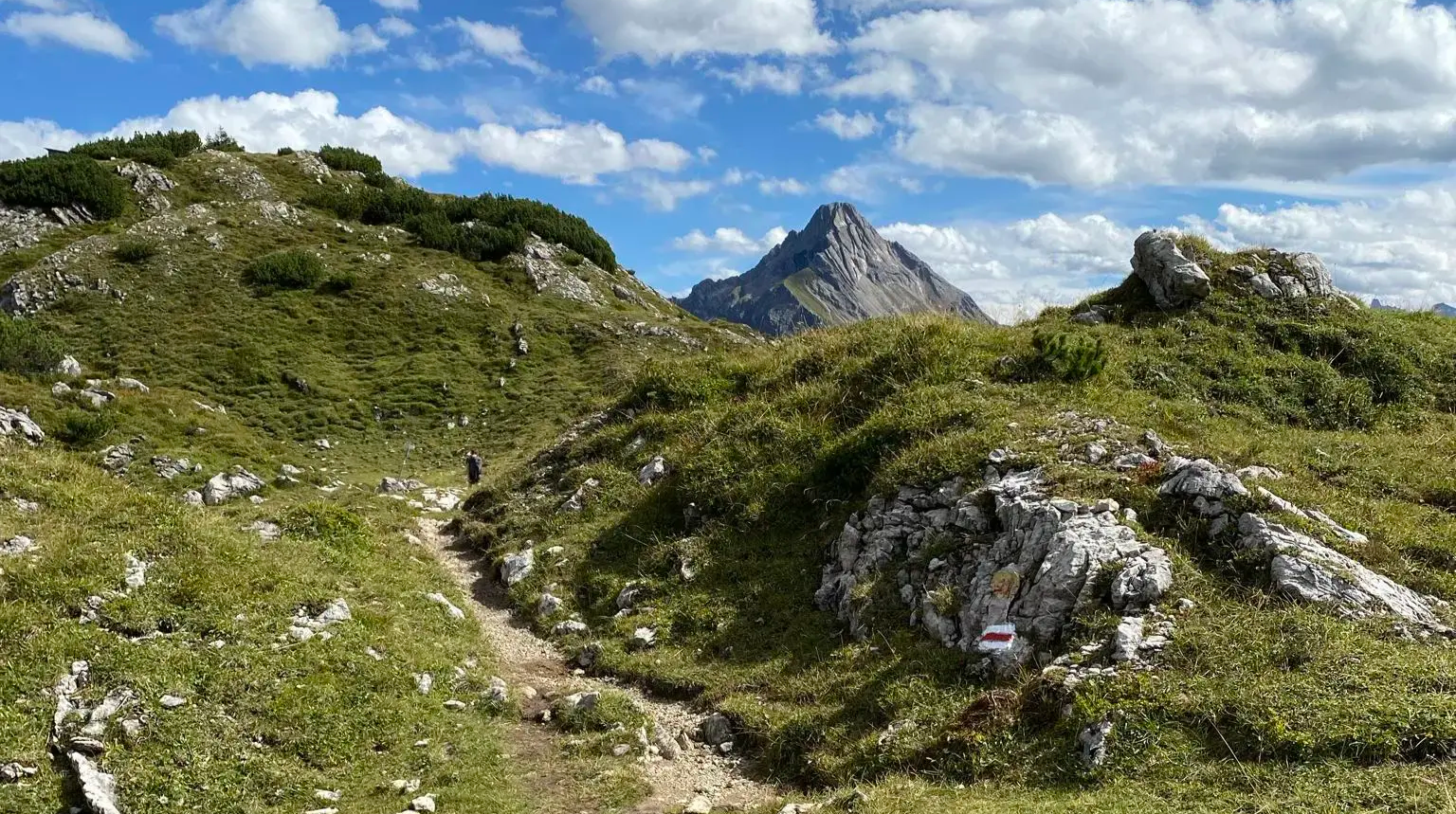
Walser Ultra Trail – 2 days trail running in Austria's Kleinwalsertal
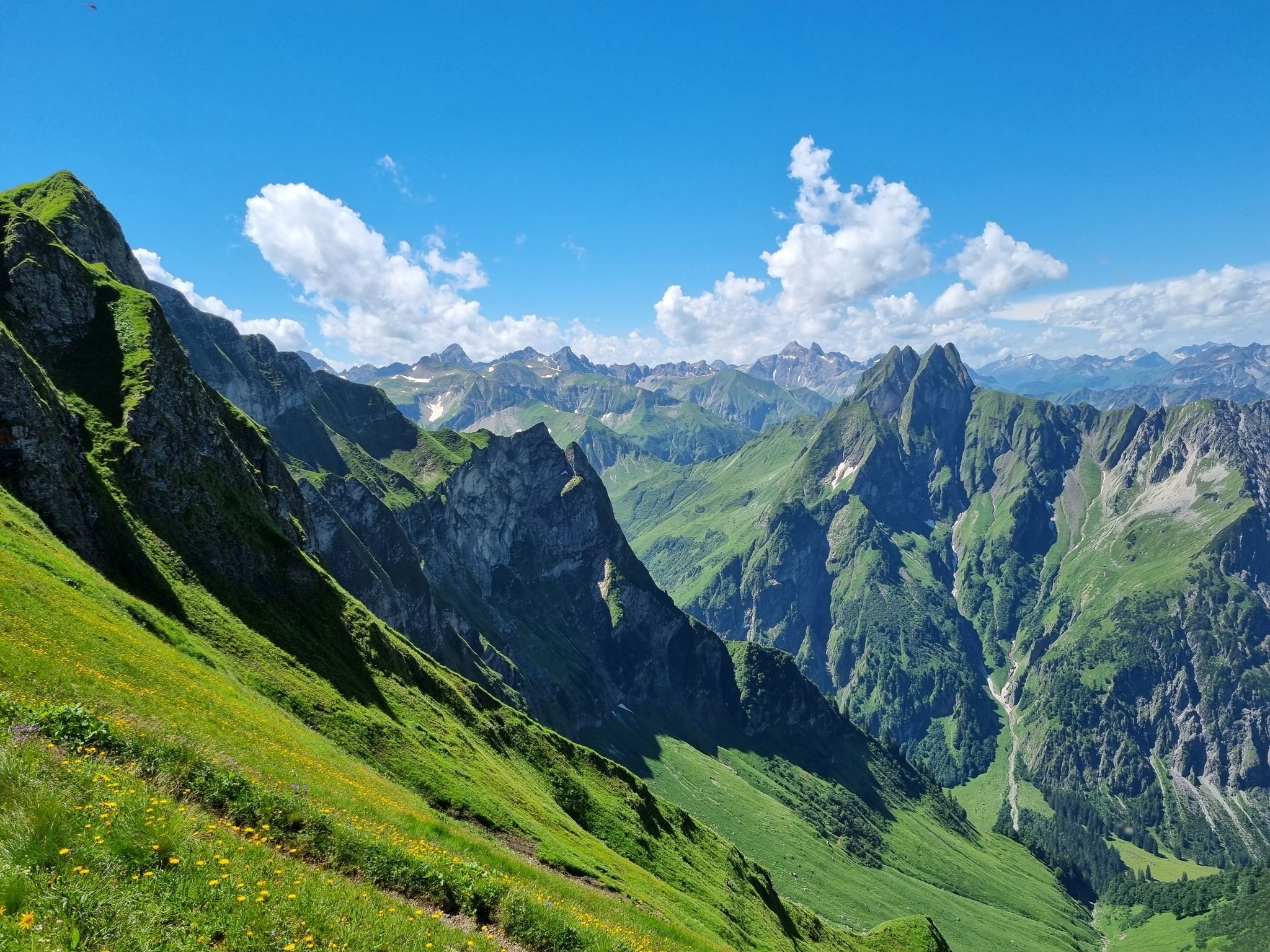
Ibex Tour extended – Crossing the Allgäu Alps
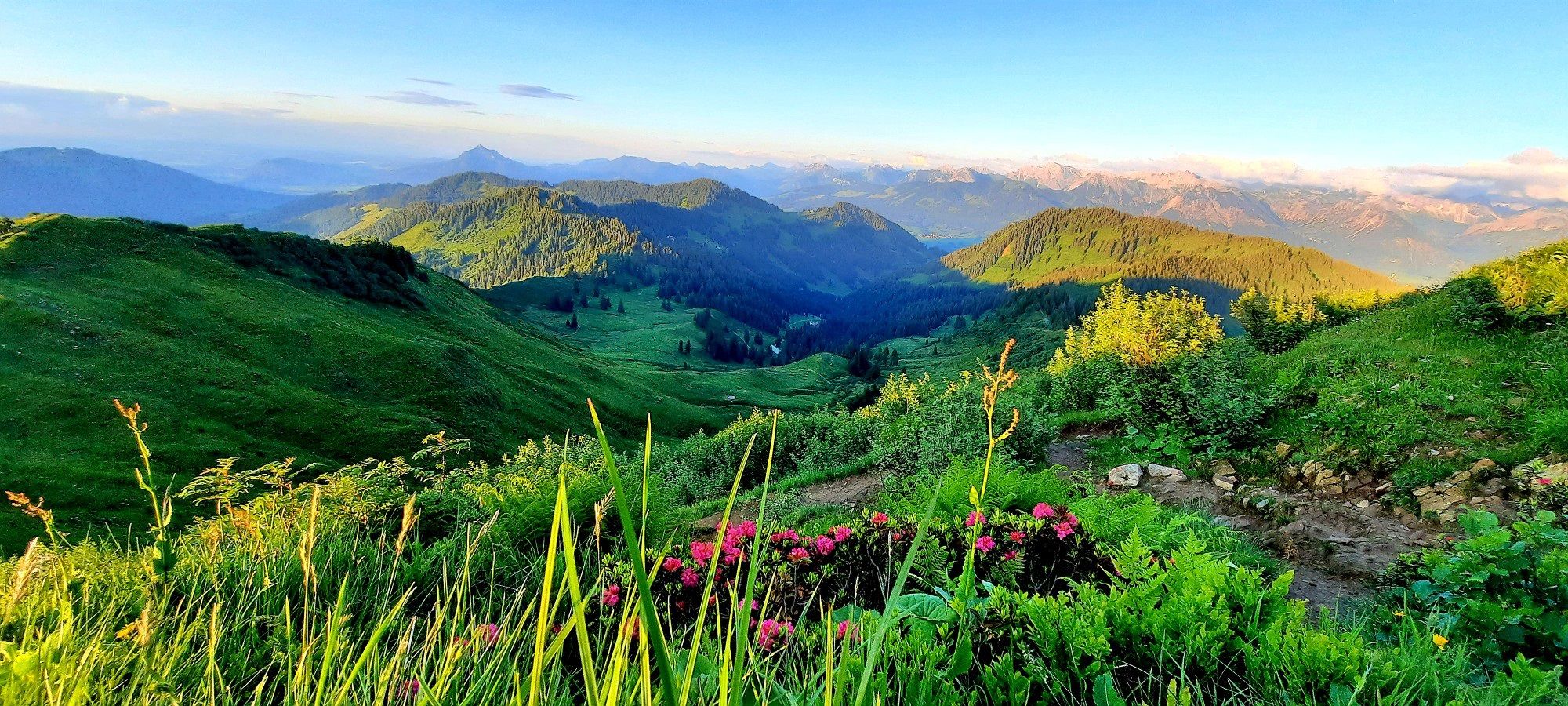
The Best of Allgäu – Tour around Oberallgäu
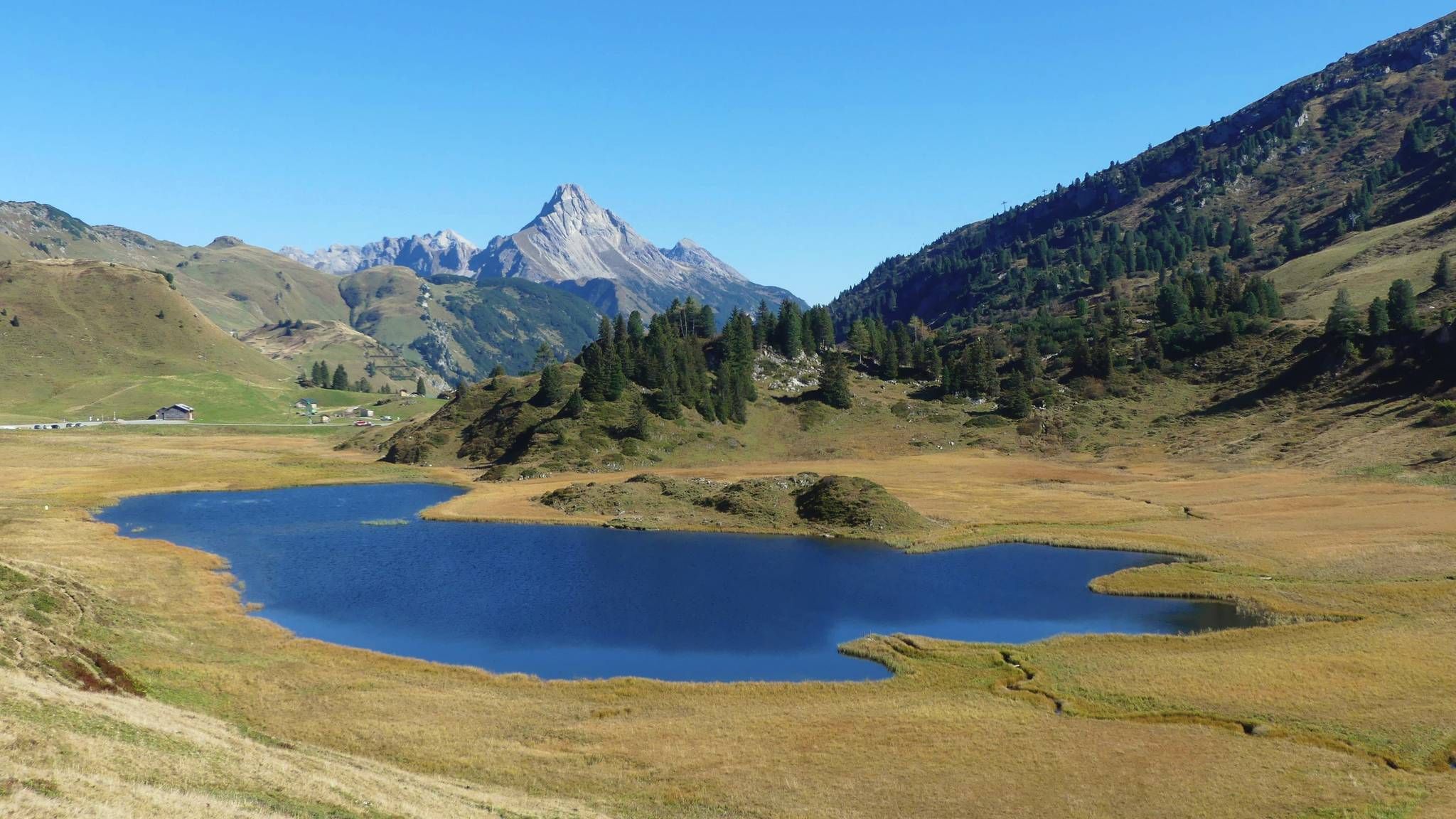
Min Weag long-distance hiking trail – From Lake Constance to the Alps
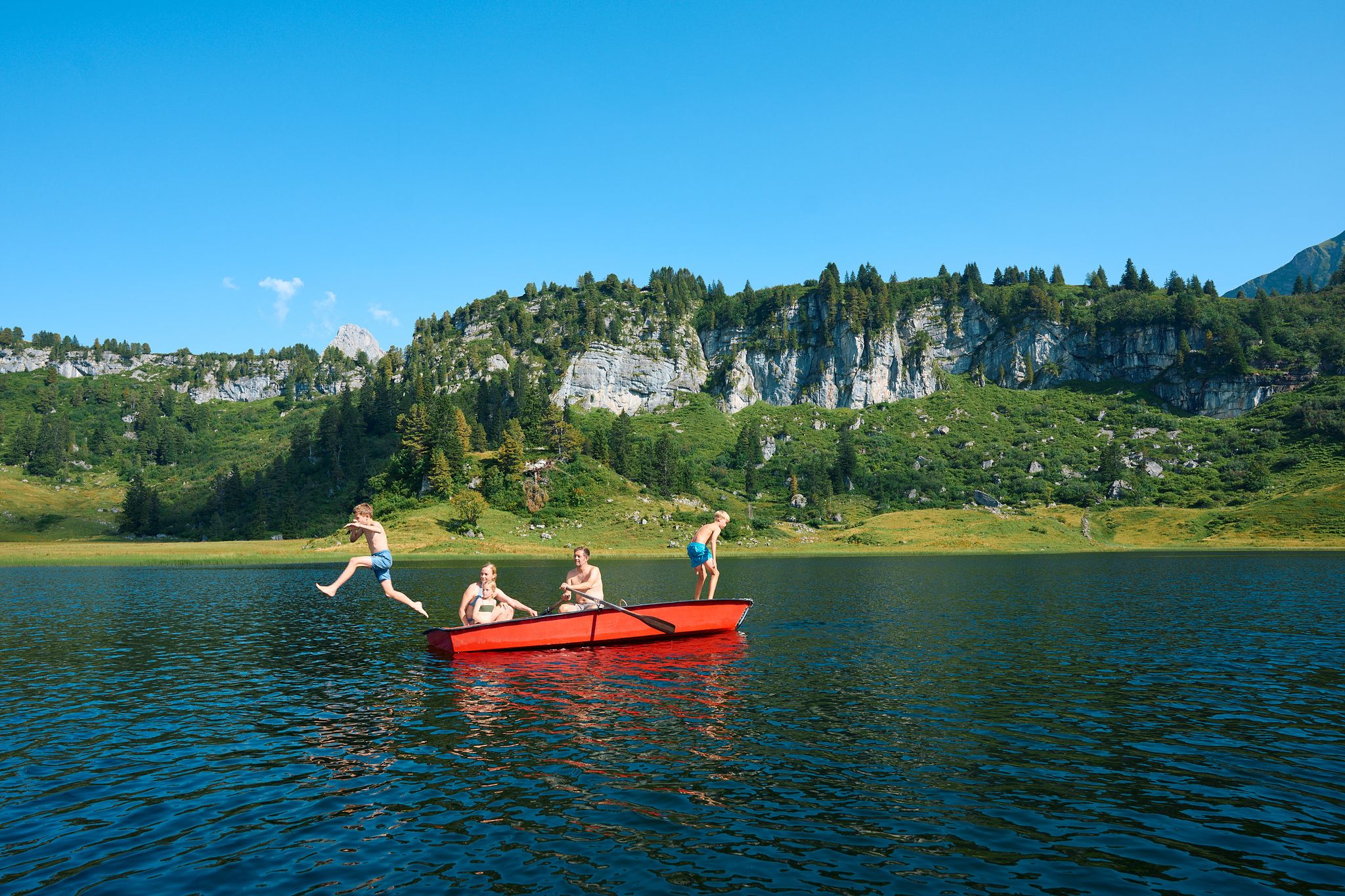
The mirrors of the mountains – hiking the alpine lakes of Warth-Schröcken
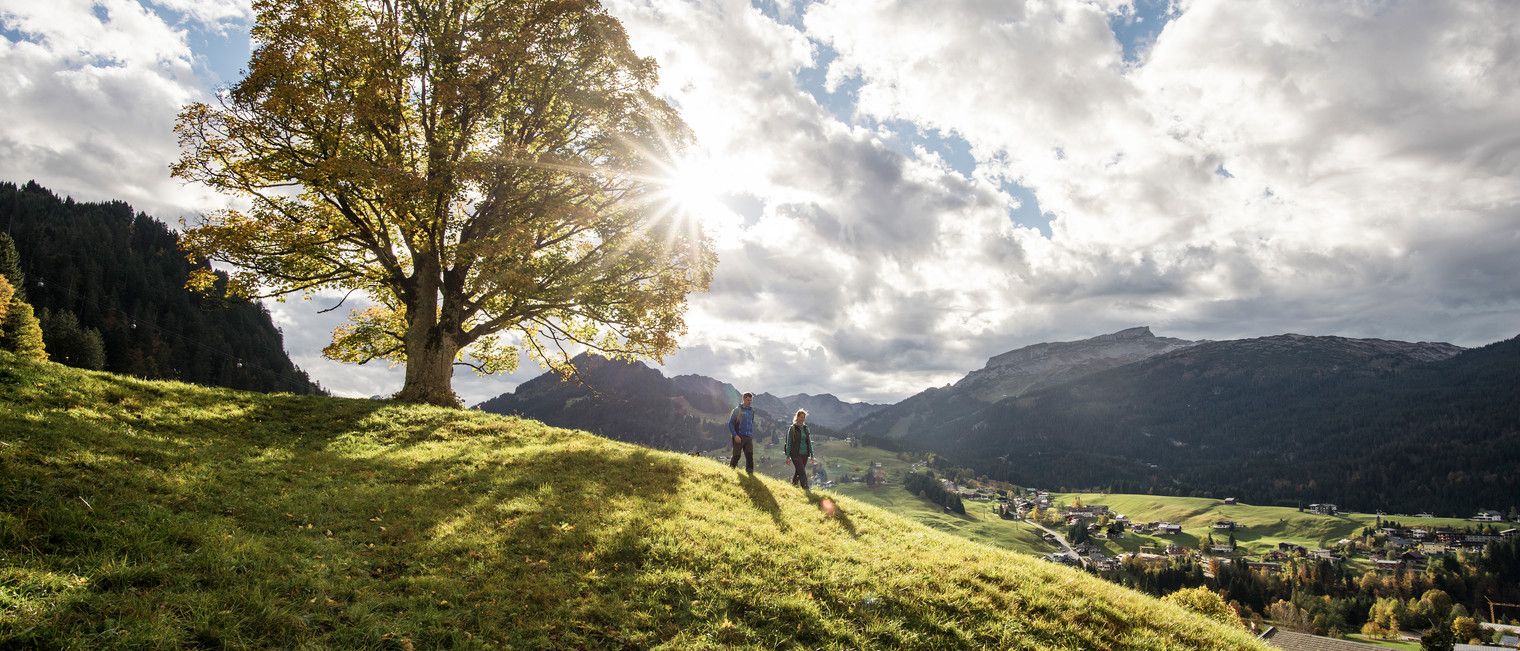
On foot into a sea of colour – autumn in Kleinwalsertal
Hiking in Oberstdorf – experience the Allgäu Alps at your own pace
Natural beauties compact - Kleinwalsertal & Bregenzerwald
Three peaks, two countries, two days – border hike in the Kleinwalsertal
Other adventures around Mittelberg


Tips from the Community

He spearheaded the expansion of the gorge.
1
0

The Hölloch is the 77-meter-deep entrance shaft into a 12,900-meter-long karst cave. It is not open to tourists. From the top, you can see a few meters into the shaft, but nothing more. The Hölloch is located in the Bavarian part of the Mahdtal valley, in the municipality of Oberstdorf.
6
0

....... In 1955, he celebrated his 60th priestly jubilee with a large turnout from the parish in the Schöllang parish church. In 1961, on the occasion of Pastor Schiebel's 90th birthday, Bavarian Radio broadcast a film about the developer of the Breitach Gorge. Two years later, on February 18, 1963, the beloved Pastor Schiebel passed away. A large congregation of mourners accompanied the deceased pastor on a cold winter day in a snowstorm to the Schöllang castle cemetery, where he was laid to rest. Source: https://www.reichenbach-oberstdorf.de/historisches/johannes-bapt-schiebel.html
0
0
Pastor Johannes Baptist Schiebel A popular pastor and developer of the Breitachklamm gorge, he lived in Reichenbach from 1936 to 1963. Johannes Baptist Schiebel was born on April 29, 1871, the son of Josef and Rosa Schiebel, farmers, in the community of Petersthal in the Kempten district. After attending elementary school in Petersthal and high school in Dillingen, he studied theology there. He was ordained a priest on July 25, 1895, and celebrated his first Holy Sacrifice of the Eucharist in his home parish. In the same year, he became chaplain in Buchenberg near Kempten and, on August 1, 1896, chaplain in Schöllang. From February 1898, Johannes Baptist Schiebel served as a benefice in Oberstdorf, Loretto. On July 16, 1901, he came to Tiefenbach as pastor. As a great nature lover, he soon became aware of the unique natural wonder of the Breitachklamm and strove to make it accessible to the public. After painstaking work, he was able to present the completed plans to the public and find people willing to provide the necessary funds for the road construction. On July 25, 1904, the first blasting operations began, and the passage was completed on May 6, 1905. The opening ceremony took place on June 4, 1905. The pastor's wish thus came to fruition. On November 8, 1908, Schiebel moved to Vorderburg as pastor, where he immediately continued his energetic work. At the age of 51, he transferred to his beloved mountains in Schöllang on February 28, 1922, until his retirement. He founded a tourist association, initiated the introduction of bus service between Oberstdorf and Sonthofen, commissioned the restoration of the church by the painter Alois Haugg from Ottobeuren, and served as chairman of the supervisory board of the Raiffeisen Association from 1923 onwards. For his tireless work for the blessing and well-being of the people and the places where he worked, he was awarded honorary citizenship by the communities of Tiefenbach, Vorderburg, and Schöllang. Pastor Johann Bapt. Schiebel spent his retirement in Reichenbach from 1936 onwards. He celebrated Holy Mass daily and, in 1945, his Golden Jubilee as a priest in the Chapel of St. James. A statue of Our Lady of Fatima has stood on the northern side altar, the Marienaltar, since 1947. Pastor Schiebel established the still popular devotion in honor of Our Lady of Fatima at that time. ......... Source: https://www.reichenbach-oberstdorf.de/historisches/johannes-bapt-schiebel.html
0
0
It began 10,000 years ago The formation of the Breitachklamm The formation of the Breitachklamm began approximately 10,000 years ago, when the melting Breitach Glacier began to saw through the Schrattenkalk of the Engenkopf, and the water slowly ate its way into the rock. In 1905, this miracle of creation, of unique beauty and grandeur, was opened to the public at the suggestion of Tiefenbach pastor Johannes Schiebel. Today, the Breitachklamm near Oberstdorf captivates over 300,000 visitors annually. Source: https://www.breitachklamm.com/wissenswert/geschichte.html
0
0
Commemorative plaque - bronze relief - dedicated to Johann Schiebel, the developer of the gorge, by the Breitach Gorge Association At the tunnel entrance to the Breitach Gorge 🌊🏞⛰, the deepest rocky gorge in Central Europe - Oberstdorf 🇩🇪 / Kleinwalzertal 🇦🇹
0
0

Generously cordoned off, so that you can only guess at the cave rather than see it. Still impressive.
0
0

Steep climb to the entrance, great path.
5
1
Frequently Asked Questions
What types of caves can I explore near Mittelberg?
The region around Mittelberg, particularly within the Kleinwalsertal and wider Vorarlberg state, offers a variety of underground experiences. You can find impressive natural karst caves, historical dwelling sites like the Stone Age Cave, and unique rock formations with cave-like passages. Some caves are publicly accessible, while others require guided tours or specialized equipment.
Are there any family-friendly cave experiences around Mittelberg?
While some caves require specialized equipment or guided tours, certain locations offer more accessible experiences. The Rappenfluh Rock Labyrinth near Hittisau, for example, provides narrow paths and 'cave-like passages' in a forest setting, which can be an enjoyable exploration for older children. For a more structured experience, Sturmanns Cave offers well-prepared guided tours suitable for many visitors.
What are some of the most geologically significant caves in the area?
The region is rich in geological formations. The Breitenbachklamm Cave Entrance marks the beginning of the deepest rocky gorge in Central Europe, formed by glacial activity over 10,000 years. The Schneckenlochhöhle in the Bregenzerwald is also geologically significant, known as one of Vorarlberg's longest cave systems, carved by acidic water over millennia. The Witeleloch Cave in Götzis is another notable geological natural monument.
Which caves offer guided tours or require special equipment?
Several caves in the wider Vorarlberg region require guided exploration or specialized gear. The Schneckenlochhöhle typically involves guided tours where visitors are equipped with overalls, helmets, and headlamps. Similarly, the Witeleloch Cave's inner sections are only recommended for exploration with proper caving equipment. Sturmanns Cave also offers guided tours for its interior.
Can I visit historical cave sites near Mittelberg?
Yes, you can explore historical sites like the Stone Age Cave. This small cave is considered the oldest known residence for people in the Allgäu, with evidence of use dating back to 10,000 BC. A small sign next to the cave provides more information about its historical significance.
What is the Hölloch Cave system, and is it accessible to the public?
There are two notable 'Hölloch' references in the area. The Hölloch Cave Entrance near Oberstdorf is a challenging natural monument featuring a 77-meter-deep entrance shaft into a 12,900-meter-long karst cave. It is not open to tourists, though you can see a few meters into the shaft from the top. Separately, the Höllloch Cave System within the Gottesacker karst landscape in Kleinwalsertal is primarily suited for experienced cavers due to its ecological value and protected status, with limited public access information.
Are there any unique natural phenomena like snow caves?
Yes, you can encounter unique natural phenomena such as the Snow Cave on the Way to Kemptner Hütte. This is an impressive section where you walk through piled-up old snow, often still meters high even in late spring or early summer. You can hear roaring water below, adding to the experience of nature's forces.
What outdoor activities can I combine with a visit to the caves?
The region around Mittelberg offers numerous outdoor activities. You can find various cycling routes, such as the 'Rohrmoos Valley loop' or 'Herzsee (Heart Lake) – Melköde Alp loop,' which range from moderate to difficult. There are also extensive running trails, including the 'Hochalpsee – Baad Village Center loop.' For more challenging adventures, consider mountain hikes like the 'Kanzelwandbahn Mountain Station – Fellhorn Summit loop' or routes to the 'Hoher Ifen summit.' You can find more details on these activities in the Cycling around Mittelberg, Running Trails around Mittelberg, and Mountain Hikes around Mittelberg guides.
What do visitors appreciate most about the caves and surrounding area?
Visitors frequently praise the impressive natural beauty and geological formations. The unique atmosphere of places like the Kirchle Rock Cathedral, with its acoustics and stone formations, is often highlighted. The adventurous aspect of exploring caves, even those with challenging access, is also a draw, with many finding the effort well worth the reward of the views and experiences.
What is the Kirchle Rock Cathedral?
The Kirchle Rock Cathedral is a notable highlight in Vorarlberg, featuring limestone caves known for their impressive atmosphere. It requires a short but steep climb after passing through the Alploch Gorge. Visitors are often captivated by the unique stone formations, the grain of the rock, and the remarkable acoustics within the cave.
Are there any caves that are particularly challenging to access?
Yes, some caves present a significant challenge. The Hölloch Cave Entrance is described as a challenging natural monument due to its 77-meter-deep shaft. The path to the Witeleloch Cave is also partly steep, and exploring its inner sections requires proper caving equipment, indicating a higher level of difficulty and preparation needed.
Most popular routes around Mittelberg
Most popular attractions around Mittelberg

Get inspired with the komoot mobile app


Explore more
Extend your search for the best caves by checking out these guides of the top ones around Mittelberg:
