Top 5 Caves around Nassereith
Best caves around Nassereith are found in a region defined by its alpine landscape and historical mining heritage. This area of Tyrol features impressive gorges and natural formations, shaped by both geological processes and human activity over centuries. The environment offers a blend of natural beauty and historical insight for explorers. The terrain around Nassereith provides diverse opportunities for outdoor activities.
Best caves around Nassereith
- The most popular caves is Blue Grotto in Rosengarten Gorge, a historical site and…
Last updated: September 29, 2026
Blue Grotto in Rosengarten Gorge
Highlight • Cave
Translated by Google •
Tip by

Old Mine Tunnel
Highlight • Cave
Sign up now to discover places like this
Get recommendations on the best single tracks, peaks, & plenty of other exciting outdoor places.
Ice Cellar in the Achstürze-Piburger See Conservation Area
Highlight • Cave
Translated by Google •
Tip by

Cave at Lake Piburg
Highlight • Cave
Translated by Google •
Tip by

Tschirgant Caves
Highlight • Cave
Translated by Google •
Tip by

Sign up for free to discover even more caves around Nassereith.
Already have an account?
Start today with a free account
Your next adventure awaits.
Popular around Nassereith
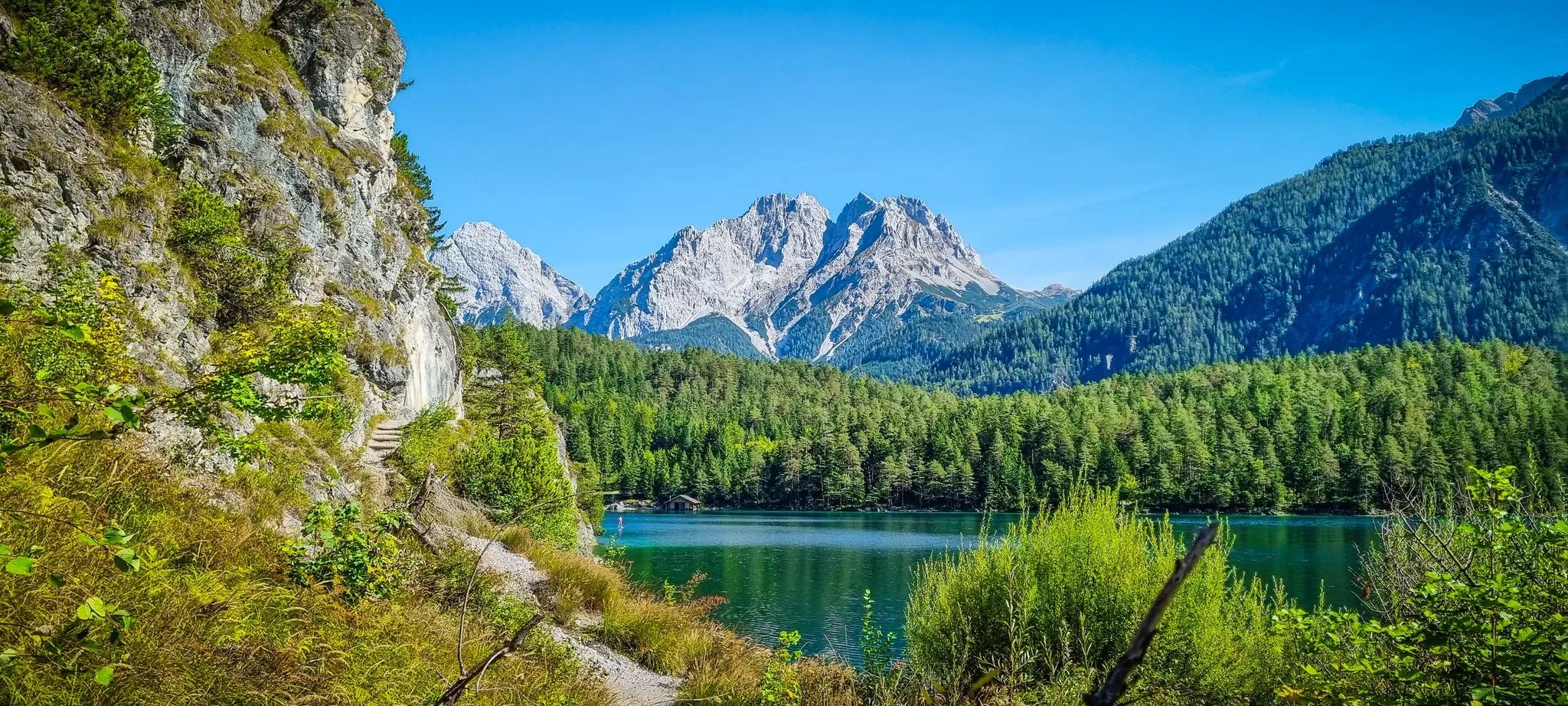
Starkenberg Panorama Trail – Lakes, gorges and noble paths
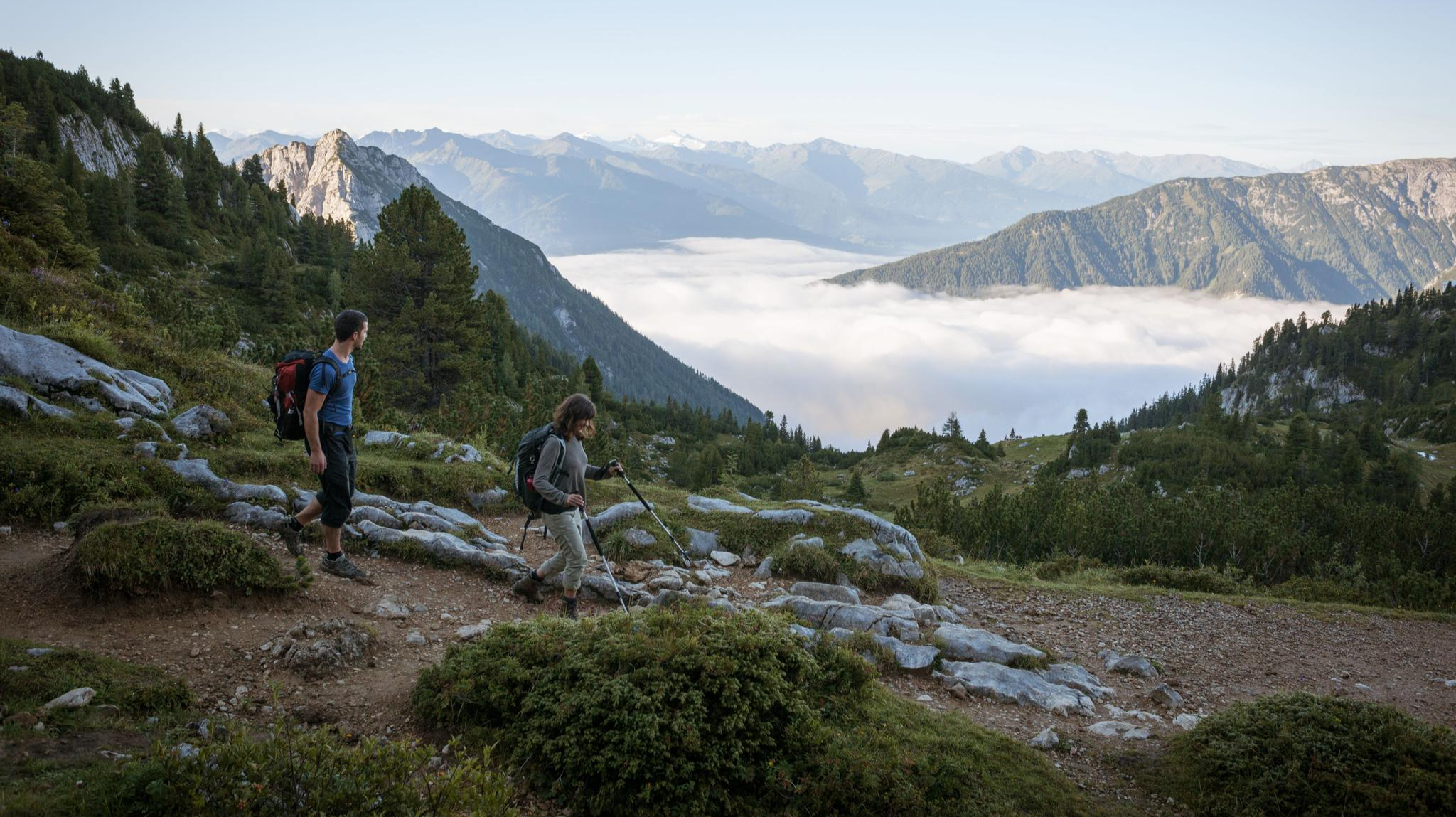
Eagle Walk – Majestic hiking along Tirol's trail
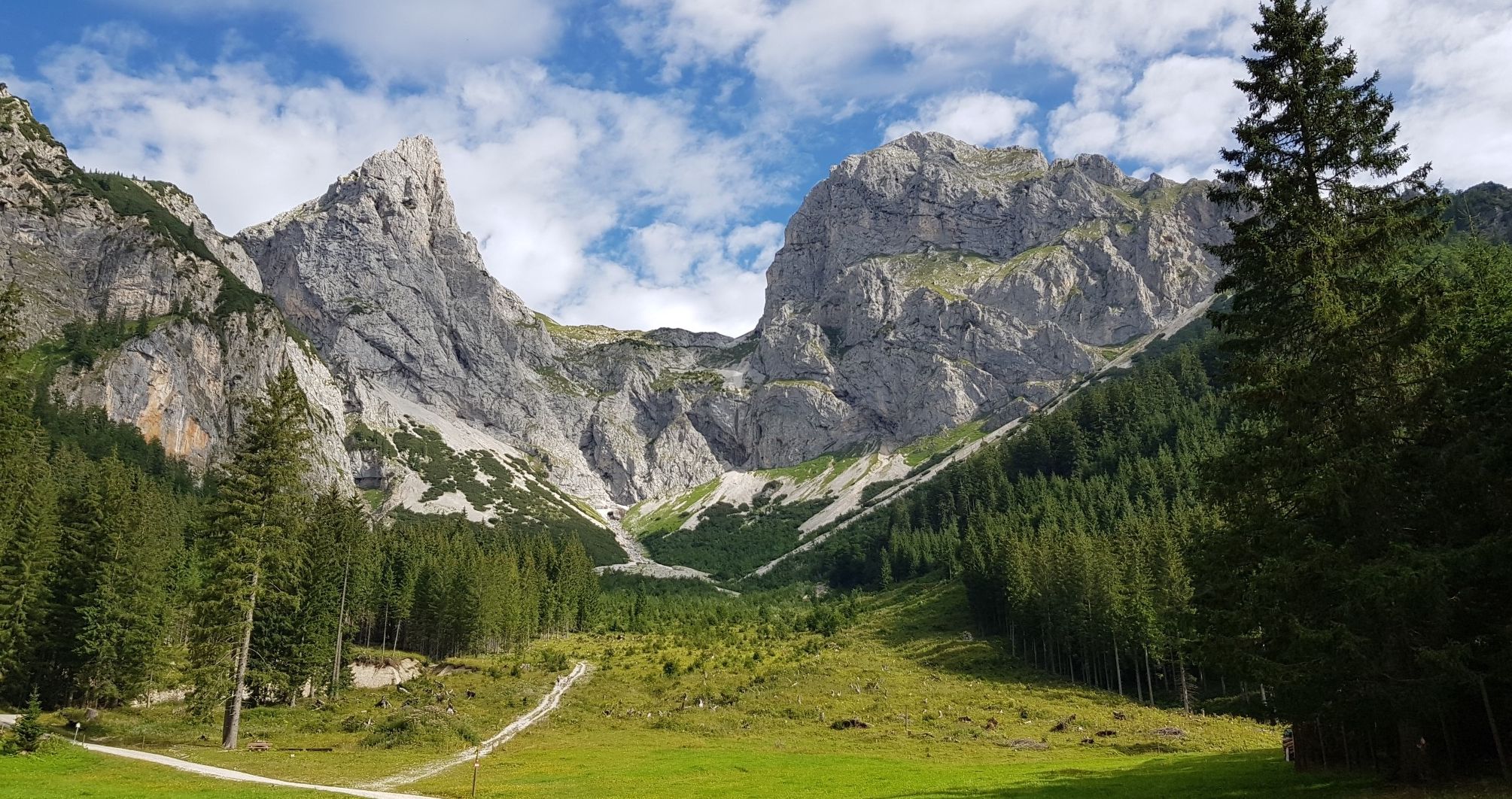
North Alpine Trail 01 – Hike across Austria in 49 days
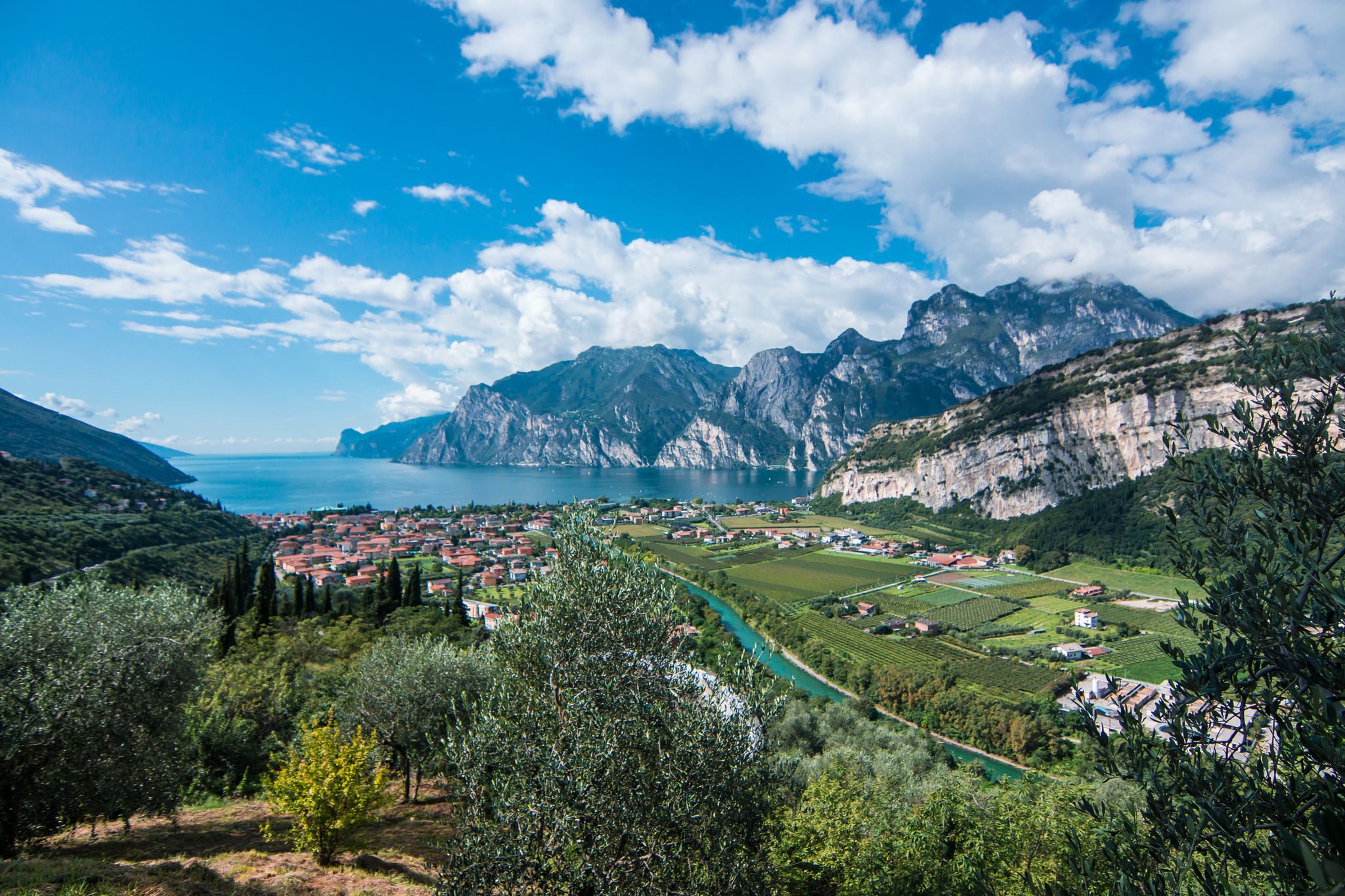
Via Claudia Augusta – Your first transalp
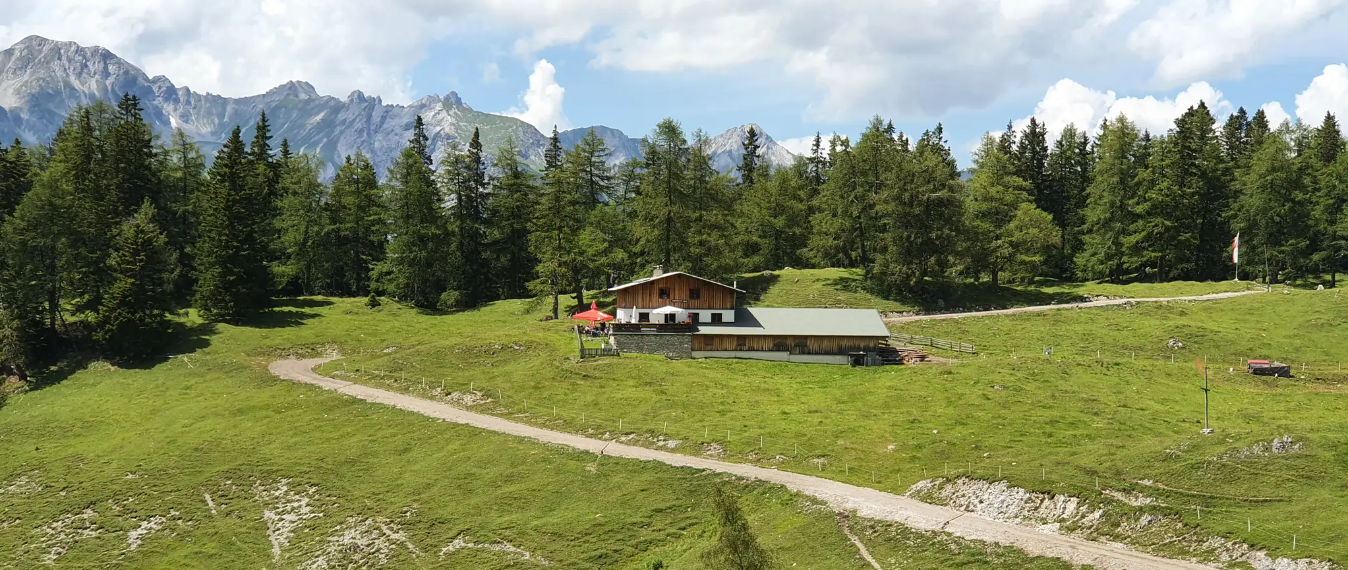
Mountain hikes and swims around Austria’s Fernsteinsee lake
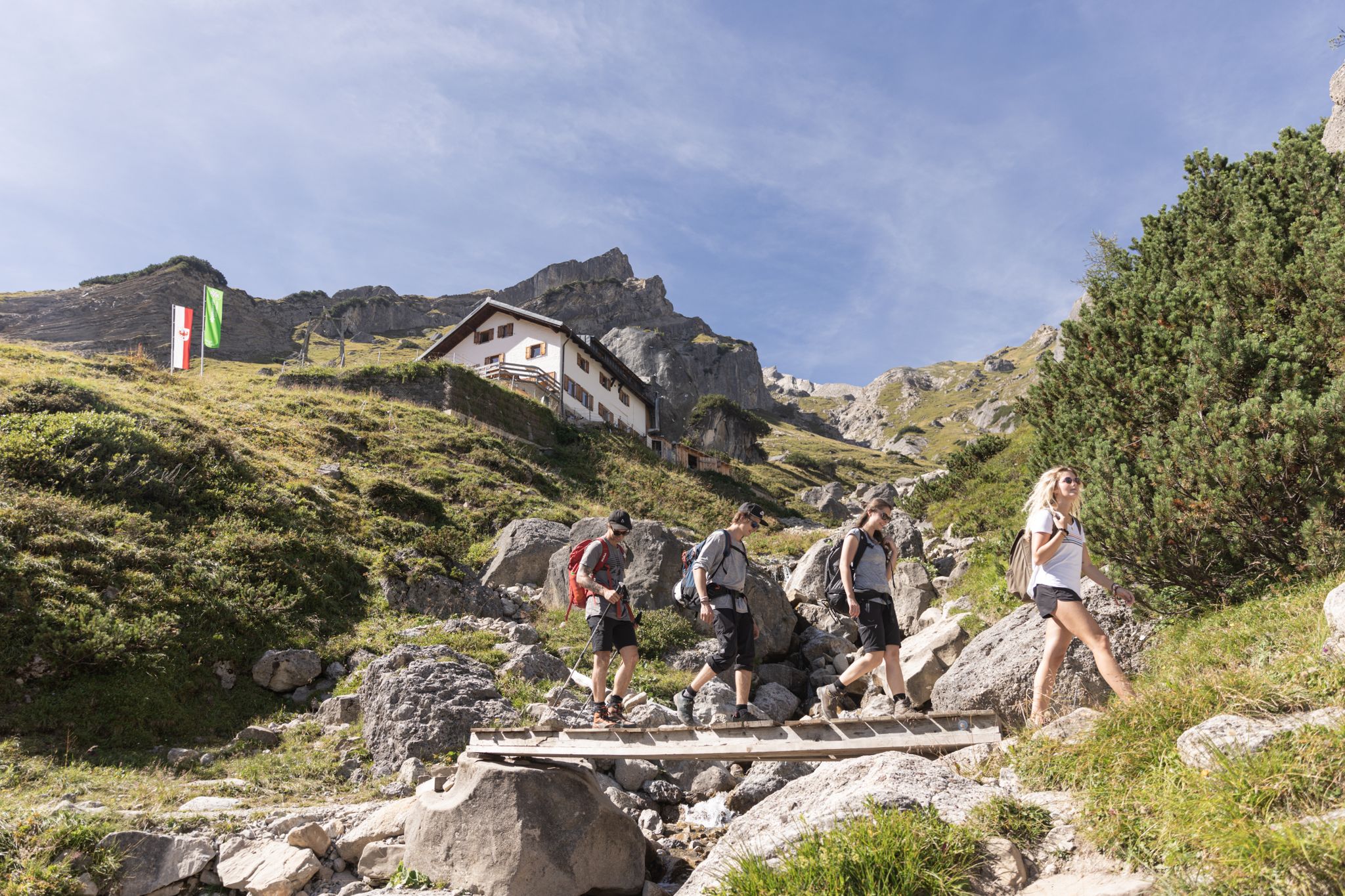
Eight enjoyable hut Tours in Austria’s Imst outdoor region

For two-wheeling fans — five MTB Tours in Austria’s Imst region
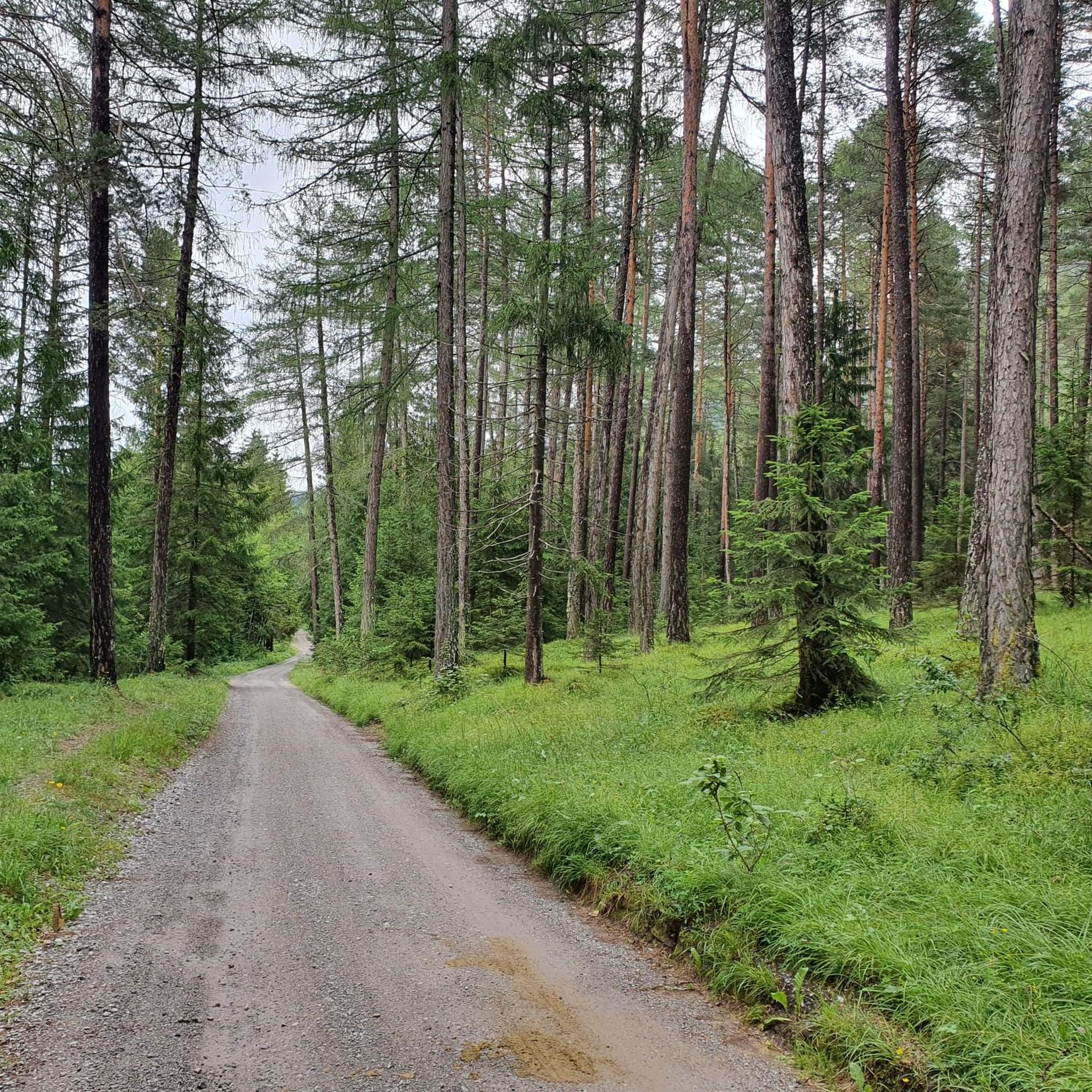
Road Cycling Routes around Nassereith
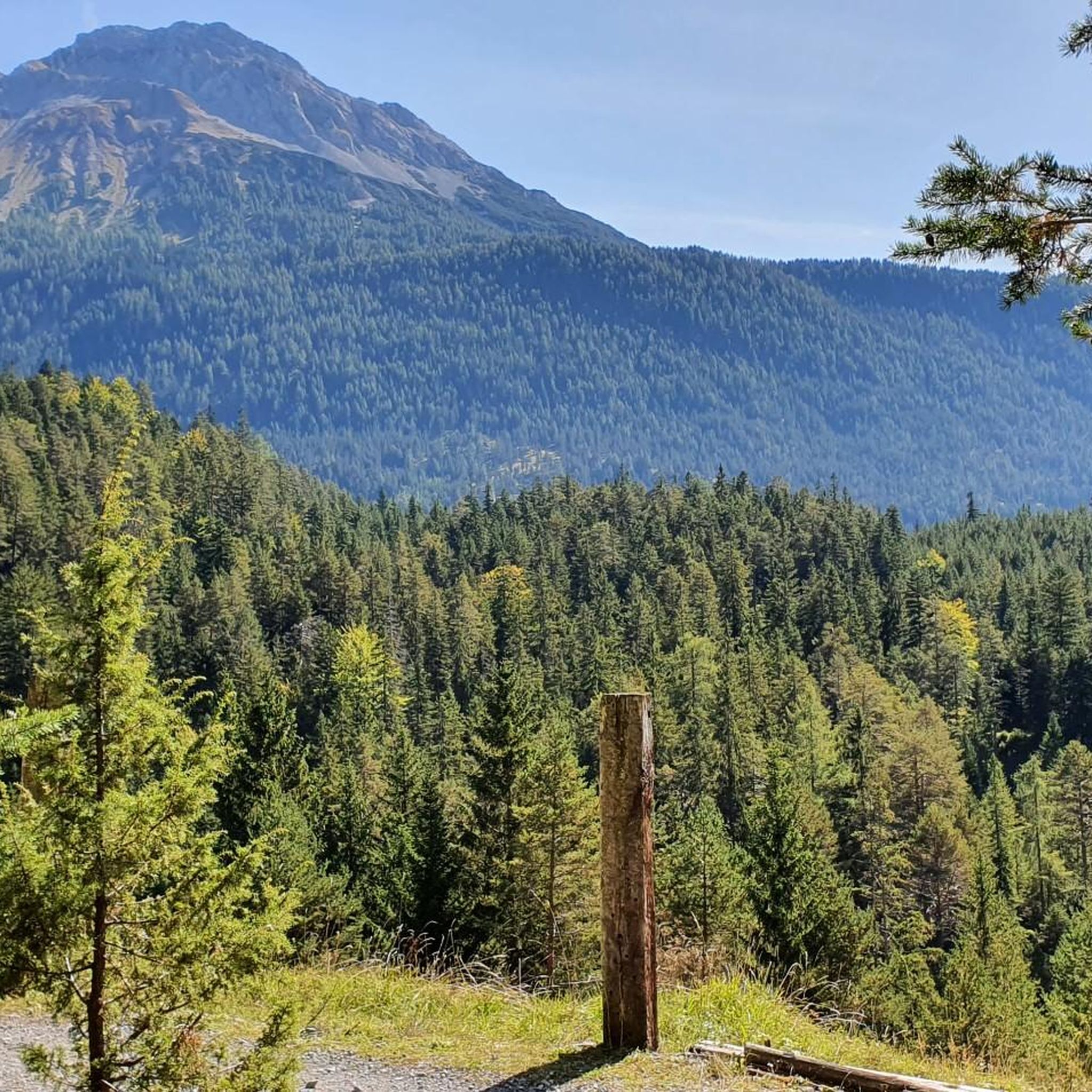
Hiking around Nassereith
MTB Trails around Nassereith
Other adventures around Nassereith


Tips from the Community

If it's too hot in summer, put it in the fridge ;)
0
0


The special thing about the Blue Grotto is the story of its creation: 2000 years ago, in Roman times, people were working diligently here and searching for silver-containing galena. The geologist Peter Gstrein suspects that the fire-setting method was already being used for mining in the first centuries after the birth of Christ; The rock's rock became brittle due to the heating and could therefore be chipped away more easily. This is how the Blue Grotto was created, which is probably unique in Tyrol. The blue grotto is located at the end of the Rosengartenschlucht just before the hiking trail arrives in Hoch-Imst. In the opposite direction from Hoch-Imst, the Blue Grotto can be reached in less than 10 minutes. Imst.at
5
0

Really great in the summer
0
0


There is always a fresh wind blowing from the cave
1
0

The name is program
1
0
Frequently Asked Questions
What kind of caves can I explore around Nassereith?
The area around Nassereith offers a mix of historical mining tunnels, natural grottos, and unique ice cellars. You can find sites like the Blue Grotto in Rosengarten Gorge, which is a former silver mine, and the Ice Cellar in the Achstürze-Piburger See Conservation Area, which maintains cold temperatures even in summer.
Are there family-friendly cave experiences near Nassereith?
Yes, the Blue Grotto in Rosengarten Gorge is considered family-friendly. Its historical context and the trickling water inside make it an exciting experience for children. The path through the Rosengarten Gorge to reach it is also suitable for families, though sturdy footwear is recommended.
What historical insights do the caves around Nassereith offer?
Many 'caves' in the region are actually historical mining tunnels, providing a glimpse into ancient industrial practices. The Blue Grotto, for example, originated from Roman-era silver extraction using the 'fire-setting method'. The Old Mine Tunnel also showcases the region's mining heritage.
When is the best time to visit the caves and gorges near Nassereith?
The Rosengarten Gorge, which leads to the Blue Grotto, is generally open from May to October. This period offers the best conditions for hiking and exploring the natural features. For the Ice Cellar, visiting during warmer months can be particularly refreshing due to its consistently cold temperatures.
Are there hiking trails that incorporate these caves?
Yes, the Blue Grotto is reached via a scenic hike through the Rosengarten Gorge. For more extensive hiking, you can explore the Mountain Hikes around Nassereith guide, which features routes like the 'Lehnbergalm – Hölle (Mieming Range) loop' or 'Lake Fernstein – Fernstein Castle loop'.
What should I wear when visiting the caves?
Sturdy footwear is highly recommended, especially for paths through gorges like the Rosengarten Gorge, which can be uneven or wet. For exploring inside the caves, particularly the Tschirgant Caves, a flashlight is essential. Layers of clothing are also advisable, as temperatures inside can be cooler, especially in the Ice Cellar.
Can I bring my dog to the cave areas?
While the Rosengarten Gorge path to the Blue Grotto is generally accessible, it's always best to check local regulations for specific trails regarding dogs. Many outdoor areas in Tyrol are dog-friendly, but they often require dogs to be on a leash. Always ensure your dog is well-behaved and that you clean up after them.
Are there any challenging cave experiences for advanced explorers?
The Hermanstollen Mine Entrance is categorized as challenging and difficult to reach. It's important to note that some tunnels in this area are considered dangerous and should not be entered without proper equipment and expertise. Always prioritize safety and adhere to local warnings.
What natural features can I expect to see in the Rosengarten Gorge leading to the Blue Grotto?
The Rosengarten Gorge is a picturesque natural spectacle where the Schinderbach stream has carved its way through rocky ridges. It's considered one of Tyrol's most valuable biotopes, featuring diverse flora, fauna, and impressive rock formations. Inside the Blue Grotto itself, you'll encounter trickling water and continuous dripping from the ceiling.
Are there other outdoor activities available near the caves around Nassereith?
Absolutely. Nassereith is a hub for various outdoor sports. You can find extensive options for MTB Trails, including routes like 'View of the Mieming Range – View of the Inn River loop'. There are also Gravel biking opportunities and numerous Mountain Hikes in the surrounding area.
Do I need permits to visit the caves or hike in the area?
Generally, for publicly accessible sites like the Blue Grotto and trails in the Rosengarten Gorge, no special permits are required. However, for more advanced or wild caving experiences, or if you plan to explore restricted areas, it's crucial to check with local authorities or guided tour operators for any necessary permits or safety guidelines.
What makes the Ice Cellar unique?
The Ice Cellar in the Achstürze-Piburger See Conservation Area is unique because it maintains a 'fridge-cold' temperature even during the summer months. This natural phenomenon offers a refreshing contrast to the outside heat and provides a glimpse into how such natural formations were historically used for storage.
Most popular routes around Nassereith
Most popular attractions around Nassereith

Get inspired with the komoot mobile app


Explore more
Extend your search for the best caves by checking out these guides of the top ones around Nassereith:
