Top 6 Castles around Bürserberg
Castles around Bürserberg offer a glimpse into the region's history, extending beyond the immediate village which is known for its natural landscape and Walser culture. While Bürserberg itself features historical sites like the Paarhof Buacher Museum, the broader Vorarlberg area provides access to various fortifications. This guide highlights 6 castles and historical sites, including ruins and renovated structures, located within the surrounding areas. These sites provide historical context and offer opportunities for exploration.
Best castles around Bürserberg
- The most popular…
Last updated: May 13, 2026
Oberes Tor (Upper Gate) and Bludenz City Museum
Highlight • Historical Site
City fortification Oberes Tor
The Oberes Tor was built in the 15th century. The three-story gate building with a hipped roof protrudes slightly beyond …
Showing Translation
Tip by

Welsch-Ramschwag Castle Ruins
Highlight • Castle
Welsch-Ramschwag Castle was built between 1270 and 1290 by the Knights of Ramschwag, a noble family from the canton of St. Gallen (CH). Their family castle …
Translated by Google •
Tip by
Sign up now to discover places like this
Get recommendations on the best single tracks, peaks, & plenty of other exciting outdoor places.
Sign up for free
Valcastiel Castle Ruins
Highlight • Castle
Not much is known about …
Translated by Google •
Tip by

Gayenhofen Castle
Highlight • Castle
From 1745 Franz Andrä Freiherr von Sternbach had the baroque Gayenhofen Castle built in place of a medieval castle that had fallen into disrepair due to a …
Translated by Google •
Tip by
Jagdberg Castle Ruins and Jagdberg Area
Highlight • Castle
According to the planning, the "general refurbishment" taking place beneath the ruins …
Translated by Google •
Tip by

Sign up for free to discover even more castles around Bürserberg.
Sign up for free
Already have an account?
Start today with a free account
Your next adventure awaits.
Login or Signup
Popular around Bürserberg
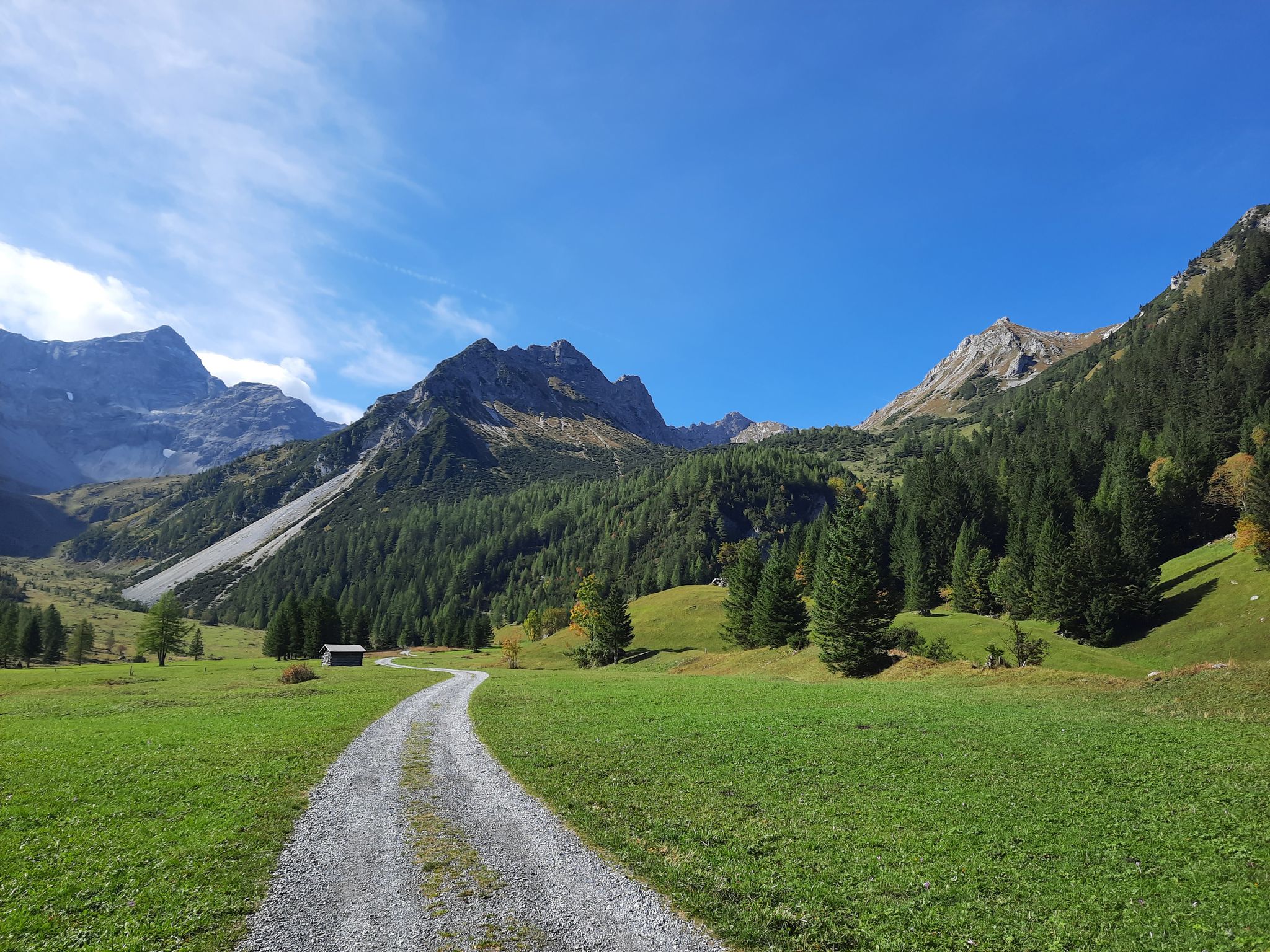
Autumn magic in Brandnertal – 6 hikes for the golden season
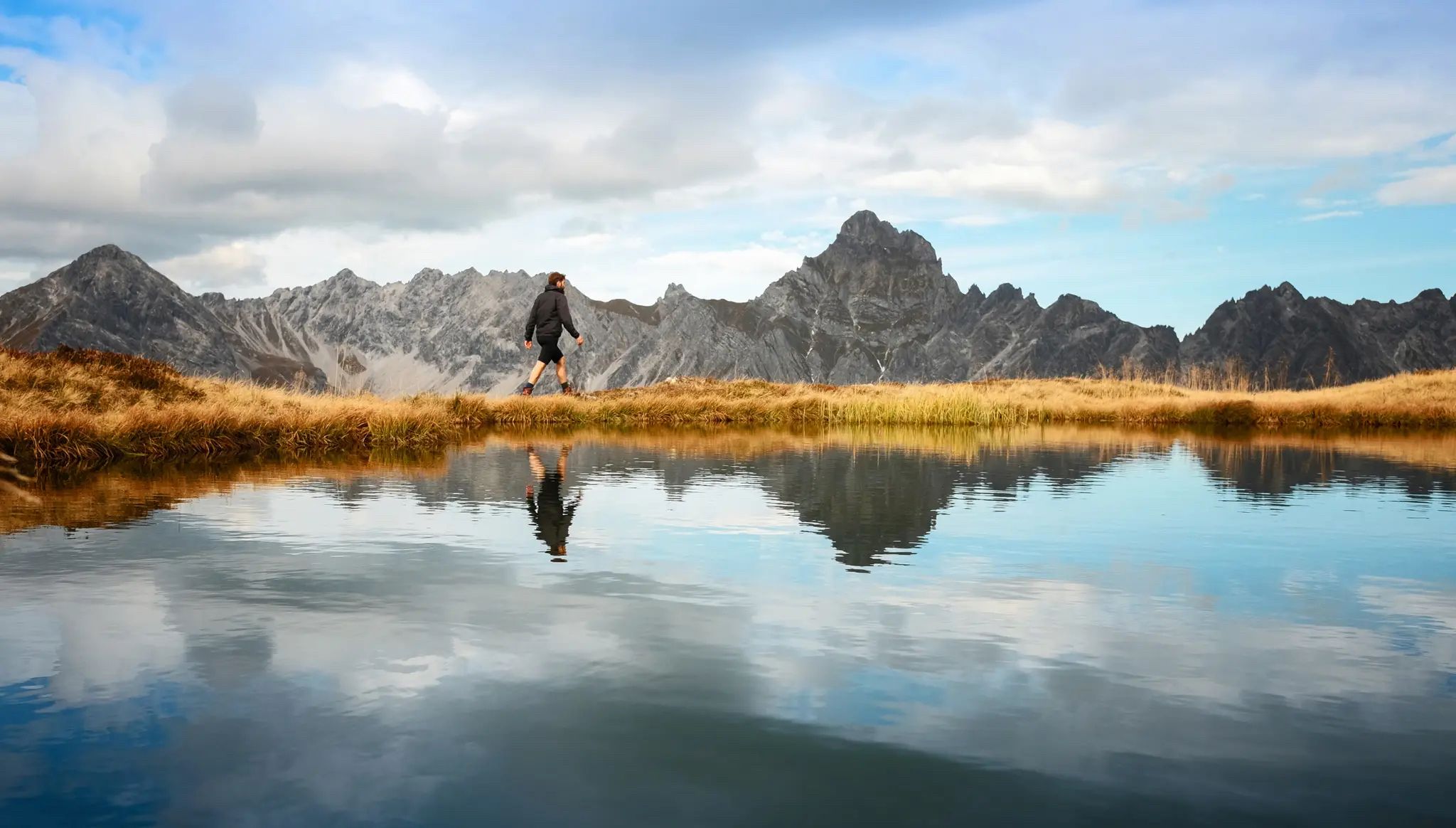
Golden season – autumn hikes in Vorarlberg
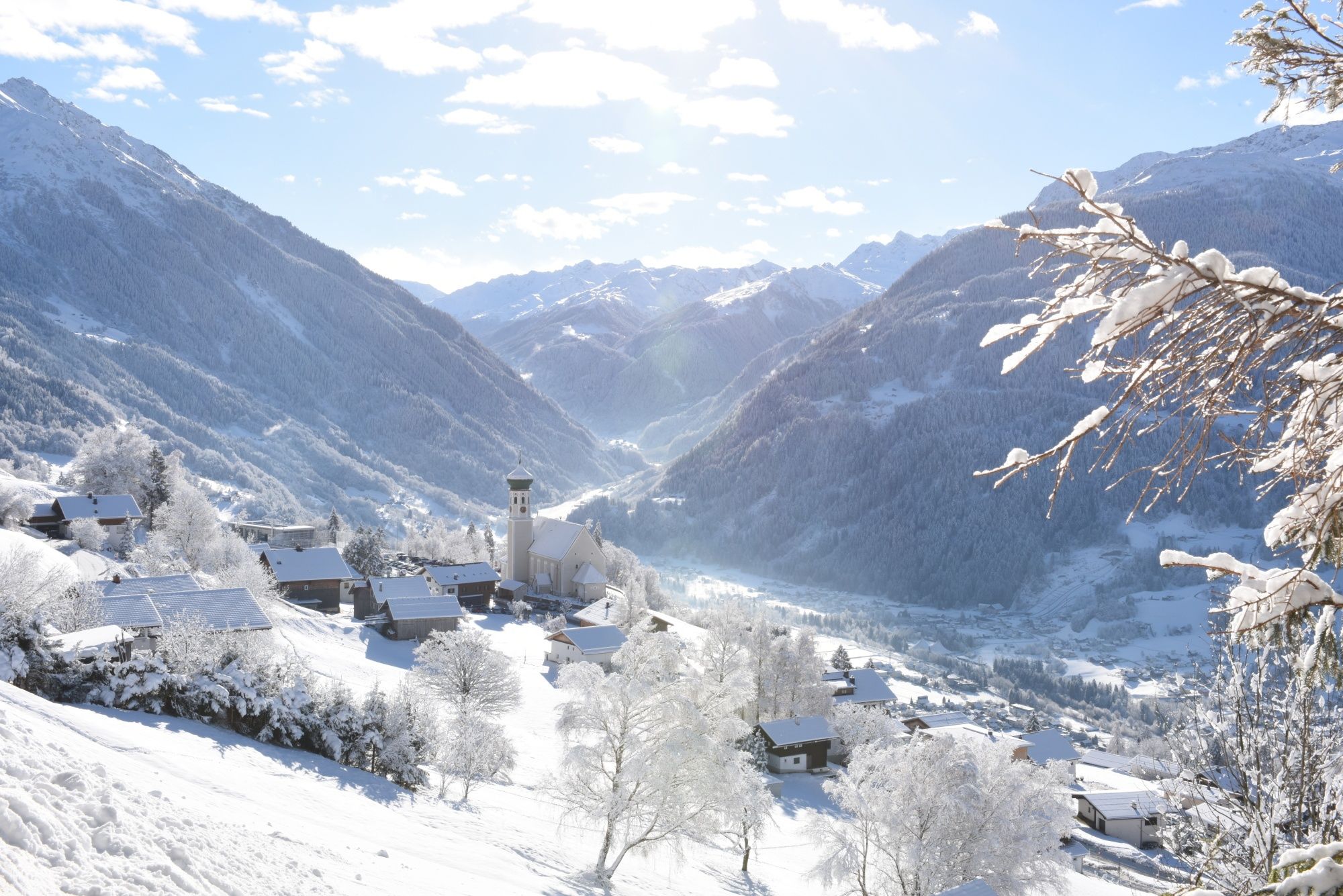
Tobogganing, ice bathing and hiking – winter away from the slopes
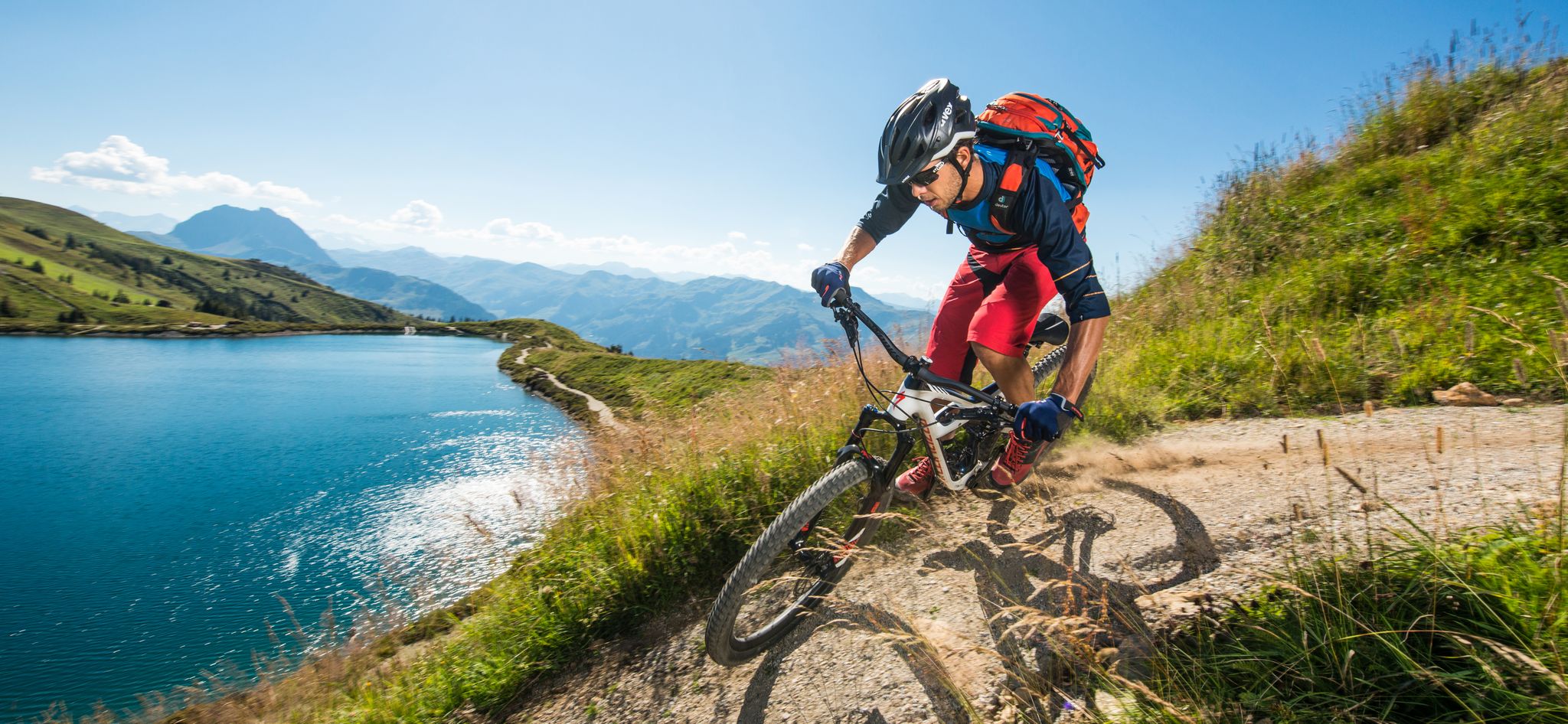
6 Top Bike Experiences in Austria
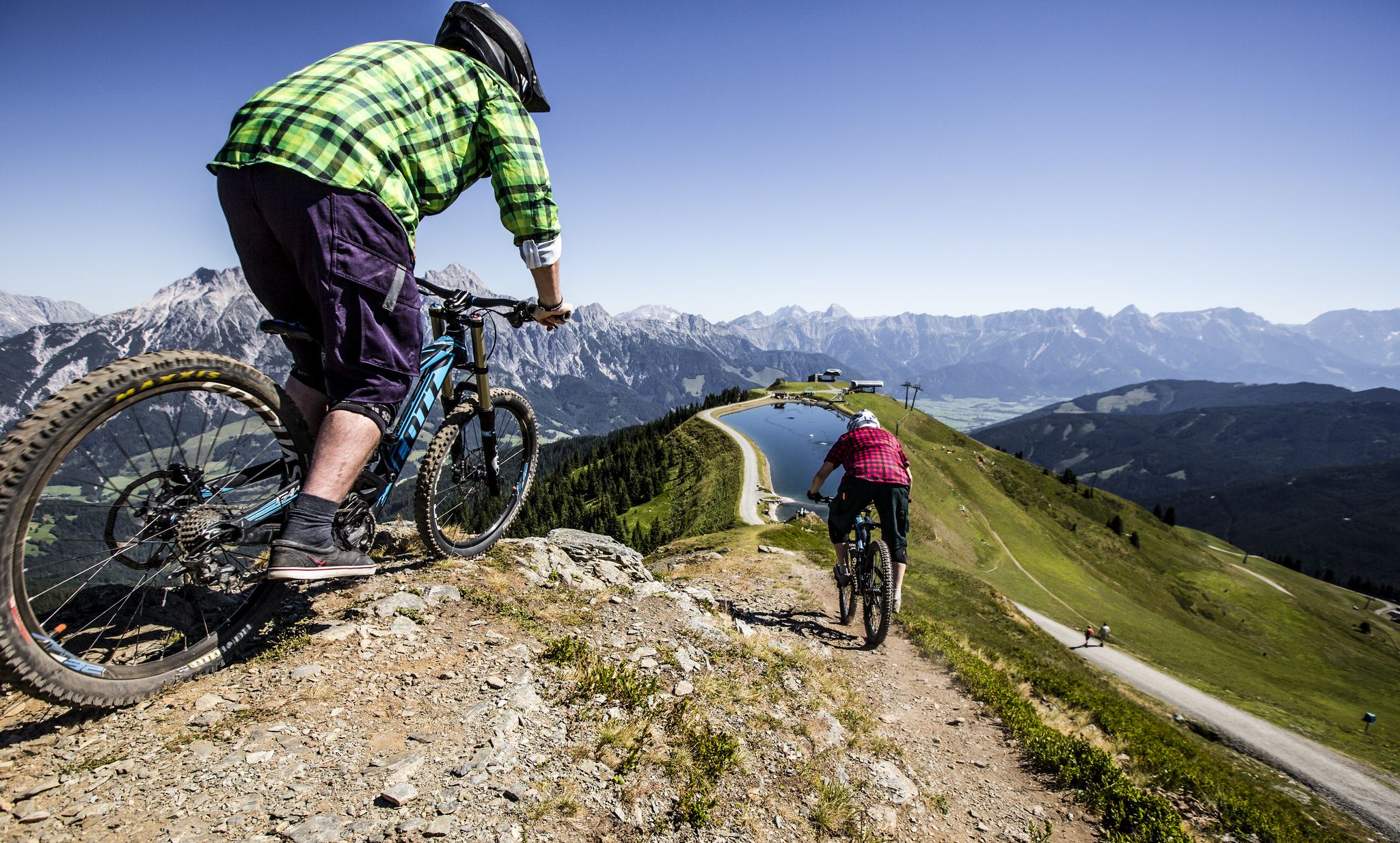
Bike parks in the Alps
Frühling zwischen Tal und Höhe – Die schönsten Touren ab Bludenz
Hiking around Bürserberg
Cycling around Bürserberg
MTB Trails around Bürserberg
Road Cycling Routes around Bürserberg
Other adventures around Bürserberg


Tips from the Community

Friedrich walked through this gate.
0
0

Archduke Friedrich IV of Tyrol fled to Bludenz through this gate after his condemnation at the Council of Constance in 1416
0
0

The Milka production surrounds everything with a light cocoa/chocolate smell 😋
0
1
Characteristic of the city for the place worth visiting🤩
1
0

Castle ruins (Welsch-)Ramschwag, Nenzing Welsch-Ramschwag Castle was built between 1270 and 1290 by the Knights of Ramschwag, a noble family from the canton of St. Gallen (CH). Their family castle is in Häggenschwil, Canton St. Gallen. Before 1352 the castle came into the possession of the lords of Landenberg-Greifensee. In 1352 it was sold to Count Rudolf von Montfort-Feldkirch. When the Werdenbergs attacked the castle in 1360 as a result of a feud with the Montfort family, Hartmann von Prasberg from an Allgäu noble family was castellan. He defended the keep for many hours until help came from Feldkirch and the attackers were successfully driven away. In the same year, Welsch-Ramschwag Castle came to the Habsburgs. The castle did not last long, because angry Walgau farmers destroyed it on the evening of September 28, 1405 during the Appenzell War and it has been a ruin ever since. At the same time, other castles in the Walgau (Jagdberg, Blumenegg and Rosenegg) also went up in flames. The almost square complex had an elevated, central residential tower with simple light slits and a surrounding curtain wall. This was 1.20 meters thick and included the courtyard with an area of about 42 x 38 meters. In the west, two artificial wall-ditch systems were built as obstacles to the approach. As is the case today, the entrance to the main gate was in the east. The first attempts at restoration date back to 1912. Another attempt failed in 1925/26 due to a lack of funds. In 1947, parts of the ring wall were destroyed by the construction of a ski jump, which is now closed again. From 1997 to 2000 the ruins were restored in several stages by the market town of Nenzing in cooperation with the Federal Monuments Office and volunteers. The Castle Committee of the State Museum Association carried out the graphic reconstruction of the keep and the floor plan. Text / source: Vorarlberg Tourismus GmbH, Poststraße 11, 6850 Dornbirn https://www.vorarlberg.travel/poi/nenzing-burgruine-welsch-ramschwag/
14
0

Upper gate Built at the end of the 15th century, rebuilt in 1774 and 1920, it is also called Herzog-Friedrich-Tor or Feldkircher Tor. In 1416, Duke Friedrich IV (with an empty pocket) fled from Constance through the Upper Gate into the city; He was taken in in Bludenz and brought safely over the Arlberg by the town's citizens. The Bludenz City Museum is located in the Upper Gate. A few meters away, a covered church staircase built in the 17th century, one of the five castle staircases, leads up to the hill to St. Laurentius Church and Gayenhofen Castle. Source: https://de.wikipedia.org/wiki/Bludenz
1
0
Gayenhofen Castle is part of the architectural ensemble with the Laurentius Church, dominating the city of Bludenz in the Austrian state of Vorarlberg. It is a successor to Bludenz Castle, which was removed. The Counts of Werdenberg built a castle between 1222 and 1245 as the center of the Counts of Werdenberg and Heiligenberg and the Bludenz dominion. Bludenz was a fortified town in Vorarlberg in the Middle Ages, alongside Bregenz and Feldkirch. From 1377/78 to 1418 Count Albrecht III lived within its walls. from Werdenberg-Heiligenberg. After the Werdenberg feud, the town and castle of Bludenz fell to the Habsburgs. In 1448, Duke Sigmund exchanged both for the dominion of Rotund with Ulrich von Schlandersberg. In 1491 the castle was destroyed by fire. Baron Franz Andreas von Sternbach (1675-1755), who had previously built Wolfsthurn Castle, had his administrator Johann Josef Gassmayr with the local bailiwick administrator Franz Josef Gilm as local site manager in 1746/1747, using demolition stones from the old castle with the master bricklayer and stonemason Andreas Schmied, who had previously expanded the nave of the adjacent Laurentius Church, built Gayenhofen Palace. The simple design of the palace did not require the experience of the persons mentioned to have an external architect. On May 5, 1746, the foundation stone of the new castle was laid with the Provicar and pastor of Bürs Christian Battlogg and three Capuchins. The naming of Johann Caspar Bagnato in various sources as an architect is without evidence for Gayenhofen Castle, but Bagnato was on December 17, 1745 at a guild meeting in Schnifis, where he accepted Andreas Moll as an apprentice and probably also construction workers for his construction site Kornhaus Rohrschach vom Kloster St. Gallen recruited. In 1936 the city of Bludenz bought the castle and handed it over to the state of Vorarlberg in 1959. Between 1960 and 1963 the castle was rebuilt again. The north wing was demolished, the square courtyard, which had been closed until then, was opened up and the castle was adapted on October 26, 1963 to become the office building of the Bludenz district authority. Source: https://de.wikipedia.org/wiki/Schloss_Gayenhofen
0
0

The castle ruins are directly related to the Ramschwag castle ruins near Häggenschwil/St.Gallen CH (see information board).
0
0
Frequently Asked Questions
What kind of historical sites can I find around Bürserberg, beyond traditional castles?
While Bürserberg itself is known more for its natural landscape and Walser culture, the broader Vorarlberg region offers a variety of historical sites. In Bürserberg, you can explore the Culture Trail "Traces of History" and the Paarhof Buacher Museum, which showcases local heritage and Walser settlement culture. For traditional castles and ruins, you'll find them in the surrounding areas.
Which are some of the most popular castles and historical sites near Bürserberg?
Among the most popular sites are the Welsch-Ramschwag Castle Ruins, a medieval ruin with a rich history, and the Oberes Tor (Upper Gate) and Bludenz City Museum, a 15th-century city fortification. Another notable ruin is Valcastiel Castle Ruins, accessible via a hiking trail.
Are there any family-friendly historical sites or castles to visit near Bürserberg?
Yes, the Oberes Tor (Upper Gate) and Bludenz City Museum is considered family-friendly. It offers a glimpse into history within the city of Bludenz, making it an accessible option for families. The Paarhof Buacher Museum in Bürserberg also provides an engaging look at local history and culture suitable for all ages.
What kind of views can I expect from the castles and ruins in the area?
Many of the castle ruins offer excellent viewpoints. For instance, Welsch-Ramschwag Castle Ruins and Valcastiel Castle Ruins are situated on hilltops, providing scenic vistas of the surrounding landscape. The Jagdberg Castle Ruins also offer good views.
Are there hiking trails that lead to these castles or historical sites?
Absolutely. The Valcastiel Castle Ruins, for example, are accessible via a marked hiking trail, though the final section involves steep wooden steps and steel cables. Many other ruins, like Welsch-Ramschwag Castle Ruins, are also popular destinations for hikers. You can find more hiking options in the area by exploring Hiking around Bürserberg.
What outdoor activities can I combine with a visit to the castles near Bürserberg?
The region around Bürserberg is excellent for various outdoor activities. You can combine castle visits with extensive hiking, mountain biking, or road cycling. Check out guides like Hiking around Bürserberg, MTB Trails around Bürserberg, and Road Cycling Routes around Bürserberg for routes that might pass by or near historical sites.
What is the history behind Gayenhofen Castle?
Gayenhofen Castle in Bludenz was built starting in 1745 by Franz Andrä Freiherr von Sternbach, replacing a medieval castle damaged by fire. It served as a Vogt's residence for a long time. The city of Bludenz acquired it in 1936, and after renovation, it became home to the district administration of Bludenz. It's one of the few classical-style palace buildings of its type in Austria.
Can I visit the Jagdberg Castle Ruins?
Yes, the Jagdberg Castle Ruins, originally built in the 12th century, are accessible. The site has been renovated multiple times and is even used as an open-air stage. It's considered an intermediate difficulty level for visitors, offering historical insights and good viewpoints.
What is the best time of year to visit castles and historical sites around Bürserberg?
The best time to visit is generally during the warmer months, from late spring to early autumn (May to October), when the weather is most favorable for exploring outdoor ruins and hiking trails. During this period, you'll experience pleasant temperatures and clearer views. Some sites might have limited access or be more challenging to reach in winter due to snow and ice.
Are there cafes or restaurants near the castles?
While specific cafes might not be directly adjacent to every ruin, historical sites like Oberes Tor (Upper Gate) and Bludenz City Museum and Gayenhofen Castle are located in Bludenz, which offers a variety of restaurants and cafes. For other ruins, it's advisable to check local amenities in nearby towns like Nenzing or Vandans before your visit.
What makes the Welsch-Ramschwag Castle Ruins significant?
The Welsch-Ramschwag Castle Ruins are significant due to their long history, dating back to 1270-1290. They were destroyed during the Appenzell War in 1405 and have remained a ruin since, offering a tangible link to medieval conflicts. Restoration efforts between 1997 and 2000 have helped preserve this important historical landmark.
Most popular routes around Bürserberg
Most popular attractions around Bürserberg

Get inspired with the komoot mobile app


Explore more
Looking for the best castles somewhere else? Discover other guides around Bürserberg:
