Top 5 Castles around Bramberg am Wildkogel
Best castles around Bramberg am Wildkogel are situated in a region known for its natural beauty and historical significance within the Pinzgau region. This area, close to Neukirchen am Großvenediger, offers a landscape characterized by mountains and valleys. Visitors can explore historical sites that reflect the area's past. The region is also recognized for its emerald deposits and provides opportunities for outdoor activities.
Best castles around Bramberg am Wildkogel
- The most popular castles is Ruins of Friedburg Castle, a…
Last updated: May 13, 2026
Einödberg Castle
Highlight • Castle
Translated by Google •
Tip by

Lichtenau Castle (Stuhlfelden)
Highlight • Castle
Translated by Google •
Tip by

Sign up now to discover places like this
Get recommendations on the best single tracks, peaks, & plenty of other exciting outdoor places.
Sign up for free
Weyer Castle Ruins
Highlight • Castle
Translated by Google •
Tip by
Ruins of Friedburg Castle
Highlight • Castle
Translated by Google •
Tip by

Hieburg Castle Ruins
Highlight • Castle
Tip by

Start today with a free account
Your next adventure awaits.
Login or Signup
Popular around Bramberg am Wildkogel
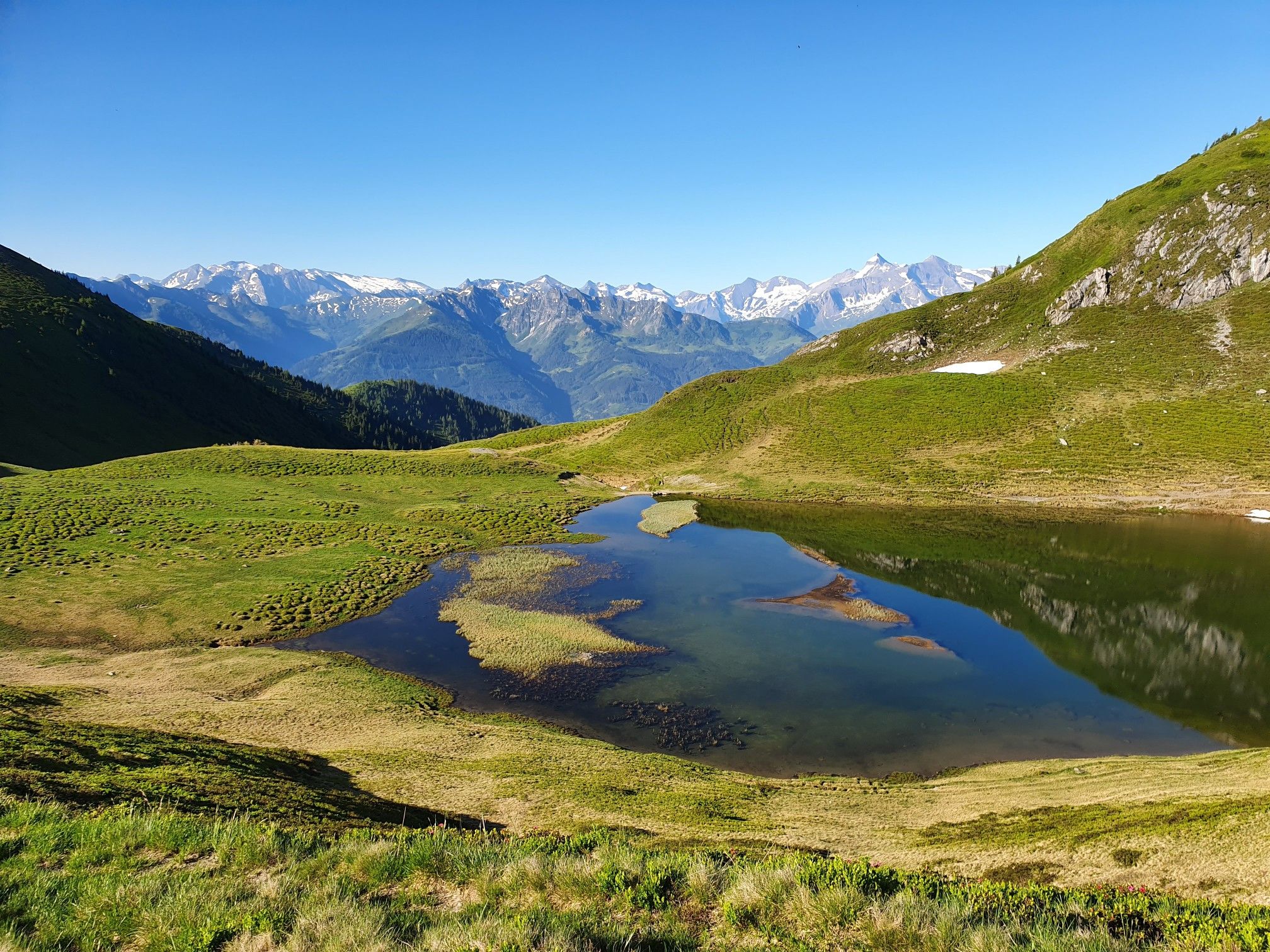
Hohe Tauern Panorama Trail – Face-to-face with 3000-metre peaks
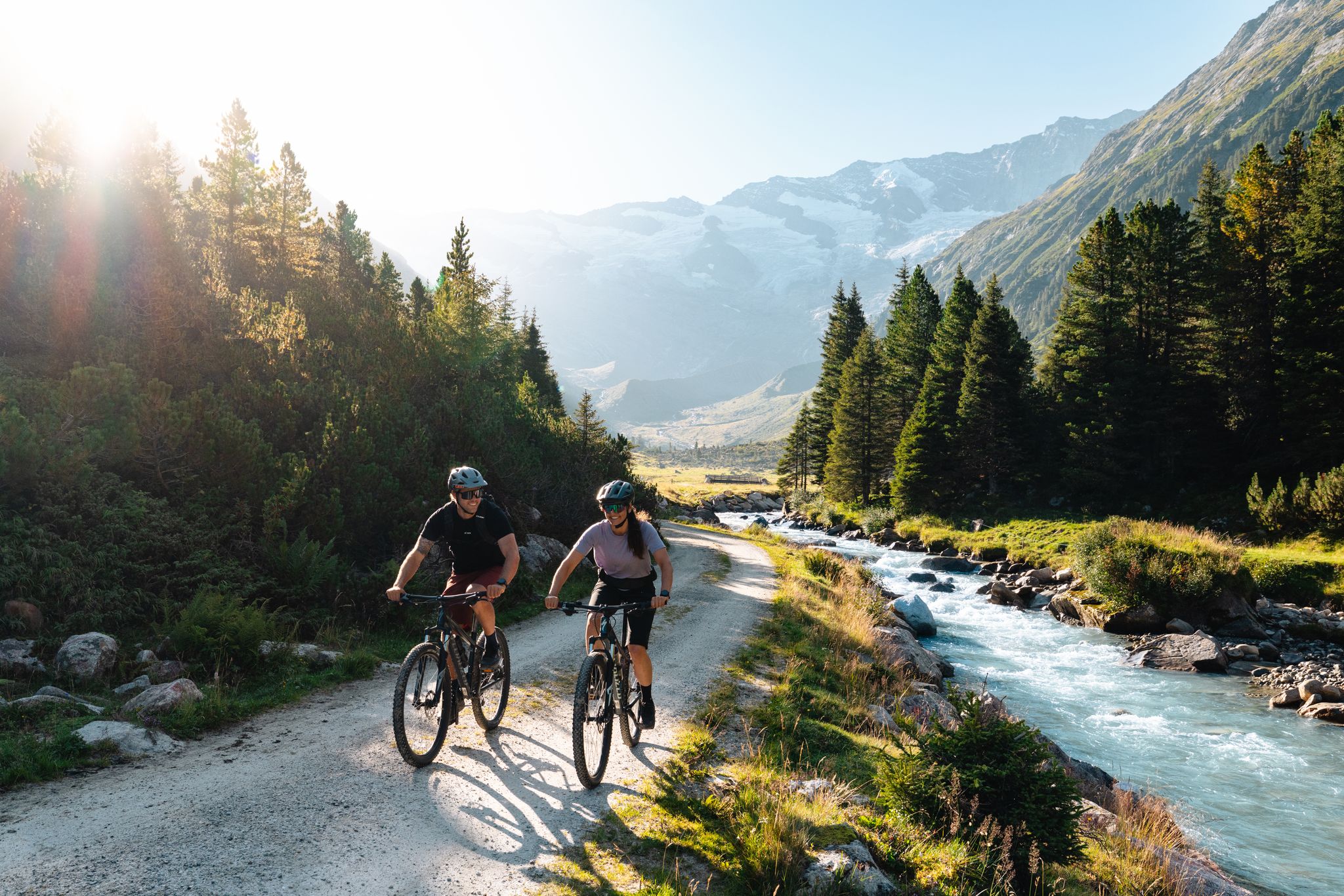
14 stages through the national park valleys – Hohe Tauern Bike Trail
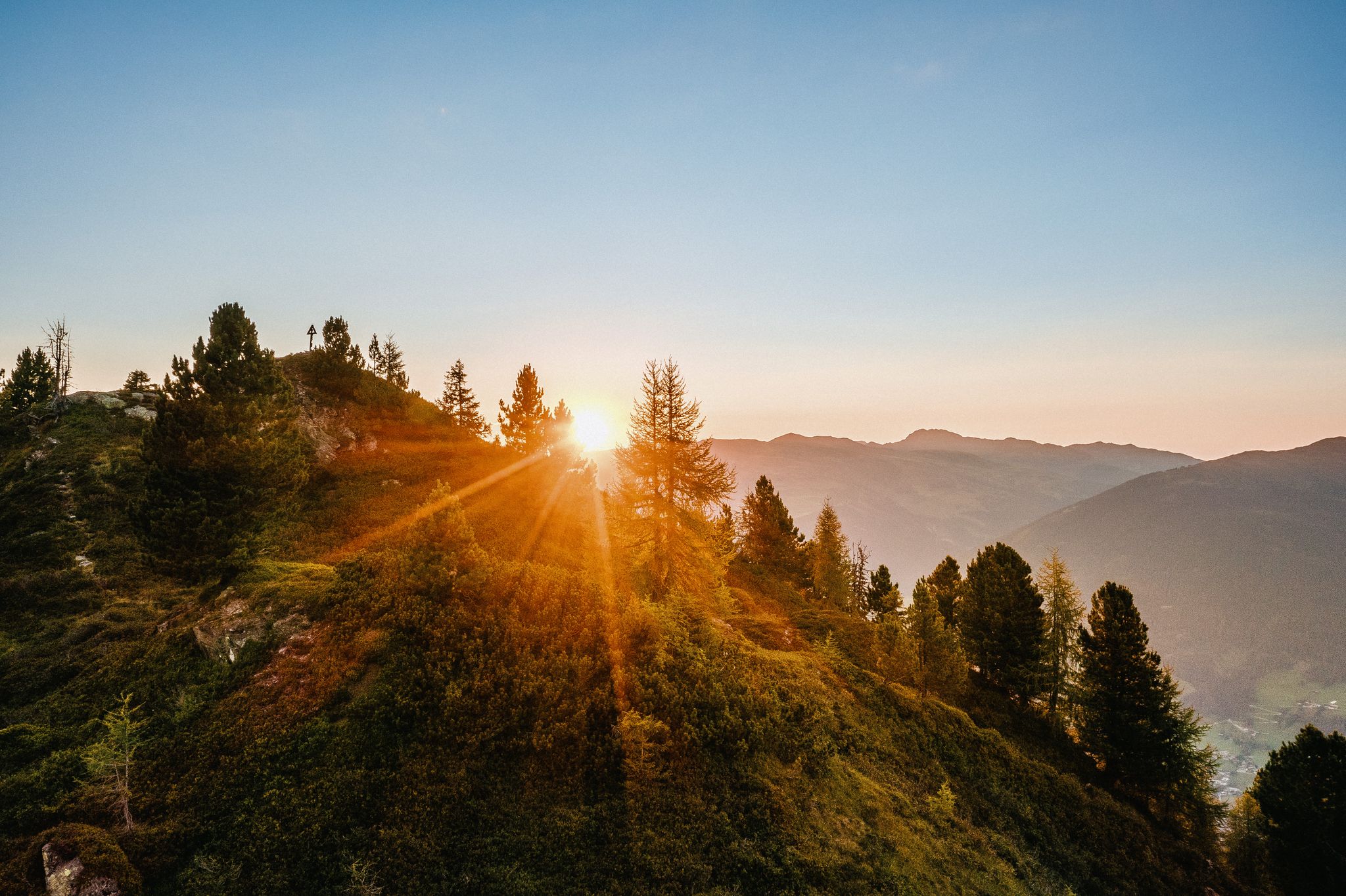
Panoramic hiking trails in the Wildkogel Arena
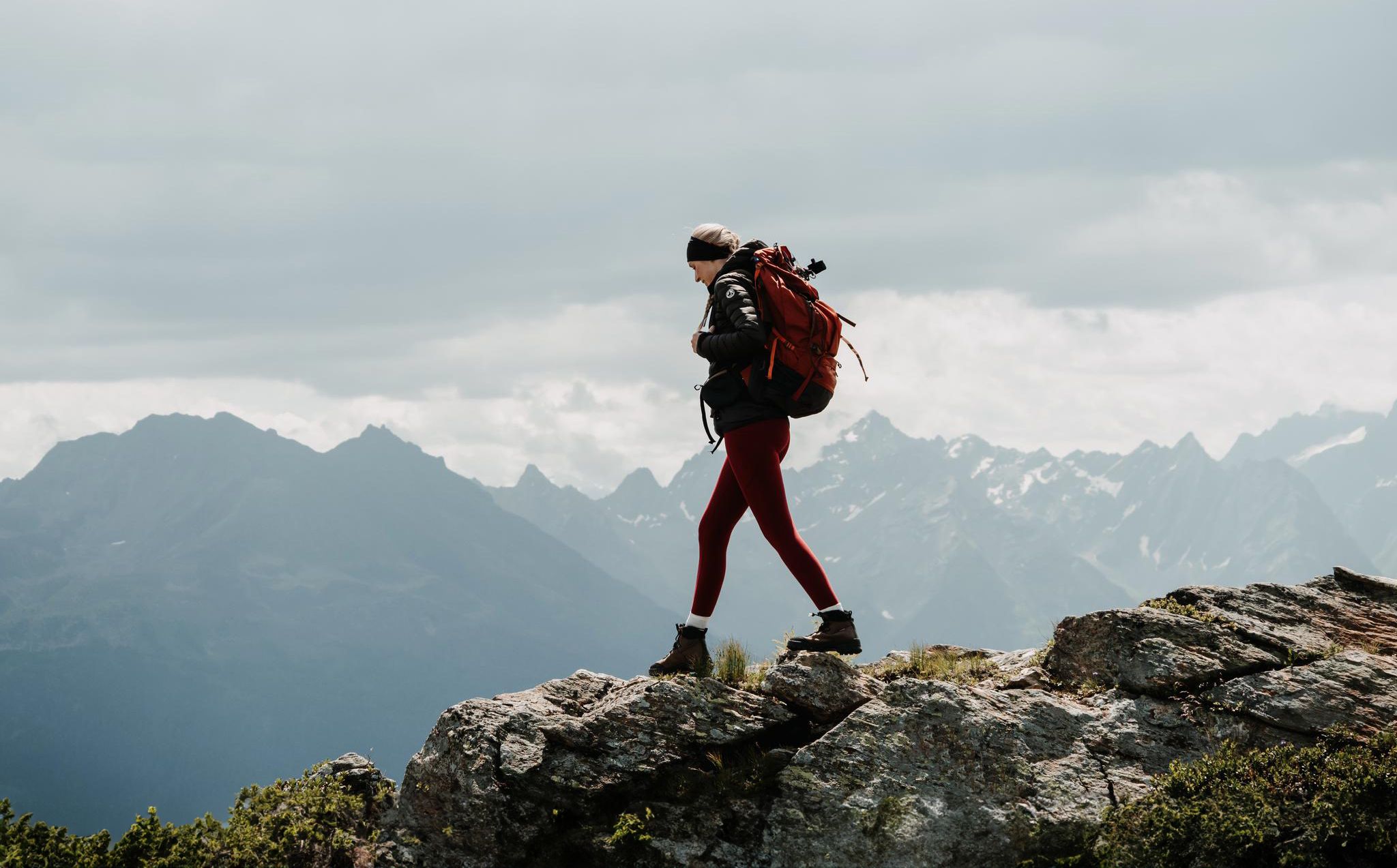
Happy moments on long-distance hikes – hiking summer of your life
Bike and hike – MTB in Austria’s Wildkogel Arena
Top Tour tips from the bike hotels in Austria’s SalzburgerLand
Best views of the highest mountains — Hohe Tauern Panorama Trail
On a voyage of discovery in Austria’s High Tauern National Park
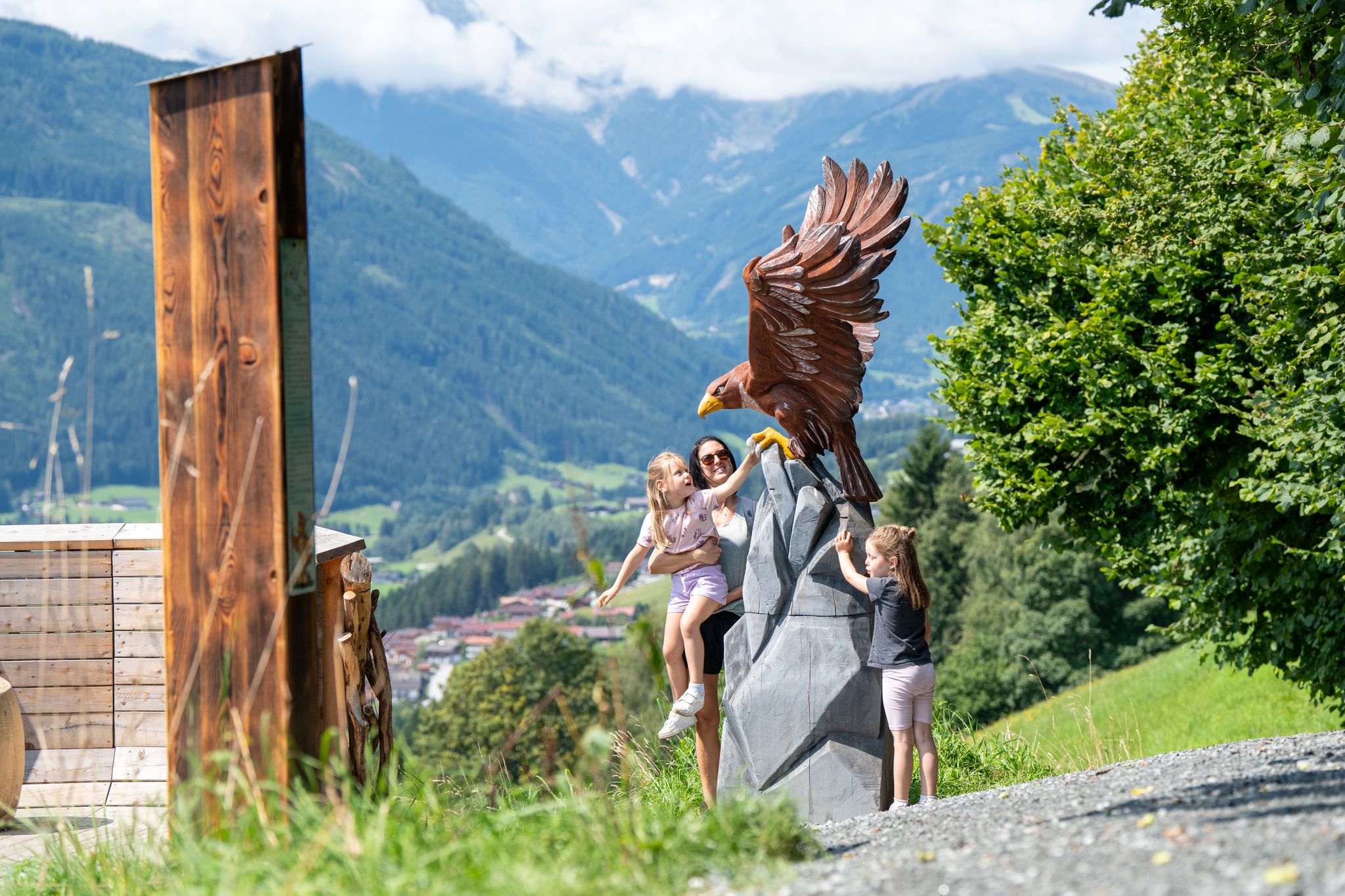
Kleine Füße, große Abenteuer: Familienwanderwege in der Wildkogel-Arena
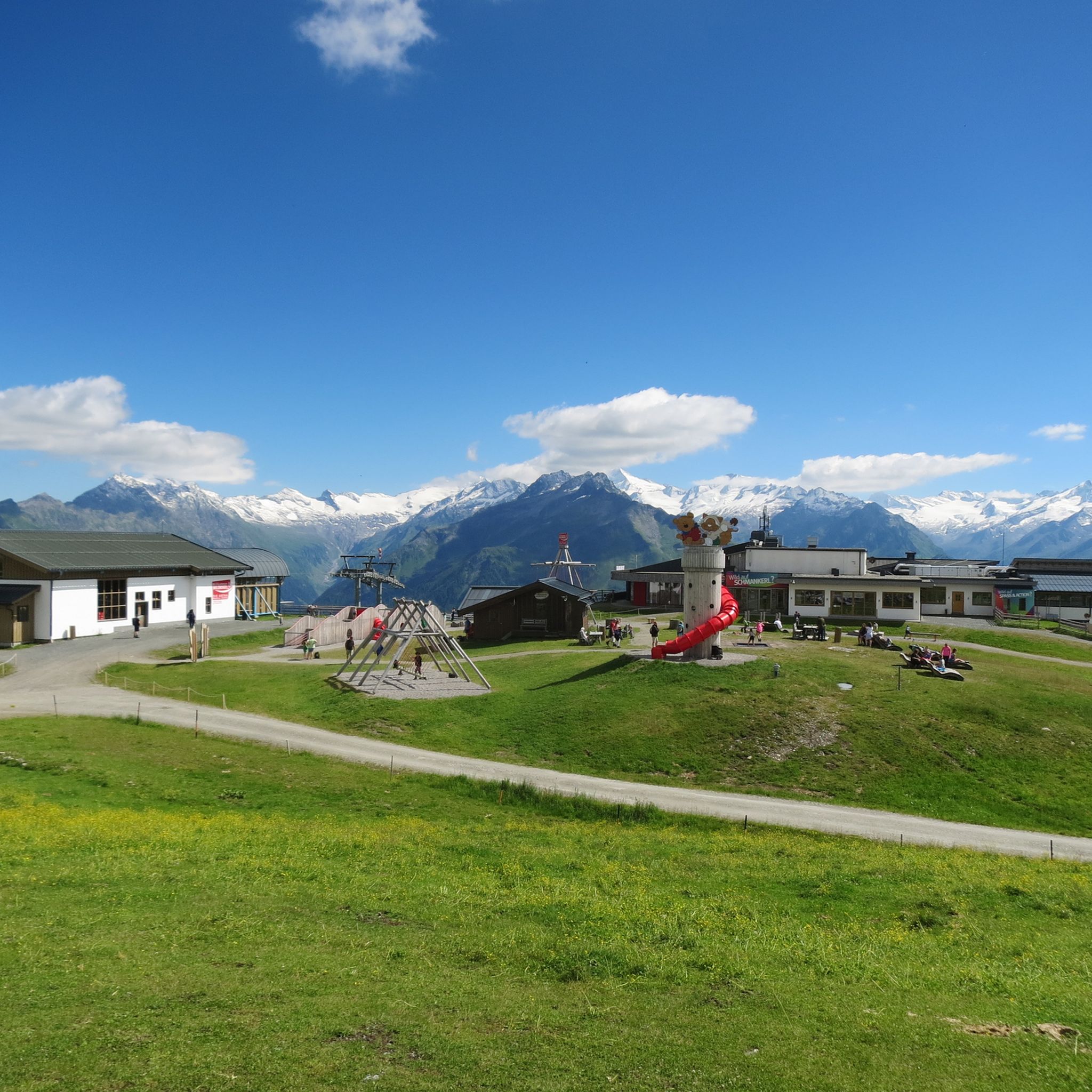
Hiking around Bramberg am Wildkogel
Other adventures around Bramberg am Wildkogel


Tips from the Community


The legend of the Weyer ruins In 1951, Reitlfather, the eldest Bramberger, told the following incident that his father claims to have experienced himself: A few boys were once playing in front of the Weyer ruins, including the man's father. Then they saw a pile of embers inside the ruins. One of the boys courageously took the embers and put them in his trouser pocket. To his surprise, he didn't burn his hand or feel any heat. The children ran down the hill and continued to run around. Nobody thought about the embers anymore. Suddenly one of the boys asked his comrade who had pocketed the embers: "What's that clattering in your trouser bag?" He reached into his pocket and had lots of gold pieces in his hand. When the others saw this, they quickly ran back to the ruins, but there were no embers left. Meanwhile, the boy, who was happy with the gold pieces, hurried home to his parents and joyfully showed them his treasure. Now the hardship in this poor family was over forever.
0
0
To the east of the Weyer Tower there are still foundation walls of an approximately square building, which was once connected to the square tower by a wall. The tower (floor plan 14 by 10 meters) is only slightly raised from the slope by a shallow depression. To the south, the tower was secured by a steep slope, to the north there was a shallow ditch, which was adjoined by a pond (hence the name). The outer walls of the tower are 16 m high. In the basement, the building is made of layered masonry with local stone ashlars. Inside, the beam holes for the wooden ceilings that used to exist can be seen. According to these, the building was seven storeys high. A protruding wooden battlement probably ran around the top floor, covered by a tent roof. The entrance was through a gate that was initially on the first floor, but this has now been bricked up and replaced by an entrance on the third floor. Small window openings can still be seen on the south side. On the west side, a round-arched door surrounded by four beam holes suggests the former bay window. A Romanesque chapel extending over two floors can be seen on the east side of the tower; It still has a semicircular apse with an arched window facing the former courtyard. Remains of the old plaster with traces of simple painting are still preserved. Above the dilapidated chapel, two narrow flights of stairs from the fourth to the sixth floor have been preserved. The tower ruins, on which trees were already growing, were secured and restored in 1992. The tower is freely accessible.
0
0
In the west of the castle there is a medieval residential tower from the 13th century, which probably looked similar to the Felberturm or the Weyerturm. In the middle of the 16th century, the tower was expanded with an extension and converted into a Gothic residence with small square towers at the corners of the building. When a wider wing was added to the east of the building at the end of the 16th century, the two towers located here were removed. The two that remain are covered with pyramidal roofs that only slightly surpass the main building. The adjoining farmhouse has three floors; it has a segmental arched portal with a truncated gable on its eastern front. In recent years attempts have been made to turn the castle, which had become a farmhouse, into a boarding house. This resulted in a change in the window sizes and the interior layout. The previously existing draw well with a large wooden wheel also had to be removed and was filled up in 1969. Inside the building, some simple coffered ceilings from the 16th and 17th centuries have been preserved. https://de.wikipedia.org/wiki/Schloss_Ein%C3%B6dberg
0
0

The castle was built in 1503-1506 by the tradesman Wilhelm Rosenberger von Rosenegg. Marble coats of arms of the von Törring and von Labach families used to be attached above the entrance portal, which have now disappeared;[1] there is no evidence of ownership for these families, which can be assumed. In 1624, Christoph Khuen von Belasy brought the castle into its present form of a typical Salzburg residence. Until 1663 the manor remained in the possession of the Khuen von Belasy, then the Lichtenau manor, so freely Aigen, went to Georg Thomas Perger von Emslieb. At that time he was the caretaker of Mittersill and Urbarprobst of the Kellenamt (that was the administrator, tax collector and judge of the archbishopric) Stuhlfelden. In 1676 the castle was acquired by Johann Josef Graf zu Kuenburg and sold on to Archbishop Max Gandolf von Kuenburg in the same year. He lets apartments here, e.g. set up for the Unterwaldmeister of the Pinzgau so that the castle does not stand empty. Until 1811, the palace remained in the possession of the sovereign as an official and residential building, from 1811 to 1816 it was under the control of the royal Bavarian tax office, after which the k. u.k. Forest Service relocated here. In 1902 the castle was acquired by Alfred Freiherr Plapart von Leenheer. After several changes of ownership, the Congregation of the Brothers of Christian Schools from Vienna acquired it in 1930 and set up a secondary school with boarding facilities here. The rear turret was removed during the necessary adaptation work. In 1959 the Evangelical Church of Stuhlfelden bought the building and set up a home and training center. In 1978 the castle was bought, renovated and revitalized by the Stuhlfelden municipality. Today there is a special education center and event rooms in the castle. The castle also serves cultural purposes. https://de.wikipedia.org/wiki/Schloss_Lichtenau_(Stuhlfelden)
2
0

Fantastic relic from the old days. Not accessible anymore, because it's nearly falling apart (literally). At a about a 100 meters from the entrance, there is a little honey 'automat' where you can get local honey. Really nice.
0
0

Stuhlfelden Castle heet Eigenlijk Lichtenau Castle.
1
0

From the ruin there is a very nice view! However, you should be careful when it rains, as there are many slippery roots on the rather steep path up and down! So you should have sturdy shoes when it is wet!
0
0
Frequently Asked Questions
What kind of historical sites can I expect to find around Bramberg am Wildkogel?
The region around Bramberg am Wildkogel, part of the Pinzgau region, is rich in historical significance. You can expect to find various castle ruins and historical structures that reflect the area's past. These include medieval fortifications and residential towers, offering insights into medieval architecture and strategic importance.
What is the historical significance of the castles in this region?
The castles and ruins around Bramberg am Wildkogel, such as Hieburg Castle Ruins, date back centuries, with Hieburg itself existing before 1290. They served as defensive structures and residences for noble families, like the Counts of Sulzau. These sites offer a glimpse into the medieval period, showcasing architectural styles and the strategic importance of such fortifications in controlling the surrounding landscape.
Are there any specific castle ruins worth visiting for their historical architecture?
Yes, Hieburg Castle Ruins is a notable historical site with visible remnants of its curtain wall, keep, and moat. Another interesting site is Einödberg Castle, which features a medieval residential tower from the 13th century and has preserved some simple coffered ceilings from the 16th and 17th centuries.
Can I access the interior of all castle ruins around Bramberg am Wildkogel?
While many ruins offer exterior views and surrounding exploration, direct access to the interior of some, like Hieburg Castle Ruins, is currently prohibited due to the risk of collapse. However, you can still appreciate their historical presence and impressive views from nearby vantage points.
Are there opportunities for hiking or walking near the castle ruins?
Absolutely. The area around sites like Hieburg Castle Ruins and Ruins of Friedburg Castle is popular for hiking. The ascent to Friedburg Castle, for instance, is described as a short but challenging mountain hike, rewarding visitors with great panoramic views. For more extensive hiking options, you can explore the Mountain Hikes around Bramberg am Wildkogel guide.
What are the best times of year to visit the castles around Bramberg am Wildkogel?
The region's natural beauty is best enjoyed during the warmer months, typically from spring through autumn, when hiking trails are clear and views are unobstructed. While winter visits offer a different, often snowy, landscape, some paths to ruins might be more challenging due to ice or snow. Always check local weather conditions before your visit.
Are there family-friendly castles or activities near Bramberg am Wildkogel?
While the castle ruins themselves might not have specific 'family-friendly' facilities, the surrounding areas often provide enjoyable outdoor experiences for families. Short walks to viewpoints near the ruins, combined with the natural beauty of the Wildkogel Arena, can be a great outing. The historical context can also be engaging for older children.
What outdoor activities can I combine with a visit to these castles?
The region offers a variety of outdoor activities. You can combine castle visits with gravel biking or road cycling on nearby routes. The scenic landscape also makes it ideal for mountain hikes, with many trails offering views of the ruins and the picturesque setting.
What do visitors enjoy most about the castle ruins in the area?
Visitors frequently highlight the impressive views from the elevated positions of the ruins, such as those from Ruins of Friedburg Castle. The historical significance and the opportunity for rewarding hikes in beautiful natural surroundings are also highly appreciated. The sense of discovering a 'fantastic relic from the old days' is a common sentiment.
Is there a castle named 'Bramberg Castle' in Bramberg am Wildkogel?
It's important to note that while there is a 'Bramberg Castle' (Burg Bramberg), it is a ruin located in Bavaria, Germany, not in Bramberg am Wildkogel, Austria. The primary local castle ruin to explore is Hieburg Castle Ruins, near Neukirchen am Großvenediger.
Are there any castles that are still inhabited or used for events?
Lichtenau Castle (Stuhlfelden), originally built in the early 16th century and later brought into its present form as a typical Salzburg residence, now serves as a special education center and provides event rooms. This offers a different perspective compared to the more common ruins in the area.
What should I consider regarding accessibility when visiting the castle ruins?
Many castle ruins are located on elevated terrain, requiring some walking or hiking to reach. Paths can be steep and uneven, especially after rain, as noted for the Ruins of Friedburg Castle. Sturdy shoes are recommended. Direct access to the interior of some ruins may be restricted for safety reasons, so wheelchair accessibility is generally limited.
Most popular routes around Bramberg am Wildkogel
Most popular attractions around Bramberg am Wildkogel

Get inspired with the komoot mobile app


Explore more
Looking for the best castles somewhere else? Discover other guides around Bramberg am Wildkogel:
