Top 7 Castles around Axams
Castles around Axams are not found directly within the village, which is known for its historical houses and traditional Tyrolean architecture. Axams, nestled in Tyrol, Austria, serves as a base for hiking and winter sports in the Axamer Lizum area. Its proximity to Innsbruck and the wider Tyrol region provides access to several historical castles and ruins. These sites offer insight into the area's storied past and imperial history.
Best castles around Axams
- The most popular castles is Fragenstein Castle…
Last updated: May 13, 2026
Hofburg, Innsbruck (Imperial Palace)
Highlight • Castle
In 1500 the Hofburg Innsbruck was completed under Emperor Maximilian I (1459-1519). It already had the same dimensions as today and was captured by Albrecht Dürer as a …
Translated by Google •
Tip by

Fragenstein Castle Ruins
Highlight • Castle
Only a few minutes' drive from the Tyrolean capital Innsbruck lies the ruin of the castle Fragenstein. It is believed that it …
Tip by

Sign up now to discover places like this
Get recommendations on the best single tracks, peaks, & plenty of other exciting outdoor places.
Sign up for free
Büchsenhausen Castle
Highlight • Castle
Translated by Google •
Tip by

Mentlberg Castle and Mentlberg Chapel
Highlight • Castle
Translated by Google •
Tip by

Weiherburg Castle
Highlight • Castle
Translated by Google •
Tip by

Sign up for free to discover even more castles around Axams.
Sign up for free
Already have an account?
Start today with a free account
Your next adventure awaits.
Login or Signup
Popular around Axams
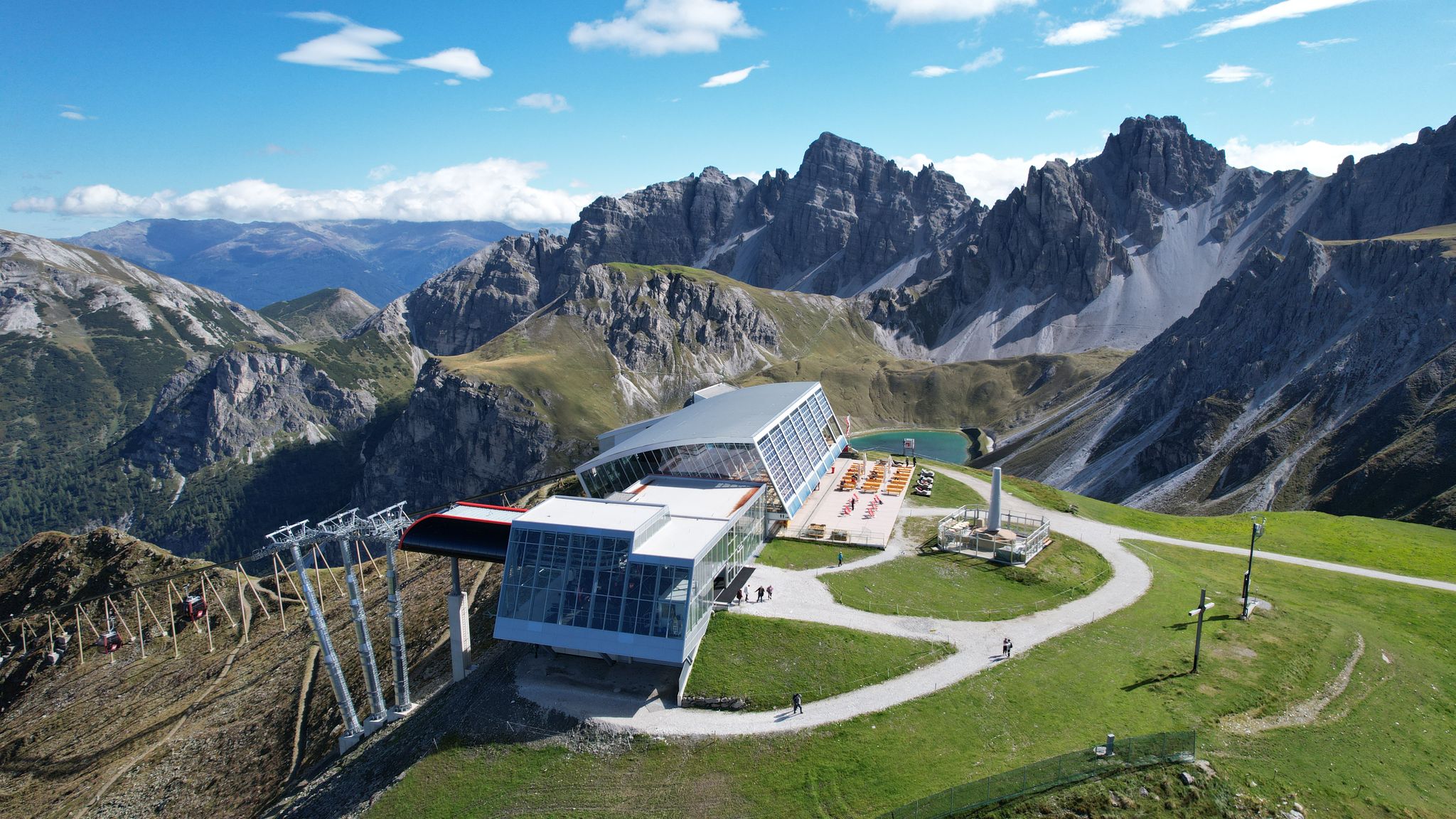
In the ‘Dolomites of North Tyrol’ – hiking in Axamer Lizum
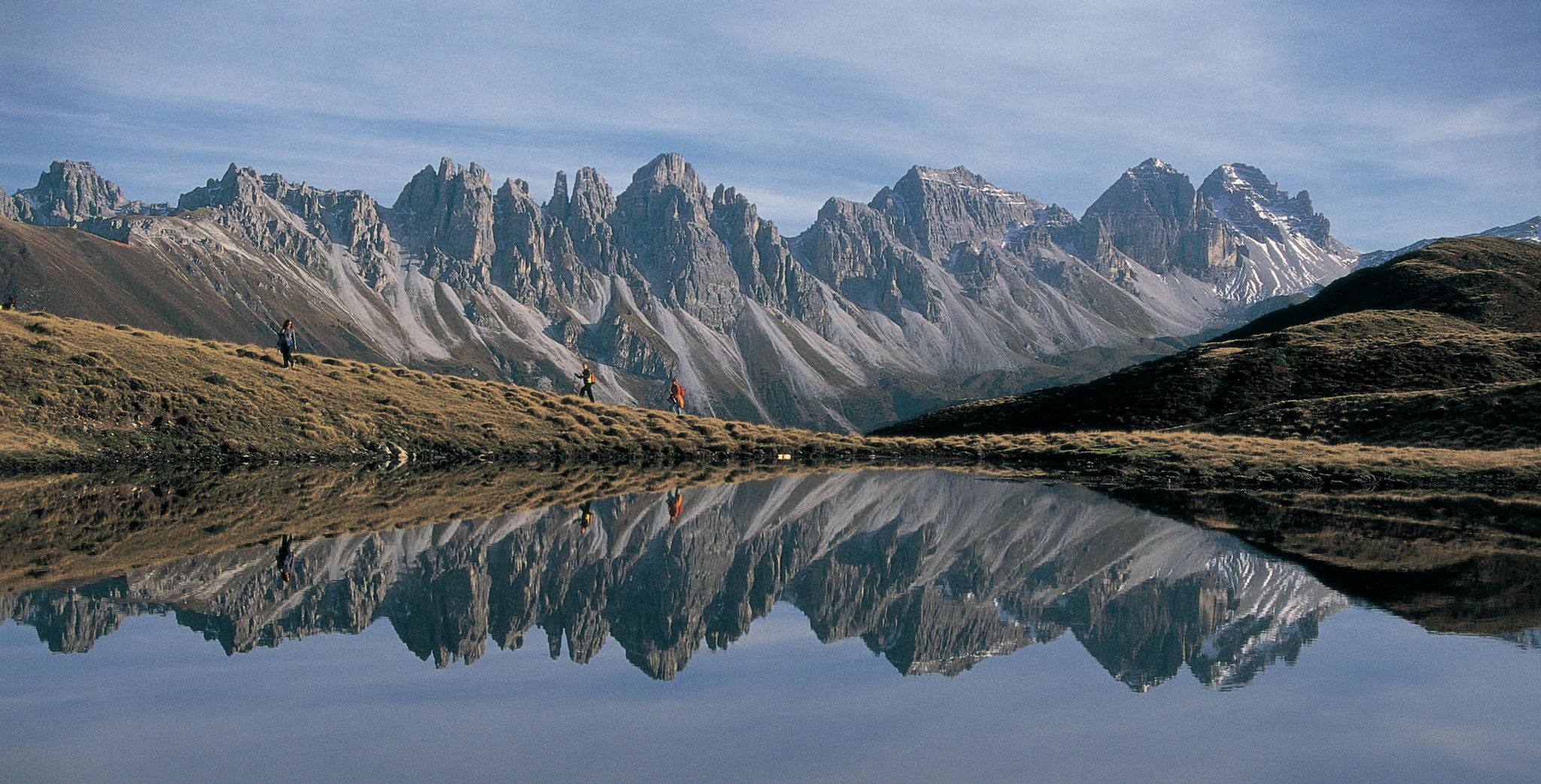
Leaving the city & up into the mountains – hiking around Innsbruck

Supertrails — the long way down

De stad uit, de bergen in – Wandelen rond Innsbruck
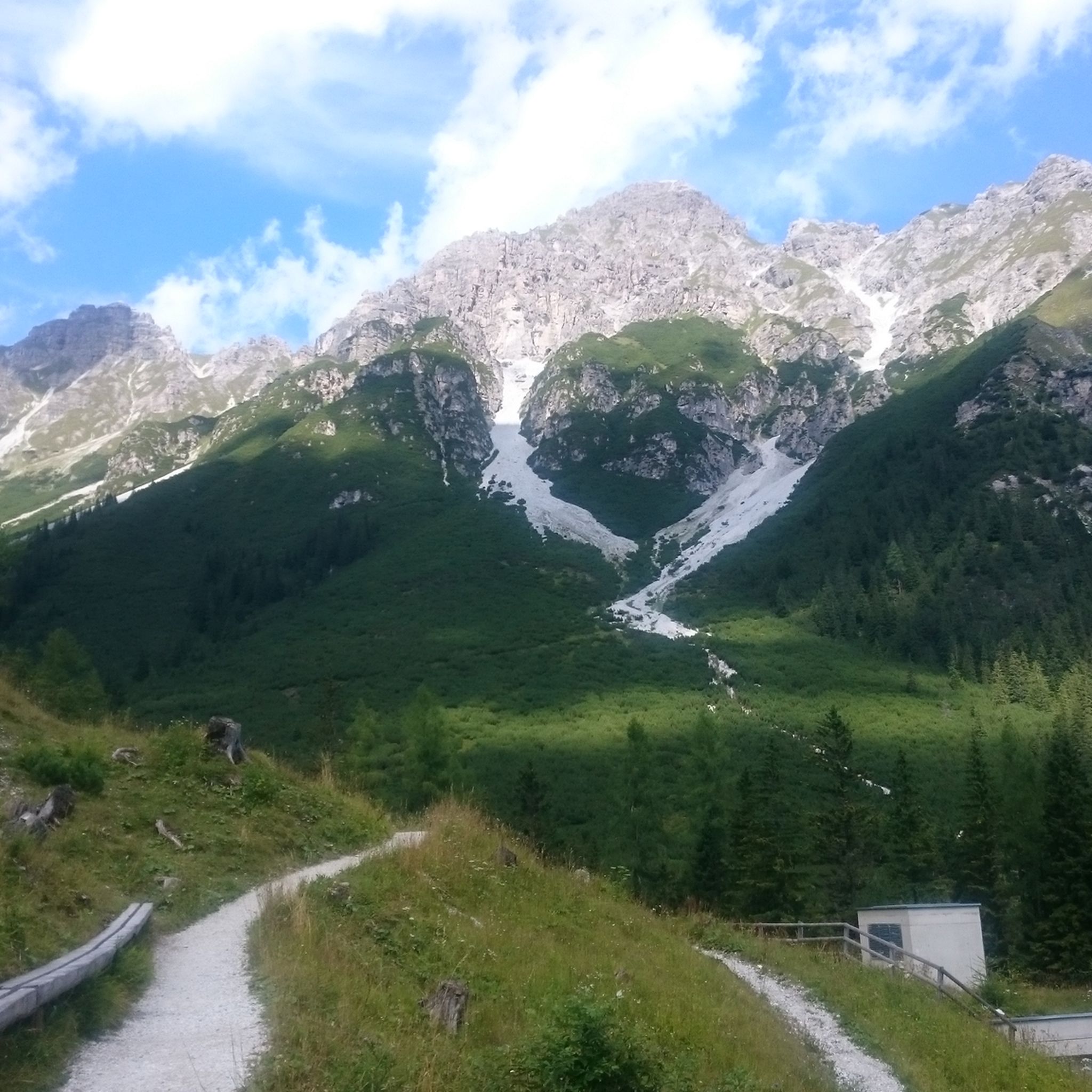
Hiking around Axams
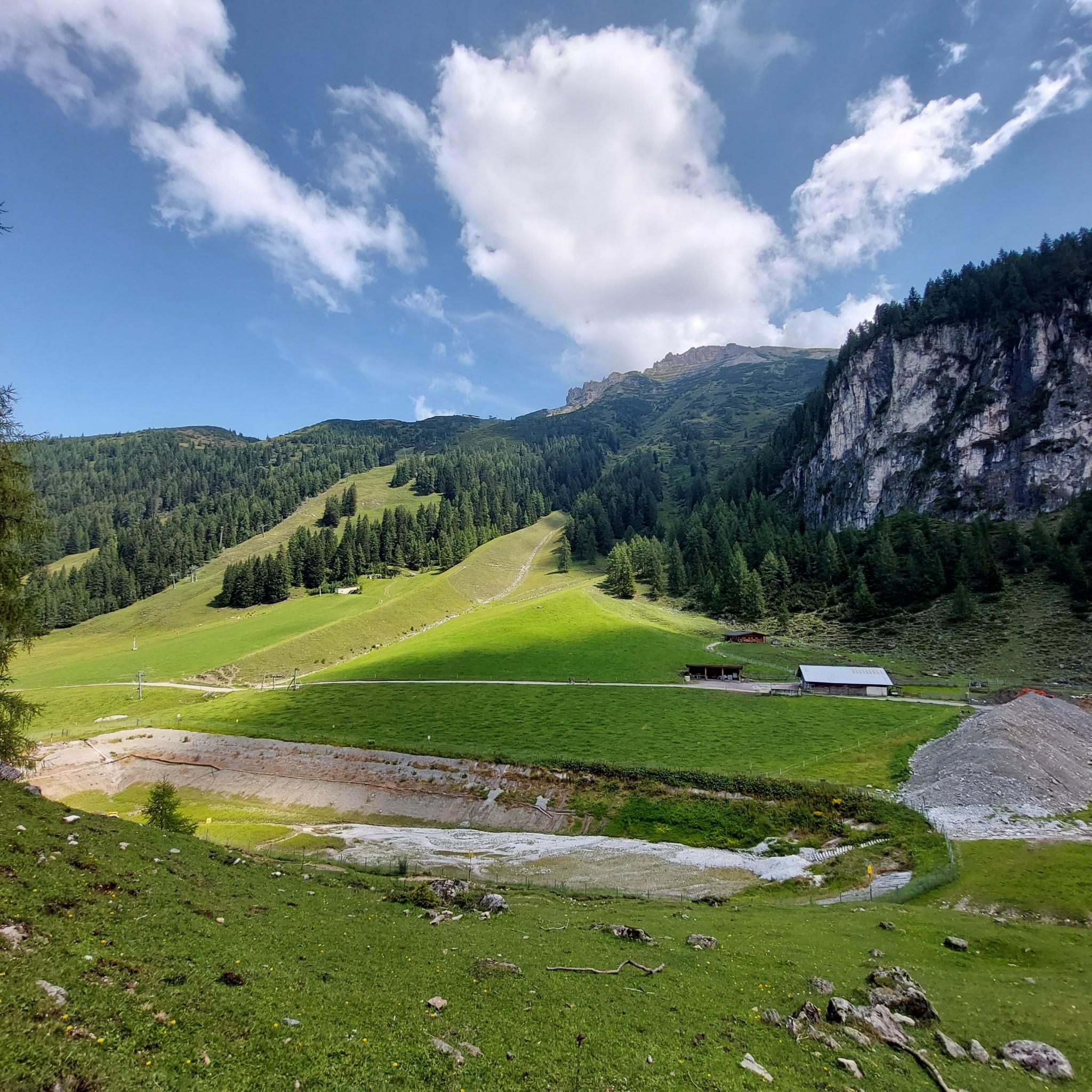
Cycling around Axams
Road Cycling Routes around Axams
MTB Trails around Axams
Running Trails around Axams

Mountain Hikes around Axams
Other adventures around Axams


Tips from the Community

Great hike .. definitely sturdy shoes
0
0

Innsbruck's Hofburg, often referred to as the Tyrolean sister of Vienna's magnificent House of Habsburg, is a fascinating piece of history. The era of Maria Theresa, in particular, left its mark here and should not be ignored by anyone interested. Those familiar with the history of the dynasty can better understand the significance of this place. Admittedly, there are palaces in Austria that exude more glamour. But the Hofburg has its own special charm. The magnificent halls, large-format paintings, and breathtaking frescoes tell stories from times long past and invite you to immerse yourself deeply in history. The private chambers of Empress Elisabeth and Emperor Franz Joseph are particularly fascinating. Although the Empress rarely stayed here, her name still attracts many visitors. And the Hofburg's location is simply impressive – located in the heart of Innsbruck, it blends harmoniously into the cityscape. The exhibition can be explored at a leisurely pace without a guided tour, offering the opportunity to linger in the historic setting and absorb the atmosphere. A visit that brings history to life!
5
1

There's a nice animation on YouTube showing what the castle once looked like: https://youtu.be/uoZ6R732W_Q?si=jnkCu17-k__vppUf
1
0

Weiherburg Castle (formerly Weyerburg, Weierburg) is a late Gothic residence in the Hötting district of Innsbruck, located directly next to the Alpine Zoo. The name refers to a fish pond that existed until 1911.
0
0
The Hofburg in Innsbruck is a residence built and inhabited by the Habsburgs. Members of the imperial family used the castle until the end of the monarchy in 1918.
5
0

From here you have a wonderful view of the Inn Valley.
3
0
Very beautiful old castle ruins with a fantastic view of the Inn Valley.
2
0

Historic castle
0
0
Frequently Asked Questions
What types of historical sites can I find around Axams?
While Axams itself is known for its traditional Tyrolean architecture, the surrounding Tyrol region offers a rich array of historical fortresses and palaces. You can explore grand imperial palaces like Hofburg, Innsbruck (Imperial Palace), picturesque castle ruins such as Fragenstein Castle Ruins, and historical residences like Büchsenhausen Castle.
Are there any castle ruins near Axams that are good for hiking?
Yes, the Fragenstein Castle Ruins are a great option. Perched on a narrow rocky ridge, they offer historical appeal and provide views over the Inn Valley, making the ascent worthwhile. The site is also known to host open-air theater events.
Which castles near Axams are family-friendly?
Both Hofburg, Innsbruck (Imperial Palace) and Fragenstein Castle Ruins are categorized as family-friendly. Ambras Castle, while not a highlight in this guide, is also known for hosting family-friendly programs.
What is the history behind Hofburg, Innsbruck (Imperial Palace)?
Hofburg, Innsbruck (Imperial Palace) was completed in 1500 under Emperor Maximilian I, featuring a late Gothic inner courtyard and the 'Gothic Cellar'. It later underwent significant renovation in the Viennese late Baroque style under Empress Maria Theresa, transforming it into the imperial palace you see today.
Can I visit castles near Axams using public transport?
Many castles, especially those in Innsbruck like the Hofburg and Ambras Castle, are easily accessible by public transport from Axams. For ruins like Fragenstein or Thaur, you might combine public transport with a shorter walk or hike.
Are there any castles near Axams with scenic viewpoints?
The Fragenstein Castle Ruins offer impressive views over Zirl and the Inn Valley from its elevated position. Similarly, the Thaur Castle Ruins, perched above the Inn Valley, also provide scenic vistas.
What outdoor activities can I do near these castles?
The region around Axams is excellent for outdoor activities. You can combine your castle visits with cycling or gravel biking. For example, there are routes like the 'Innsbruck Old Town – Golden Roof (Goldenes Dachl) loop from Axams' for touring bikes or the 'Inn Valley Cycle Path – Axams loop from Axams' for gravel biking. You can find more routes in the Cycling around Axams or Gravel biking around Axams guides.
What is unique about Büchsenhausen Castle?
Büchsenhausen Castle originated from a casting hut in 1503 and was later transformed into a lavish residence in 1539. It was known for its extensive collections, including a large library, valuable paintings, and musical instruments. It even housed Tyrol's first swimming and bathing facility in the 19th century.
What is the best season to visit castles around Axams?
Most castles and ruins are accessible year-round. Spring and autumn offer pleasant temperatures for exploring the outdoor ruins and combining visits with walks. Summer is ideal for enjoying the full range of activities and events, while some indoor palaces like Hofburg are comfortable to visit even in winter.
Are there any castles that were originally built for defensive purposes?
Yes, Fragenstein Castle Ruins were believed to have been built in the early 12th century specifically to secure the road to Seefeld and collect road tolls, highlighting its strategic defensive and economic importance.
What can I expect to see at Weiherburg Castle?
Weiherburg Castle is a late Gothic residence located in the Hötting district of Innsbruck, directly next to the Alpine Zoo. Its name refers to a fish pond that existed until 1911, and it offers a glimpse into historical residential architecture.
Are there any castles that are also religious sites?
Yes, Mentlberg Castle and Mentlberg Chapel includes a pilgrimage church (chapel) alongside the castle. The exterior of both the castle and chapel are well-maintained, offering a blend of historical and religious architecture.
Most popular routes around Axams
Most popular attractions around Axams

Get inspired with the komoot mobile app


Explore more
Looking for the best castles somewhere else? Discover other guides around Axams:
