Top 4 Castles around Bad Hofgastein
Best castles around Bad Hofgastein are found within the Gastein Valley, a region known for its historical structures and alpine landscape. The area features notable historical buildings, including castles that played roles in the region's mining history and early settlement. Bad Hofgastein itself is situated amidst mountains, offering a blend of cultural heritage and natural surroundings. The valley's strategic location contributed to the significance of its historical fortifications.
Best castles around Bad Hofgastein
- The most popular castles is Weitmoser Little Castle, a castle that was constructed in 1554 by a successful mine owner. It features 17th-century frescoes and has been continuously owned by the Scharfetter family since 1752.
- Another must-see spot is Klammstein Castle, a castle and historical site. This is the oldest building in the Gastein Valley, with origins dating back to 1272, and its main tower now houses a museum.
- Visitors also love Czernin Hunting Lodge, a castle built in 1880 and rebuilt after a fire in 1902. It contributes to the architectural ensemble of Böckstein.
- Bad Hofgastein is known for historical castles and hunting lodges. These structures offer insights into the region's past, from medieval fortifications to 19th-century estates.
- The castles around Bad Hofgastein are appreciated by the komoot community, with more than 90 upvotes and over 130 photos shared.
Last updated: May 13, 2026
Weitmoser Little Castle
Highlight • Castle
Translated by Google •
Tip by

Klammstein Castle
Highlight • Castle
gastein.com/service/gastein-von-a-z/detail/infrastruktur/burg-klammstein-dorfgastein
Translated by Google •
Tip by

Sign up now to discover places like this
Get recommendations on the best single tracks, peaks, & plenty of other exciting outdoor places.
Sign up for free
Czernin Hunting Lodge
Highlight • Castle
Translated by Google •
Tip by

View of Lake Goldegg
Highlight • Lake
Translated by Google •
Tip by

Start today with a free account
Your next adventure awaits.
Login or Signup
Popular around Bad Hofgastein
Ruperti Trail – Hike from Austria's Bohemian Forest to the Carnic Alps
Salzburg’s most beautiful sides – 25 stages on the Salzburger Almenweg
Higher, faster, further – ambitious day hikes in the Gastein Valley
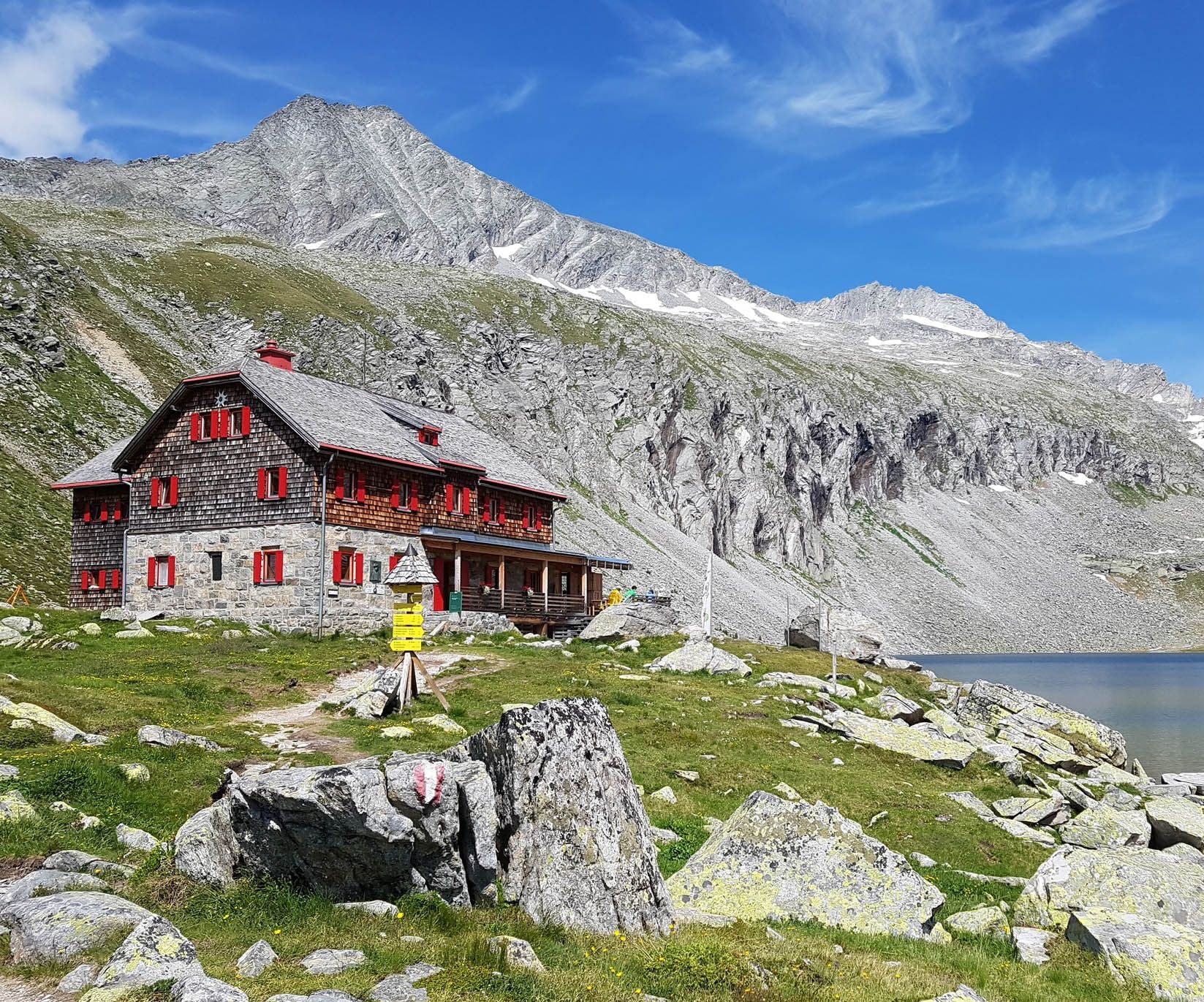
Gastein Trail – mountain hut trail in the province of Salzburg
Take the train directly to snowy landscapes – winter hiking around Gastein
7 dreamy sunrise hikes around Salzburg for early birds
Hiking around Bad Hofgastein
MTB Trails around Bad Hofgastein
Cycling around Bad Hofgastein
Running Trails around Bad Hofgastein
Other adventures around Bad Hofgastein


Tips from the Community

Swimming in the lake is worthwhile - a mud bath always feels good ;)
0
0


Small lake, right in front of Goldegg's door
1
0


A beautiful little castle at the beginning of the Gastein Valley.
2
0

The Czernin hunting lodge was built on the church hill of Böckstein in the municipality of Bad Gastein on behalf of the builder Count Rudolf von Czernin and was completed in 1880. The castle burned down in 1902, but was rebuilt with minor modifications according to the plans of Josef Wessicken by master builder Angelo Comini. To this day it is part of the impressive architectural ensemble of Böckstein, where the Gastein Alpine Road, which leads to the Gastein Healing Tunnel and to Sportgastein, begins and where the Altböckstein Mining Museum is also worth a visit. The castle is privately owned by the Czernin-Kinsky family and cannot be visited.
6
0

Frequently Asked Questions
What are the historical highlights of castles in the Gastein Valley?
The Gastein Valley is home to several historically significant structures. Klammstein Castle, dating back to 1272, is the oldest building in the valley and played a crucial role in early settlement, mining oversight, and law enforcement. Weitmoser Little Castle, built in 1554 by a successful mine owner, features 17th-century frescoes and has been continuously owned by the Scharfetter family since 1752. These castles offer insights into the region's rich past.
Are there family-friendly castles to visit near Bad Hofgastein?
Yes, both Klammstein Castle and Weitmoser Little Castle are considered family-friendly. Klammstein Castle offers guided tours and a museum that can engage children with its historical exhibits, plus a castle tavern with 'knight's meals'. Weitmoser Little Castle operates as a restaurant and cafe, providing a pleasant historical setting for a family meal.
Can I find places to eat or drink at these castles?
Absolutely. Weitmoser Little Castle is now a cafe and restaurant, serving traditional Austrian cuisine with regional ingredients, including organic beef and wild game. It also has a delightful terrace with great views. Klammstein Castle features a castle tavern (Burgschenke) and an open-air restaurant where you can enjoy snacks or traditional 'knight's meals'.
What is the best time of year to visit the castles around Bad Hofgastein?
The Gastein Valley is beautiful year-round. While specific castle opening times may vary by season, the warmer months (spring, summer, and early autumn) are generally ideal for exploring the castle grounds, enjoying outdoor dining, and combining visits with hiking. Some castles, like Klammstein Castle, may have specific opening hours, so it's advisable to check in advance. The historical ambiance can also be appreciated in winter, though outdoor activities might be limited by snow.
Are there any hiking or walking routes that include castle views?
Yes, the region offers various hiking and walking routes that provide views of the castles or pass nearby. For example, Weitmoser Little Castle is situated on the west side of the Gastein valley, visible from afar, making it a scenic point on many walks. You can find numerous hiking routes around Bad Hofgastein, including mountain hikes and general hiking trails, on the Hiking around Bad Hofgastein guide, which can be combined with castle visits.
How long should I plan for a visit to the castles?
For Klammstein Castle, allow 1-2 hours to explore the museum and grounds, especially if you take a guided tour. If you plan to have a meal at its tavern, extend your visit accordingly. For Weitmoser Little Castle, which operates as a restaurant, the duration depends on whether you're just stopping for a quick look or enjoying a full meal. A visit to both, including travel time between them, could easily fill half a day.
Is public transport available to reach the castles around Bad Hofgastein?
Public transport options are available within the Gastein Valley. While direct routes to every castle entrance might not exist, local buses can take you to nearby towns or stops, from where you can often walk to the castles. For Klammstein Castle, its location at the entrance to the Gastein Valley makes it relatively accessible. It's always best to check local bus schedules and routes for the most up-to-date information when planning your trip.
Are the castles around Bad Hofgastein accessible for visitors with limited mobility or wheelchairs?
Accessibility can vary significantly between historical sites. Klammstein Castle, being a medieval fortification, may have uneven terrain, stairs, and narrow passages, which could pose challenges for wheelchair users or those with limited mobility. Weitmoser Little Castle, now a restaurant, might offer better accessibility for its dining areas, but the historical structure itself could still have limitations. It is recommended to contact the specific castle directly for detailed accessibility information before your visit.
Can I bring my dog to the castles or on nearby walks?
While dogs are generally welcome on many outdoor walking and hiking trails in the Gastein Valley, their access to the interior of castles or castle restaurants may be restricted. For example, Weitmoser Little Castle, as a restaurant, might allow dogs on its outdoor terrace but not inside. Klammstein Castle, with its museum, might also have restrictions. It's advisable to check with each location directly regarding their pet policy.
Which castles offer panoramic views?
Weitmoser Little Castle is known for its delightful terrace and offers great views of the surrounding area, situated on the west side of the Gastein valley. Klammstein Castle, strategically located approximately 60 meters above the access road at the valley's entrance, also provides commanding views of the Gastein Valley.
What kind of historical artifacts or exhibits can I see at the castles?
At Klammstein Castle, the main tower houses a museum that delves into the castle's rich history, displaying exhibits related to historical events and local mineral findings. Weitmoser Little Castle, while primarily a restaurant, retains much of its historical interior, including a chapel with frescoes from the early 17th century and the 'Weitmoserstube' room with beautiful paneling and a coffered ceiling, offering a glimpse into its past.
What other historical buildings are in the Gastein region besides traditional castles?
Beyond the traditional castles, the Gastein region also features other notable historical structures. The Czernin Hunting Lodge in Böckstein, near Bad Gastein, is an impressive architectural ensemble. Built in 1880 and rebuilt after a fire in 1902, it contributes to the historical character of the area, though it is privately owned and not open for public visits.
What outdoor activities can I combine with a castle visit in Bad Hofgastein?
The Bad Hofgastein area, with its alpine landscape, offers numerous outdoor activities that can be combined with castle visits. You can explore various hiking trails, including mountain hikes, or enjoy road cycling routes through the Gastein Valley. Many trails offer scenic views, and some may pass close to historical sites like Weitmoser Little Castle or Klammstein Castle, allowing you to blend cultural exploration with active outdoor pursuits.
Most popular routes around Bad Hofgastein
Most popular attractions around Bad Hofgastein

Get inspired with the komoot mobile app


Explore more
Looking for the best castles somewhere else? Discover other guides around Bad Hofgastein:
