Top 13 Caves around Hohenems
Best caves around Hohenems offer a diverse range of natural and historical underground formations in the Rhine Valley. The region features a landscape with various rock structures and historical sites. Visitors can explore natural monuments, limestone caves, and unique cave castles. These sites provide insights into geological processes and historical architecture.
Best caves around Hohenems
- The most popular caves is Kirchle Rock Cathedral, a cave known for its great atmosphere in the limestone formations. This site features a narrow…
Last updated: June 26, 2026
Kirchle Rock Cathedral
Highlight • Cave
Translated by Google •
Tip by

Gorge and waterfalls near Kirchele Cave
Highlight • Gorge
Translated by Google •
Tip by

Sign up now to discover places like this
Get recommendations on the best single tracks, peaks, & plenty of other exciting outdoor places.
Sign up for free
Witeleloch Cave
Highlight • Cave
Translated by Google •
Tip by

Kalkofenhöhle Cave
Highlight • Cave
Translated by Google •
Tip by

Felsenkeller Cave Near Burg Hoch-Altstätten
Highlight • Cave
Translated by Google •
Tip by

Sign up for free to discover even more caves around Hohenems.
Sign up for free
Already have an account?
Start today with a free account
Your next adventure awaits.
Login or Signup
Popular around Hohenems
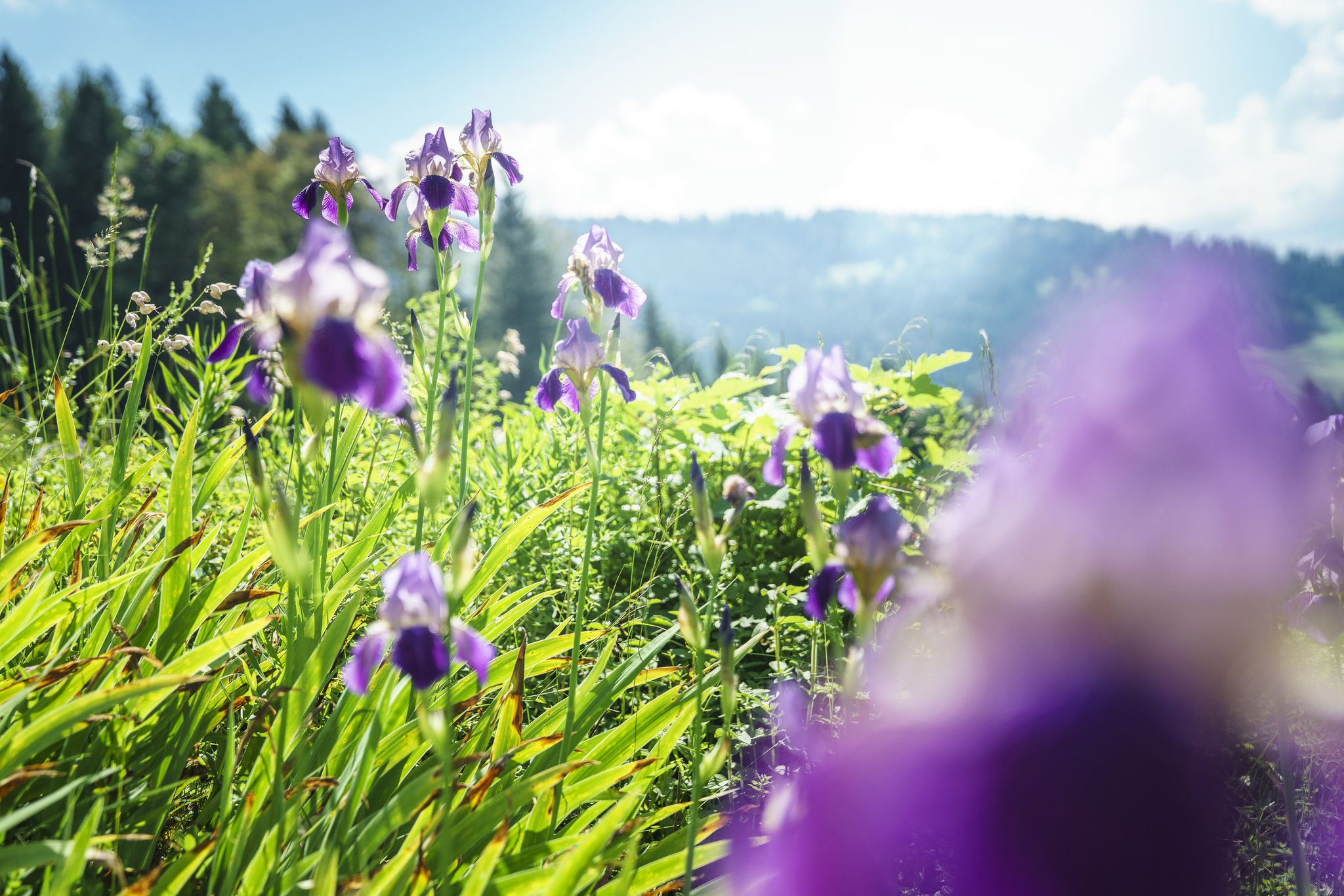
Between moors, meadows and glaciers – discover Vorarlberg's natural beauty

6 exciting regions in Vorarlberg – 6 fantastic bike rides
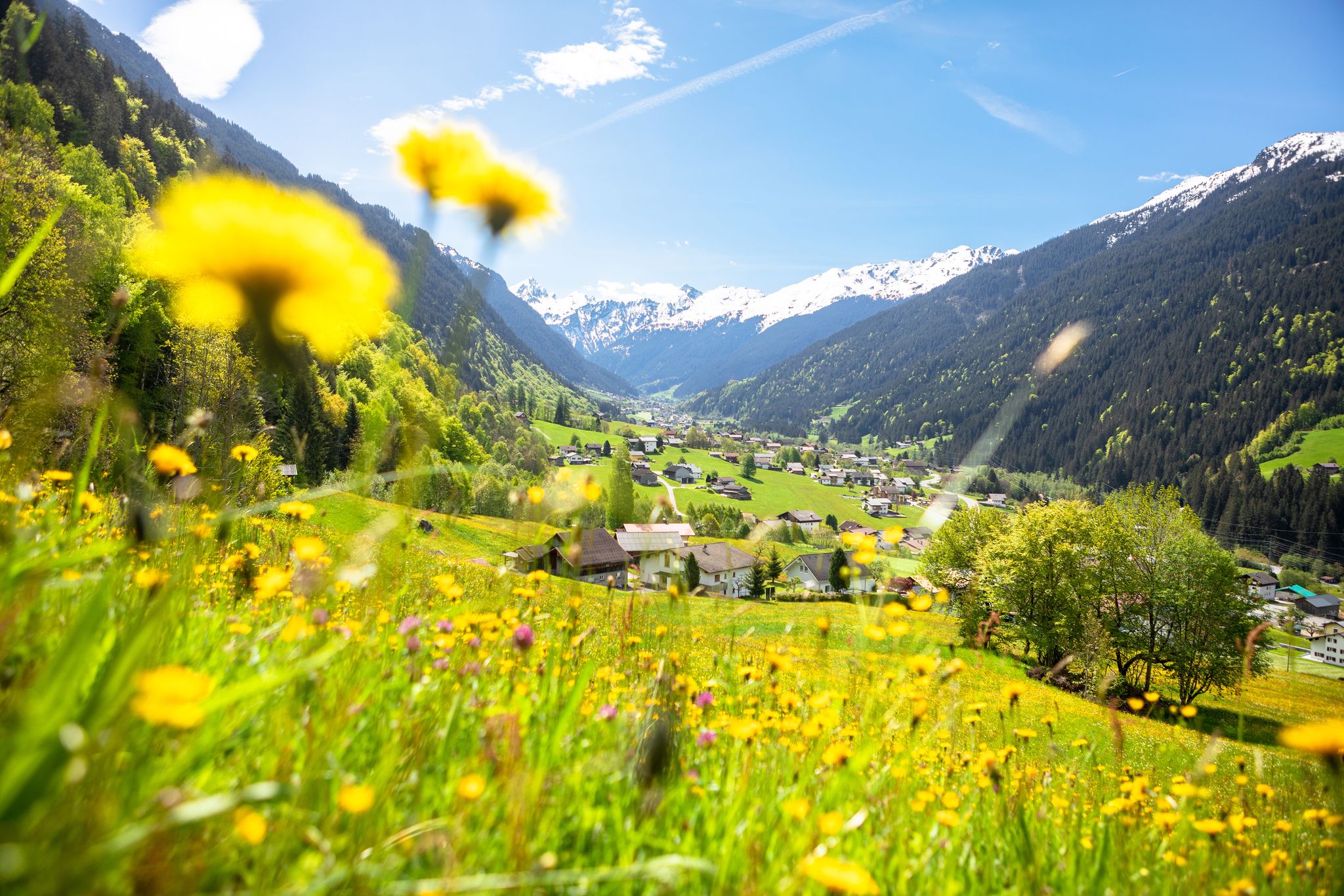
Nature awakens – spring hikes in Vorarlberg
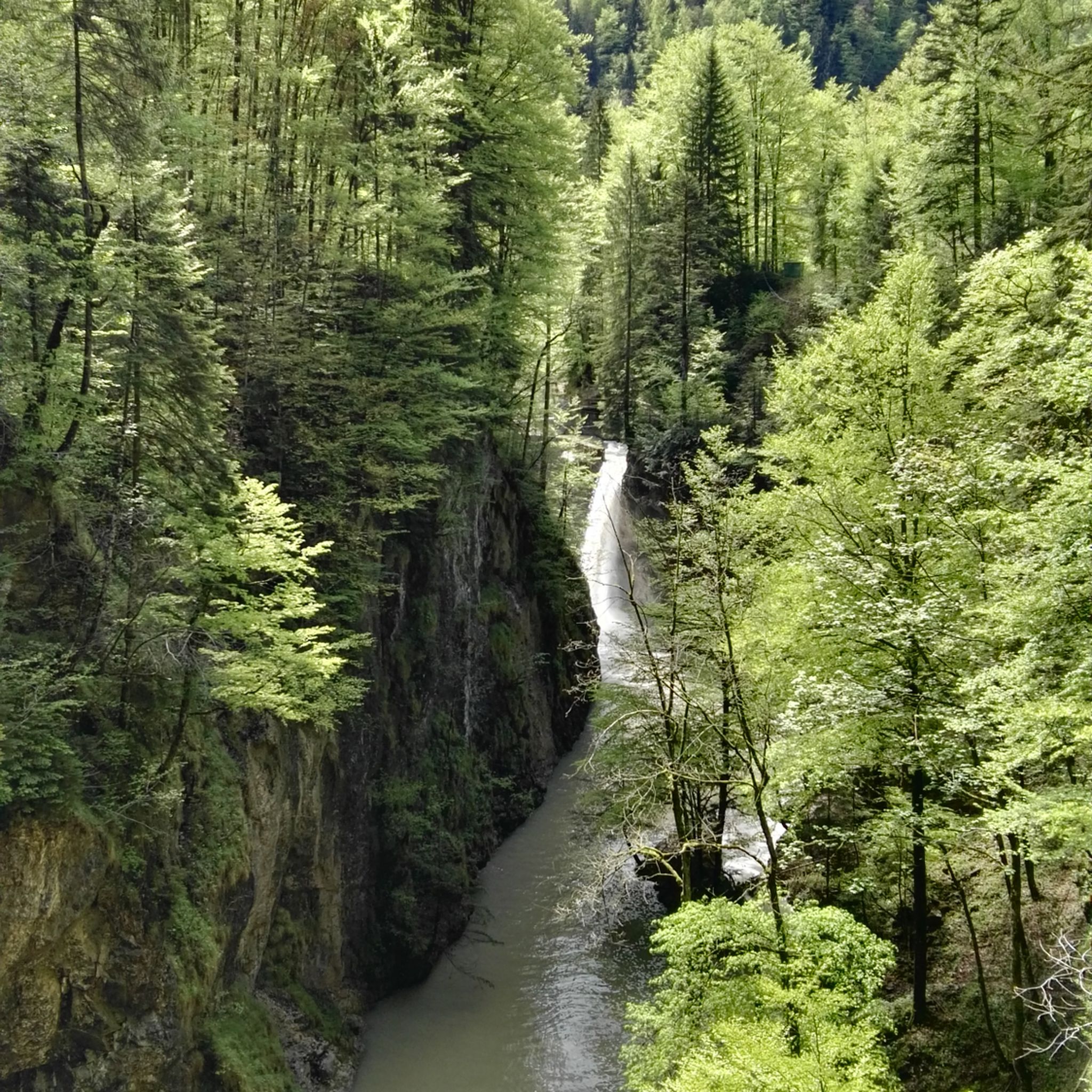
Hiking around Hohenems
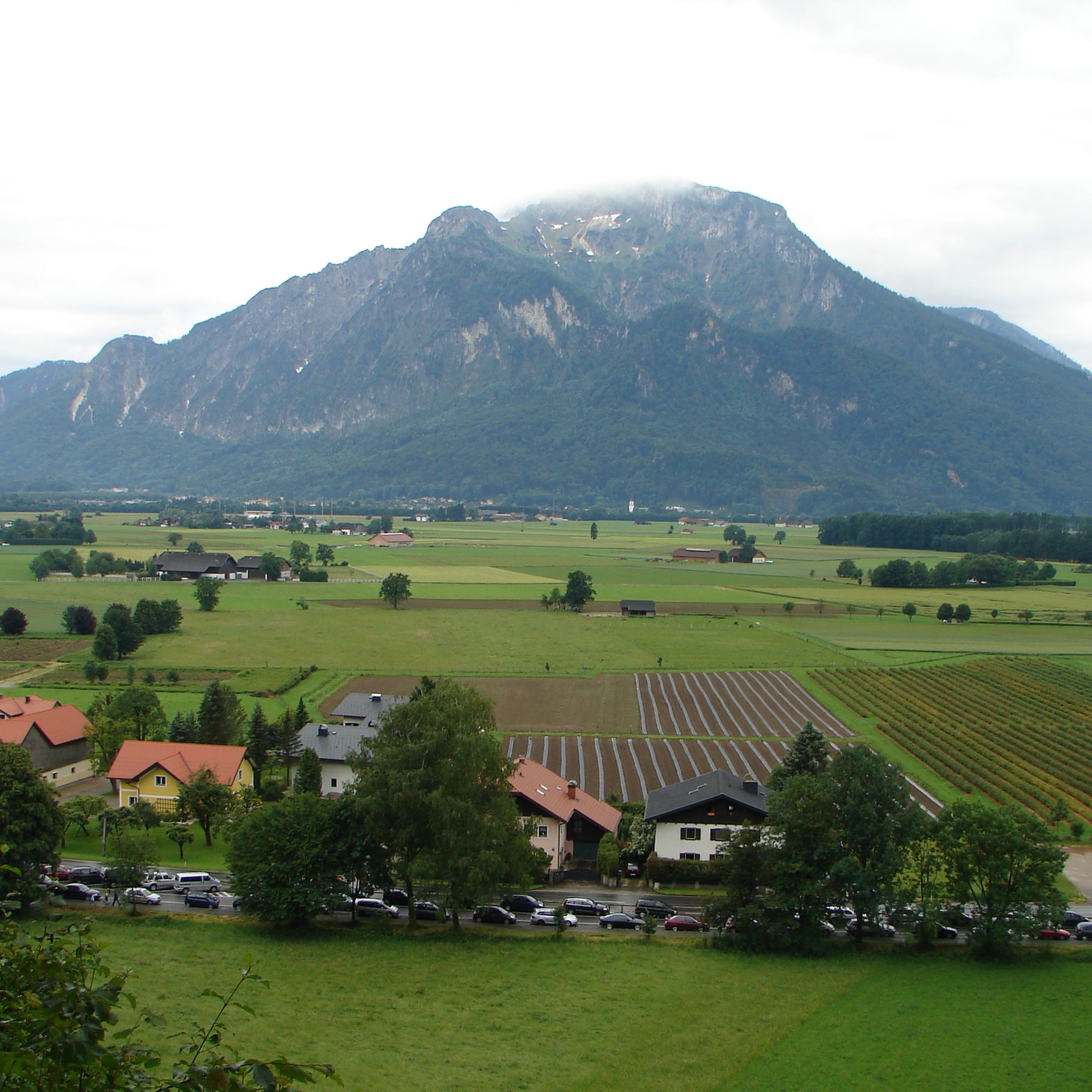
Cycling around Hohenems
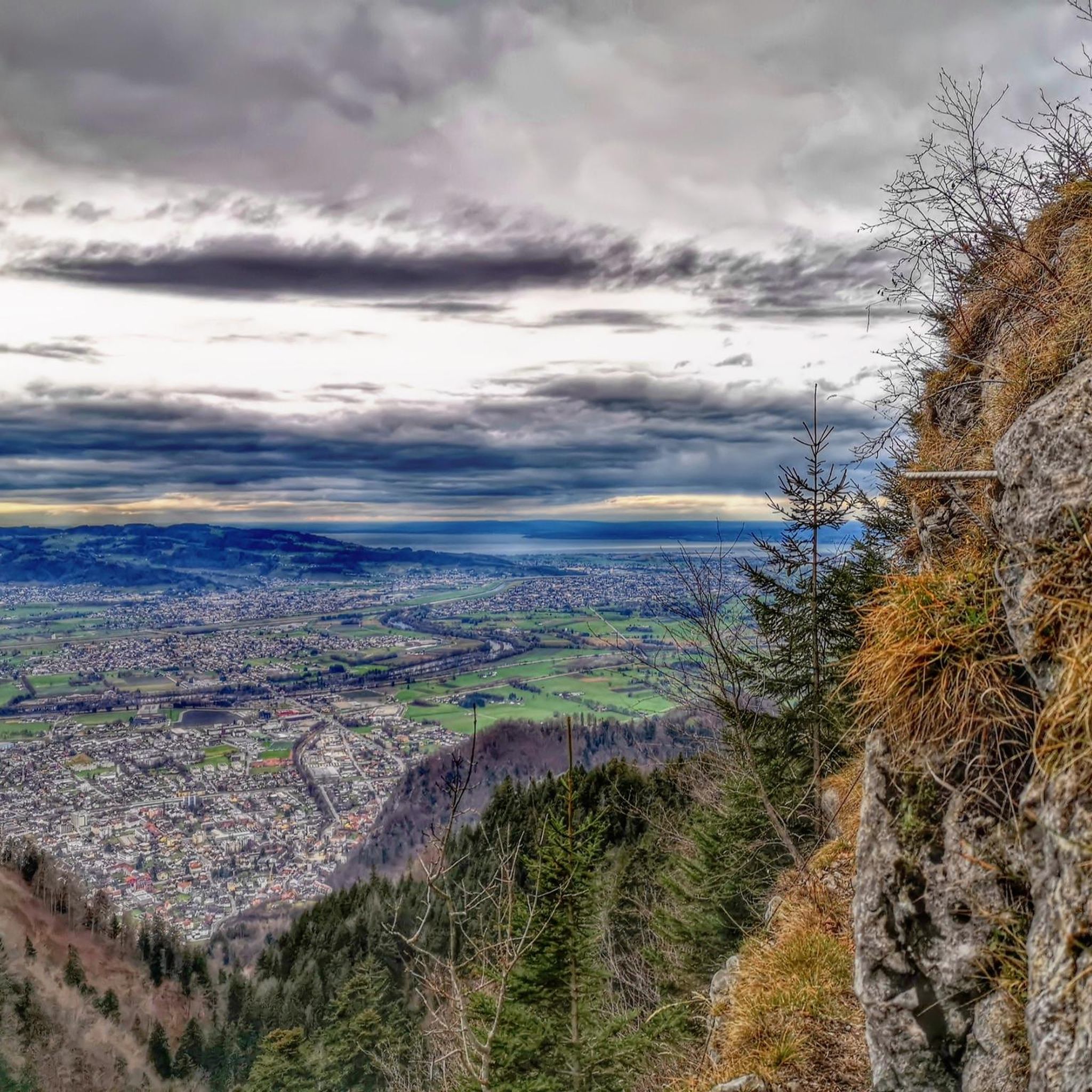
MTB Trails around Hohenems
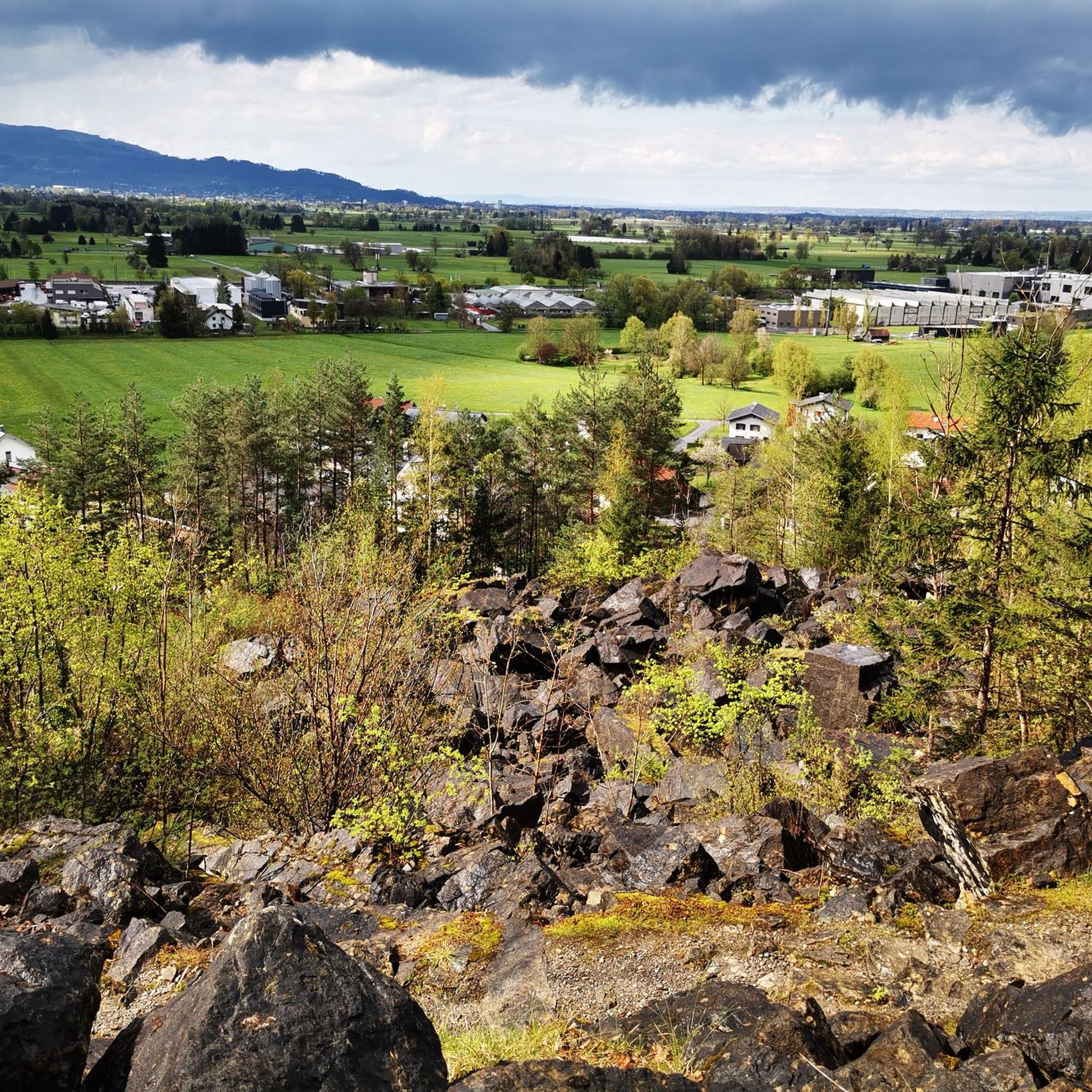
Road Cycling Routes around Hohenems
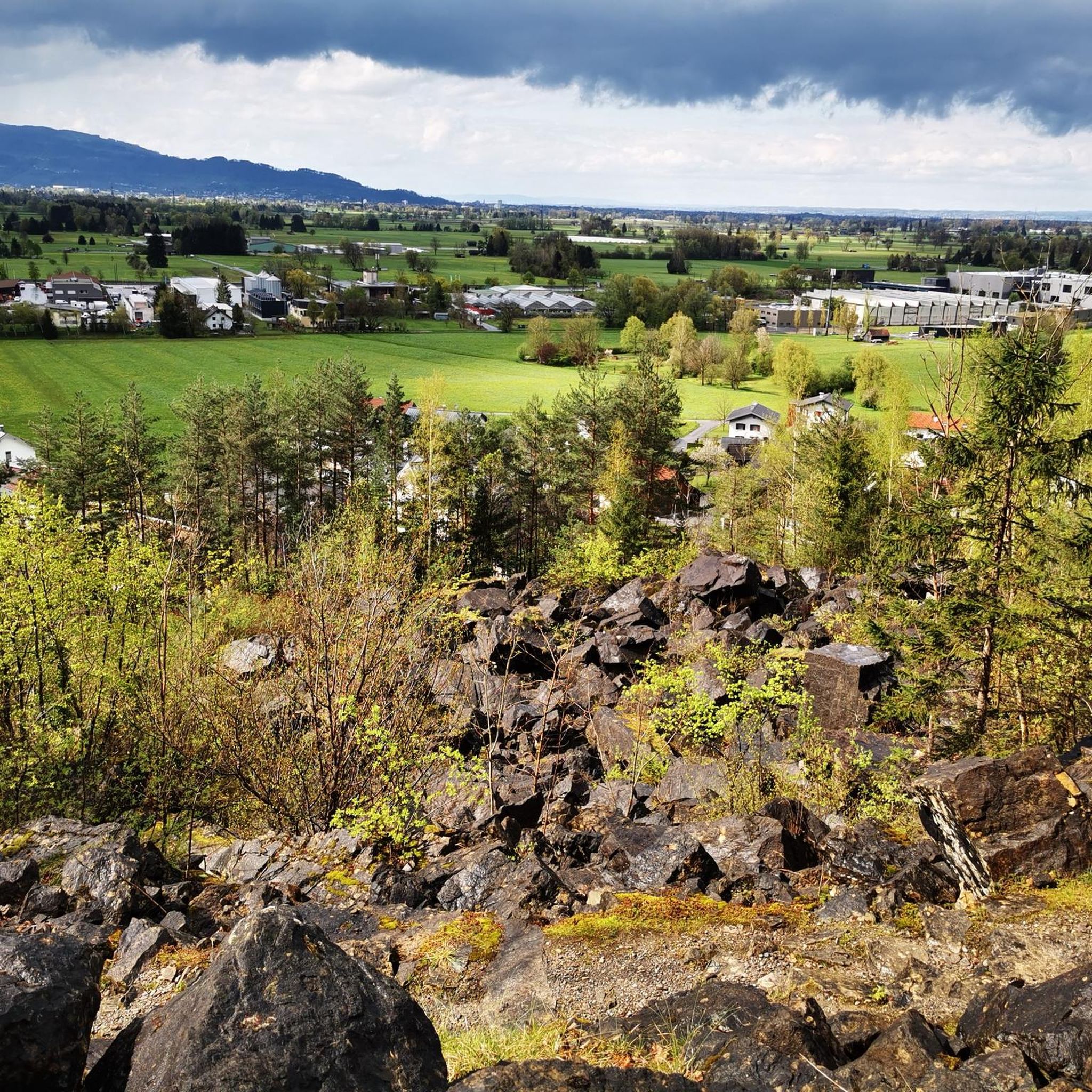
Running Trails around Hohenems

Mountain Hikes around Hohenems
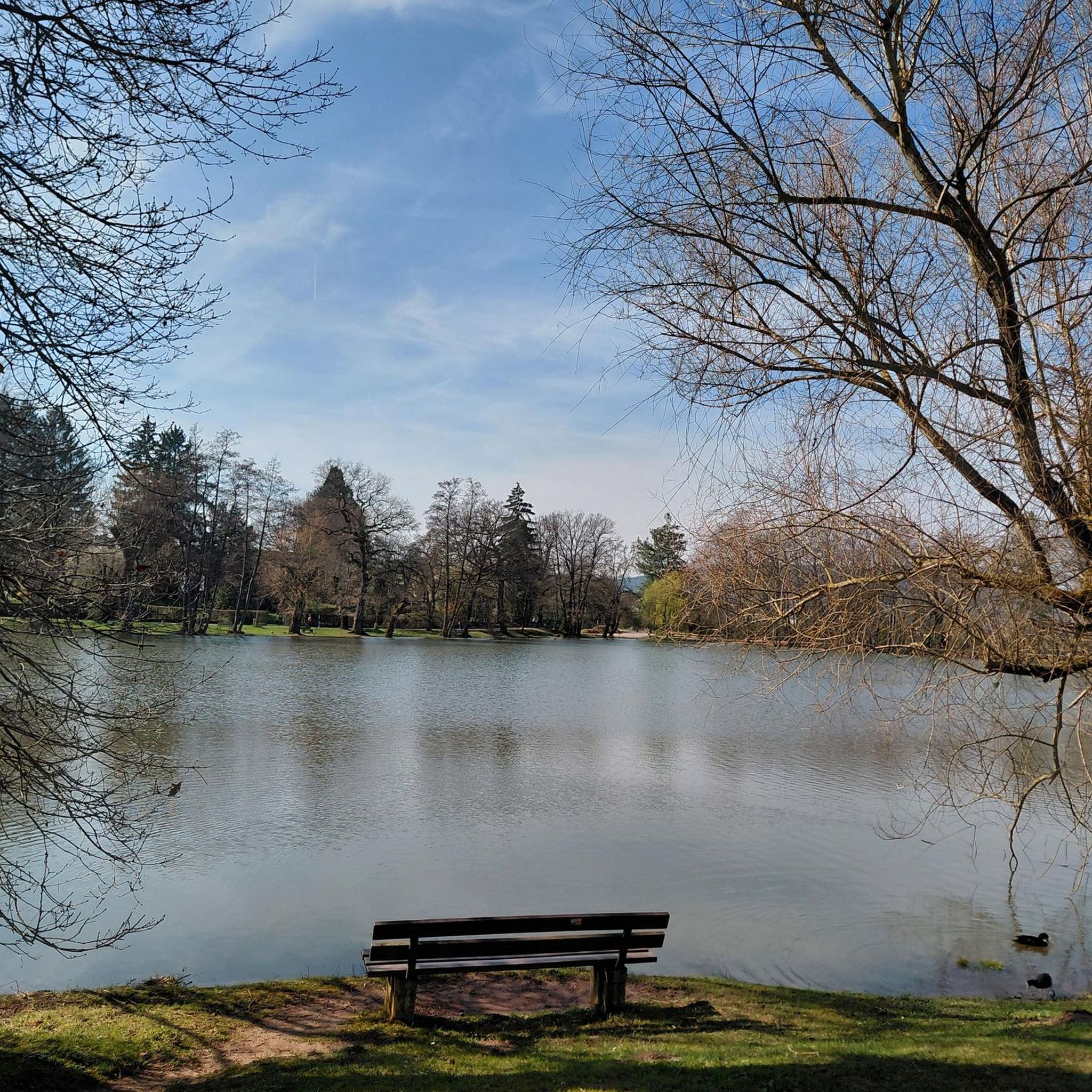
Gravel biking around Hohenems
Other adventures around Hohenems

Tips from the Community

Rock cellar in which a chapel was established. :)
0
0

Hiking trails may be closed from time to time due to landslides, sometimes with lengthy detours.
0
0

In summer a refreshing round with great corners
0
0

At about the highest point and almost halfway through the tour, the Kobelalpe invites you to linger, with a great view! Overall, a very nice tour.
0
0

The Witeleloch was first described in a newspaper article around 1907 by archaeologist and amateur geologist Gero von Merhart, who used the name Elisabethhöhle. In 1922, the cave was described by Josef Blumrich, a teacher from Bregenz. The cave has been designated a geological natural monument since April 1979. Source: https://de.m.wikipedia.org/wiki/Witeleloch
8
0

A beautiful place in the middle of nature
7
0

It's very beautiful here
0
0

Very nice view of this area.
0
0
Frequently Asked Questions
What makes the caves around Hohenems unique?
The Hohenems region offers a diverse range of caves, from natural limestone formations to historical cave castles. You can explore geological natural monuments like the Kalkofenhöhle Cave, which formed from the original Lake Constance, or the unique Wichenstein Cave Castle Ruin, one of Switzerland's few cave castles with a rich history and folklore.
Which caves are suitable for families with children?
While many caves require sure-footedness, the general area around caves like Kirchle Rock Cathedral, especially when combined with a hike through the Alploch Gorge, can be enjoyable for families. For the Wichenstein Cave Castle Ruin, the ascent involves a relatively steep forest path, but the ruins themselves offer an engaging historical experience. Always ensure children are supervised, and wear sturdy footwear.
Are there any historical cave sites to explore?
Yes, the Wichenstein Cave Castle Ruin is a significant historical site. Dating back to at least 1270, this former four-story castle features a 15-meter-deep cave enclosed by a shield wall. It offers a fascinating glimpse into medieval cave architecture and provides views over the Rhine Valley. Local folklore also adds to its historical charm.
What kind of geological formations can I expect to see?
The caves in the Hohenems region showcase various geological features. The Kirchle Rock Cathedral is known for its impressive limestone formations and unique acoustics. The Kalkofenhöhle Cave, a natural monument, was formed by water from the original Lake Constance and, despite past damage, is slowly reforming small stalactites and sintered tubes. The Witeleloch Cave is also recognized as a geological natural monument.
What is the best time of year to visit the caves?
The best time to visit the caves around Hohenems is generally during the warmer months, from spring to autumn. During spring, some paths might be exposed to falling rocks, especially near sites like the Wichenstein Cave Castle Ruin. Winter visits might be challenging due to snow, ice, or colder, wetter conditions, making some trails more difficult or even inaccessible.
Are there hiking opportunities near the caves?
Absolutely. Many caves are integrated into hiking routes. For instance, the Kirchle Rock Cathedral is often visited as part of a hike after exploring the Alploch Gorge. The path to Witeleloch Cave, known as the Kapfweg, is an impressive route along an overhanging rock face. You can find more hiking trails in the region, including challenging mountain hikes, by exploring Mountain Hikes around Hohenems.
What should I wear or bring when visiting the caves?
Sturdy footwear is highly recommended for most cave visits, especially for ascents to sites like the Wichenstein Cave Castle Ruin or for exploring the exposed paths near Witeleloch Cave. For exploring deeper parts of karst caves like Witeleloch, artificial lighting and good caving equipment are essential. Even for accessible caves, a headlamp or flashlight can enhance the experience.
Is it possible to visit caves that require more experience?
Yes, some caves cater to more experienced explorers. The Witeleloch Cave, for example, has inner parts that require artificial lighting and proper caving equipment. The path leading to it, the Kapfweg, is marked as an alpine path requiring sure-footedness and a head for heights. Other less documented caves in the region, such as Schlatthöhle, are described as narrow and uncomfortable, suggesting they are more suited for experienced visitors.
Are there any caves that offer a unique 'pass-through' experience?
Yes, the Luchsfallenhöhle is mentioned as a 'beautiful pass-through cave' in the region. While detailed information about its specific features is less documented, it suggests an opportunity for a unique exploration where you can enter one side and exit another.
How accessible are the caves by public transport or car, and is parking available?
Accessibility varies by cave. The Witeleloch Cave is freely and relatively easily accessible from Meschach via the Schreckweg/Kapfweg. For other caves, it's advisable to check specific access points and parking availability beforehand. Generally, the region is well-connected, but some cave entrances may require a hike from the nearest road or public transport stop.
Can I bring my dog to the caves or nearby trails?
While specific regulations for each cave regarding dogs are not always explicitly stated, many outdoor trails in the Hohenems region are dog-friendly. When visiting natural areas and trails leading to caves, it's generally recommended to keep dogs on a leash and ensure they are well-behaved, especially in nature reserves or near historical sites like the Wichenstein Cave Castle Ruin. Always clean up after your pet.
What other outdoor activities are available near the Hohenems caves?
Beyond cave exploration, the Hohenems region offers a variety of outdoor activities. You can find numerous options for Mountain Hikes, Running Trails, and Road Cycling Routes. These guides provide detailed information on routes ranging from easy to difficult, allowing you to combine your cave visit with other adventures in the beautiful Rhine Valley landscape.
What do visitors particularly enjoy about the caves in this region?
Visitors frequently praise the unique atmosphere and natural beauty of the caves. The 'great atmosphere' of the Kirchle Rock Cathedral and the impressive rock formations are often highlighted. The historical significance and walkable ruins of the Wichenstein Cave Castle Ruin are also highly appreciated. The komoot community has shared over 760 photos and given more than 540 upvotes, reflecting the region's appeal.
What is the Kalkofenhöhle Cave known for?
The Kalkofenhöhle Cave is a natural monument known for its geological origins. It was formed approximately 10,000 years ago by water from the original Lake Constance and later covered by Rhine gravel. While its original stalactites were unfortunately destroyed, new, small formations have begun to reappear. It's a testament to the region's ancient geological processes and can be visited, though finding it might require some navigation.
Most popular routes around Hohenems
Most popular attractions around Hohenems

Get inspired with the komoot mobile app


Explore more
Extend your search for the best caves by checking out these guides of the top ones around Hohenems:
