Top 20 Caves around Traben Trarbach
Best caves around Traben Trarbach include a network of historic wine cellars, forming the "Traben-Trarbach Underworld," which are man-made subterranean passages. This region is historically significant as a major European wine trading hub, leading to the expansion of these vaults in the 19th century. Visitors can explore these unique underground structures, offering insight into the area's rich viticultural history. The landscape also features former slate mining operations and other man-made underground sites.
Best caves around Traben Trarbach
- The most popular caves is Altlay Slate Mine and Hitzelbach Stream, a cave that showcases the long tradition of slate mining in Altlay. This site highlights the manual work involved in extracting roofing slate and the historical significance of mining in the region.
- Another must-see spot is The Altlayer "Schießkeller", a historical site and cave. This tunnel, originally intended as an air raid shelter during World War II, later served as a storage facility for explosives.
- Visitors also love Climbing section near Collisturm, a climb and cave. This section requires surefootedness and sturdy shoes, offering a challenging experience near the Collisturm.
- Traben-Trarbach is known for man-made subterranean passages, historical mining sites, and former shelters. These include slate mines, tunnels, and wine cellars, providing a variety of underground experiences to explore.
- The caves around Traben Trarbach are appreciated by the komoot community, with over 100 upvotes and more than 120 photos shared by users.
Last updated: June 26, 2026
Altlay Slate Mine and Hitzelbach Stream
Highlight • Cave
Mining has a long tradition in Altlay. In addition to agriculture, it served as a second pillar for earning a living. In addition to the mining of ores such as lead, copper and zinc, mainly slate was mined mainly for the extraction of roofing slate. In most cases this was done in small working groups of two or three families who leased the mining rights for certain areas from the municipality. The work was very arduous because of the modern equipment; as they are used today, were not available. It was entirely manual work, from driving the tunnels into the mountain to mining the slate blocks. The slate blocks were transported out of the tunnels on a narrow rock railway track with carts to be processed into roofing slate in the Spalthütte. In addition to the family businesses, there was a large amount of slate quarrying in the Hahn community. This was operated by the Rathscheck company from Mayen. This mine was shut down around 1952. There is now slate quarrying again in Altlay. The Theis-Böger company from Bundenbach extracts roofing slate from underground mining in the Giaselrech district. Contrary to the manual work in previous years, almost everything is done with modern machines. Source: Text information board
Translated by Google •
Tip by

The Altlayer "Schießkeller"
Highlight • Historical Site
Shortly before the end of World War II, work began on driving a tunnel into the mountain at this point. It was supposed to serve the inhabitants of Altlay as a kind of air raid shelter in the event of possible air raids. Because the war ended quickly, it was no longer completed. In 1958, the Reinhard Weber company rebuilt the tunnel so that explosives could be stored in it. At that time, the Weber company was busy building forest paths, which often required blasting due to the rocky material. As you can see on the inscription on the second door, quite a large amount of explosive material could be stored in the tunnel. Up until the mid-1970s, the Weber company was still storing explosives here. After that the tunnel, also known as the “shooting cellar” in Altlayer parlance, was not used for a long time. It was not until 1985 that the Udo and Hermann Fuchs brothers from Altlay stored material for blasting again in the tunnel. At that time, the Fuchs brothers put the Mosella Il slate quarry back into operation in the Hahn district after a period of rest for 35 years. Unfortunately, the productivity was only low, so that on May 30th, 1990 operations were stopped again. Since then, no more explosive material has been stored in the Altlayer shooting cellar. Source: Text information board
Translated by Google •
Tip by
Sign up now to discover places like this
Get recommendations on the best single tracks, peaks, & plenty of other exciting outdoor places.
Sign up for free
Slate mining
Highlight • Historical Site
Mining has a long tradition in Altlay. In addition to agriculture, it served as a second pillar for earning a living. In addition to the mining of ores such as lead, copper and zinc, mainly slate was mined mainly for the extraction of roofing slate. In most cases this was done in small working groups of two or three families who leased the mining rights for certain areas from the municipality. The work was very arduous because of the modern equipment; as they are used today, were not available. It was entirely manual work, from driving the tunnels into the mountain to mining the slate blocks. The slate blocks were transported out of the tunnels on a narrow rock railway track with carts to be processed into roofing slate in the Spalthütte. In addition to the family businesses, there was a large amount of slate quarrying in the Hahn community. This was operated by the Rathscheck company from Mayen. This mine was shut down around 1952. There is now slate quarrying again in Altlay. The Theis-Böger company from Bundenbach extracts roofing slate from underground mining in the Giaselrech district. Contrary to the manual work in previous years, almost everything is done with modern machines. Source: Text information board
Translated by Google •
Tip by
Vaulted Cellars of Mont Royal Fortress
Highlight • Historical Site
Translated by Google •
Tip by

Climbing section near Collisturm
Highlight • Climb
Starting point: Zeller Black Cat Fountain.
Translated by Google •
Tip by

Sign up for free to discover even more caves around Traben Trarbach.
Sign up for free
Already have an account?
Start today with a free account
Your next adventure awaits.
Login or Signup
Popular around Traben-Trarbach
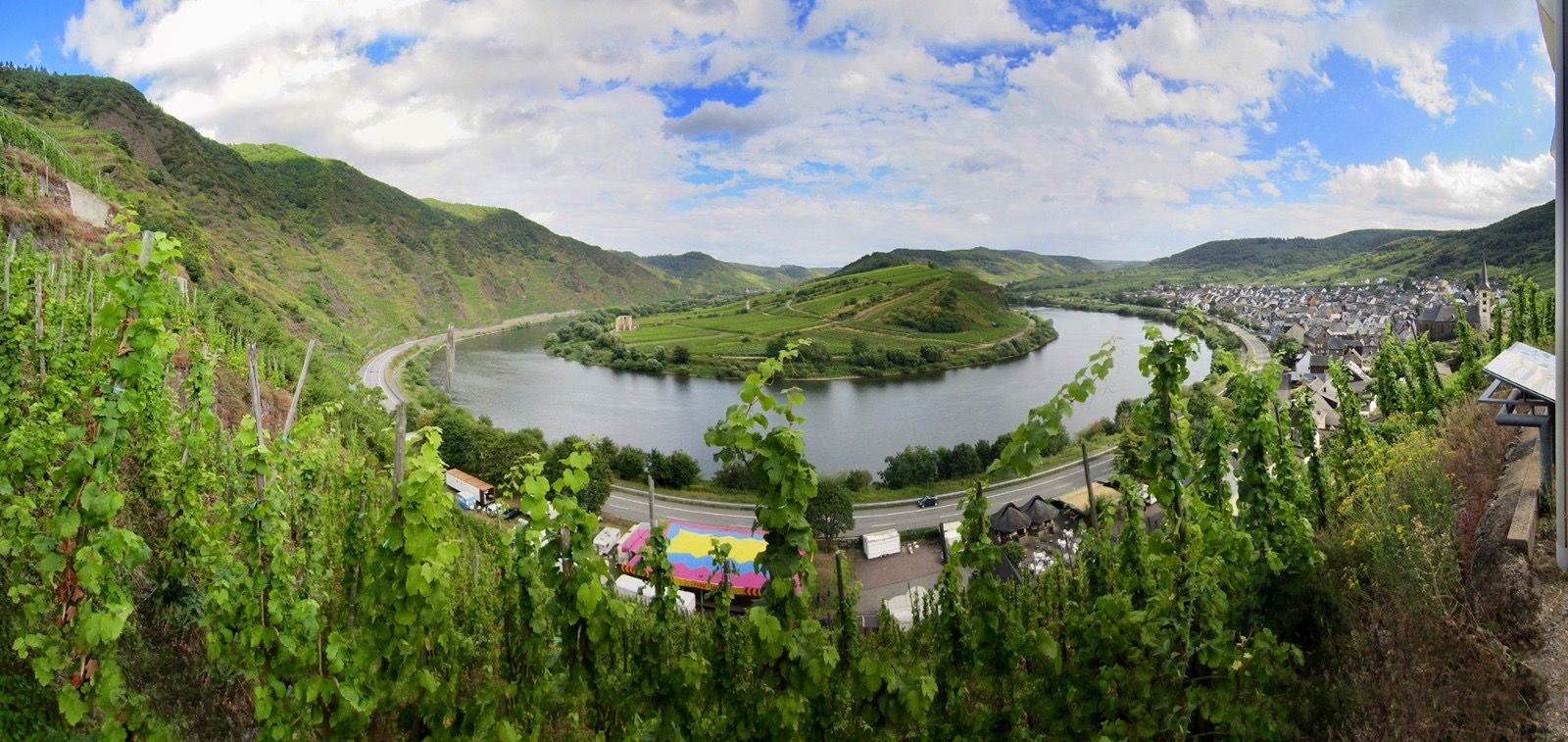
The Moselle cycle path — from the Vosges to the Rhine in 18 stages
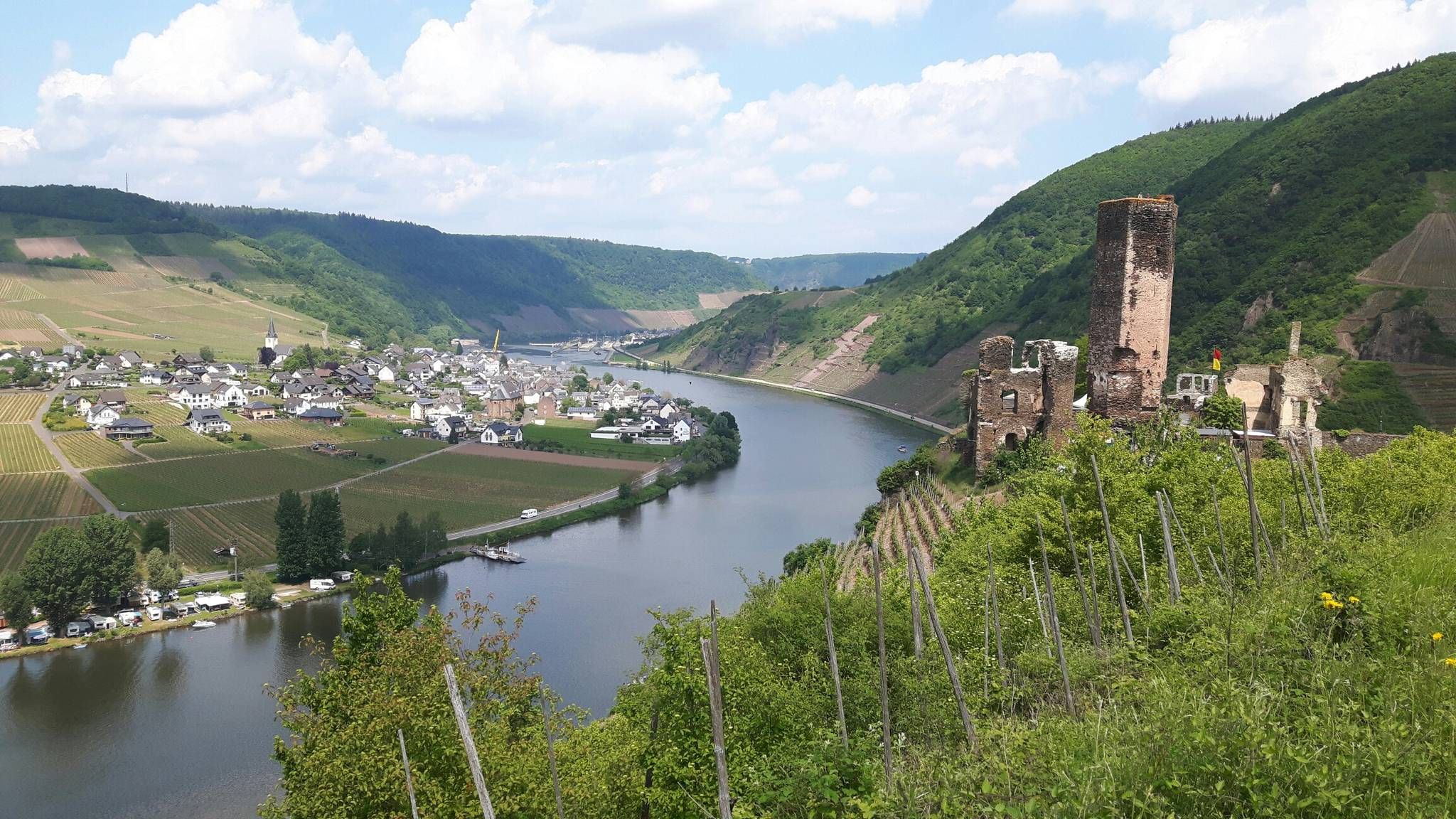
The Moselsteig trail – 24 stages along the sunny Moselle Valley
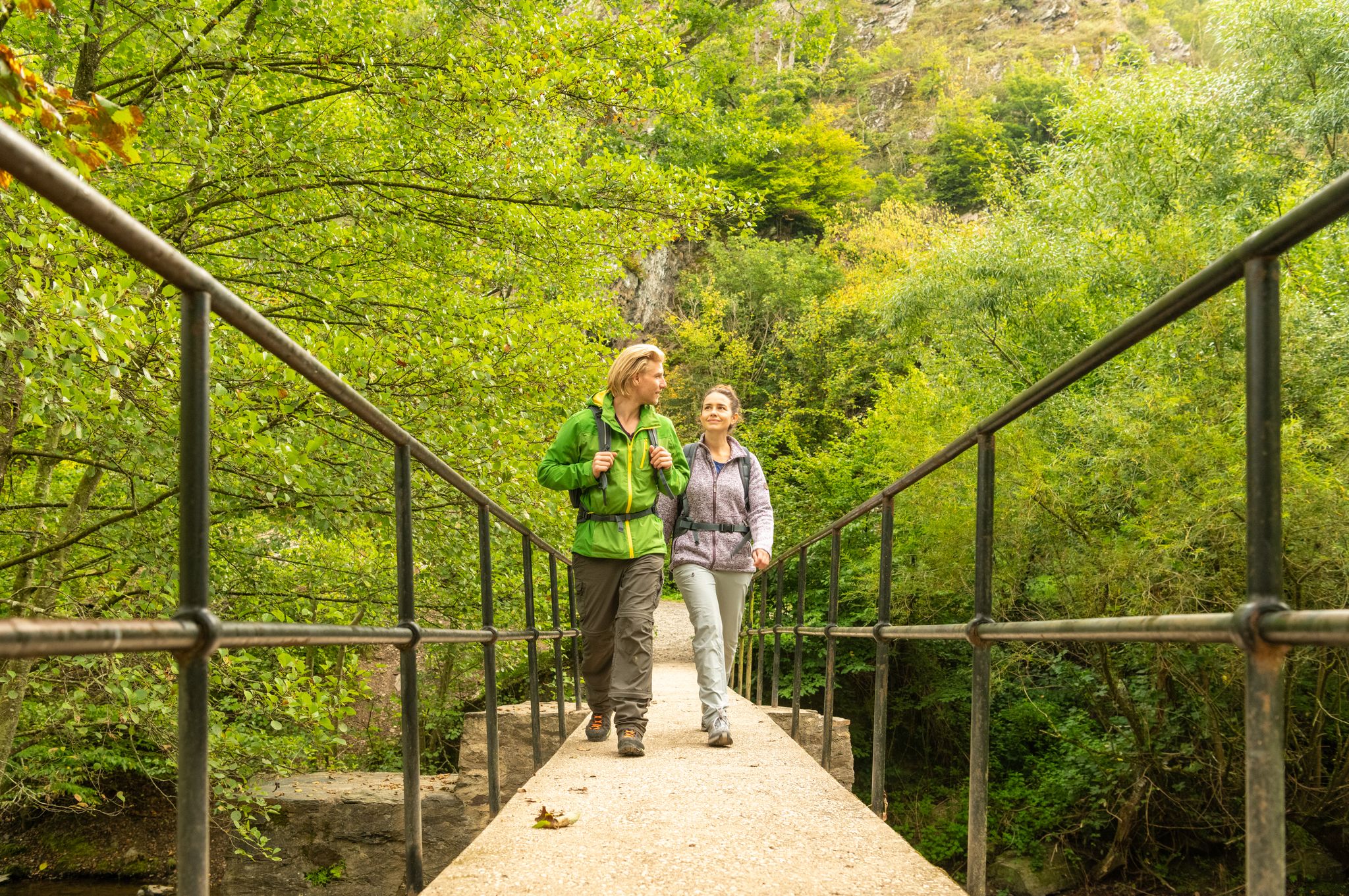
Moselsteig Partner Trails – nature, culture and views
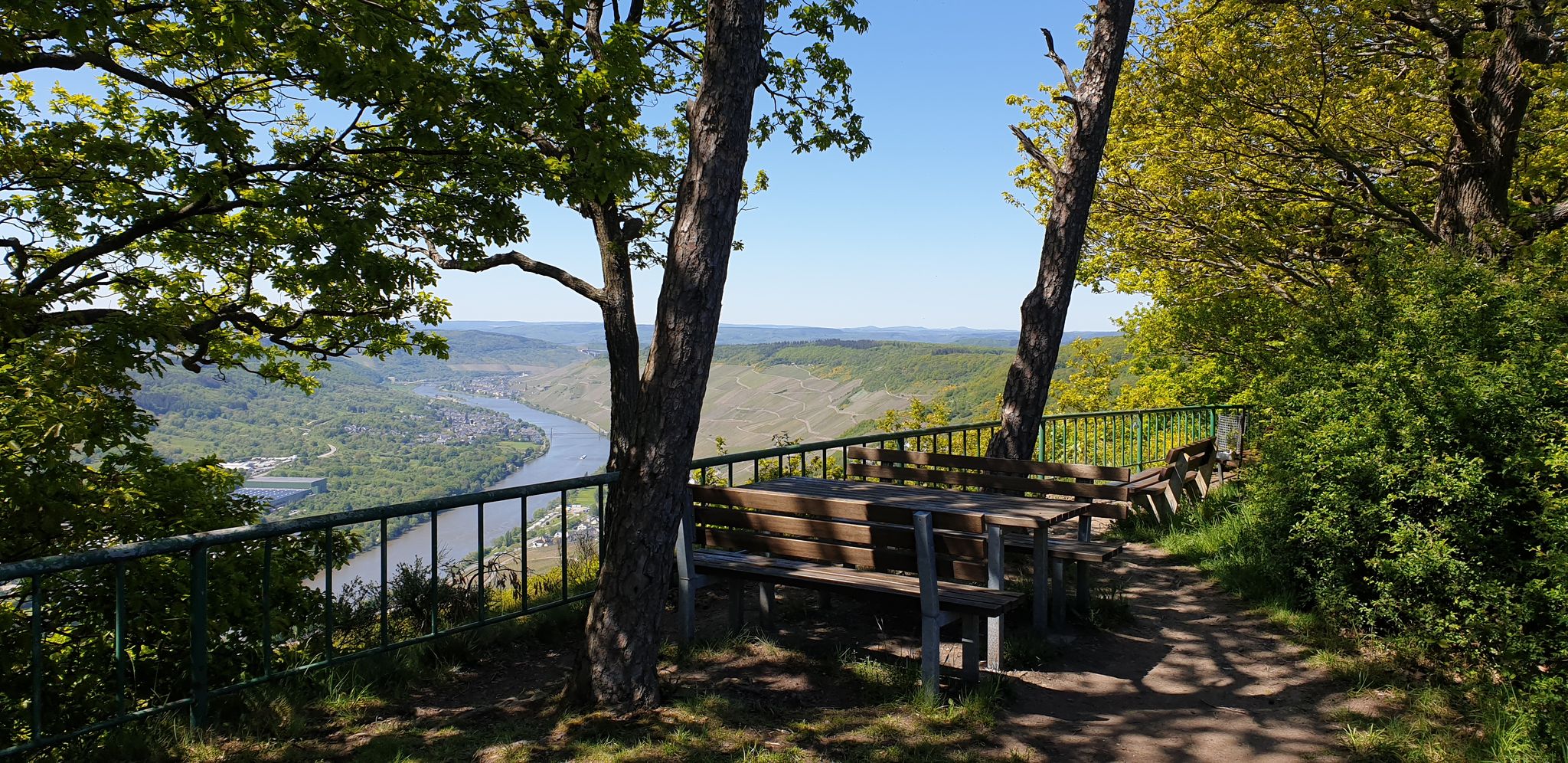
Shady forests and cooling streams – summer on the Moselle
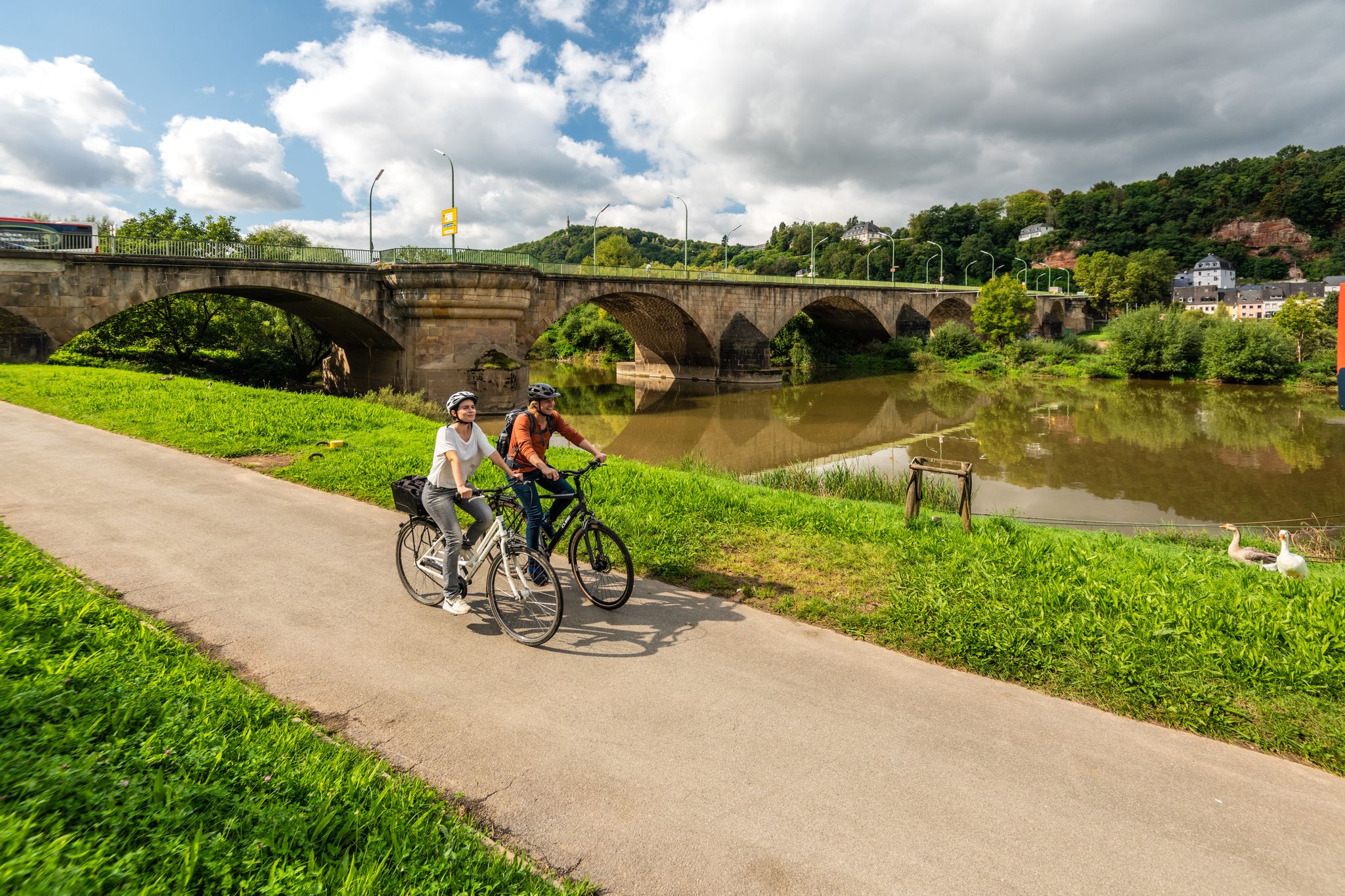
Mosel Cycle Path – in 10 stages from Perl to Koblenz
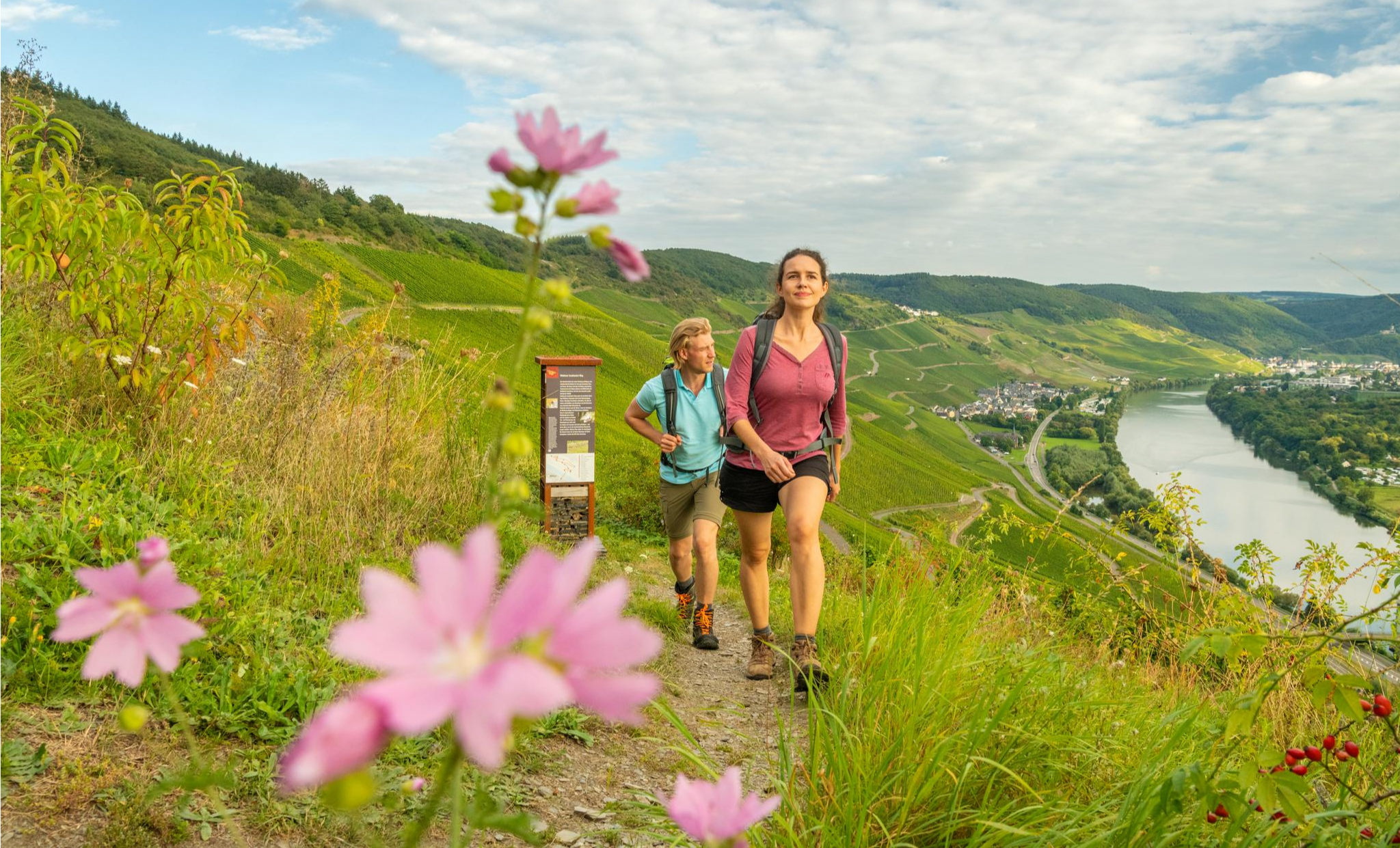
Moselsteig – 24 varied stages from Perl to Koblenz
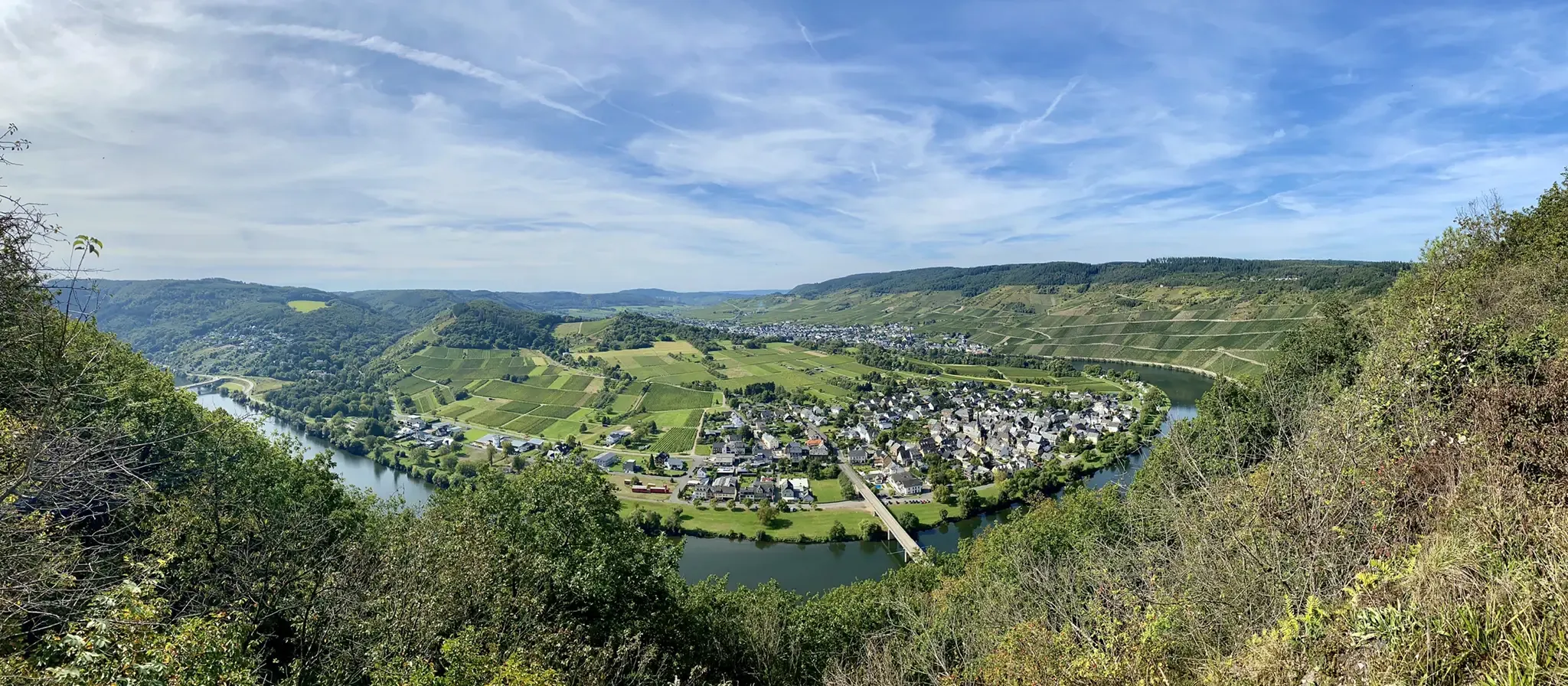
Spring hiking in the Moselle region of Traben-Trarbach Kröv
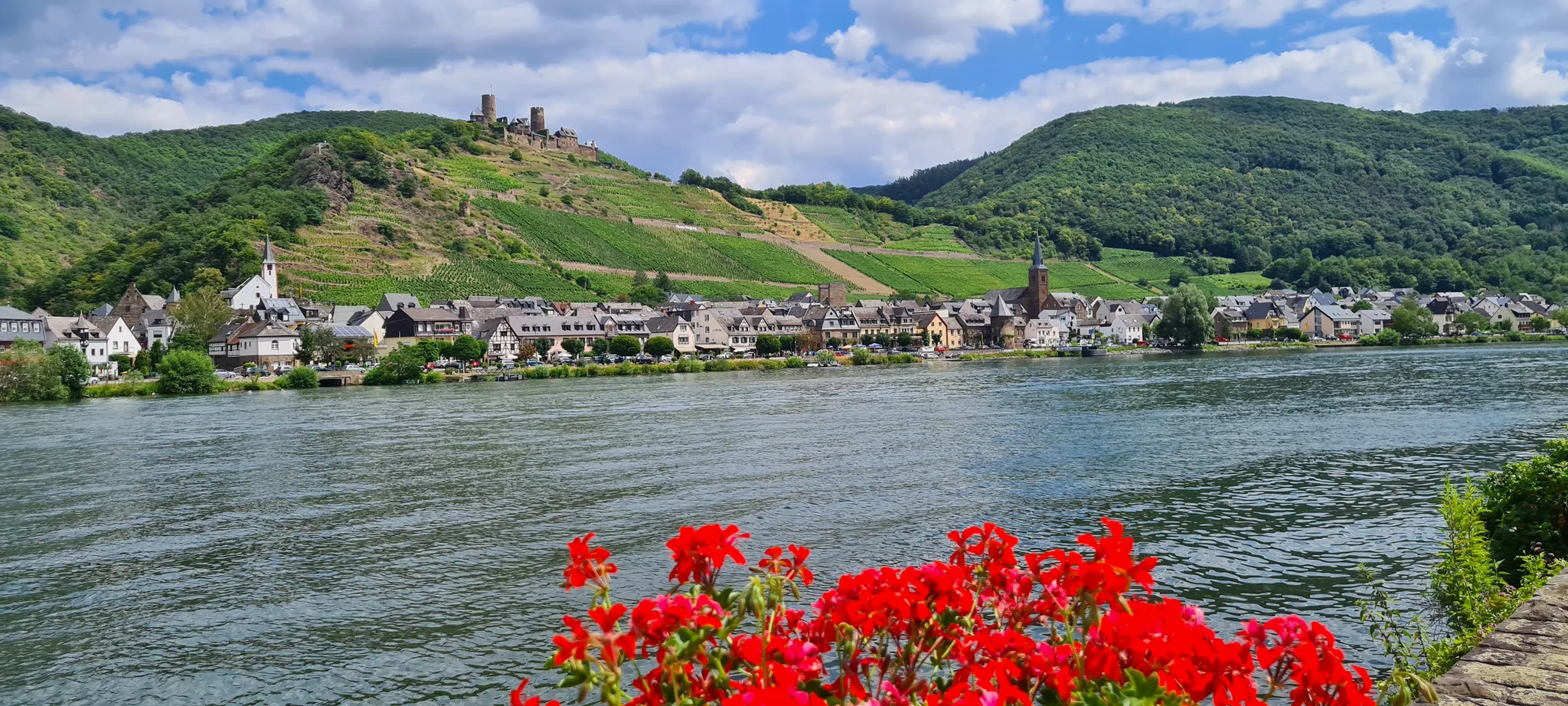
D-Route 5: Saar-Moselle-Main
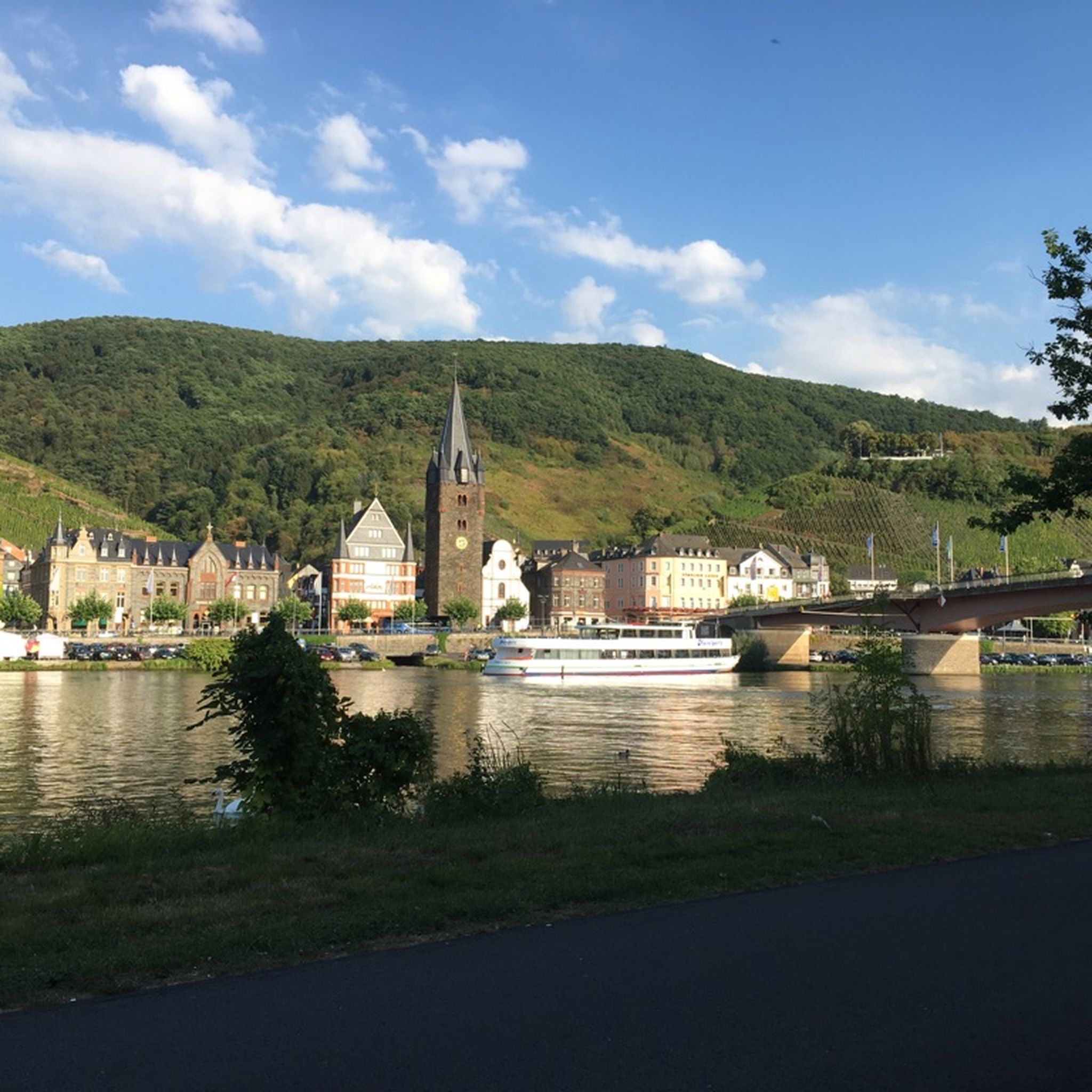
Hiking around Traben Trarbach
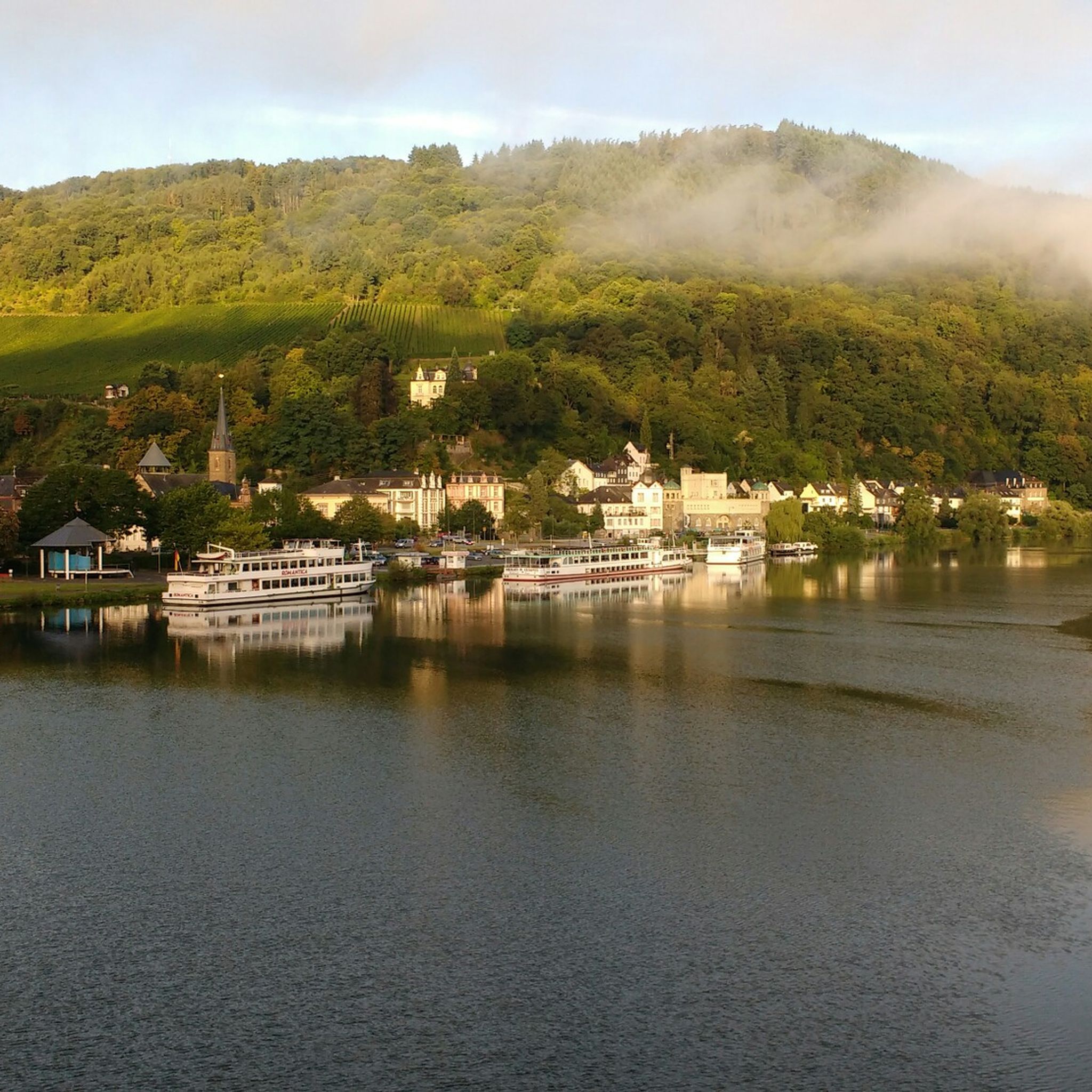
Cycling around Traben Trarbach
Other adventures around Traben Trarbach


Tips from the Community

The ruins of Mont Royal fortress lie above Traben-Trarbach on a bend in the Moselle River and were built at the end of the 17th century by order of the French Sun King, Louis XIV. The complex covered an area of 50 hectares and offered space for up to 12,000 soldiers and 3,000 horses. It was intended to serve as a supply base for the French Rhine Army and to control the central Rhineland. Only eleven years after construction began, following the Peace of Rijswijk in 1697, the French destroyed the fortress themselves in 1698 to avoid surrendering it to their opponents. Today, only a few remains of the once mighty fortress are visible. These include sections of the walls, casemates, cellar vaults, and defensive ditches. A large part of the ruins is overgrown by forest.
1
0

View of Zell from the Collis Tower
0
0

All that remains of the barracks, i.e. the accommodation buildings, are numerous vaulted cellars, which have collapsed in many places, creating a huge crater field.
0
1

Historically interesting, sure, but it's just a "dark hole."
1
1

Construction began at the end of World War II and was intended to serve as an air raid shelter. After the war, explosives were stored here. May 30, 2019.
0
0

A nice little climbing spot, but it can easily be bypassed by a small path.
0
0

Mining has shaped the village of Altlay and its residents and given the village its name Altlay. In local dialect, a lay is a roofing slate. Anyone who visits the narrow stream valleys around Altlay will not fail to notice striking evidence of mining here and there. Here, at every turn, you come across the remains of what was once a fairly extensive, predominantly small-scale roofing slate mining operation. Slate is still mined in Altlay today. Source: https://www.tourenplaner-rheinland-pfalz.de/de/punkt/bergwerk/altlayer-schiefergrube/2798106/
0
0
Again and again you come across evidence of slate mining
1
0
Frequently Asked Questions
What kind of 'caves' can I explore in Traben-Trarbach?
Traben-Trarbach is known for its extensive network of historic wine cellars, often referred to as the 'Traben-Trarbach Underworld.' These are man-made subterranean passages and vaults, not natural caves, that were crucial to the region's wine trade. You can also find former slate mining operations and other man-made underground sites.
What is the historical significance of the Traben-Trarbach Underworld?
The 'Traben-Trarbach Underworld' reflects the town's past as a major European wine trading hub, second only to Bordeaux in the late 19th century. These vast cellars were built and expanded to store and age Riesling wine, offering a unique glimpse into the region's rich viticultural history and old cellar techniques.
Are there guided tours available for the Traben-Trarbach Underworld?
Yes, guided tours are offered throughout the year, allowing visitors to explore the 'mystical semi-darkness' of these cellar vaults. These tours provide insights into the history of viticulture, cellar economy, and the wine trade. For more information on tours, you can visit VisitMosel.de.
Can I visit any former mining sites in the area?
Yes, you can explore sites like the Altlay Slate Mine and Hitzelbach Stream. This site showcases the long tradition of slate mining in Altlay, highlighting the manual work involved in extracting roofing slate and its historical significance in the region.
Are there any challenging underground or climbing experiences around Traben-Trarbach?
For those seeking a more challenging experience, the Climbing section near Collisturm offers a climb that requires surefootedness and sturdy shoes. This section is known for its challenging nature.
What unique events take place in the Traben-Trarbach Underworld?
Some of the historic cellars are utilized for special events such as festivities, concerts, wine tastings, and culinary experiences. Notably, the annual 'Moselle Wine and Christmas Market' takes place within the Traben-Trarbach Underworld, providing a distinctive holiday atmosphere.
Are the 'caves' in Traben-Trarbach family-friendly?
The guided tours through the historic wine cellars of the Traben-Trarbach Underworld are generally suitable for families, offering an educational and unique experience for all ages. It's advisable to check with tour operators for specific age recommendations or accessibility for strollers.
What is the best time of year to visit the Traben-Trarbach Underworld?
The Traben-Trarbach Underworld can be visited throughout the year, as the cellar tours are offered regularly. The underground environment maintains a consistent cool temperature, making it a comfortable visit regardless of the season. The annual 'Moselle Wine and Christmas Market' in winter offers a particularly unique experience.
Are there hiking trails near these underground attractions?
Yes, the Traben-Trarbach area offers numerous hiking opportunities. You can find trails like the Moselsteig Side Trail: Moseltalschanzen or the Zippammers Welt: nature and adventure trail near Traben-Trarbach/Wolf. For more hiking options, explore the Hiking around Traben Trarbach guide.
What other outdoor activities can I do around Traben-Trarbach?
Beyond exploring the underground, Traben-Trarbach is excellent for various outdoor activities. You can find mountain biking trails, such as those leading to the Prinzenkopf Tower Viewpoint, or road cycling routes like the Traben-Trarbach Bridge Gate loop. For detailed routes, check out the MTB Trails around Traben Trarbach and Road Cycling Routes around Traben Trarbach guides.
What do visitors enjoy most about the underground sites in Traben-Trarbach?
Visitors appreciate the unique historical insight offered by the vast wine cellars, the cool atmosphere, and the architectural diversity of the vaults. The Altlayer "Schießkeller", a former air raid shelter and explosives storage, also draws interest for its historical context.
Most popular routes around Traben Trarbach
Most popular attractions around Traben Trarbach

Get inspired with the komoot mobile app


Explore more
Extend your search for the best caves by checking out these guides of the top ones around Traben Trarbach:
