Top 5 Caves around Schiltach
Caves around Schiltach are situated in the Black Forest region, an area known for its natural landscapes and historical significance. While Schiltach itself is recognized for its medieval architecture and half-timbered houses, the surrounding areas offer various subterranean attractions. These include natural caves and historical mining sites that provide insights into geology and local history. The region's terrain features forests and rock formations, contributing to the presence of these underground features.
Best caves around Schiltach
- The most popular caves is…
Last updated: May 13, 2026
Moosmann Cave
Highlight • Cave
Translated by Google •
Tip by

Grube Wenzel Show Mine
Highlight • Historical Site
Translated by Google •
Tip by

Sign up now to discover places like this
Get recommendations on the best single tracks, peaks, & plenty of other exciting outdoor places.
Sign up for free
Wolfgang and Eberhard Mine Entrance
Highlight • Historical Site
Translated by Google •
Tip by

Small Cave
Highlight • Cave
Translated by Google •
Tip by

Hohler Stein Cave
Highlight • Cave
Translated by Google •
Tip by

Start today with a free account
Your next adventure awaits.
Login or Signup
Popular around Schiltach
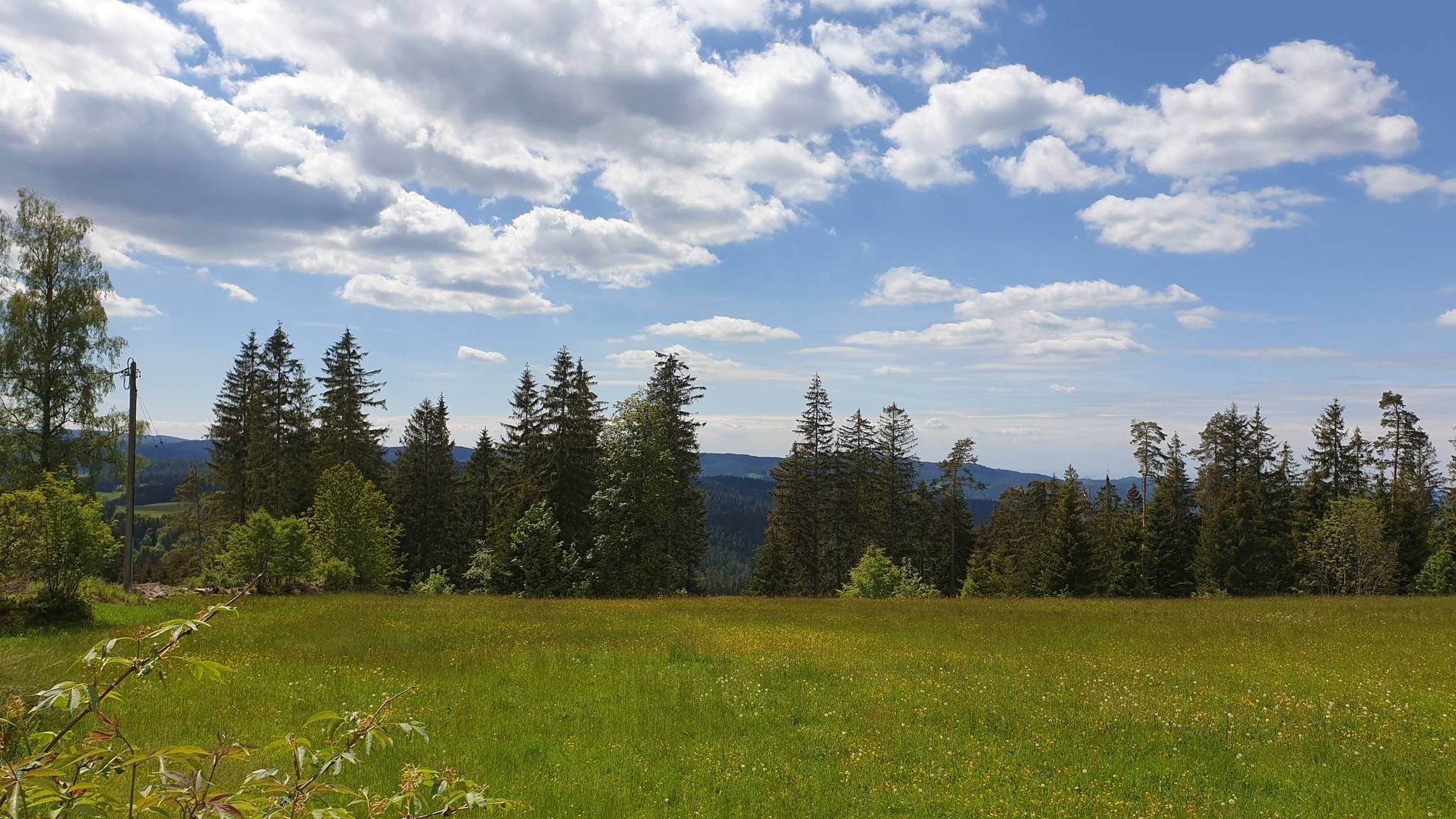
The Mittelweg of the Black Forest Association
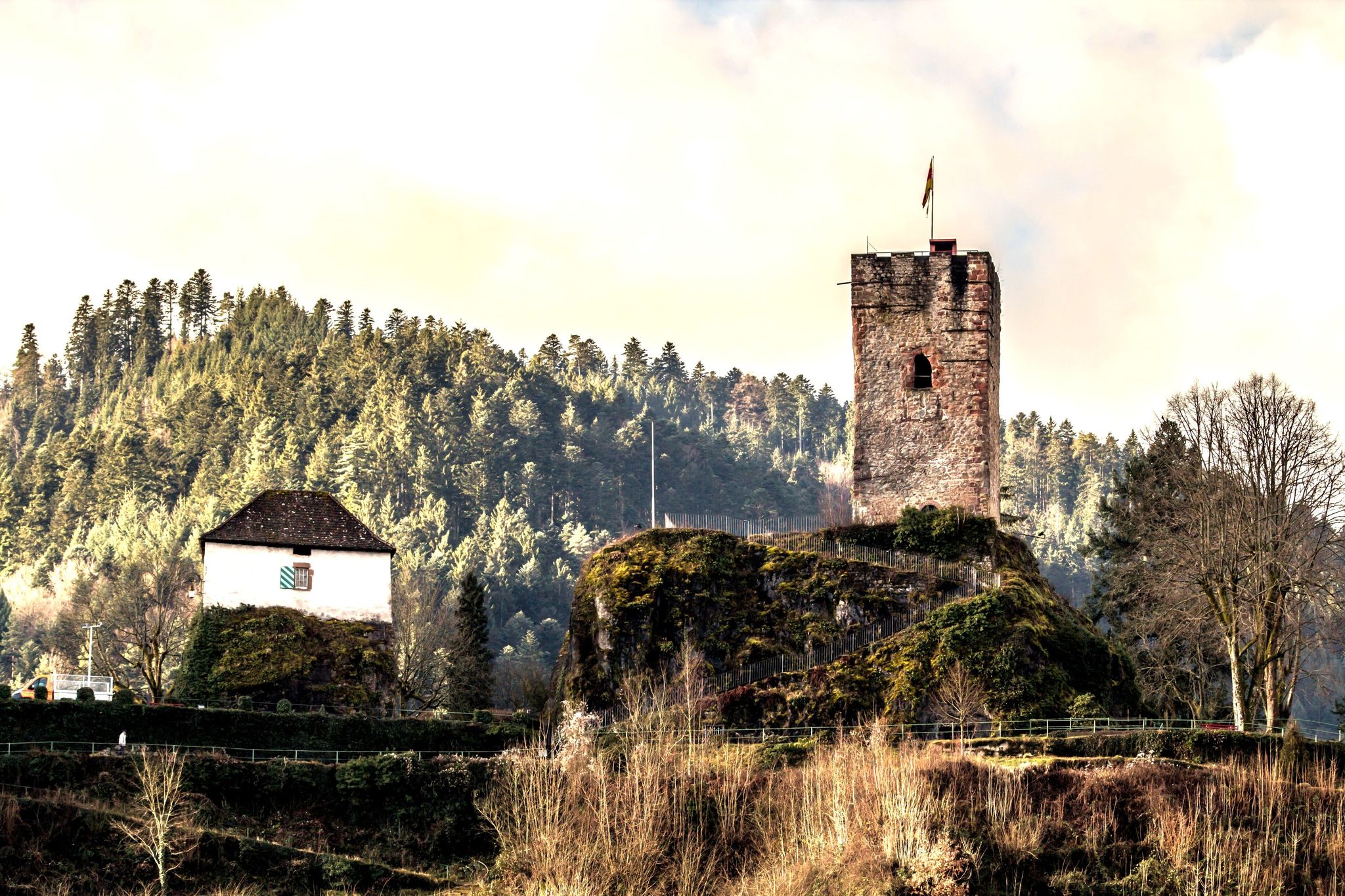
Mountains, castles and Bollenhüte hats — the central Black Forest
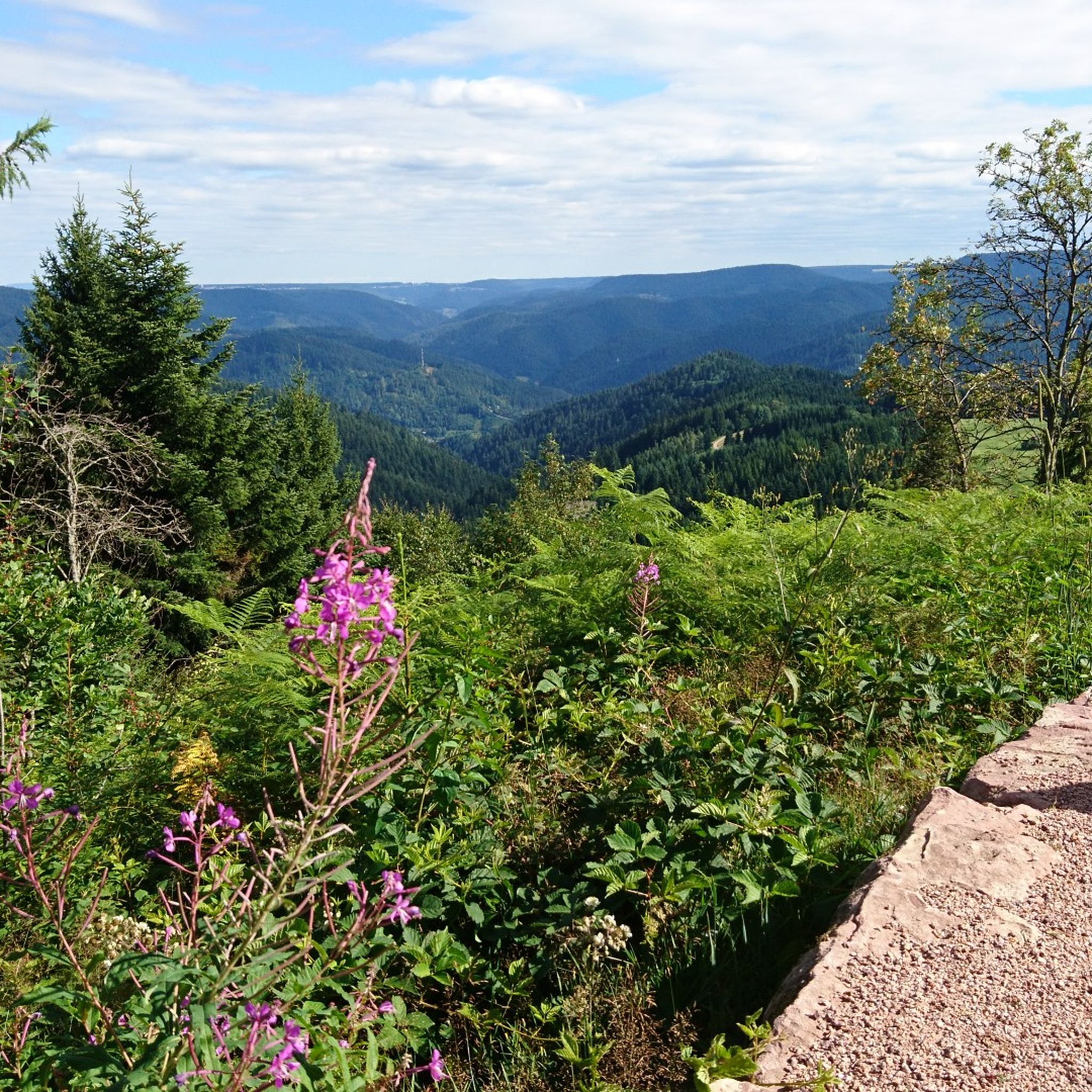
Hiking around Schiltach
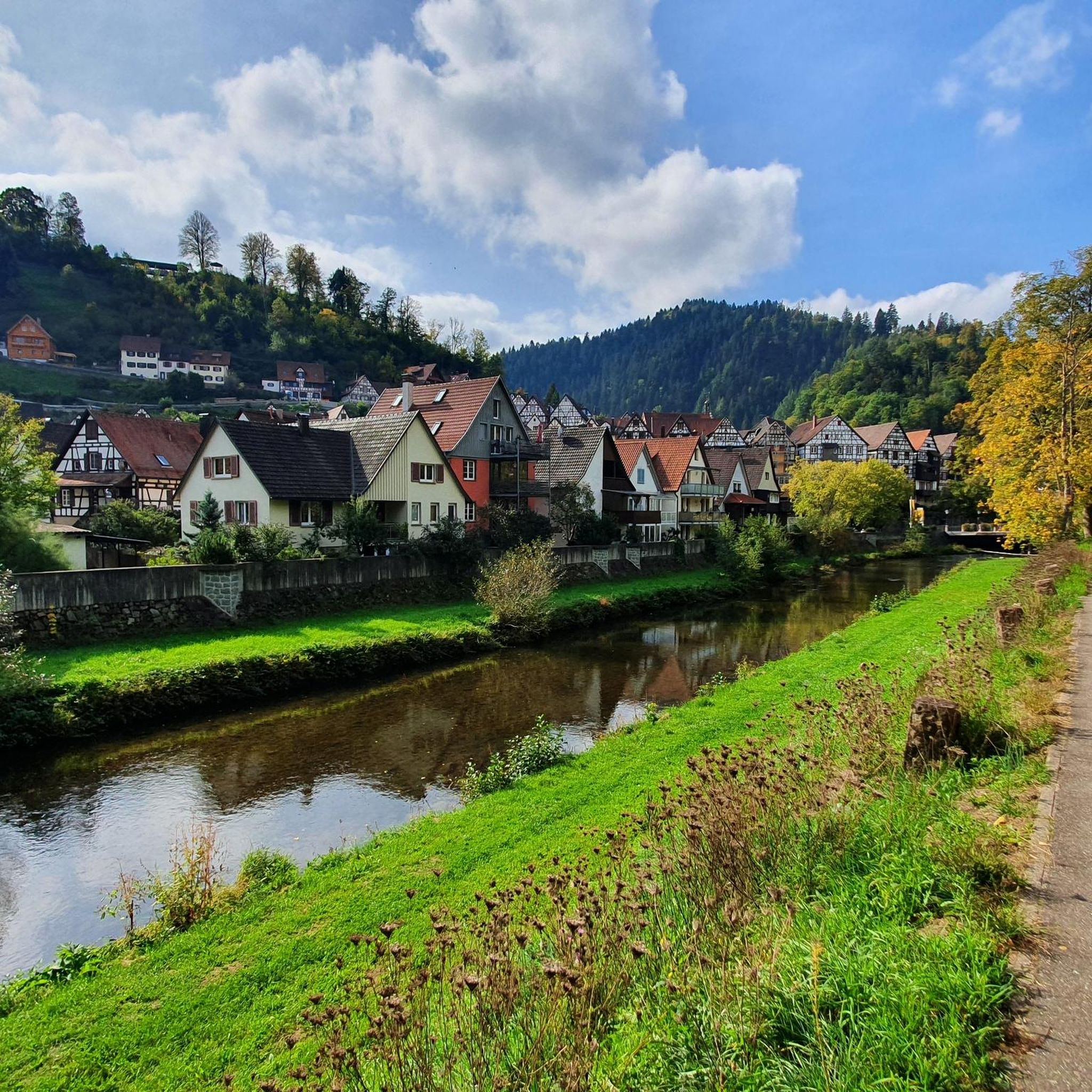
MTB Trails around Schiltach
Cycling around Schiltach
Road Cycling Routes around Schiltach
Running Trails around Schiltach
Gravel biking around Schiltach

Mountain Hikes around Schiltach


Tips from the Community

Unfortunately we didn't discover it on the way! 🥺The highlight and the photo are probably not the same, although we looked!
8
0

In the 18th century, mining played an important role in the Alpirsbach monastery. In the area of today's Alpirsbach town center, the Wolfgang and Eberhard mines brought in the most revenue. Two parallel barite veins contained rich cobalt ores in some places. The ore veins were opened up by extensive mine works, which, with the exception of the surface shafts, have been preserved to this day. Mining and blue dye production contributed significantly to Alpirsbach's economic boom at that time. Source: Display board
10
0

Beautiful cave with a technically demanding trail afterwards
0
0

The way up was strenuous but the cave was breathtaking
2
0

Experience applies to the short tour (1.5 hours) in the pit, although it is only 11°C, you can also enter it with shorts. As for footwear, hiking boots are also sufficient, which you can clean at a fountain at the end 👍
1
0

A half-height and about 4 meters deep cave. about 2 meters wide. definitely dry ground and a good shelter in bad weather. Caves are always a bit spooky and whether someone really "lived" there seems far-fetched. Maybe in the summer months when there is also food from the forest.
5
1


The Wenzel mine is a very interesting visitor center, which gives interesting impressions of historical mining in the Black Forest. It was one of the silver-richest mines in the Black Forest. Silver has been mined in the mine since the beginning of the 14th century. The heyday of the silver mine was in the second half of the 18th century. In 1823 mining came to a complete standstill. The pit was prepared for visitors between 1997 and 2001 by volunteers. In 2001 the work was finished and it was opened to visitors as a visitor mine. The generally accessible area of the pit can be "driven on" over a distance of about 1000 meters. Duration about 1.5 hours. All visitors are equipped with boots, jackets, helmets and head torches. https://grube-wenzel.de/317373.html https://www.schwarzwald-tourismus.info/attraktionen/besucherbergwerk-grube-wenzel-in-oberwolfach-614fc5ac25 https://www.nationalparkregion-schwarzwald.de/Media/Attraktionen/Besucherbergwerk-Grube-Wenzel-in-Oberwolfach#/article/f50259e8-203d-4ba1-8dad-efd98d6433d4
3
0
Frequently Asked Questions
What types of underground experiences can I find around Schiltach?
The area around Schiltach offers a mix of natural caves and historical mining sites. You can explore small natural shelters like Moosmann Cave, or delve into extensive underground mine systems such as the Grube Wenzel Show Mine, which provides insights into historical silver mining.
Are there any show caves with guided tours near Schiltach?
Yes, the Grube Wenzel Show Mine offers guided tours that last approximately 1.5 hours, covering about 1000 meters of accessible pit. Visitors are equipped with boots, jackets, helmets, and head torches for the experience. Further afield, in the broader Black Forest region, the Erdmannshöhle and the Bärenhöhle also offer guided tours.
What historical mining sites can I visit near Schiltach?
You can visit the Grube Wenzel Show Mine, a historical silver mine where you can learn about the region's mining past. Another significant historical site is the Wolfgang and Eberhard Mine Entrance, which highlights the 18th-century economic boom driven by cobalt ore extraction and blue dye production.
What are some unique natural cave formations in the wider region?
While Schiltach itself features smaller natural caves, the wider Black Forest and Swabian Alb regions boast impressive formations. The Erdmannshöhle in Hasel is home to Germany's largest and oldest stalactite, over four meters tall. The Nebelhöhle in Sonnenbühl is known for its magnificent dripstone formations, often described as a 'forest of stalactites'.
Are there family-friendly caves to explore near Schiltach?
The Grube Wenzel Show Mine is a family-friendly option, offering an engaging historical experience with provided gear. For natural caves, smaller ones like Moosmann Cave can be a fun, short exploration for families, though some paths leading to them might be steep.
What is the best time of year to visit caves in the region?
Caves generally maintain a constant cool temperature year-round, making them a good destination regardless of the season. For example, the Erdmannshöhle stays around 10°C, and the Grube Wenzel Show Mine is about 11°C. This makes them a refreshing escape during warmer months and an interesting activity during cooler periods.
What should I wear for a cave exploration around Schiltach?
For show mines like Grube Wenzel Show Mine, you will be provided with boots, jackets, helmets, and head torches. For natural caves, it's advisable to wear sturdy hiking boots, as paths can be steep or uneven. Layers of clothing are recommended due to the constant cool temperatures inside the caves.
Are there any caves with prehistoric significance nearby?
Yes, the Bärenhöhle (Bear's Cave) in Sonnenbühl, within the Swabian Alb, is renowned for the numerous skeletons of cave bears found within it, dating back approximately 20,000 years. It offers a tangible connection to Ice Age fauna and is a highly visited show cave.
What outdoor activities can I combine with a visit to the caves around Schiltach?
The region around Schiltach is excellent for hiking. You can find various routes, from easy to moderate, such as those listed in the Hiking around Schiltach guide. Some routes, like 'The Kinzig River in Schiltach – Kuhbachtal loop', offer scenic walks that can be combined with exploring nearby natural features.
What are some lesser-known or 'hidden gem' caves in the area?
Beyond the main attractions, there are smaller, more secluded natural caves like Small Cave and Hohler Stein Cave. These are often found within forest settings and can offer a sense of discovery for those looking for a more off-the-beaten-path experience, though they are typically less developed for visitors.
Can I find caves with local legends or folklore associations?
Yes, Moosmann Cave is associated with local legends, including tales of a hermit known as the 'Hatschierle' and a painter named Gregor Moosmann. Further afield, the Erdmannshöhle gets its name from legends of 'Erdmännchen' (earth gnomes), and the Nebelhöhle has local legends about Prince Wilhelm Hauff finding refuge there.
Most popular routes around Schiltach
Most popular attractions around Schiltach

Get inspired with the komoot mobile app


Explore more
Extend your search for the best caves by checking out these guides of the top ones around Schiltach:
