Top 18 Caves around Schmallenberg
Best caves around Schmallenberg are found within the Sauerland region, known for its diverse natural landscape. The area features a variety of underground formations, from therapeutic healing caves to impressive natural show caves. Schmallenberg itself is recognized for its specialized healing caves, offering unique therapeutic benefits. The broader region provides opportunities to explore significant geological formations and historical mining sites.
Best caves around Schmallenberg
- The most popular caves is Veleda Cave, a cave that is around 50 meters deep,…
Last updated: June 26, 2026
Old Ice Cellar
Highlight • Structure
Translated by Google •
Tip by

Marian Grotto, Assinghausen
Highlight • Religious Site
Translated by Google •
Tip by

Sign up now to discover places like this
Get recommendations on the best single tracks, peaks, & plenty of other exciting outdoor places.
Sign up for free
Veleda Cave
Highlight • Cave
Translated by Google •
Tip by

Silberkuhle Mine near Bödefeld
Highlight • Historical Site
Around the middle of the last century, German industry was still in its infancy. In the Ruhr area, the collieries and iron works increased. In our quiet …
Translated by Google •
Tip by

Kaiser Wilhelm Adit, Nuttlar
Highlight • Cave
Translated by Google •
Tip by

Sign up for free to discover even more caves around Schmallenberg.
Sign up for free
Already have an account?
Start today with a free account
Your next adventure awaits.
Login or Signup
Popular around Schmallenberg
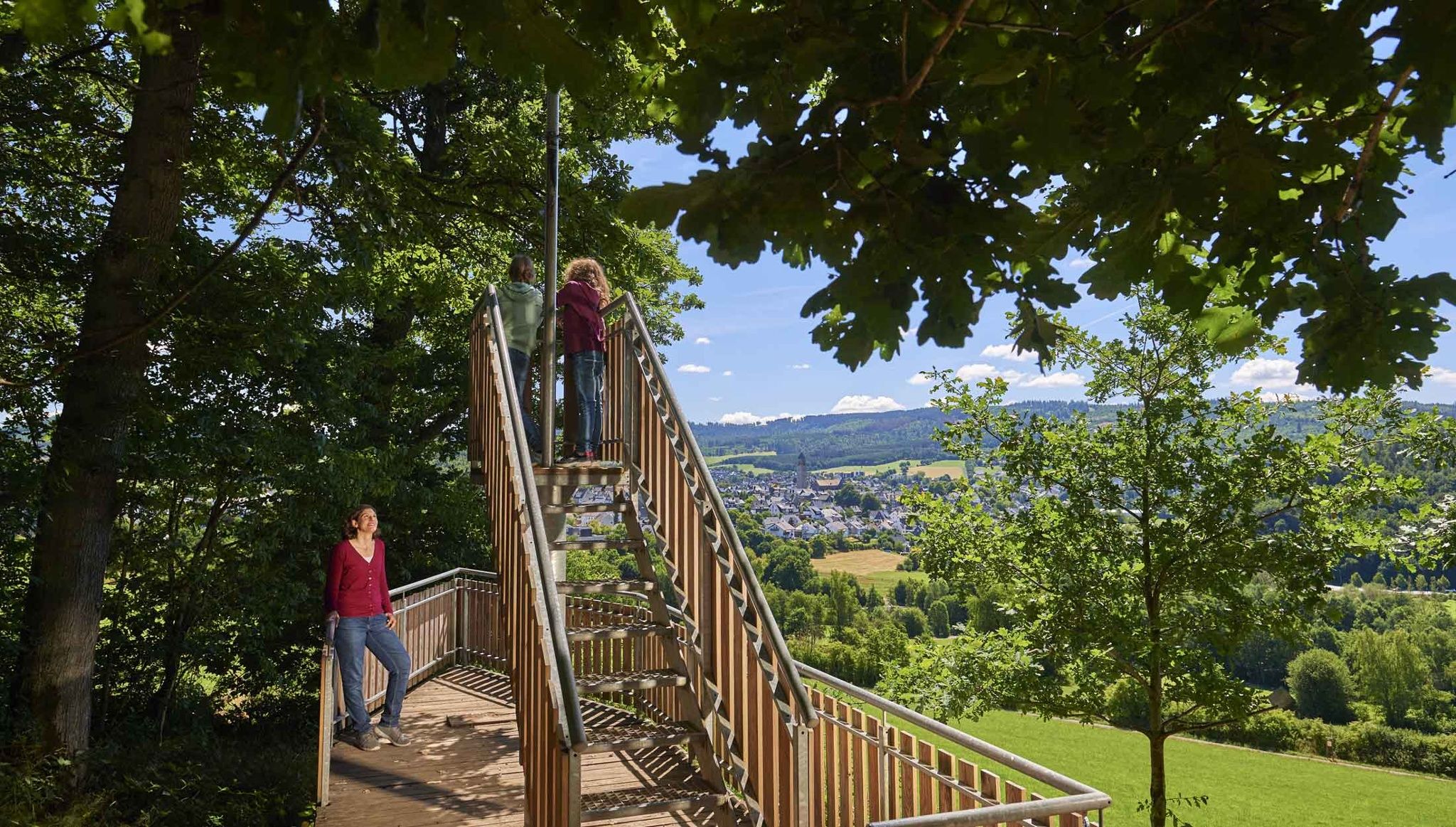
Happy together – family hikes in the Schmallenberger Sauerland
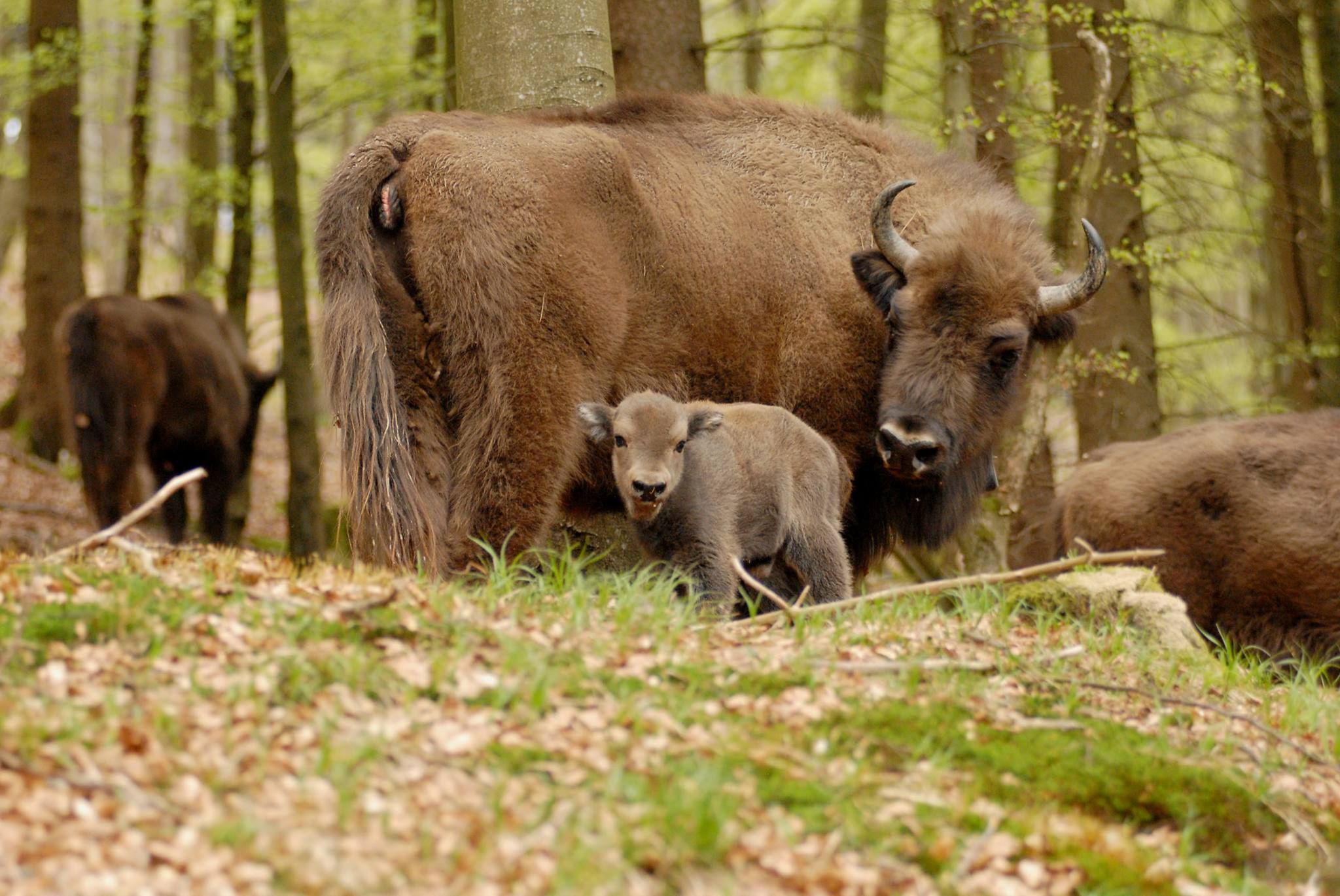
Wild Sauerland - Animal Encounters While Hiking
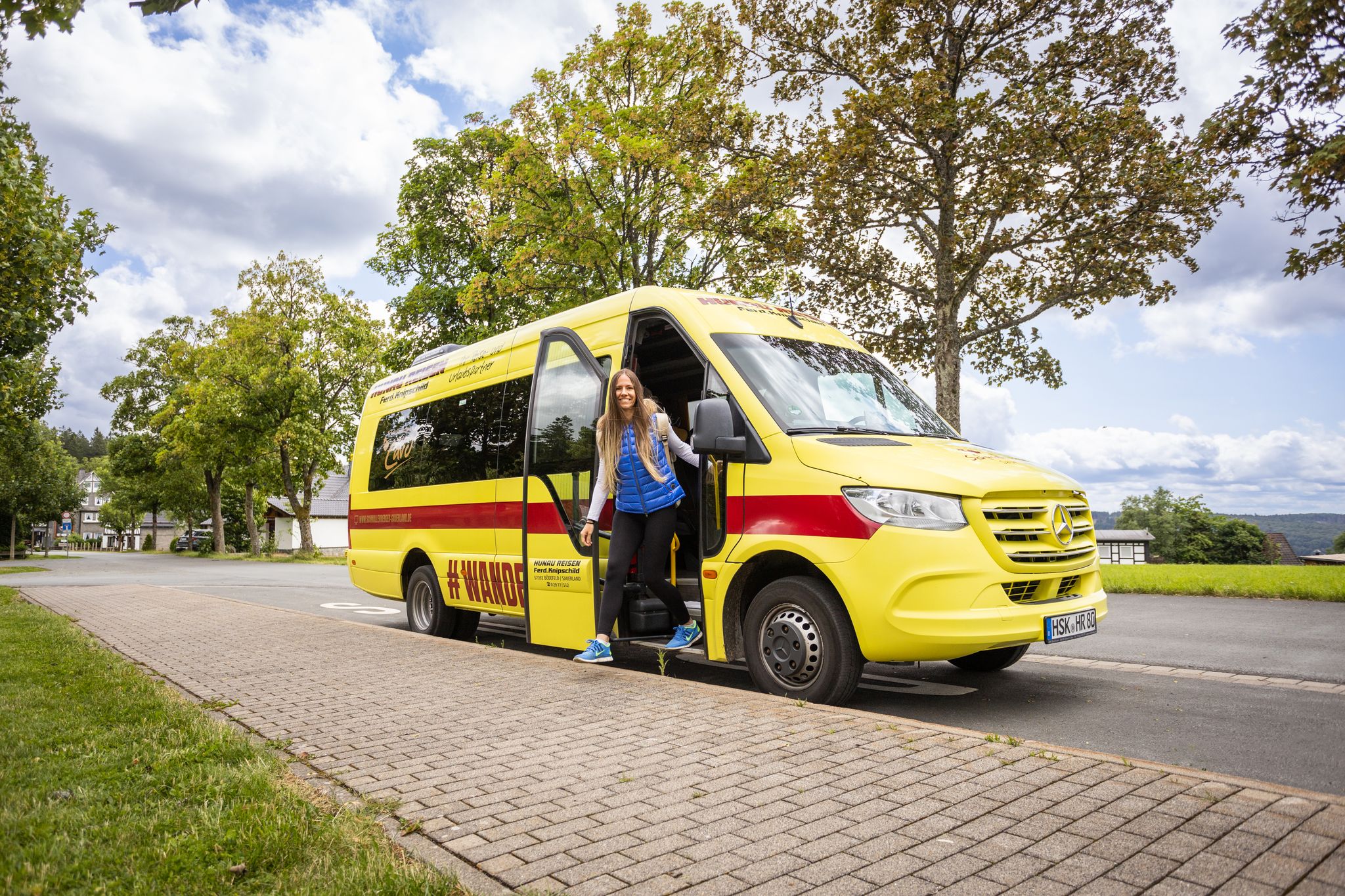
Sustainable hikes – accessible by public transport and hiking bus
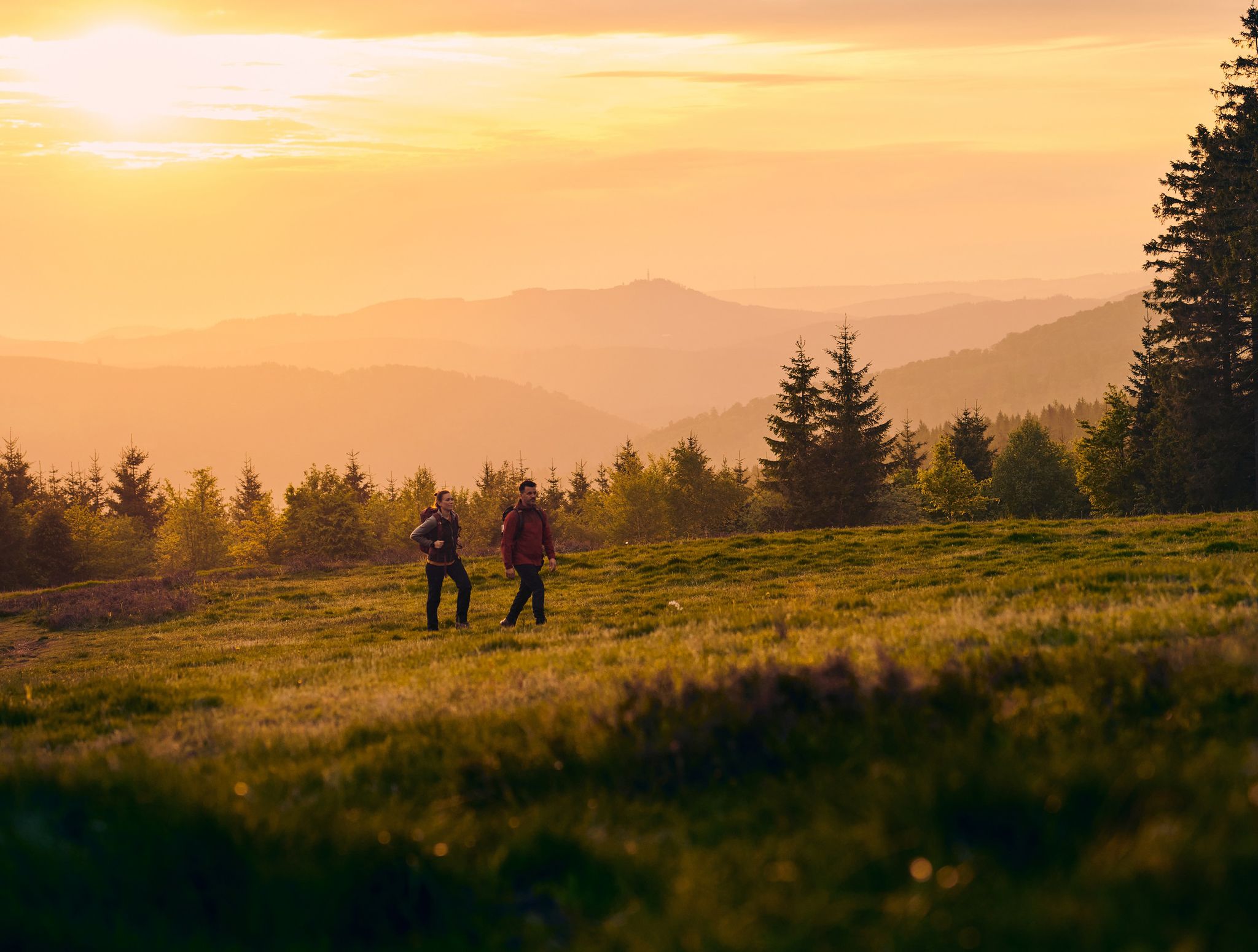
Rothaarsteig trail – long-distance hiking in the heart of Germany
Dreamlike hiking in Germany – #EmbraceGermanNature
Hike to Soul Places in Germany’s Schmallenberger Sauerland
Feels like flying – hiking on the Sauerland–Höhenflug
Exploring Schmallenberg Sauerland — stunning hikes in Germany
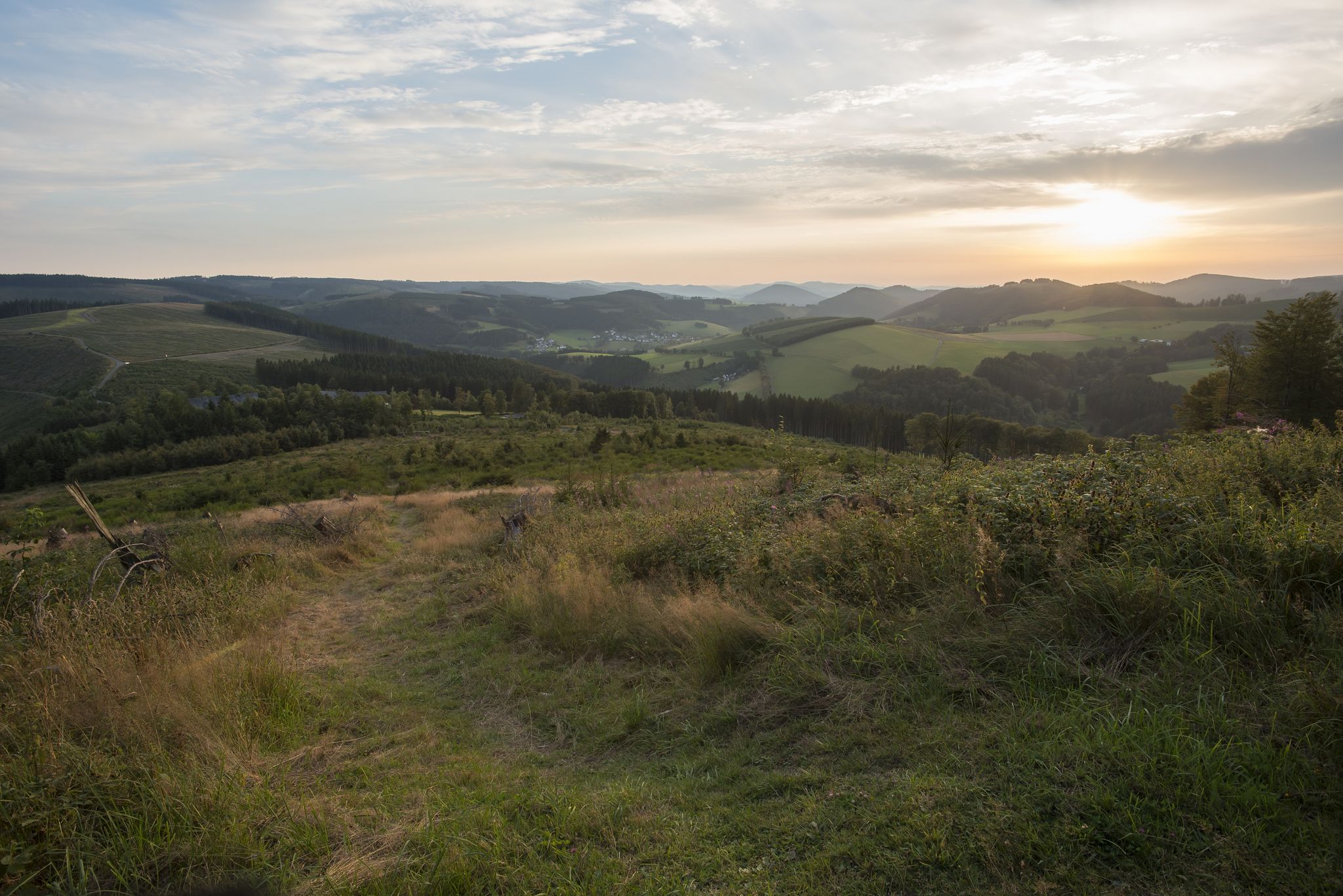
Forest, meadows, wonderland – hiking the Rothaarsteig Trails
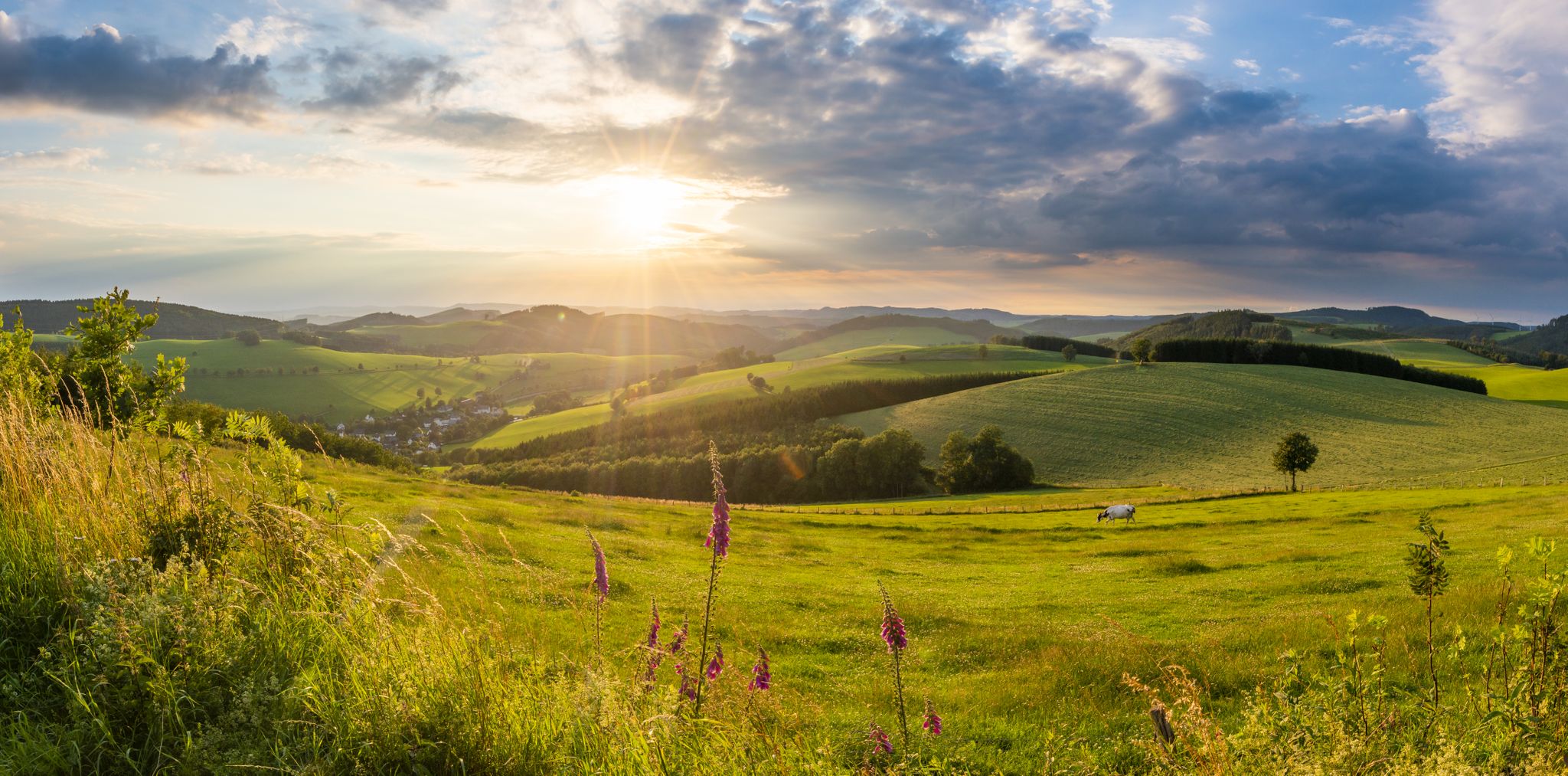
Golden autumn – hiking in the Schmallenberger Sauerland
Other adventures around Schmallenberg


Tips from the Community

South of Bestwig-Velmede lies the Veleda Cave. It is a cave of significant natural and cultural history. The name of the cave is associated with the Germanic seeress Veleda.
1
0


A famous seer is said to have once lived there. In any case, it is a testament to times past. Tours are offered during the summer months; in winter, numerous bats live here.
1
0
Like in many places, ice was stored here in the winter to be used to cool the brewed beer in the summer. Another example of this can be found in Grevenstein. It's a stamp station for the Assinghausen Hiking Badge.
3
0

In the lower village there is a tunnel about 15 m long carved into the rock, the entrance of which is framed with slate stones. In earlier times the tunnel served as a storage room for ice that was cut from the ice cover of a pond during the winter. The ice remained in the tunnel until the summer months and was used to cool the beer brewed in the village. Source: www.assinghausen-live.de
4
0

The ice bucket was used to store ice in the winter. The ice, packed in straw, lasted until the summer.
3
0

Unfortunately we could not visit
1
0

In the lower village there is a tunnel about 15 m long carved into the rock, the entrance of which is framed with slate stones. In earlier times the tunnel served as a storage room for ice that was cut from the ice cover of a pond during the winter. The ice remained in the tunnel until the summer months and was used to cool the beer brewed in the village. Source: https://www.assinghausen-live.de/sehenswertes/sehenswertes-in-assinghausen/
3
0
Frequently Asked Questions
What kind of geological formations can I expect to see in the caves around Schmallenberg?
The caves in the Sauerland region, including those near Schmallenberg, are known for their diverse geological features. You can find impressive stalactites and stalagmites, sparkling crystals, and intricate rock formations shaped by water over millions of years. For example, the Atta Cave is renowned for its imaginative formations, while the Bilstein Cave features an active cave stream constantly shaping its interior.
Are there any impressive show caves in the Sauerland region near Schmallenberg?
Yes, the broader Sauerland region boasts several impressive show caves. The Atta Cave in Attendorn, often called the 'Queen of stalactite caves,' is one of Germany's largest and most beautiful, featuring stunning formations. Another notable option is the Bilstein Cave in Warstein, which offers a fascinating journey through a limestone paradise and is part of a complex with a wildlife park.
Are there any historical mining sites or cultural caves to explore?
Absolutely. The region has a rich history of mining. You can visit the Silberkuhle Mine near Bödefeld, a historical site where zinc and silver ores were once mined. Another significant historical location is the Kaiser Wilhelm Adit, Nuttlar, which offers guided tours providing insights into its history and use.
Are the caves around Schmallenberg suitable for families with children?
Many caves in the region are family-friendly. The Bilstein Cave in Warstein, for instance, is part of the Bilsteintal complex, which also includes a wildlife park and a large forest playground, making it an excellent destination for families. Some local highlights like the Marian Grotto, Assinghausen are also noted as family-friendly.
Are there any caves offering therapeutic benefits in Schmallenberg?
Yes, Schmallenberg is specifically known for its specialized 'healing caves' designed for speleotherapy. These facilities maintain a constant temperature and high humidity, with air that is exceptionally low in dust, pollen, and pathogens. They are particularly beneficial for individuals with respiratory conditions, allergies, and chronic lung diseases, contributing to Schmallenberg's 'Allergy Friendly' seal.
What is the best time of year to visit the caves around Schmallenberg?
The caves in the Schmallenberg area maintain a constant cool temperature (typically 8-9 degrees Celsius) year-round, making them a suitable destination in any season. This means they offer a refreshing escape in summer and a sheltered activity during colder months. However, specific opening hours and tour availability might vary, so it's always best to check in advance.
Is parking available at the major cave attractions?
Yes, major show caves like the Atta Cave and Bilstein Cave typically offer dedicated parking facilities for visitors. For smaller, more natural cave highlights or historical sites, parking might be available nearby or at designated trailheads. It's advisable to check specific visitor information for each location if you plan to drive.
Are there guided tours available for the caves?
Many of the significant caves in the region offer guided tours. For example, the Veleda Cave can be visited during a guided tour, and the Atta Cave offers 40-minute guided tours providing insights into its history and formations. The Heinrichshöhle also provides guided tours, often with special themed options.
What outdoor activities can I combine with a cave visit near Schmallenberg?
The Schmallenberg region is excellent for combining cave exploration with other outdoor activities. You can find numerous hiking and running trails. For instance, there are hiking routes around Schmallenberg like the Golddörfer Route or the Sorper Panorama Trail. If you're looking for easier options, check out the easy hikes around Schmallenberg, including family adventure trails. For runners, there are also various running trails available.
What makes the Atta Cave in Attendorn a popular destination?
The Atta Cave is celebrated as one of Germany's largest and most beautiful stalactite caves. Its popularity stems from its stunning natural formations, including intricate stalactites and sparkling crystals, which are approximately 450 million years old. Visitors can explore about 1,800 meters of its total length on guided tours, and it also features a 'health grotto' with exceptionally clean air.
What can I expect at the Bilstein Cave in Warstein?
At the Bilstein Cave, you can expect to explore a fascinating underground world of bizarre stalactites and rugged rocks, with an active cave stream flowing through it. The cave is part of the larger Bilsteintal complex, which also includes a wildlife park where you can see red deer, wild boars, and lynxes, as well as a large forest playground, making it a great day out for families.
What is the significance of the Heinrichshöhle in Hemer?
The Heinrichshöhle is significant for both its impressive dripstone formations and its rich paleontological discoveries. It is famous for being one of Europe's most bone-rich sites for upper Pleistocene remains, with findings including a complete cave bear skeleton, mammoths, and giant deer. It offers an astonishing journey through time, combining geology with Ice Age history.
Most popular routes around Schmallenberg
Most popular attractions around Schmallenberg

Get inspired with the komoot mobile app


Explore more
Extend your search for the best caves by checking out these guides of the top ones around Schmallenberg:
