Top 20 Caves around Morbach
Best caves around Morbach are primarily former mining tunnels and historical sites within the Hunsrück region, known for its rich geological history. This area features numerous underground spaces created by centuries of slate, ore, and gemstone quarrying. These sites now offer insights into the region's industrial past and serve as important natural habitats. The landscape around Morbach is characterized by these historical mining activities and their ecological transformation.
Best caves around Morbach
- The most popular caves is Schinderhannes Cave,…
Last updated: June 26, 2026
Schinderhannes Cave
Highlight • Cave
The formation of the Wacken goes back to the Permian Age (250 …
Translated by Google •
Tip by

Slate Mine Tunnel (Bat Cave) in Saar-Hunsrück Nature Park
Highlight • Cave
Translated by Google •
Tip by

Sign up now to discover places like this
Get recommendations on the best single tracks, peaks, & plenty of other exciting outdoor places.
Sign up for free
Bat Mine in Saar-Hunsrück Nature Park
Highlight • Cave
Underground cavities are of great importance to our native bats. Of the 20 bat species recorded in Rhineland-Palatinate, 14 regularly use old tunnels, caves, or cellars.
Hibernation - 5 Months on Low Energy
Translated by Google •
Tip by

Schieferstein Cave
Highlight • Cave
Translated by Google •
Tip by

Leiermannspfad Bear Cave
Highlight • Cave
"Two or three hundred years ago there were still no music bands in the Moselle villages that played at festivals and celebrations, for child baptisms, weddings or fairs. This …
Translated by Google •
Tip by

Sign up for free to discover even more caves around Morbach.
Sign up for free
Already have an account?
Start today with a free account
Your next adventure awaits.
Login or Signup
Popular around Morbach
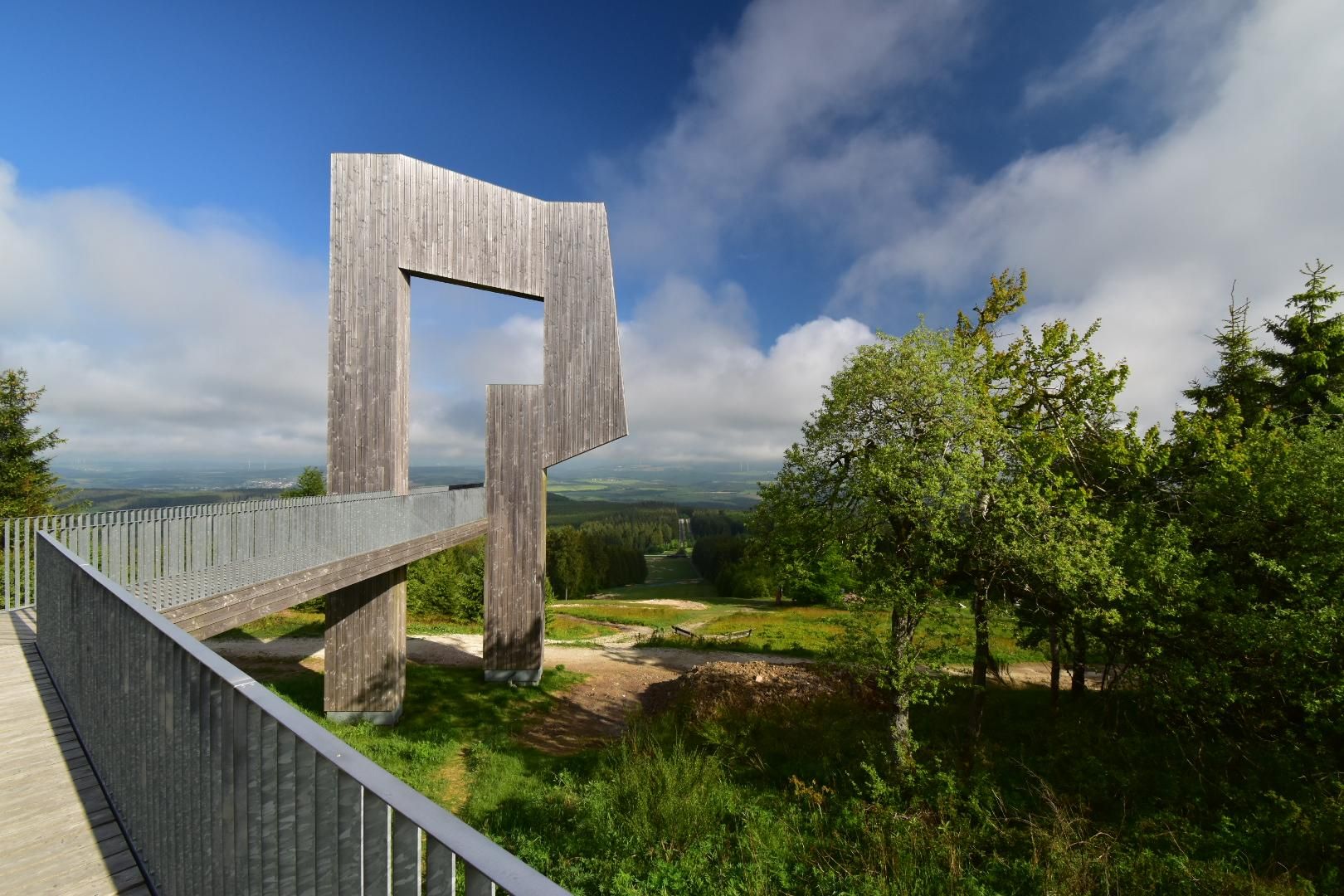
Saar-Hunsrück Climb – Hike in Germany where culture and nature meet
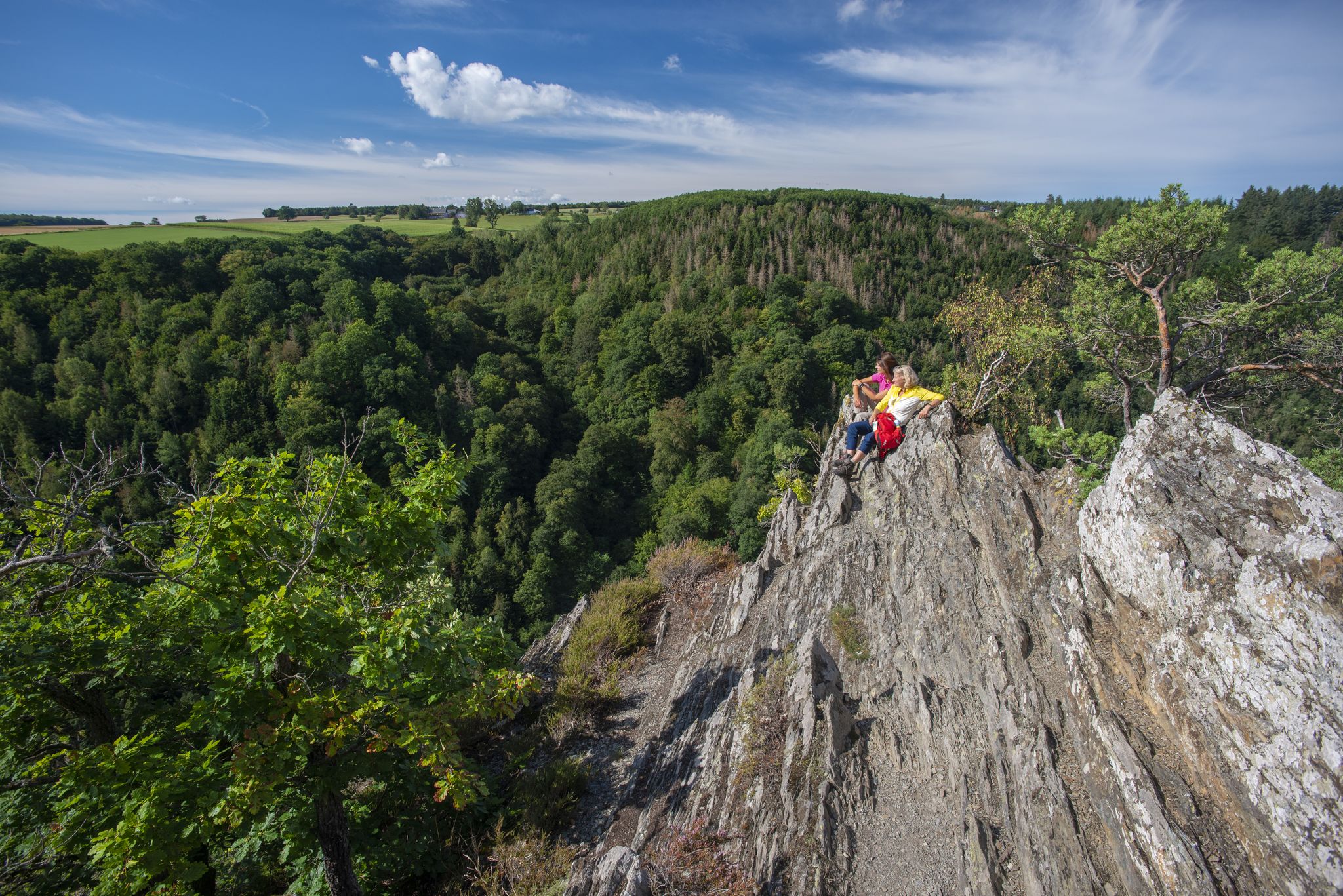
Dream Loops with great views in the Hunsrück
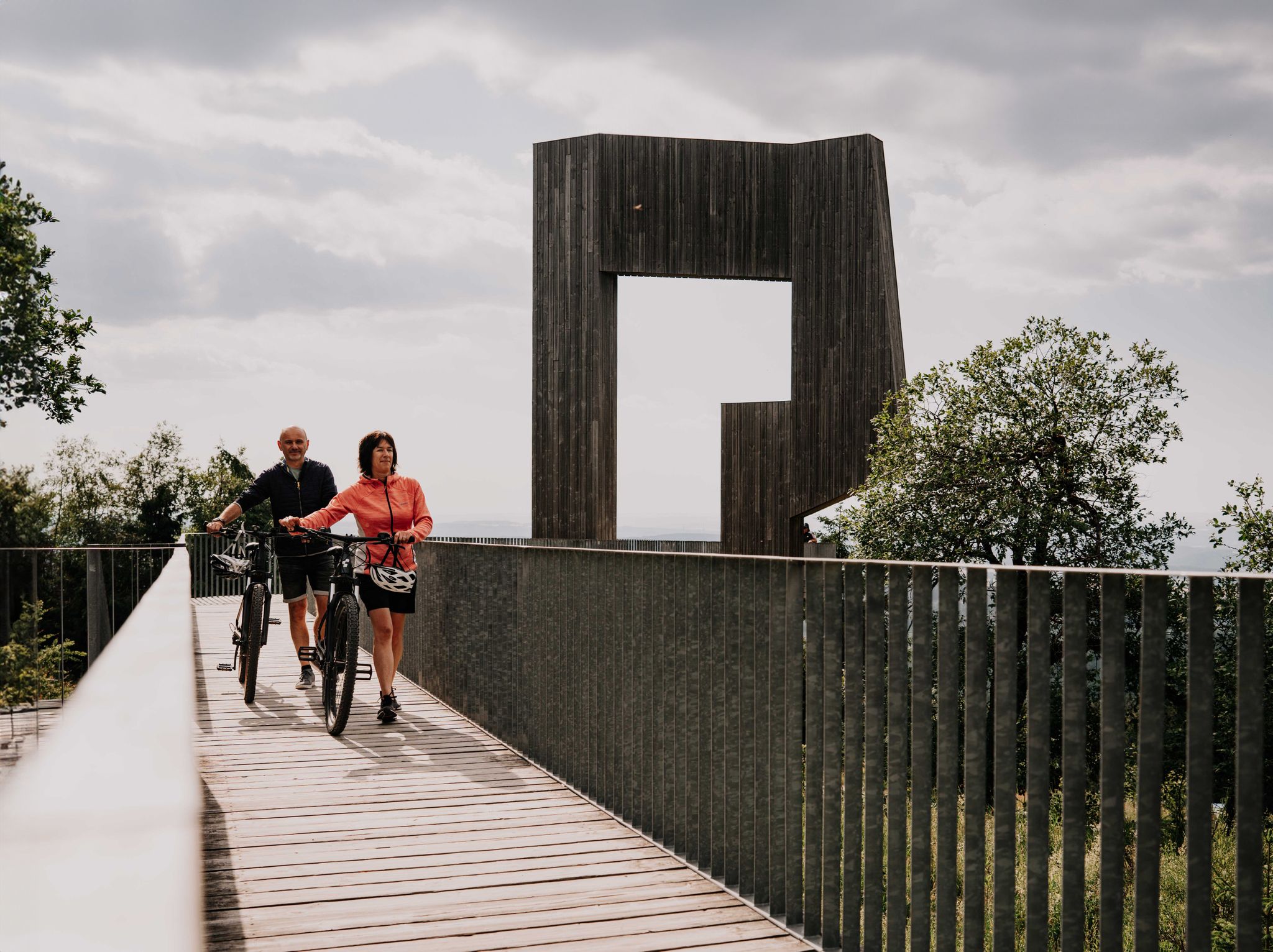
Scenic Cycling – On the Hunsrück-Radweg
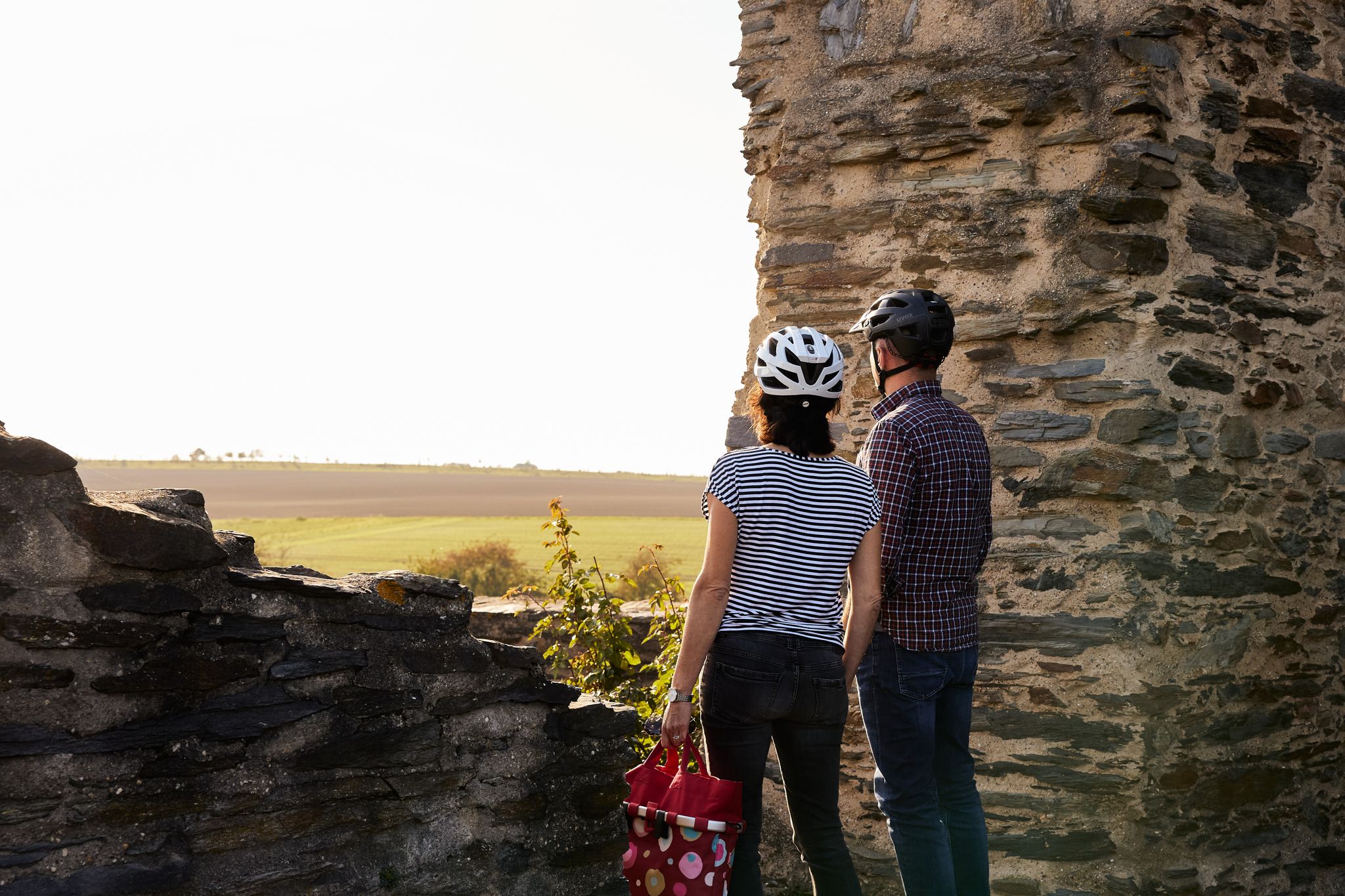
Historic cycling — Tours to castles and ruins in Germany
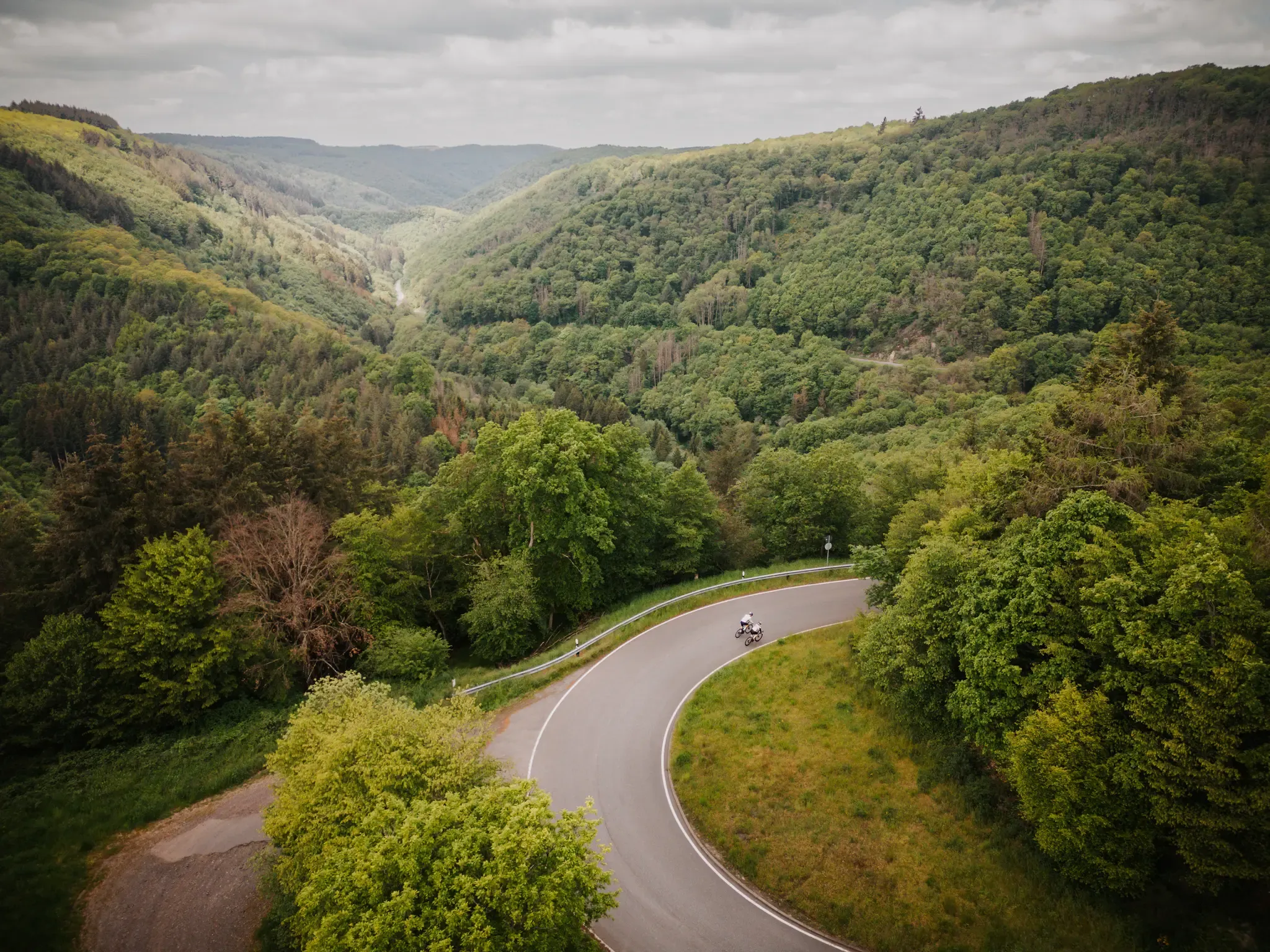
Make your road cycling dreams come true in the Hunsrück-Nahe region
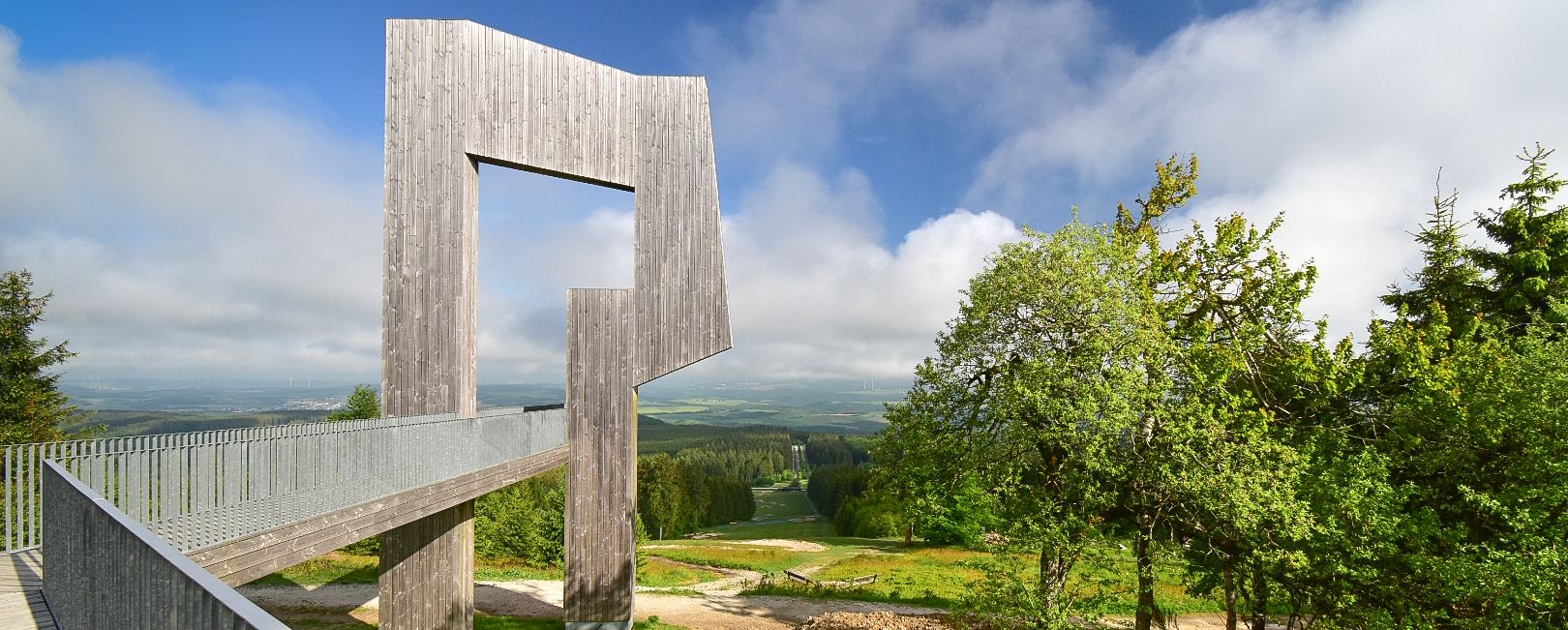
High up in Rhineland-Palatinate's mountains – Hunsrück Cycle Route
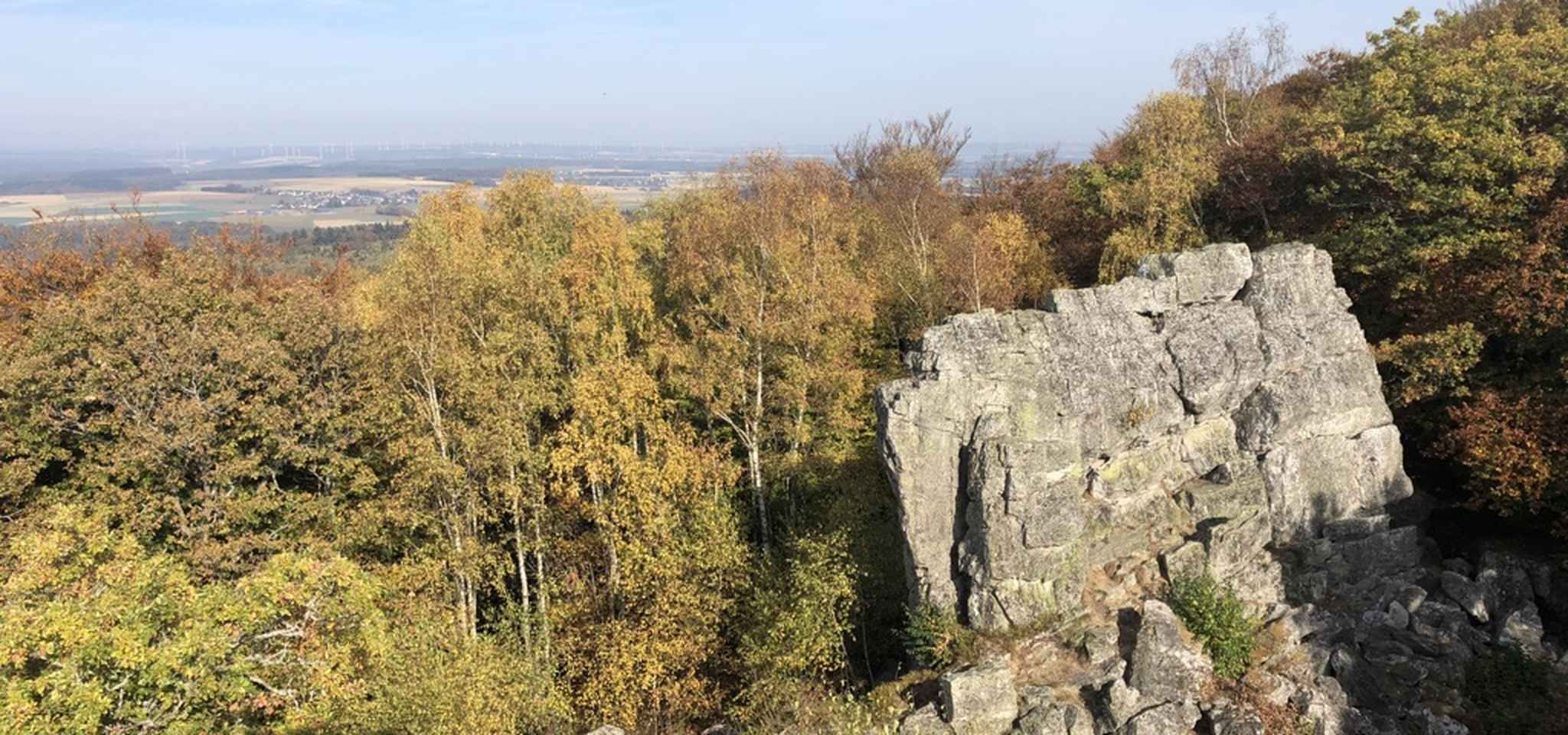
Trails and nature – bikepacking in Germany's Hunsrück
Roadbiken im Herzen der Bike-Region Hunsrück-Nahe

1000 Höhenmeter und mehr - Bergetappen zwischen Hunsrück und Nahe
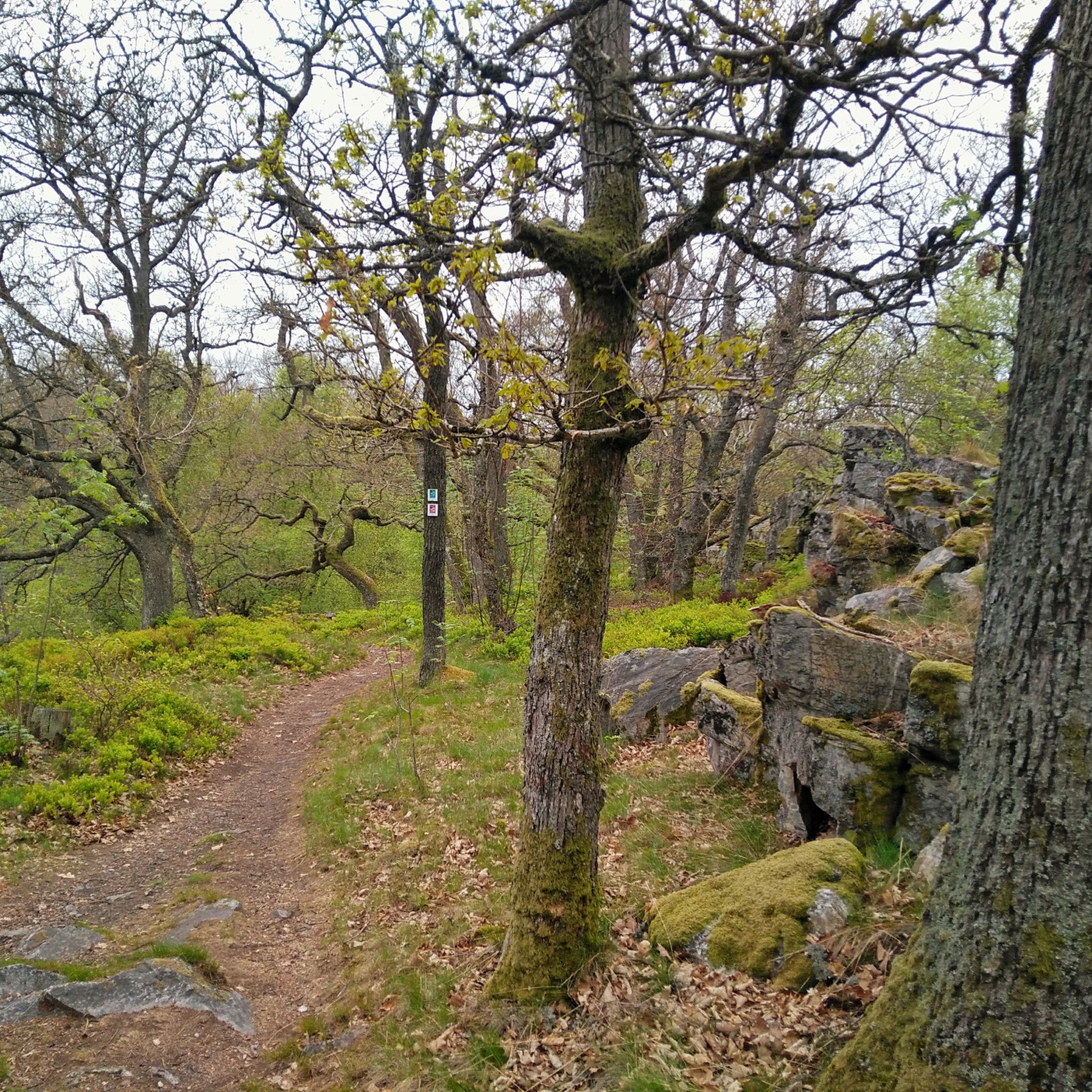
Hiking around Morbach
Other adventures around Morbach


Tips from the Community

Small but nice. Seating in front of the cave
0
0


The old tunnels in the Hunsrück make the region an important habitat for various species of bats. Here you'll find one of these tunnels, which can be lit outside of hibernation times so you can take a look inside.
0
0


Shortly before, I had hiked past the small cave in Ahringsbachtal, and I saw it in front of me - was that the bear 🐻 from the legend of the Leiermannspfad?! 😮 Luckily, the bear was easily soothed with a few biscuits and then showed himself to be very approachable. And when the biscuits were completely plastered, the little guy trolled back to his cave, growling, and let me go on my way unmolested! 👋😄
0
0
<< The hurdy-gurdy man from Ahringsbach >> "Two or three hundred years ago there were still no music bands in the Moselle villages that played at festivals and celebrations, for child baptisms, weddings or fairs. This was once done by the lyre, a kind of violin that was made to sound with a crank and at the same time been plucked from the sides. A hurdy-gurdy man also lived in Enkirch, who had returned home late one evening from a wedding in Starkenburg. He used the steep mountain path that is now called Leiermannspfad. Suddenly he heard a strange hum and grunt and stopped dead in his tracks. Then he saw a huge bear a short distance away. As quick as a squirrel, the hurdy-gurdy man climbed a tree, because the bear came running up with mighty leaps. With a constant growl, the mighty animal romped around the tree, nuzzled the bark and raised its paw with long, sharp claws menacingly up the trunk. But the dense branches prevented the monster from climbing the tree. For a while the hurdy-gurdy man sat stiff and stiff with fear in the branches and looked down at the humming monster. When he had finally recovered a little from his shock, he began to play the lyre. But all music was in vain; the bear didn't move from the spot, but sat on its broad rump and romped around the tree again and again, growling. So the hurdy-gurdy played all night long. On the one hand he encouraged himself in this way, on the other hand the lovely tones had a calming effect on the restless animal. Yes, Dickpelz only disappeared into the forest at dawn, because he was afraid of daylight. The hurdy-gurdy man quickly climbed down from his uncomfortable place to sleep and ran to Enkirch as fast as his legs would carry him." Source: Shortened from_ ghosts, counts and crooks "Sagas, legends, stories from the Moselland by Reinhold Wagner. Hetios Verlags- und Buchvertriebsgesellschaft, 52068 Aachen, telephone: 0241 - 555426, ISBN: 3-925087-50-8
0
0
Frequently Asked Questions
What kind of caves can I expect to find around Morbach?
The "caves" around Morbach are primarily former mining tunnels and historical sites within the Hunsrück region, rather than large natural caverns. These underground spaces were created by centuries of slate, ore, and gemstone quarrying. They now offer unique insights into the region's industrial past and serve as important natural habitats, especially for bats.
Are there any historical caves or mines to explore near Morbach?
Yes, the region is rich in historical mining sites. For example, the Schinderhannes Cave is a historical site associated with the robber captain Schinderhannes. The Upper and Lower Laykaul Slate Caves near Karbach also have significant historical value, having served as air-raid shelters during World War II. Many other former mine tunnels throughout the Hunsrück region offer glimpses into the area's mining heritage.
Which caves are known for their natural beauty or unique geological features?
The Schinderhannes Cave is known for its impressive rock formations, including a five-meter-deep cavity. The formation of the Wacken, where it's located, dates back to the Permian Age, showcasing quartz veins formed from ancient fissures. The Bärloch Cave also features an interesting rock formation and offers panoramic views over Kirschweiler.
Can I visit caves that are important for wildlife, especially bats?
Yes, many former mining tunnels in the Hunsrück region, including the Slate Mine Tunnel (Bat Cave) in Saar-Hunsrück Nature Park and the Bat Mine in Saar-Hunsrück Nature Park, are crucial habitats for various bat species. These sites serve as protected sleeping and hibernation places. While some tunnels are barred to protect the bats, certain locations allow visitors to observe the entrances, and some may be lit outside of hibernation periods.
Are there family-friendly caves or activities suitable for children?
The Schinderhannes Cave is considered family-friendly, offering an adventurous experience suitable for all ages. Many of the former mine entrances and historical sites can be explored from the outside, providing an educational experience about history and nature without requiring entry into potentially challenging underground spaces.
What are the typical access rules or restrictions for caves in the Hunsrück region?
Access to many former mine tunnels is restricted, especially during the bat protection period from October 1st to March 31st, when bats hibernate. During this time, entry into caves, grottos, bunkers, and tunnels is legally prohibited to avoid disturbing the animals. Some tunnels are permanently barred to ensure bat protection. Always check local signage and regulations before attempting to enter any cave or mine.
What should I wear or bring when visiting caves around Morbach?
When visiting cave sites, especially those with historical mining tunnels, it's advisable to wear sturdy footwear suitable for uneven terrain. Even if you don't plan to enter, the surrounding areas can be rocky or muddy. If permitted to enter a cave, a headlamp or flashlight is essential, and layers of clothing are recommended as temperatures underground can be cooler than outside.
Are there hiking trails that include cave visits near Morbach?
Yes, the Hunsrück region offers numerous hiking opportunities that incorporate visits to these unique cave and mine sites. You can find various routes, including the "Dream Loop LandZeitTour" and "Dream Loop Ölmühlentour," which often pass by interesting geological and historical points. For more hiking options, explore the Hiking around Morbach guide.
What other outdoor activities can I do near the caves around Morbach?
Beyond exploring caves, the Morbach area and the wider Hunsrück region offer a variety of outdoor activities. You can find extensive networks of mountain biking trails, such as those listed in the MTB Trails around Morbach guide, and scenic road cycling routes, detailed in the Road Cycling Routes around Morbach guide. These guides provide options for various skill levels and distances.
What do visitors enjoy most about the caves and mining sites in the Morbach area?
Visitors appreciate the unique blend of history, geology, and nature. The historical significance of former slate mines, their role as wartime shelters, and their current function as vital bat habitats are particularly engaging. The opportunity to see impressive rock formations and experience the quiet, often mysterious atmosphere of these sites, even from the outside, is also highly valued.
Are there any guided tours available for the mines or caves in the Hunsrück region?
While specific guided tours for all individual mine tunnels are not always available, some historical mining sites or visitor centers in the broader Hunsrück-Hochwald National Park area may offer guided experiences. It's recommended to check with local tourist information centers for the most up-to-date information on guided tours for accessible sites.
What is the best time of year to visit the cave sites around Morbach?
The best time to visit is typically outside of the bat hibernation period, which runs from October 1st to March 31st. During spring, summer, and early autumn (April to September), the weather is generally more favorable for outdoor exploration, and you'll have better opportunities to observe the exterior of bat habitats without disturbance. Always be mindful of local access restrictions.
Most popular routes around Morbach
Most popular attractions around Morbach

Get inspired with the komoot mobile app


Explore more
Extend your search for the best caves by checking out these guides of the top ones around Morbach:
