Top 19 Gorges around Linz am Rhein
Best canyons around Linz am Rhein are characterized by dramatic gorges and rock formations, often referred to as "Klamm" in German, offering significant natural beauty. The region is part of the Middle Rhine Valley, a UNESCO World Heritage site, known for its deep, narrow valley carved by the Rhine River. These geological features provide extensive hiking opportunities and panoramic views. The area's landscape is shaped by steep slopes, volcanic rocks, and historic elements.
Best canyons around Linz am Rhein
- The…
Last updated: June 26, 2026
Stenzelberg Rock Formations
Highlight • Natural Monument
Geologically, the Stenzelberg is a …
Translated by Google •
Tip by

Nachtigallental Trail
Highlight (Segment) • Trail
geography
The Nachtigallental is a Siefen (Kerbtal) valley, starting from the eastern edge of the old town of Königswinter in a largely south-southeast direction along the Drachenfels (321 m …
Translated by Google •
Tip by

Sign up now to discover places like this
Get recommendations on the best single tracks, peaks, & plenty of other exciting outdoor places.
Sign up for free
Tretschbach Valley
Highlight (Segment) • Gorge
Translated by Google •
Tip by

Kasbach Valley Stream Trail
Highlight (Segment) • Trail
Translated by Google •
Tip by

Laubach Valley (Bergischer Weg)
Highlight (Segment) • Trail
Translated by Google •
Tip by

Sign up for free to discover even more gorges around Linz am Rhein.
Sign up for free
Already have an account?
Start today with a free account
Your next adventure awaits.
Login or Signup
Popular around Linz am Rhein
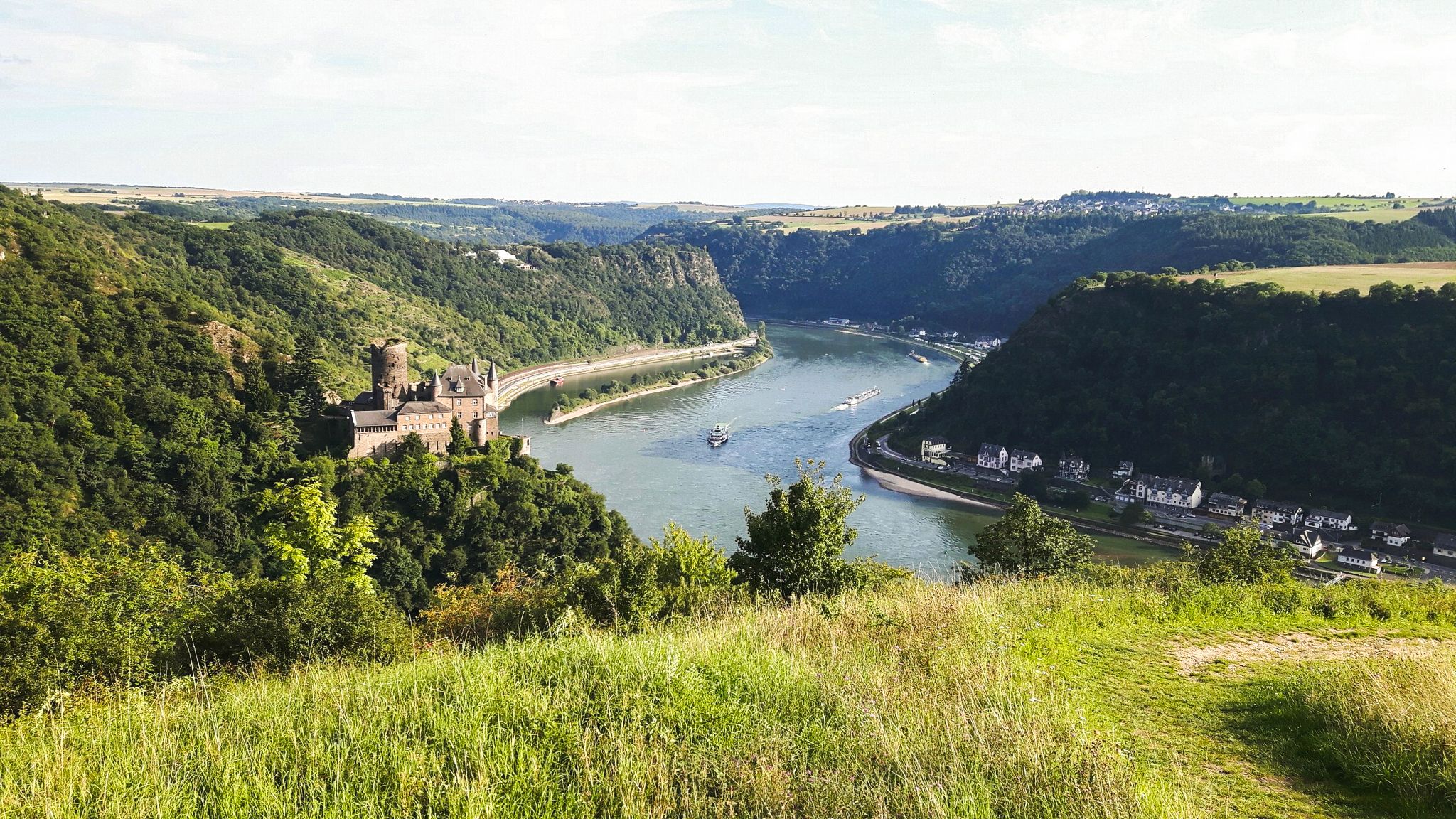
Rheinsteig Trail – The 21 stages along the Rhine
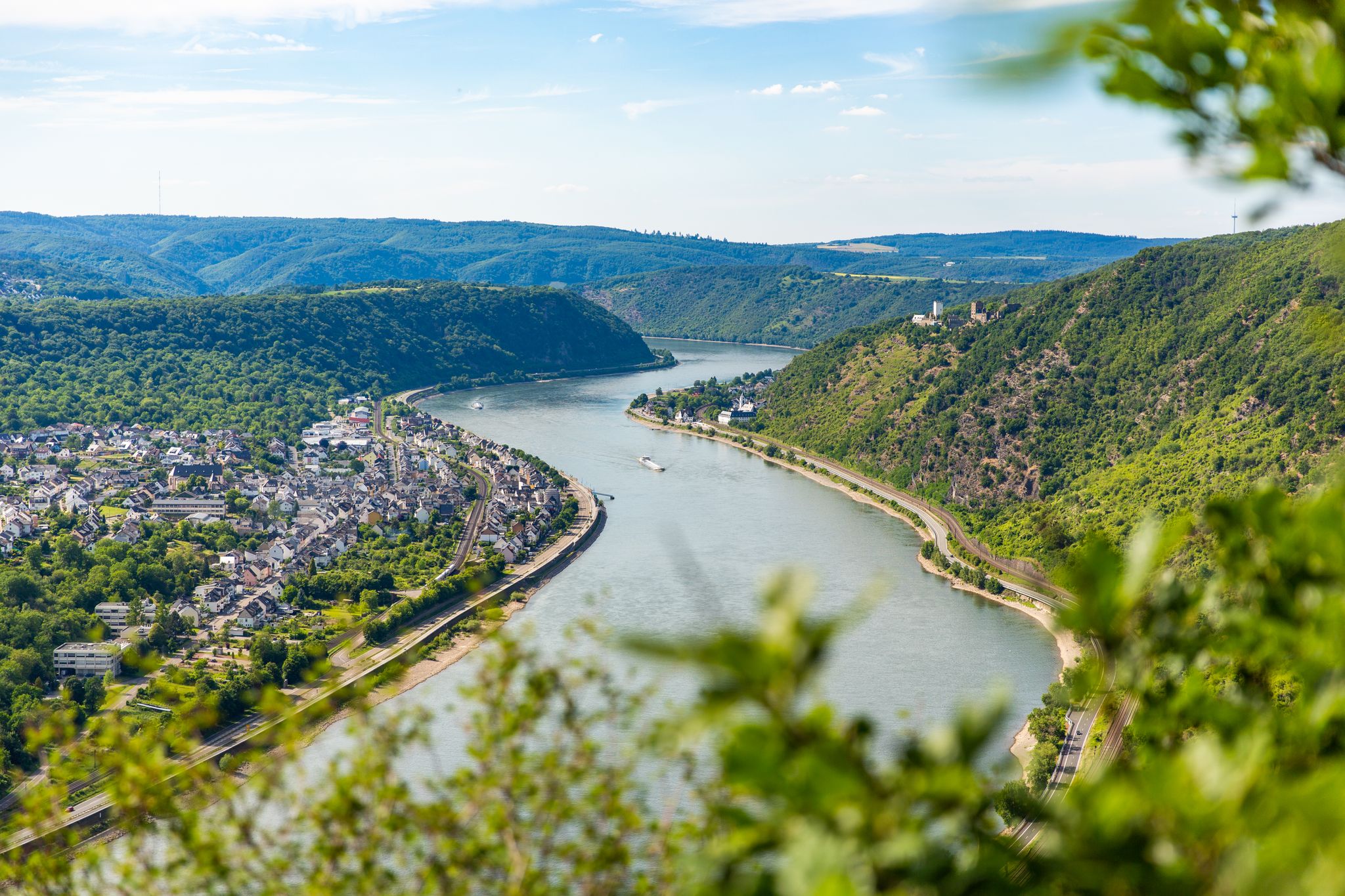
Bergauf und bergab entlang des Rheins – Abenteuer Rheinsteig
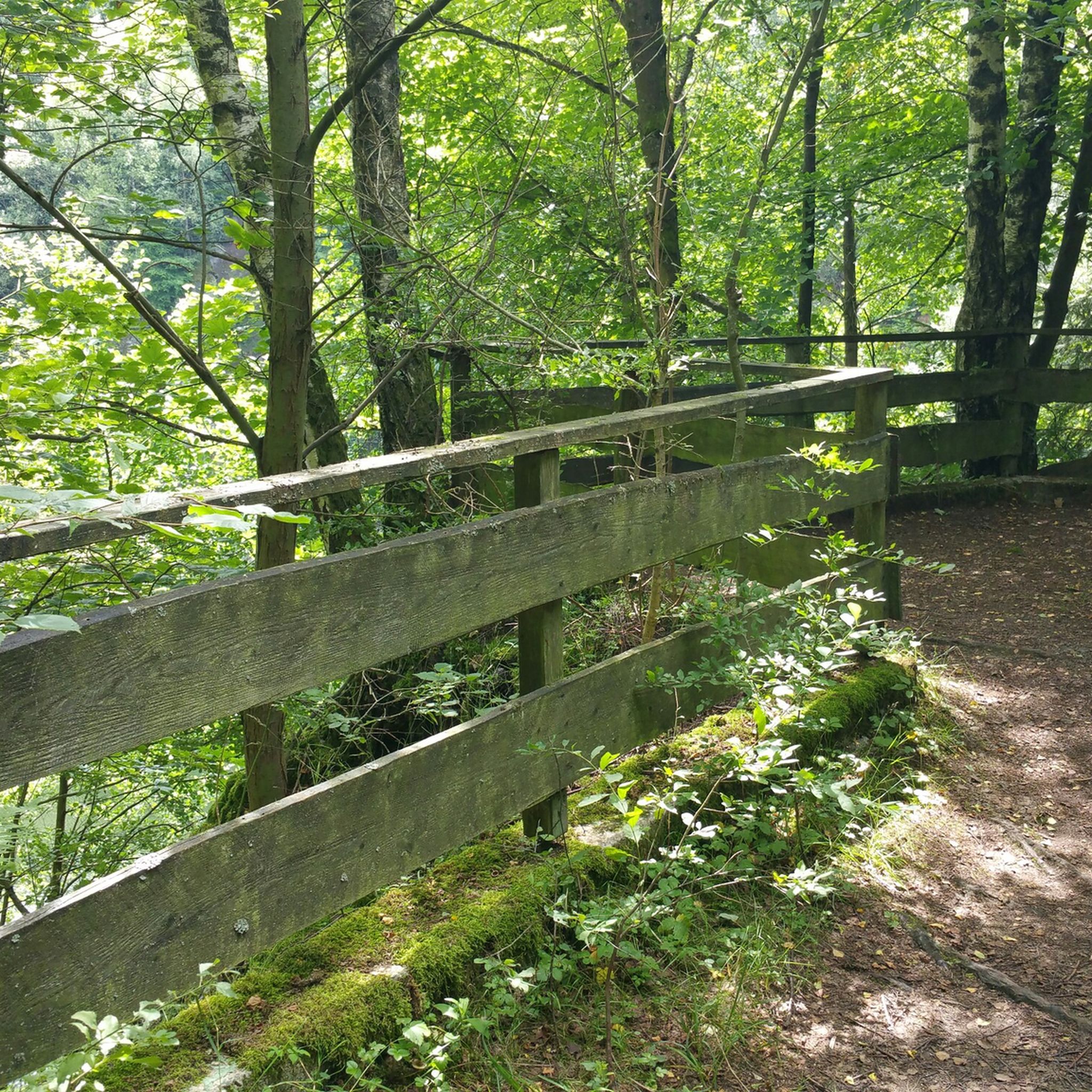
Hiking around Linz am Rhein
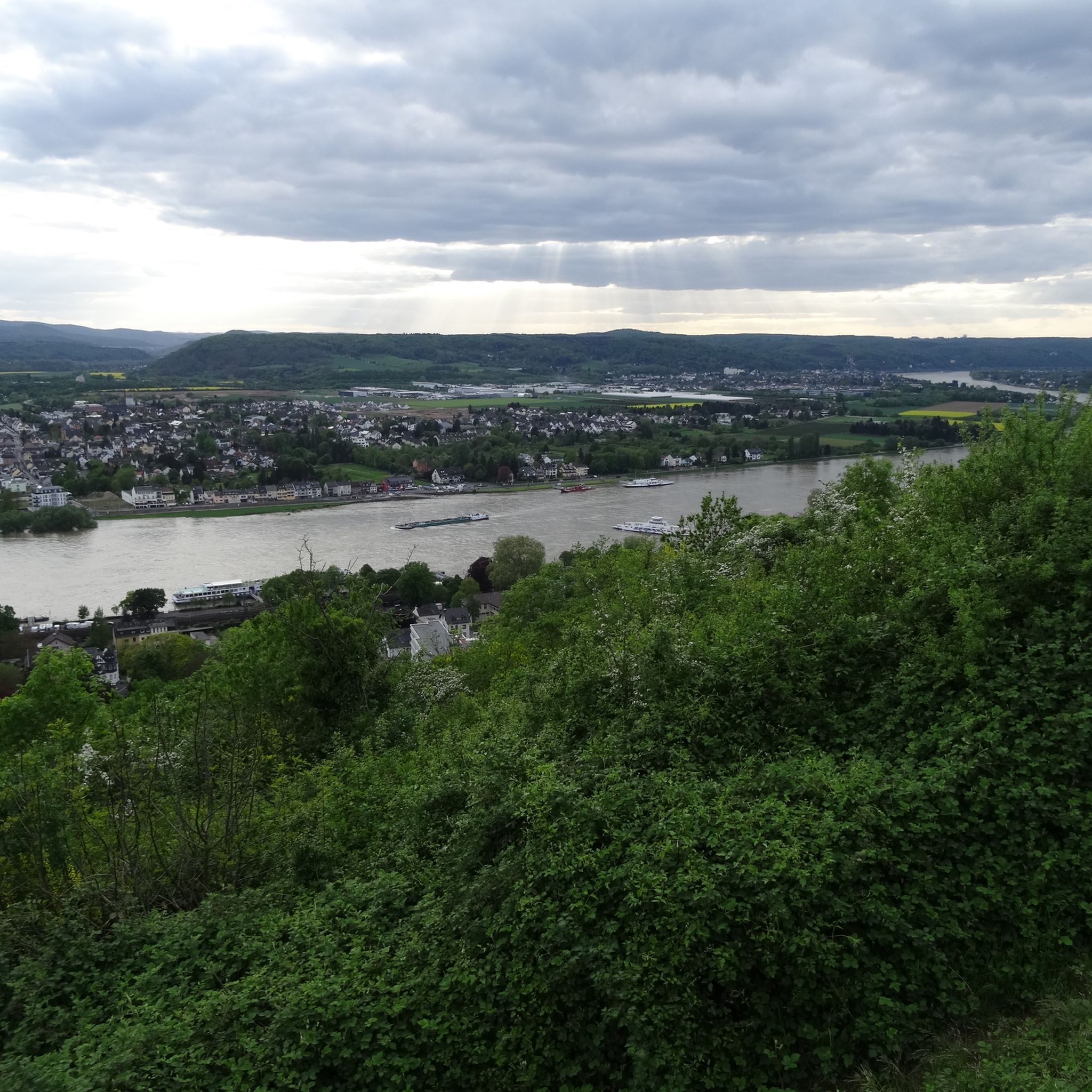
Cycling around Linz am Rhein
Road Cycling Routes around Linz am Rhein
MTB Trails around Linz am Rhein
Running Trails around Linz am Rhein
Gravel biking around Linz am Rhein

Mountain Hikes around Linz am Rhein


Tips from the Community

Many people combine a hike in the Kasbach Valley with a ride on the historic Kasbach Valley Railway. The railway line runs just over 20 kilometers from Linz am Rhein up the valley that gives the valley its name to Kalenborn (Westerwald). From there, you can enjoy a relaxing hike down through the beautiful, sometimes wild and romantic, countryside.
8
0

The train ride with the historic rail bus from Linz to Kalenborn and the hike from there through the Kasbachtal back to Linz are highly recommended.
7
0

"... The Nachtigallental in Königswinter, at the entrance to the Siebengebirge Nature Park, is simply wonderful, at any time of the year. If you walk up Bahnhofsstrasse there, you'll come straight there. You immediately feel like you are in another, serene world. The hiking trail goes around many curves up towards Drachenfels. The Mennesbach babbles next to the hiking trail and the birds sing. When you have arrived at the upper end of the Nachtigallental, you will already see the Drachenburg and then the Drachenfels castle ruins. Saint Bernard and the Nightingales: A legend from the Middle Ages tells how the Nightingale Valley got its name. Once, Saint Bernard of Clairvaux, the great Cistercian monk, was very upset by the singing of nightingales during a visit to Himmerod Monastery. He was so angry that the birds migrated to a valley in the Siebengebirge, which was later called “Nachtigallental”. Saint Bernard moved back to Clairvaux, but from then on music was at home here. The Nightingale Valley is a bird paradise. But not all monks felt like Bernhard von Clairveau, just think of the famous monk von Heisterbach, Cistercians like Bernhard, he liked the singing of birds. ..." FURTHER INFORMATION: https://www.rheindrache.de/nachtigallental/
6
0

A few bridges were no longer intact and very shaky. But a nice change from normal paths.
8
0

Path through the creek valley, but actually a little too well developed due to the fish ponds.
2
0
Very nice valley, everyone can decide for themselves whether they really like the fish ponds.
2
0

Climbing on the Stenzelberg has been expressly forbidden since June 2005. Previously, the Rhein-Sieg district had tolerated climbing, although the Stenzelberg, like the entire Siebengebirge, had been designated as a nature reserve (NSG) since 1920. The climbing ban became necessary due to the new nature reserve ordinance in the course of the recognition of the Siebengebirge as FFH area 5309-301 (Fauna-Flora-Habitat) of the European Union. In particular, the occurrence of the wall lizard was concerned and egg-laying sites at the foothills of the fields were destroyed. Despite the ban, climbing continued illegally after 2005. The path to the rocks was therefore closed by the forestry department.
13
0

The Stenzelberg is geologically a spring dome from the volcanic rock Latit. The rising magma did not reach the earth's surface here, but got stuck in the surrounding tuff cover rock. The softer tuff was later eroded away, exposing the harder latite. The Stenzelberg has been used as a quarry since the 11th century, in which quartz latite rock was mined. The Heisterbach Abbey also operated a quarry on the Stenzelberg. The quarried material was also used to build the monastery buildings and the abbey church. Furthermore, rock from the Stenzelberg was used for the Propsteikirche in Oberpleis, the Nikolauskapelle in Heisterbacherrott and the Bonn Minster, and later also for the churches in Niederdollendorf, in Oberdollendorf and in Asbach. The operation of the quarry ended in 1931. Source: https://www.kuladig.de/Objectansicht/O-FJK-20100630-0032
13
0
Frequently Asked Questions
What kind of geological features can I expect to see in the canyons around Linz am Rhein?
The region around Linz am Rhein is characterized by dramatic gorges, often called 'Klamm' in German, and impressive rock formations. You'll find deep, narrow valleys carved by the Rhine River, forming the UNESCO World Heritage Middle Rhine Valley. Notable features include volcanic rock formations like the basalt of Erpeler Ley and the Latit of Stenzelberg Rock Formations, showcasing the area's volcanic past. The landscape features steep slopes, often terraced with vineyards, and rich geological diversity.
Are there family-friendly hiking options in the gorges near Linz am Rhein?
Yes, several gorges offer family-friendly experiences. The Kasbach Valley Stream Trail is particularly noted as family-friendly, offering a beautiful, shady, and varied path. Many combine a hike here with a ride on the historic Kasbach Valley Railway, making it an engaging outing for all ages.
What are some popular hiking trails through the gorges around Linz am Rhein?
Beyond the well-known Rhine Gorge, popular trails include the Nachtigallental Trail, a romantic path along a babbling brook that serves as a quieter ascent to the Drachenfels. Another favorite is the Tretschbach Valley, known for its primeval forest setting with wooden bridges and jetties, leading towards Löwenburg.
What outdoor activities can I do near these canyons?
The area around Linz am Rhein offers a variety of outdoor activities. Besides hiking through the gorges, you can explore numerous cycling routes, including challenging tours through vineyards and moderate rides along the Rhine. There are also dedicated running trails and mountain biking routes that take you through scenic landscapes and offer views of the Rhine and surrounding hills. For more details on these activities, check out the guides for Cycling around Linz am Rhein, Running Trails around Linz am Rhein, and MTB Trails around Linz am Rhein.
Are there any significant viewpoints in the canyons or gorges?
Absolutely. The Rhine Gorge itself offers stunning panoramic views, especially from trails like the Rheinsteig. The Erpeler Ley, a prominent basalt rock formation near Erpel, provides expansive vistas of the Rhine, the Remagen bridge ruins, and the surrounding area. Many trails, including the Nachtigallental Trail and Tretschbach Valley, also feature viewpoints along their routes.
What is the best time of year to visit the gorges around Linz am Rhein?
The gorges and rock formations around Linz am Rhein are beautiful year-round. Spring brings lush greenery and blooming flora, while autumn offers vibrant fall colors, especially in the forested valleys. Summer is ideal for longer hikes, and even winter can be magical with snow-dusted landscapes, though some paths might be slippery. The region's natural beauty is captivating in every season.
Can I bring my dog on the hiking trails in the canyons?
Many hiking trails in the region are dog-friendly, allowing you to enjoy the natural beauty with your canine companion. It's always recommended to keep dogs on a leash, especially in nature reserves or areas with wildlife, and to be mindful of other hikers. Specific rules may vary by trail, so checking local signage is advisable.
Are there cafes or restaurants near the popular gorge trails?
Yes, you'll find various options for refreshments and meals near the hiking areas. For instance, the Kasbach Valley Stream Trail is often associated with the historic Kasbach Valley Railway, which can lead to amenities in towns like Kalenborn. Similarly, areas around Erpeler Ley and the broader Rhine Valley have towns and villages offering cafes, pubs, and restaurants for hikers.
What makes the <a href="https://www.komoot.com/highlight/3105951" target="_blank" rel="noopener">Stenzelberg Rock Formations</a> unique?
The Stenzelberg Rock Formations are unique due to their geological origin as a spring dome of volcanic Latit rock. This 287-meter-high mountain in the Siebengebirge features a picturesque rocky landscape, formed by erosion exposing the harder volcanic rock. It was historically a quarry and now provides a special habitat for animals like smooth snakes and wall lizards, making it a distinctive natural monument.
How accessible are the trailheads by public transport?
Many trailheads in the Linz am Rhein area are accessible by public transport, especially those along the Rhine or connecting to towns. For example, the Kasbach Valley Stream Trail can be accessed via the historic Kasbach Valley Railway. It's advisable to check local bus and train schedules for specific starting points to plan your hike effectively.
What is the <a href="https://www.komoot.com/highlight/289216" target="_blank" rel="noopener">Laubach Valley (Bergischer Weg)</a> like for hiking?
The Laubach Valley (Bergischer Weg) offers a beautiful path through a 'Siefen,' which is a local term for narrow, moist, gorge-like valleys with source streams. This section is part of the longer Bergische Weg trail and provides a scenic forest experience between Ittenbach and Nonnenberg, characterized by its natural and somewhat wild terrain.
Are there any less crowded gorges or trails to explore?
While popular spots can attract visitors, many smaller, natural paths exist throughout the Verbandsgemeinde Linz. The Nachtigallental Trail, for instance, is noted as a quieter alternative for ascending the Drachenfels compared to other paths. Exploring trails slightly off the main tourist routes often reveals serene and less crowded natural environments.
Most popular routes around Linz am Rhein
Most popular attractions around Linz am Rhein

Get inspired with the komoot mobile app


Explore more
Already discovered everything in this region? See additional gorges around Linz am Rhein for your next adventure:
