Top 7 Caves around Löwenstein
Caves around Löwenstein offer a range of geological formations and historical sites within the region. The area features natural erosion monuments, former mines, and natural caves. These sites provide insights into the local geology and past human activities. Löwenstein's surrounding landscape is characterized by its natural features and historical significance.
Best caves around Löwenstein
- The most popular caves is Hohler Stein Erosion Natural Monument, a natural monument that is a large, impressive niche with a 5-meter waterfall. It is…
Last updated: June 26, 2026
Hohler Stein Erosion Natural Monument
Highlight • Natural Monument
Translated by Google •
Tip by

Silberstollen Spiegelberg
Highlight • Cave
Mica flakes, shiny coal, so-called Zugstein and pyrites embedded in the sandstone repeatedly raised the hope of finding ores or even precious …
Translated by Google •
Tip by

Sign up now to discover places like this
Get recommendations on the best single tracks, peaks, & plenty of other exciting outdoor places.
Sign up for free
Lumpenloch Cave
Highlight • Cave
Translated by Google •
Tip by

Whetstone Mine
Highlight • Historical Site
Translated by Google •
Tip by

Stone Grotto with Sculptures in the Vineyard
Highlight • Cave
Translated by Google •
Tip by

Sign up for free to discover even more caves around Löwenstein.
Sign up for free
Already have an account?
Start today with a free account
Your next adventure awaits.
Login or Signup
Popular around Löwenstein

Wine love & wanderlust – gourmet tours in HeilbronnerLand
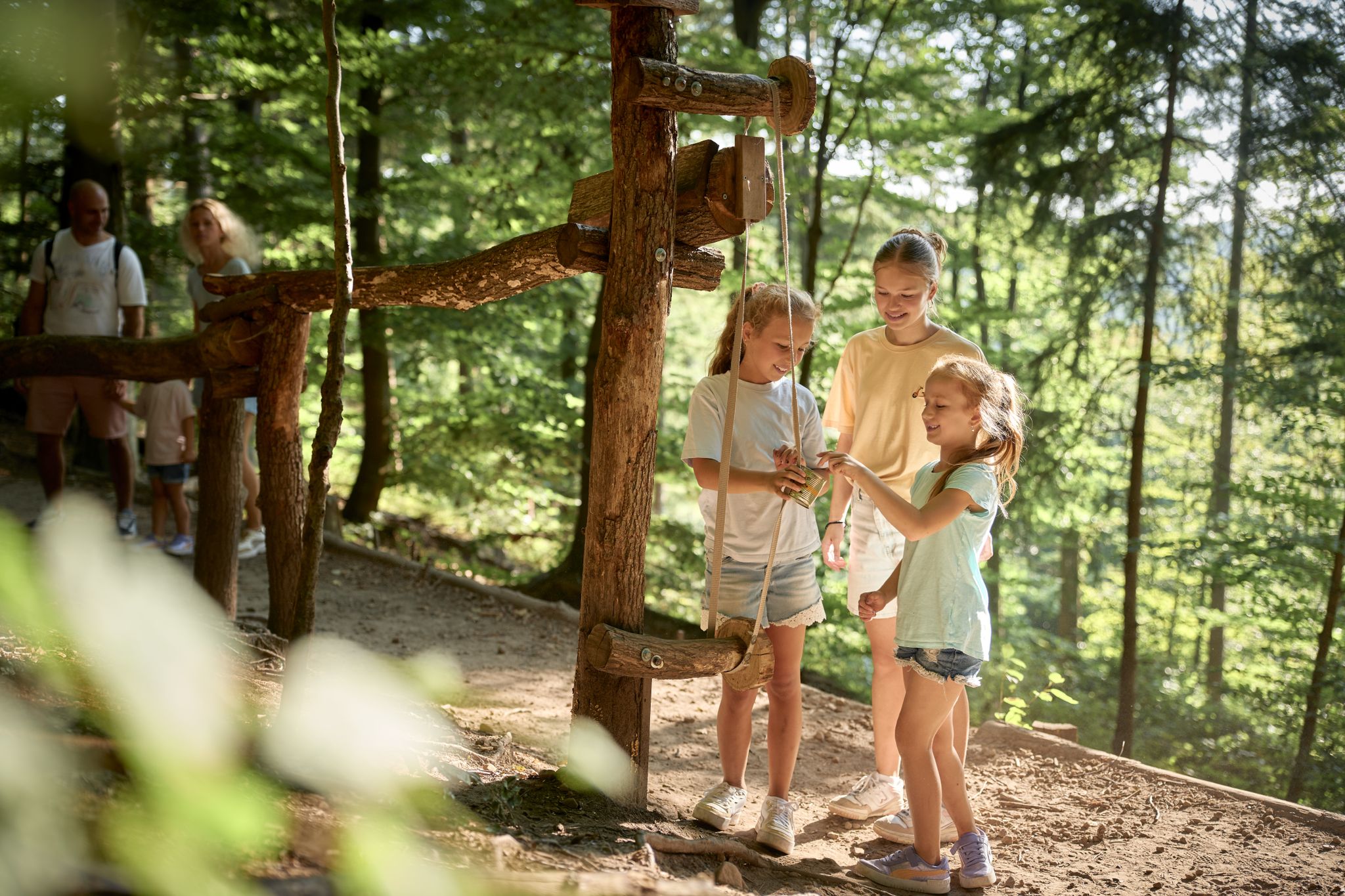
Forest & Wonder – family hikes in HeilbronnerLand

Winter wonderland — hiking in Germany’s Baden-Württemberg
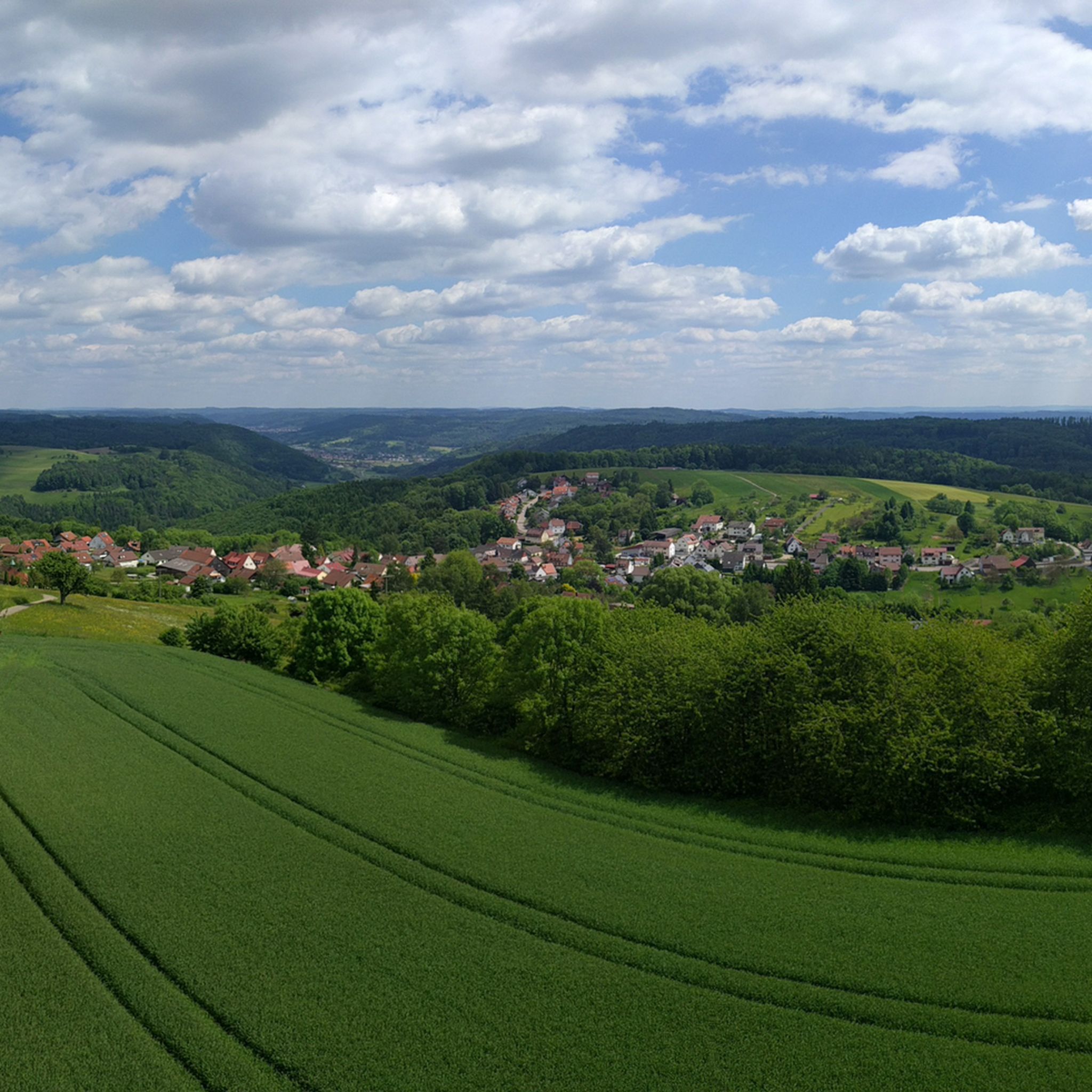
Hiking around Löwenstein
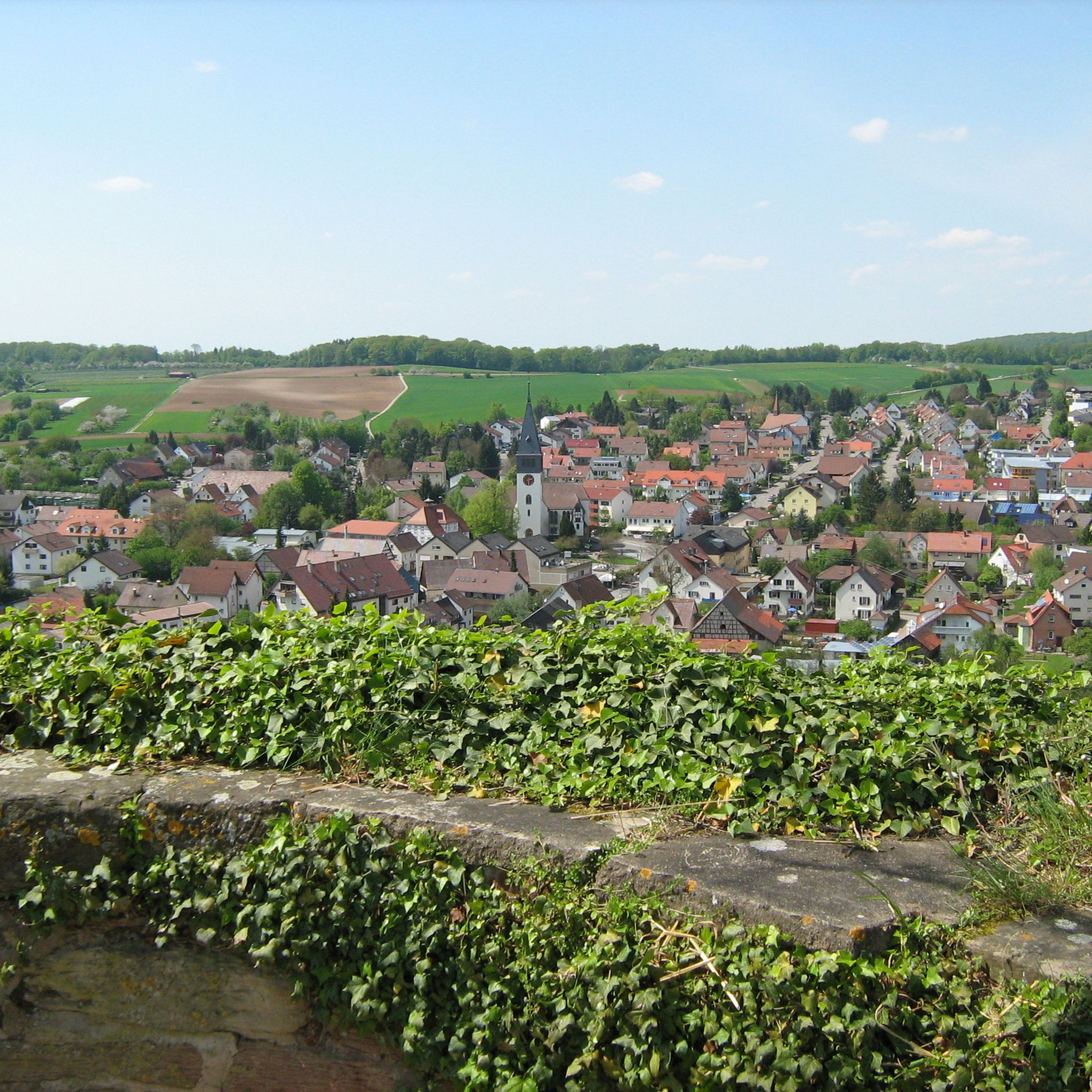
Cycling around Löwenstein
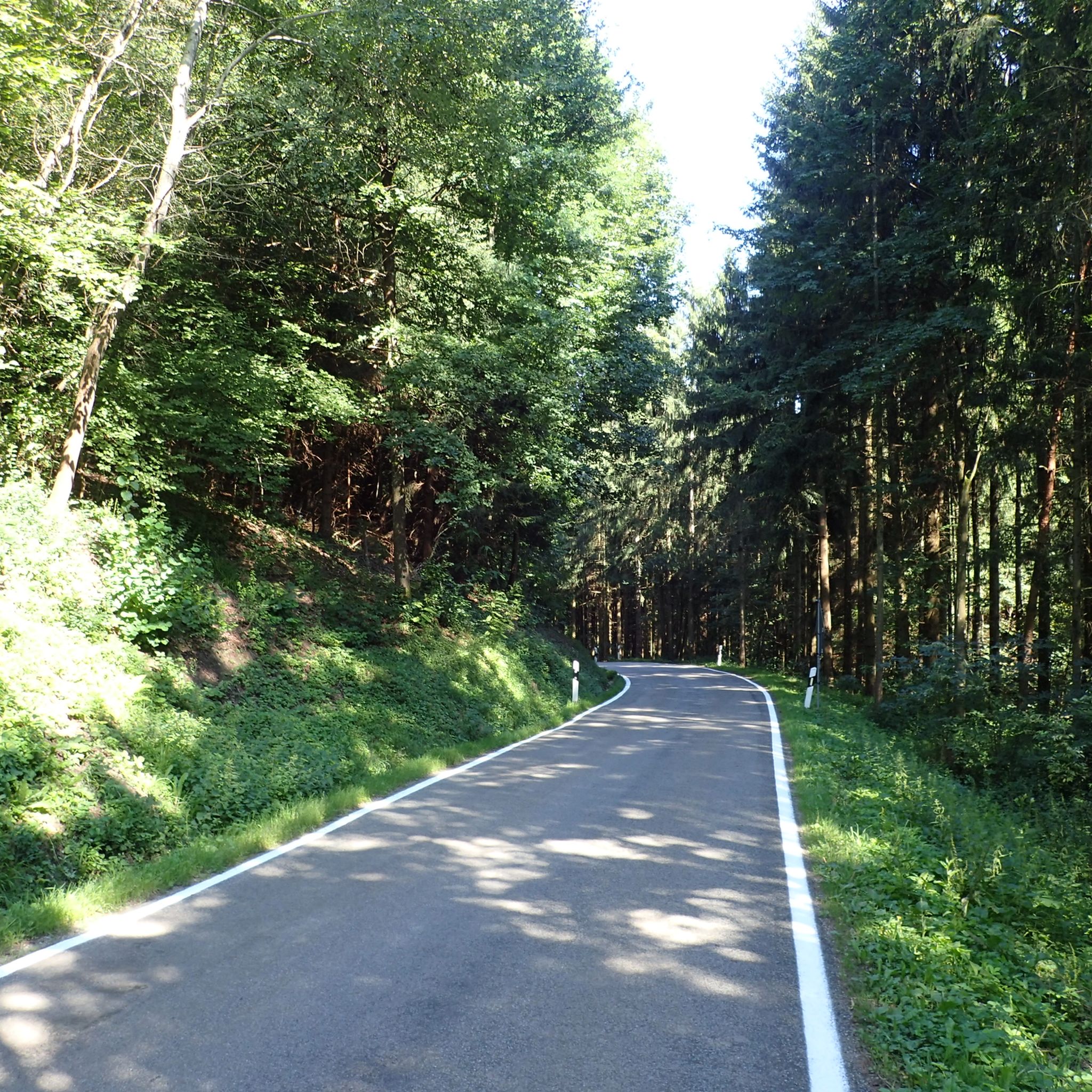
Road Cycling Routes around Löwenstein
Running Trails around Löwenstein
MTB Trails around Löwenstein

Gravel biking around Löwenstein
Mountain Hikes around Löwenstein
Other adventures around Löwenstein


Tips from the Community

Something completely different. In the middle of the vineyards. Stone carvings at the cave entrance.
2
1

The Hohle Stein (Hollow Stone) is located in the middle of the Tobel Gorge. It was eroded over millennia and is now a monument to erosion. A small amount of water trickles down from the ceiling of the small grotto throughout the year.
5
0

Small, always accessible grotto in the vineyards
0
0

At this point and in the middle of the vineyard is this small but very interesting grotto. 👍🏼😀 This grotto was apparently first dug horizontally into the mountain and then covered with large natural stones. It is estimated to be around 8 to 10m deep and can be walked all the way to the end. At the entrance you can still admire various artistic works.
3
0

Hollowed out sandstones with a small trickle of water on the way to a gorge on a very natural path.
3
1

- Entering the tunnel: as part of a "special tour". - A special tour is offered from 10 people (3.00 each). 👷♀️🔦⚒️🪜🧗♂️ - The contact details can be found here; www.wetzsteinstollen.de on the website of the Spiegelberg Tourist Association
1
0

Below Spiegelberg-Jux, siliceous sandstone has been mined since the Middle Ages and processed into whetstones for sharpening scythes. The Wetzsteinstollen visitor mine is a silent witness to this era, in which – uniquely in Europe – whetstone-grade material was mined in a mine. See also: http://www.wetzsteinstollen.de/
2
0

... a cave secured by an iron door, which can only be looked into from the outside. However, one can see enough. To get an impression
2
0
Frequently Asked Questions
What are the main types of caves and geological formations found around Löwenstein?
The Löwenstein region features a variety of geological formations, including natural erosion monuments, historical mines, and natural caves. You can find impressive niches like the Hohler Stein Erosion Natural Monument, former silver mines such as Silberstollen Spiegelberg and Gabe Gottes Silberstollen, and natural caves like the Lumpenloch Cave.
Which caves offer historical insights into the region's past?
Several sites provide a glimpse into the region's history. The Silberstollen Spiegelberg is a former mine where attempts were made to find ores and precious metals in the late 18th century. The Whetstone Mine is a unique tunnel created for quarrying sandstone for whetstones, now functioning as a visitor mine. The Gabe Gottes Silberstollen also offers insight into local mining history. Additionally, the Lumpenloch Cave served as a shelter during World War II.
Can I enter the Lumpenloch Cave?
The Lumpenloch Cave is secured by an iron door and can only be viewed from the outside. It serves as an important bat roost today, but still offers a glimpse into a significant historical refuge and natural habitat.
What makes the Hohler Stein Erosion Natural Monument unique?
The Hohler Stein Erosion Natural Monument is a large, impressive niche formed by millennia of erosion. It features a small waterfall that plunges 5 meters into a wide basin in the rock. It is particularly impressive in winter when adorned by meter-long icicles, creating a bizarre ice structure.
What is the best time of year to visit the caves around Löwenstein?
The caves and geological formations around Löwenstein can be visited year-round. The Hohler Stein Erosion Natural Monument is particularly striking in winter with its icicles. The Lumpenloch Cave maintains a constant temperature, feeling warm in winter and cool in summer, making it pleasant regardless of the season. Paths around natural monuments like the Hohler Stein can be slippery when wet, so consider weather conditions.
Are the caves around Löwenstein suitable for families?
Many of the sites, especially the former mines and natural monuments, can be engaging for families interested in history and nature. The Whetstone Mine, for example, functions as a visitor mine and offers guided tours, which can be a fascinating experience for children. The natural beauty and hiking opportunities around the Hohler Stein Erosion Natural Monument are also suitable for family outings.
What kind of outdoor activities can I do near the caves?
The Löwenstein region offers various outdoor activities. You can find numerous hiking trails, including easy hikes around Löwenstein, and more challenging routes that incorporate natural landmarks. Gravel biking is also popular in the area. For specific routes, explore guides like Easy hikes around Löwenstein, Hiking around Löwenstein, or Gravel biking around Löwenstein.
Are there any accessible caves for visitors with mobility challenges?
Most of the natural caves and historical mines in the Löwenstein area involve walking on uneven terrain, and some, like the Hohler Stein Erosion Natural Monument, include stairs and footbridges. Specific information on wheelchair accessibility for individual sites is limited, but generally, these natural and historical sites may present challenges for visitors with mobility issues.
Where can I find parking when visiting the caves?
Parking availability varies by location. For sites like the Gabe Gottes Silberstollen, visitors have noted that parking is often available nearby. For the Whetstone Mine, there is usually a nice bank for a short break, implying parking is accessible. It's advisable to check local signage or specific visitor information for each site upon arrival.
What do visitors particularly enjoy about the caves around Löwenstein?
Visitors appreciate the unique natural beauty and historical significance of the sites. The Hohler Stein Erosion Natural Monument is loved for its impressive scenery and tranquil environment, especially during hot weather. The historical mines, such as Silberstollen Spiegelberg, offer fascinating insights into the region's mining past. The komoot community has shared over 230 photos and given more than 760 upvotes to these highlights, indicating their popularity.
Are there cafes or refreshment options near the caves?
While specific cafes directly adjacent to every cave entrance are not guaranteed, the broader Löwenstein region offers amenities. For example, near Silberstollen Spiegelberg, visitors have mentioned refreshment stops in places like Vorderbüchelberg. It's recommended to check for local cafes or pubs in nearby towns like Löwenstein or Großerlach before your visit.
How long does it typically take to explore the caves around Löwenstein?
The time required to explore varies by site. Viewing the Lumpenloch Cave from the outside is a quick stop. Exploring former mines like the Whetstone Mine, especially with a guided tour, can take an hour or more. Natural monuments like the Hohler Stein Erosion Natural Monument are often part of longer hiking routes, so the duration depends on the length of your chosen trail.
What should I wear when visiting the caves?
When visiting caves and natural monuments, it's advisable to wear sturdy, comfortable walking shoes, especially as paths can be uneven or slippery, particularly around the Hohler Stein Erosion Natural Monument. Even in summer, the constant temperature inside caves like the Lumpenloch Cave can be cool, so bringing a light jacket or extra layer is recommended.
Most popular routes around Löwenstein
Most popular attractions around Löwenstein

Get inspired with the komoot mobile app


Explore more
Extend your search for the best caves by checking out these guides of the top ones around Löwenstein:
