Top 4 Gorges around Grimma
Best canyons around Grimma are characterized by the Mulde River valley's "Schluchten," or gorges, offering steep-sided valleys and dramatic natural landscapes. The region, part of the Porphyry Land Geopark, features diverse geological formations shaped by volcanic rocks and river activity. These areas provide significant vertical relief and a rugged setting for outdoor exploration. Visitors can find a landscape sculpted by natural forces, ideal for hiking and connecting with nature.
Best canyons around Grimma
- The most popular canyons is Entrance to…
Last updated: June 26, 2026
Spittelbruch Quarry
Highlight • Natural
Translated by Google •
Tip by

Entrance to Schamoniental
Highlight • Bridge
Translated by Google •
Tip by

Sign up now to discover places like this
Get recommendations on the best single tracks, peaks, & plenty of other exciting outdoor places.
Sign up for free
Auenbach Valley
Highlight • Gorge
Translated by Google •
Tip by

Mill Valley
Highlight (Segment) • Gorge
Translated by Google •
Tip by

Start today with a free account
Your next adventure awaits.
Login or Signup
Popular around Grimma

Lake views and fresh air – cycling by the water in the Leipzig region
With the PlusBus to wonderful hikes near Leipzig
Hiking between big city and nature – urban escapism Leipzig
Out and about with the pram – hiking around Leipzig
Experience art, culture and handicrafts – Germany’s Mulde Cycle Path
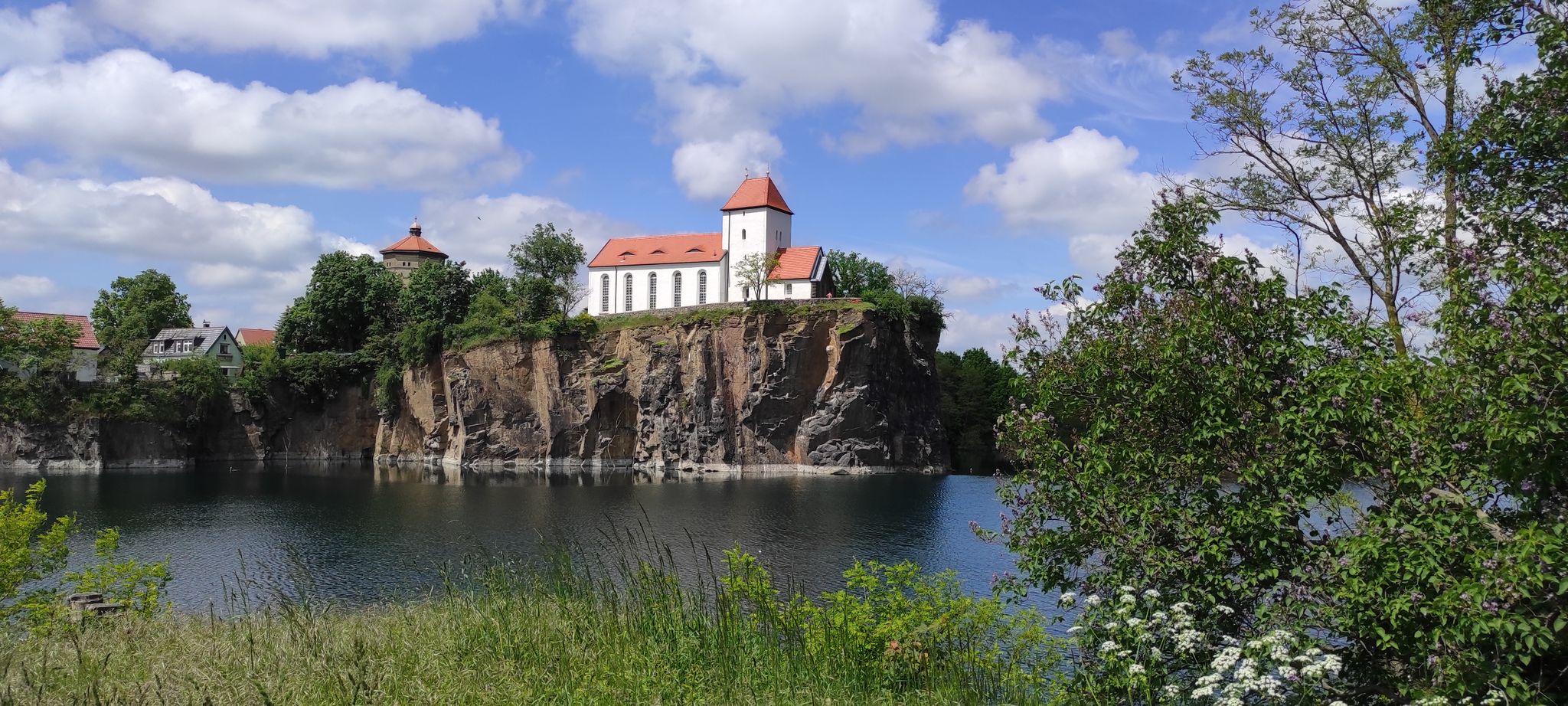
Historical discovery Tours on the MDV in Germany
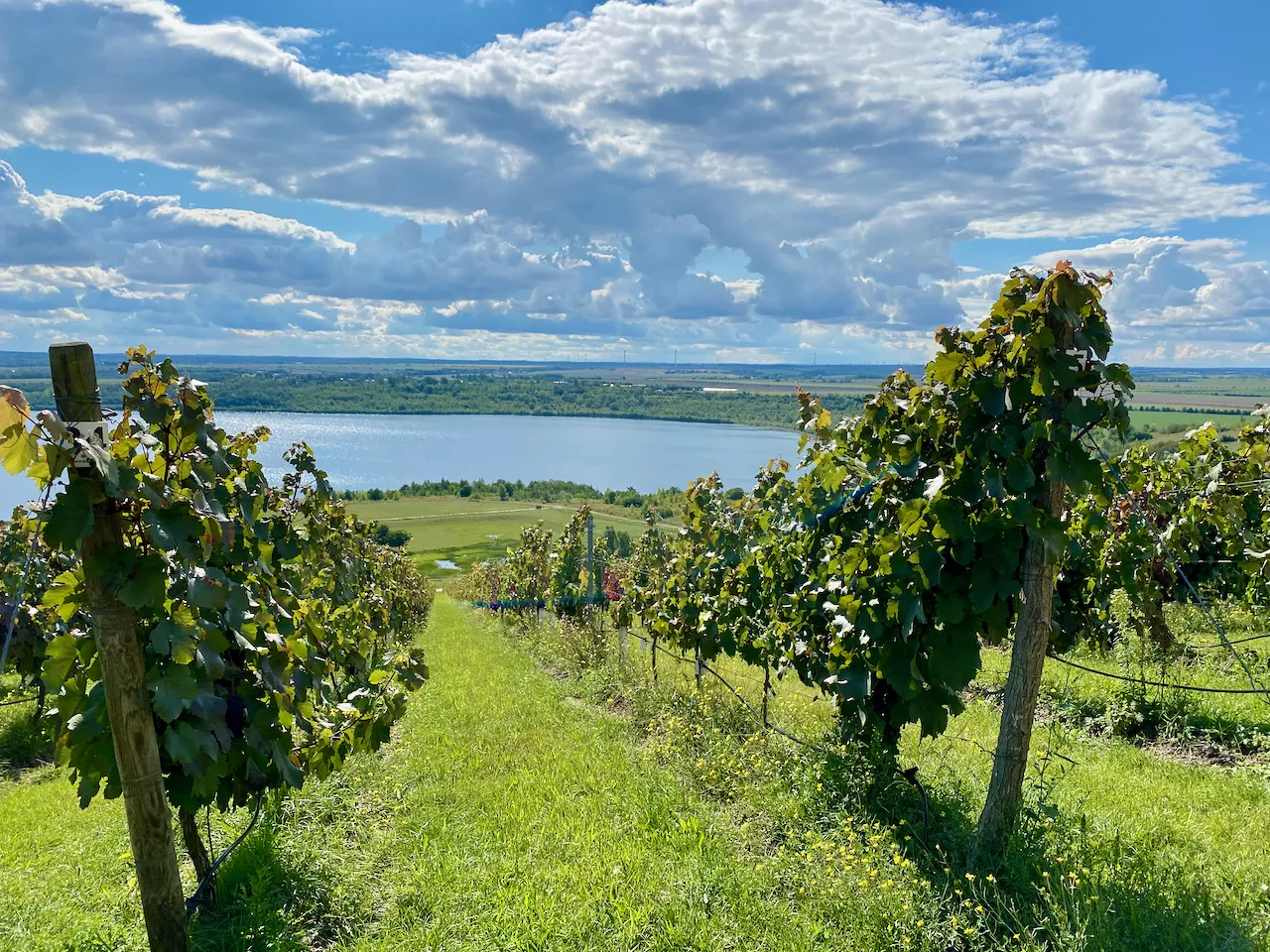
Hike and enjoy with Germany’s MDV – explore around Leipzig and Halle
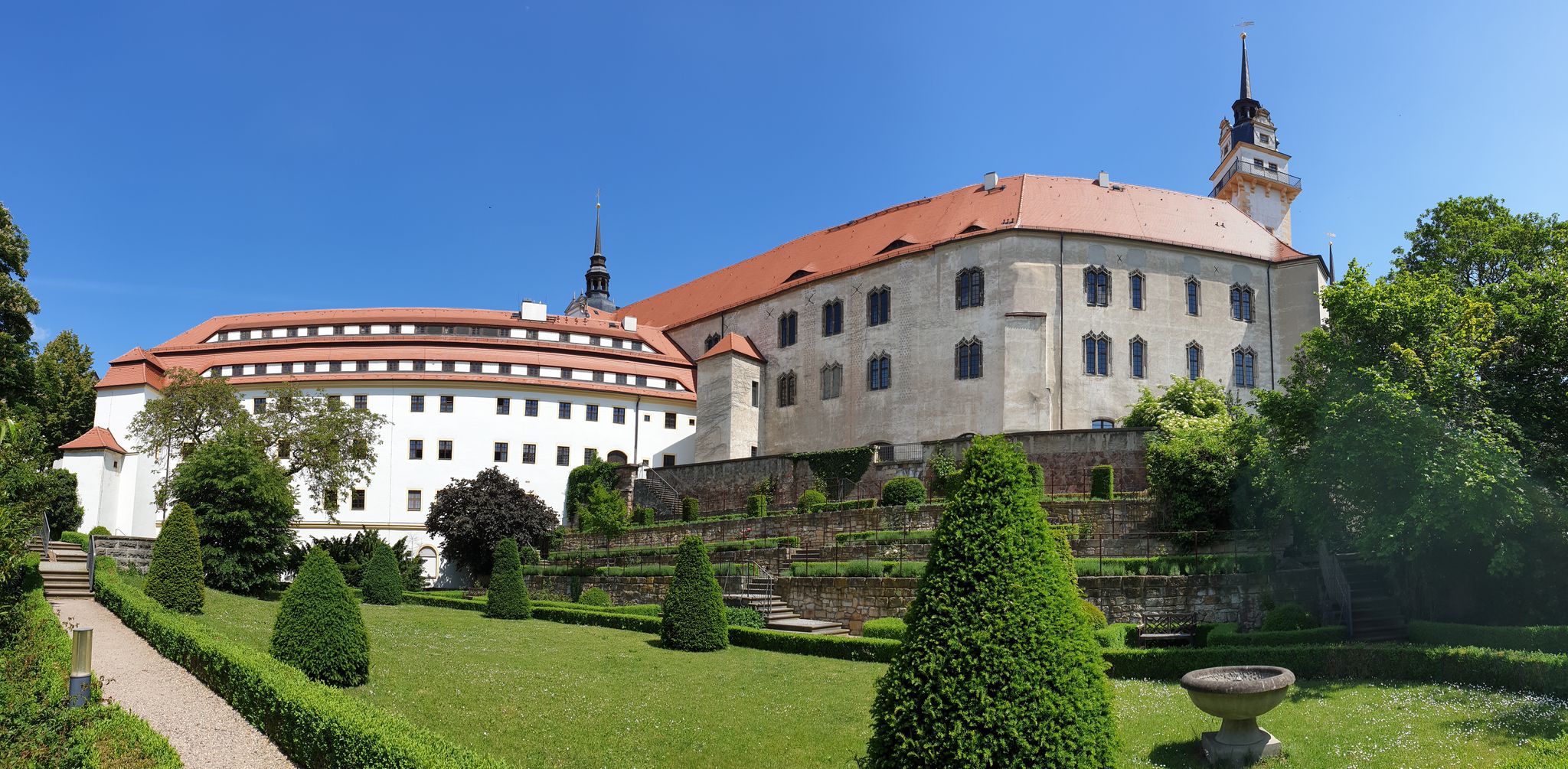
Cycling to exciting events around Germany’s Leipzig
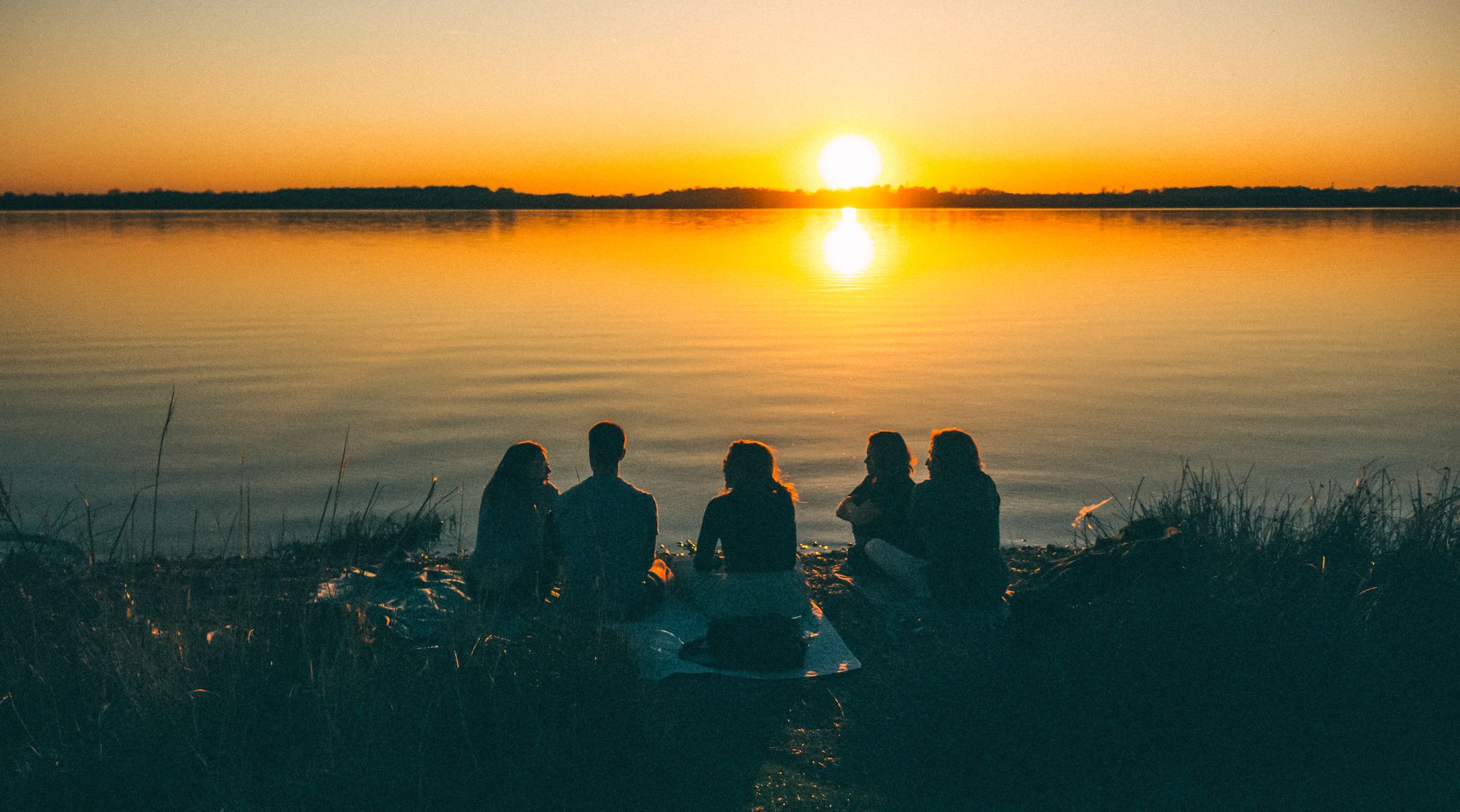
Vast forests & pretty lakes – discovering Leipzig’s surroundings on foot
Hiking around Grimma
Other adventures around Grimma


Tips from the Community

The Spittelbruch Kleinsteinberg quarry is located east of Leipzig, between Naunhof and Brandis. The quarry was created by the extraction of granite porphyry and covers an area of 1.47 hectares. The Spittelbruch is located in a forest on Kleinsteinberger Straße. The quarry has wooded banks. The banks slope steeply and gradually descend into the depths. On the western shore, there is a shallow water zone with weed beds and dead wood in the water. Hot spots are generally found near rocky outcrops and objects in the water. Compared to the surrounding quarries, the Spittelbruch has a meager fish population. https://www.fisch-hitparade.de/gewaesser/spittelbruch-kleinsteinberg/
0
0
Steingrundtal, popularly known as the “Schamoniental” (after the Chamonix valley), a trough valley created in the Ice Age as a breakthrough through a quartz porphyry massif, now the valley of the Steingrundbach with temporary water transfer from the Mulde to the Pleiße Source: https://tourismus.bad-lausick.de/media/182515_flyer_rundgang_kurviertel_neu.pdf
2
0


You should also see the entire Kurpark with the butterfly open-air stage and the rose garden with the pretty figures. A visit to the brass academy, which is also located in the spa park, is worth a visit. A coffee is located next to the Sachsenklinik. Have fun
1
0

A beautiful route through the forest, but the road surface is in a catastrophic condition (as of May 2022).
0
0

At the entrance to the Schamoniental, the railway bridge spans the Steingrundbach.
8
0

at the Leipzig - Chemnitz viaduct
16
0
Unfortunately I couldn't find a way to take a picture
3
1
Frequently Asked Questions
What defines the 'canyons' or gorges around Grimma?
The 'canyons' around Grimma are primarily characterized by the Mulde River valley's 'Schluchten,' which are steep-sided valleys and dramatic natural landscapes. The region is part of the Porphyry Land Geopark, featuring diverse geological formations shaped by ancient volcanic rocks and river activity, providing significant vertical relief and a rugged setting for outdoor exploration.
Are there family-friendly gorges to explore near Grimma?
Yes, several areas are suitable for families. For instance, the Entrance to Schamoniental is noted as family-friendly, offering a gorge and viewpoint. Similarly, the Auenbach Valley, a Natura 2000 protected area, is also suitable for families, featuring near-natural forest communities and meadows.
What kind of outdoor activities can I do in the gorges around Grimma?
The Mulde Valley and its gorges are excellent for various outdoor activities. You can enjoy hiking, cycling, and mountain biking. There are numerous routes, such as those found in the Easy hikes around Grimma, MTB Trails around Grimma, and Cycling around Grimma guides, that allow you to explore these natural formations.
What are some notable natural features in the Grimma gorges?
Beyond the general gorge formations, you can find unique natural features like the Spittelbruch Quarry, which contains multiple water-filled quarries. The Auenbach Valley is a natural monument with structurally rich, steep-sided valleys and near-natural forest communities. The Entrance to Schamoniental marks a trough valley created during the Ice Age through a quartz porphyry massif.
What is the geological significance of the Grimma region's gorges?
The Grimma region is part of the 'Porphyry Land' Geopark, characterized by ancient volcanic rocks and diverse geological features. The gorges, or 'Schluchten,' were shaped over millions of years by weathering, glaciation, and river activity, particularly by the Mulde River. This geological history has created unique rock formations and dramatic landscapes, offering significant interest for geology enthusiasts.
When is the best time to visit the gorges around Grimma?
The Mulde Valley, with its varied terrain, is popular for outdoor activities. While specific seasonal recommendations for the gorges aren't detailed, spring and autumn generally offer pleasant temperatures and beautiful scenery for hiking and cycling. Winter hiking is also possible, but conditions may vary.
Are there options for more challenging hikes in the Grimma gorges?
Yes, while many trails are accessible, some routes offer more challenging terrain. For example, the Mill Valley is noted as an intermediate trail, featuring a beautiful route through the forest, though with a challenging road surface in parts. The varied landscape of the Mulde River valley provides opportunities for different difficulty levels.
Can I bring my dog to the trails in the Grimma gorges?
Many outdoor areas in Germany, including natural trails, are generally dog-friendly, especially if dogs are kept on a leash. While specific rules for every gorge are not provided, areas like Thümmlitzwald, which is part of the broader region, are often welcoming to dogs. Always ensure your dog is under control and respect local signage.
Where can I find parking when visiting the gorges around Grimma?
Parking availability varies by specific trailhead. For popular starting points for hikes and cycles in the Mulde Valley, you can often find designated parking areas in or near towns like Grimma, Höfgen, or close to specific attractions. It's advisable to check local maps or route descriptions for parking information specific to your chosen starting point.
What should I wear for hiking in the Grimma gorges?
Given the varied terrain, including steep inclines and declines, and potentially challenging surfaces, it's recommended to wear sturdy hiking boots or shoes with good grip. Layered clothing is advisable to adapt to changing weather conditions, and waterproof gear can be useful, especially during wetter seasons. Don't forget water and snacks for longer excursions.
Are there any historical or cultural sites near the gorges?
Yes, the region around Grimma offers historical and cultural points of interest. While not directly within the gorges, sites like the Nimbschen Monastery ruins are nearby. The Mulde Valley also features historical bridges, mills (such as those mentioned in the Auenbach Valley), and charming villages like Höfgen, known as the 'Dorf der Sinne' (Village of the Senses).
What do visitors enjoy most about the gorges around Grimma?
Visitors appreciate the dramatic scenery and the opportunity to connect with nature. The steep-sided valleys and unique geological formations offer picturesque views. Many enjoy the extensive network of hiking and cycling routes that allow exploration of these natural wonders. The tranquility and natural beauty, often accompanied by the sounds of birds, are frequently highlighted by those who visit.
Most popular routes around Grimma
Most popular attractions around Grimma

Get inspired with the komoot mobile app


Explore more
Already discovered everything in this region? See additional gorges around Grimma for your next adventure:
