Top 15 Caves around Hartenstein
Caves around Hartenstein primarily consist of historical mining tunnels and man-made subterranean structures. This region in Saxony, Germany, is characterized by its mining heritage, with many "caves" being former adits and shafts. These sites offer insights into past industrial activities and the local landscape. The area provides opportunities to explore these historical features, often integrated into hiking routes.
Best caves around Hartenstein
- The most popular caves is Princes' Cave, a cave that is a medieval mine tunnel, 18m long…
Last updated: September 29, 2026
Princes' Cave
Highlight • Cave
Translated by Google •
Tip by

Cave Entrance on Floßgrabenweg
Highlight • Cave
Great highlight on the floßgrabenweg even if it's too scary for us 🙈
Translated by Google •
Tip by

Sign up now to discover places like this
Get recommendations on the best single tracks, peaks, & plenty of other exciting outdoor places.
Wille Gottes Mine
Highlight • Historical Site
Translated by Google •
Tip by

Reichenbach Fundgrube Visitor Mine (Bernhardt Tunnel and Kunstschacht)
Highlight • Historical Site
Translated by Google •
Tip by

St. Christoph Tunnel
Highlight • Historical Site
The old art shaft, the Huthaus shaft and the …
Translated by Google •
Tip by
Sign up for free to discover even more caves around Hartenstein.
Already have an account?
Start today with a free account
Your next adventure awaits.

Tips from the Community

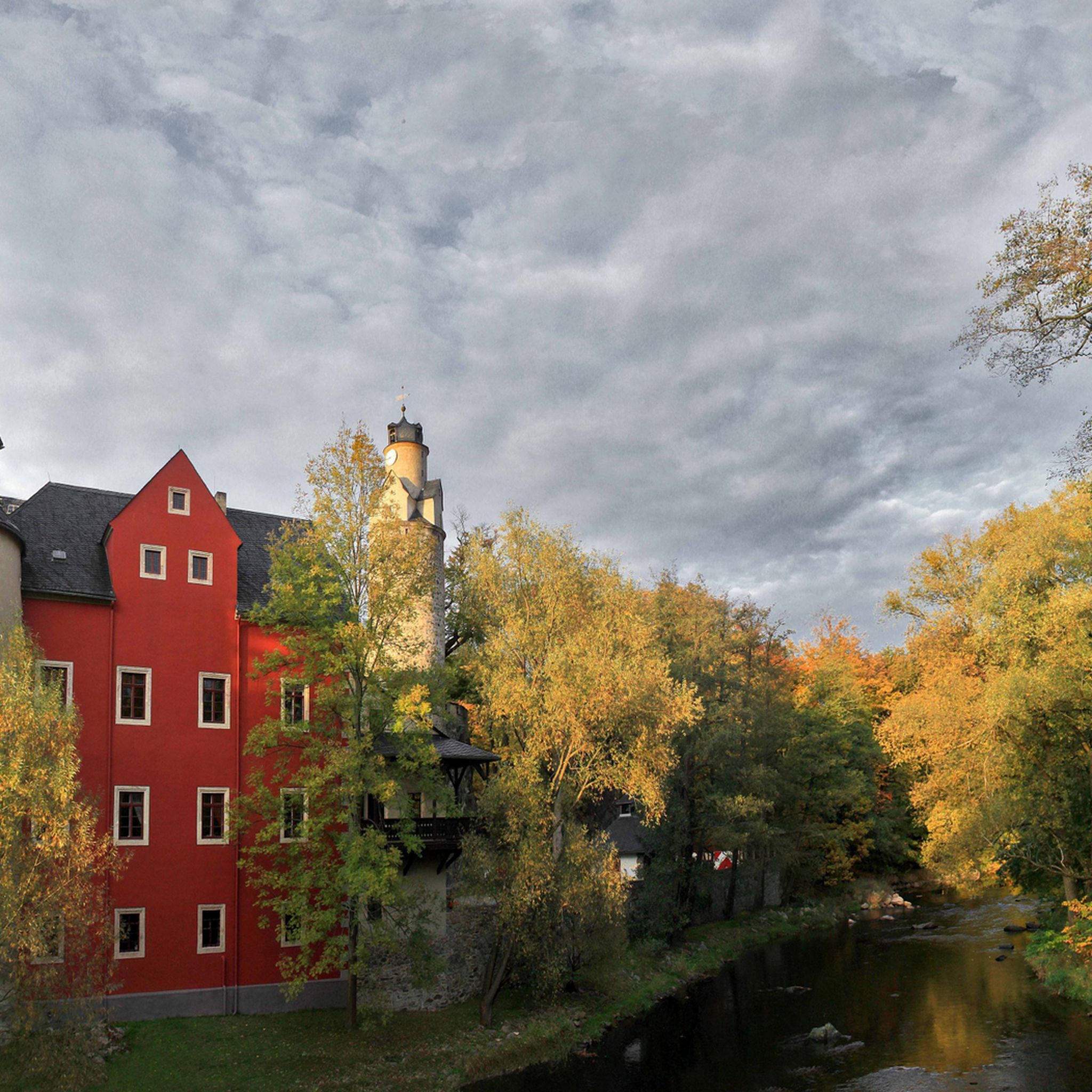
Nestled within the Lößnitz Forest, between Lößnitz, Aue, and Oberpfannenstiel, lies the former mining district of the mining town of Lößnitz, where mining has been practiced since at least 1382. However, the real mining boom in the Kuttengrund valley to the south didn't begin until around 1480. The primary minerals mined were silver, copper, arsenic, and lead. From 1500 onward, numerous adits were driven from the valley floors of the Kuttenbach and Fallbach streams. To date, research has identified 56 adits covering an area of approximately five hectares. From 1720, silver and arsenic mining was revived in eight individual mines. One of these mines is the so-called Reichenbach Adit, known locally as the Kutten Mine. The particularly high arsenic content ensured the mine a modest income until October 1907. The main customer and long-time operator was the private blue dye factory Niederpfannenstiel, located on the Schwarzwasser river.
0
0
A great highlight not only for the adults, it certainly stimulated the sense of adventure and imagination of our kids;)
0
0

a great corner, always worth a trip
1
0
very nice corner. Always worth a visit
0
0


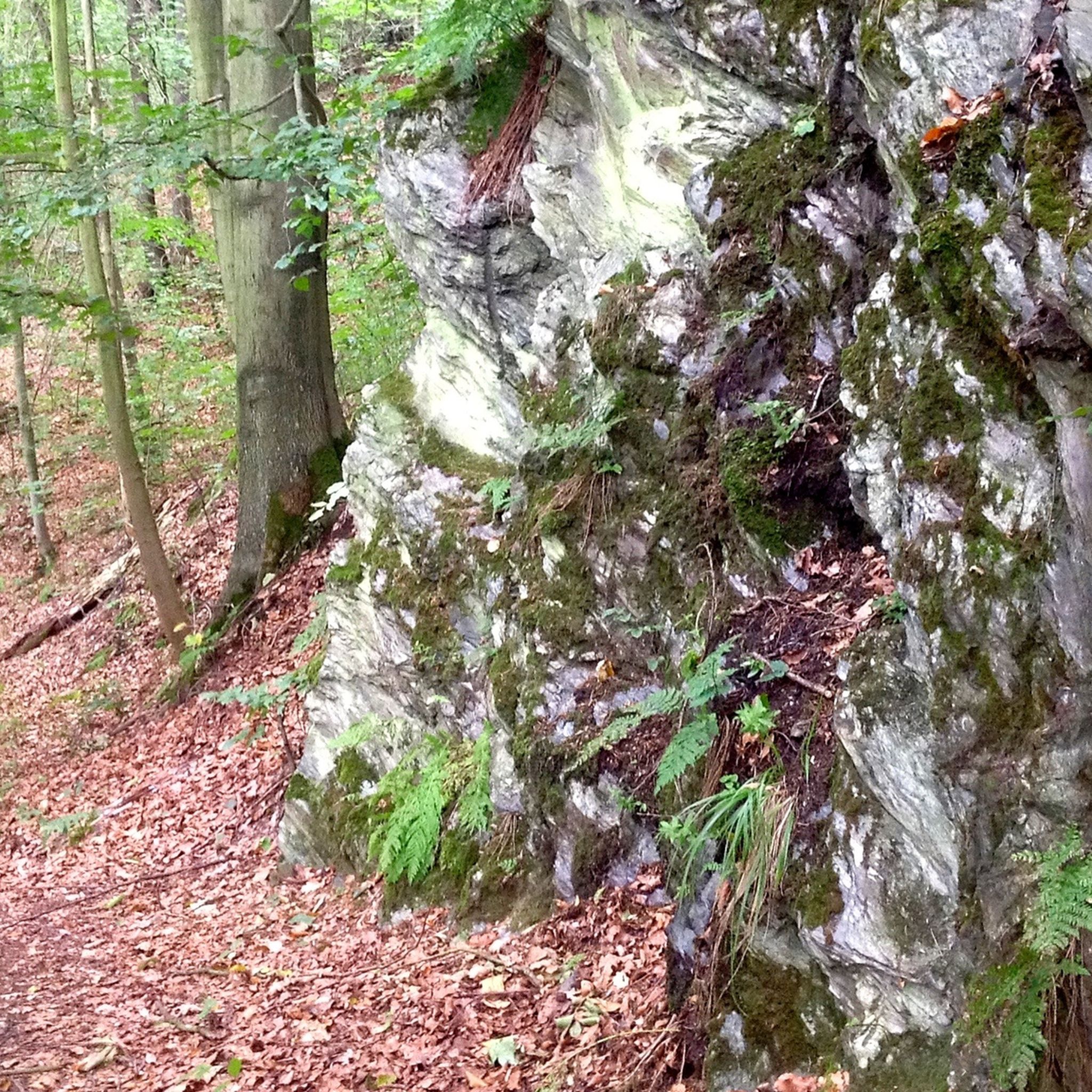
Nice little cave with interesting grain inside (iron) and a bridge over the Floßgrabenweg. Flashlight 🔦 recommended
2
0

When it was first mentioned in a document around 1558, almost 400 years of mining began in the well-known treasure trove. The old art shaft, the Huthaus shaft and the Osterfester find shaft were built on first, with priority being given to extracting so-called complex ores such as tin stone with little silver, sphalerite, arsenic, copper and iron ores. Since the water in the mine was a constant problem, the St. Christoph tunnel was approached at a lower level. The first approx. 100 m were made with vaulted masonry. Then, in hard work with mallets and chisels, the adit was advanced another approx. 600 m until the three shafts mentioned were reached. This guaranteed the drainage of the mine field. As a side effect, there was an improvement in the ventilation and in the tunnel a horizontal promotion of the mined ores and the surrounding rock. As in other mines, there were different main operating times such as e.g. B. 1567 - 1572, then 1665 - 1784 and 1800 - 1910. In between the pit was kept in time limits. The last operating period for the time being began in 1937 and ended in April 1945. Iron ore (magnetite) and the resulting complex ores were primarily mined.
0
0
Frequently Asked Questions
What kind of caves can I expect to find around Hartenstein?
The 'caves' around Hartenstein are primarily historical mining tunnels, former adits, and other man-made subterranean structures, reflecting the region's rich mining heritage. They offer a unique glimpse into past industrial activities rather than natural geological formations.
Are there any historical sites among the caves in Hartenstein?
Yes, many of the sites are deeply rooted in history. For example, the Princes' Cave is a medieval mine tunnel famous for its connection to the Saxon princes' abduction. Other historical sites include the Hechtlöcher and Rösche of the Martin Römer Stolln, which are part of a nature trail showcasing historical mining infrastructure.
Are there any family-friendly caves to visit in the Hartenstein area?
Yes, the Cave Entrance on Floßgrabenweg is considered family-friendly and is also a natural monument. It features notable iron grain inside and is located along the scenic Floßgrabenweg.
What should I wear or bring when exploring the caves around Hartenstein?
For sites like the Cave Entrance on Floßgrabenweg, visitors recommend bringing lights and wearing waterproof shoes, as some areas might be damp or dark. Given the nature of mining tunnels, sturdy footwear is generally advisable.
Can I visit the Wille Gottes Mine?
The Wille Gottes Mine, a historical arsenic gravel mine, is open to the public by prior arrangement or on fixed guided tour dates during the summer and autumn months. You can contact the Thalheim Mining Association for viewing details.
What is the significance of the Princes' Cave?
The Princes' Cave is a medieval mine tunnel, 18 meters long and accessible. It gained historical significance as a refuge for Prince Ernst during the Saxon princes' abduction in 1455, making it a notable site in Saxon history.
Are there any visitor mines in the region that offer deeper insights into mining history?
Yes, the Reichenbach Fundgrube Visitor Mine (Bernhardt Tunnel and Kunstschacht) is a restored historical mining district where silver, copper, arsenic, and lead were mined since at least 1382. A local club has restored it, and events are held there occasionally.
What outdoor activities can I combine with a visit to the caves?
The Hartenstein region offers various outdoor activities. You can find numerous MTB Trails, Road Cycling Routes, and Gravel Biking opportunities. Many of these routes integrate historical features and scenic landscapes, allowing you to explore the area's heritage while being active.
What are the 'Hechtlöcher' at the Martin Römer Stolln?
The 'Hechtlöcher' (pike holes) at the Hechtlöcher and Rösche of the Martin Römer Stolln are light holes of the mine. They are part of a nature trail and provide a glimpse into the historical mining infrastructure, showing how light and ventilation were managed in the tunnels.
Is there a specific time of year that is best for visiting the caves?
While many of the historical mining tunnels and sites are accessible year-round, some visitor mines like the Wille Gottes Mine offer guided tours specifically during the summer and autumn months. Always check ahead for specific opening times or tour availability, especially for smaller, volunteer-run sites.
Are the caves around Hartenstein natural formations or man-made?
The 'caves' in the Hartenstein region are predominantly man-made. They are historical mining tunnels, adits, and other subterranean structures created as part of the area's extensive mining history, rather than natural geological caves.
Most popular routes around Hartenstein
Most popular attractions around Hartenstein

Get inspired with the komoot mobile app


Explore more
Extend your search for the best caves by checking out these guides of the top ones around Hartenstein:
