Top 5 Caves around Ellwangen
Best caves around Ellwangen are found within the region, particularly in the nearby Swabian Alb, which is known for its karst landscapes and geological formations. While Ellwangen (Jagst) itself features several cave-like grottos, the surrounding area offers diverse underground experiences. These range from historical mines with cave characteristics to natural dripstone caves and unique water caves. The landscape provides opportunities for exploring both natural and man-made subterranean attractions.
Best caves around Ellwangen
- The most popular caves is Friedrichshöhle Trail,…
Last updated: August 19, 2026
Lourdes Grotto, Hohenberg
Highlight • Religious Site
Translated by Google •
Tip by

Friedrichshöhle Trail
Highlight (Segment) • Trail
Translated by Google •
Tip by

Sign up now to discover places like this
Get recommendations on the best single tracks, peaks, & plenty of other exciting outdoor places.
Sign up for free
Tiefer Stollen Visitor Mine
Highlight • Historical Site
aalen-kultur.de/weihnachtsmarkt-im-und-am-tiefen-stollen.198740.htm
The mine train goes along
approx. 20 km/h along the tunnel.
Great fun 👍!
Translated by Google •
Tip by

Marian Grotto in the Geopark Schwäbische Alb
Highlight • Religious Site
Coming closer to the goal, it appears as if in a mystical apparition. Maria …
Translated by Google •
Tip by

Marian Grotto Neunheim
Highlight • Religious Site
Translated by Google •
Tip by

Sign up for free to discover even more caves around Ellwangen.
Sign up for free
Already have an account?
Start today with a free account
Your next adventure awaits.
Login or Signup
Popular around Ellwangen (Jagst)
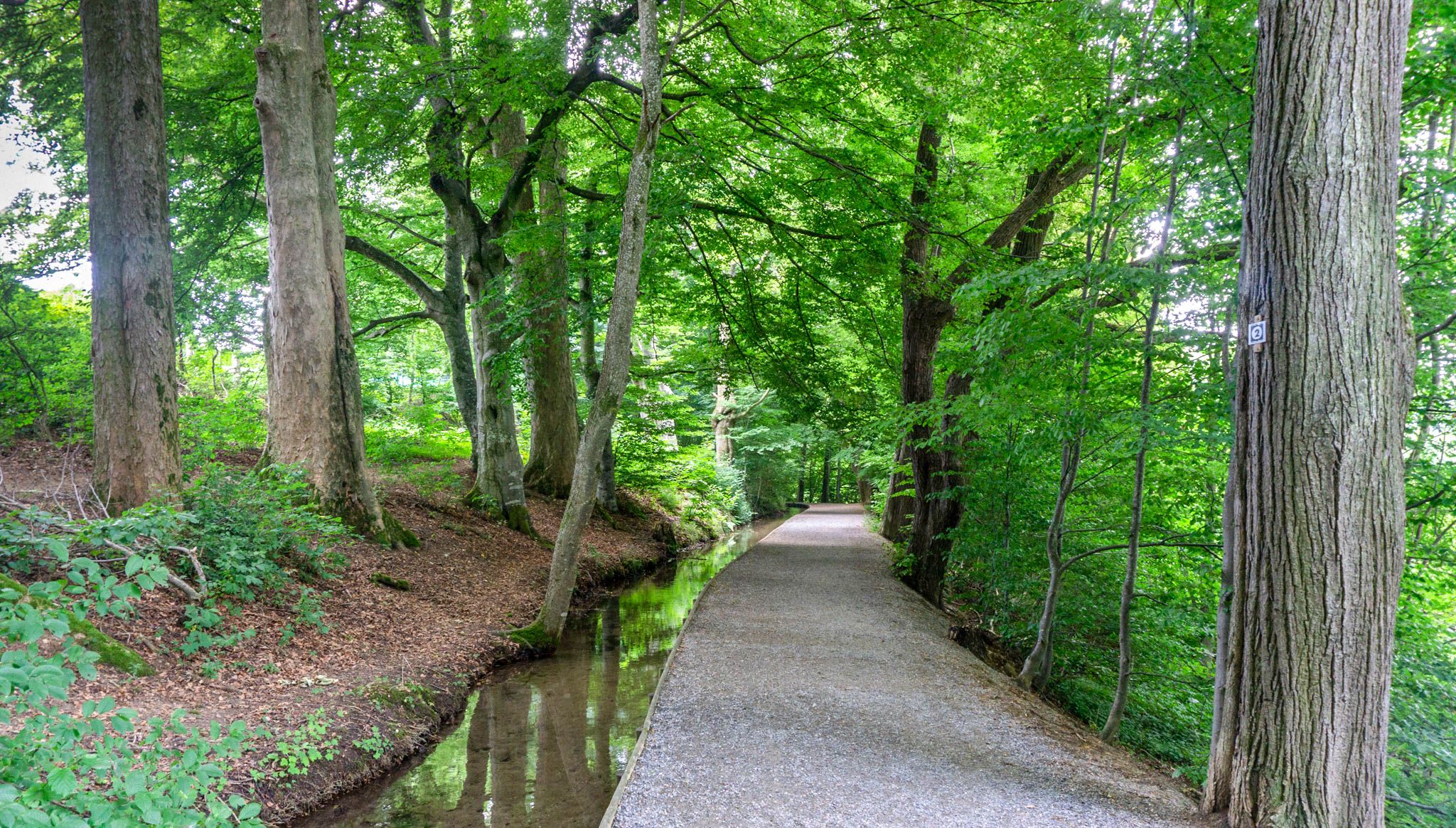
Main-Danube-Lake Constance Trail – Along iconic waters
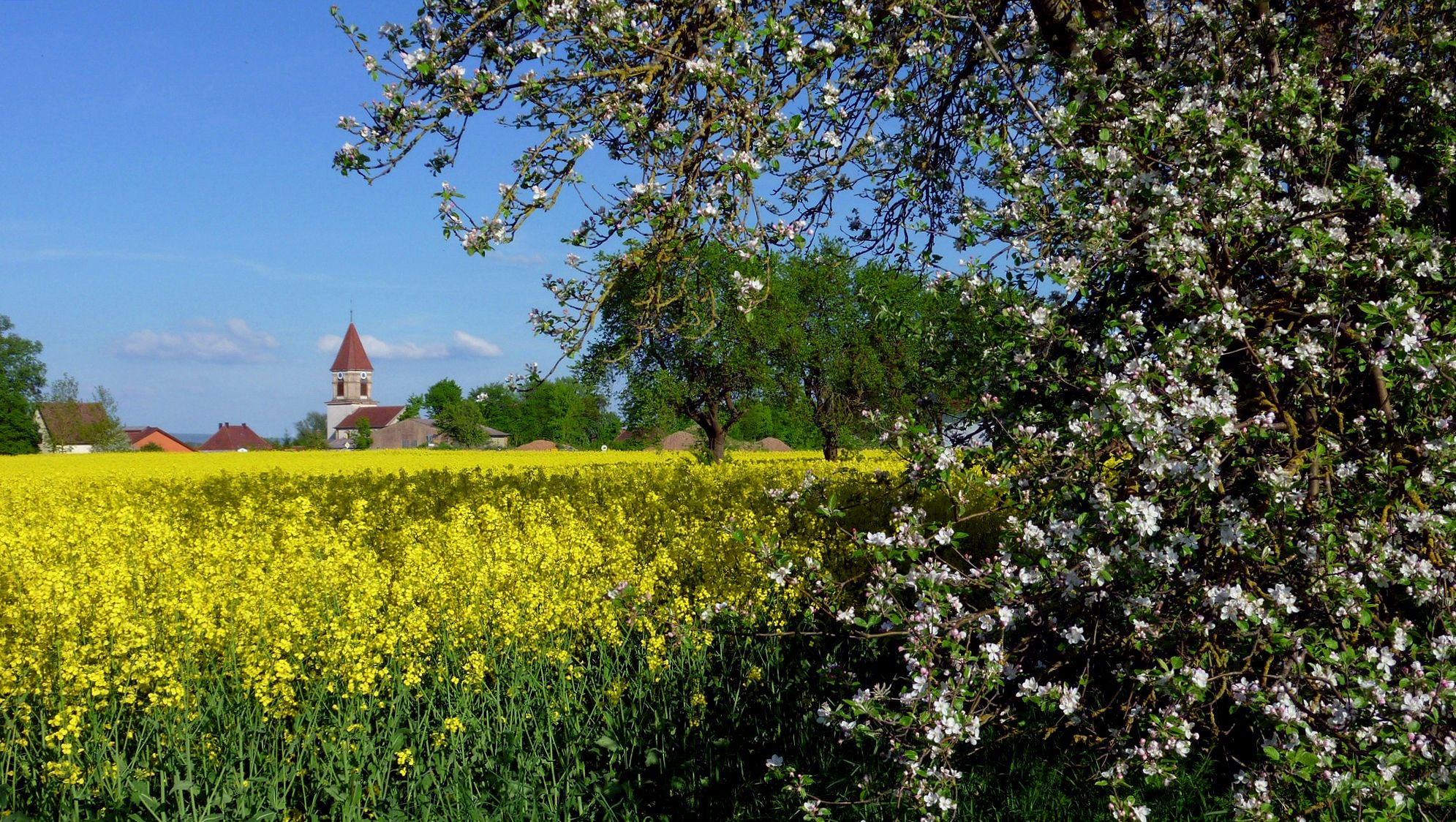
A lush weekend at the Franconian Moststraße
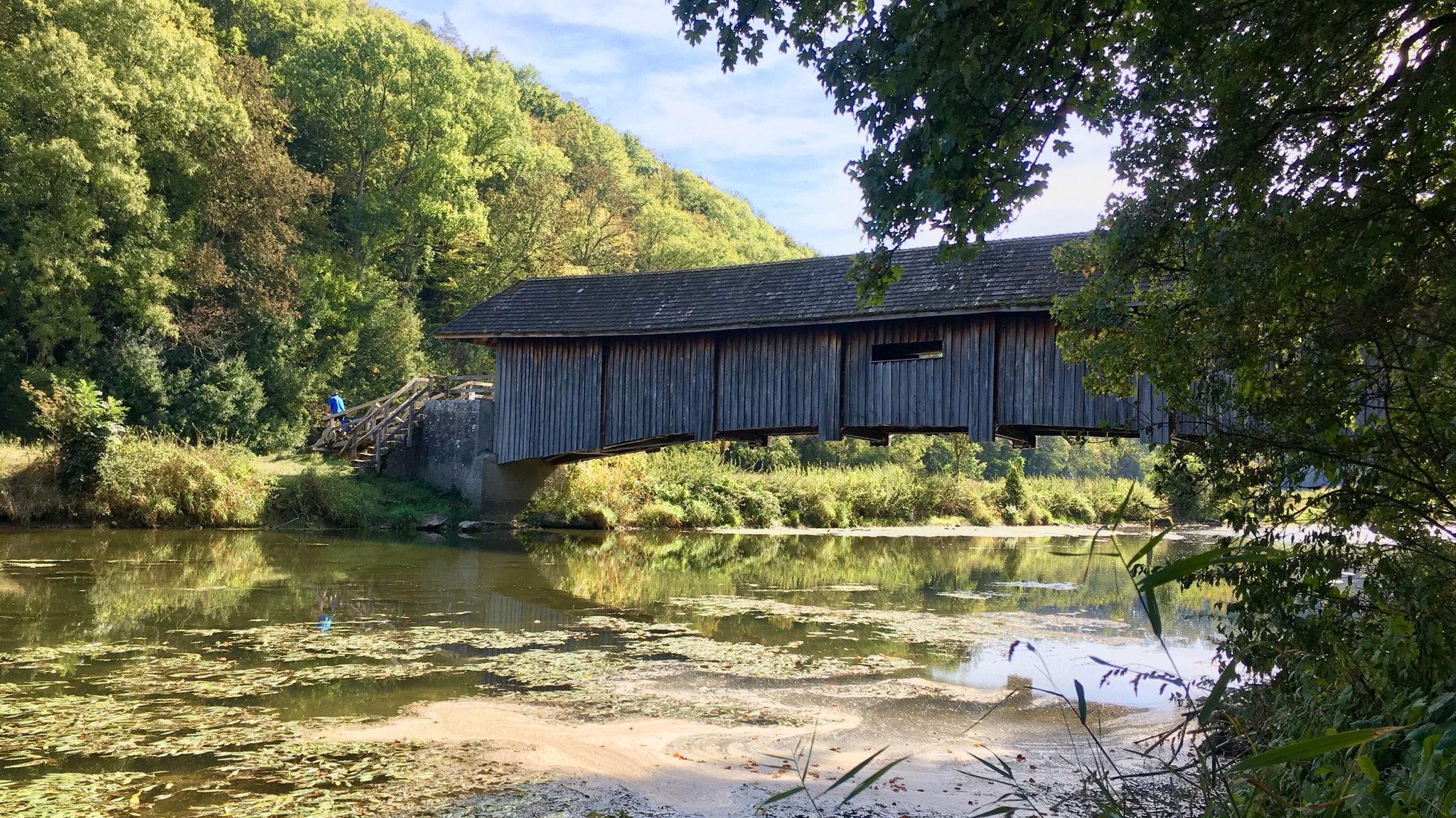
Kocher-Jagst-Trail – Naturerlebnis und Kulturgenuss im Herzen Hohenlohes
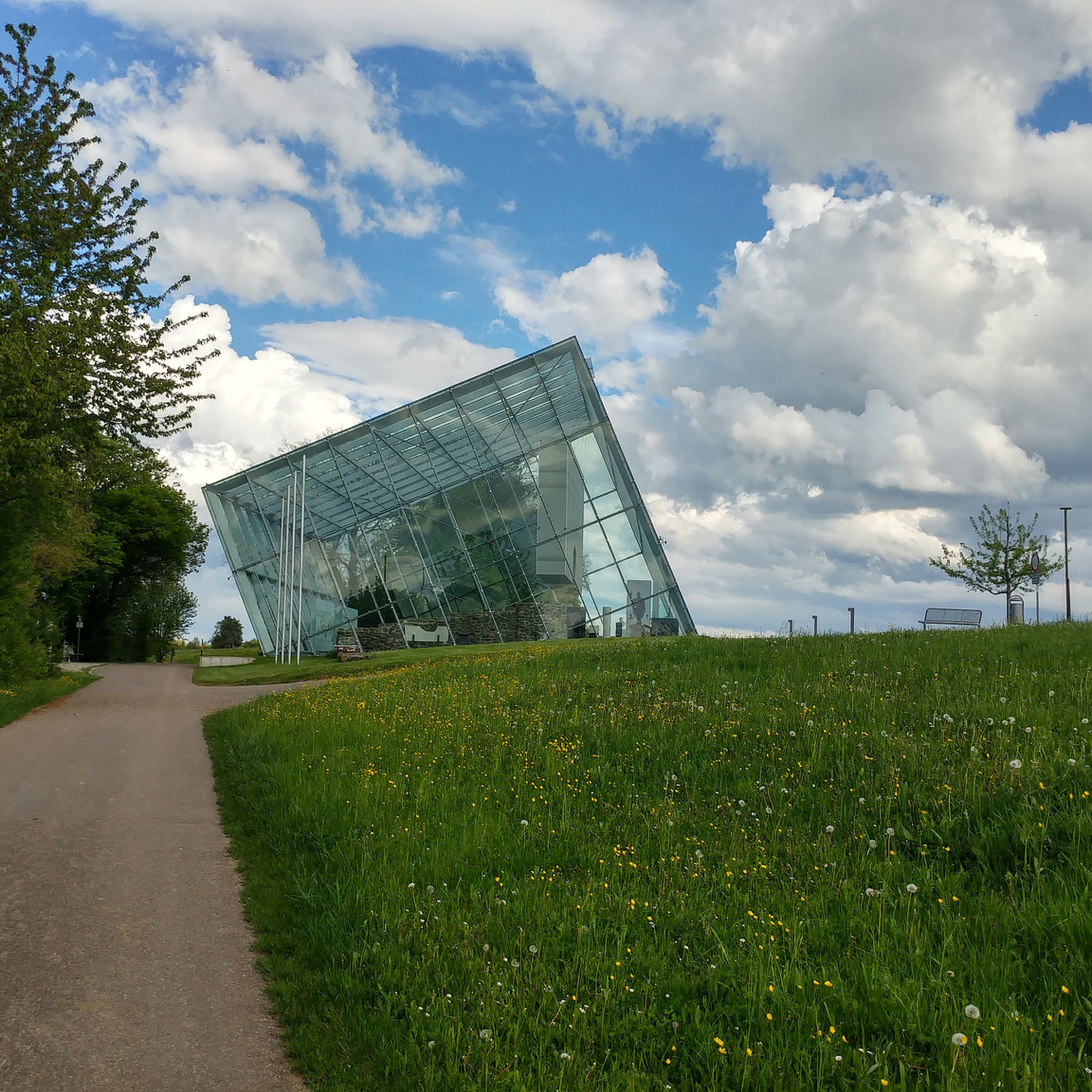
Cycling around Ellwangen
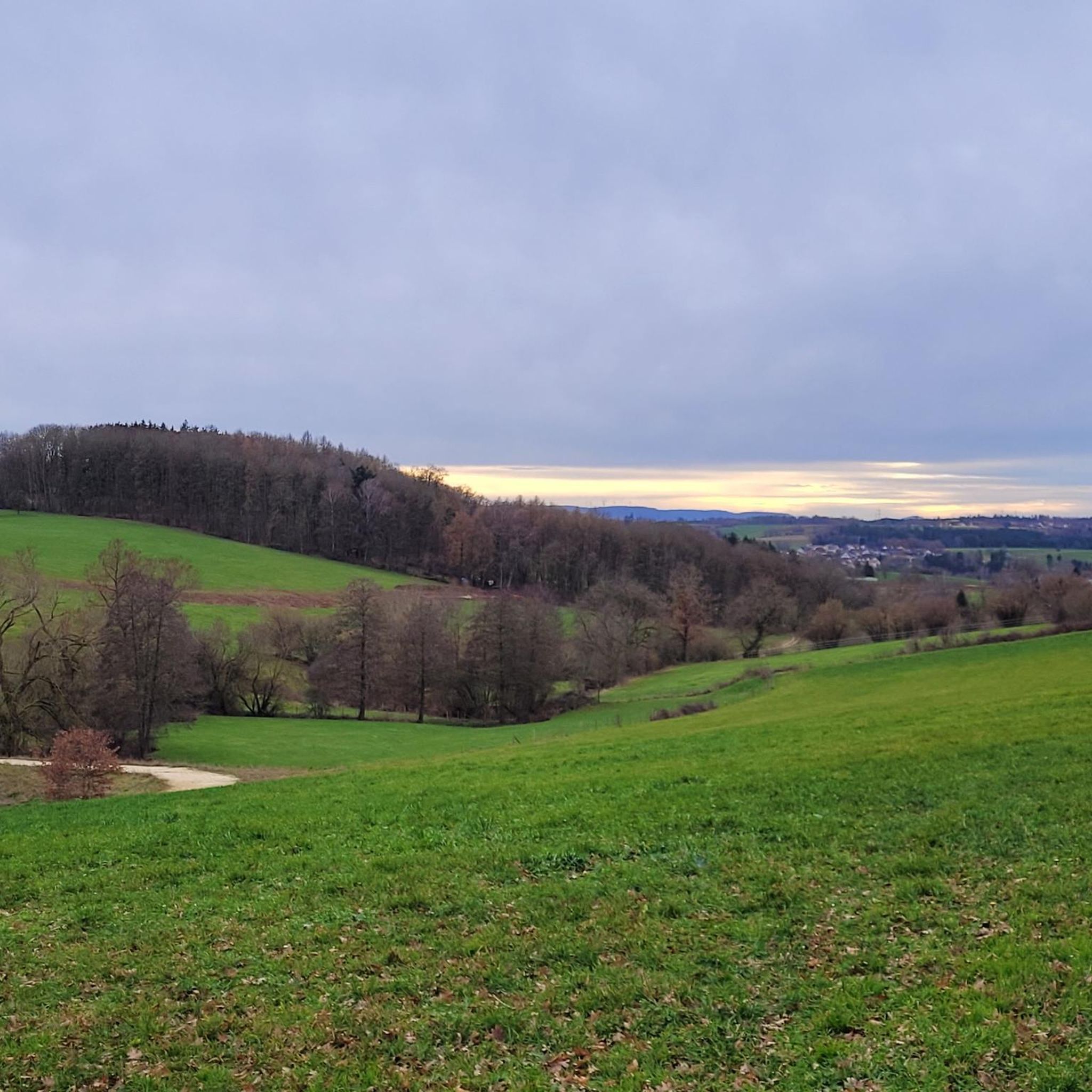
Hiking around Ellwangen
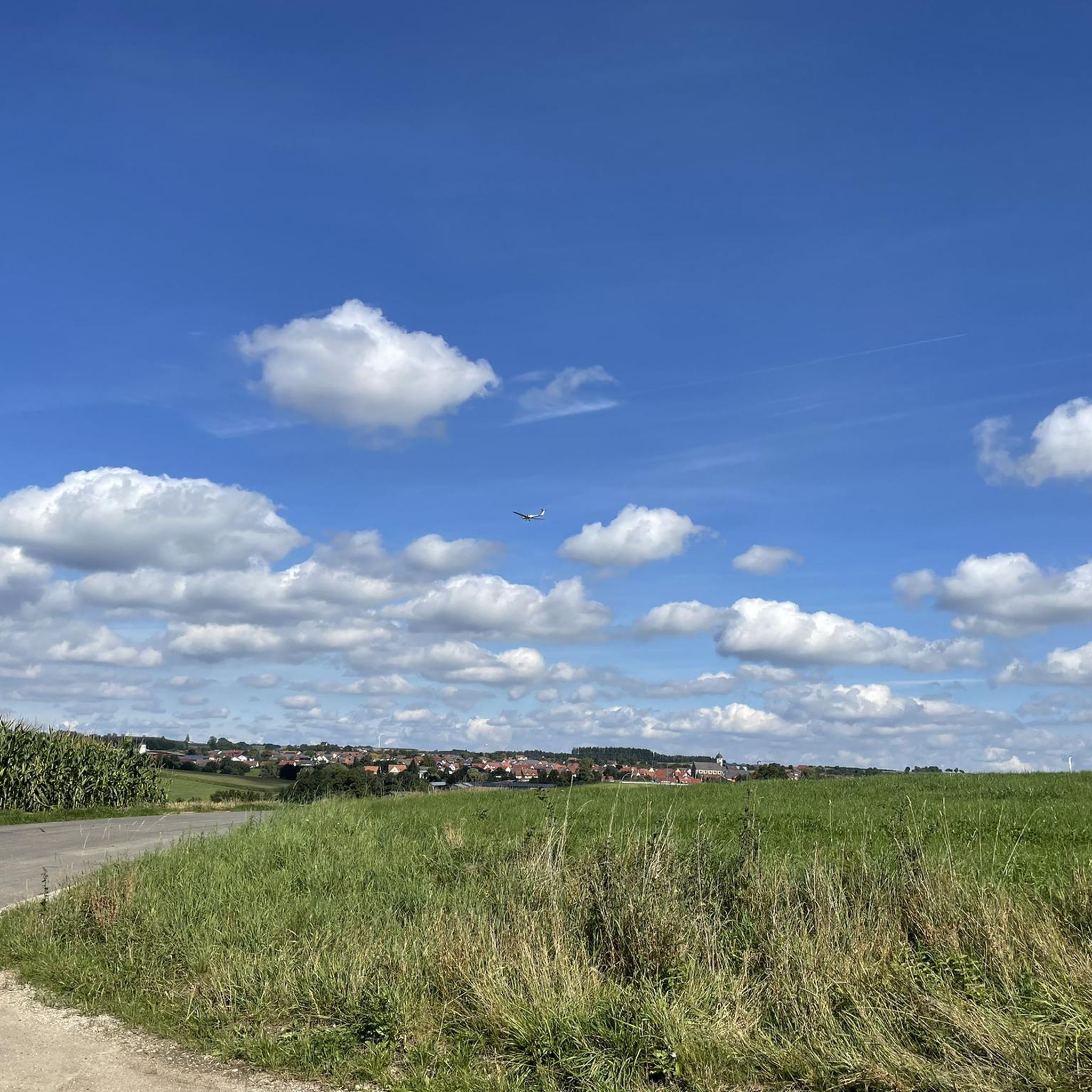
Running Trails around Ellwangen
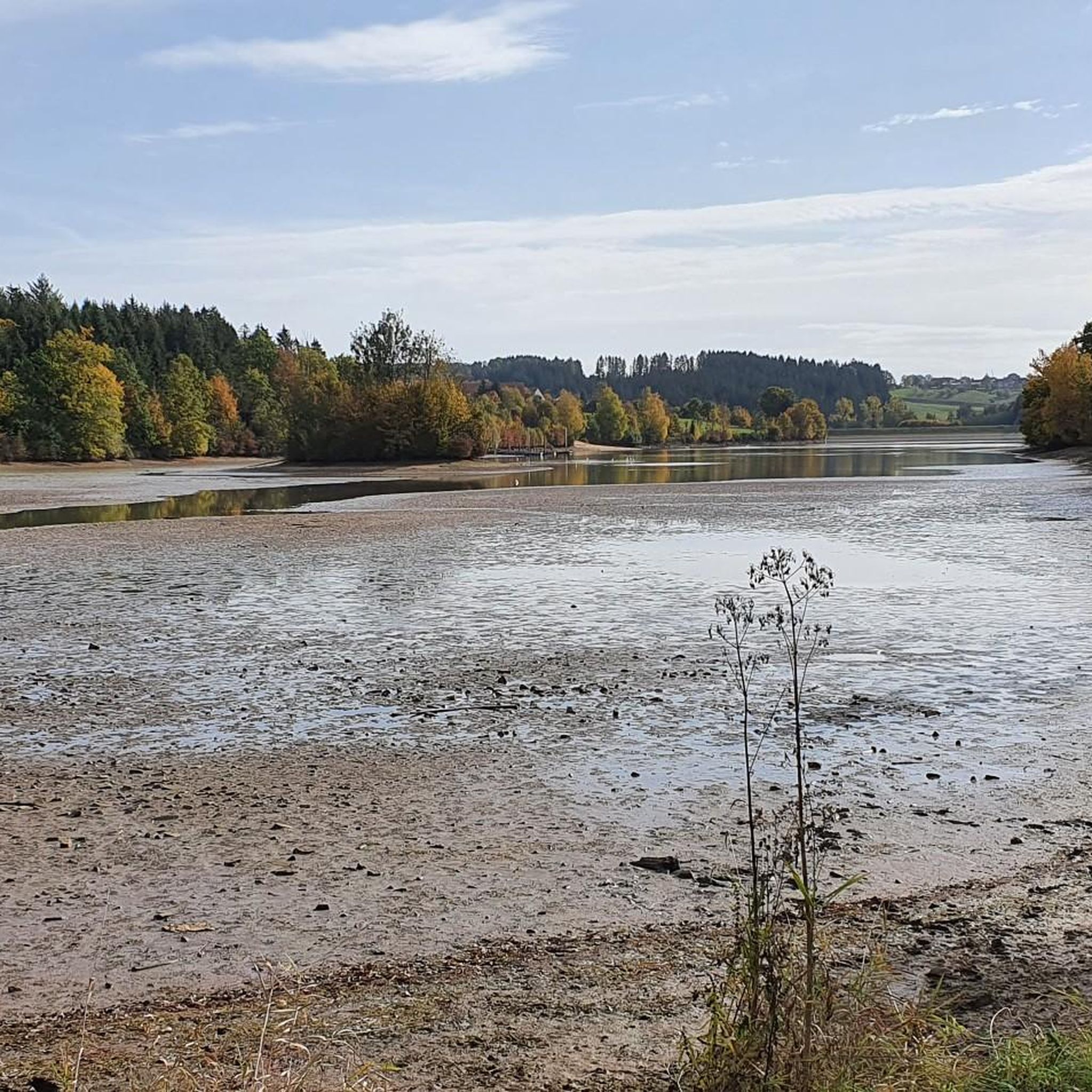
Road Cycling Routes around Ellwangen
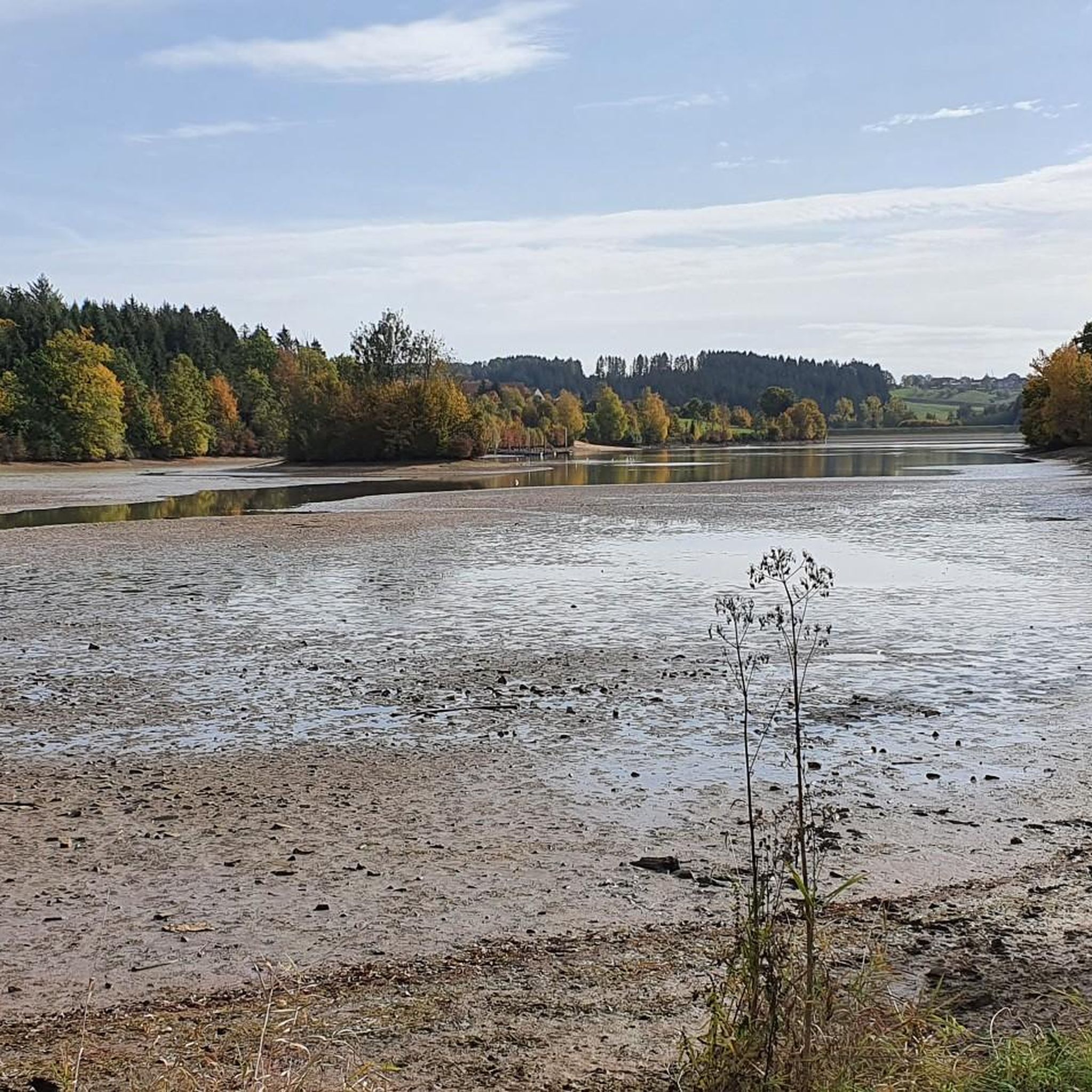
MTB Trails around Ellwangen

Gravel biking around Ellwangen
Other adventures around Ellwangen


Tips from the Community

Pastor Franz Josef Fuchs had the Lourdes Grotto built into the northern slope of Hohenberg Mountain. It was consecrated on June 20, 1886. Glass particles from the Rosenberg glass factory can still be seen in the Lourdes Grotto today. Slag stones from the disused glass factory were used as building material, into which various colored glass was melted. The grotto is freely accessible and can be reached via a path northwest of the pilgrimage church of St. James. It is located in a small wooded area directly next to a small pond. Cycling is prohibited, but you can easily push your bike down from Hohenberg Mountain; there are a few steps at the bottom. You can continue by bike from the grotto.
1
0
Pastor Franz Josef Fuchs had the Lourdes Grotto built into the northern slope of Hohenberg Mountain. It was consecrated on June 20, 1886. Glass particles from the Rosenberg glass factory can still be seen in the Lourdes Grotto today. Slag stones from the disused glass factory were used as building material, into which various colored glass was melted. The grotto is freely accessible and can be reached via a path northwest of the pilgrimage church of St. James. It is located in a small wooded area directly next to a small pond. Cycling is prohibited, but you can easily push your bike down from Hohenberg Mountain; there are a few steps at the bottom. You can continue by bike from the grotto.
1
0

short trail, you can also take a few jumps
1
0

Good location, there are many such tunnels here.
1
0

Wonderfully beautiful and great for relaxing
0
0

This contemplative place can be found a little off the usual cycle paths and below Lauchheim. Beautifully laid out and maintained, highly recommended for a short break.
2
0

You can find more information about the Christmas market here: https://www.aalen-kultur.de/weihnachtsmarkt-im-und-am-tiefen-stollen.198740.htm The mine train goes along approx. 20 km/h along the tunnel. Great fun 👍!
13
0
Christmas market in and at the “Tiefen Stollen” After the great successes of previous years, the “Tiefer Stollen” visitor mine and the Wasseralfingen district office are pleased to be hosting a Christmas market again at one of the region’s most popular attractions from December 7th to 10th, 2023. Opening hours: Thursday, 2 p.m. – 9 p.m. (last entry 8 p.m.), Friday, 2 p.m. – 9 p.m. (last entry 8 p.m.), Saturday, 11 a.m. – 9 p.m. (last entry 8 p.m.), Sunday, 11 a.m. – 7 p.m. (last entry 6 p.m.). Helmet on your head, a big “luck up” and off you go with the mine railway 400 meters into the mountain: from Thursday, December 7th to Sunday, December 10th, 2023, there will be more than underground in the festively decorated mine 30 selected stalls offer a diverse and colorful range of goods. The special ambience of the mine's tunnels and sandstone halls make this Christmas market a wonderful experience.
12
0
Frequently Asked Questions
What types of caves can I explore near Ellwangen (Jagst)?
The region around Ellwangen offers a diverse range of underground experiences. You can visit historical visitor mines like the Tiefer Stollen Visitor Mine, unique water caves such as the Wimsener Höhle, and classic natural dripstone caves like the Bärenhöhle and Nebelhöhle in the Swabian Alb. There are also several religious grottos, including the Lourdes Grotto, Hohenberg, and the Marian Grotto in the Geopark Schwäbische Alb.
Are there any family-friendly cave attractions near Ellwangen?
Yes, several options are suitable for families. The Tiefer Stollen Visitor Mine is considered family-friendly, offering a mine train ride that children often enjoy. The Bärenhöhle and Nebelhöhle also provide an engaging experience with their impressive stalactite formations. Additionally, the Marian Grotto in the Geopark Schwäbische Alb and the Marian Grotto Neunheim are peaceful, accessible sites for all ages.
How far is the Tiefer Stollen Visitor Mine from Ellwangen (Jagst) and what can I expect there?
The Tiefer Stollen Visitor Mine in Aalen-Wasseralfingen is approximately 30 minutes' drive from Ellwangen. Here, you can experience a journey 400 meters underground via a mine train, exploring historical iron ore mining operations. While primarily a mine, it features lime deposits and some stalactites, giving it a cave-like atmosphere. The temperature inside is around 12°C with high humidity.
What makes the Wimsener Höhle unique?
The Wimsener Höhle (also known as Friedrichshöhle) is Germany's only show cave accessible by boat and its deepest explored water cave. Visitors can explore the first 70 meters of the 1,260-meter-long cave by electric boat, observing crystal-clear water and ancient rock formations. It's also the source of the Zwiefalter Ach river and has archaeological significance with finds from the Bronze Age.
What are the Bärenhöhle and Nebelhöhle, and where are they located?
The Bärenhöhle (Bears' Cave) and Nebelhöhle (Fog Cave) are popular dripstone caves located in Sonnenbühl, further into the Swabian Alb. They are known for their spectacular stalactite and stalagmite formations. The Bärenhöhle is famous for the numerous bear skeletons found inside, while the Nebelhöhle offers self-guided exploration through its fantastic dripstone formations.
What should I wear when visiting caves in the Ellwangen region?
Temperatures inside caves, even in summer, are consistently cool, typically around 12°C (54°F) in places like the Tiefer Stollen. It's advisable to wear warm clothing, such as a jacket or sweater, and sturdy, closed-toe shoes, especially as surfaces can be damp or slippery. High humidity is also common.
Are there any religious grottoes or cave-like structures near Ellwangen?
Yes, the region features several religious grottoes. The Lourdes Grotto, Hohenberg, is built into the northern slope of Hohenberg Mountain using slag stones and is freely accessible. Another is the Marian Grotto in the Geopark Schwäbische Alb, a contemplative and well-maintained spot. The Marian Grotto Neunheim also offers a quiet place to visit.
What outdoor activities can I combine with a cave visit near Ellwangen?
The area around Ellwangen offers various outdoor activities. You can find numerous cycling routes, such as those detailed in the Cycling around Ellwangen guide, or explore gravel biking trails from the Gravel biking around Ellwangen guide. For mountain biking enthusiasts, the MTB Trails around Ellwangen guide provides options. The natural landscapes surrounding caves like the Wimsener Höhle also offer opportunities for hiking.
What is the best time of year to visit caves in this region?
Many caves, especially natural ones like the Bärenhöhle, are closed during winter months (typically November to March) for bat protection. Visitor mines like the Tiefer Stollen Visitor Mine may have specific opening hours or special events like Christmas markets during colder seasons. Generally, spring, summer, and early autumn are ideal for visiting most cave attractions when they are fully open and the surrounding outdoor areas are pleasant for exploration.
Are there any hiking trails that lead to or around caves near Ellwangen?
Yes, the Friedrichshöhle Trail is a notable path that leads to or around a cave system. It's described as an easy trail with small jumps, ending near the Wilhelmsstollen. The areas around the Wimsener Höhle, Bärenhöhle, and Nebelhöhle also offer opportunities for hiking in the scenic Swabian Alb landscape.
What historical significance do the caves and mines near Ellwangen hold?
The Tiefer Stollen Visitor Mine is significant for its regional industrial history, showcasing iron ore mining operations. The Wimsener Höhle has archaeological importance, with Bronze Age finds discovered within its 'treasure chamber.' The Bärenhöhle is also notable for paleontological discoveries, including numerous bear skeletons.
How long does it typically take to explore the main cave attractions?
Exploration times vary by attraction. A guided tour of the Tiefer Stollen Visitor Mine, including the mine train ride, typically lasts about 1.5 to 2 hours. The boat tour in Wimsener Höhle covers the first 70 meters. For the Bärenhöhle and Nebelhöhle, allow at least an hour for each to fully appreciate the formations, with the option to spend more time if exploring the surrounding areas.
Most popular routes around Ellwangen
Most popular attractions around Ellwangen

Get inspired with the komoot mobile app


Explore more
Extend your search for the best caves by checking out these guides of the top ones around Ellwangen:
