Top 7 Caves around Erbach
Caves around Erbach are defined by significant geological formations, most notably the Erdbachhöhle, a karst cave system recognized as the largest in the Hessian Odenwald. This cave, extending approximately 400 meters, is formed in Lower Muschelkalk rock, a rare occurrence in the region. The area features the Erdbacheinschlupf, where the Erdbach stream disappears underground, showcasing active hydrological processes. Erbach's natural landscape offers a variety of subterranean features and natural monuments.
Best caves around Erbach
- The most popular caves is Former…
Last updated: June 26, 2026
Former rock cellar near Wildenburg Castle
Highlight • Cave
Translated by Google •
Tip by

Hollow Stone (Schinderhannes Cave)
Highlight • Cave
Translated by Google •
Tip by

Sign up now to discover places like this
Get recommendations on the best single tracks, peaks, & plenty of other exciting outdoor places.
Sign up for free
Erdbach Sinkhole, Erbach in the Odenwald
Highlight • Cave
Translated by Google •
Tip by

Wildenburg Cave and Rock Formations
Highlight • Cave
Translated by Google •
Tip by

Old tunnel of the Georg mine
Highlight • Cave
geo-naturpark.net/deutsch/wandern/pfade/alle-pfade/reichelsheim.php
The most important ore deposit of the Odenwald is an iron and manganese deposit, which appears at the edge of the Buntsandstein cover …
Translated by Google •
Tip by

Start today with a free account
Your next adventure awaits.
Login or Signup
Popular around Erbach
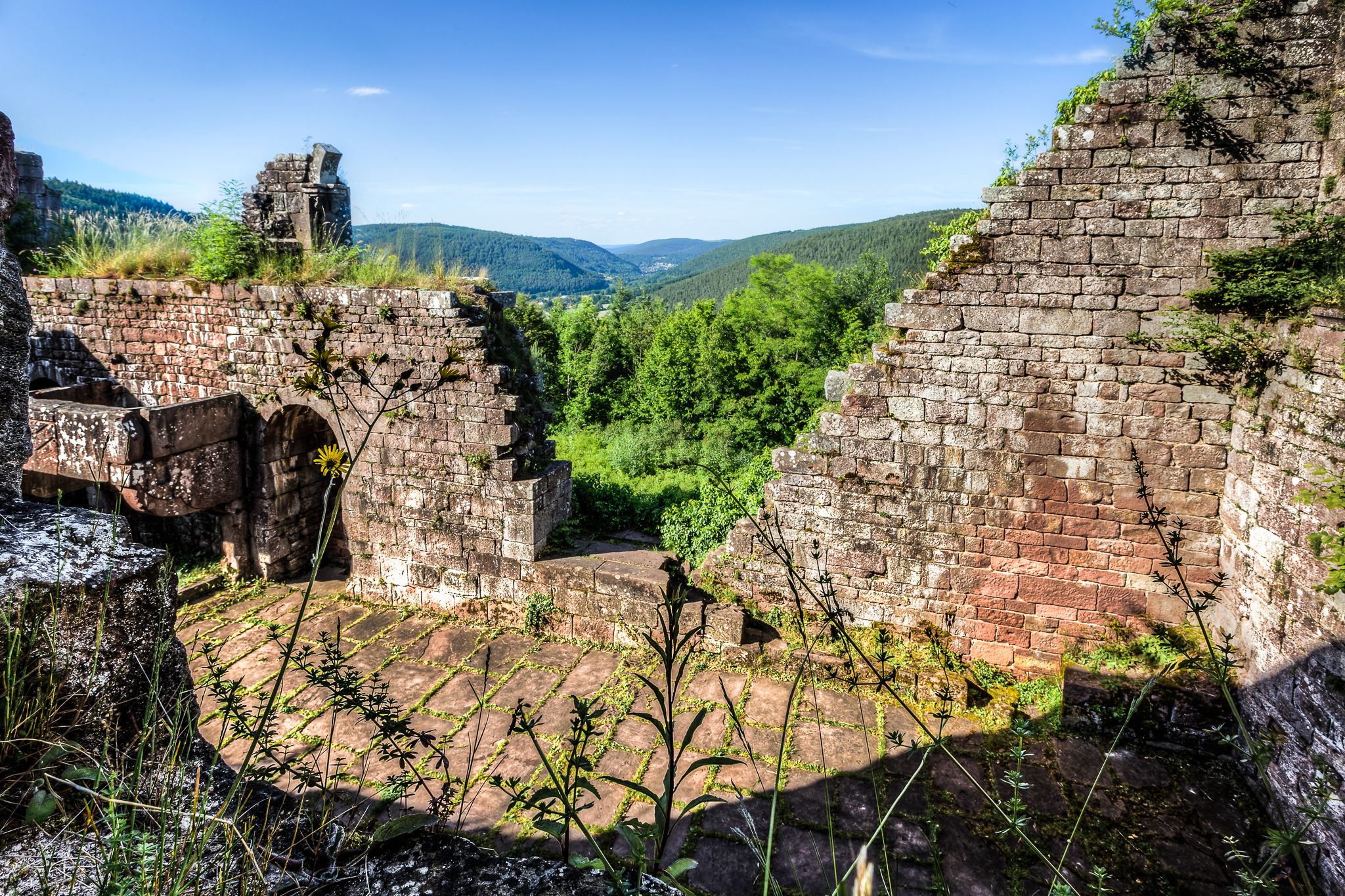
The Nibelungensteig in 7 stages – Simply legendary!
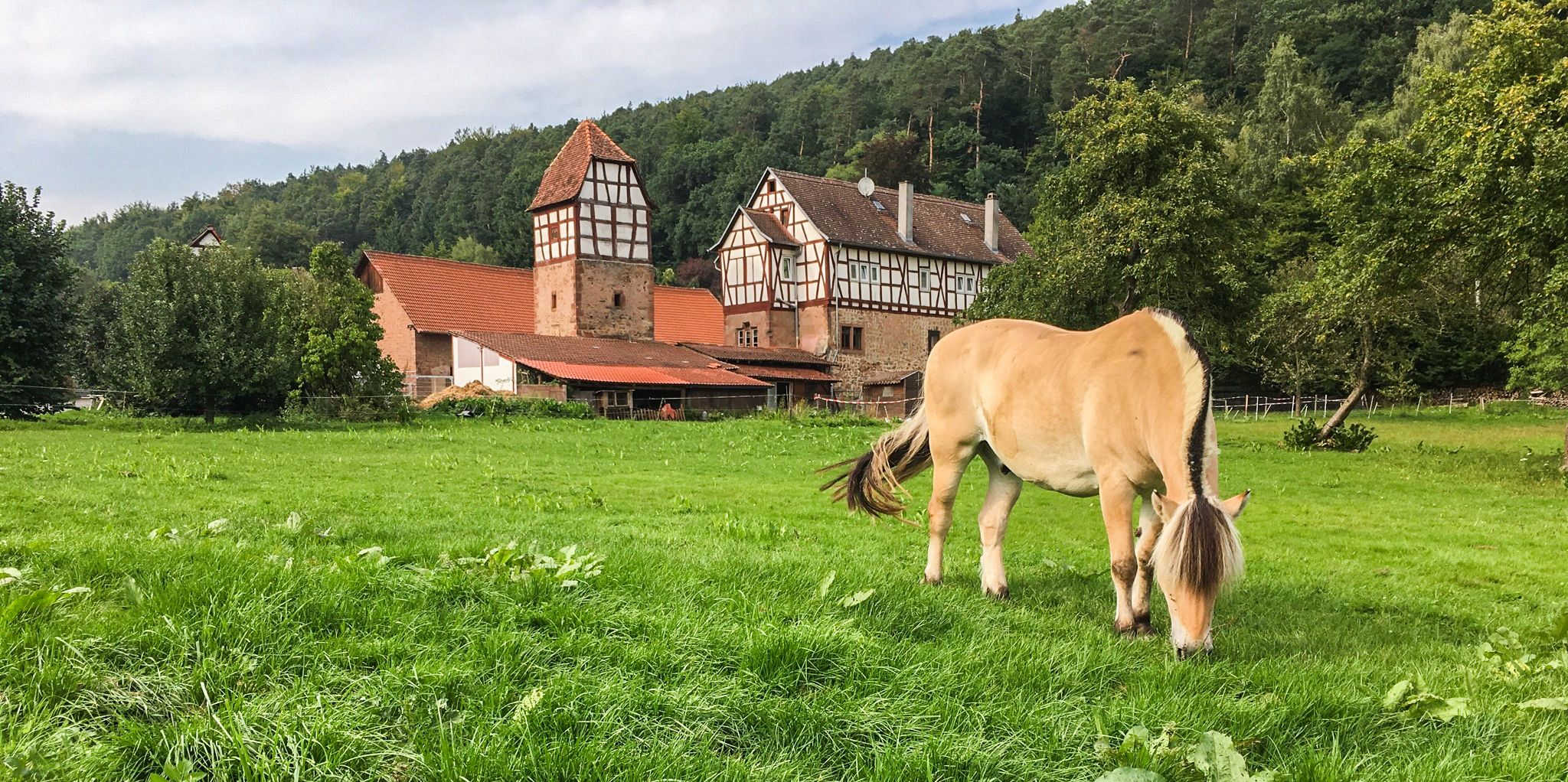
The Alemannenweg – Hiking in the Odenwald

Wheels like Hesse – Seven ways to Hessen
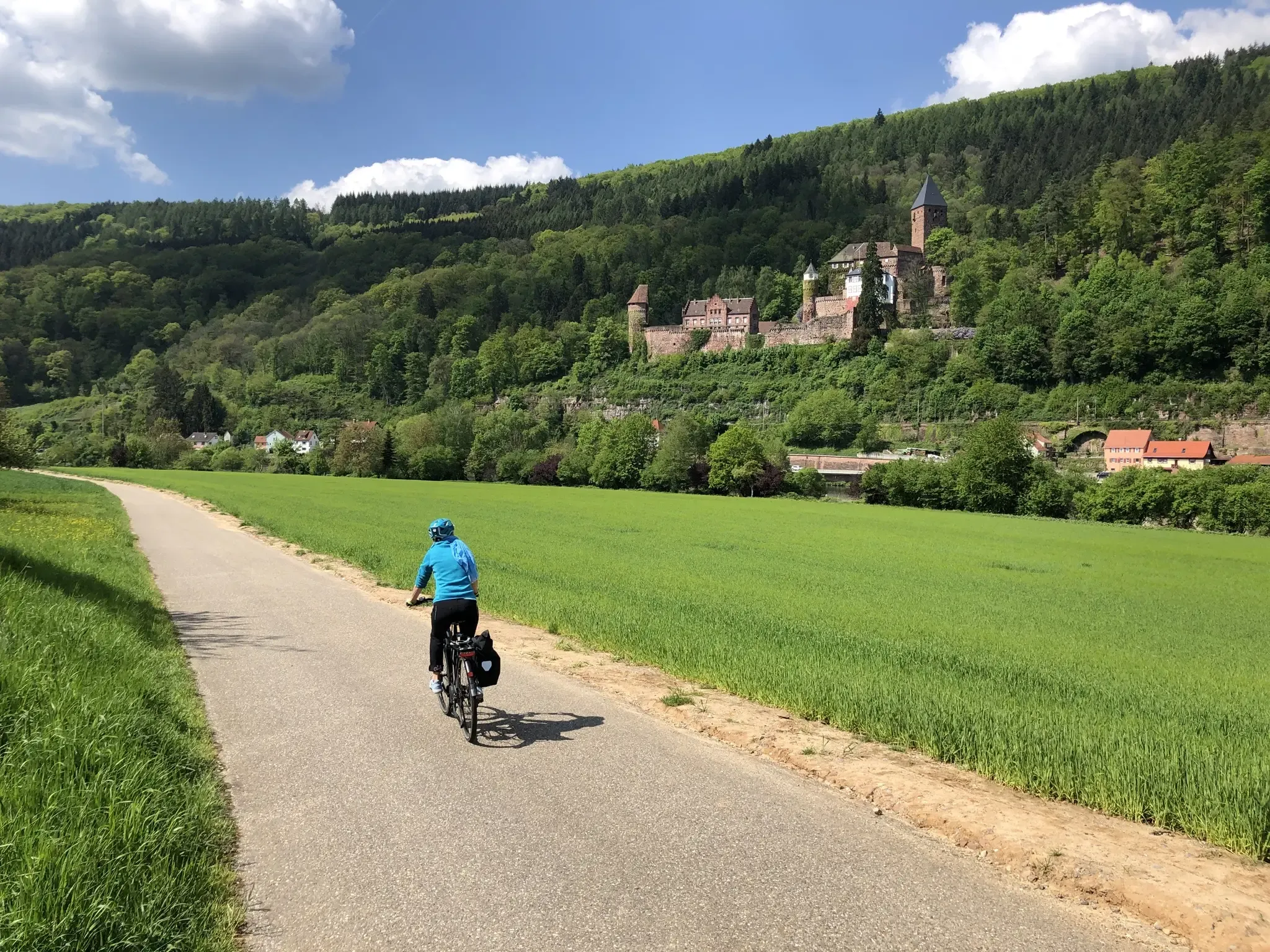
Explore Hessen, BaWü and Bavaria on the 3-Länder Cycle Path
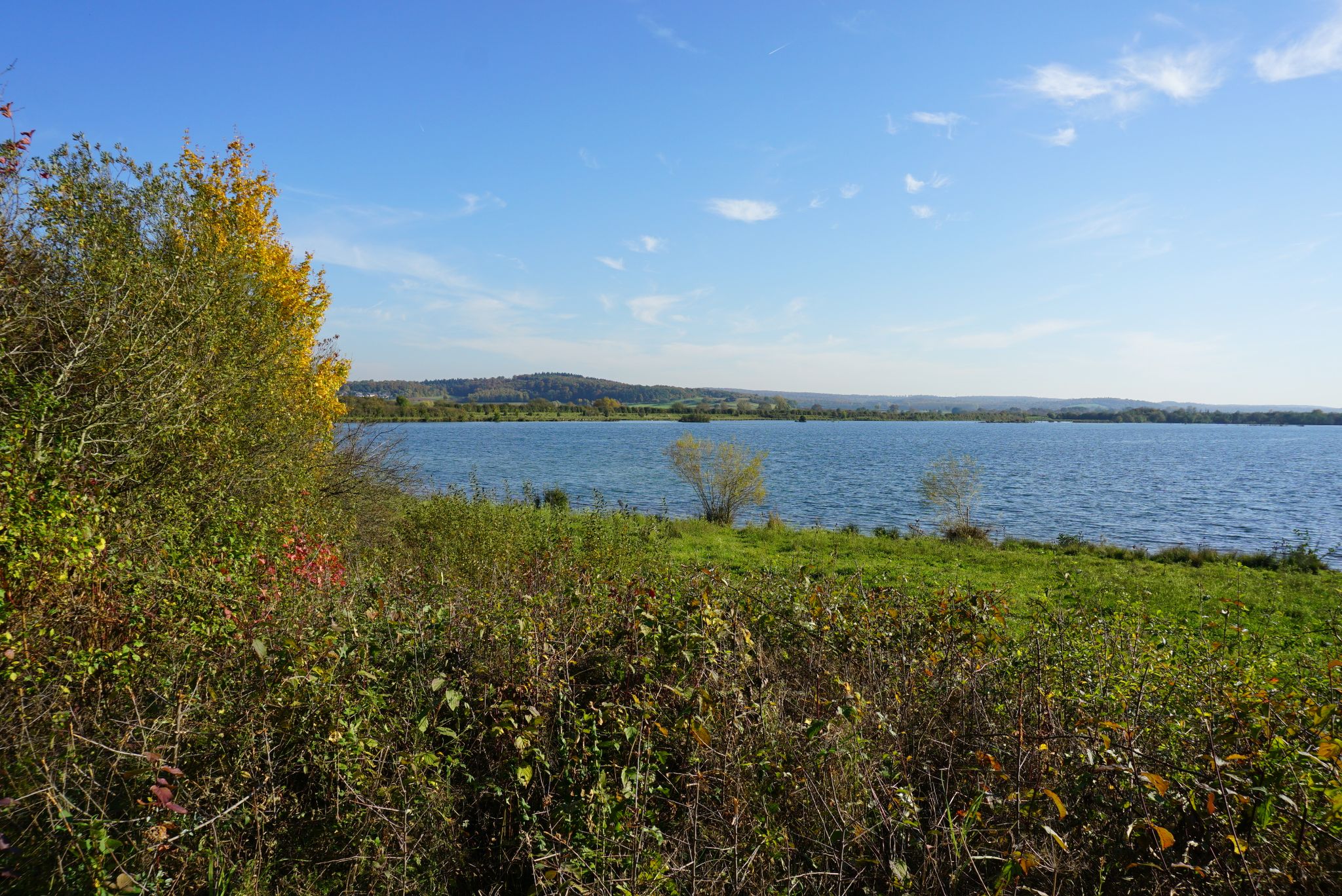
Pack die Badehose ein! – Mit Rad und Öffis zu den schönsten Seen im RMV-Gebiet
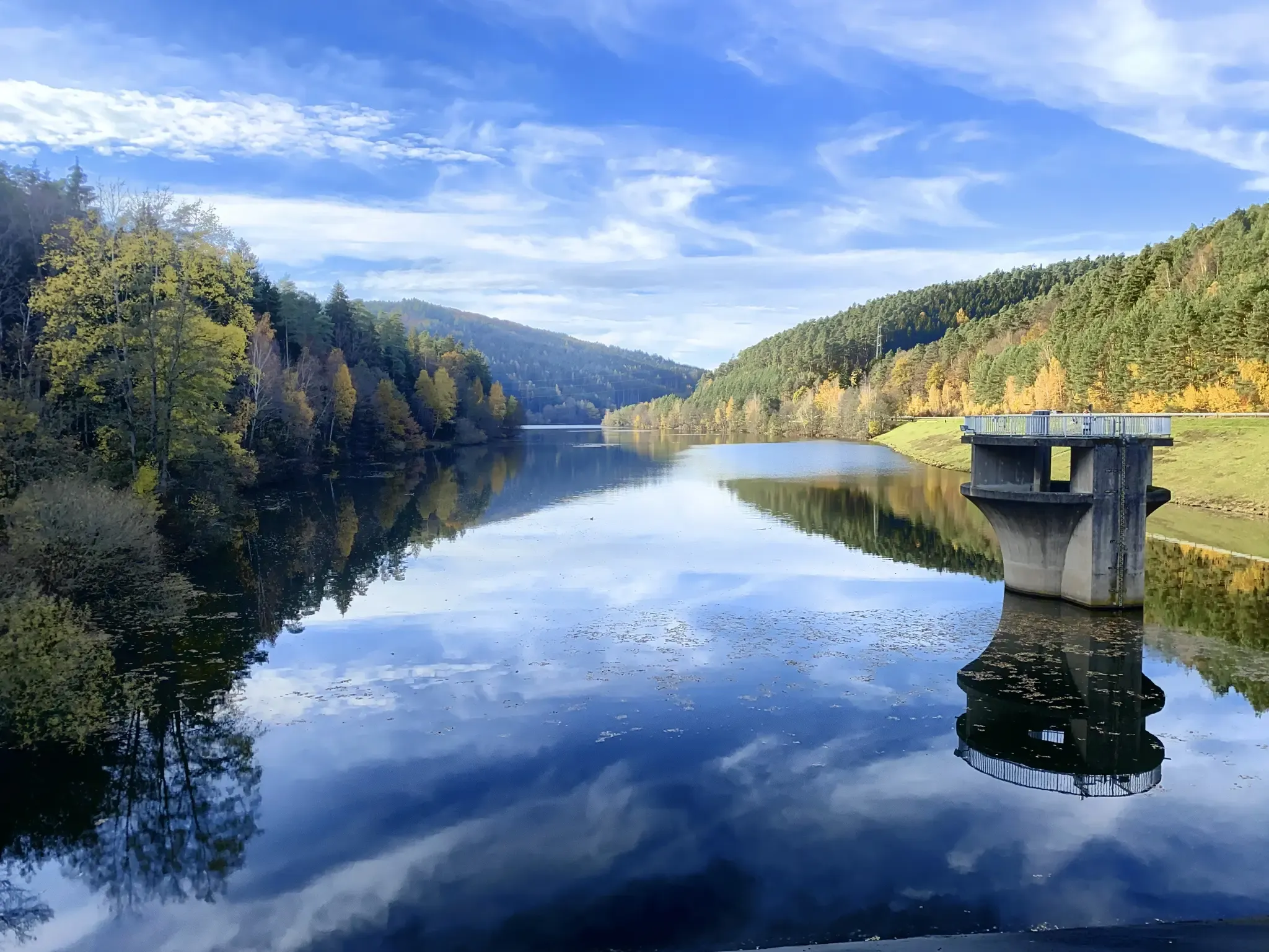
Mit Rosbacher auf Tour im Rhein-Main-Gebiet
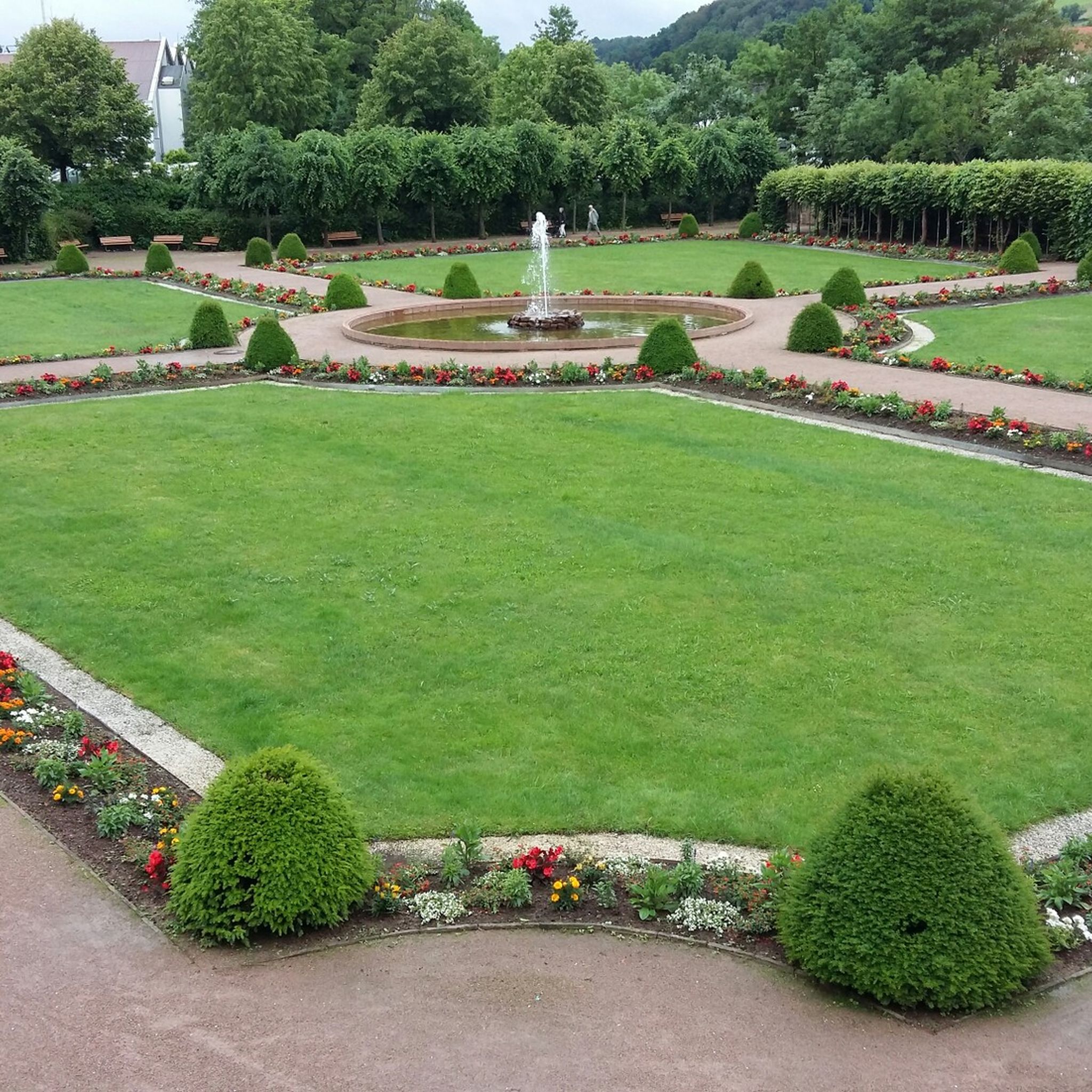
Hiking around Erbach
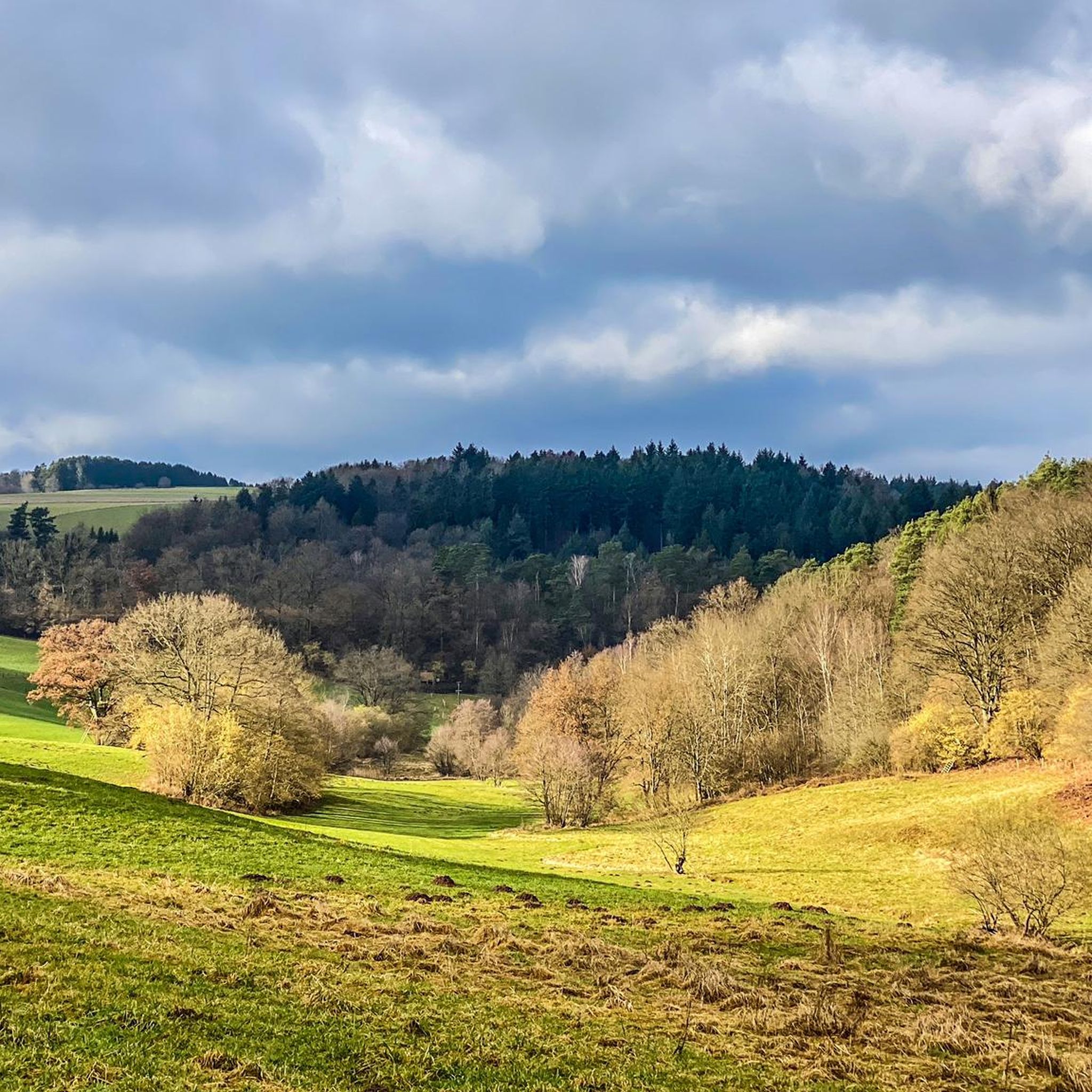
Cycling around Erbach
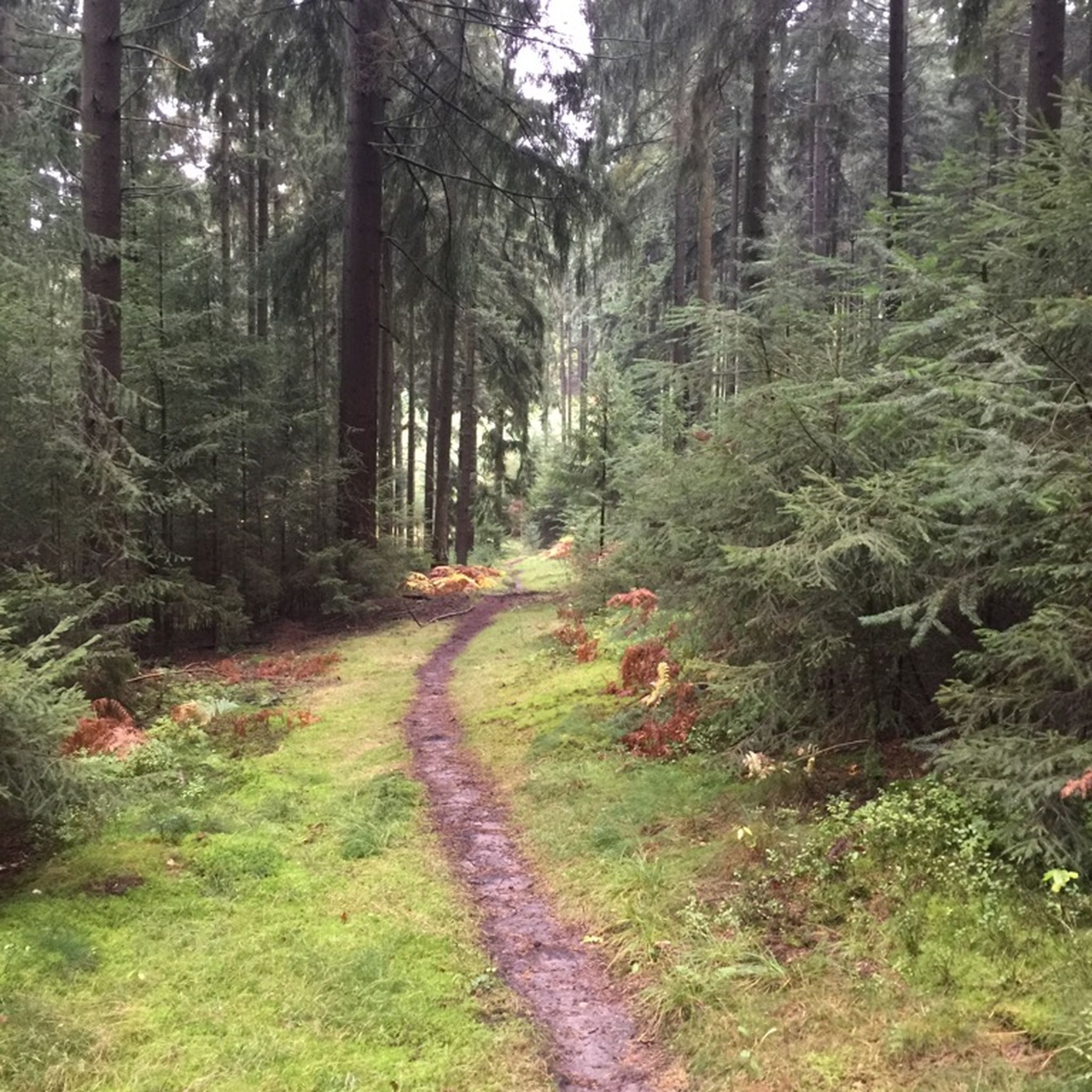
MTB Trails around Erbach
Road Cycling Routes around Erbach
Other adventures around Erbach


Tips from the Community

It's interesting how the Erdbach stream disappears.
0
0

Definitely worth a visit on the way to Wildenburg!
2
0

Sackrich Dark Inside but interesting. 😊
10
0

I always like to come back here, .. although the way up is quite exhausting
3
1

. Possibility of shelter in rainy weather
8
0

Plays an important role in Würzberg sagas
4
0
Here the Erbach disappears into a cave system
1
1

At the Erdbacheinschlupf, the eponymous stream disappears into a karst cave. In this, the stream winds its way north and leaves the cave behind a ridge in the north before it flows in the direction of Mümling. There are some display boards for explanation.
4
0
Frequently Asked Questions
What are the most notable caves and subterranean features around Erbach?
The most significant cave in the immediate vicinity of Erbach is the Erdbachhöhle, also known as the Erdbacheinschlupf. It is the largest karst cave system in the Hessian Odenwald. Other interesting sites include the Former rock cellar near Wildenburg Castle, the Old tunnel of the Georg mine, and the Hollow Stone (Schinderhannes Cave).
What unique natural phenomena can be observed at the Erdbachhöhle?
The Erdbachhöhle is famous for the 'Erdbacheinschlupf,' where the Erdbach stream disappears into several openings in the ground and flows into the underground cave system. The water re-emerges about 200 meters north in Michelstadt-Stockheim, showcasing active hydrological processes.
Are there any historical caves or sites near Erbach?
Yes, the region offers several historical subterranean sites. The Hollow Stone (Schinderhannes Cave) is known as a former robber's den. Additionally, the Old tunnel of the Georg mine provides insight into the area's mining history, with its entrance illuminated in summer.
What kind of geological features are present in the caves around Erbach?
The Erdbachhöhle is a karst cave formed in Lower Muschelkalk rock, which is rare for the region, making it the southernmost instance of karsted Muschelkalk in Hesse. It lies within the geologically rich Mümlingtal, characterized by Buntsandstein formations. In 2014, it was designated as the 'Geotop of the Year'.
Are the caves around Erbach suitable for families?
Some sites are considered family-friendly. For instance, the Former rock cellar near Wildenburg Castle is listed as family-friendly. While the Erdbachhöhle itself is not developed for tourism, the natural phenomenon of the disappearing stream can be an interesting sight for families.
What is the accessibility like for the Erdbachhöhle?
The Erdbachhöhle is not developed for general tourism and is secured against unauthorized entry. Its intricate network of narrow, water-bearing passages makes it more suitable for experienced adventurers rather than casual visitors seeking easy access.
What outdoor activities can I combine with a visit to the caves?
You can combine your cave visit with various outdoor activities. There are numerous hiking trails, such as those found in the Hiking around Erbach guide, and running trails, detailed in the Running Trails around Erbach guide. The area also offers road cycling routes, which you can explore in the Road Cycling Routes around Erbach guide.
What makes the Erdbachhöhle ecologically significant?
The Erdbachhöhle maintains a stable microclimate with constant temperatures and high humidity, supporting a unique ecosystem. It hosts rare species of ground beetles, spiders, pseudoscorpions, harvestmen, woodlice, and snails adapted to perpetual darkness. It also serves as a temporary habitat for overwintering butterflies and bats.
Are there any specific tips for visiting the Former rock cellar near Wildenburg Castle?
Visitors suggest that if you are already at Wildenburg Castle, you should definitely take a look at this small, dark cave located within the rock massif. It's considered a worthwhile, albeit brief, visit.
What should I know about visiting the Old tunnel of the Georg mine?
The old tunnel entrance is illuminated in summer. Visitors recommend pressing the light switch to see inside. During winter, the lights are off to protect bats, but a mobile phone flashlight can still offer a glimpse. The detour to this historical site is considered worthwhile.
What do visitors enjoy most about the caves around Erbach?
Visitors appreciate the unique geological formations, the historical significance of sites like the Schinderhannes Cave, and the natural phenomena such as the disappearing stream at the Erdbachhöhle. The blend of natural wonder and historical context makes these sites appealing.
Is the Erdbachhöhle a protected natural area?
Yes, the entire Erdbachhöhle is protected as a Fauna-Flora-Habitat (FFH) area and a natural monument. The 'Erdbach-Einschlupf' and 'Erdbach-Austritt' have been designated as natural monuments since 1937, highlighting their ecological and geological importance.
Most popular routes around Erbach
Most popular attractions around Erbach

Get inspired with the komoot mobile app


Explore more
Extend your search for the best caves by checking out these guides of the top ones around Erbach:
