Top 5 Caves around Landkreis Ebersberg
Best caves around Landkreis Ebersberg are predominantly man-made grottos, often serving as sites for religious devotion. The region, located in Bavaria, features a landscape characterized by geological formations such as the Nagelfluhwand and former limestone tuff quarries, though these do not include natural, visitable caves. Instead, visitors will find constructed grottos designed for quiet prayer and contemplation. These sites offer a unique cultural and historical perspective within the district.
Best caves around Landkreis Ebersberg
- The most popular caves is Ayinger…
Last updated: July 9, 2026
Lourdes Grotto
Highlight • Religious Site
Translated by Google •
Tip by

Winhart Grotto of Glonn
Highlight • Cave
Translated by Google •
Tip by

Sign up now to discover places like this
Get recommendations on the best single tracks, peaks, & plenty of other exciting outdoor places.
Sign up for free
Ayinger Grotto
Highlight (Segment) • Cave
Attention, right at the junction of a forest path, a path branches off to the right and after a few meters is the Ayinger Grotto, not to be …
Translated by Google •
Tip by

Grotto of the Virgin Mary
Highlight • Religious Site
Translated by Google •
Tip by

Start today with a free account
Your next adventure awaits.
Login or Signup
Popular around Landkreis Ebersberg
Cycling from Munich to Salzburg – Two Alpine Towns Tour
Winter in Upper Bavaria – 8 wonderful hikes
Salzschleife – Wasser-Radlwege Oberbayern
The Art Loop — Wasser-Radlwege Oberbayern
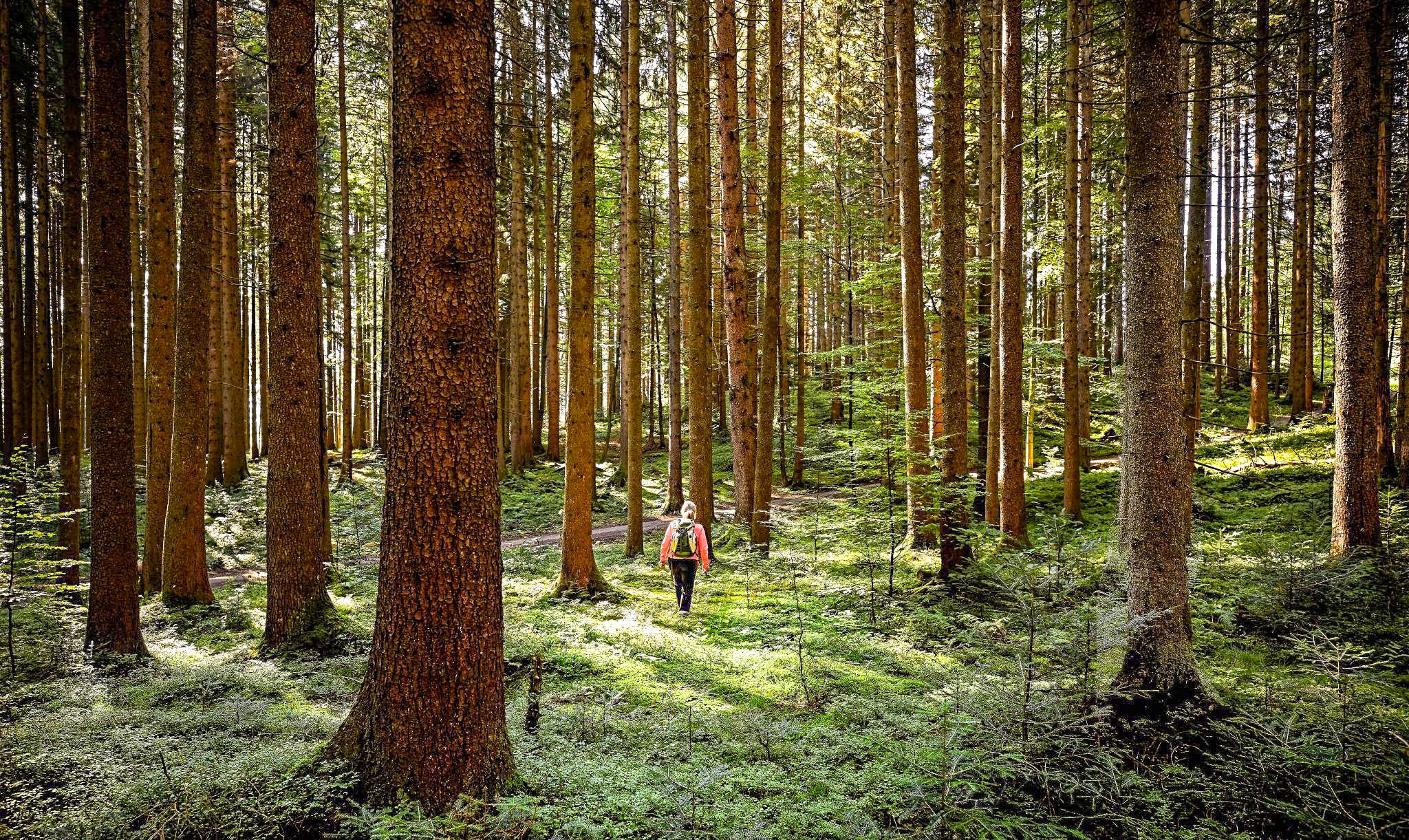
Active relaxation in the forests of Bavaria

Wildlife parks — safari in Germany
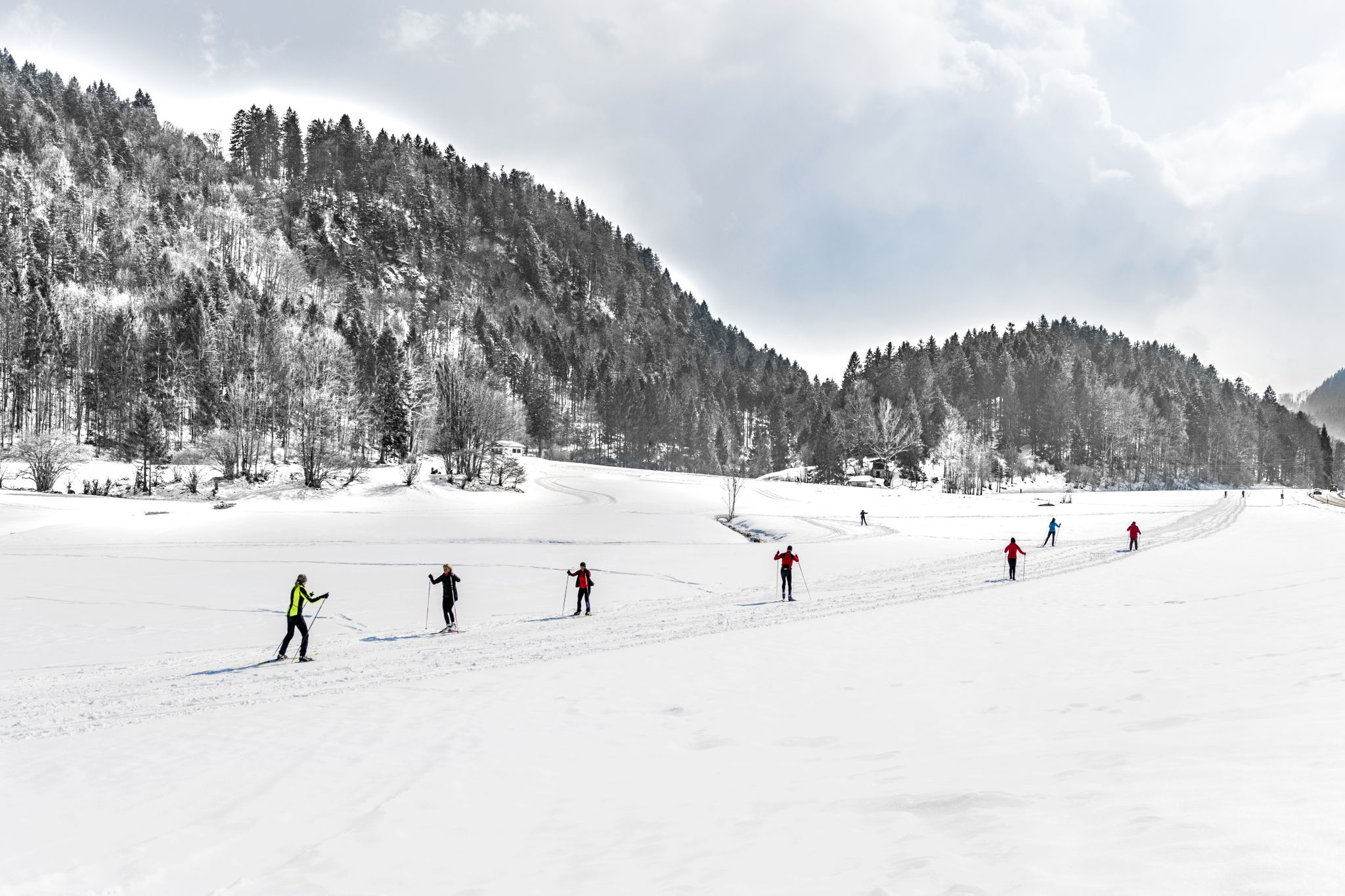
Alpenpanorama und Winterwald: Langlaufen in Oberbayern
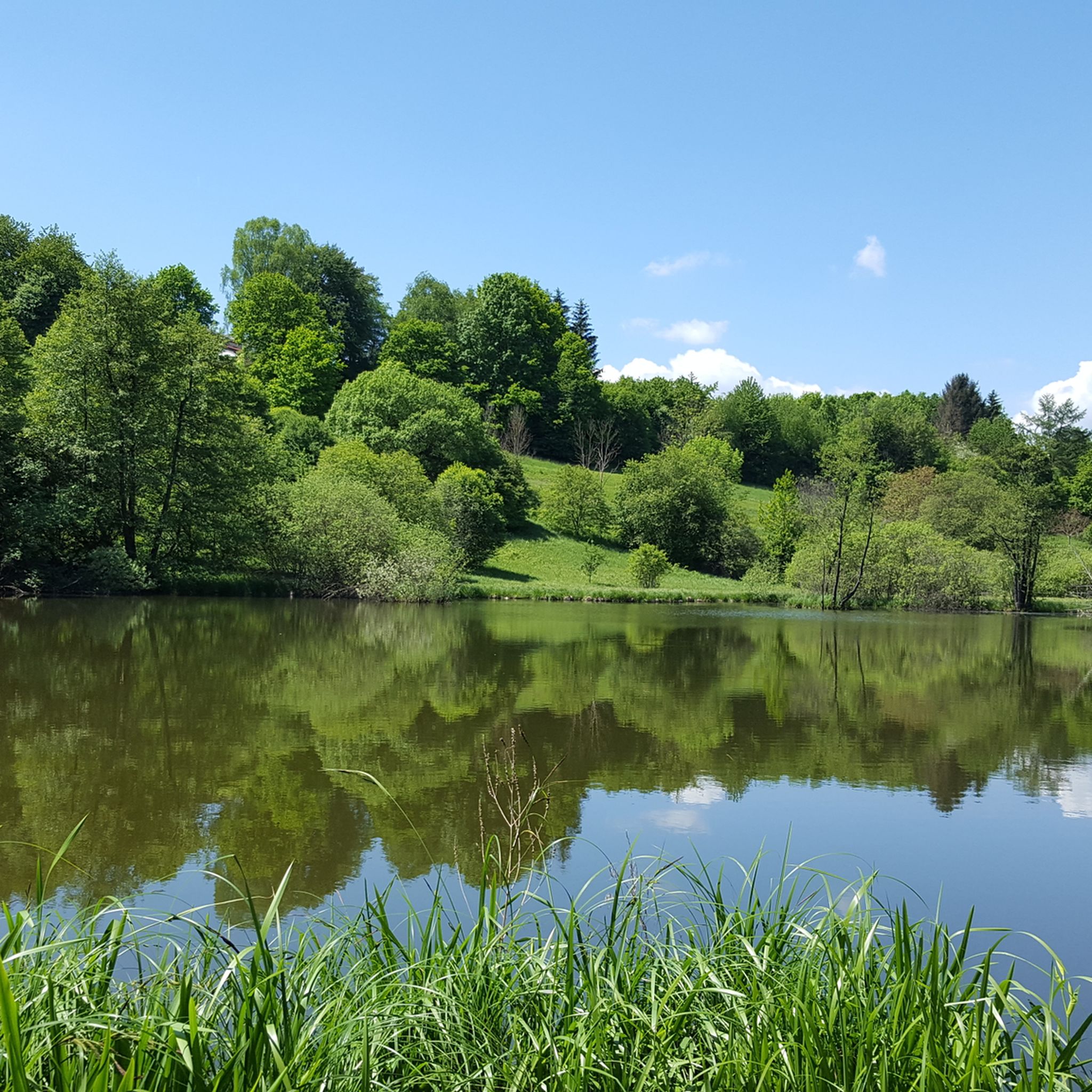
Entdecke die Natur rund um München
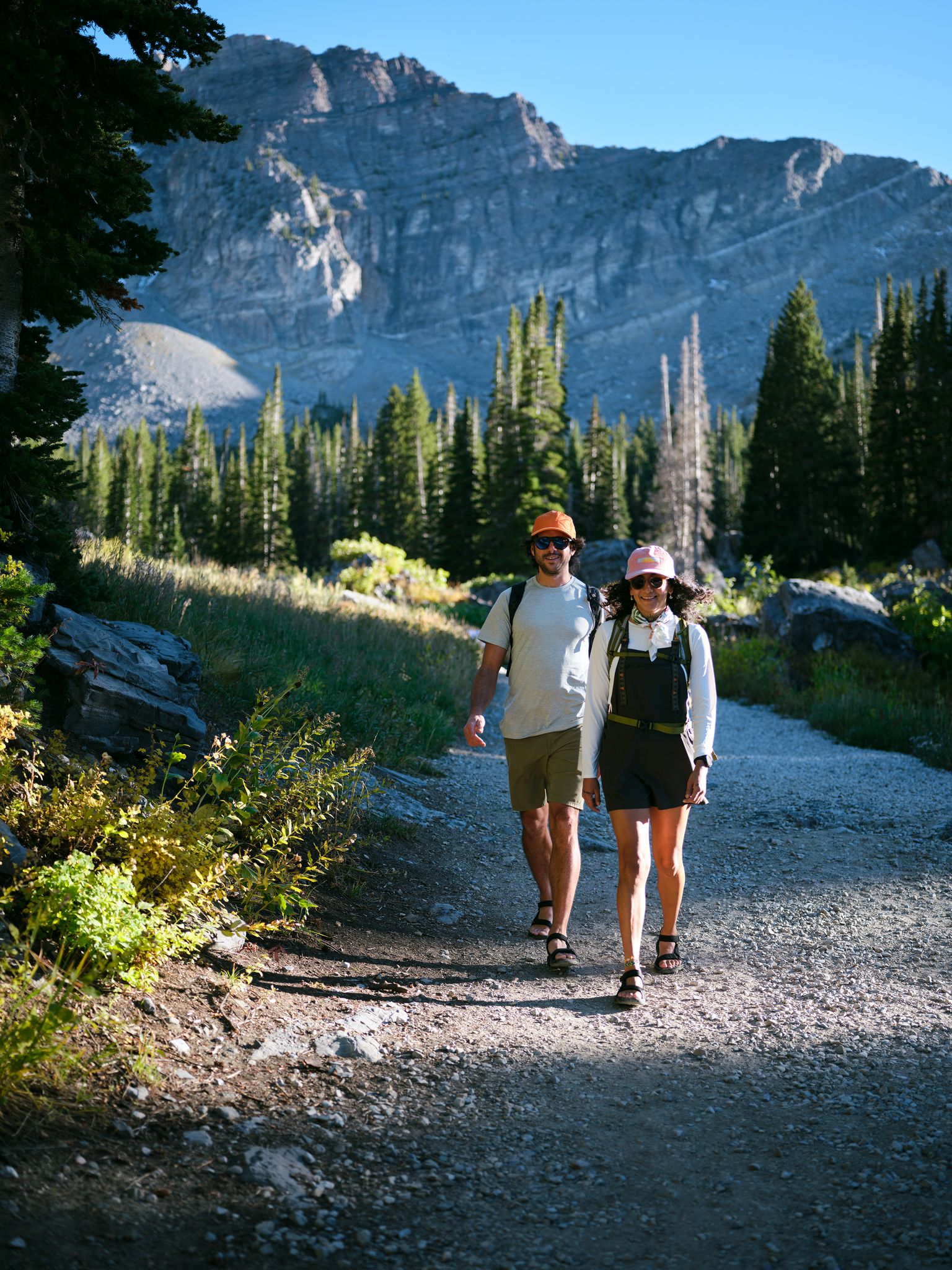
Hiking around Landkreis Ebersberg
Cycling around Landkreis Ebersberg
Other adventures around Landkreis Ebersberg


Tips from the Community

Lourdes Grotto in the Schlacht district Info at https://www.sueddeutsche.de/muenchen/ebersberg/lourdesgrotte-glonn-1.4928390 ; https://www.merkur.de/lokales/ebersberg/glonn-ort28734/corona-bayern-ebersberg-party-jugendliche-mariengrotte-randale-glonn-polizei-90780620.html and https://www.facebook.com/ebersberger.zeitung/posts/mariengrotte-in-glonn-leidet-unter-n%C3%A4chtlichen-partys/4247690735289124/
0
0

Very atmospheric little grotto dedicated to the Virgin Mary. It is worth looking into the cracks in the corridor walls where one or two surprisingly shaped stones are hidden.
0
0

Suddenly you come across a small but beautiful grotto, an opportunity to take a short rest.
0
0

The Lourdes Grotto is the name given to Marian Grottoes, which are replicas of the Grotto of Massabielle near Lourdes in southern France and Our Lady of Lourdes. In 1858, Saint Bernadette said she saw Our Lady in this grotto. At the site of the Marian apparitions, a Madonna figure adorns the grotto, the original of which Joseph-Hugues Fabisch created for Massabielle in 1864 based on Bernadette's information. Source and further information https://de.m.wikipedia.org/wiki/Lourdesgrotte
1
0

Worth seeing! Apparently there has been vandalism before, otherwise there would be no wireless wildlife camera in operation under the Madonna.
0
0
This private grotto is idyllically situated on the edge of the forest. It is cared for with a lot of love and is worth a visit. A statue of the Mother of God stands thickly and mystically entwined with ivy behind a wrought-iron lattice. A place to stay. Next to it is a wayside cross with a bench to let the view glide over the landscape.
1
0

Ayingen grotto, Attention, right at the junction of a forest path, a path branches off to the right and after a few meters is the Ayinger Grotto, not to be confused with the Marienkapelle a few 100 m further. There you can read the story of a shepherd who was rescued from his sheep. The grotto is privately maintained.
0
0
She wears a long white dress with a light blue scarf tied around her waist. Her gaze goes into the distance, from her grotto she sees the fields at battle. We are talking about Mary, the Mother of God herself stands as a statue, about half a meter tall, in a perhaps 150-year-old self-built Mariengrotte near the small district between Glonn and Oberpframmern. Why only maybe 150 years old? Quite simply because the exact history of its origin is not known. Source and more info https://www.sueddeutsche.de/muenchen/ebersberg/lourdesgrotte-glonn-1.4928390
2
0
Frequently Asked Questions
Are there natural caves to explore in Landkreis Ebersberg?
Landkreis Ebersberg is not known for natural caves. The 'caves' in this region are predominantly man-made grottos, often created for religious devotion and quiet contemplation. Natural caves with features like stalactites and stalagmites are typically found in other Bavarian regions.
What kind of 'caves' can I visit in Landkreis Ebersberg?
You can visit several man-made grottos, which are typically religious sites designed for prayer and reflection. Examples include the Winhart Grotto of Glonn, the Lourdes Grotto, and the Ayinger Grotto. These offer a unique cultural and historical perspective rather than geological exploration.
Are the grottos in Landkreis Ebersberg family-friendly?
Yes, many of the grottos, such as the Lourdes Grotto and the Grotto of the Virgin Mary, are considered family-friendly. They are generally accessible for short visits and offer peaceful spots for reflection, often situated in pleasant natural surroundings.
What is unique about the Winhart Grotto of Glonn?
The Winhart Grotto of Glonn, built in 1902, is notable for its clever construction. It was crafted from tuff dripstones sourced from a local quarry and features an ingenious design that allows daylight to illuminate a Madonna statue from above without the light source being immediately visible.
Can I bring my dog to the grottos?
While specific rules for each grotto may vary as many are privately maintained, generally, these outdoor religious sites are accessible for visitors with well-behaved dogs on a leash. It's always respectful to ensure your dog does not disturb the peaceful atmosphere.
What is the best time of year to visit the grottos?
The grottos can be visited year-round. However, they are particularly popular during warmer months, especially May, when some sites like the Lourdes Grotto host special May devotions. In winter, they offer a quiet, contemplative experience, though surrounding paths might be icy.
Are there any geological features in Landkreis Ebersberg that are not caves?
Yes, while not visitable caves, Landkreis Ebersberg does have interesting geological features. These include the Nagelfluhwand Tegernau (a rock face) and the Kalktuff-Steinbruch WSW von Pullenhofen (a former quarry where limestone tuff was mined). These sites offer insights into the region's geological history.
What outdoor activities can I do near these grottos?
Landkreis Ebersberg offers various outdoor activities. You can find numerous routes for easy hikes, cycling tours, and even mountain hikes in the surrounding area. Many of these routes pass by or are close to the grottos, allowing you to combine cultural visits with active exploration.
How long does it take to visit a grotto?
Visiting a grotto typically takes a short amount of time, usually between 15 to 30 minutes, depending on how long you wish to linger and reflect. They are generally small, open-air sites, making them easy to incorporate into a longer walk or bike ride.
What do visitors enjoy most about the grottos in Landkreis Ebersberg?
Visitors appreciate the peaceful and contemplative atmosphere these grottos provide. They are often described as idyllic spots for quiet reflection, cared for with dedication, and offering a blend of cultural heritage and tranquil natural settings. The unique construction of sites like the Winhart Grotto of Glonn also draws interest.
Are the grottos accessible by public transport?
Accessibility by public transport varies for each grotto. While some may be reachable via local bus routes with a short walk, others, especially those in more secluded forest settings like the Ayinger Grotto, might require a car or a longer walk from the nearest public transport stop. Planning your route in advance is recommended.
Most popular routes around Landkreis Ebersberg
Most popular attractions around Landkreis Ebersberg

Get inspired with the komoot mobile app


Didn’t find what you were looking for?
Discover more caves around Landkreis Ebersberg region by region:
Explore more
Extend your search for the best caves by checking out these guides of the top ones around Landkreis Ebersberg:
