Top 20 Lakes around Bad Honnef
Best lakes around Bad Honnef are situated in the vicinity of the Rhine River and the Siebengebirge Nature Park. The region offers diverse natural landscapes, including former basalt quarries that have transformed into lakes. These areas provide various recreational opportunities for visitors. The natural setting of Bad Honnef combines river views with forested hills and accessible lake environments.
Best lakes around Bad Honnef
- The most popular lakes-related highlight is Three-Lakes Viewpoint, a viewpoint where three sections of the Rhine…
Last updated: September 29, 2026
Three-Lakes Viewpoint
Highlight • Viewpoint
Translated by Google •
Tip by

Rheinaue Park, Bonn
Highlight • Rest Area
Translated by Google •
Tip by

Sign up now to discover places like this
Get recommendations on the best single tracks, peaks, & plenty of other exciting outdoor places.
View of Dornheckensee
Highlight • Viewpoint
Translated by Google •
Tip by

Waldschlößchen Pond
Highlight • Lake
Translated by Google •
Tip by

Japanese Garden (Japanischer Garten) in Rheinaue Park
Highlight • Natural Monument
Translated by Google •
Tip by

Sign up for free to discover even more lakes around Bad Honnef.
Already have an account?
Start today with a free account
Your next adventure awaits.
Popular around Bad Honnef
Hiking on the Cologne Trail – Discover nature close to the city
Rheinsteig Trail – The 21 stages along the Rhine
Up and down along the Rhine – adventure on the Rheinsteig
#GoFurther – discover the views of Germany!
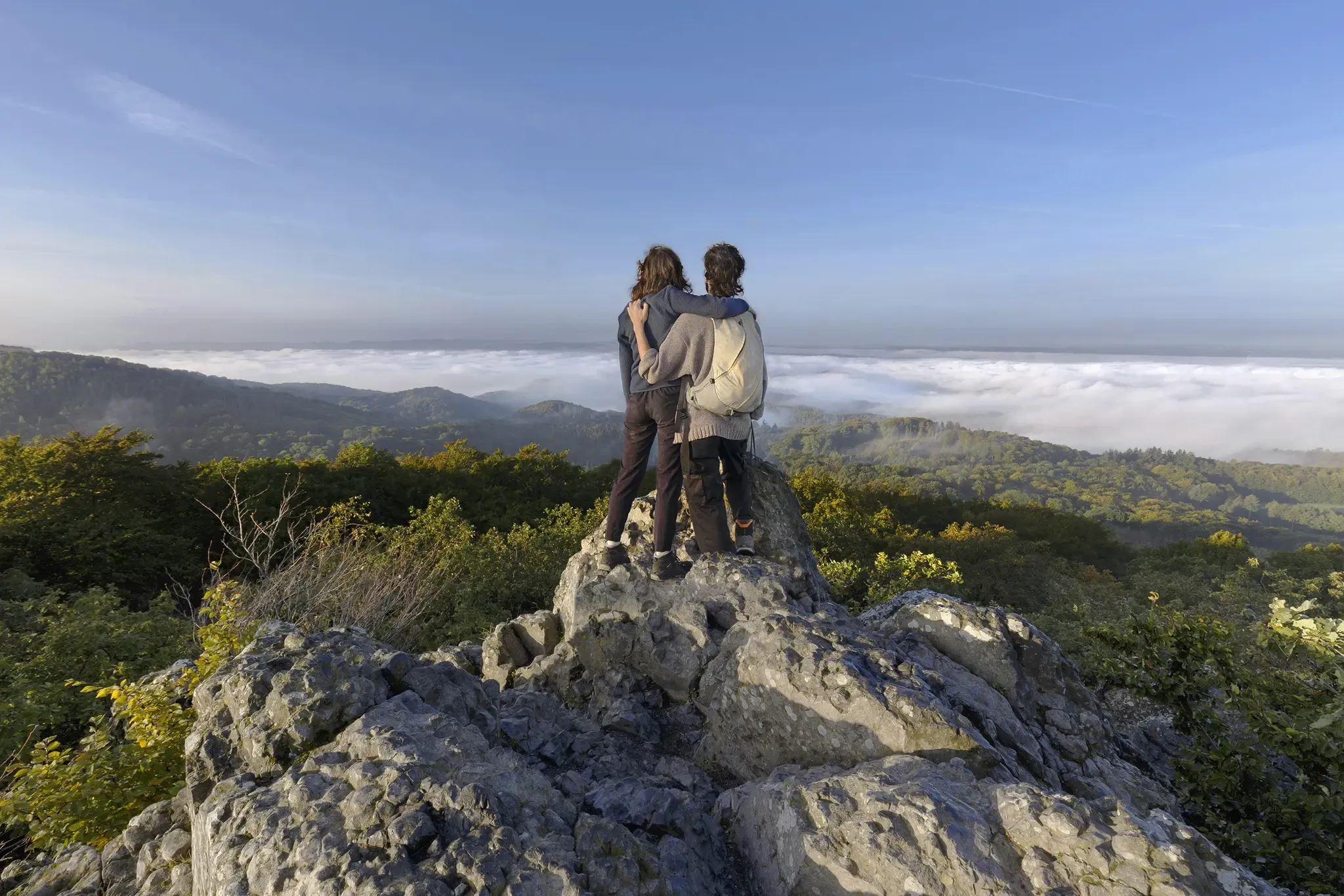
I'm getting outside! – eight adventurous hikes on the Rhine and Sieg
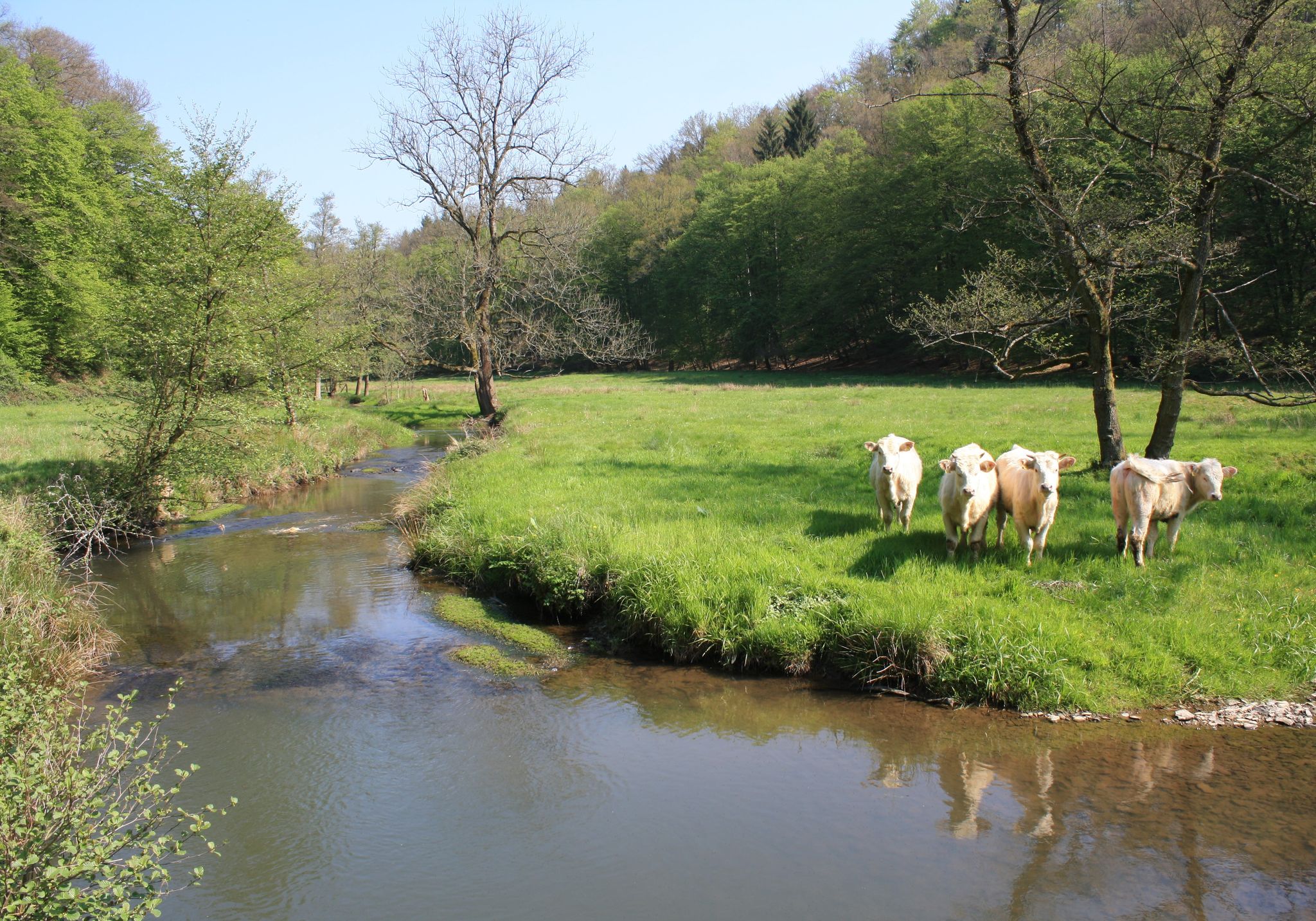
Nature and culture in beautiful landscapes – hikes on the Rhine and Sieg
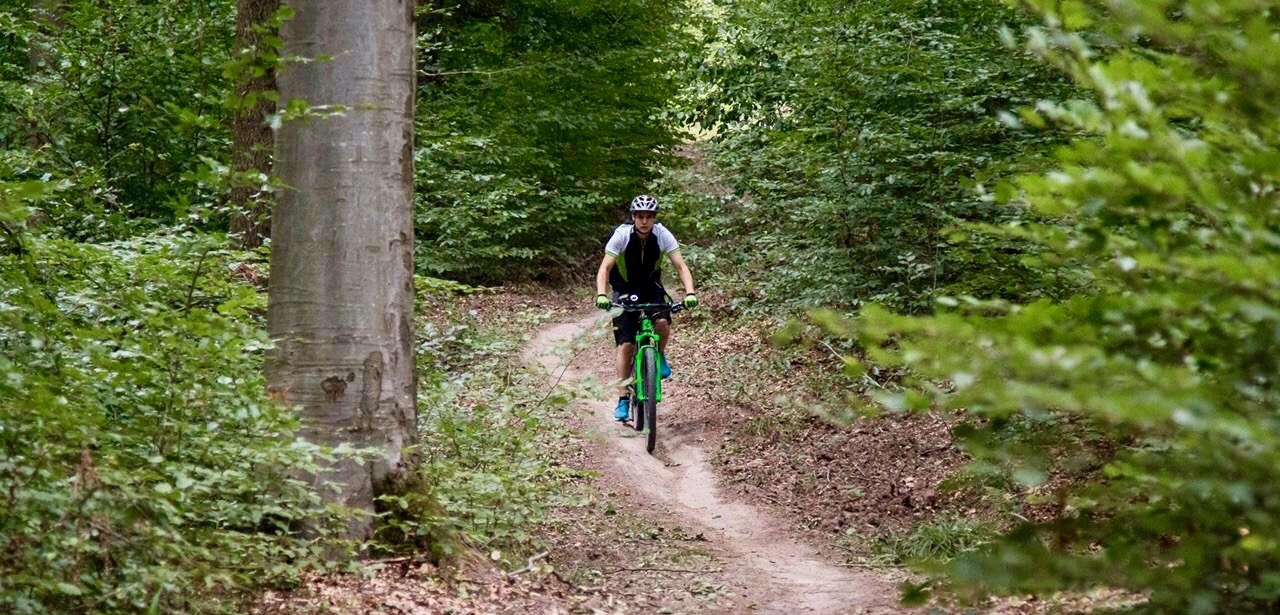
33 MTB trails through German forests
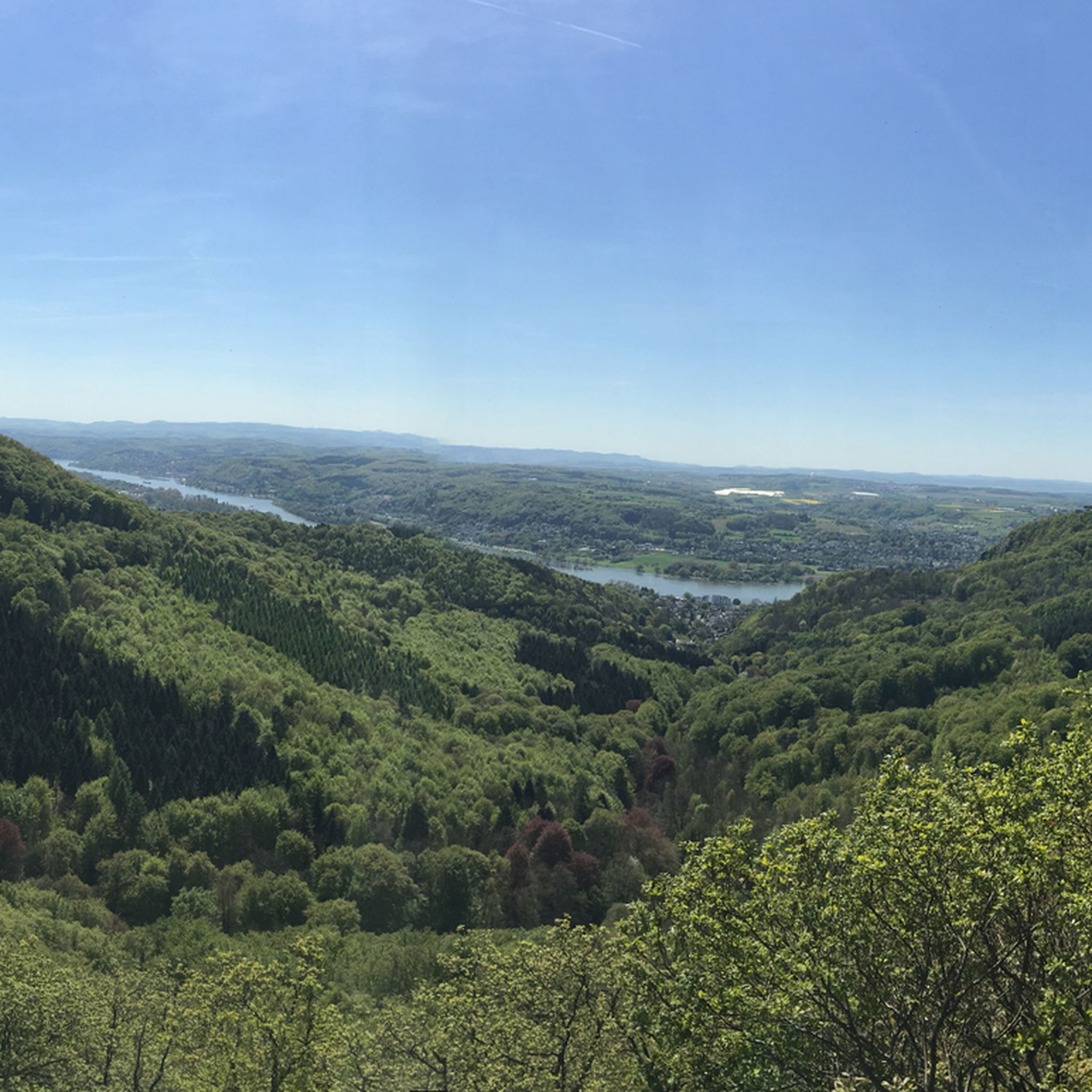
Hiking around Bad Honnef
MTB Trails around Bad Honnef
Cycling around Bad Honnef
Other adventures around Bad Honnef


Tips from the Community

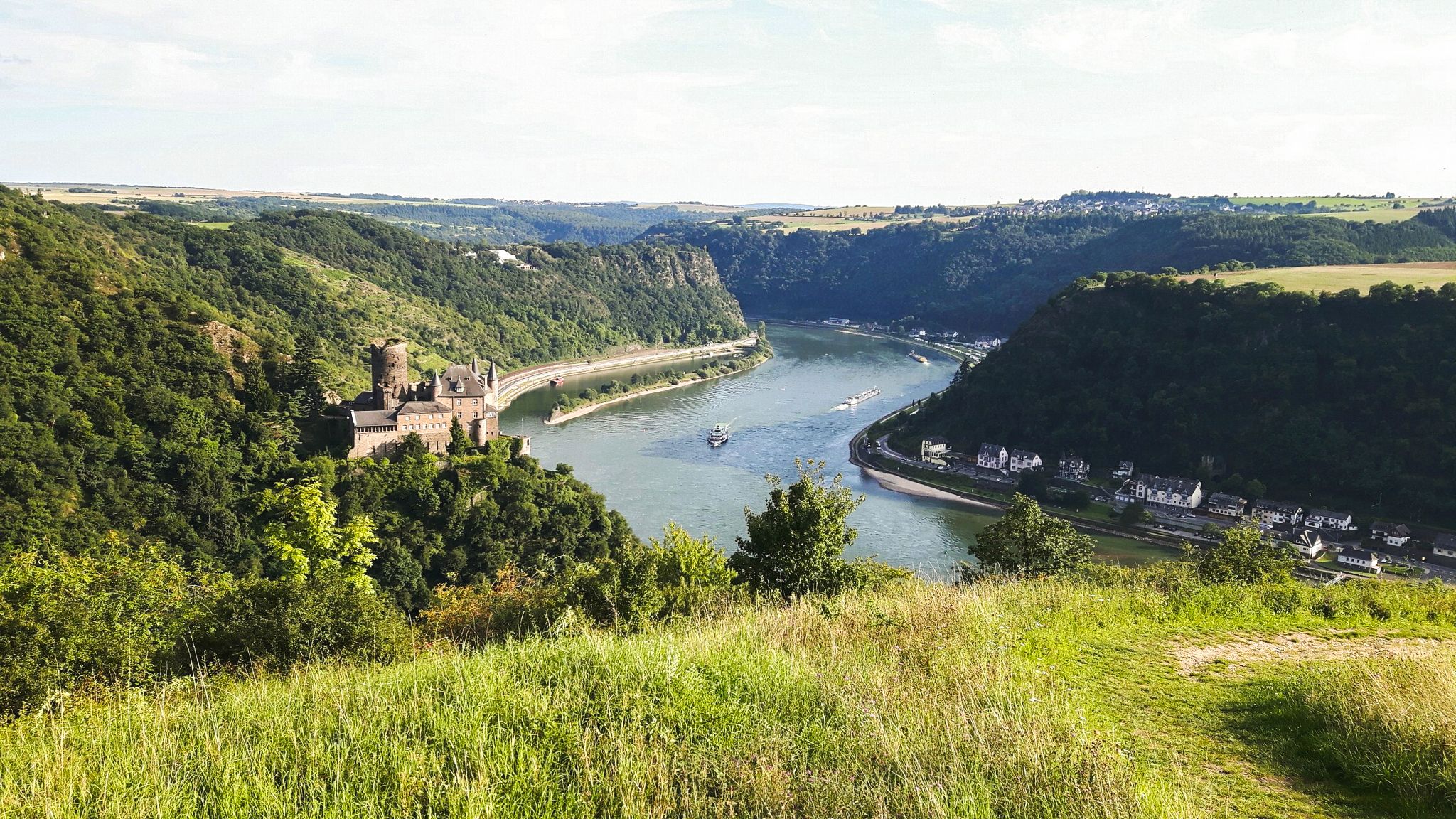
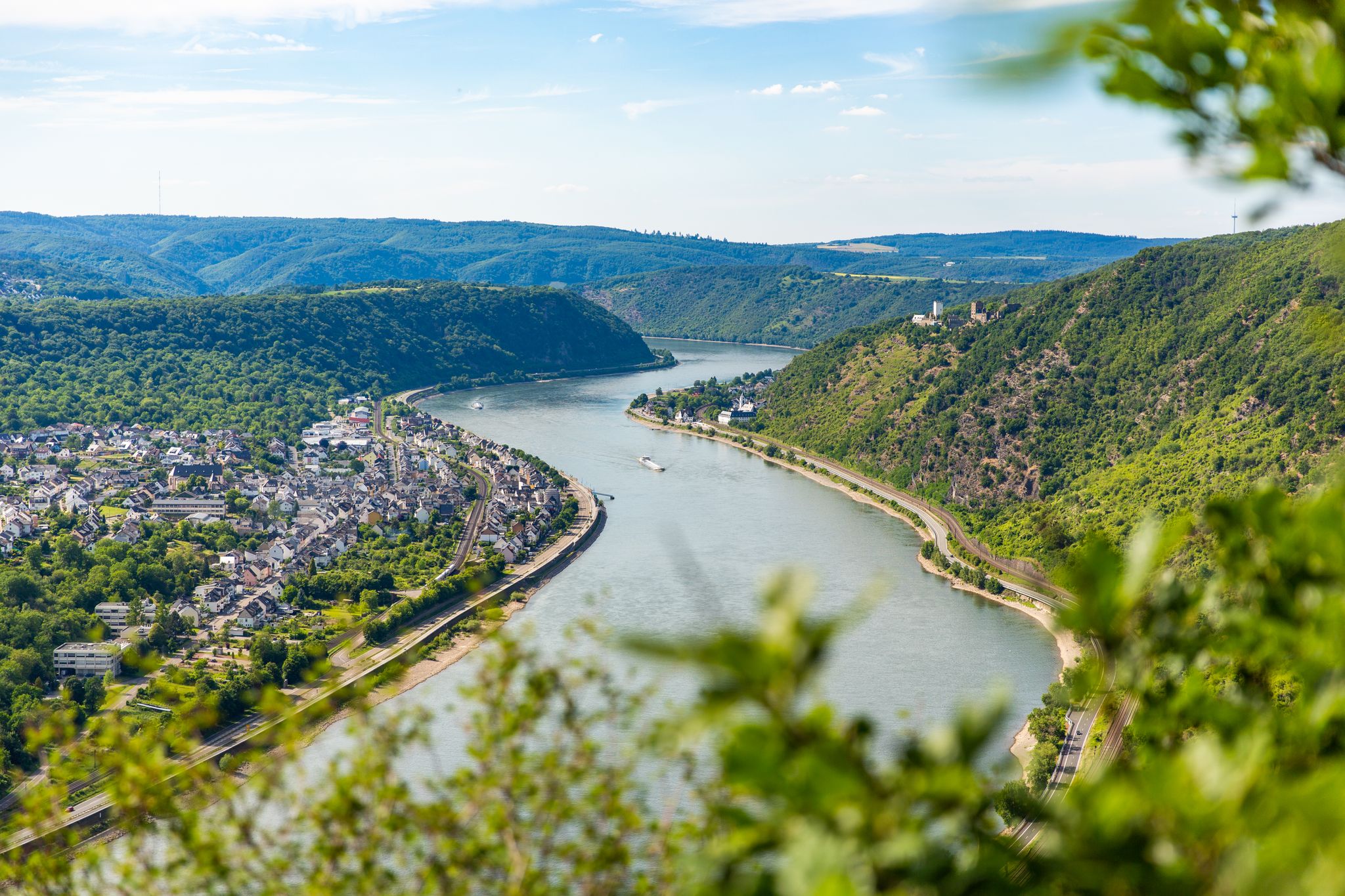
The name is once again misleading: Of course, the local hiker knows that there are by no means several lakes visible from this spot. Rather, it is the "good old Father Rhine," which can be seen several times, seen here from above.
9
0

A great little, peaceful, Asian oasis, here every stressed soul can find peace💚. Great photo opportunities guaranteed that give a different picture in every season🎨📸. 🐟 Trustful fish, waterfall🌊... Small but very, very nice🎨 👍🏻👌🏼
8
1
The current Rheinauenpark, a popular excursion destination “in the countryside” for Bonn residents and visitors to the federal city, was newly created in the south of the city especially for the Federal Garden Show in 1979. This name usually only refers to the larger part on the left bank of the Rhine, but part of the site also extends along the opposite bank of “Father Rhine”.
10
0
A part of the current Rheinauenpark, which was newly created for the Federal Garden Show in 1979 in the north of the city of Bonn - at that time, as the federal capital, it was still the seat of government and parliament as well as numerous embassies - is the Japanese Garden: "As the center of international diplomacy at the time, gifts from foreign nations also contributed to the successful appearance of the Rheinauenpark. For example, the Japanese Garden is a gift from the Japanese government." (Source: https://www.bundesgartenschau.de/buga-iga/bisherige-gartenschauen/buga-bonn-1979.html )
18
2

A nice place to take a break. The pond is currently covered with duckweed, the green color gives the pond a mystical touch.
6
0

The Japanese Garden next to the semicircle of the amphitheater was designed in 1979 for the Federal Garden Show.
7
0


Idyllic small forest lake. For ducks etc. just great location.
5
0
Frequently Asked Questions
What are some popular lakes for swimming near Bad Honnef?
For swimming, Blauer See Vettelschoß is a highly recommended option. It features clear water, a large jetty, a spacious sunbathing lawn, and dedicated areas for children. Himberger See is also a popular spot for bathers seeking a more natural and peaceful environment, nestled within a forested area.
Are there family-friendly lakes or activities around Bad Honnef?
Yes, Blauer See Vettelschoß is particularly family-friendly, offering a separate children's swimming pool, a diving board, and a small water slide, along with modern facilities. The Japanese Garden in Rheinaue Park, with its lake and waterfalls, is also a serene and family-friendly destination.
Where can I find tranquil spots for nature observation near Bad Honnef's lakes?
Eulenbergsee is situated within a 17-hectare nature reserve, making it an excellent choice for nature observation and quiet contemplation in a protected landscape. Its origins as a former volcanic cone and basalt quarry add to its unique natural appeal.
What kind of hiking trails are available near the lakes around Bad Honnef?
The region offers diverse hiking opportunities. You can find easy hikes around Bad Honnef, such as the 'Snow White Hut – Logebachtal hiking parking lot loop' or the 'Tretschbach Valley – Roman Spring 1847 loop'. For more options, explore the Easy hikes around Bad Honnef guide. The Siebengebirge Nature Park, which surrounds Bad Honnef, also features numerous trails with expansive views.
Can I find viewpoints that offer scenic vistas of the lakes or river sections resembling lakes?
Absolutely. The Three-Lakes Viewpoint in the Siebengebirge Nature Park offers panoramic views where three sections of the Rhine River appear like lakes. Additionally, the View of Dornheckensee provides a beautiful panorama of a basalt quarry lake embedded in cliffs.
Are there any unique natural features or geological formations to see near the lakes?
Yes, several lakes in the area, including Blauer See Vettelschoß, Himberger See, and Eulenbergsee, originated from former basalt quarries. These offer a unique landscape where industrial history meets natural regeneration. The Dornheckensee is another example of a basalt quarry lake embedded in cliffs.
What do visitors enjoy most about the lakes and natural areas near Bad Honnef?
Visitors frequently appreciate the clear water and comprehensive facilities at places like Blauer See Vettelschoß. The tranquil, forested setting of Himberger See is also highly valued for relaxation. Many enjoy the unique views, such as those from the Three-Lakes Viewpoint, and the peaceful atmosphere of smaller spots like Waldschlößchen Pond.
Are there opportunities for cycling or mountain biking near the lakes?
While specific cycling paths directly around every lake might vary, the broader Bad Honnef region, including areas near the lakes, offers routes for gravel biking. You can find options like the 'Petersberg Climb – Descent from Löwenburg loop' or the 'View from Himmerich – Stenzelberg Rock Formations loop'. For more details, refer to the Gravel biking around Bad Honnef guide.
Is there a lake that is part of a larger park or garden?
Yes, the Japanese Garden in Rheinaue Park features a beautiful lake and waterfalls, showcasing Japanese landscaping art. This garden is an impressive example of naturalness and harmony within the larger Rheinaue Park.
What are the accessibility options for reaching the lakes, such as parking?
For Himberger See, parking is available directly at the lake. Blauer See Vettelschoß, being a well-equipped recreational area, also offers convenient parking facilities. For other areas, parking access to Siebengebirge trails is generally available, providing access to viewpoints and natural areas.
Are there any small, hidden forest ponds or quiet oases to discover?
Yes, the Waldschlößchen Pond is described as a small lake in the forest with an even smaller island, offering a cozy place to enjoy nature and a nice oasis of peace. It's a picturesque spot for resting, with benches around the pond.
Most popular routes around Bad Honnef
Most popular attractions around Bad Honnef

Get inspired with the komoot mobile app


Explore more
Still not found your perfect lake around Bad Honnef? Check out the guides of these regions to see even more beautiful places.
