Top 11 Caves around Bad Homburg
Best caves around Bad Homburg are found within the natural landscape of the Taunus region, which surrounds Bad Homburg v.d. Höhe. While large cave systems are not prominent directly within the town, the area features smaller grottoes, natural rock formations, and former mine adits. These sites offer insights into local geology and history, often serving as natural monuments or wildlife habitats. The region provides opportunities to explore various natural features and historical sites.
Best caves around Bad Homburg
- The most popular caves is Gute Hoffnung Bat Cave, a cave that is a former mining tunnel and now serves as a habitat for bats, toads, and fire salamanders. This site is part of the nature discovery trail.
- Another must-see spot is Bear Cave, a family-friendly cave. Visitors can explore this small cave, which is sometimes adorned with figures, offering a unique discovery experience.
- Visitors also love Bear cave with stuffed animals, a hidden cave with a collection of cuddly toys. This spot provides a surprising and charming discovery for those who find it via its narrow path.
- Bad Homburg v.d. Höhe is known for natural caves, grottoes, and historical mine adits. These sites often function as natural monuments or provide shelter for local wildlife, including bats.
- The caves around Bad Homburg are appreciated by the komoot community, with more than 280 upvotes and 94 photos shared across various highlights.
Last updated: June 25, 2026
Bear cave with stuffed animals
Highlight • Cave
To reach it via a narrow path that goes from the main path.
Translated by Google •
Tip by

Bear Cave
Highlight • Cave
No bears to be seen 😂
At least an angel smiled at me 👌😉
Translated by Google •
Tip by

Sign up now to discover places like this
Get recommendations on the best single tracks, peaks, & plenty of other exciting outdoor places.
Sign up for free
Entrance to the Goldgrube Mine Adit
Highlight • Historical Site
Of the three tunnels in the Goldgrube (Gold Mine), only the lower tunnel is accessible; it was explored in 1985.
The mine building is fenced and serves as a hibernation area for bats.
From: de.wikipedia.org/wiki/Goldgrube_(Bad_Homburg)
Translated by Google •
Tip by

Gute Hoffnung Bat Cave
Highlight • Cave
All around there is a natural outdoor area. A little detour that is really worth it!
Translated by Google •
Tip by
Minna Grotto
Highlight • Cave
Translated by Google •
Tip by
Sign up for free to discover even more caves around Bad Homburg.
Sign up for free
Already have an account?
Start today with a free account
Your next adventure awaits.
Login or Signup
Popular around Bad Homburg v.d. Höhe
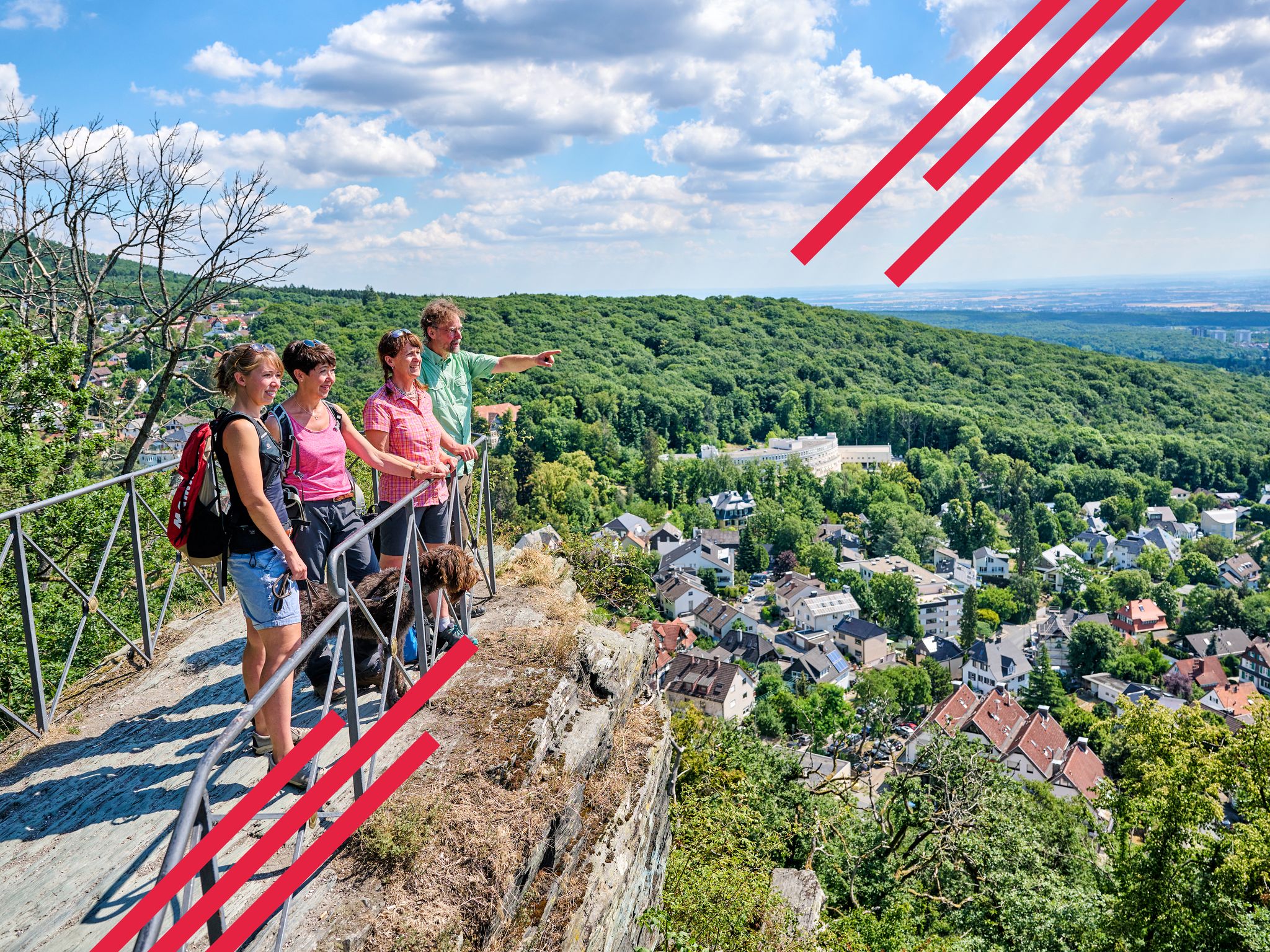
Delightfully scenic hiking in the Taunus range
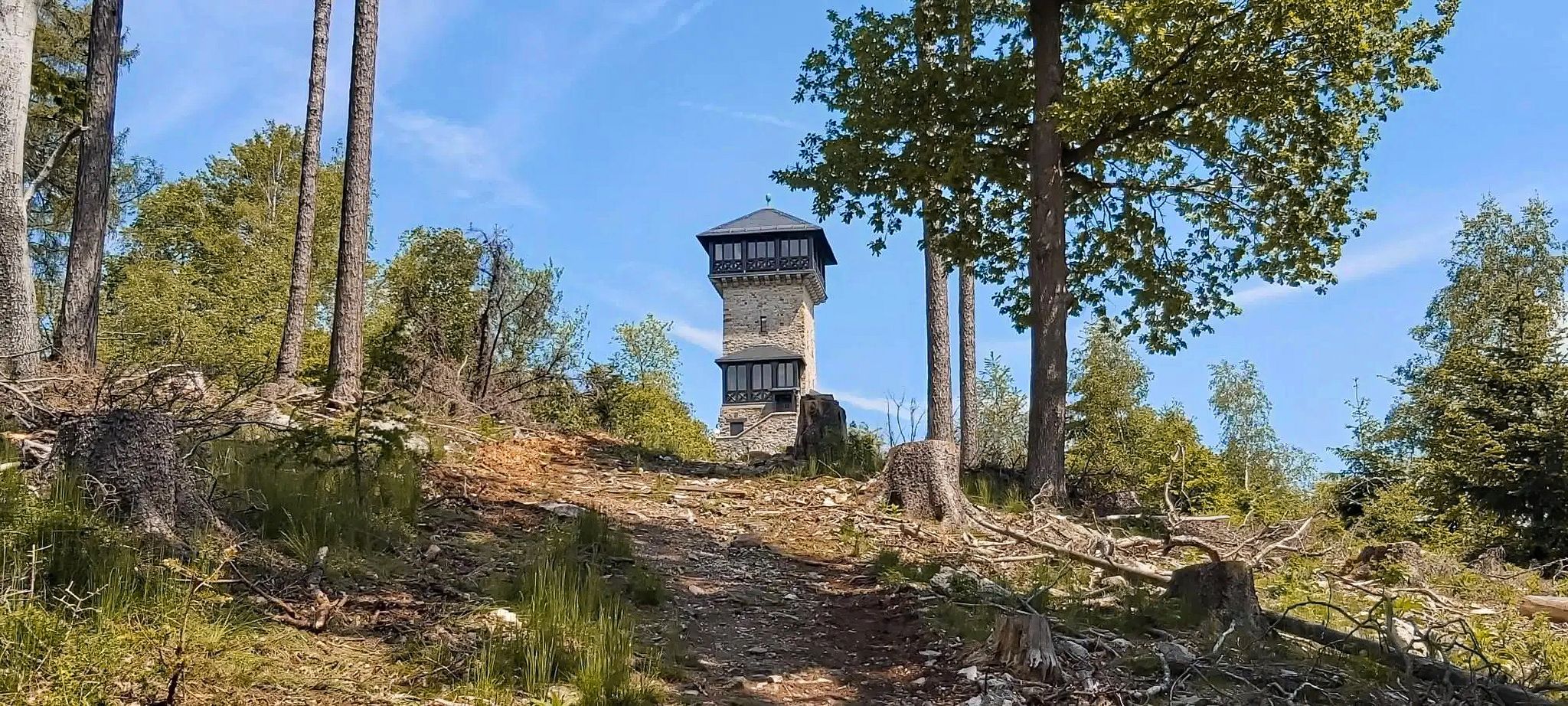
Autumn views: to the most beautiful vantage points in the RMV area

History, forest and gnomes – hiking in Germany’s Hochtaunus region
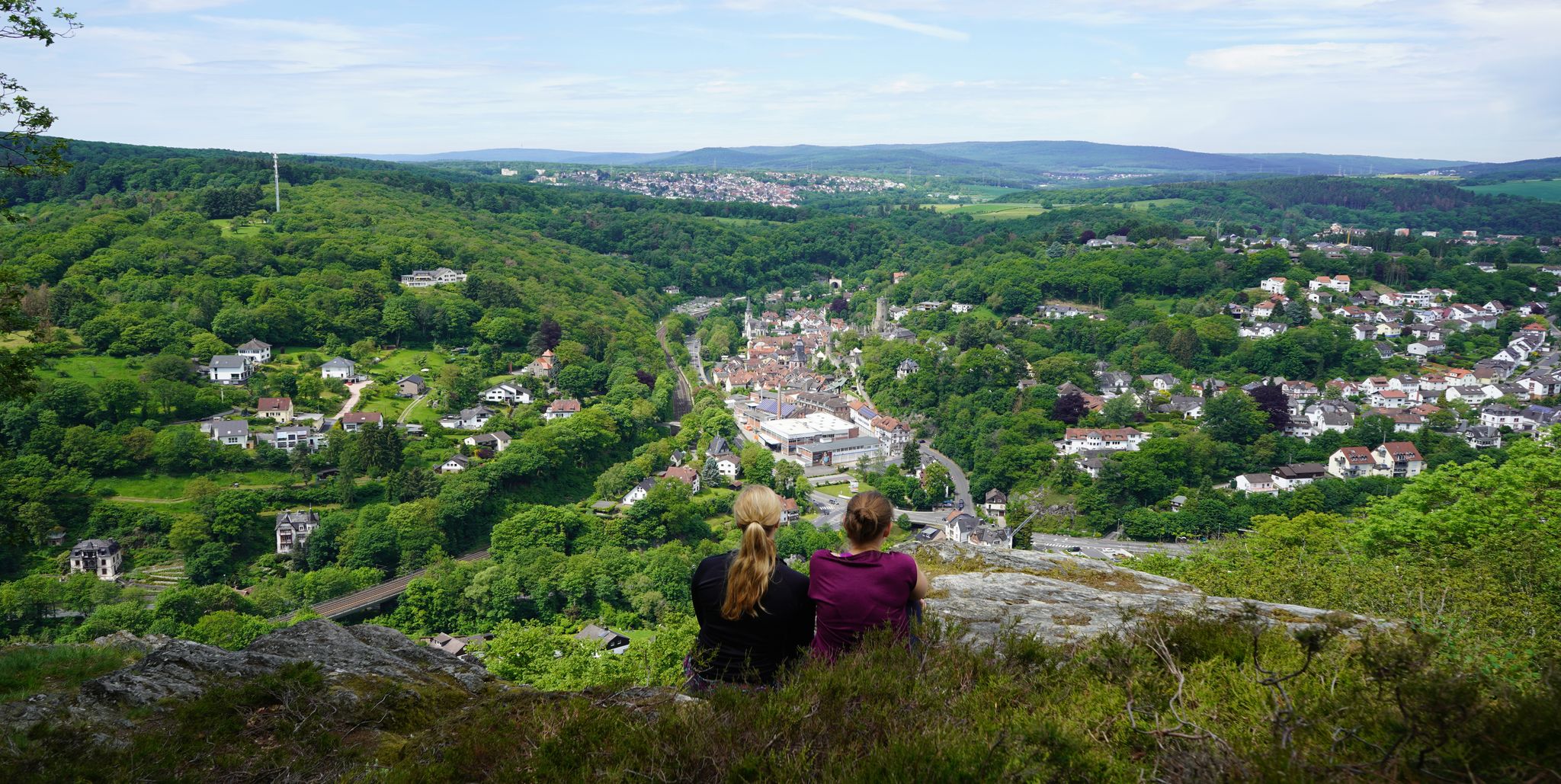
Exploring nature — hikes in Germany’s Taunus Mountains

From safari to world heritage — cycling tours in the Taunus region

A journey through time – the most beautiful routes in the Taunus Nature Park
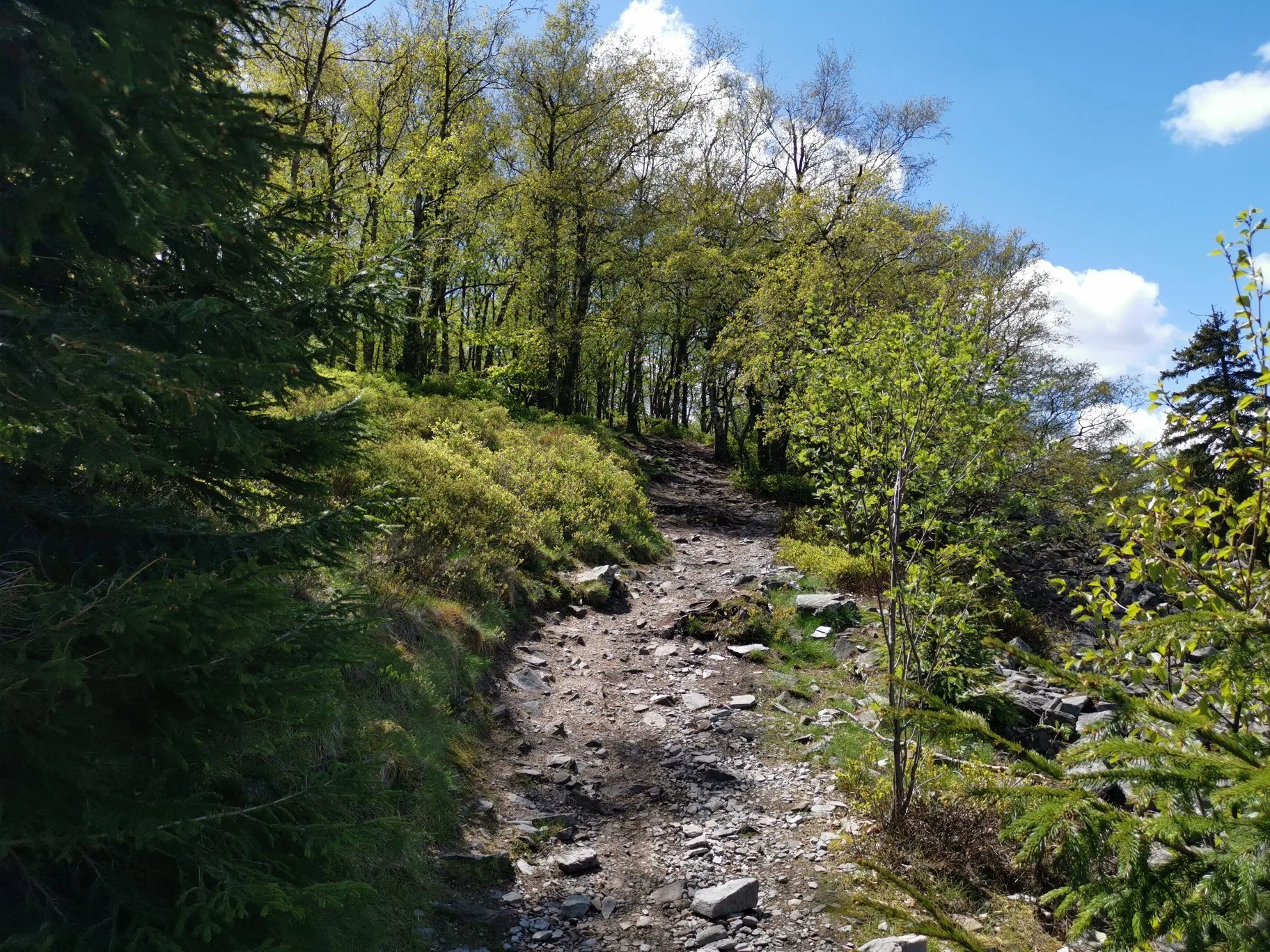
Autumn hikes around Frankfurt
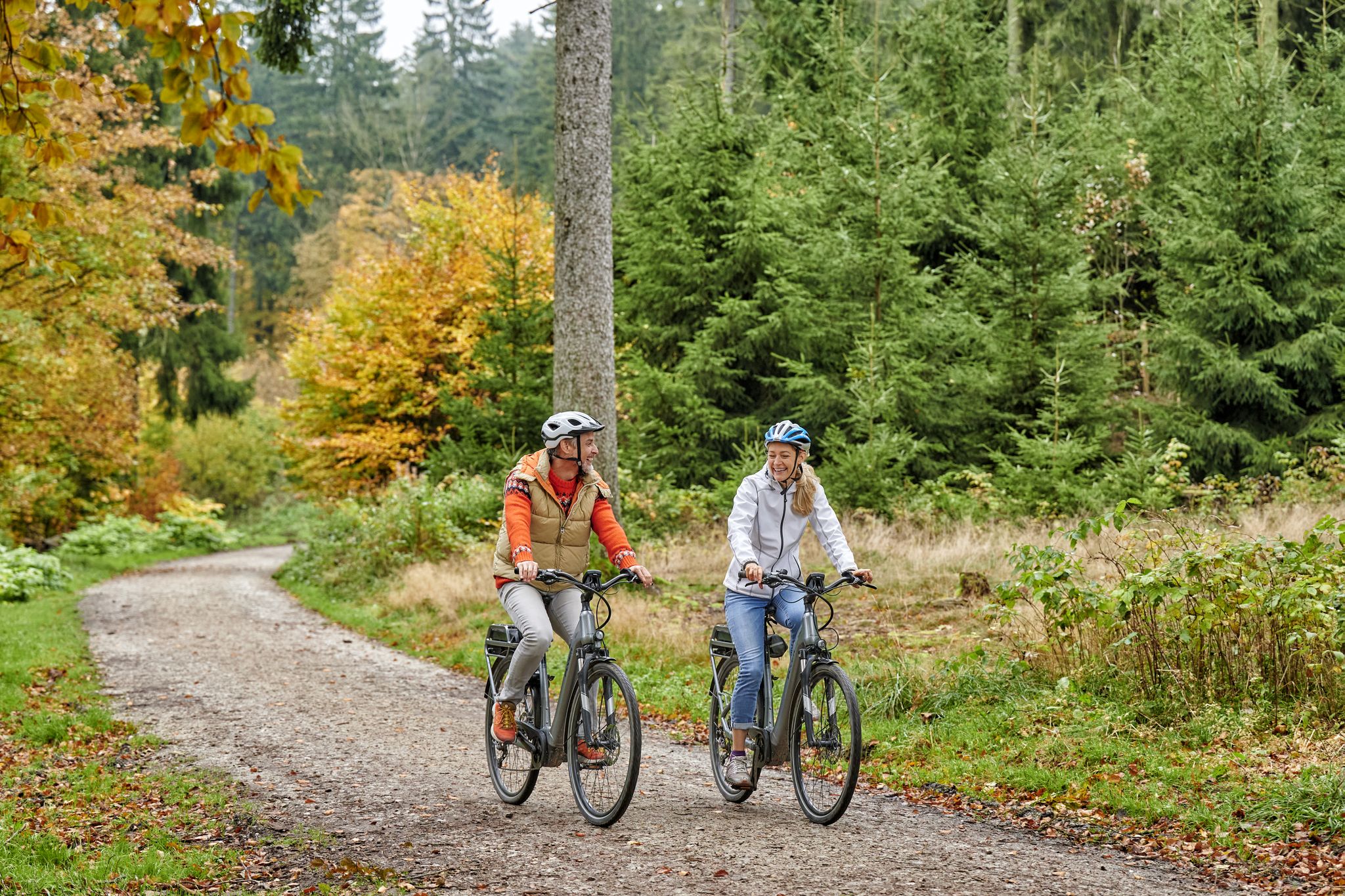
Radfahren im Taunus – Auspowern, genießen, entdecken
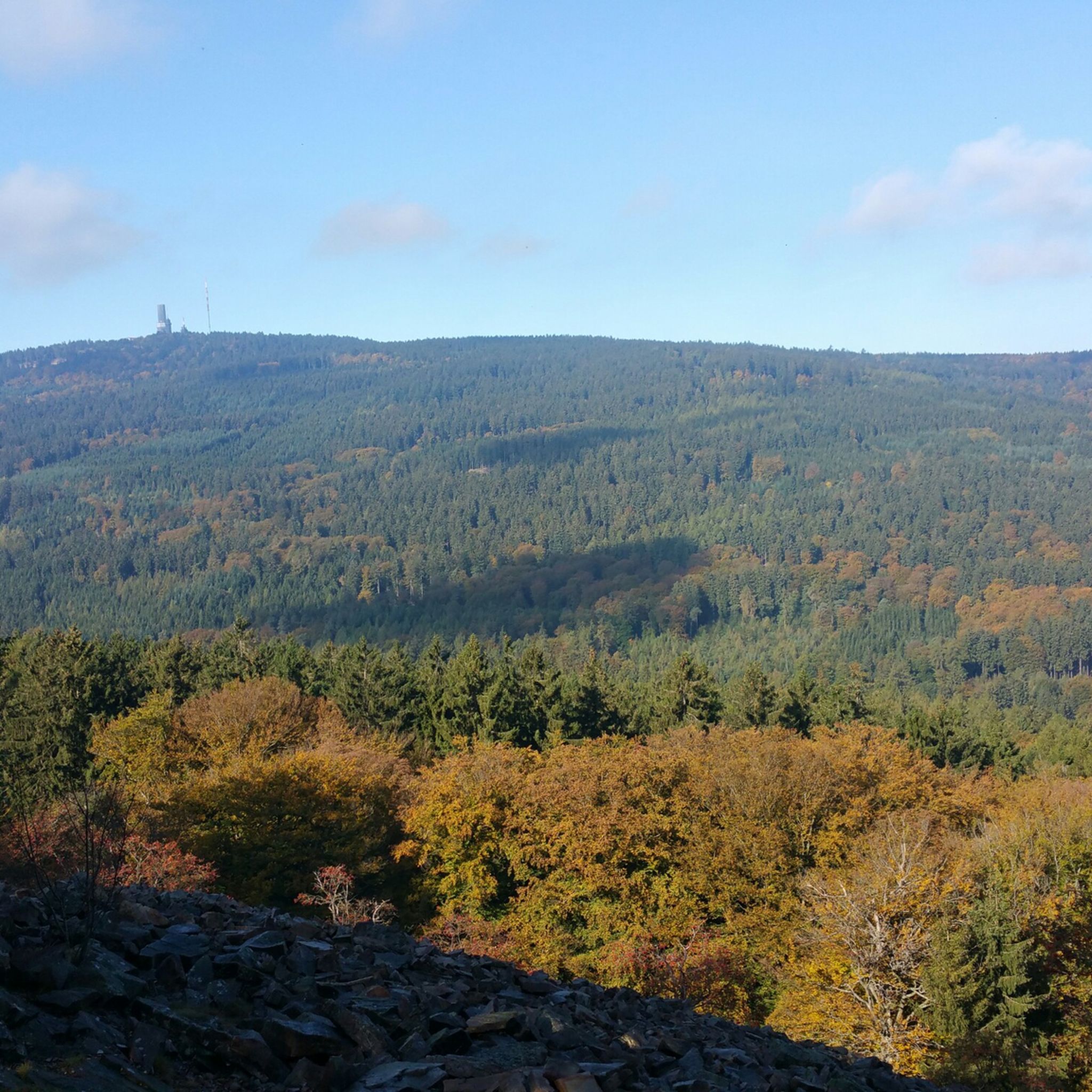
Hiking around Bad Homburg

Cycling around Bad Homburg
Other adventures around Bad Homburg


Tips from the Community

The gold mine 🪙💰 near Oberursel was an experimental mine with several shafts, which probably dates back to Roman times or possibly even to Celtic origins. The visible tunnel now serves as a bat quarters🦇🦇🦇. Please avoid unnecessarily illuminating the tunnel entrance. 🕯️
4
0

There is a name painted on the rock overhang. Unfortunately it is difficult to decipher. If you look at the red colour, it could mean Minna Grotto. The inscription written in black (above it?) has been interpreted as "Luisa".
0
0

I crawled into the little cave again today. No bears to be seen 😂 At least an angel smiled at me 👌😉
8
0

A place steeped in history and surrounded by many rumors.
1
0
The Goldgrube (Gold Mine) on the mountain of the same name was an experimental mine with three tunnels and several shafts, probably dating back to Roman times but possibly also of Celtic origin. In 1719, two abandoned old tunnels were rediscovered at the foot of the Hangelstein mountain, and since then, the mountain has also been called the Goldgrube (Gold Mine). The lower and upper tunnels were discovered; the third tunnel, located further south, was unknown at the time. Shortly after the rediscovery of the two tunnels, exploration work began for mineable ore. However, nothing was found, and operations ceased in 1739. Of the three tunnels in the Goldgrube (Gold Mine), only the lower tunnel is accessible; it was explored in 1985. The mine building is fenced and serves as a hibernation area for bats. From: https://de.wikipedia.org/wiki/Goldgrube_(Bad_Homburg)
7
1

Small cave with surprises do you dare to look in 😜
3
0


A small mine cave where Schinderhannes is said to have once lived. There are currently two white angel figures in the rear part.
6
0
Frequently Asked Questions
What types of caves can I explore around Bad Homburg v.d. Höhe?
Around Bad Homburg v.d. Höhe, you'll find smaller grottoes, natural rock formations, and historical mine adits rather than large cave systems. These sites, often located in the Taunus region, offer insights into local geology and history, and frequently serve as natural monuments or wildlife habitats.
Are there any family-friendly caves in the area?
Yes, the Bear Cave is considered family-friendly. It's a small cave that visitors can explore, sometimes featuring figures inside for a unique discovery experience. Another charming spot is the Bear cave with stuffed animals, which offers a surprising collection of cuddly toys accessible via a narrow path.
Which caves are important for local wildlife?
The Gute Hoffnung Bat Cave, a former mining tunnel, is a significant habitat for bats, toads, and fire salamanders. Similarly, the fenced Entrance to the Goldgrube Mine Adit serves as a crucial hibernation area for bats.
What historical significance do the caves around Bad Homburg have?
Many of the sites, such as the Entrance to the Goldgrube Mine Adit, are former experimental mines with origins possibly dating back to Roman or even Celtic times. These adits provide a glimpse into the region's mining history, even though no valuable ores were ultimately found.
What are some unique features of the caves in this region?
Beyond natural formations, you can find unexpected elements like the Bear cave with stuffed animals, which delights visitors with its hidden collection of cuddly toys. The Gute Hoffnung Bat Cave is notable for being a former mining tunnel now repurposed as a vital wildlife habitat.
What outdoor activities can I combine with a visit to these caves?
The region around Bad Homburg v.d. Höhe offers various outdoor activities. You can find numerous routes for cycling, road cycling, and gravel biking that pass by or near these natural features. These routes often explore the scenic Taunus region.
Are there any caves that offer natural shelter or viewpoints?
The Minna Grotto is a natural shelter that can provide refuge from the weather. It is also listed as a natural monument and offers a viewpoint within the forest.
What should I know about visiting the Goldgrube Mine Adit?
The Entrance to the Goldgrube Mine Adit is a historical site, an experimental mine with Roman or Celtic origins. Today, the mine building is fenced off as it serves as a hibernation area for bats. Visitors should respect this protected status and avoid disturbing the wildlife.
What do visitors say about the caves around Bad Homburg?
Visitors appreciate the unique and often surprising discoveries. For instance, the Bear cave with stuffed animals is described as a 'cute idea' and a 'nice surprise'. The Bear Cave is noted for bringing 'great joy' to families, and the Gute Hoffnung Bat Cave is recommended as a 'detour that is really worth it'.
Is there a large, well-known cave system near Bad Homburg v.d. Höhe?
While Bad Homburg v.d. Höhe itself features smaller grottoes and mine adits, the most prominent cave system often associated with 'Homburg' is the Schlossberghöhlen Homburg. However, it's important to note that these are located in Homburg, Saarland, approximately 135 to 150 kilometers away, and are Europe's largest red sandstone cave system.
What are the Schlossberghöhlen Homburg known for?
The Schlossberghöhlen in Homburg, Saarland, are renowned as Europe's largest red sandstone cave system. They boast a rich history, serving as medieval escape routes and later as an air-raid shelter. Visitors can experience striking geology with vibrant red and yellow sandstone layers, observe fossilized wave traces, and take guided tours through impressive dome halls.
Most popular routes around Bad Homburg
Most popular attractions around Bad Homburg

Get inspired with the komoot mobile app


Explore more
Extend your search for the best caves by checking out these guides of the top ones around Bad Homburg:
