Top 17 Castles around Neubrandenburg
Best castles around Neubrandenburg are found in a region known for its unique medieval city fortifications, including a well-preserved city wall and four Brick Gothic gates. While Neubrandenburg itself features these impressive urban defenses, the surrounding area offers a variety of historical fortified structures and manor houses. These sites provide insight into the architectural heritage and strategic importance of the region throughout history. Visitors can explore a range of historical buildings, from hilltop castles to stately manor houses.
Best castles…
Last updated: August 19, 2026
Prillwitz Hunting Lodge
Highlight • Castle
Translated by Google •
Tip by

Penzlin Old Castle
Highlight • Castle
Translated by Google •
Tip by

Sign up now to discover places like this
Get recommendations on the best single tracks, peaks, & plenty of other exciting outdoor places.
Sign up for free
Hohenzieritz Castle with cavalier houses
Highlight • Historical Site
Translated by Google •
Tip by

Puchow Manor (The Manor House)
Highlight • Castle
Translated by Google •
Tip by

Manor House Pinnow (Breesen)
Highlight • Historical Site
Translated by Google •
Tip by

Sign up for free to discover even more castles around Neubrandenburg.
Sign up for free
Already have an account?
Start today with a free account
Your next adventure awaits.
Login or Signup
Popular around Neubrandenburg
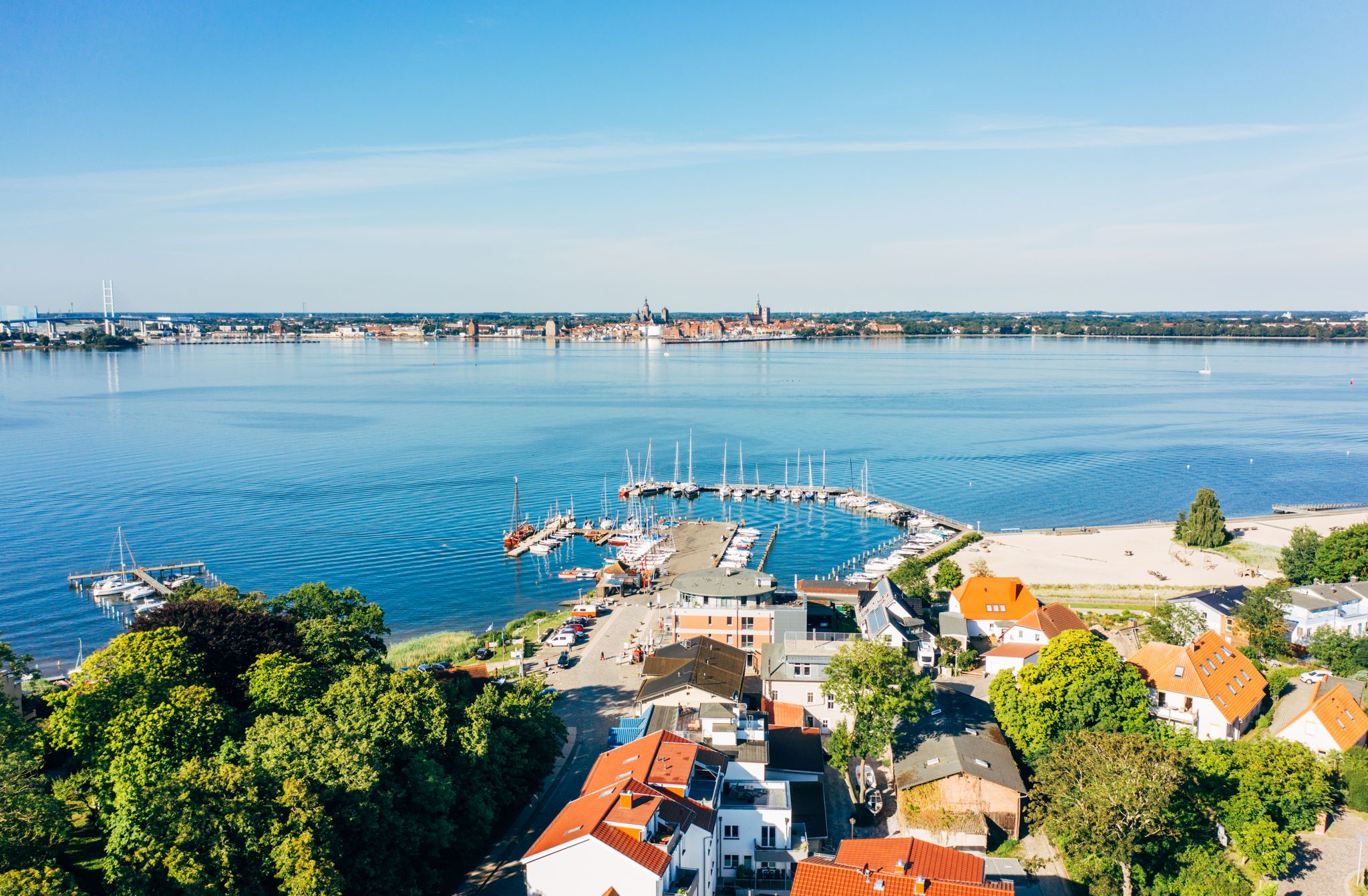
Spectacular nature in the cycle country Mecklenburg-Western Pomerania
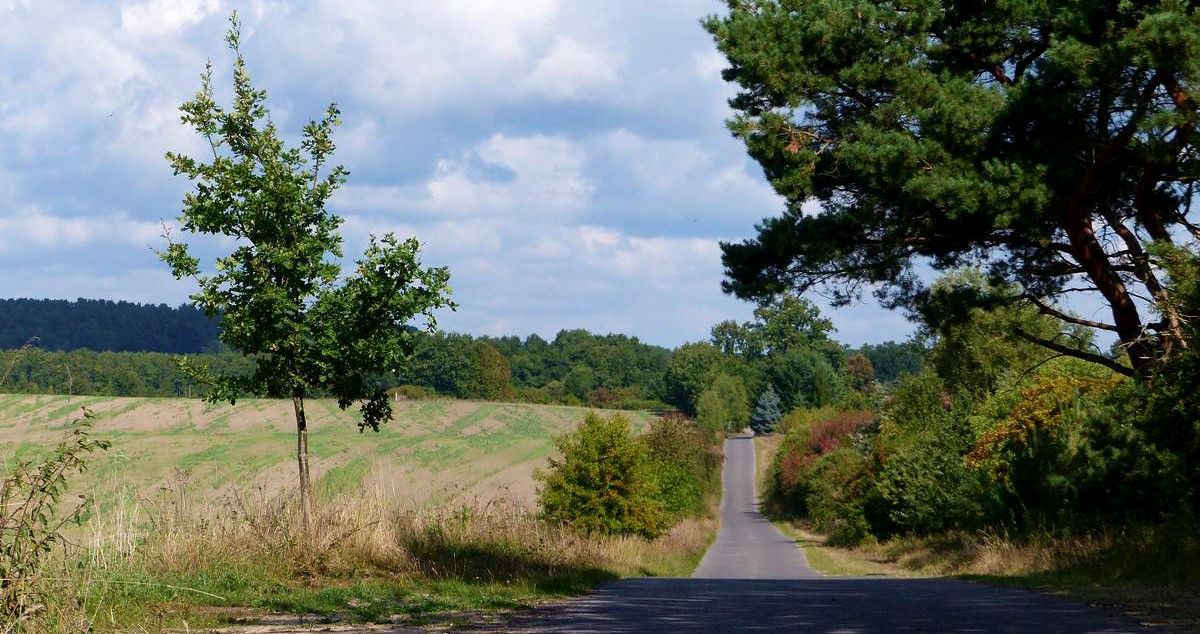
Cycling the Ice Age Route in the Mecklenburg Lake District
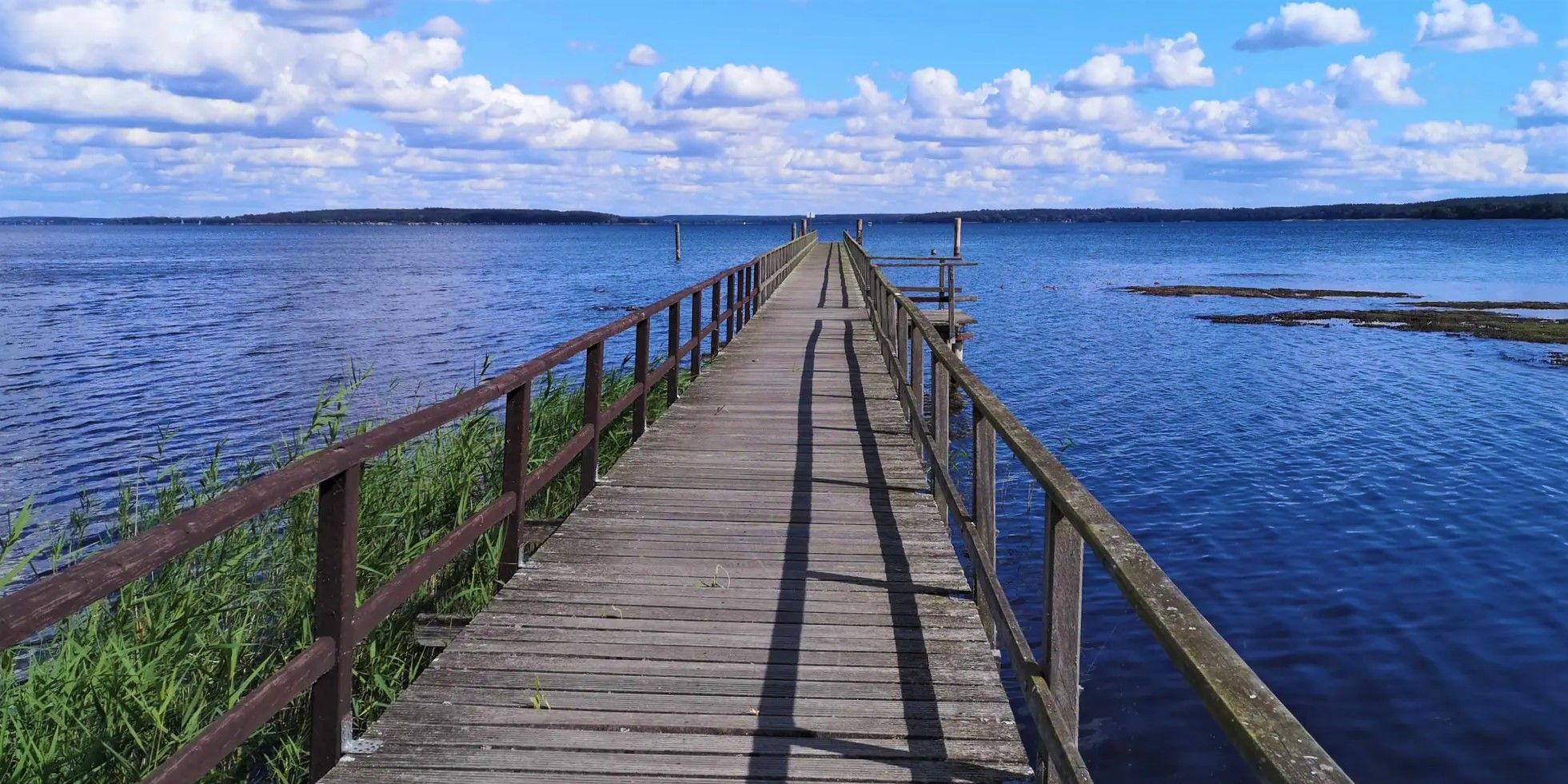
Cycling and swimming fun – Mecklenburg Lakes Cycle Route
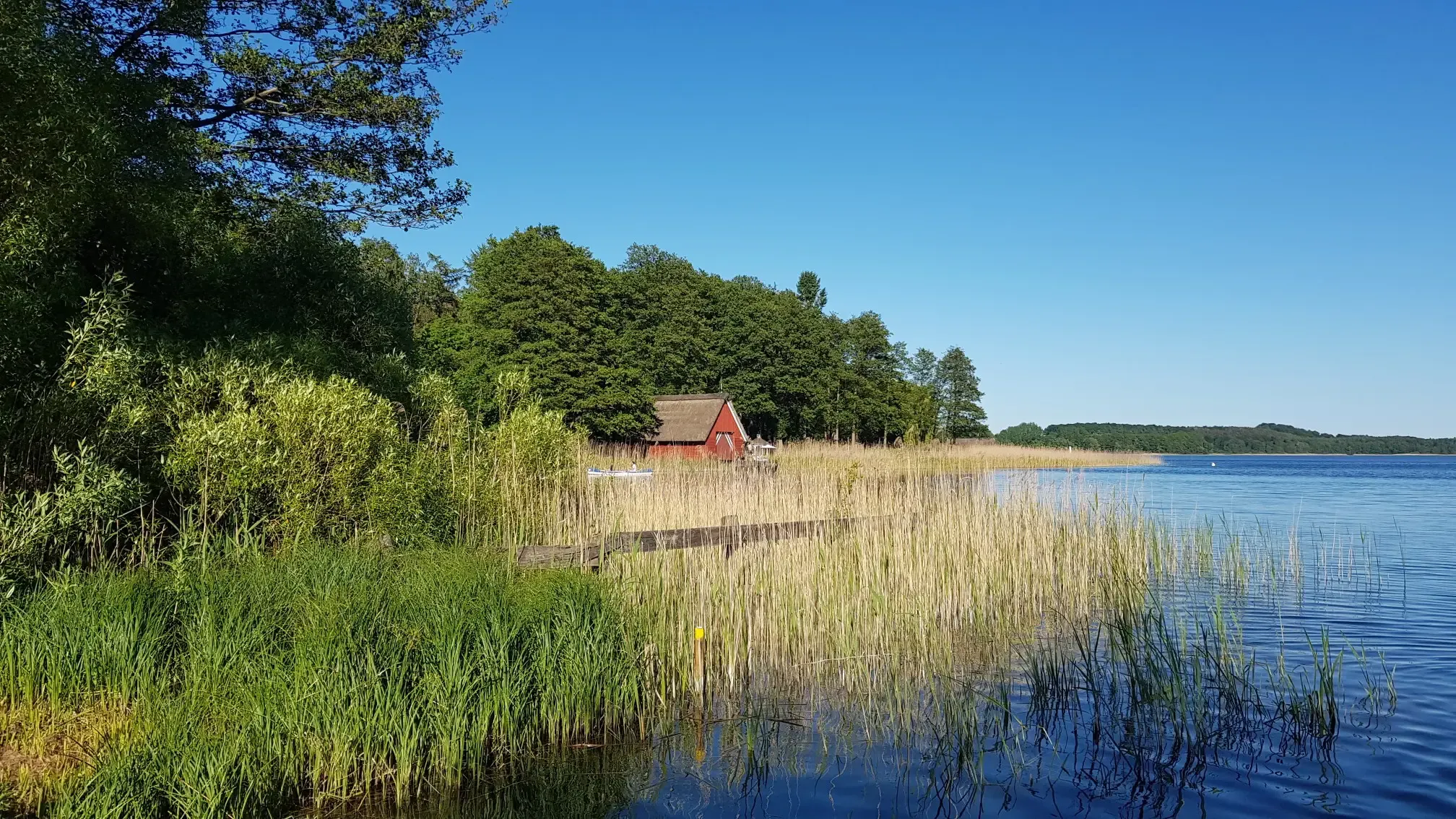
The Best Swimming Lakes In Mecklenburg-Hither Pomerania
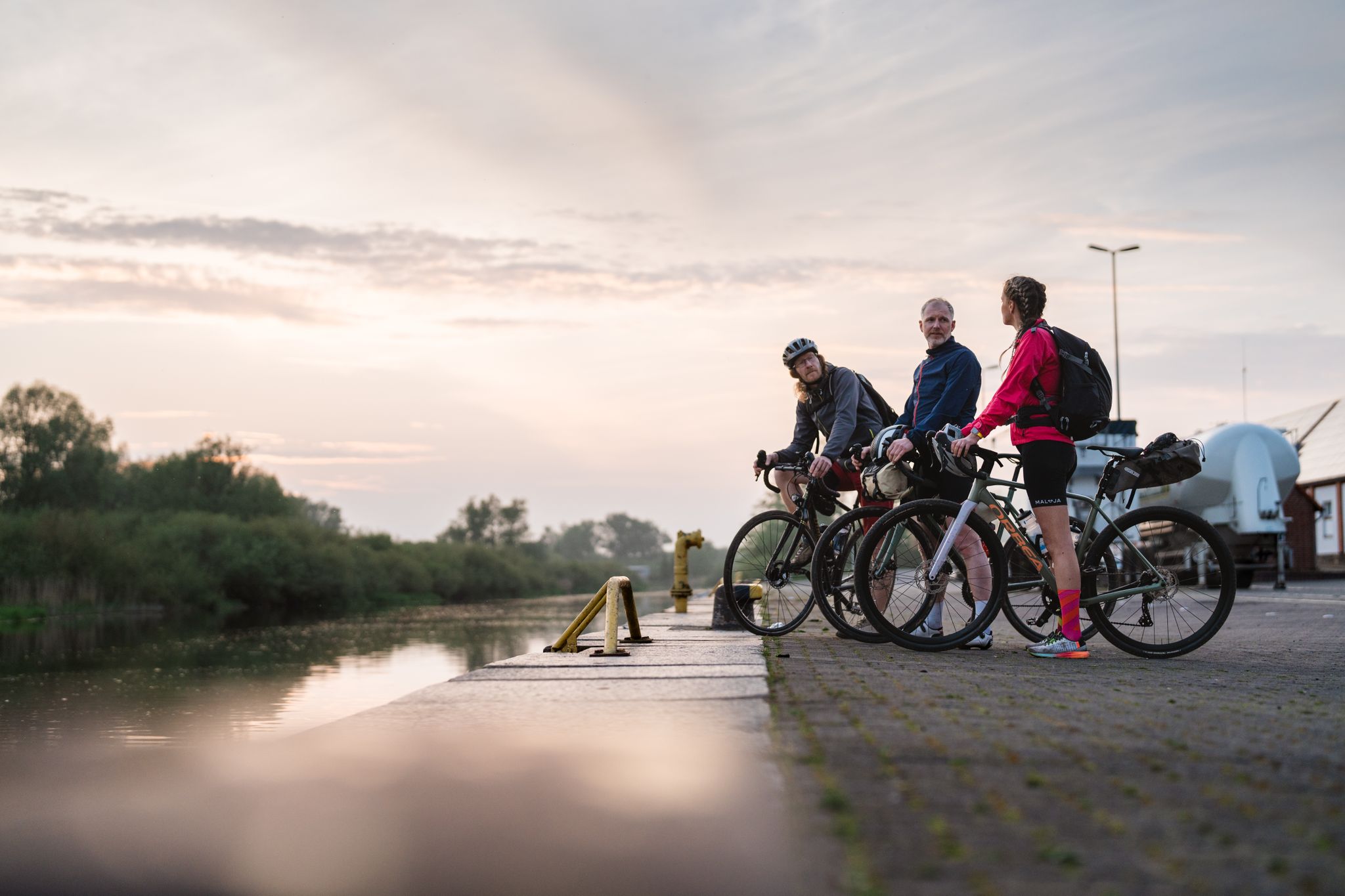
Tollensetal-Rundweg - Flussfahrt auf zwei Rädern
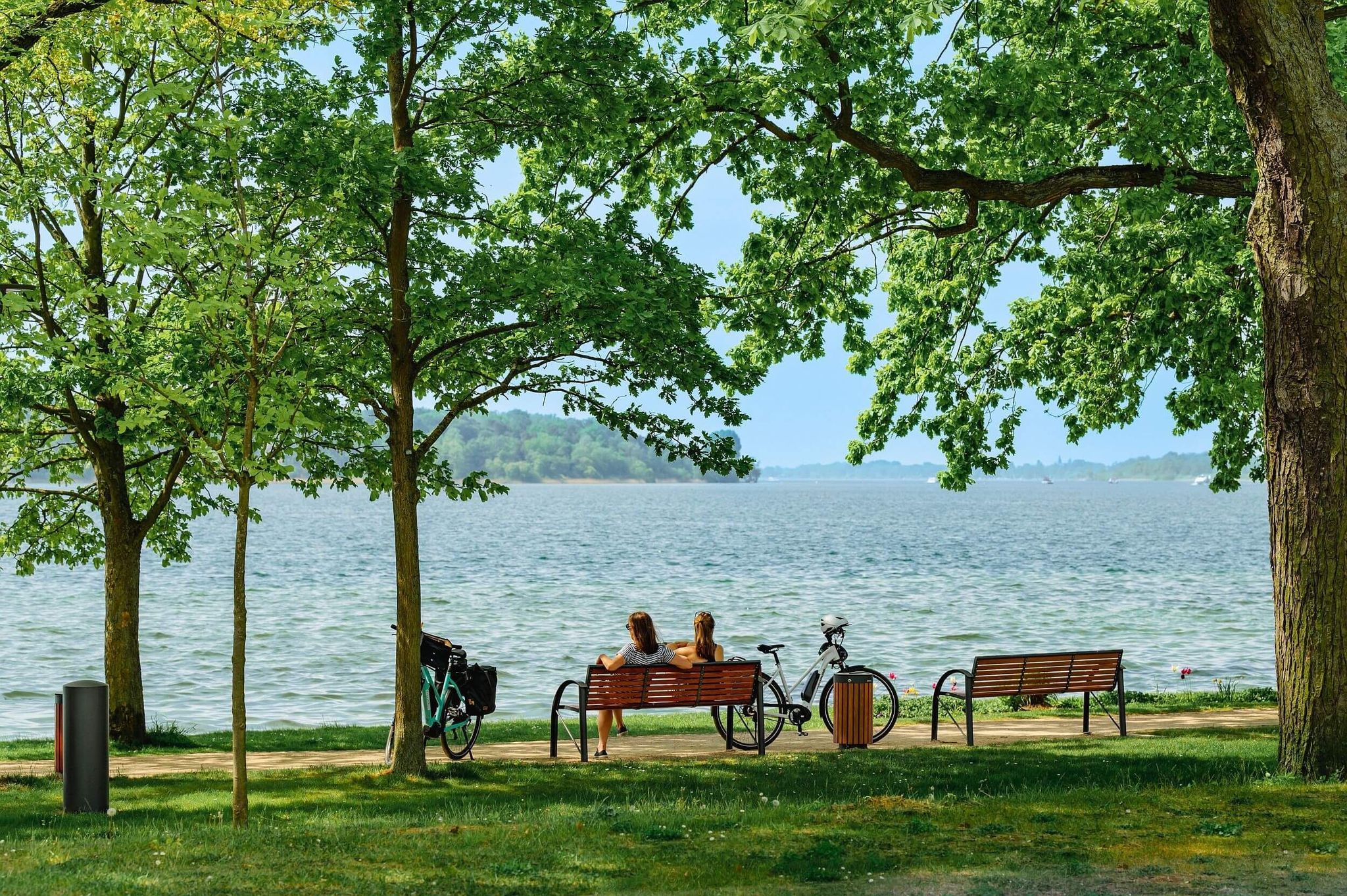
Elbe-Oderhaff Radweg
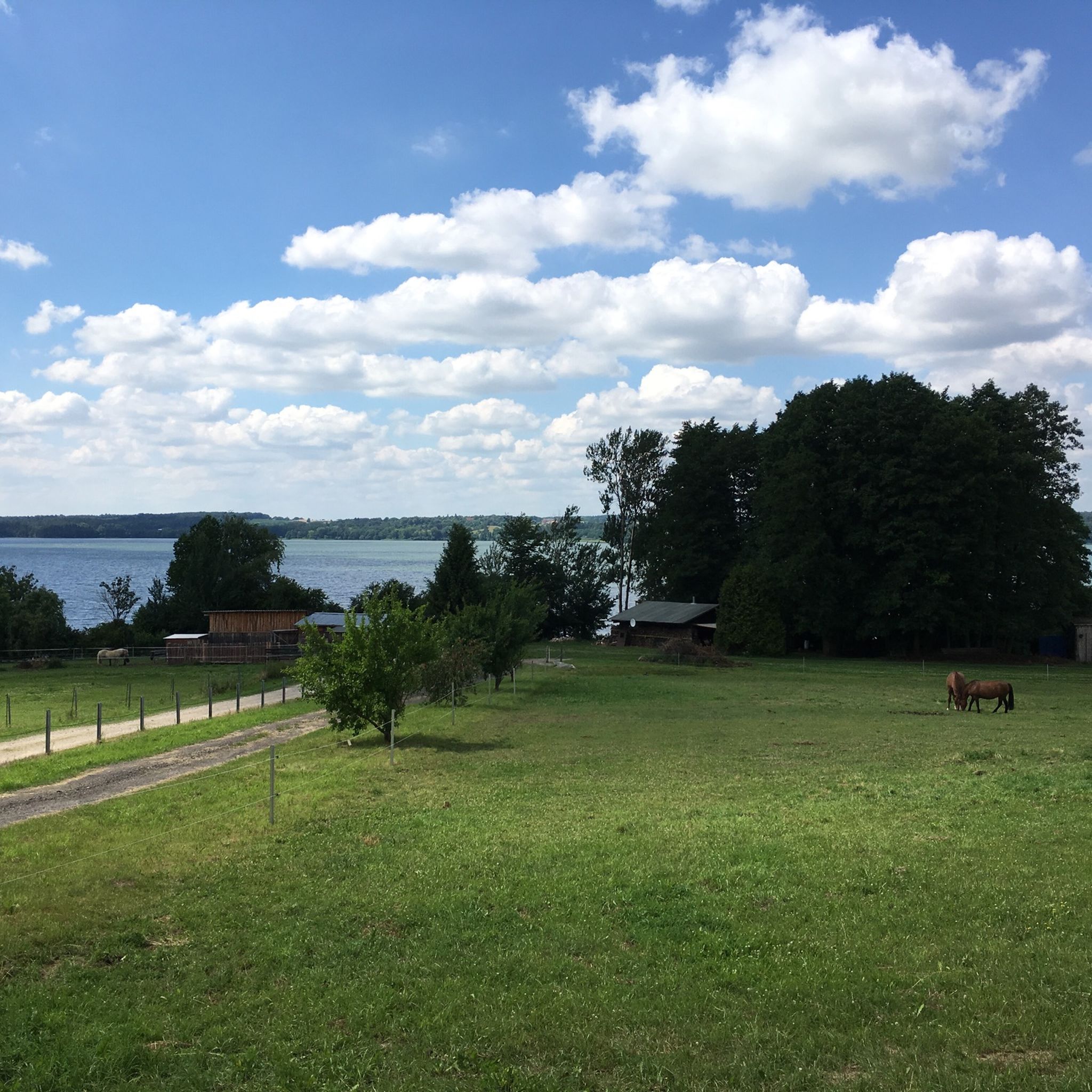
Cycling around Neubrandenburg
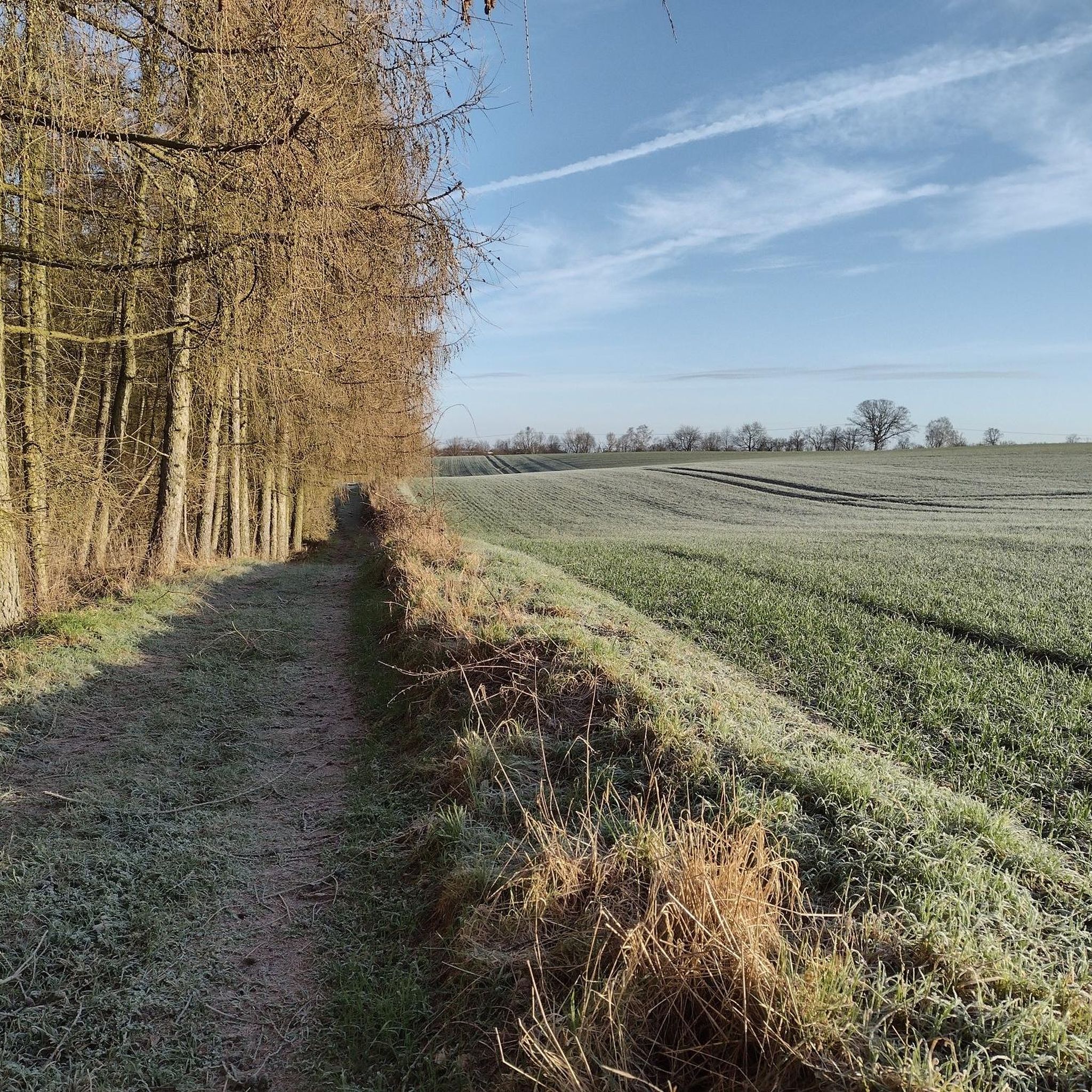
Road Cycling Routes around Neubrandenburg
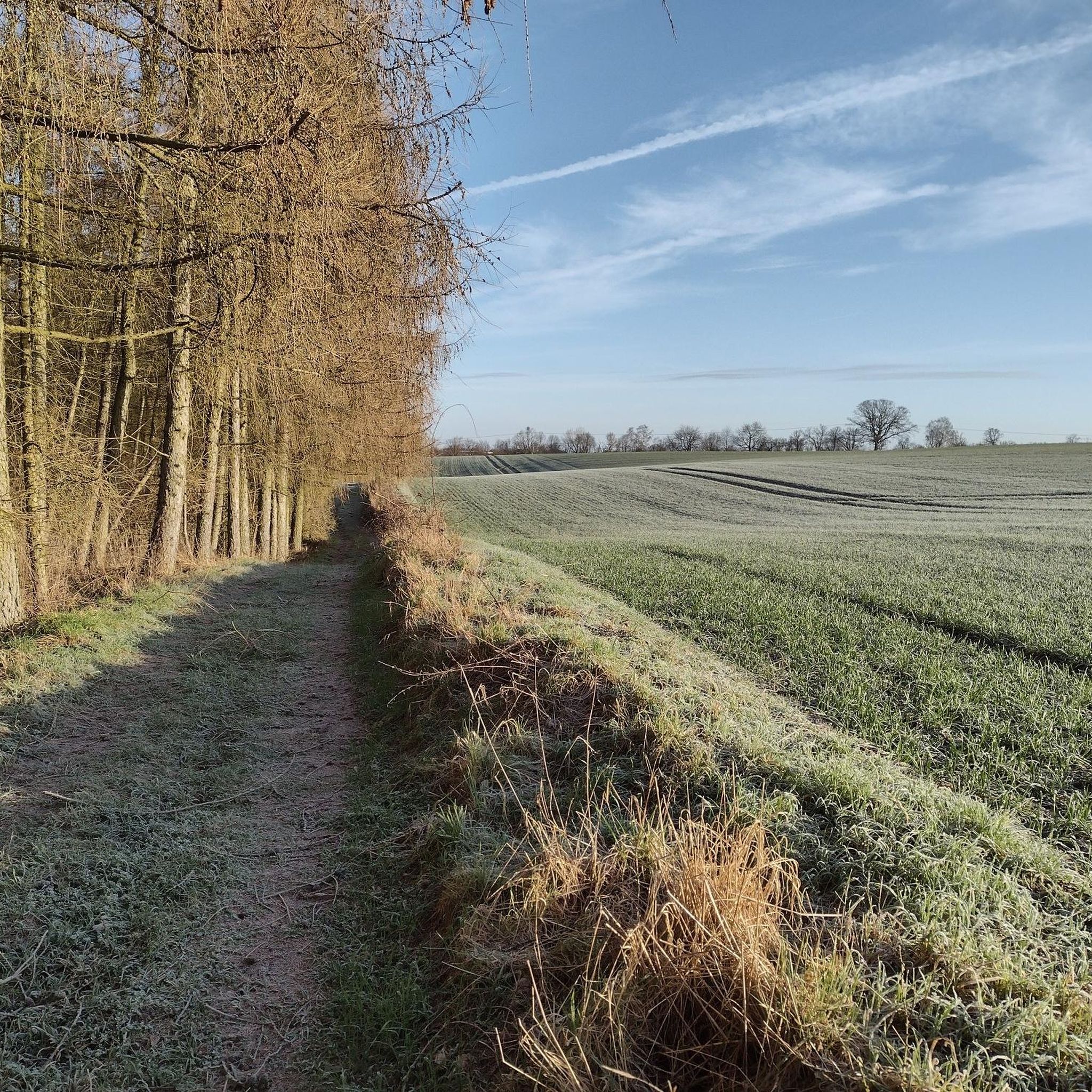
Hiking around Neubrandenburg
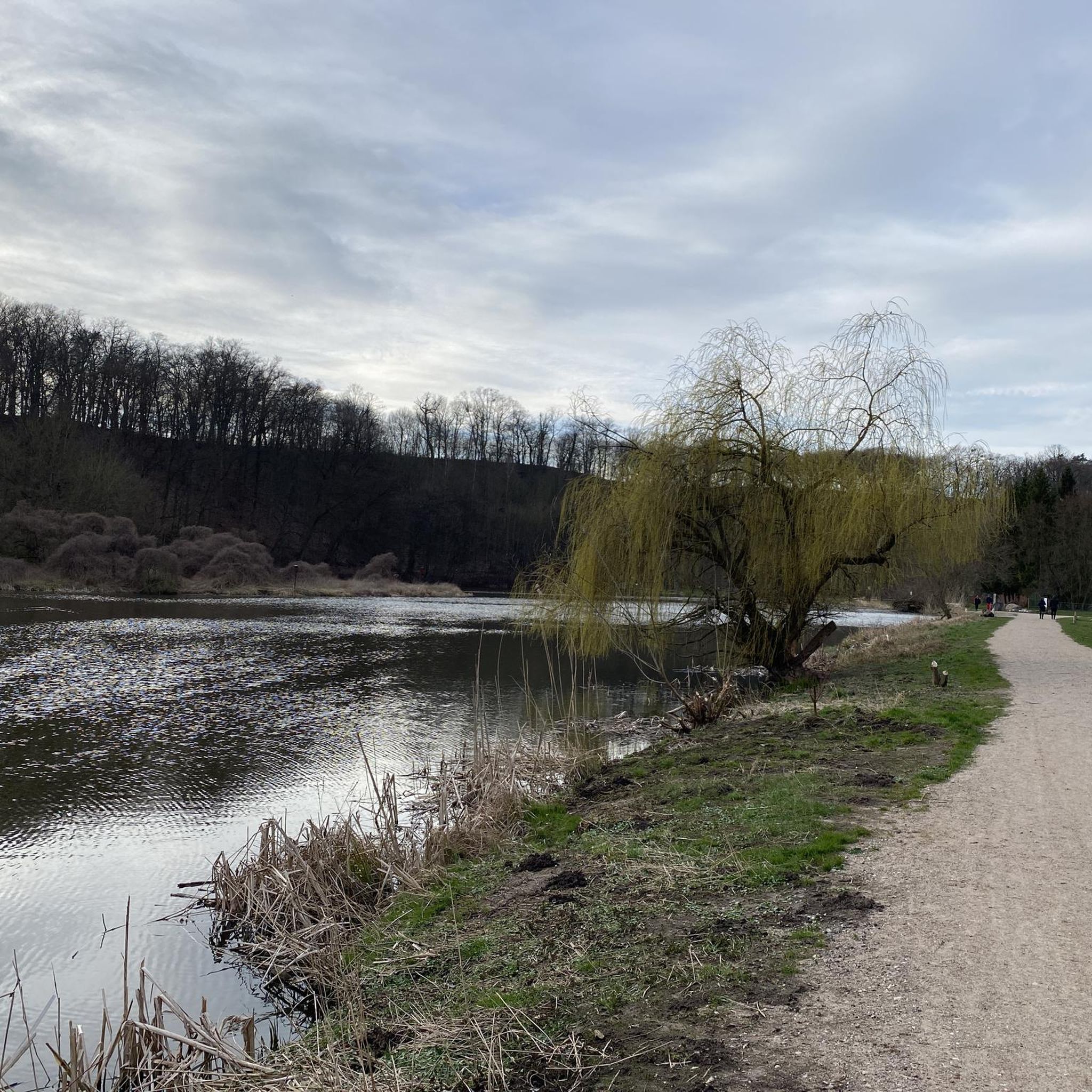
Running Trails around Neubrandenburg
Other adventures around Neubrandenburg


Tips from the Community

The striking neo-Gothic manor house in Pinnow was built between 1862 and 1869, commissioned by Friedrich von Klinggräff (1825–1887). Constructed incorporating an older tenant farmer's house, it is considered one of the most original manor houses in Mecklenburg (a brick building in a square layout with an inner courtyard, towers, wooden galleries, and rich furnishings). Friedrich von Klinggräff, a Mecklenburg landowner, parliamentarian (a member of parliament in the 1848 Revolution), and founder of the Kösener Senioren-Convents-Verband (KSCV), was a devout Lutheran and patriot. He had the house built as a "truly German, simple, pious house" intended to educate the youth. The architects were initially Conrad Wilhelm Hase and Carl Schäfer, and later Heinrich Wiethase. After 1945, the expropriated house served as living quarters, the administration of an agricultural production cooperative (LPG), a post office, and the town hall. It fell into severe disrepair, but from 2012 onwards it was renovated in accordance with historic preservation standards by private owners.
0
0

Hohenzieritz Castle in the Mecklenburg Lake District is an early neoclassical building with great historical significance. Originally built as a manor house in the 18th century, it was rebuilt and expanded under Duke Carl II of Mecklenburg-Strelitz. It became famous primarily because Queen Louise of Prussia died here on July 19, 1810. Her death chamber is now accessible as a memorial. The extensive castle park, one of the oldest landscaped gardens in Mecklenburg-Western Pomerania, is also particularly charming. It was laid out in the English style starting in 1771. With monuments such as the Luisentempel (St. Louis Temple) and its open layout, it offers impressive views of the surrounding hilly landscape. Today, Hohenzieritz Castle is not only a memorial to Queen Louise, but also the administrative headquarters of the Müritz National Park and a worthwhile destination for those interested in culture and nature.
0
0

It was built between 1862 and 1869 on behalf of the von Klinggräff family. The building is a brick structure, laid out in a square, with a small courtyard at its center. The courtyard front of the manor house, which features numerous extensions, wooden galleries, and decorative elements, features a tower-like central section with a wooden porch. The estate was owned by the von Aschersleben family in 1612, by Reimar Ernst von Voß in 1668, and by the von Klinggräff family from around 1700 until 1945. After expropriation, the manor house served as residential property, the community, as a post office, and the headquarters of the LPG administration. In the 1970s, it began to be gradually vacated, and by the 1980s it had stood empty. In 1996, the "Arbeitskreis Denkmalpflege e. V." (Working Group for the Preservation of Historical Monuments) took over. The dilapidated building was leased on a long-term lease and began documentation, cleanup, and preservation work, but these efforts stalled. The manor house is surrounded by a landscaped park, laid out in the 19th century, with a magnificent tree population. A barn and a few outbuildings remain from the former large farmyard. In 2012, new owners were found for the dilapidated manor house. Since then, it has been renovated in accordance with historic preservation regulations. We feature this site in the book "Manor Houses and Castles in Mecklenburg," Volume 5. Source: https://gutshaeuser.de/de/guts_herrenhaeuser/gutshaeuser_p/gutshaus_pinnow_bei_neubrandenburg
0
0
In 1908, Dr. Adolf von Buenger acquired the estate. Between 1905 and 1914, he had almost the entire village demolished, subsequently rebuilding the manor house, the estate, and the village. The manor house is a two-story, plastered building with a colonnade and a gazebo, built on a fieldstone base. The entrance hall, with its original wood paneling, extends over two floors, and a wide staircase leads to a gallery. Between 1945 and 1990, the manor house was used as a training center by the Neubrandenburg District Cultural Academy, after which it stood empty for many years. The manor house is privately owned. Adjacent to the stately home is a small park with a meadow as its centerpiece. The entire estate, including the inspector's house, stables, and barns, is truly worth seeing, but is in a state of disrepair. Source https://gutshaeuser.de/de/guts_herrenhaeuser/gutshaeuser_p/gutshaus_puchow
0
0
Hohenzieritz Palace is idyllically situated in the Mecklenburg Lake District and is best known as the place where Prussian Queen Louise died, who died here in 1810 at the age of just 34. The palace had previously been the summer residence of her father, Duke Carl II of Mecklenburg-Strelitz. Shortly after her death, her death chamber was converted into a memorial that commemorates her to this day. Originally built as a manor house between 1747 and 1751, the building was expanded into a three-wing palace complex starting in 1790. The extensive palace park, one of the earliest landscaped gardens in Mecklenburg-Western Pomerania, is particularly impressive. Another architectural highlight was the so-called "Egyptian Hall," which Duke Carl II had designed in the Egyptian style of the time. The palace and park offer an atmospheric historical ensemble that can be easily combined with excursions into the surrounding area.
1
0

The manor house, completed in 1869 in the neo-Gothic style, has been completely renovated. Fenced in, but easily visible.
0
0

Small but impressive and above all very well maintained, we really enjoyed the visit.
0
0
Walpurgis Night takes place every year on April 30th, and the castle festival always takes place on the second-to-last weekend in August. These events attract thousands of visitors. The Old Penzlin Castle houses a museum depicting the medieval witch hunts. It is considered a specialist museum for "Magic and Witch Hunts in Mecklenburg." A historical rarity in Germany is the Witches' Cellar, an underground dungeon dating back to the time of the witch hunts. Expert guides provide information about the castle's history and bring the witch hunts to life on a tour of the torture chamber and the unique witch dungeons.
3
0
Frequently Asked Questions
What kind of historical fortifications can I expect to see around Neubrandenburg?
Neubrandenburg itself is famous for its remarkably preserved medieval city wall and four impressive Brick Gothic gates, such as the Friedland Gate and Stargard Gate. The surrounding region offers traditional castles like Burg Stargard, as well as historical manor houses.
What are some of the most popular castles and historical sites near Neubrandenburg?
Visitors frequently enjoy Burg Stargard, a 13th-century hill castle with an imposing keep. Other popular sites include Hohenzieritz Castle with cavalier houses, known for its English-style park, and Penzlin Old Castle, which houses a unique museum about medieval witch hunts.
How far are these castles from Neubrandenburg?
Burg Stargard is located several kilometers southeast of Neubrandenburg. Other sites like Penzlin Old Castle and Hohenzieritz Castle are further afield but still within a reasonable distance for a day trip.
What can I do at Burg Stargard?
At Burg Stargard, you can explore the castle grounds, visit the museum (for a fee), and ascend the 38-meter-high keep for panoramic views of the Mecklenburg region. There is also a castle café on site. The castle and its park are generally free to visit.
Are there any castles with unique historical themes or museums?
Yes, Penzlin Old Castle is notable for its museum dedicated to medieval witch hunts, featuring a rare 'Witches' Cellar' (Hexenkeller), an underground dungeon from the time of the witch trials.
What is the best time of year to visit the castles around Neubrandenburg?
The best time to visit is generally from spring to autumn (April to October) when the weather is pleasant for exploring castle grounds and parks. During these months, events like Walpurgis Night (April 30th) and castle festivals (August) at Penzlin Old Castle also take place. Winter visits are possible, but some attractions or opening hours might be limited.
Are there family-friendly castles or activities in the area?
Many of the castles and historical sites, including Burg Stargard, Penzlin Old Castle, and Hohenzieritz Castle, are considered family-friendly. They offer opportunities to explore history, enjoy outdoor spaces like parks, and some have museums that can engage children.
Can I bring my dog to the castles or their surrounding areas?
While specific dog policies vary by site, many castle grounds and parks, such as the extensive park at Hohenzieritz Castle, often allow dogs on leashes in outdoor areas. It's advisable to check individual site regulations for indoor access.
Are there hiking or cycling routes near these historical sites?
Yes, the region around Neubrandenburg offers various outdoor activities. You can find numerous cycling routes, such as those around Lake Tollense, and MTB trails. For detailed routes, explore the Cycling around Neubrandenburg guide or the MTB Trails around Neubrandenburg guide.
What natural features or viewpoints can I find near the castles?
Burg Stargard, situated on a 90-meter-high hill, offers excellent panoramic views from its keep. Hohenzieritz Castle is also built on a high point, providing great views, and features a 21-hectare English-style park for scenic strolls.
Is there public transport available to reach the castles?
Public transport options to specific castles like Burg Stargard are available, often involving regional buses from Neubrandenburg. However, for more remote manor houses or a flexible itinerary, traveling by car is often recommended. Always check local schedules in advance.
What is the significance of the city gates in Neubrandenburg?
Neubrandenburg's four monumental Brick Gothic gates (Friedland Gate, Stargard Gate, New Gate, Treptow Gate) are integral to the city's nickname 'City of Four Gates.' They are remarkably preserved 14th-century structures that were vital for medieval urban defense and showcase the region's distinctive Brick Gothic architecture.
Are there any manor houses or hunting lodges to visit?
Yes, beyond traditional castles, the region features historical manor houses. For instance, Prillwitz Hunting Lodge offers a glimpse into a well-preserved hunting lodge with a small church and private park. Puchow Manor is another notable estate in the area.
Most popular routes around Neubrandenburg
Most popular attractions around Neubrandenburg

Get inspired with the komoot mobile app


Explore more
Looking for the best castles somewhere else? Discover other guides around Neubrandenburg:
